Rare 1930 Quarter Errors (List & Pictures)
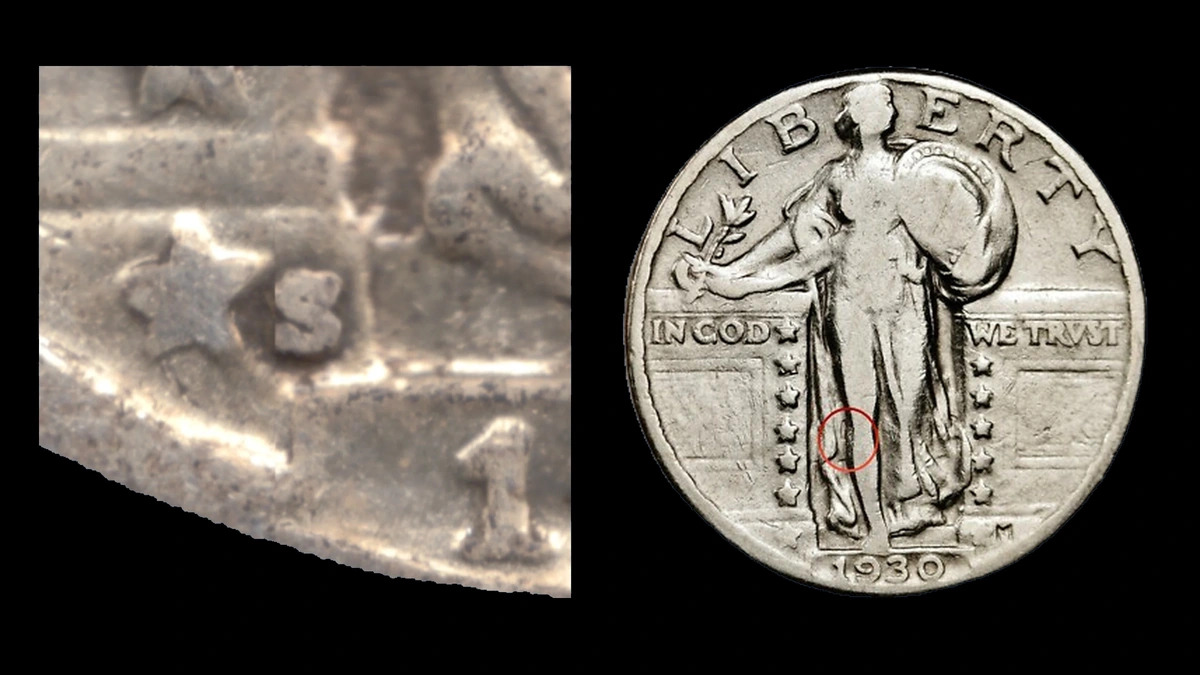
The small S, the date platform, and the metal beneath TRVST are useful places to inspect a 1930 quarter. These nine groups of 1930 quarter errors span estimated values of $25–$2,500.
A repeated-S example graded MS66 brought $650 in March 2019. Work from the lettering toward the surface and edge, keeping ordinary wear separate from features made during production.
1. 1930 Quarter Extra Outlines in the Motto and Leaves: Doubled Die Error
Some Philadelphia quarters have repeated shapes in IN GOD, parts of LIBERTY, and the olive leaves. These patterns came from doubled working dies, the tools that directly struck the coins.
Many ordinary 1930 quarters also show thickness inherited from an earlier master tool. The thick or altered-looking 3 in the date is therefore not a shortcut to a valuable variety.
How to Identify
For WDDO-001, compare IN GOD, LIB in LIBERTY, and the olive branch for the same counterclockwise spread. The relationship should agree across the details.
WDDO-002 has a closer inward spread involving IN GOD, the L, and the leaf beside Liberty’s hand. Use a separate reference for that pattern instead of combining the two.
What It’s Worth
$40–$750 is the estimate for confirmed working-die varieties. Clear matching details on an attractive coin support the upper portion.
Common master-tool thickness does not earn the same premium. A sharp ordinary quarter can also be worth more than a worn example of a named variety.
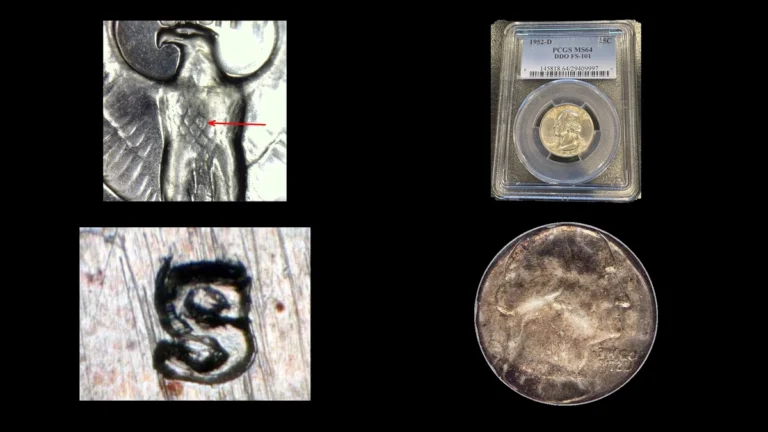
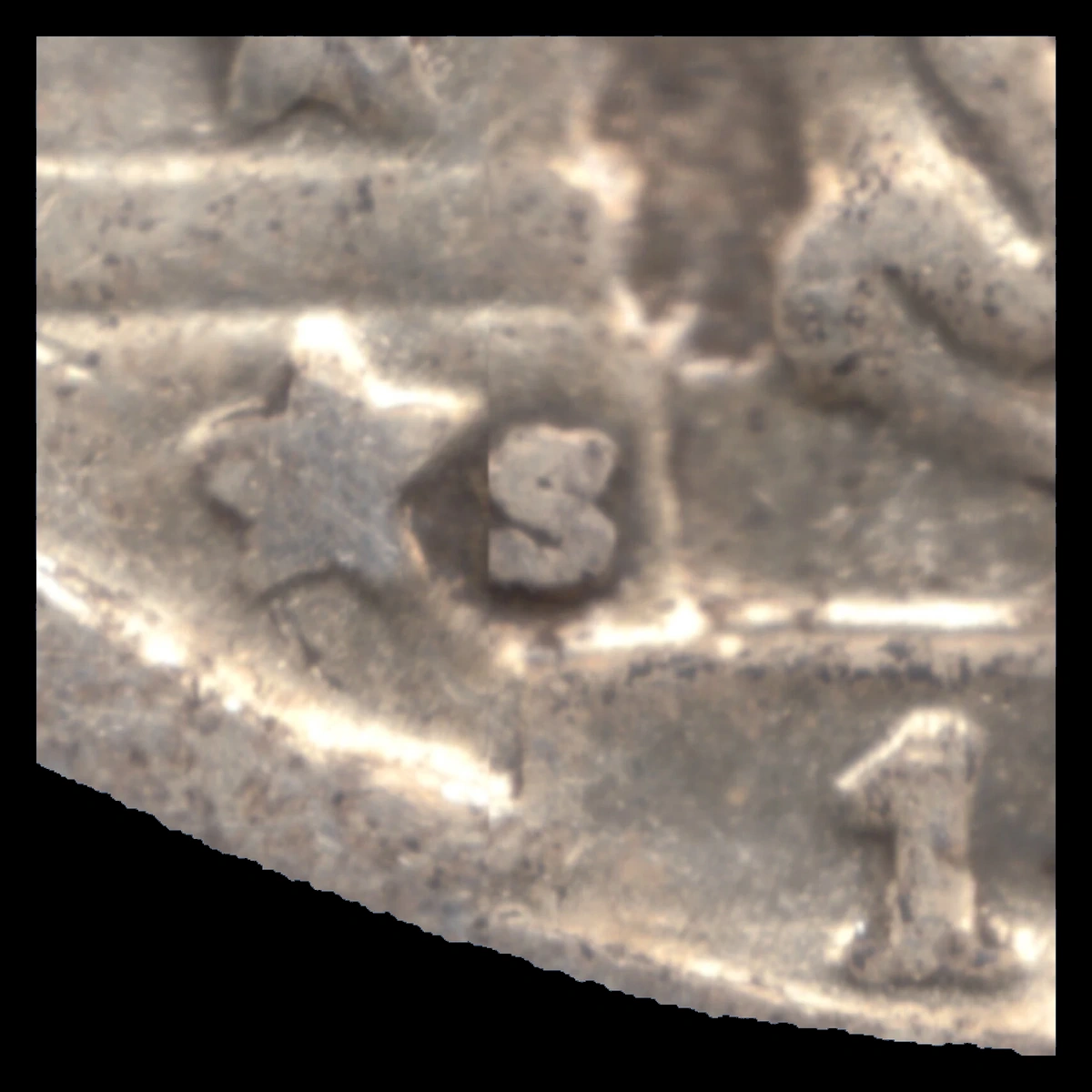
2. 1930 Quarter A Second S Outline: Repunched Mintmark Error
The S near the lower left of the front can retain part of an earlier punched position. The mint letter was applied by hand to the die, allowing overlapping impressions to survive.
PCGS identifies the 1930-S variety as FS-501. The small M elsewhere on the design is sculptor MacNeil’s initial, not a second mintmark.
How to Identify
Compare the entire S with a verified FS-501 photograph. Follow the extra curves instead of treating one nearby blob as another letter.
A Full Head label describes sharp detail on Liberty’s head. It neither identifies the repeated S nor creates another mintmark error.
What It’s Worth
$40–$1,500 covers readable worn examples through attractive high-grade coins. PCGS lists an MS66 result of $650 from March 2019.
Head detail and overall preservation can add value to the complete quarter. Keep those qualities separate from the strength of the repeated mintmark when comparing examples.
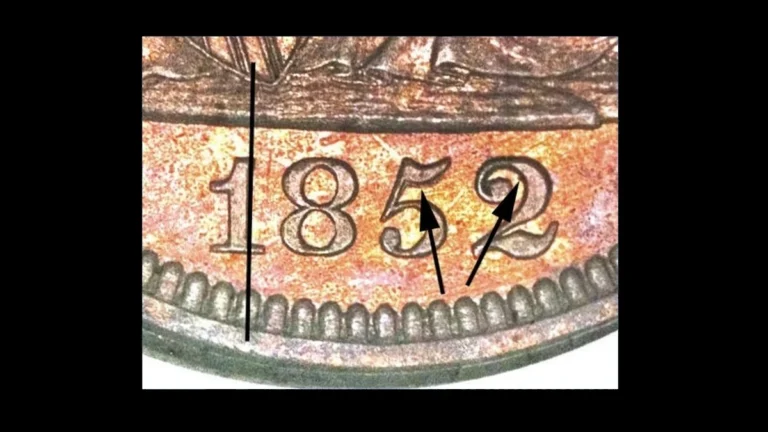
3. 1930 Quarter A Raised Area around the Date: Retained Cud Error
On a documented 1930-S quarter, a raised broken area surrounds the first three date digits. Those digits can wear away faster because the affected platform stands higher.
A piece of the die cracked but remained in place, creating a retained cud. A faint date by itself does not establish this break.
How to Identify
View the date from a low angle and trace the boundary around the first three digits. Compare that raised shape with the known San Francisco example.
Confirm the S near the lower left of the front and enough surviving date detail to establish the year. Scraped or simply worn numerals need a different explanation.
What It’s Worth
$75–$600 is the estimate for recognizable examples. A readable date and clear break boundary help show the feature.
Heritage offered an NGC VG10 example in May 2005, but it did not sell. That record provides a physical comparison rather than a realized price.
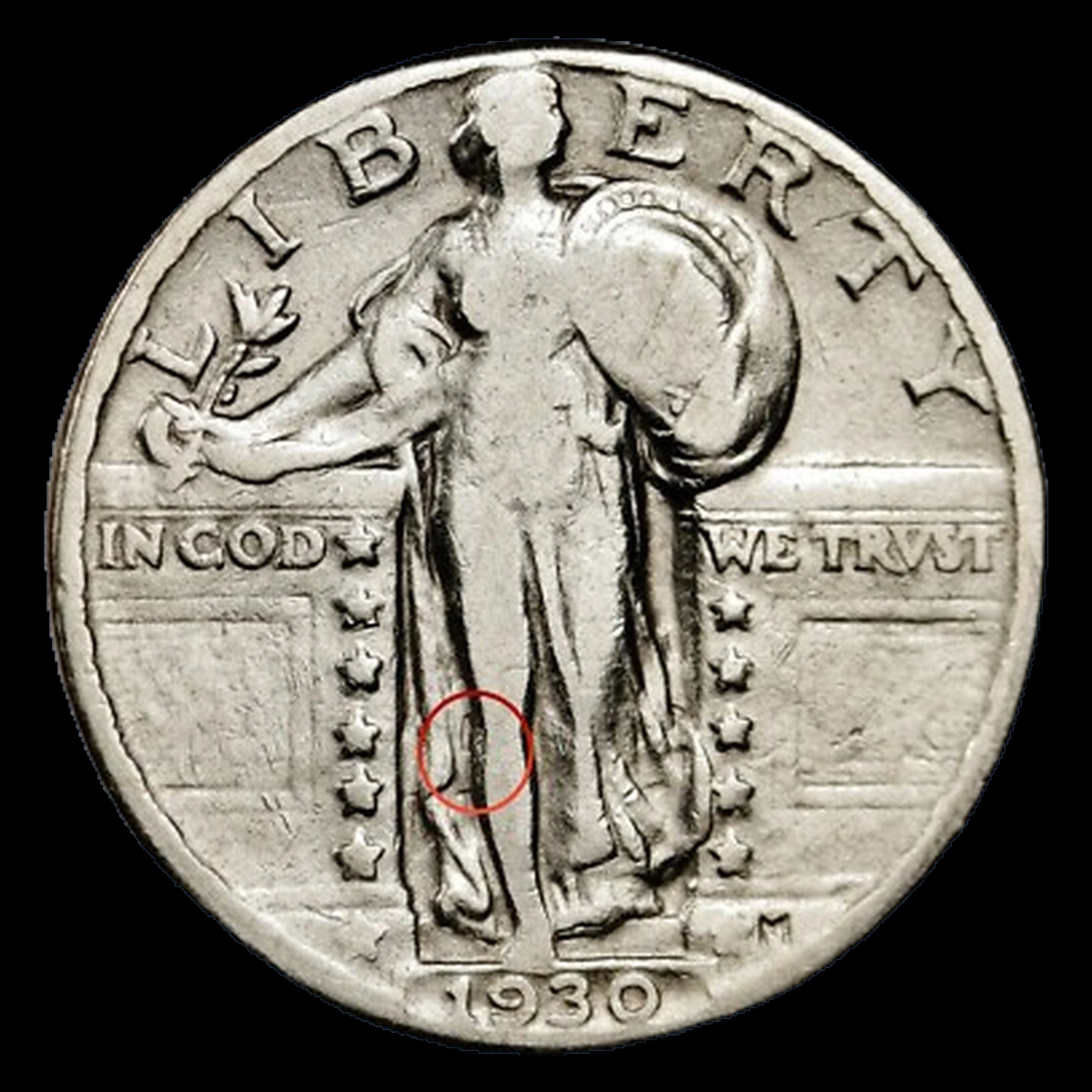
4. 1930 Quarter Unfamiliar Shapes beside Liberty’s Legs: Die Clash Error
Faint traces near Liberty’s legs may belong to the eagle or lettering from the reverse. The dies can mark each other when they strike without a blank between them, then copy those marks onto later coins.
How to Identify
Start with a normal front photograph to separate the usual gown folds from added shapes. Then see whether the extra contour matches part of the reverse design.
The reported examples are Philadelphia coins. A recognizable transferred shape is stronger evidence than several random lines across an open area.
What It’s Worth
$25–$300 is the working range for light but identifiable clashes. A visible outline on an attractive coin is easier to appreciate than a trace hidden by wear.
Cleaning and scratches still affect the whole quarter. A clash does not remove those condition issues from the price.
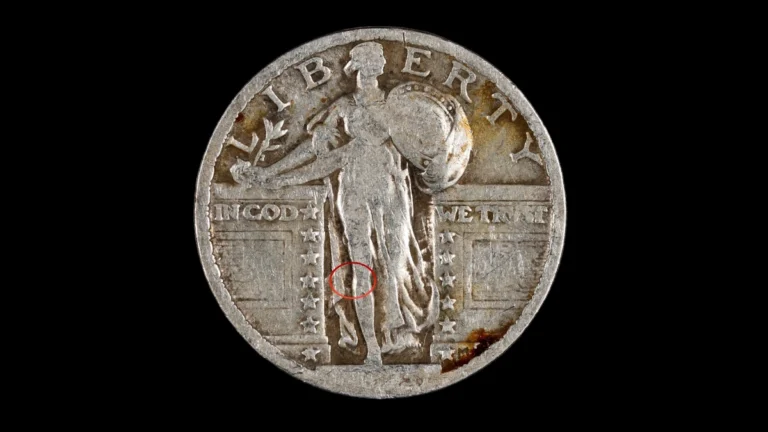
5. 1930 Quarter A Diagonal Hollow in the Gown: Possible Struck-Through Mark Error
A reported diagonal depression across the middle of Liberty’s gown may have formed around a trapped object. An obstruction between the die and blank can prevent the normal design from forming.
The specific gown mark still needs to be distinguished from a later scratch. Its narrow shape does not establish that wire or thread caused it.
How to Identify
Follow the entire channel, including both ends, and examine how it meets the gown folds. A later scratch may cut through finished detail and push metal alongside the groove.
A smoother impression can support a struck-through explanation, but smoothness alone is not proof. Wear can erase the edges that would otherwise show how the mark formed.
What It’s Worth
$40–$500 is the comparison range if examination confirms a Mint-made trapped-object impression. A clear channel on well-preserved silver provides a stronger example than an indistinct line.
The estimate does not apply automatically to the reported gown mark. If it is a later scratch, it does not carry this error premium.
6. 1930 Quarter A Wavy Attached Flap below TRVST: Lamination Error
A documented Philadelphia quarter has a thin strip of silver lifting below TRVST. The layer separated along a weakness inside the metal but stayed attached.
This is a retained lamination, distinct from a solid raised die-crack line. The V in TRVST is part of the normal lettering, not another error.
How to Identify
Use side lighting to follow the thin edge and the separation underneath it. Do not bend the flap to test whether it moves.
Compare the wavy boundary and surrounding design with the documented coin. Scraped metal or an added piece would not show the same natural connection to the surface.
What It’s Worth
$50–$1,250 covers comparable laminations across worn and attractive unworn grades. An intact visible flap can add interest, while the condition of the quarter remains important.
The documented PCGS MS65 example was offered in September 2004 and remained unsold. That appearance supplies no completed-sale price.
7. 1930 Quarter A Curved or Straight Gap: Clipped Planchet Error
A blanking punch that crosses an earlier hole can leave a curved gap in a coin blank. Crossing the edge of the metal strip can produce a straight missing section instead.
How to Identify
Look at the ends of the gap for rim and design that taper naturally toward it. A weakened rim opposite the missing section can provide another clue.
Check for saw marks and sharply sliced finished detail. A complete unworn quarter weighs 6.25 grams, but a light coin alone does not prove an original clip.
What It’s Worth
$50–$400 is the estimate for genuine curved or straight clips. A clear gap with a surviving date offers a more useful display than a tiny or poorly preserved example.
The natural boundary matters more than whether the curve happens to fit another quarter. Later cutting adds no comparable Mint-error premium.
8. 1930 Quarter A Wider Coin with All Its Design: Broadstrike Error
A quarter can spread outward if the collar fails to contain it during striking. The collar is the surrounding ring that limits the coin’s width and forms its edge grooves.
A broadstrike retains the complete intended design even though the outline expands. Later hammering can also widen a coin, so diameter alone is insufficient.
How to Identify
Check that the date, outer lettering, and stars all remain on the metal. Then inspect the edge for expansion consistent with missing collar support.
The normal diameter is about 24.3 millimeters. Flattened relief and battered surfaces suggest later damage rather than a natural broadstrike.
What It’s Worth
$100–$1,000 is the estimate for authenticated dated examples. Strong spread with original surfaces can attract more attention than a slightly enlarged border.
Do not assume a missing mintmark identifies the more valuable mint. The surviving design must establish the coin’s identity.
9. 1930 Quarter Bare Metal beside an Incomplete Design: Off-Center Strike Error
An off-center strike leaves part of the blank untouched while part of the intended picture misses the metal. The blank was misplaced between the dies.
How to Identify
Read the date before assigning the coin to 1930. The Standing Liberty design alone cannot date a coin whose year is missing.
Both faces should fit the same displacement, with lost design and an original unstruck crescent. One shifted face may instead indicate a misaligned die.
A complete picture inside an expanded outline belongs with the broadstrike comparison. Grinding marks where detail disappears point toward later alteration.
What It’s Worth
$150–$2,500 covers genuine examples with a readable 1930 date. A substantial shift that preserves the year can be especially appealing.
A more extreme shift does not guarantee a higher price if the date is lost. Value a dateless coin without assigning it an unsupported year.
Conclusion
Several useful clues are small: an extra S curve, matching motto outlines, or the boundary of a raised date platform. Larger shape changes still need the correct distinction between missing blank, broadstrike, and off-center strike.
Protect any attached flap and leave suspicious channels untouched. The best comparison follows the visible evidence, with unsold auction appearances kept separate from actual sale records.