Rare 1898 Quarter Errors (List & Pictures)
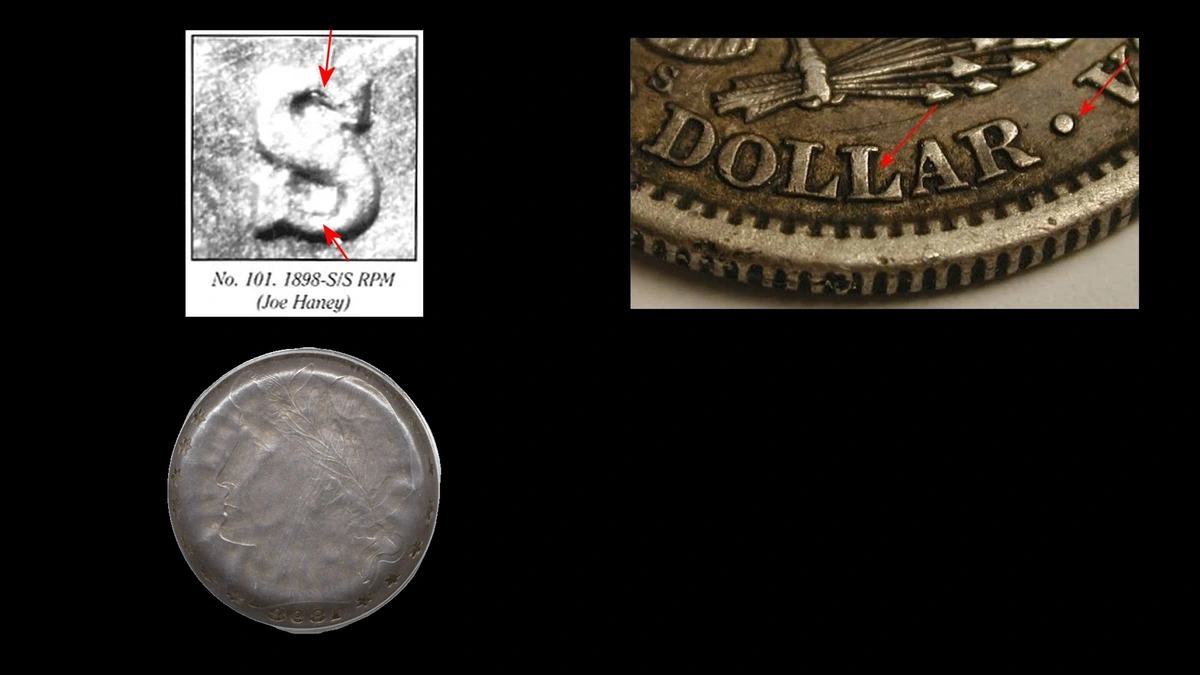
A deep cup and a backward portrait make one 1898 quarter especially striking. That combined cap-and-brockage coin sold for $15,275 in February 2014.
The six groups of 1898 quarter errors below include much smaller date and letter features, with estimated whole-coin values of $30–$30,000. Check the small raised shapes first, then move to the rim and the coin’s overall form.
1. 1898 Quarter A Second Date Stroke: Repunched Date Error
Earlier date-punch traces are reported on Philadelphia 1898 quarters. A moved punch could leave a small extra numeral shape in the die, which then copied it onto the coin.
The report does not establish one specific digit or direction. This is a date-punch feature rather than evidence that the entire quarter was struck twice.
How to Identify
Compare all four digits with a normal 1898 quarter at the same scale. Confirm the denomination and absence of a mintmark before selecting a Philadelphia reference.
Each suspected remnant should fit part of a numeral. A scratch, damaged border bead, or flat strike shelf can sit near a digit without being an earlier punch stroke.
What It’s Worth
$50–$1,500 is the estimate for a confirmed date-punch variety. Clear extra strokes and original surfaces support the stronger end.
Small remnants can disappear with wear before the main date does. Magnification helps show them, but making a mark look large does not make it rare.
2. 1898 Quarter Extra Curves around the O or S: Repunched Mintmark Error
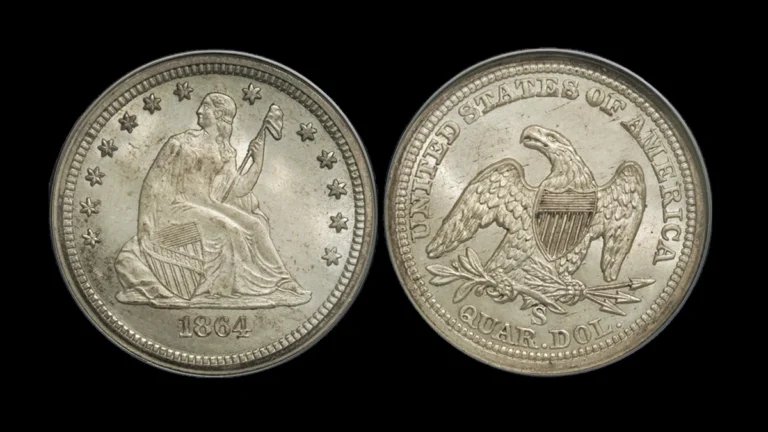
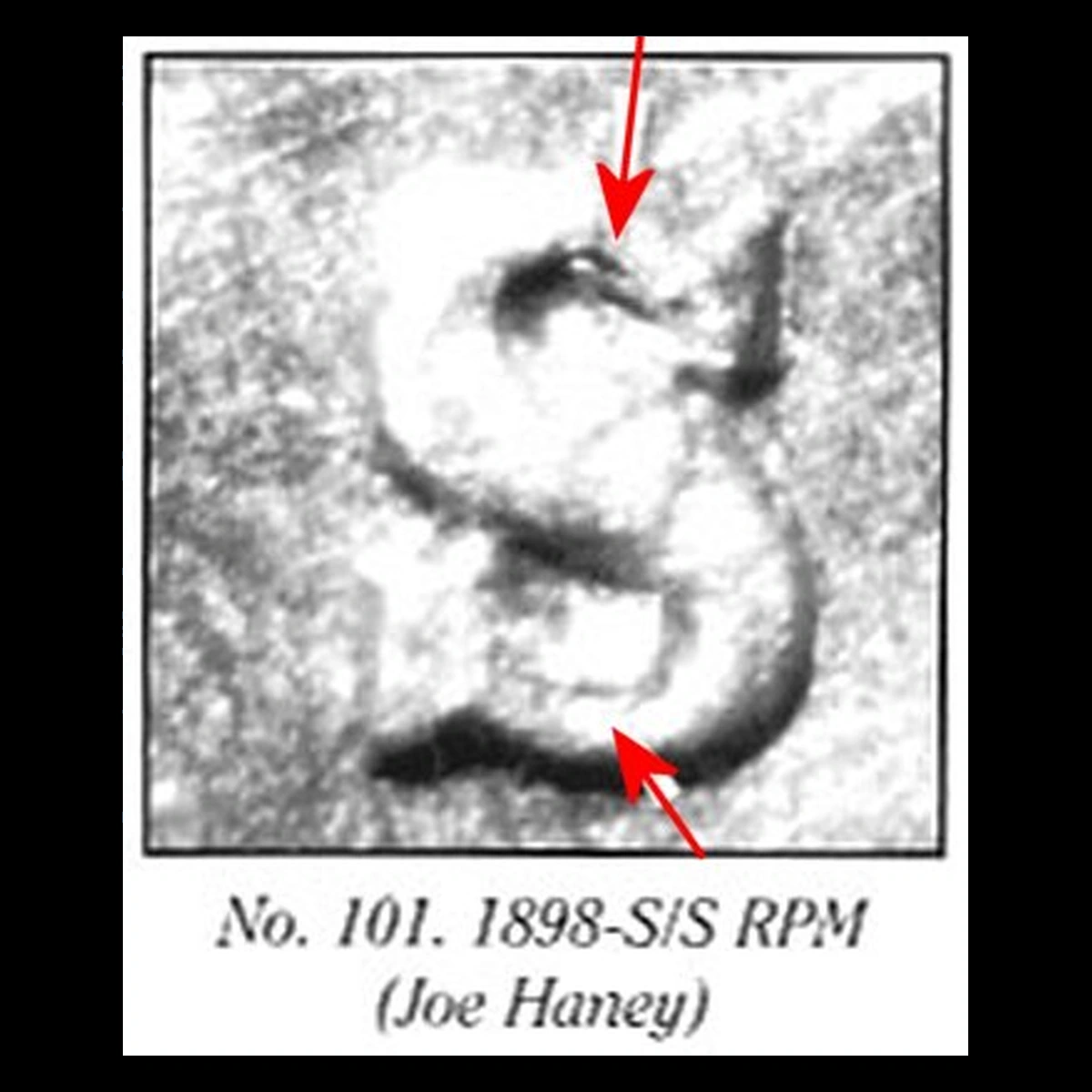
The O beneath the eagle identifies New Orleans, while S identifies San Francisco. Reports describe extra punch outlines around these mintmarks, including an S over an earlier S.
Workers added the mint letter to the die by hand. More than one placement could leave overlapping curves, but a tilted letter alone does not prove that happened.
How to Identify
Follow the added shape around the complete letter. An extra O should describe part of another oval, while a repeated S needs a matching curve or end.
Use the same mint’s reference and inspect for cuts around an altered letter. Mintmark position can vary normally, and a flat shelf is different from a rounded earlier punch trace.
What It’s Worth
$40–$1,000 is the working whole-coin range for confirmed patterns. A bold second outline usually provides a clearer collectible feature than a tiny projection.
Compare O and S coins separately. Their underlying date value and condition contribute to the total, even before any variety premium.
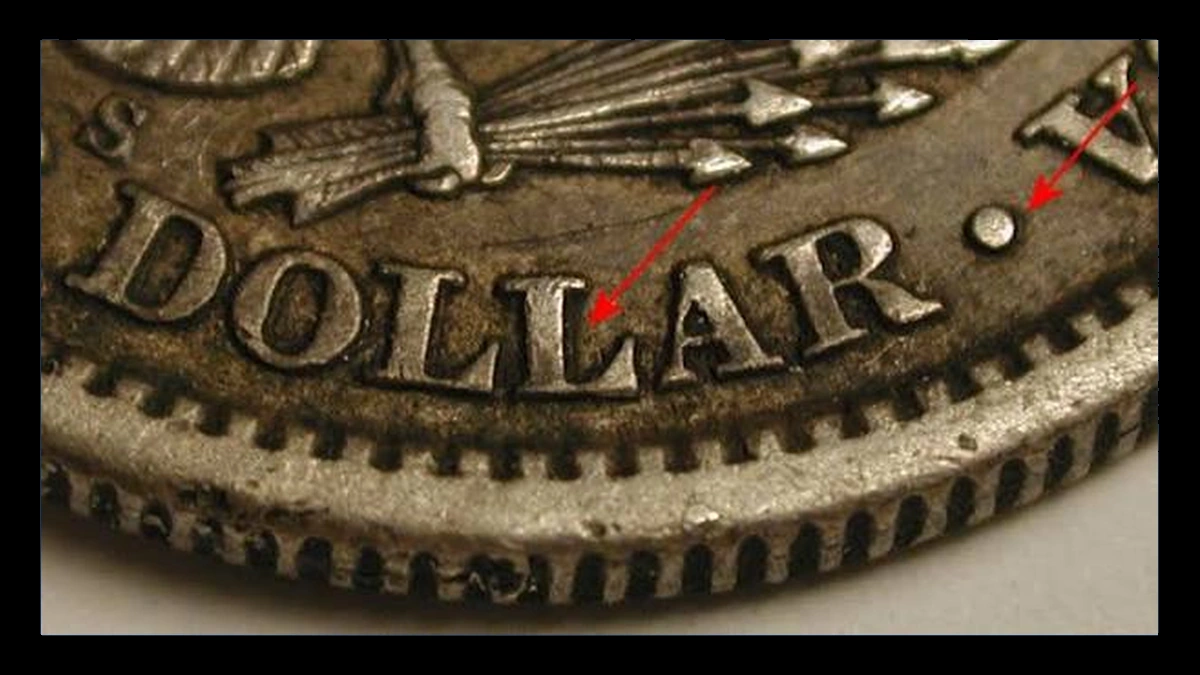
3. 1898 Quarter Repeated Edges in DOLLAR: Reported Doubled Reverse Error
The supplied San Francisco report points to DOLLAR on the reverse. A true doubled die already carries overlapping versions of the lettering before striking a coin.
The reported pattern needs a reliable matching example. Thick or worn letters do not by themselves establish that the doubling began in the die.
How to Identify
Study several corners and curved ends in DOLLAR, keeping the S mintmark visible in your records. Look for a consistent set of separated raised outlines or split details.
A flat lower shelf can result from movement during the strike. Move the light as well, since one bright corner may be a reflection rather than another letter edge.
What It’s Worth
$75–$2,000 is the estimate for a confirmed collectible doubled-reverse variety. It applies to the whole 1898-S quarter, including its normal date value.
Wear can remove the details needed for attribution. Cleaning may leave those details readable while still reducing the coin’s appeal.
4. 1898 Quarter Raised Lines or Rim-Connected Metal: Die Cracks and Cuds Error
A crack in a die lets silver form a raised line on the coin. A larger missing piece at the die’s edge can create a rim-connected lump called a cud.
Both forms are reported for 1898 without one universal location. A thin crack and a broad rim break need their own physical comparisons.
How to Identify
Rule out an edge impact before calling a lump a cud. Look for raised metal joined to the rim and replacing normal design, rather than metal pushed beside a dent.
For a fine crack, trace its height across the design under angled light. A dark cut or repaired area is not the same raised feature.
What It’s Worth
$30–$800 spans the group, with small clear cracks estimated at $30–$300 and substantial rim breaks at $75–$800. A natural feature on readable original surfaces makes a better comparison than a larger damaged lump.
The mint and amount of wear also influence the base value. Do not treat the entire price as a payment for one extra line.
5. 1898 Quarter A Slightly Displaced Design: Off-Center Strike Error
A heavily worn Philadelphia quarter was offered as about 3% off center. That figure is the uncertified seller’s description, not an independent grading result.
A true off-center strike leaves part of the intended design beyond the blank and untouched metal opposite it. Heavy wear can make a small displacement difficult to establish.
How to Identify
Compare both faces for design lost at the same physical side of the disc. Find the original unstruck area opposite that loss.
One shifted face may reflect a misaligned die, while a complete design on expanded metal suggests a broadstrike. Keep the advertised 3% as a claim until the coin supports it.
What It’s Worth
$100–$3,000 covers genuine dated examples from slight to more obvious displacement. The uncertified worn example was listed at $250 or Best Offer before becoming unavailable.
That listing is not a confirmed sale. A visible year, original surface, and convincing shift determine whether a coin fits the broader estimate.
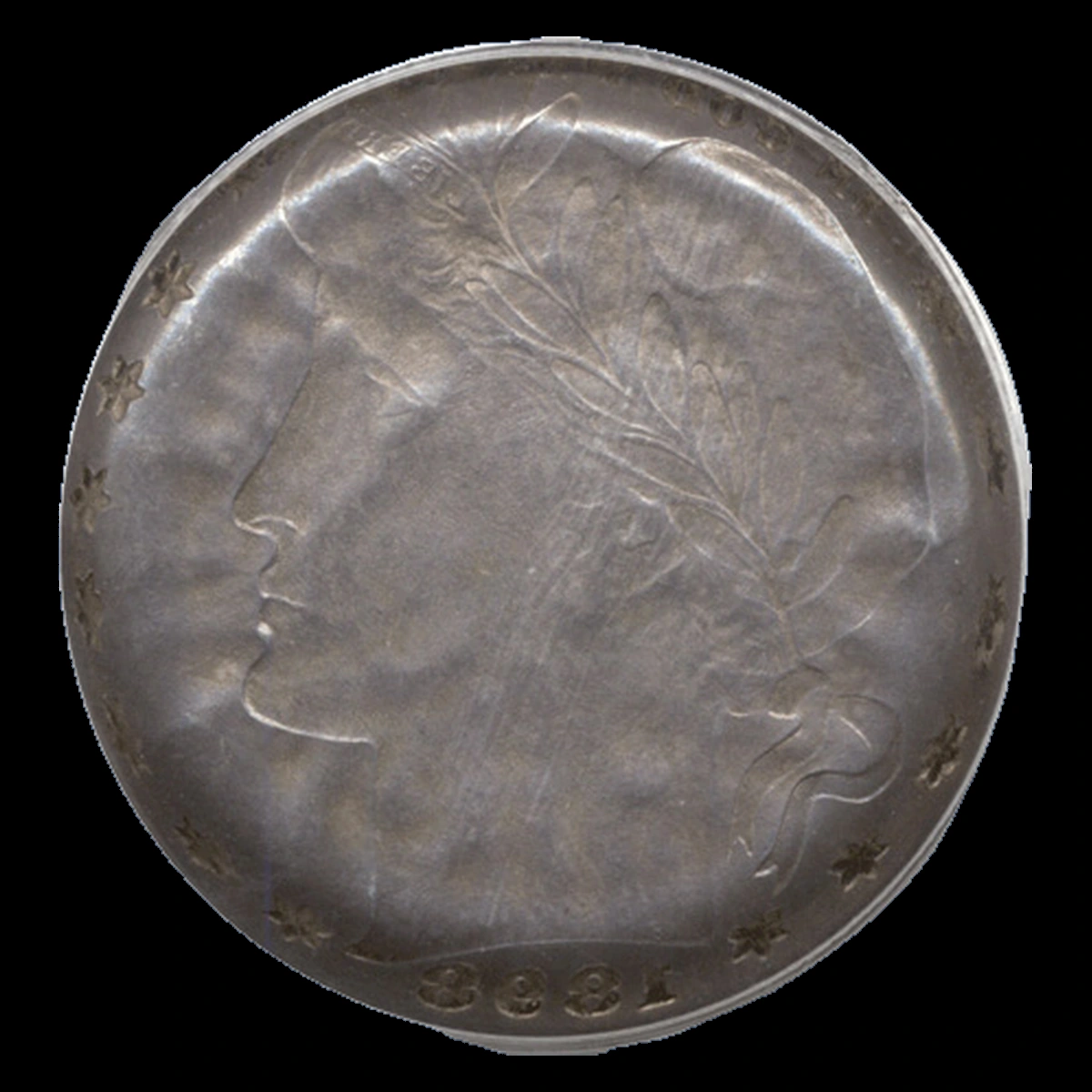
6. 1898 Quarter A Deep Cup with a Reversed Portrait: Die Cap and Brockage Error
A documented Philadelphia quarter has cup-like sides and a sunken backward image of the front design. Both features belong to the same PCGS MS62 coin.
The cup formed as the coin stayed attached to a die and took further blows, becoming a die cap. The recessed mirror image, called a brockage, records contact with an already struck coin.
How to Identify
Use a side view to examine the depth and the way the design stretches into the cup. Then check that the portrait on the other face is both recessed and reversed.
A coin bent into a bowl later does not gain a genuine struck mirror image. Keep the natural shape protected rather than flattening it or forcing it into a tight holder.
What It’s Worth
$10,000–$30,000 is the estimate for a comparable genuine combination. The documented coin brought $15,275 on February 27, 2014, at Heritage.
A later dealer page marked sold displayed $22,500, but that does not disclose a negotiated price or establish another auction result. Cap and brockage are assessed together as one coin.
Conclusion
Small letter varieties need matching shapes, while a dramatic cap needs both its natural cup and backward impression. A seller’s slight off-center claim requires a different level of physical checking from the documented cap.
Keep those distinctions when comparing prices. The complete coin’s mint, wear, surfaces, and verified features explain more than an error nickname on its own.