Rare 1796 Quarter Errors (List & Pictures)
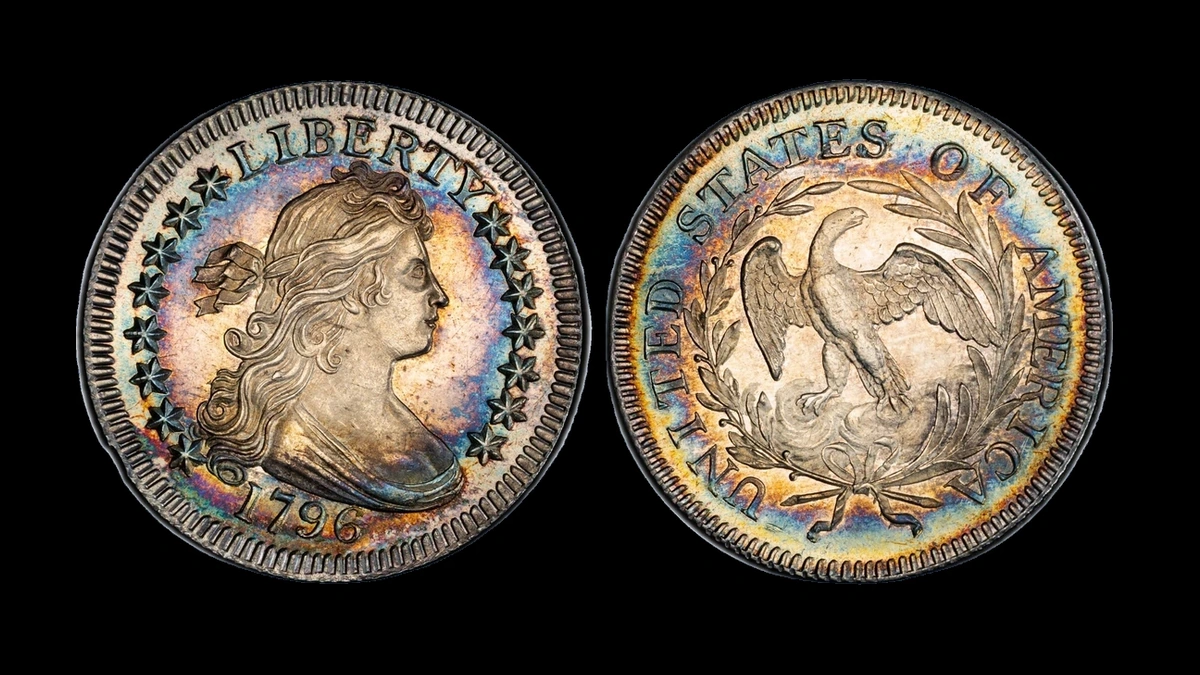
A 1796 quarter is valuable before any minting flaw enters the picture. An exceptional MS66 sold for $1,740,000 in January 2022 as a general rare-date and condition comparison.
The 1796 quarter errors below have working estimates of $8,000–$300,000 for more modest grades. Some are described on known coins; others are reported categories that require an authenticated matching example.
1. 1796 Quarter Extra Front Outlines: Reported Doubled Die Error
A year-specific list names doubled-die obverse without supplying a particular letter, portrait detail, or numbered variety. The actual repeated feature must be established before its cause can be named.
Individual characters were also punched by hand during preparation of these early dies. A repeated character, a doubled die, and a coin struck twice are different possibilities.
How to Identify
Photograph the complete front and determine whether repetition affects one punched character or several connected design areas. Compare other genuine coins from the same dies for an identical fixed pattern.
If only one coin shows the extra image, check both faces for another strike. Flat shelves beside letters are not enough to establish a doubled die.
What It’s Worth
$10,000–$200,000 is a conditional whole-coin estimate for meaningful confirmed front doubling. Its cause, preservation, and the rare date all matter.
A normal B-1 in PCGS AU58 sold for $49,350 in August 2015. That condition comparison is not a transaction for this reported doubling.
2. 1796 Quarter Raised Paths near Stars and Letters: Die Cracks Error
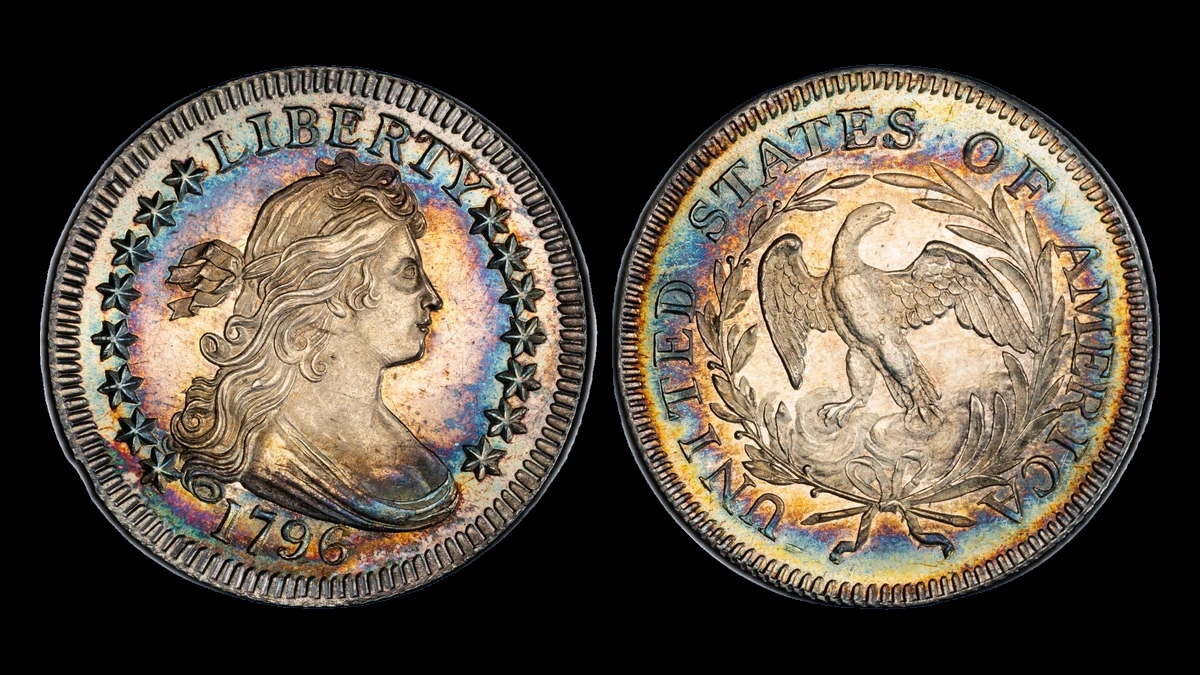
B-2 can show a narrow ridge above the third left star. Other recorded examples have a reverse line between F in OF and the first A in AMERICA, or a larger later network around LIBERTY.
These different paths formed as silver entered cracks in the dies. They are not a checklist required on every 1796 quarter.
How to Identify
Choose the correct variety and trace the route through its landmarks. On B-2, count upward from the lower-left star before examining the area above star three.
Use angled light to distinguish raised metal from a scratch’s channel. Do not combine a front network and a reverse line from separate examples into one assumed pattern.
What It’s Worth
$8,000–$300,000 is the working range for worn through attractive unworn examples. A crack can identify a die without explaining most of the rare quarter’s value.
The $1,740,000 MS66 sale in January 2022 illustrates how exceptional preservation can exceed that range. It is not a price assigned to one particular crack.
3. 1796 Quarter Faint Opposite-Design Traces: Die Clash Error
Some B-1 quarters show reverse traces from the opposite design. The dies struck each other without a blank, then copied the resulting marks onto later coins.
A clash usually transfers fragments rather than a complete second picture. It does not require the coin itself to have received two strikes.
How to Identify
Compare with an identified clashed B-1 while keeping the eagle and wreath visible. The extra contour should relate to the opposite face, not merely occupy an unusual spot.
Original adjustment filing and later scratches can both create lines. They differ from a recognizable transferred shape repeated in the correct position.
What It’s Worth
$8,000–$300,000 is the estimate for genuine clash-marked examples from worn through attractive unworn condition. Most of the amount belongs to the date and preservation.
A B-1 then graded NGC MS64+ sold for $264,000 in November 2017. That high-grade variety comparison does not establish a separate clash premium.
4. 1796 Quarter A Thin Flap beside Liberty: Lamination Error
Former ANA authenticator Tom DeLorey reported a genuine 1796 quarter with a small layer lifting in the open area to Liberty’s right. Separation within the silver creates a physical edge and sometimes a narrow space underneath.
A copied surface line can resemble that outline without containing a real separation. The feature also cannot authenticate the entire coin by itself.
How to Identify
Use a low viewing angle to inspect the untouched flap and any visible space beneath it. Move the light rather than lifting the layer.
Check the complete design against genuine 1796 quarters. A plausible-looking flaw does not make a counterfeit coin genuine.
What It’s Worth
$8,000–$100,000 is the estimate for genuine circulated to modest unworn coins with a small lamination. A larger defect may reduce eye appeal or make the surface fragile.
The $49,350 AU58 B-1 sale is a different coin used for condition context. No transaction for DeLorey’s reported lamination is supplied.
5. 1796 Quarter A Missing Section of Blank: Reported Clip Error
A clip would leave part of the disc absent before the design was struck. Year-specific lists report the type without giving one fixed gap shape or position.
A later saw cut can imitate the outline. The boundary and the way nearby design formed must show when the metal was lost.
How to Identify
Inspect both ends of the gap for natural metal flow, then check the exposed boundary for cutting grooves. Weakness at the opposite rim can support the identification but is not decisive on an unevenly struck early quarter.
The normal unworn weight is about 6.74 grams. Reduced weight confirms less metal, but cannot distinguish an original clip from later removal.
What It’s Worth
$15,000–$150,000 is a conditional estimate for an authenticated example from worn through attractive lightly worn condition. The remaining date, original gap, and surfaces guide the comparison.
The ordinary $49,350 AU58 result is not a clipped-quarter sale. Later cutting damage does not receive the same Mint-error allowance.
6. 1796 Quarter Unusual Expansion with Complete Design: Reported Broadstrike Error
The broadstrike label appears in a year-specific list for an unusually spread coin with a complete design. Early quarters predate the later tightly controlled collar system, so their normal outlines can already be irregular.
A wide border alone therefore needs caution. Later flattening can also increase the diameter.
How to Identify
Compare with several genuine 1796 quarters rather than a modern coin. The nominal diameter is about 27.5 millimeters, but one slightly larger reading cannot prove the reported error.
Check that the stars, date, portrait, and eagle remain complete without crushed relief or hammering evidence. Original unusual spreading must be distinguished from a damaged finished coin.
What It’s Worth
$15,000–$150,000 is the conditional range for a genuine example with unusual original spreading. It includes the substantial normal value of the issue.
The $49,350 AU58 comparison is not a broadstrike transaction. A widened coin with crushed detail needs a damage assessment instead.
7. 1796 Quarter A Blank Crescent and Lost Design: Reported Off-Center Strike Error
A misplaced blank can leave unused metal opposite an incomplete design. The year-specific report gives no fixed percentage or direction for a 1796 example.
Both faces should fit the same misplaced disc. A single shifted face can have a different alignment cause.
How to Identify
Align photographs by the physical edge and find original bare metal paired with design that runs beyond the disc. An uneven decorative border is not enough.
Confirm the remaining 1796 date and small eagle within its wreath. This quarter has no 25C inscription to serve as a location marker.
What It’s Worth
$20,000–$250,000 is the estimate for an authenticated off-center example. A readable date and original strike boundary are particularly important.
An 1838 Capped Bust quarter struck 20% off center sold for $4,140 in January 2005. That different-year mechanism comparison cannot directly price the much rarer 1796 issue.
8. 1796 Quarter Overlapping Designs with Slight Rotation: Double Strike Error
Mike Byers recalled seeing a worn 1796 quarter with a slightly rotated double strike around 1980. He described Good or Very Good condition, indicating substantial wear.
The report supplies no exact angle or sale amount. The extra impression could survive only in fragments on such a worn coin.
How to Identify
Follow repeated detail at several separated points, such as date, portrait, and border. Their positions should fit one consistent rotation between blows.
Inspect the reverse too, allowing for one strike to flatten parts of the other. A lone doubled-looking edge is not enough to assign another strike or a measured angle.
What It’s Worth
$20,000–$300,000 is the estimate for an authenticated worn through lightly worn double strike. Visibility of both impressions and the surviving date strongly affect demand.
This is not a transaction from Byers’s recollection. A faint second image on a heavily worn quarter needs a different comparison from strong overlap on original surfaces.
Conclusion
Start by establishing the genuine quarter and its condition, then identify the actual raised line, separated layer, or repeated impression. Reported categories need a matching authenticated coin before their conditional ranges apply.
Ordinary rare-date prices provide context rather than an error premium. Keep natural early striking irregularities and later damage separate while preserving every original surface for examination.