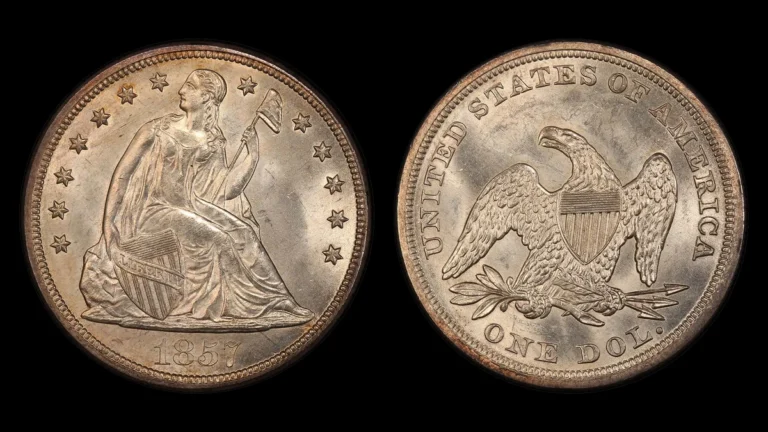
Rare 1870 Dollar Errors (List & Pictures)
A rare 1870-S dollar with a shallow edge flaw sold for $505,250 in May 2015. Estimated whole-coin values across these 1870 Liberty Seated dollar errors and varieties span $500–$1,200,000.
Identify the mint before comparing date repetition, doubled feathers, alignment, expansion, or the individual flaw on the exceptional San Francisco coin.
| Mint and clue | Category | Estimated range |
|---|---|---|
| Philadelphia, extra zero curve | Repunched date | $500–$12,000 |
| Philadelphia, repeated feathers and letters | Doubled reverse | $500–$15,000 |
| Carson City, tilted reverse | Rotated die | $1,000–$20,000 |
| Carson City, uneven expanded border | Broadstrike | $3,000–$50,000 |
| San Francisco, shallow flaw past star seven | Individual planchet flaw | $400,000–$1,200,000 for the rare coin |
1. 1870 Dollar A second curve follows the final zero: repunched date Error
Philadelphia OC-6 is cataloged as Repunched 0. A remnant of an earlier punch position survives beside part of the final numeral.
The repeated impression was made in the die before coin production. Its exact curve must be matched rather than inferred from any irregular zero.
How to Identify
Compare the entire final 0 with a labeled OC-6 photograph. The supplied description does not specify a side, so inspect the full numeral before deciding where a remnant lies.
Look for a raised contour following the digit rather than a scratch crossing it. Confirm the absence of a reverse mint mark and compare the other date digits for damage that might create a false doubled appearance.
What It’s Worth
Identified repunched-zero examples are estimated at $500–$12,000.
A PCGS MS63 OC-6 sold for $7,050 on April 6, 2017. A different PCGS MS64 OC-6 brought $7,200 in August 2025.
Both are whole-coin results. Surface preservation can outweigh the appeal of a particularly clear punch remnant.
2. 1870 Dollar Repeated feather edges continue into lettering: doubled reverse Error
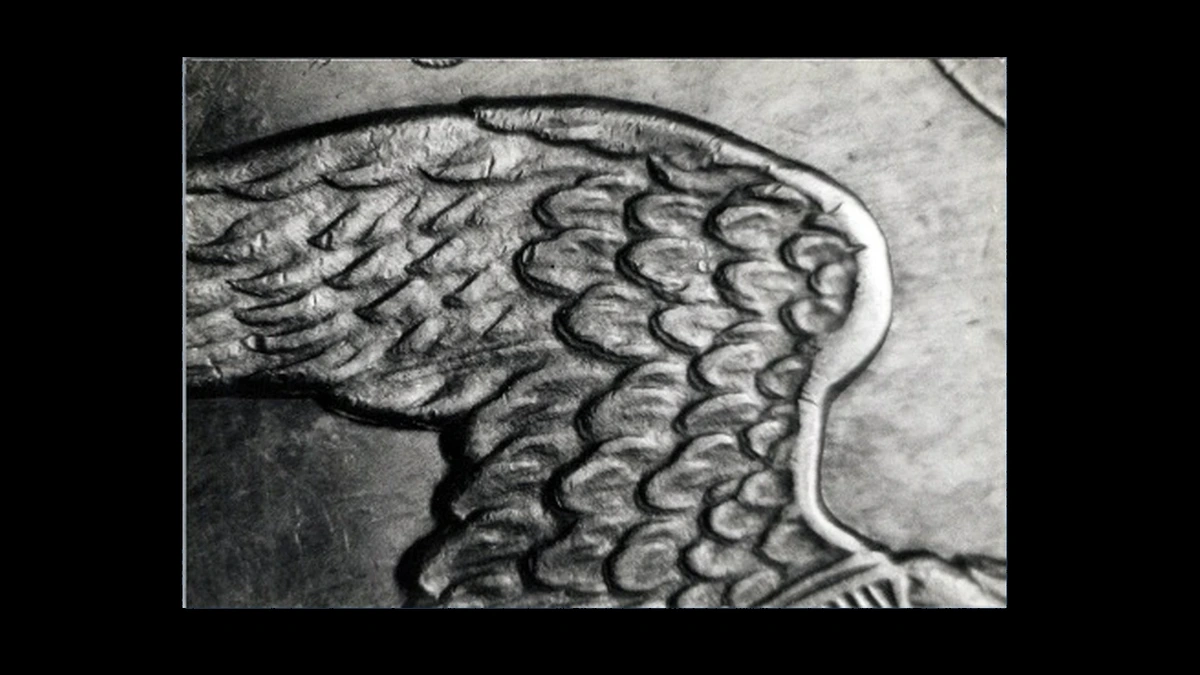
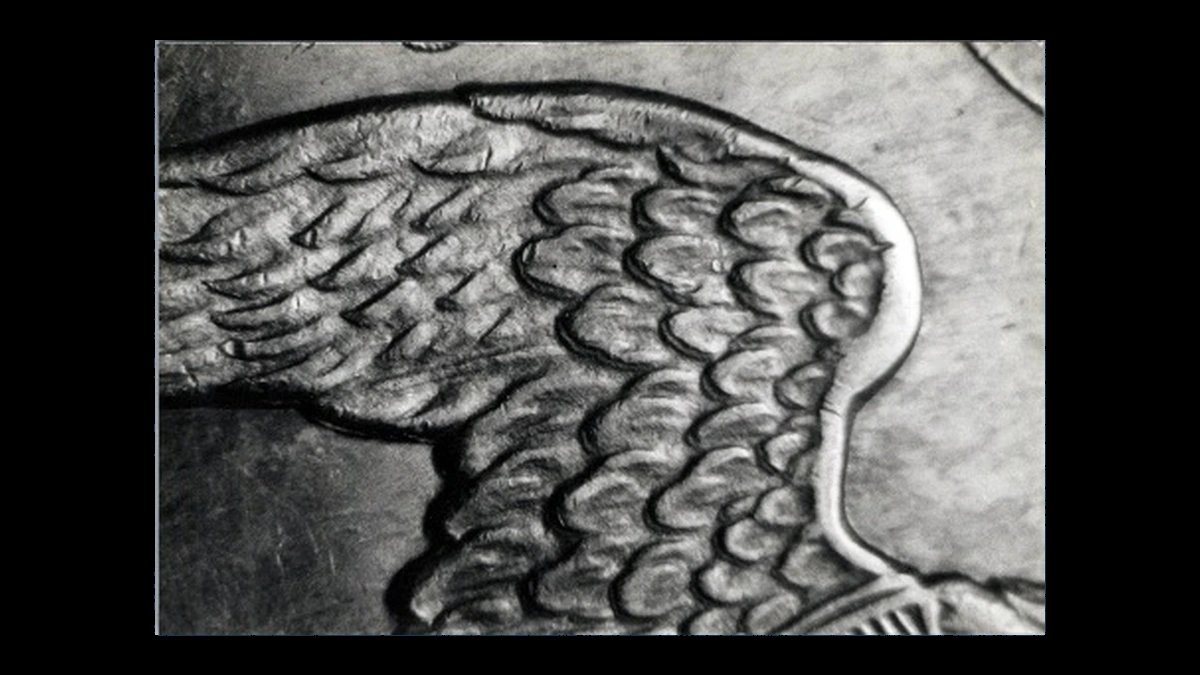
Philadelphia WDDR-001 has strong repetition on the upper right wing and right leg feathers. Closer doubling appears at the eye, in ONE, the country name, and IN GOD WE TRUST.
STATES also shows a small clockwise spread. These linked features came from a doubled image in the die rather than a single random shelf on the finished coin.
How to Identify
Begin with the feathers under about 10× magnification and compare the eye next. Follow the pattern into ONE and the motto using Wexler’s catalog photographs.
Supporting raised tool lines lie above T in LIBERTY and just left of the top of W in WE. They help identify the same dies without becoming additional varieties to value.
Confirm the mint and production style from the complete coin. Do not assume that every ordinary strike or collector Proof with apparent doubling belongs to this pattern.
What It’s Worth
An authenticated matching Philadelphia example has an estimated range of $500–$15,000.
No WDDR-001 auction result was supplied. Clear feather separation helps identification, while cleaning, scratches, and wear still affect the dollar’s value.
3. 1870 Dollar The eagle leans after a straight flip: rotated die Error
A historical collector report describes two 1870-CC dollars with a 12-degree shift and another with a 25-degree shift to the left. The smaller angle’s direction was not stated.
This observation concerns the relationship between the two face designs. It does not describe spacing between the two C letters.
How to Identify
Set Liberty upright in a clear holder and flip it top to bottom without sideways twisting. Repeat the movement to see whether the eagle finishes with a consistent lean.
Photograph the holder in both positions, then measure deviation from vertical. Record both amount and direction for the actual coin rather than transferring a reported angle to it.
What It’s Worth
Circulated Carson City dollars with verified moderate rotation are estimated at $1,000–$20,000.
PCGS preserves the collector’s angle report, not a specific rotation sale here. The rare date and mint contribute much of the whole-coin value.
4. 1870 Dollar A wide margin surrounds the designs: reported broadstrike Error
Collector Allen Rowe described an 1870-CC with an unevenly spread border that looked close to an off-center strike. His published account identifies it as a broadstrike.
A broadstrike forms without the collar ring’s normal restraint and can remain uncentered while retaining the full design. If design truly extends beyond the metal, off center may be the better description.
How to Identify
Trace every outer star, letter, and border detail on both faces. Determine whether the complete design survives before naming the error from its unequal margins.
A normal Seated dollar is about 38.1 millimeters across. Rowe’s example has no published exact diameter in the supplied account, so measure a loose candidate independently.
Check the edge and expanded silver for filing, hammering, or crushed relief. Original outward spread must explain the appearance better than later alteration.
What It’s Worth
A genuine 1870-CC broadstrike is estimated at $3,000–$50,000.
Rowe’s account describes a private purchase without disclosing its price. It should not be converted into a recorded sale figure.
An 1877-S Trade dollar broadstrike graded NGC AU58 brought $6,300 in November 2018. That is a different date, mint, and dollar series.
5. 1870 Dollar A shallow edge irregularity follows star seven: planchet flaw Error
The documented 1870-S PCGS XF40 has a shallow flaw at the front edge just past star seven. The auction catalog calls it a planchet flaw, meaning a defect in the blank metal.
The description does not establish peeling layers or trapped material as the cause. A separate nick between stars three and four and fine scratches are other marks on the same coin.
How to Identify
Count the front stars carefully and compare the edge past number seven with the auction image. Locate the separate nick between stars three and four to avoid confusing the two marks.
Inspect the shallow boundary under angled light without scraping or lifting anything. The flaw is a useful matching point, not an independent certificate of authenticity.
An S alone is insufficient to establish this exceptionally rare issue. The complete coin and ownership history need specialist comparison with documented examples.
What It’s Worth
The rare 1870-S in comparable condition has a broad whole-coin estimate of $400,000–$1,200,000.
The described PCGS XF40 sold for $505,250 on May 12, 2015. XF40 indicates wear with substantial detail remaining.
The extraordinary amount reflects rarity, identity, history, and condition. A similar shallow flaw on an ordinary dollar does not carry this value.
Conclusion
The mint changes the comparison dramatically for 1870 dollars. Philadelphia date and reverse varieties, Carson City alignment and expansion, and the exceptional San Francisco specimen should remain distinct.
Match each physical feature with its own evidence, including the recorded flip for rotation and complete design for broadstriking. The six-figure flaw example is valuable primarily as an authenticated 1870-S dollar, not because a small amount of metal is irregular.