Rare 1829 Dime Errors (List & Pictures)
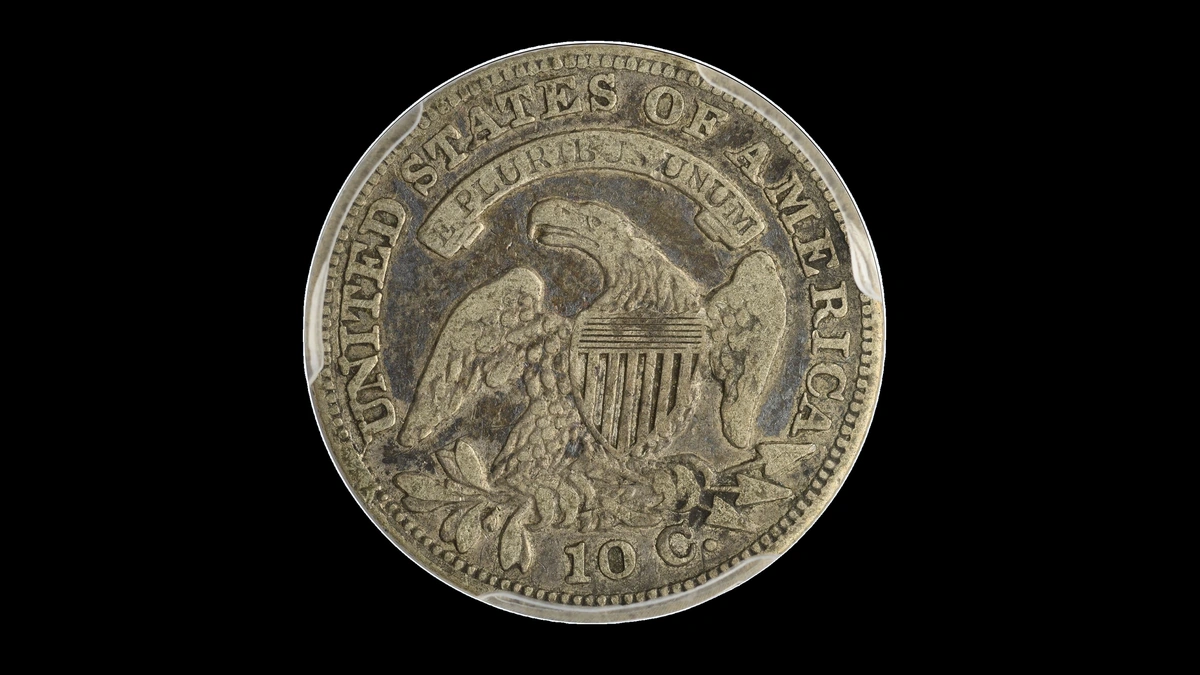
A raised seam or rim-connected patch is the main clue to the 1829 dime errors covered here. Estimated whole-coin values are $100–$4,000; an exceptional 1831 retained-cud dime brought $8,812.50 in 2013, a different-year comparison above that range.
Examine the shape of the raised metal first, then match the surrounding design and the coin’s condition before using a variety name or price.
1829 Dime A Raised Seam or Rim Patch: Die Cracks and Cuds Error
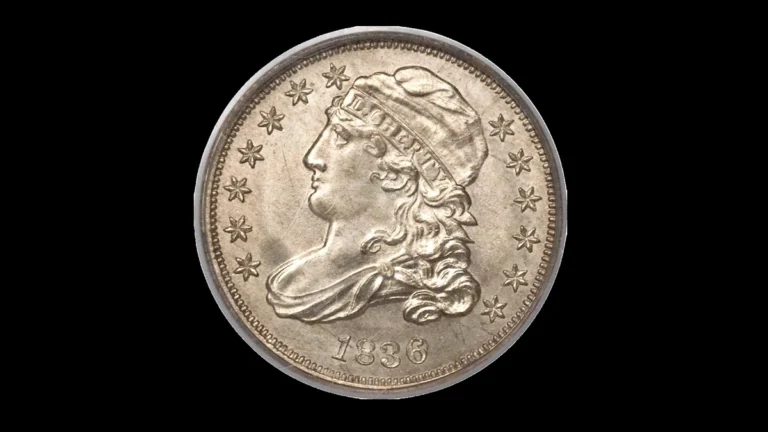
On a small, worn Capped Bust dime, the most useful evidence may be a short line crossing an otherwise smooth area. If that line stands above the surface, it can be the impression of a crack in the die that struck the coin.
A larger patch touching the rim suggests a more substantial failure called a cud. Part of the die broke or shifted at its edge, allowing coin metal to rise where the normal design should have formed.
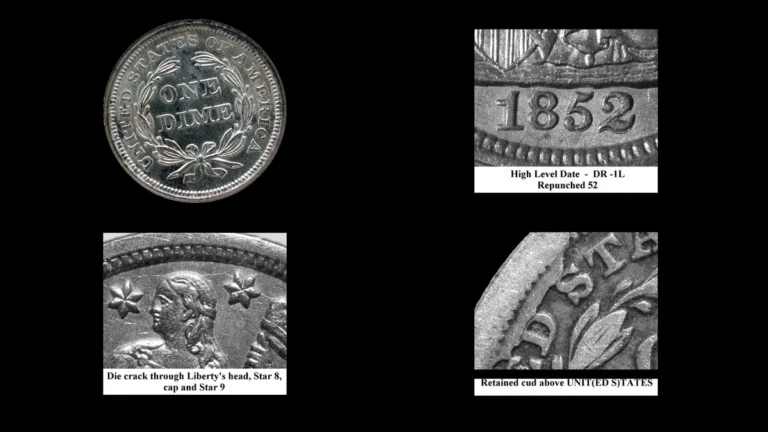
Specialist photographs show cracks on the JR-5 variety and cuds on both JR-4 and JR-5. Those designations identify pairs of dies, and each pair could strike coins at several stages of deterioration.
How to Identify
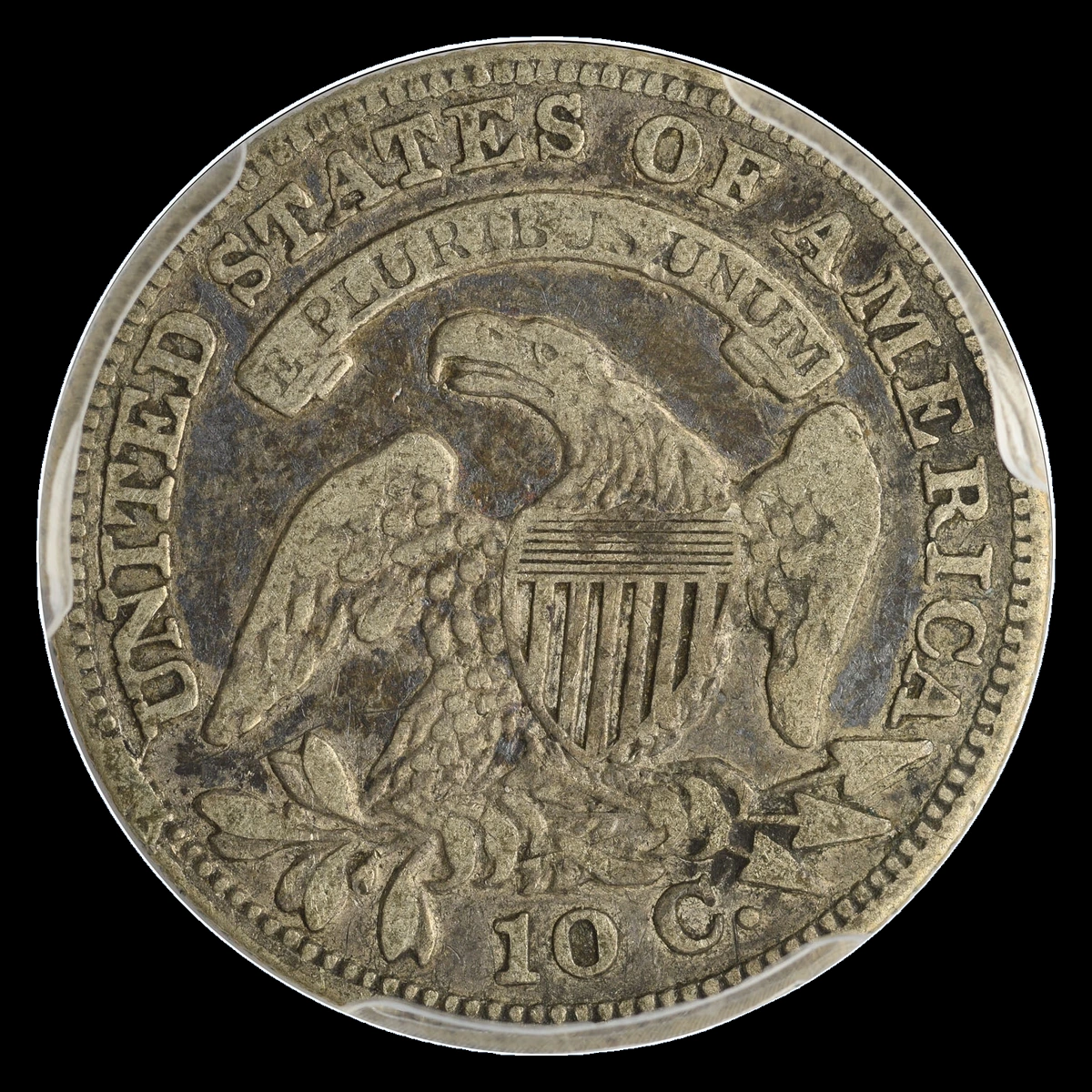
Start where the suspect feature meets a letter, device, or rim and move a light across it. A crack should appear as a raised ridge, while a scratch normally cuts into the metal.
For a possible cud, trace the full patch and confirm its connection with the rim. Missing or displaced design inside that boundary matters more than a single weak letter nearby.
The John Reich Collectors Society’s late-die photographs allow a comparison of actual break shapes. Choose the photographed stage that matches the feature, rather than assuming every JR-5 coin must have its later cud.
A normal example measures about 18.5 millimeters and originally weighed about 2.70 grams, although circulation can reduce the weight. Inspect the grooved edge beside the suspected break for crushing, an added lump, or other evidence of later alteration.
Keep photographs wide enough to include neighboring letters and the rim. An isolated close-up of a bump can hide the relationships needed to identify a genuine die failure.
What It’s Worth
Estimated values run from $100–$4,000 for the entire coin, including its wear, surface quality, and visible die damage. This is not an additional premium to add to the ordinary value of an 1829 dime.
A cleaned JR-5 sold for $432 in February 2022, but it was struck before the later cud developed. That result helps describe the underlying variety’s market, not the price of an 1829 cud.
The $8,812.50 result for an exceptional 1831 retained-cud dime in 2013 involved a different year and high preservation. It demonstrates why a striking auction figure needs a close match in both the visible break and the rest of the coin.
Conclusion
The useful distinction on an 1829 dime is between a narrow raised crack and a broader rim-connected cud. A JR attribution can help locate comparison photographs, but the visible stage of die damage still needs its own match.
Preserve the surface, document nearby letters and the edge, and compare whole coins with similar wear and cleaning history before assigning a value.