Rare 1834 Dime Errors (List & Pictures)
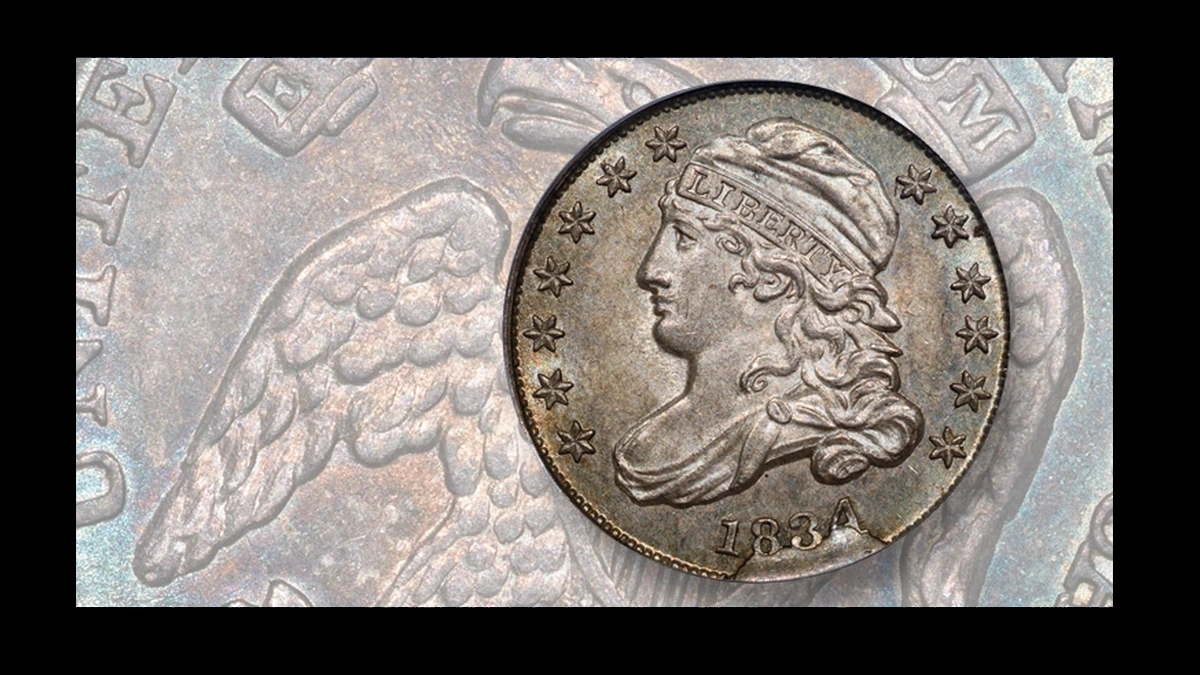
A lump at the edge deserves a closer look when it replaces part of the date or lettering. These 1834 Capped Bust Dime errors involve rim breaks, with estimated whole-coin values of $100–$3,500.
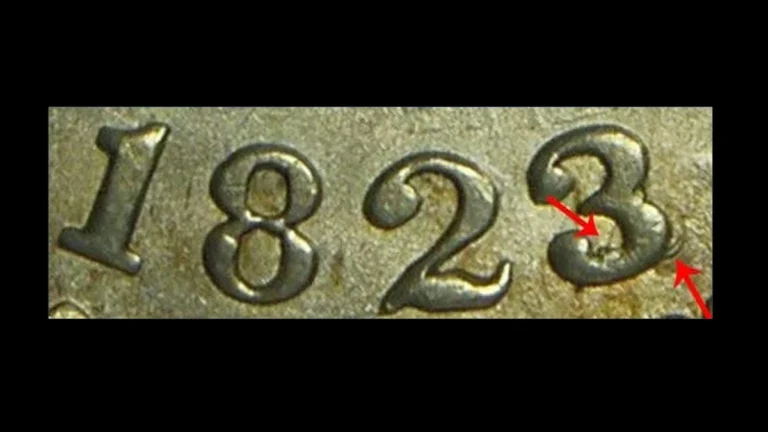
A regular JR-5 in MS61 sold for $1,080 in July 2025, giving a condition benchmark rather than a confirmed rim-break sale. To check a candidate, follow its raised metal to the rim and then match the nearby design.
1834 Dime A Raised Lump Replaces Design at the Edge: Rim Cud Error
A die is the steel tool that stamps the coin’s design. If a piece breaks from its edge, silver can fill the empty space and form a raised lump joined to the rim.
Collectors call that lump a cud. It adds raised metal where design is missing, rather than leaving a cut-out bite in the coin.
The reports point to several different die combinations. JR-4 has a reverse break above IT in UNITED, JR-5 places one near the date, and JR-6 has several breaks on the reverse.
A collector also lists JR-2 without a precise location. These JR numbers help identify which tools made the coin; the normal size of the date’s 4 is not itself an error.
How to Identify
First choose the correct reference for the area you see. A lump by the date should not be matched to the reverse break above IT simply because both are cuds.
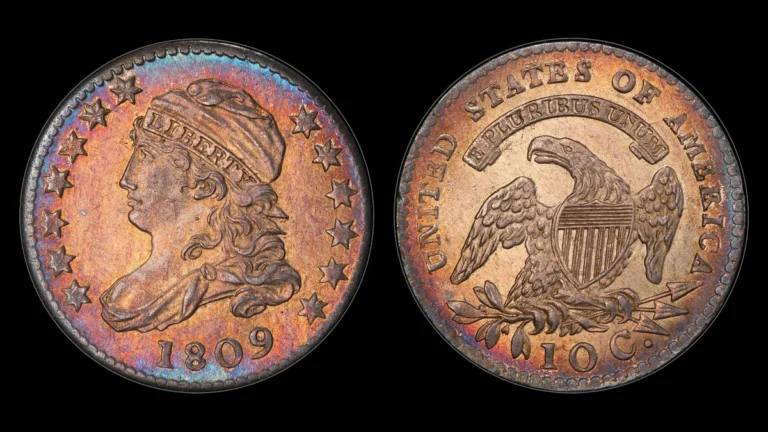
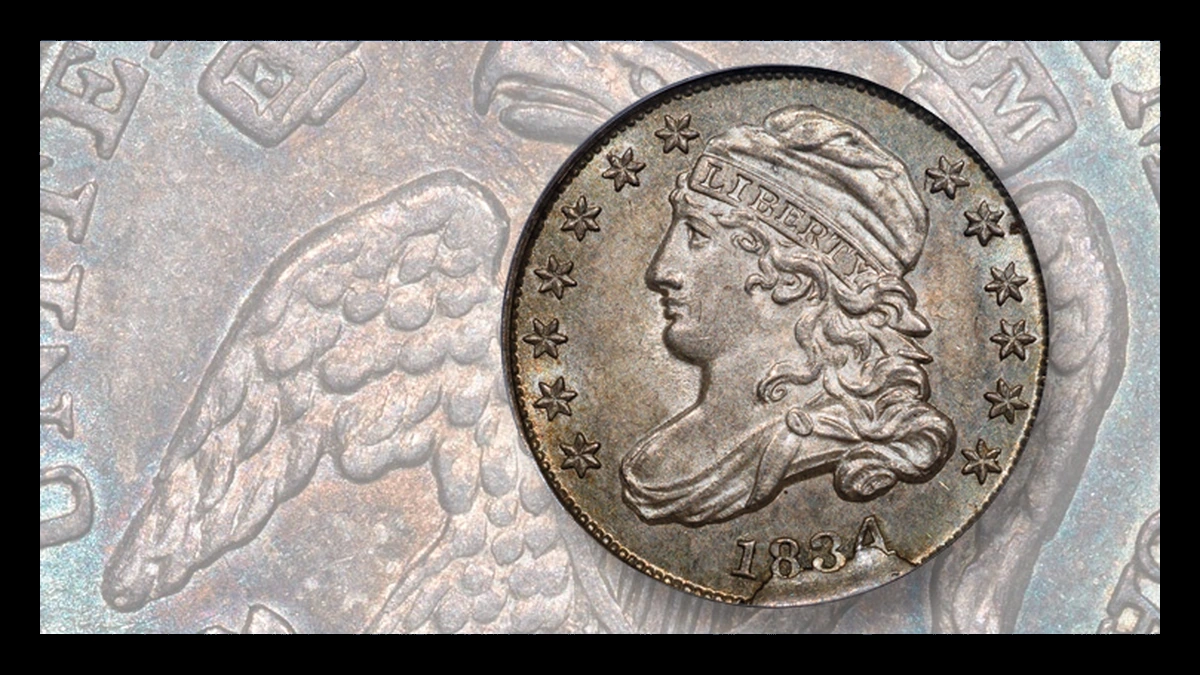
The John Reich Collectors Society’s photographs show late stages of these dies. Compare the complete face before narrowing the view to the raised area.
Under low light, trace the lump into the original rim and see which letters or date details it replaces. The surviving design should fit the same boundary shown in the reference.
A crushed rim can push metal inward, and added solder can imitate a lump. Inspect the edge and opposite face for seams, impact marks, or other signs of later work.
A loose example can be compared with about 2.70 grams and 18.5 mm, allowing for wear. Those measurements support examination of the whole coin but do not identify the cud by themselves.
What It’s Worth
$100–$3,500 is a working estimate for worn through lower-grade unworn examples. Size and clarity of the break can add collector interest, while the coin’s overall condition remains important.
The PCGS MS61 JR-5 sale at $1,080 in July 2025 was not specifically identified as a cud example. MS61 describes an unworn coin with noticeable marks, making it a condition comparison.
A separate 1831 retained-cud dime in MS65 sold for $8,812.50 in 2013. Its different date and much better preservation place that result above this working range rather than setting a price for every 1834 break.
Conclusion
The location of the lump helps choose the right comparison: above IT, beside the date, or along a different part of the reverse. Confirm that original raised metal reaches the rim and replaces normal design.
Keep each die combination’s evidence together. The estimated range values the complete coin, and an ordinary date style, damaged edge, or added metal should not be mistaken for the reported break.