Rare 1861 Penny Errors (List & Pictures)
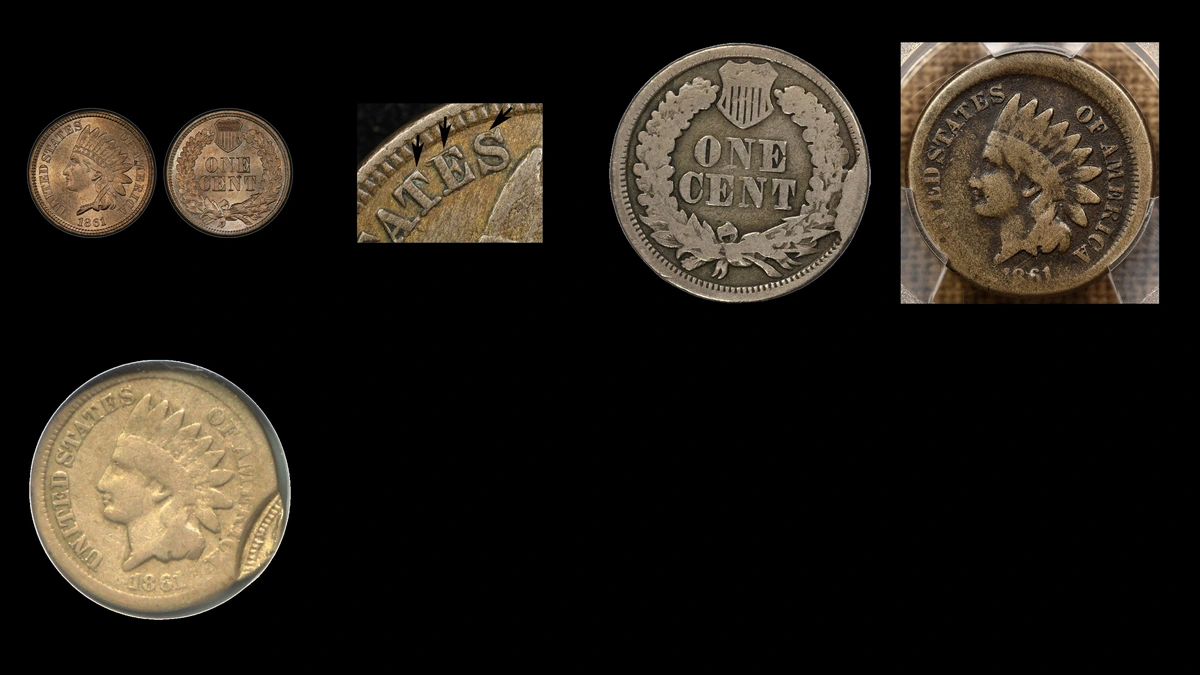
A small extra date stroke and a second strike touching only the edge can both create repeated-looking detail on an 1861 cent. Their causes and identifying evidence are quite different.
Estimated whole-coin values for 1861 penny errors span $20–$5,000. The highest supplied completed comparison is $1,080 for a different-year 1865 bronze double strike; follow the date and design checks before moving to the blank and strike shape.
| Visible clue | Possible explanation | Estimated range |
|---|---|---|
| Extra strokes below date digits | Repunched date | $30–$1,500 |
| Repeated STA and eyelash detail | Doubled die | $40–$2,500 |
| Faint trace beside the central arrow | Off-center die clash | $25–$1,000 |
| Raised line or reverse rim patch | Crack or cud | $20–$2,000 |
| Missing metal, spreading, or edge overlap | Clip, broadstrike, or double strike | $75–$5,000 |
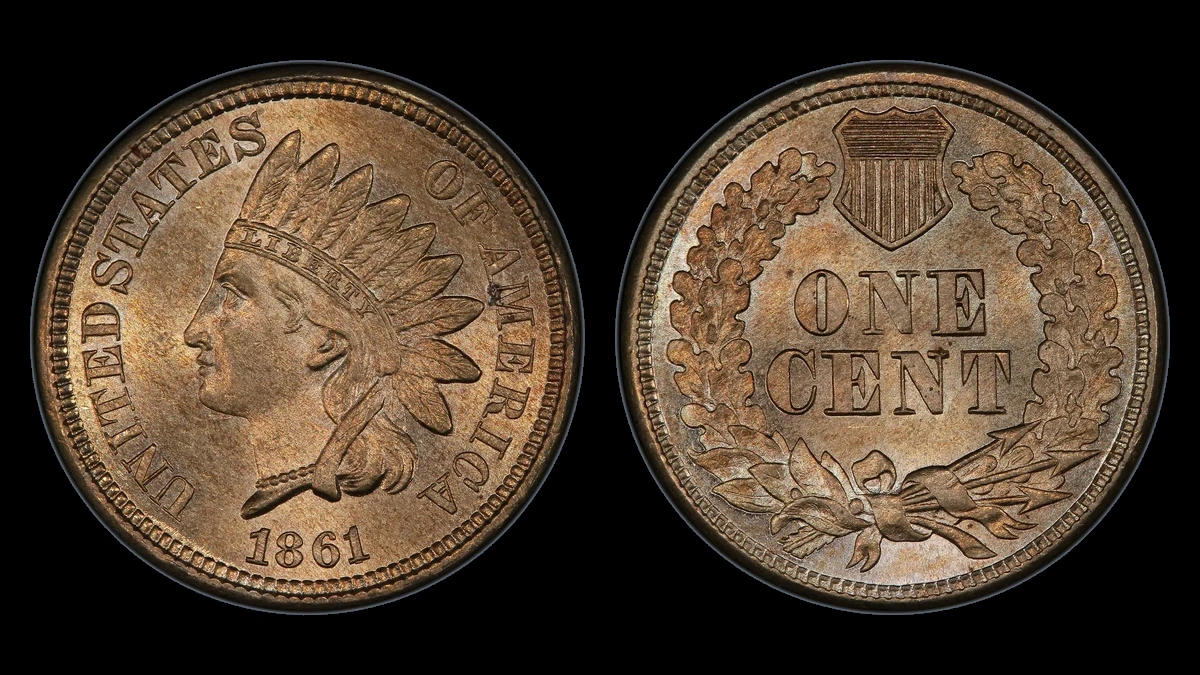
1. 1861 Penny Earlier Numeral Strokes Sit Below the Date: Repunched Date Error
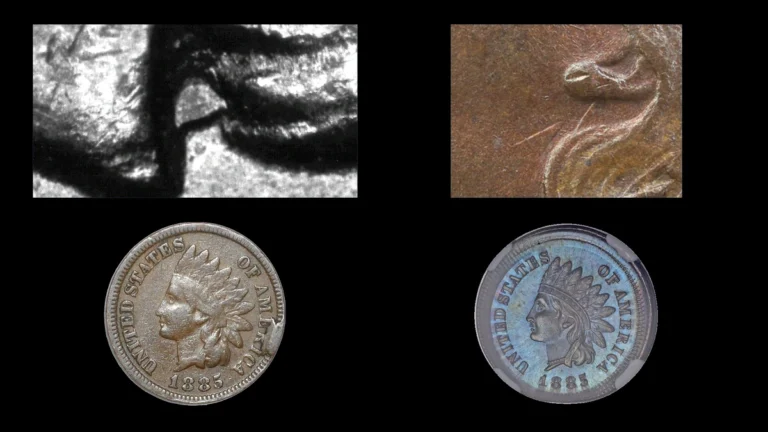
One recorded 1861 pattern repeats portions of the final 61 below the main digits. A separate pattern has extra strokes beneath the small feet of the first 1.
The date punch entered the die in more than one position. Each later coin could receive those overlapping numeral details in a single strike.
How to Identify
Examine the first 1 independently from the final 61, matching whichever pattern is actually present. Mixing the varieties can make a genuine coin appear incomplete because it lacks an unrelated remnant.
Trace the lower curve or foot under changing light to confirm a raised numeral fragment. A cut alongside a digit or a flat shelf across several unrelated details needs a different explanation.
What It’s Worth
$30–$1,500 is the estimated range for identified examples, with visibility and condition affecting the whole-coin value. Scratches can reduce interest even when the variety is genuine.
An 1889 bronze repunched-date cent graded MS64 recorded $405 on eBay in May 2015. It is a later unworn same-design comparison, not an auction result for the heavier copper-nickel 1861 issue.
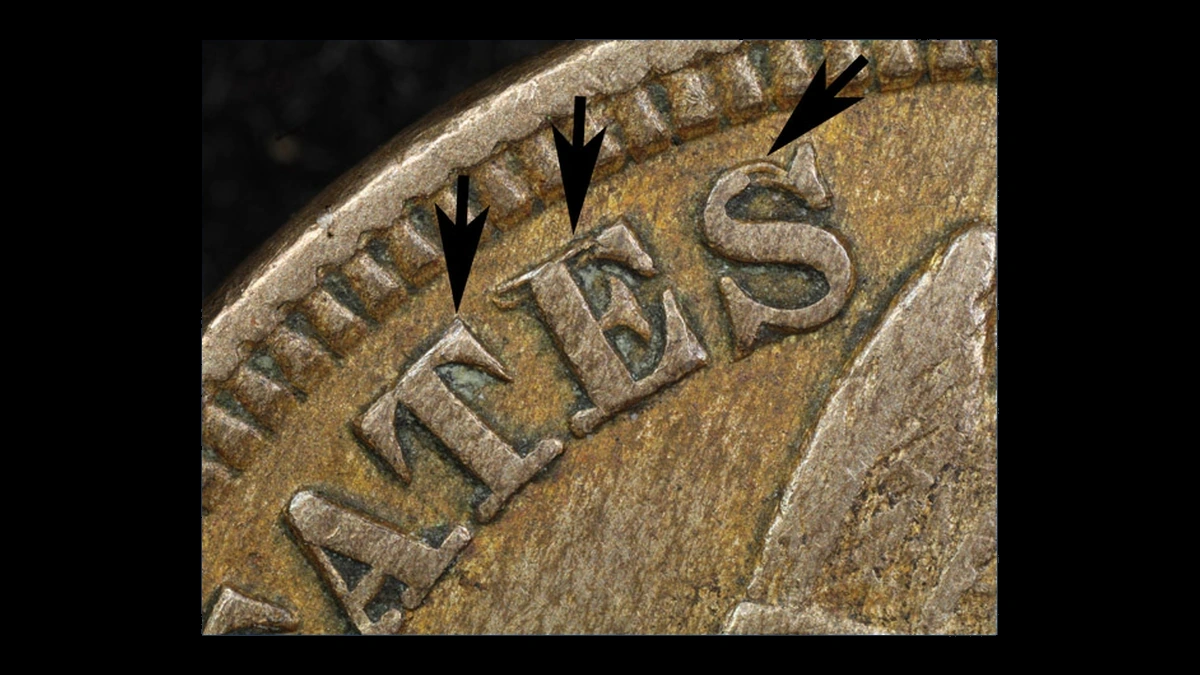
2. 1861 Penny Extra Edges Appear in STA and the Eyelash: Doubled Die Error
The recorded front-doubling pattern places repeated detail in STA of STATES and along the eyelash’s right edge. These positive extra outlines matter more than weak or broken letters.
How to Identify
Compare both named areas with photographs of the same variety, using light from more than one direction. A nick beside the eye or a bright reflection cannot reproduce the full pattern.
The catalog relates the feature to work on the master design tool and another design transfer during die preparation. A missing portion of E or S is not evidence for that doubled design unless the extra outlines also match.
What It’s Worth
$40–$2,500 is the estimate for matched examples from worn but recognizable coins through stronger preserved pieces. Remaining eyelash and letter detail must support the attribution.
An 1889 bronze cent with reverse doubling, graded AU55, sold for $240 in July 2025. Its light wear, different face, and different alloy make it only a broad comparison for the 1861 front variety.
3. 1861 Penny An Outline Appears Beside the Central Arrow: Die Clash Error
The reported 1861 off-center clash lies beside the central reverse arrow. The term describes displaced contact between the dies, which transferred detail without a blank between them.
How to Identify
Compare the faint extra shape with the opposing portrait design and a documented clash example. A recognizable transferred outline is stronger evidence than a short unexplained line.
The coin’s main portrait and wreath may remain centered because the offset happened during die contact. A blank crescent and missing normal design would instead suggest an off-center strike on the coin itself.
What It’s Worth
$25–$1,000 is the estimated whole-coin range for visible correctly matched clashes. Much of the upper-end value may reflect preservation of the underlying cent.
No completed sale is assigned to the cataloged clash. If repunching or cracks occur on the same coin, compare that combination once rather than adding every category maximum.
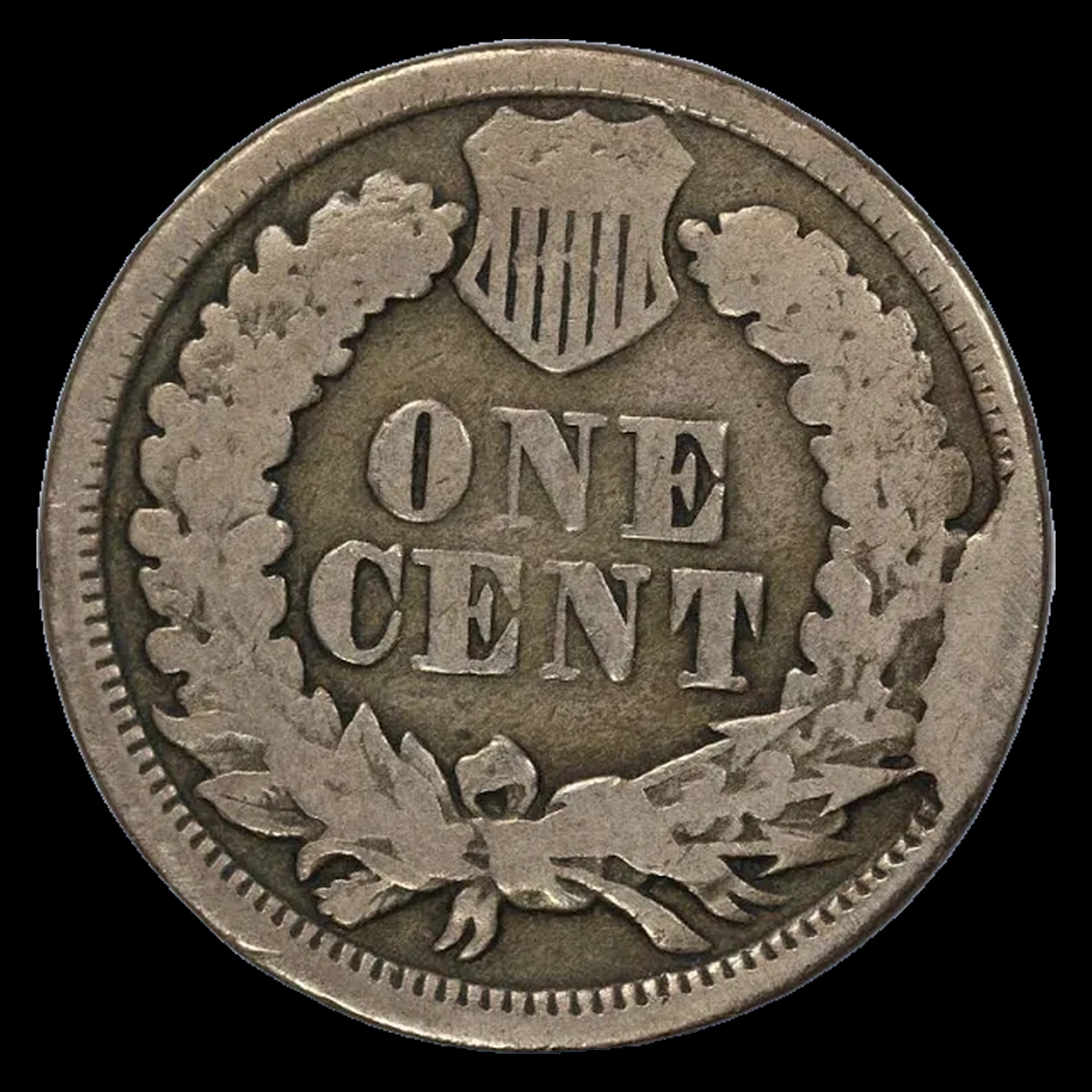
4. 1861 Penny A Raised Patch Reaches the Right Reverse Rim: Die Cracks and Cuds Error
The reported reverse cud extends around 3–4:15. It formed when metal entered an opening left by a missing die-edge piece, while narrower raised lines record cracks rather than a large missing section.
How to Identify
Use the 1861 catalog to compare the patch with the surviving wreath and rim. Other listed reverse cracks, including a stronger upper-right example, are not required companions to this cud.
Check the physical edge for a later impact, folded metal, or an added seam. A die crack rises above the surface, while a scratch normally cuts a groove even if its sides are pushed upward.
What It’s Worth
$20–$500 is the estimate for visible cracks and $100–$2,000 for clear rim-connected breaks. A high-quality coin with a small crack can overlap a worn example with a larger cud.
A 1946-S Lincoln cent cud sold for $288 in March 2021. It illustrates the missing-die-piece mechanism on another design and alloy, rather than setting a direct price for an 1861 break.
5. 1861 Penny A Large Gap Removes Part of the Outline: Clipped Planchet Error
Charmy Harker reported owning a large clipped 1861 cent described as MS64. The report identifies an unworn example but supplies neither a grading service nor a fixed position or shape for its gap.
How to Identify
A genuine clip was missing from the blank before the design formed, so examine the rim and details as they approach the gap. Saw marks, fresh cuts, or a filed texture instead suggest removal from a finished coin.
The normal 1861 alloy is 88% copper and 12% nickel, weighing 4.67 g at about 19 mm across. Use those references for safely handled loose coins, measuring intact spans and actual distorted outlines; leave certified coins sealed.
What It’s Worth
$75–$3,000 is the estimated range for genuine clips of different sizes and conditions. The reported MS64 piece requires an unworn comparison rather than one for a damaged low-grade coin.
A later 1865 bronze clip was advertised at $199.99 without a certified grade. That is a seller’s asking price for a lighter-metal issue, not a completed sale of the 1861 specimen.
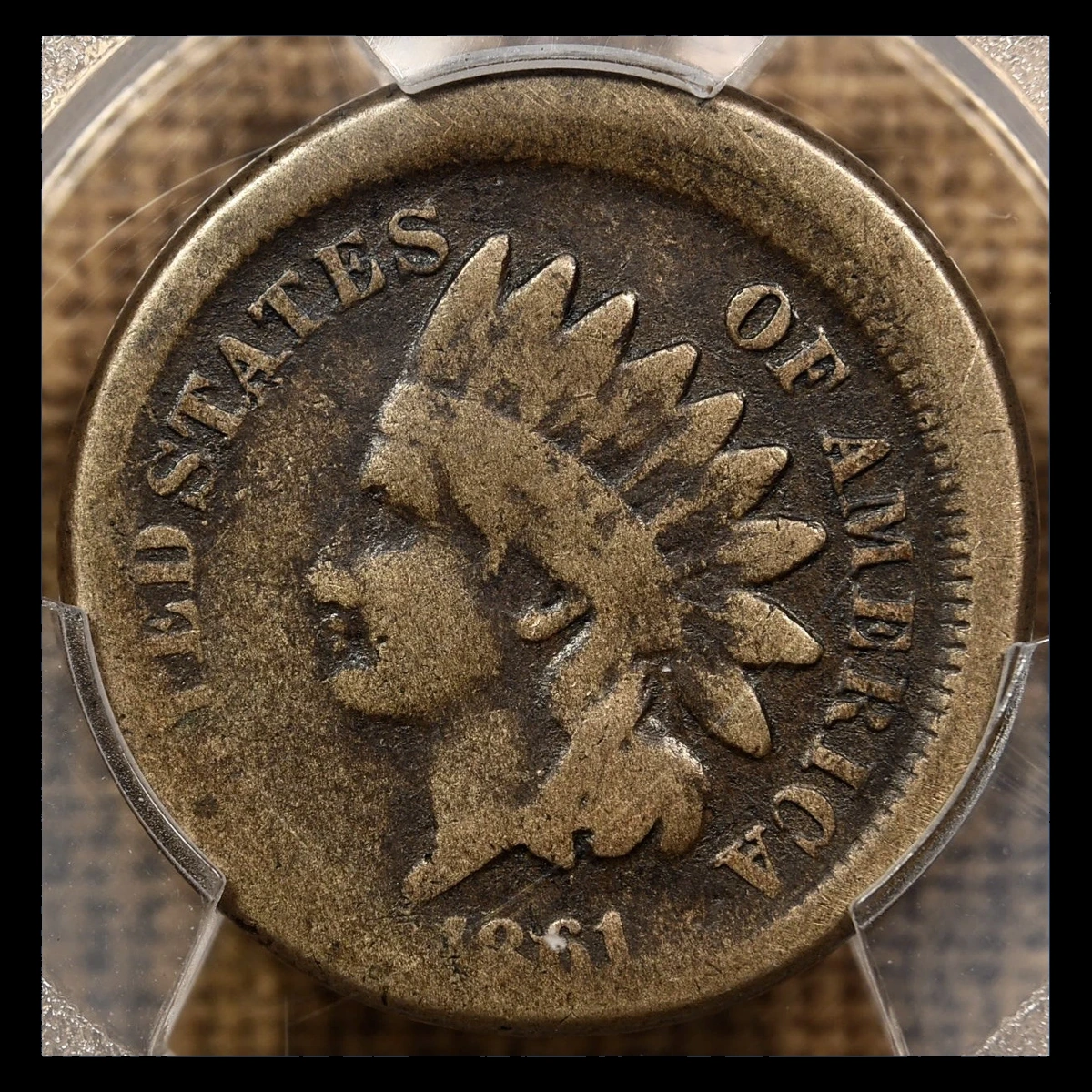
6. 1861 Penny An Uneven Wide Border Surrounds Complete Design: Broadstrike Error
An 1861 cent in Robert Lutzel’s collection was described as broadstruck with a slight shift toward 12 o’clock. Its metal spread because the collar did not fully contain the blank during striking.
How to Identify
Follow the outer lettering to establish that the intended design remains present. A slight upward shift can produce an uneven margin without turning a complete broadstrike into a separate off-center error.
Check the edge and central design for general crushing that could reveal later squeezing or hammering. Extra diameter alone does not establish natural spreading in the press.
What It’s Worth
$150–$3,500 is the estimated range for 1861 broadstrikes. The collection report supplies no completed price for its particular example.
An 1893 bronze broadstrike with very little wear sold for $414.80 in March 2026. Its later date and lighter alloy prevent a direct transfer of that amount to the thicker copper-nickel cent.
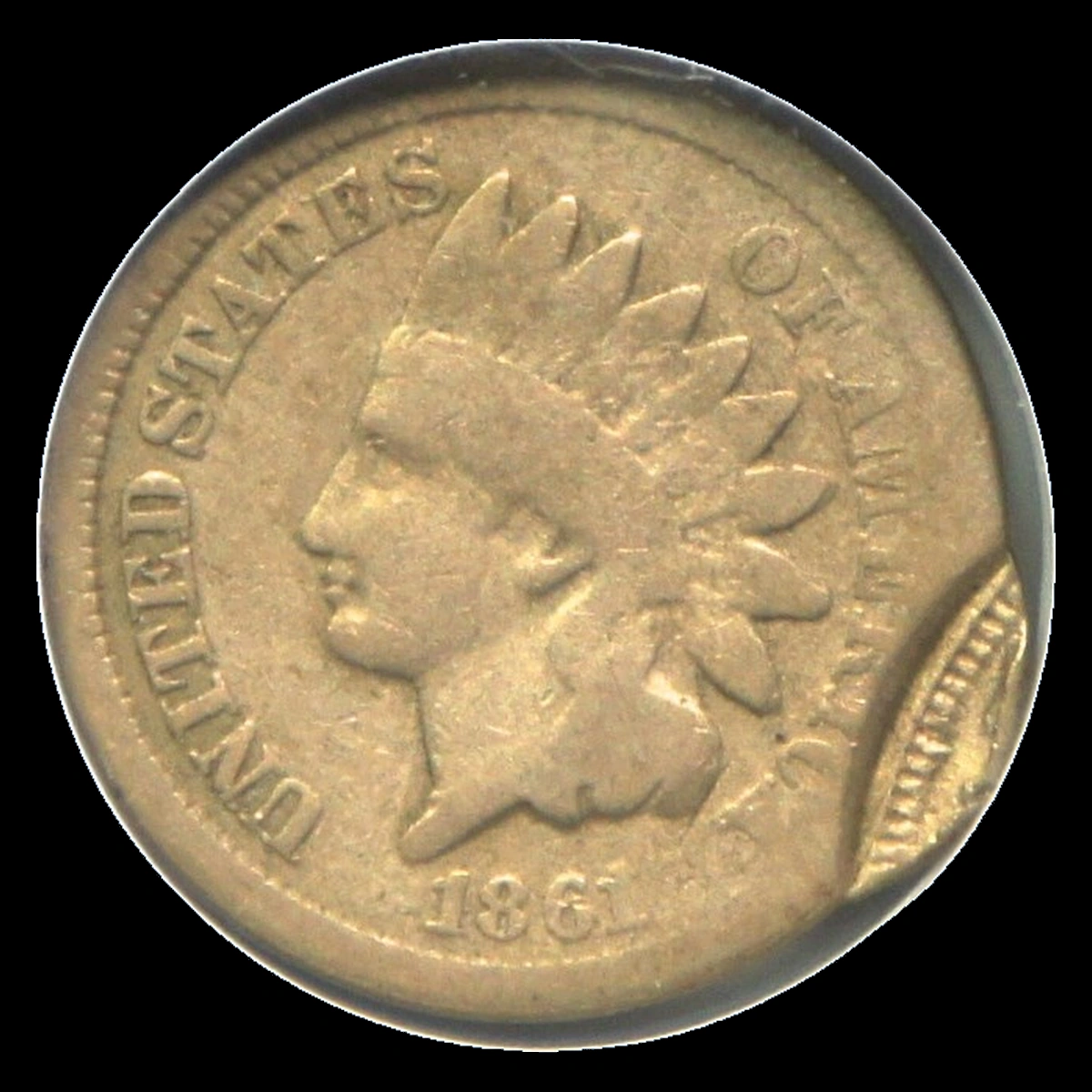
7. 1861 Penny A Second Impression Barely Catches the Edge: Double Strike Error
The reported NGC VG10 example received a centered first strike and an extremely displaced second blow near 4 o’clock. Only a small part of the later design remained on the coin.
The holder description gives a 90% off-center second strike, while the owner’s registry text says 95%. Those figures describe the same worn specimen and should remain a documented discrepancy rather than two separate coins.
How to Identify
Keep the first portrait upright and trace recognizable second-design detail at the affected edge. A dent can move metal but cannot by itself account for another struck image.
Compare photographs before selecting an exact displacement percentage. Both recorded percentages mean that the later strike mostly missed, and the surviving design must explain the local change in outline.
What It’s Worth
$500–$5,000 is the estimated range for this type of 1861 double strike. No completed price is supplied for the registry’s VG10 specimen.
An 1865 Fancy 5 bronze double strike graded VG8 brought $1,080 in January 2023. Its second strike was only 25% off-center, producing a substantially different overlap from the reported 1861 piece.
Conclusion
The heavier copper-nickel body is normal for an 1861 cent, so later bronze pennies need careful interpretation as price comparisons. Identify extra numeral strokes, doubled design, transferred clash traces, and actual second-strike detail by their own evidence.
The $20–$5,000 estimates encompass very different conditions and errors. Preserve uncertainty where a source omits a clip position or gives conflicting displacement figures, and assess each complete specimen once.