Rare 1895 Dime Errors (List & Pictures)
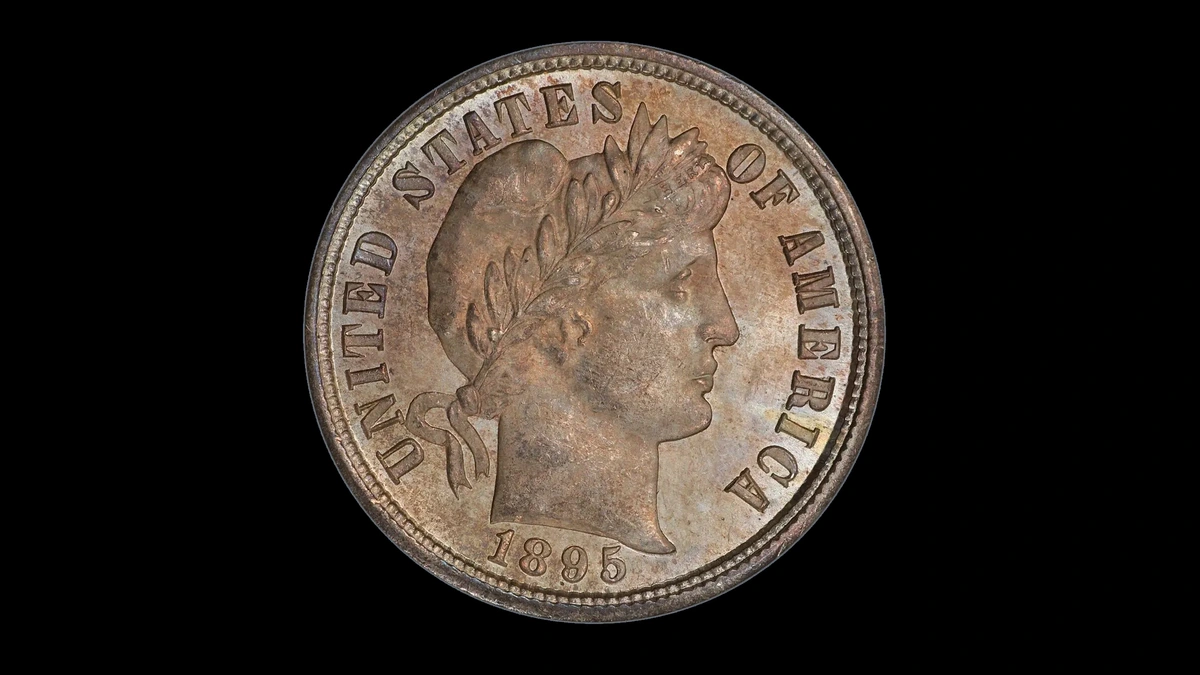
A dramatic cup shape and tiny extra date strokes represent very different 1895 dime errors. Their estimated values span $75–$30,000, with a genuine 1895-O die cap selling for $16,450 in 2016.
Begin with the coin’s overall shape, then examine the date on a normal-shaped San Francisco example.
1895 Dime The dime has risen into a cup: Obverse Die Cap Error
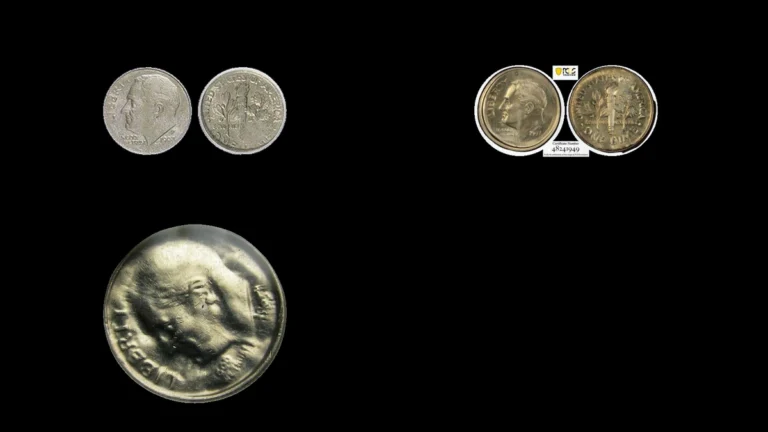
A side view reveals the defining feature of the documented 1895-O cap: walls rise from the coin’s body. On its reverse, the enlarged ONE DIME lettering and the wreath curve with the stretched metal.
This shape developed because the coin remained attached to the obverse die, the tool that stamped its front. Incoming blanks met the trapped coin’s reverse, and repeated blows gradually pushed its metal around the tool.
The trapped coin is the die cap itself. A later blank struck against it is a separate object and should not be described as this cap merely because its design was affected by the obstruction.
How to Identify
Inspect the profile and both faces together. The raised walls should make sense with the stretched reverse lettering and wreath, rather than appearing as simple folds in an otherwise normal dime.
Compare the O mintmark, remaining design, and shape with photographs of the documented New Orleans example. Check the edge for tool marks or joined pieces that might explain an artificially constructed cup.
An ordinary Barber dime started at about 2.50 grams, measured 17.90 millimeters, and contained 90% silver. Weight can support examination of an accessible cap, but its changed width and height should be recorded rather than forced to match a normal diameter.
Never press the walls flat for measurement. Their relationship to the surviving design is central to understanding the error.
What It’s Worth
A genuine comparable 1895-O cap has an estimated $15,000–$30,000 range. Coin World reported the $16,450 Heritage sale in 2016 of the PCGS MS64 specimen.
MS64 indicates an unworn coin with some marks. Its preserved cup and recognizable stretched design help explain why it belongs in a very different price category from a bent dime.
The estimate does not apply to any 1895-O with an uneven rim. Authentication of the striking history must come before comparison with this unusual auction piece.
1895 Dime Small numeral remnants flank 895: Repunched Date Error
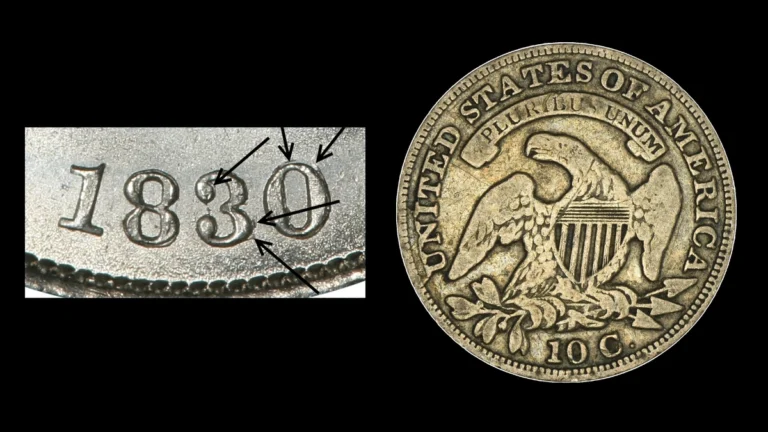
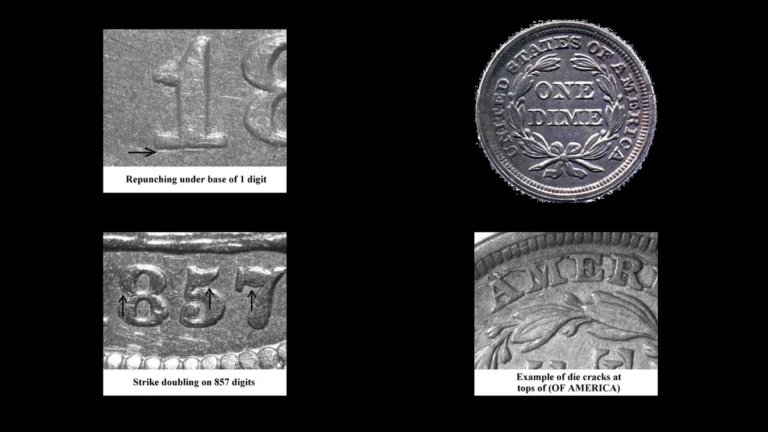
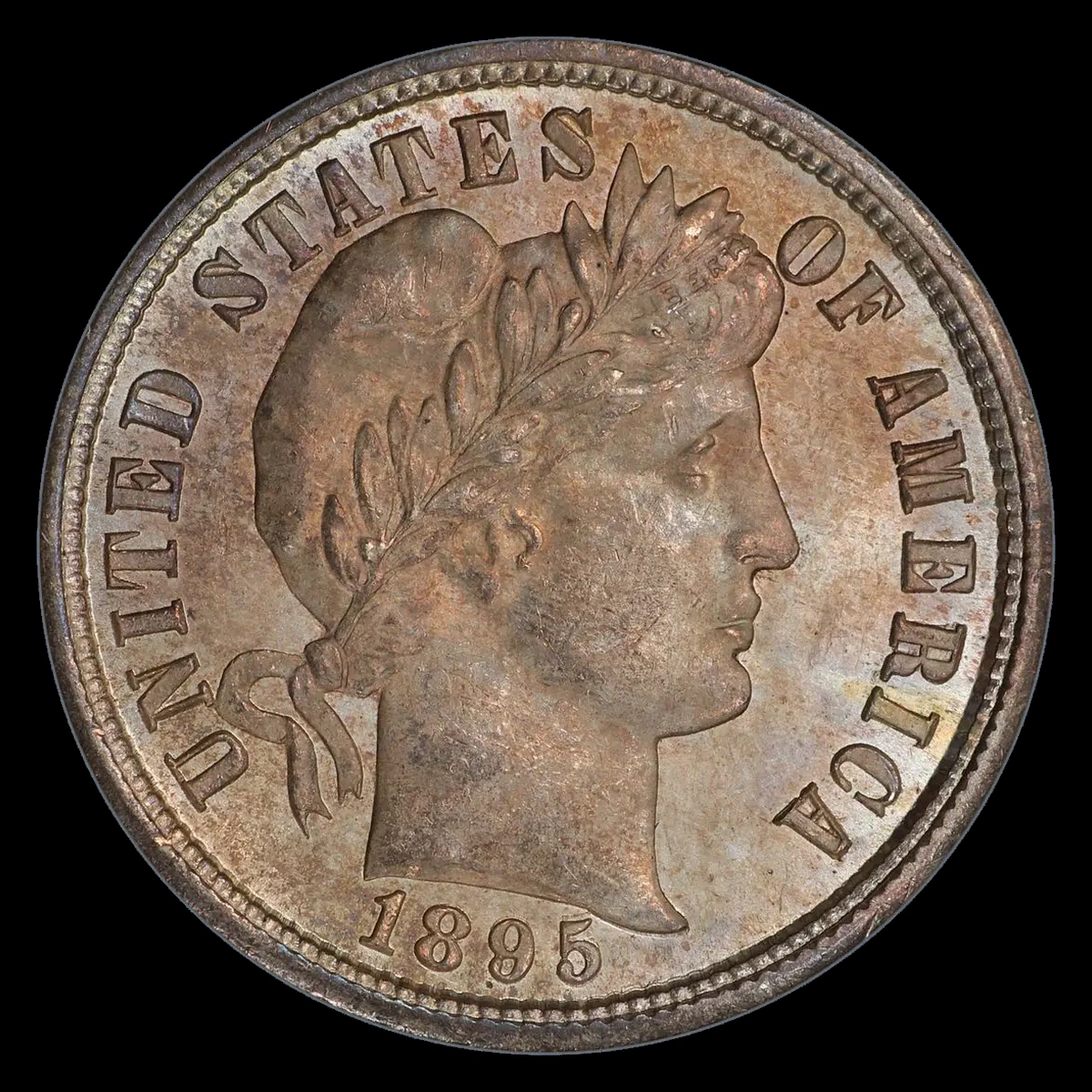
A normal-shaped 1895-S can carry a subtler feature in the date. On FS-301, small remnants of earlier numeral positions appear beside the 8, 9, and 5.
The date was entered into the die more than once, leaving parts of the earlier impression behind. Coins struck afterward reproduced those pieces along with the final numerals.
The feature concerns the date on the obverse. An unusual S on the reverse is not the diagnostic for this repunched-date variety.
How to Identify
First locate the S below the reverse wreath to establish the San Francisco issue. Then compare the date with the PCGS-recognized FS-301 variety.
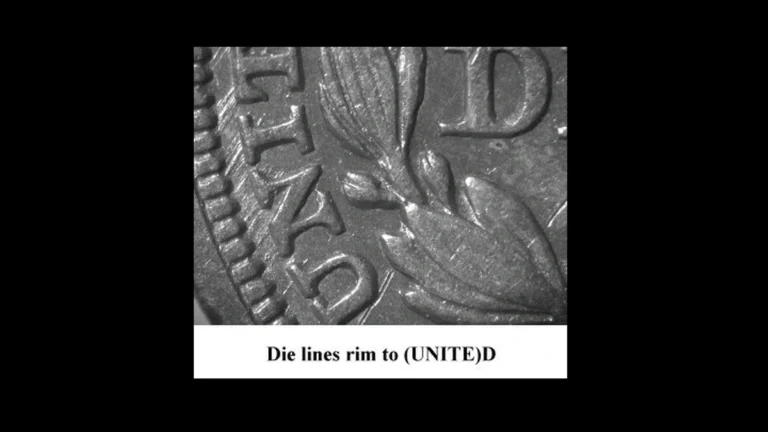
Under a 10× magnifier, examine the upper and middle portions of 895. Match each remnant to the reference instead of accepting a general impression that the date looks doubled.
Adjust the lighting to distinguish raised metal from a bright edge reflection. A flat shelf caused by movement during striking does not establish a second date entry in the die.
Retain a photograph of the entire date as well as a detailed view. This keeps the small remnants in their proper positions and makes later comparison more reliable.
What It’s Worth
The estimated whole-coin range is $75–$3,000, covering worn examples through attractive unworn coins. Clear remnants help identification, while wear and surface quality still influence the price.
The PCGS auction index lists a $199 eBay result dated November 7, 2025, with a VF Details description. That means a worn coin with a condition or surface problem, rather than a problem-free example at the same wear level.
The record offers a modest-price comparison for the variety. It should not be used to erase the effect of cleaning, heavy wear, or other defects on another specimen.
Conclusion
The cap requires an explanation for the entire cup shape and stretched reverse, while FS-301 requires a precise match beside the date numerals. Neither a bent rim nor an unusual mintmark alone establishes the respective error.
Use the $75–$30,000 span only after choosing the correct category. A repunched-date dime and the documented die cap offer fundamentally different evidence and price comparisons.