Rare 1891 Nickel Errors (List & Pictures)
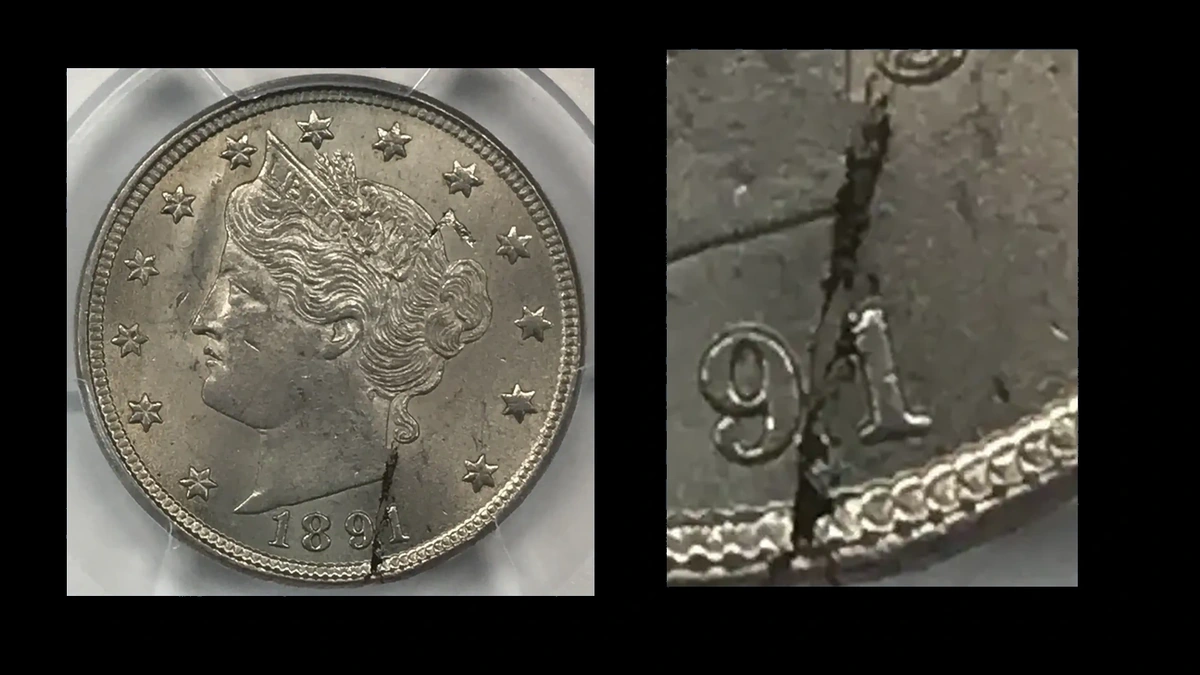
A raised transferred image tells a different story from a sunken reversed one. On an unusual 1891 nickel, reading direction and relief can be as useful as the size of the affected area.
Estimated values for 1891 nickel errors span $25–$6,000, with an undersized wrong-planchet example bringing $2,300 including fees. Inspect the metal and outline, then trace displaced, repeated, or transferred designs.
| Observation | Category | Estimated range |
|---|---|---|
| Original irregular metal area | Planchet flaw | $25–$350 |
| Small, unusually light blank | Wrong planchet | $1,500–$6,000 |
| Incomplete design and blank crescent | Off-center strike | $75–$1,800 |
| Two overlapping design positions | Double strike | $250–$2,500 |
| Raised, normally reading transfer | Partial counterbrockage | $500–$3,500 |
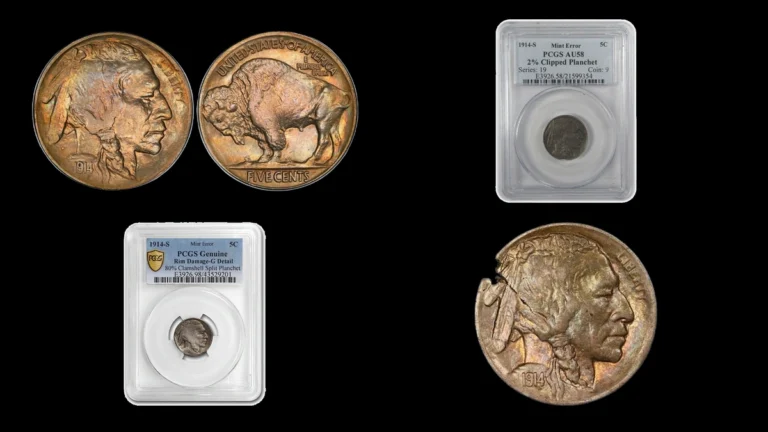
1. 1891 Nickel An Irregular Area Begins in the Blank: Defective Planchet Error
A planchet flaw describes a problem in the metal disk before or during its conversion into a coin. The broad label does not, by itself, establish whether metal peeled, cracked, or was missing.
How to Identify
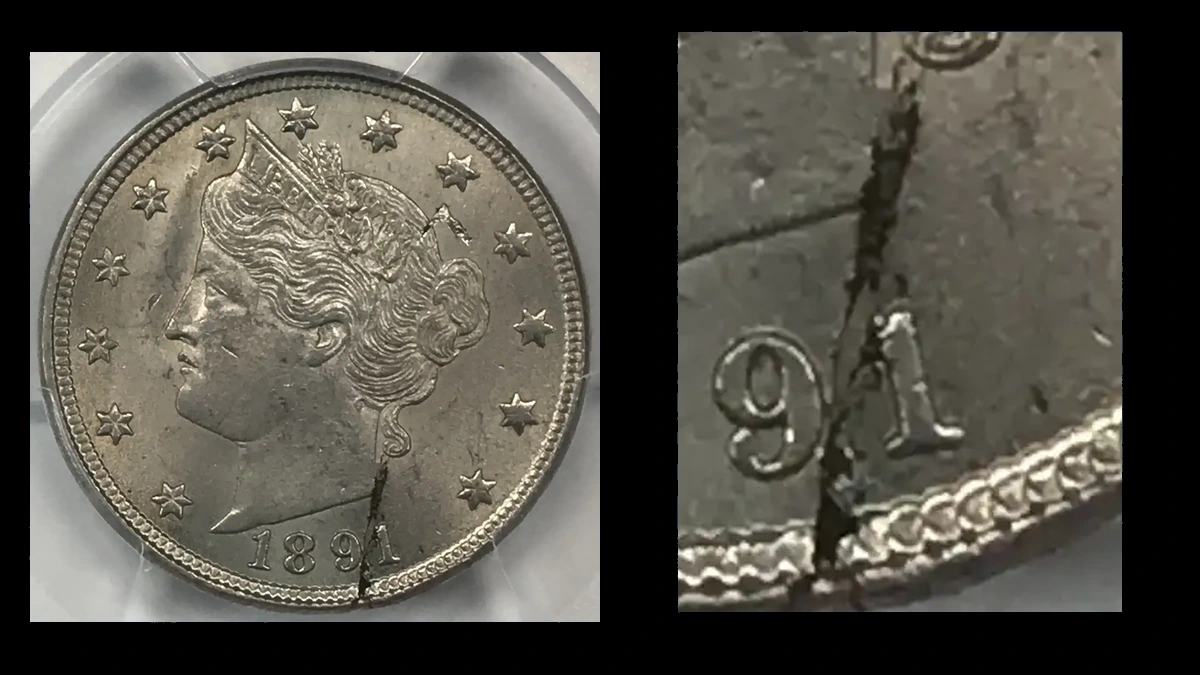
Find the actual irregular area and examine its boundary rather than applying the holder description to every weak letter. Thin layer separation, a deep opening, and scattered corrosion pits need different explanations.
The supplied dealer example is in a PCGS Uncirculated Details holder with the planchet flaw noted. That describes a coin without circulation wear but without a normal numerical grade in the cited listing.
For a loose coin, normal references are about 5 grams, 21.2 millimeters, and a plain edge. Preserve flaps and cavities untouched, and inspect nearby edges for later cutting or grinding.
What It’s Worth
$25–$350 is an estimated range for genuine modest through obvious blank flaws. Old Pueblo Coin listed the PCGS piece at $145, an asking price rather than a completed auction.
Readable identity and the remaining surface quality affect the comparison. Corrosion or scraping does not become valuable merely because it resembles missing original metal.
2. 1891 Nickel A Much Lighter Blank Holds a Crowded Design: Wrong Planchet Error
The documented NGC MS63 specimen weighs 2.9 grams and was struck off-center toward eight o’clock on an undersized blank. Its right-side stars, AMERICA, and left corn ear are weak.
Mint Error News reported 86.9% copper and 13.1% nickel, differing from the normal alloy. The blank’s intended denomination remains debated and should not be assigned from appearance alone.
How to Identify
Combine actual weight, measured diameter, composition, and the surviving design. The known coin is undersized, but the supplied record does not establish an exact diameter to copy onto another candidate.
Look for grinding or corrosion that could have removed metal from an ordinary nickel. A nondestructive material test and comparison with the documented weak areas provide stronger evidence than low weight alone.
What It’s Worth
$1,500–$6,000 is an estimate for a comparable authenticated unusual-blank error. The documented coin realized $2,300 including fees in January 2007 according to the supplied reporting.
The original auction platform records a $2,000 winning bid before fees. These two figures describe the same transaction at different stages, not two separate sales.
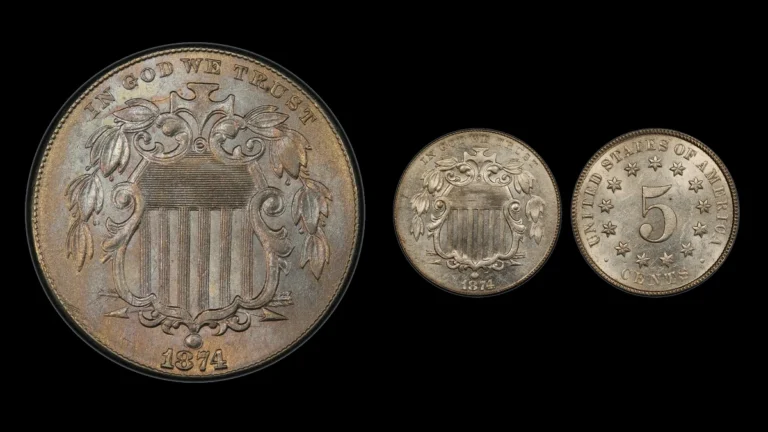
3. 1891 Nickel Both Designs Shift beside Untouched Metal: Off-Center Strike Error
A recorded PCGS MS63 coin was struck 10% off-center toward eleven o’clock. Its catalog describes sharp design and silver-gray surfaces with light color, separate from other worn or damaged examples.
How to Identify
Verify the date and compare the lost peripheral details with the original blank area on both faces. A shift limited to one face suggests another alignment problem.
Check for grinding where the design meets the apparently untouched area, and inspect the edge for cuts. An off-center strike can alter shape while retaining nearly the original quantity of metal.
What It’s Worth
$75–$1,800 is an estimated range from modest worn offsets through attractive unworn examples. A damaged ANACS coin described as 5–10% off-center sold for $97.75 in September 2002.
That sale is not the price of the clean MS63 specimen. Preservation, the visible shift, and surviving date should all be matched when choosing a comparison.
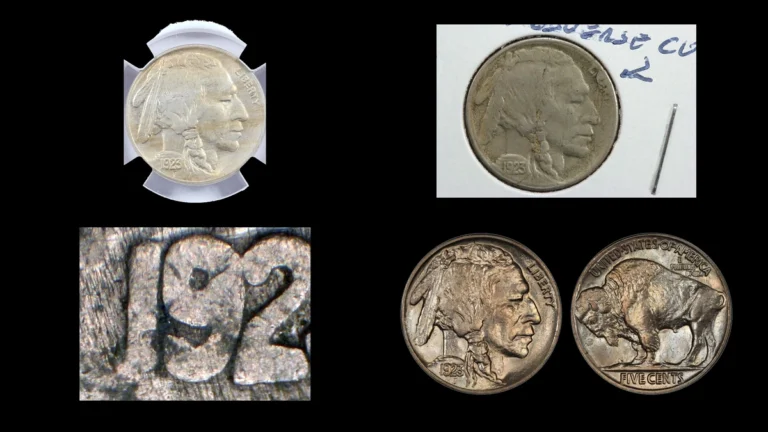
4. 1891 Nickel A Later Impression Crosses the First Design: Double Strike Error
The reported NGC Fine 12 example received an off-center second strike. Despite substantial circulation wear, it preserves enough overlapping design to identify another blow.
How to Identify
Locate recognizable features in each design position and follow where the later impression flattened earlier relief. Several consistent repeated details are more persuasive than one unexplained bump.
Inspect both faces and the edge for the same sequence. Sunken mirror lettering points toward a transferred coin image rather than simply two normal die impressions.
What It’s Worth
$250–$2,500 is an estimate for comparable double strikes across worn through better-preserved coins. The supplied price record reports a $690 Heritage result in December 2022 for the Fine 12 example.
Clear, understandable overlap can retain appeal even on a worn coin. The impressions belong to one object and should not receive separate full-coin prices.
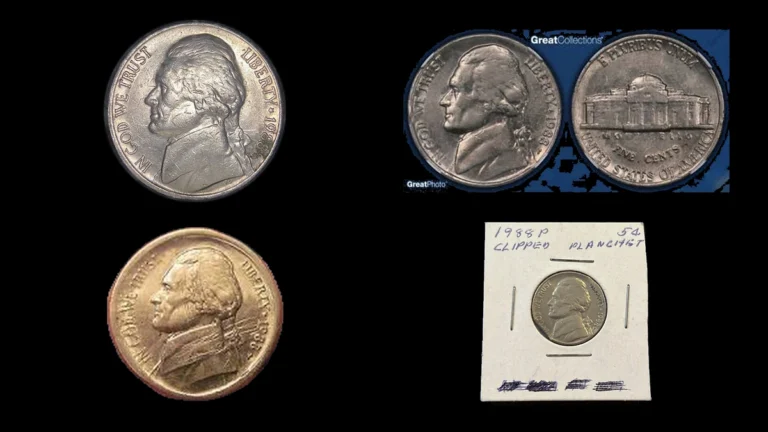
5. 1891 Nickel A Distorted Transfer Is Raised and Reads Normally: Partial Counterbrockage Error
A counterbrockage involves a second transfer of a design. An initial coin-to-coin impression creates a sunken mirror image; when that recessed image impresses a fresh blank, the new transfer becomes raised and normally reading again.
How to Identify
Check both relief and reading direction before naming the effect. A sunken reversed image is a brockage, while a raised normally reading transfer can fit counterbrockage even when stretched or rounded.
The reported 1891 AU58 piece has an affected area described as about 35%. That percentage does not establish the mechanism without corresponding image evidence.
Trace several connected features under angled light and inspect the edge for later squeezing or crushing. An attribution should explain the complete transferred pattern rather than one shallow contour.
What It’s Worth
$500–$3,500 is an estimated range for a verified partial counterbrockage. The published figure around $2,400 for the reported AU58 example is a guide estimate, not an identified completed auction.
A strong readable transfer supports a better comparison than a vague affected area. Damage or a different kind of impression requires a different valuation.
Conclusion
Three useful questions organize an 1891 nickel inspection: does its metal fit a normal blank, do repeated details fit separate strikes, and does a transferred image rise or sink? Each answer narrows the possible minting sequence.
Keep uncertain blank origins and reported counterbrockage values qualified. Record the whole coin’s measurements and surfaces, and distinguish a winning bid from the fee-inclusive total when using an auction comparison.