Rare 1902 Penny Errors (List & Pictures)
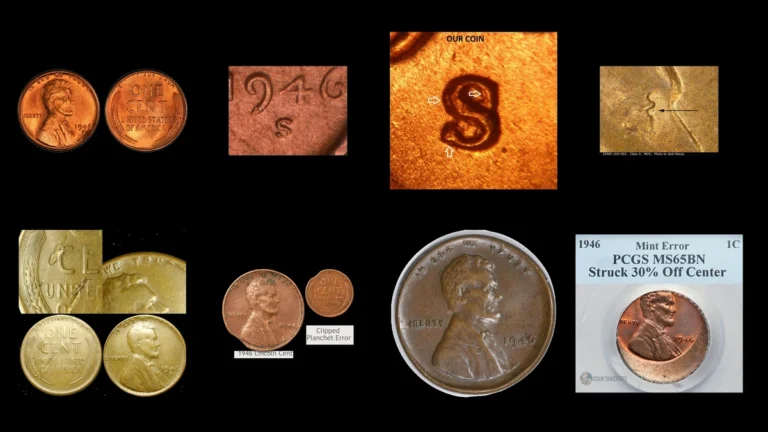
An extra date stroke can be tiny while an entire second impression changes the coin’s appearance. The leading documented auction result among these 1902 penny errors is $646.25 in January 2013 for a forty-five-percent off-center cent.
Estimated whole-coin values span $5–$3,000. Examine the outline and repeated designs first, then check raised texture, tool lines, and the different ways extra date details formed.
| Visible clue | Category | Estimated range |
|---|---|---|
| Curved or straight missing edge | Clipped blank | $25–$500 |
| Unused crescent beside incomplete design | Off-center strike | $75–$2,500 |
| Two portrait or lettering positions | Double strike | $50–$3,000 |
| Raised rough patches near ONE CENT | Die rust | $10–$150 for circulated matches |
| Raised eye line or line through UNITED | Die gouge | $15–$2,500 |
| Small chips or retained rim patch | Die breaks | $5–$750 |
| Repeated front or back design | Doubled die | $20–$1,500 |
| Digit fragments in border teeth | Misplaced date | $20–$1,500 ordinary; $200–$2,000 Proof |
| Earlier strokes in the main date | Repunched date | $15–$2,500 ordinary; $200–$2,000 Proof |
The ordinary bronze cent weighs 3.11 g and measures 19.05 mm with a plain edge. Record both faces and the edge; a 10× magnifier, scale, and calipers help document accessible coins without cleaning or opening holders.
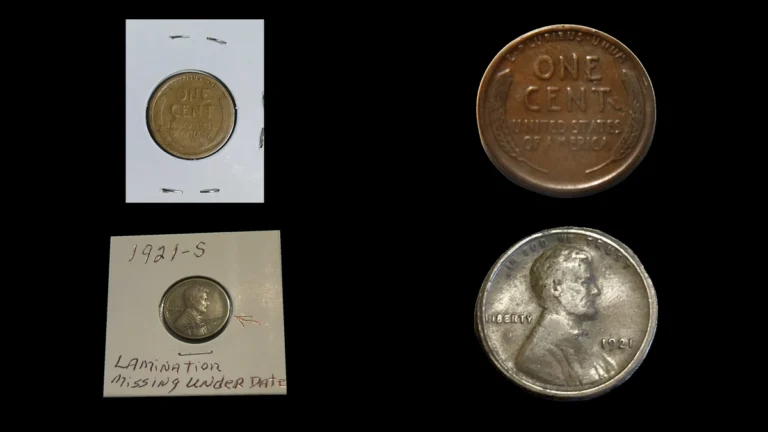
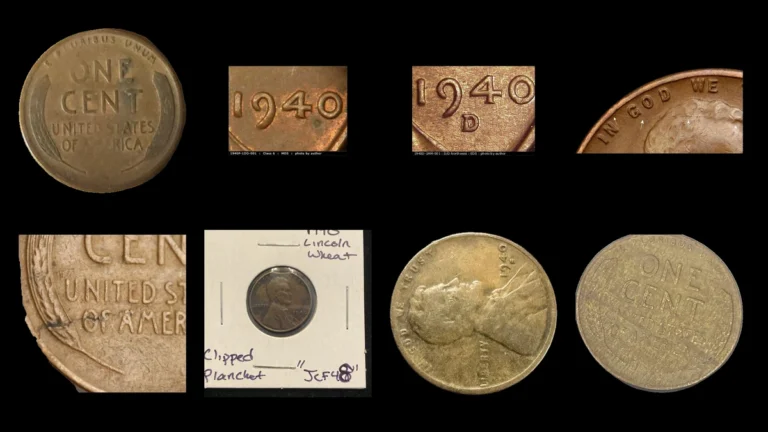
1. 1902 Penny A Curve or Straight Section Is Missing: 1902 Clipped Blanks Error
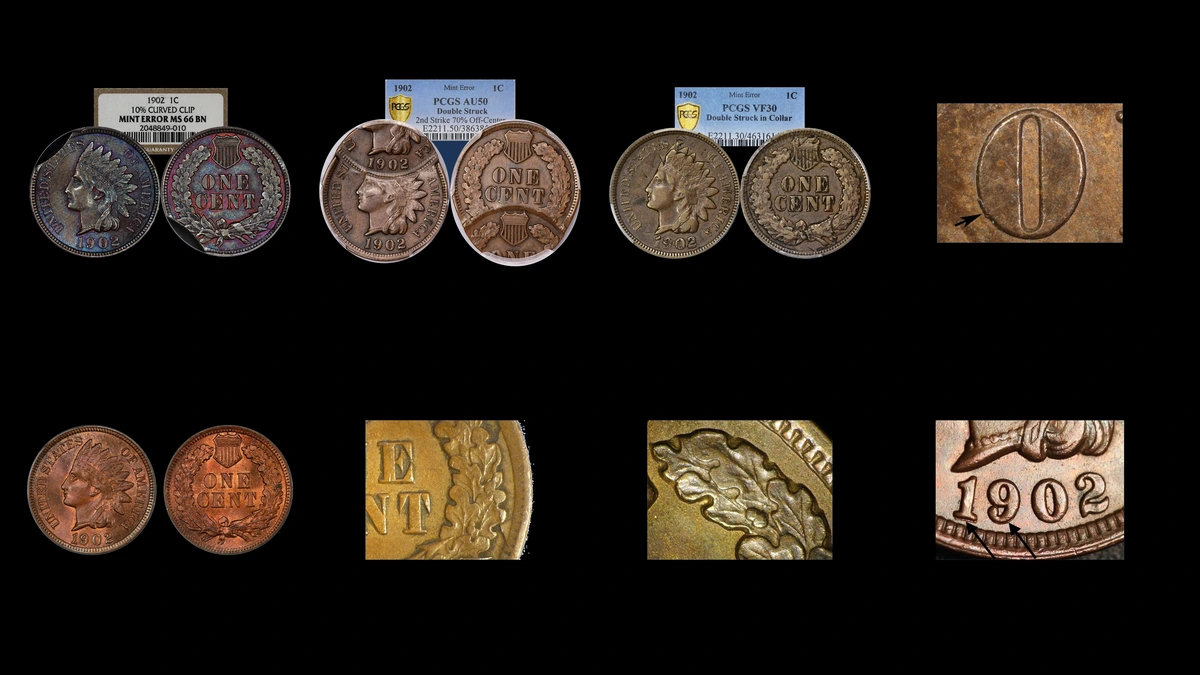
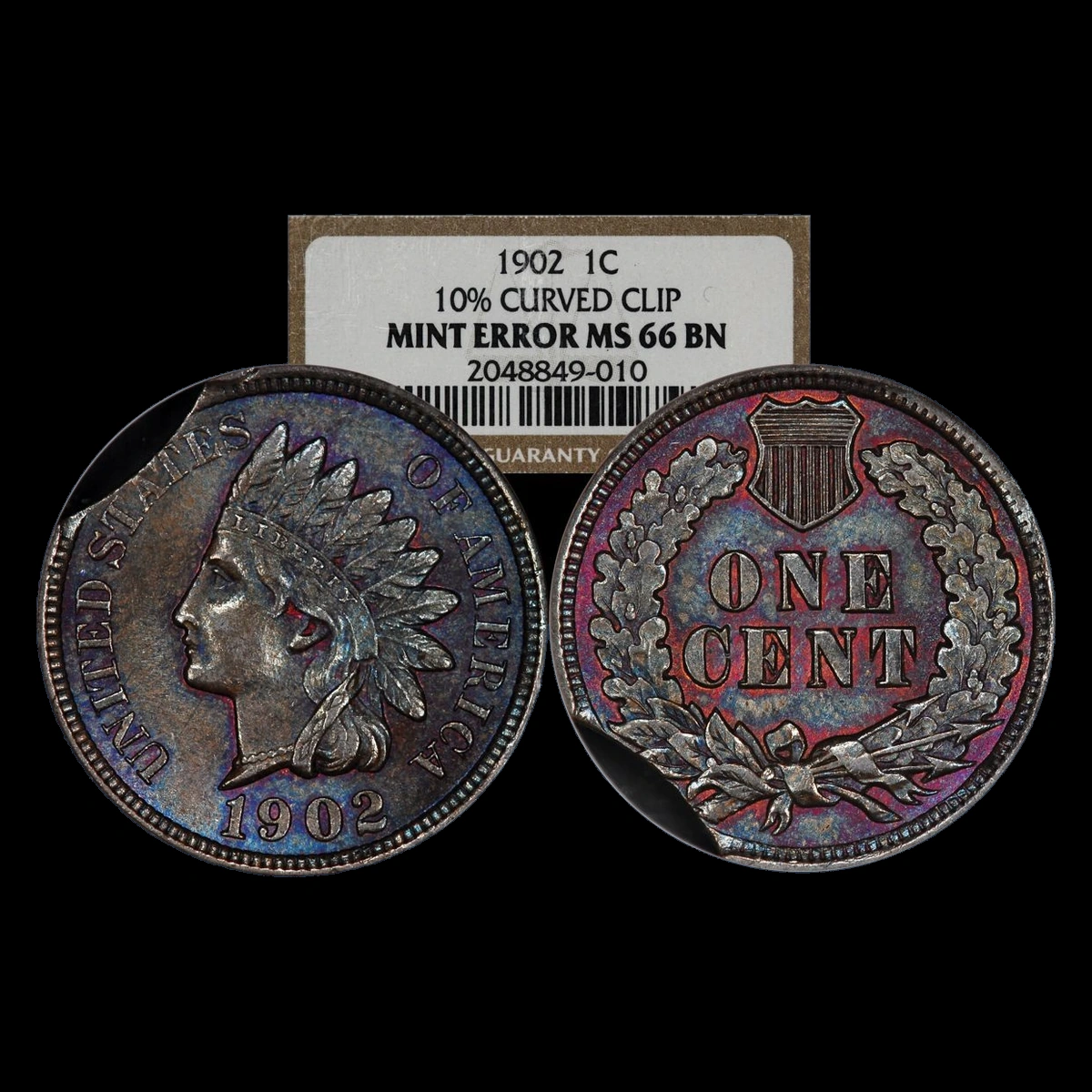
The documented curved clip removes about ten percent and is graded NGC MS66 Brown. A separate seven-percent straight clip is PCGS MS64 Red-Brown.
Each incomplete blank lacked metal before receiving its design. Their different boundaries and grades must remain attached to their own photographs.
How to Identify
Compare the gap ends with the struck rim in the published collection examples. A natural transition differs from cutting through a completed border.
Inspect a straight boundary for filing grooves and a curved one for an original missing arc rather than an inward dent. Opposite-rim weakness can help, but needs comparison with other rim damage.
What It’s Worth
Modest circulated clips have an estimated $25–$150 range; well-preserved examples with clear gaps are approximately $150–$500. These are whole-coin estimates.
No realized prices are assigned to the two collection coins. A straight edge is not automatically more valuable than a curve with better preservation.
2. 1902 Penny A Blank Crescent Sits beside the Design: 1902 Off-Center Strike Error
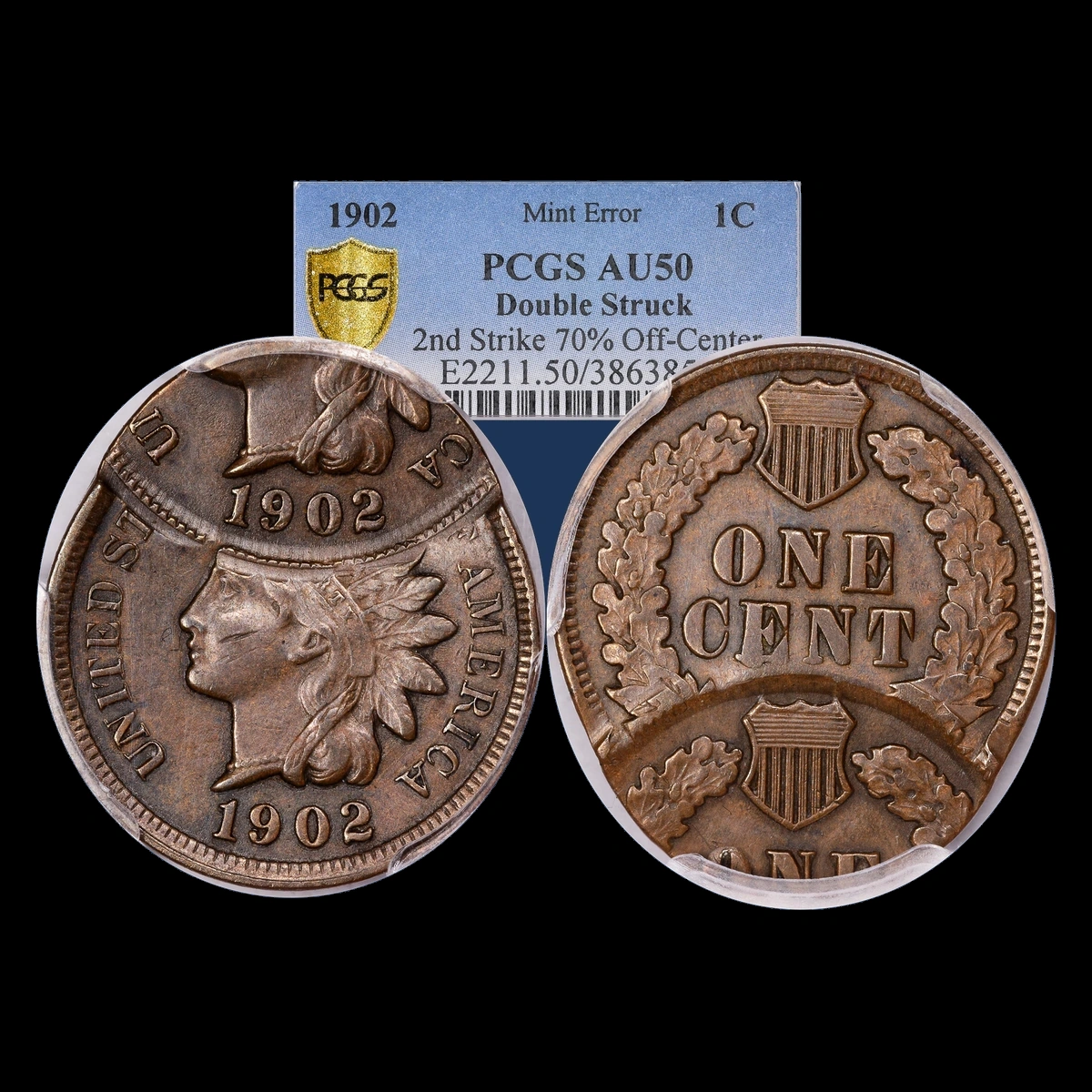
Reported fifteen- and twenty-percent examples are separate from the auctioned forty-five-percent cent. Each blank missed its intended position beneath the dies.
The auction coin retained enough date to identify 1902. More displacement does not guarantee a more readable or attractive error.
How to Identify
Follow the design to its stopping point on both faces, keeping the date and untouched metal visible. An uneven border with full design is a different relationship.
Inspect the bare area for grinding that removed completed letters. Genuine unused metal does not contain a normal design simply scraped flat.
What It’s Worth
Modest shifts have an estimated $75–$750 range; larger readable-date examples are around $500–$2,500. Condition affects both comparisons.
The forty-five-percent NGC AU55 Brown coin brought $646.25 in January 2013. A year guide’s $450 figure for a fifteen-percent MS64 Brown example is an asking-price comparison, not another auction result.
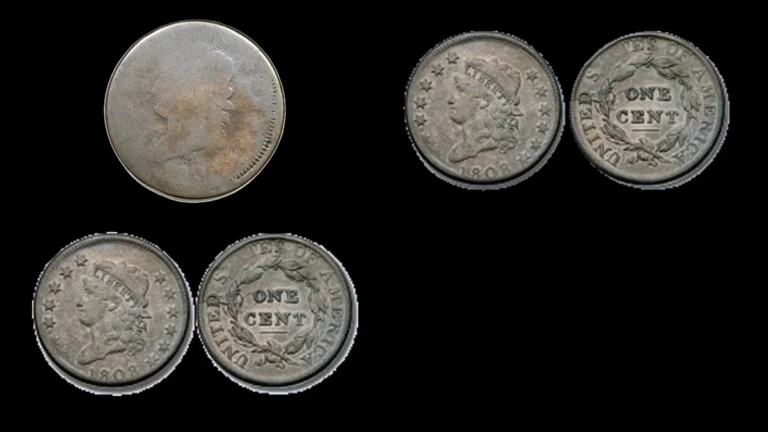
3. 1902 Penny Two Larger Design Positions Overlap: 1902 Double Strike Error
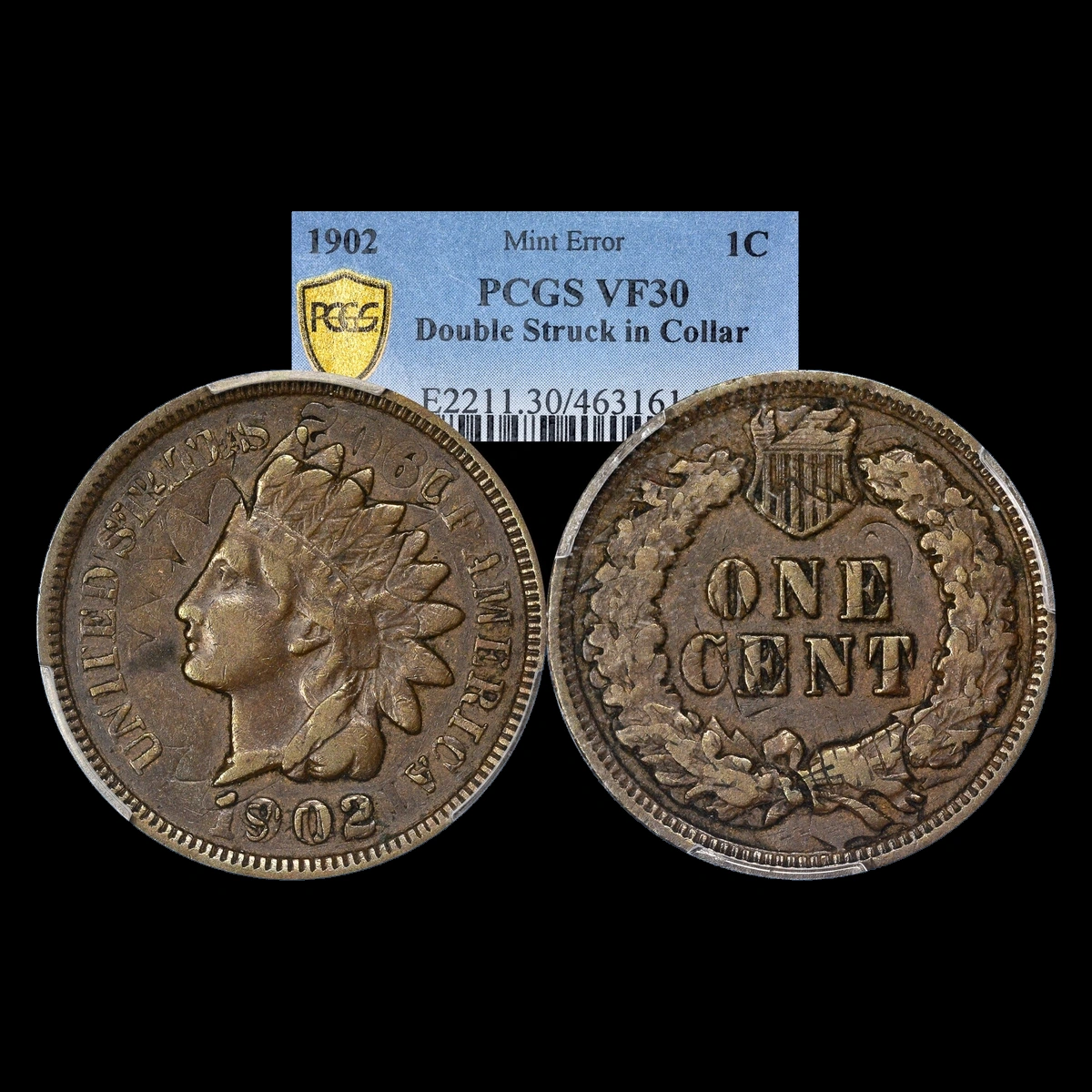
The published collection includes a PCGS VF30 cent struck twice within the collar. A separate PCGS AU50 Brown coin received an off-center double strike.
The coin’s movement between blows determined where each later design landed. This differs from small date remnants already present in the die.
How to Identify
Begin away from the date and trace another portrait outline, lettering group, or wreath detail. A second coherent design should continue into neighboring areas.
Compare both faces and the places where one impression crosses the other. Date-only repunching cannot duplicate the whole portrait, and random dents cannot establish a second strike.
What It’s Worth
Worn in-collar double strikes have an estimated $50–$500 range. More obvious displaced examples are approximately $500–$3,000.
A year guide reports $74 for a heavily worn VG8 in-collar coin sold in 2010. That is a separate comparison from the collection’s VF30 and AU50 specimens.
4. 1902 Penny Raised Roughness Appears beside ONE CENT: 1902 Die Rust Error
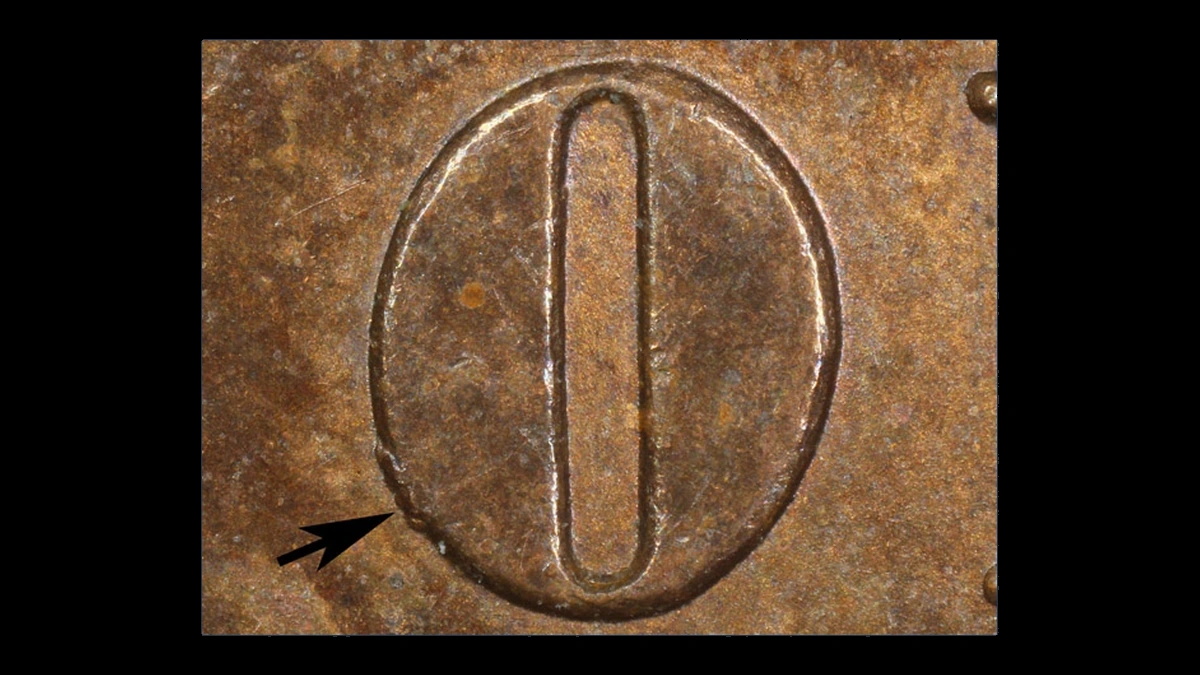
Poliquin 26 records small raised patches beside the O, C, and T. Rust pitted the steel die, and bronze filled those recesses during striking.
The same pairing includes date remnants below 1 and inside 9 and 0. It does not mean the bronze cent itself rusted in those precise areas.
How to Identify
Inspect the lower-left side of ONE’s O, upper-left of CENT’s C, and left side of its T. Changing light should reveal raised texture rather than corrosion pits or crust on the coin.
Check the associated date, including the trace below 1. The matching locations on both faces provide better evidence than random roughness.
What It’s Worth
Identifiable circulated examples have an estimated $10–$150 range. Preservation helps retain the small texture and date features.
No published Poliquin 26 sale is supplied. Its rust pattern and repunched date contribute to the comparison of one complete coin.
5. 1902 Penny A Line across the Eye Is Raised: 1902 Die Gouges Error
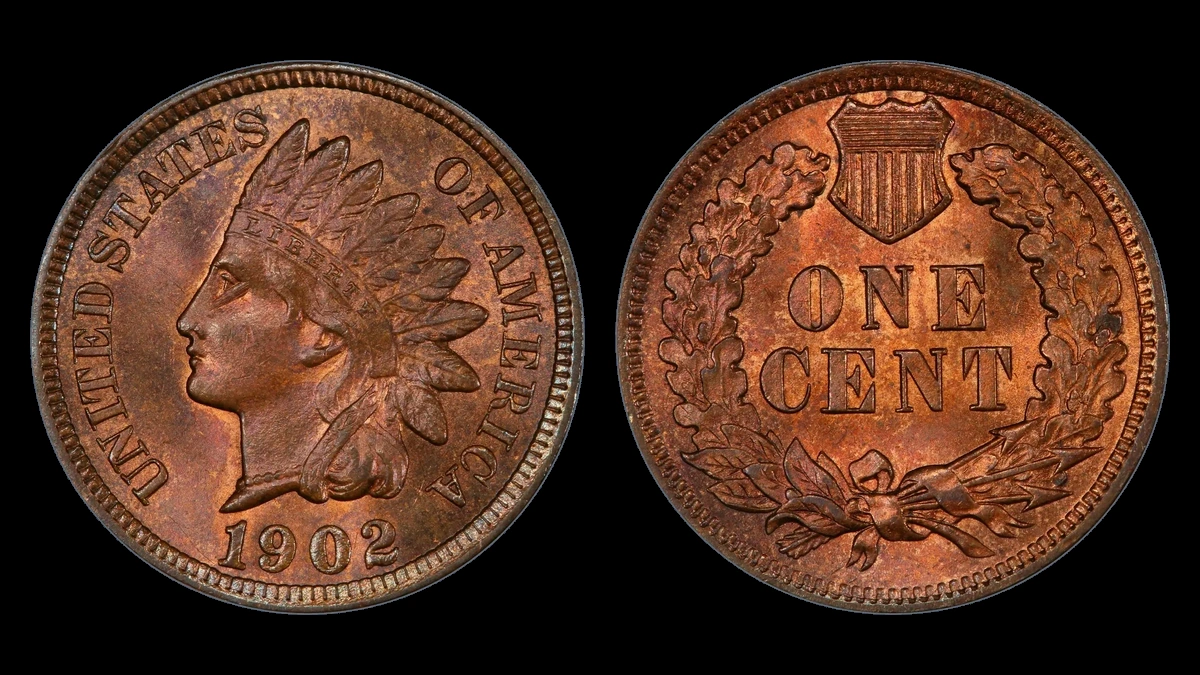
The FS-401, also called Snow-4, has a raised line through Liberty’s eye. A gouge in the die gave coin metal room to rise rather than cutting the finished coin.
A separate variety has a line from the rim through UNITED’s T. Its different location requires a different match.
How to Identify
Confirm that the eye line stands above the surface under light from opposing directions. Inspect its complete shape while separating any later scratch that happens to cross it.
For the other variety, trace the rim-to-T line instead. A mark near the eye cannot identify the separate UNITED tool gouge.
What It’s Worth
FS-401 has an estimated $30–$2,500 range across worn through strongly preserved red examples. The separate T-line variety is approximately $15–$300.
PCGS records $192 at Stack’s Bowers in November 2022 for an MS62 Brown FS-401. That one result is not the upper-end value of every eye-line coin.
6. 1902 Penny Chips and Rim Boundaries Add Relief: 1902 Die Breaks Error
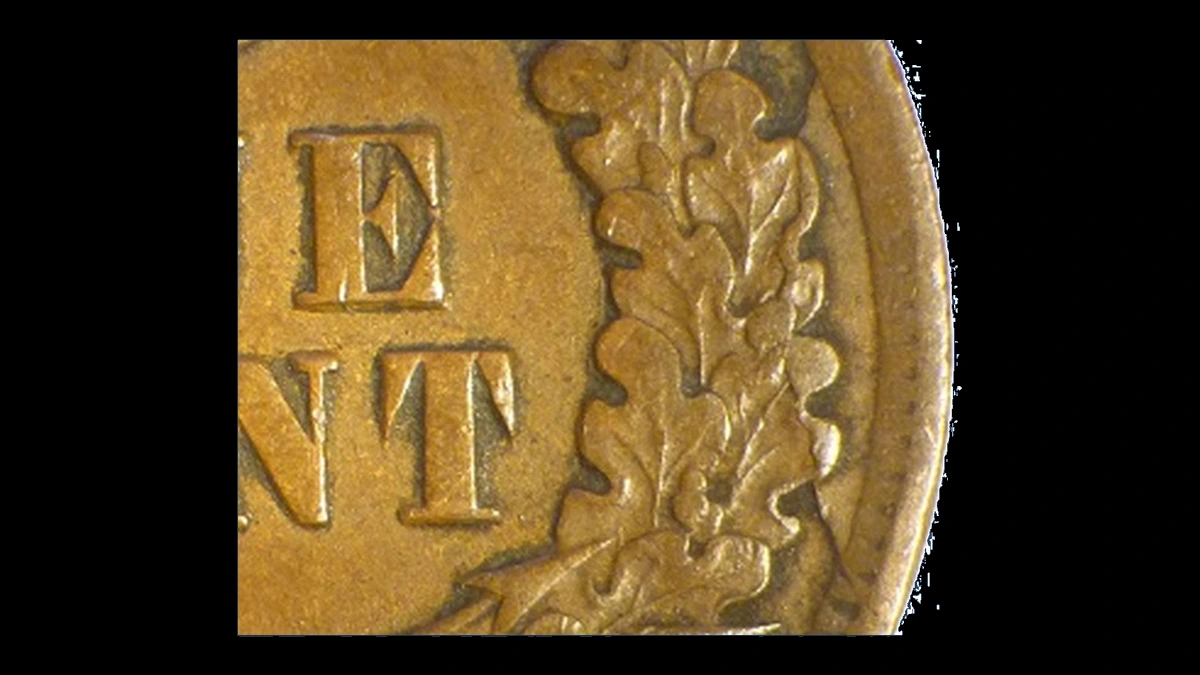
Poliquin 19 has a chip inside 2 and another at the eighth feather tip, with a chin-area raised line appearing later. The combination helps identify its die stage.
Poliquin 20 has a retained reverse break bounded near two-fifteen and three-forty-five. Some design remained because the broken section stayed in place temporarily.
How to Identify
Compare both small Poliquin 19 chips rather than accepting a lone lump inside a digit. For Poliquin 20, follow the reverse boundary and surviving design within it.
Check raised areas for attachment seams or different-colored metal. Original die cracks rise on the coin, while scratch grooves cut into it.
What It’s Worth
Small chips and cracks have an estimated $5–$100 range. Larger clear retained breaks can fall around $40–$750.
Late prominent stages may interest collectors more than faint early cracks, but wear still matters. Associated repunched dates do not justify adding two separate maximum whole-coin estimates.
7. 1902 Penny Back Details Repeat in a Consistent Direction: 1902 Doubled Dies Error
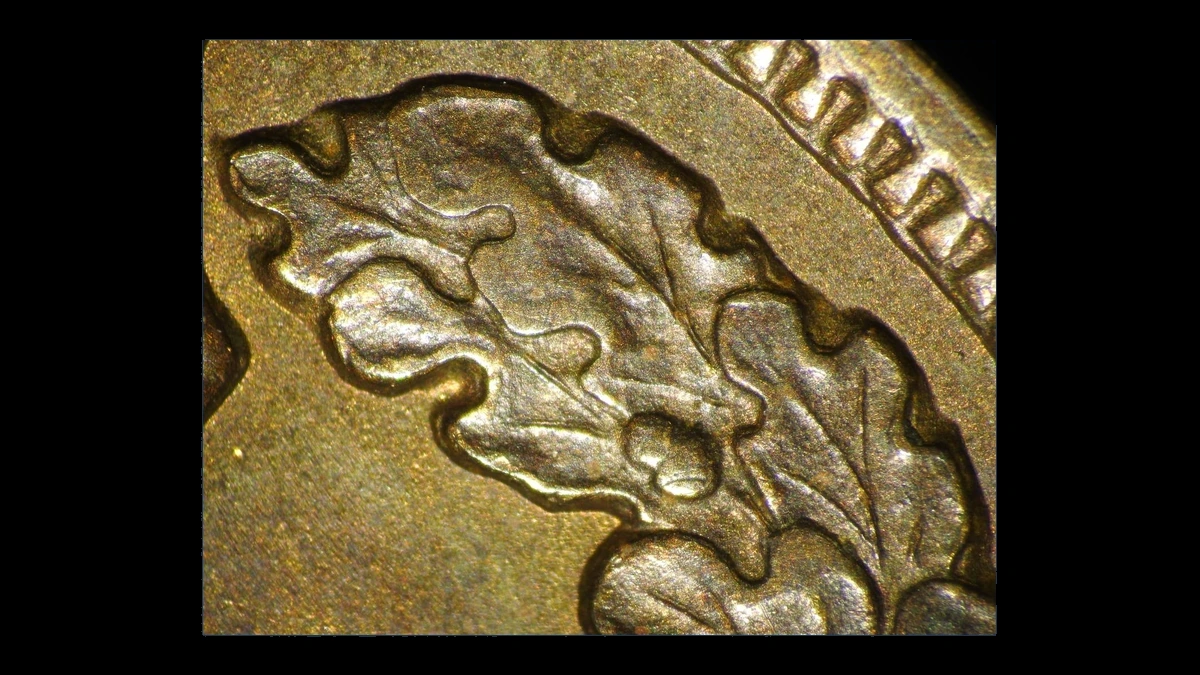
DDR-001 describes an inward shift in repeated reverse design. That reverse was paired with several fronts bearing different repunched dates.
DDR-002 has its own slight turning-shift pattern and an associated front with strong raised die lines. The general LIBERTY front-doubling report remains separate from both reverses.
How to Identify
Compare the actual reverse with the DDR-001 photographs before using its front pairing as supporting evidence. A repunched date alone cannot establish that reverse.
DDR-002 needs a separate match, while a claimed front variety needs raised repeated detail in LIBERTY. Neither a tool line nor a flat strike shelf substitutes for the correct doubled pattern.
What It’s Worth
Matched doubled-design coins have an estimated $20–$1,500 range. Clear attribution and strong preservation support the upper comparisons.
No confirmed sale is supplied for every front or reverse form. An accompanying repunched date helps describe one coin rather than creating another full price to add.
8. 1902 Penny Extra Number Tops Hide in the Border: 1902 Misplaced Date Error
Poliquin 1 has digit tops from repeated low date impressions among border teeth beneath 9 and 0. Other patterns show a fragment below 0 or between 0 and 2.
The date punch first entered the die away from its intended position. Correcting it left some earlier pieces visible, sometimes alongside repunching within the final date.
How to Identify
Keep all relevant digits and border teeth visible while changing the lamp angle. A group of recognizable tops is stronger evidence than one rough or bright tooth.
Establish collector Proof finish independently. A die formerly used for Proofs could later strike ordinary coins, so a shared fragment does not settle the finish.
What It’s Worth
Ordinary-strike misplaced dates have an estimated $20–$1,500 range. Confirmed collector Proofs use a separate $200–$2,000 whole-coin estimate.
Clarity of the fragments and natural preservation affect both comparisons. The Proof estimate includes the special finish rather than a premium granted by the date mark alone.
9. 1902 Penny Earlier Strokes Remain within the Date: 1902 Repunching Error
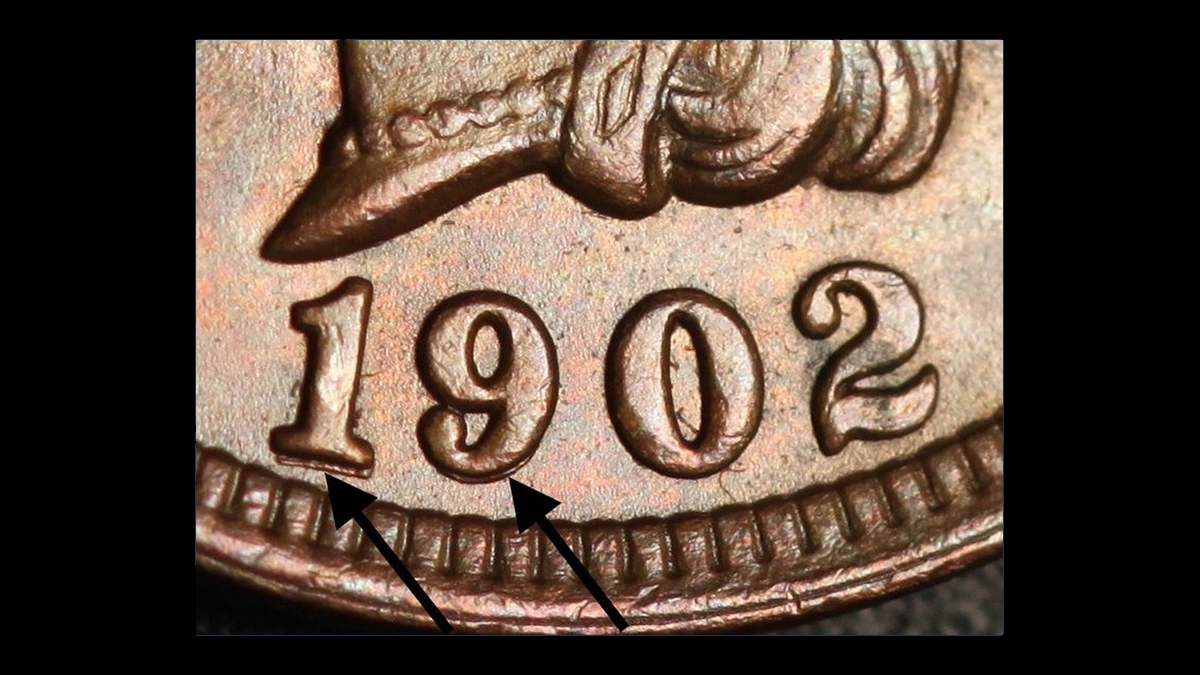
Poliquin 2 has lower remnants at 1 and 9 plus detail inside 0. Other dies repeat only a digit or shift another group in a different direction.
Proof 3 has an earlier stroke left of the base of 1. Ordinary Poliquin 13 coins later used that same die pair, so the mark is not exclusive to Proofs.
How to Identify
Compare all four numerals and match the entire pattern. Separate recorded forms include an earlier 2 below its final position and a leftward 1.
Check the associated reverse because some fronts have more than one pairing. For the Proof 3 pattern, authenticate the finish rather than relying on the shared stroke beside 1.
What It’s Worth
Ordinary repunched dates have an estimated $15–$2,500 range. A confirmed Proof 3 can be compared separately around $200–$2,000.
These are whole-coin estimates across varied preservation and patterns. A tiny worn trace belongs to a different comparison from a sharp unworn red cent or an authenticated collector Proof.
Conclusion
The estimated $5–$3,000 range covers both small die features and coins struck in a different position or more than once. A date remnant cannot establish a complete second strike, and one front pairing cannot identify every reverse.
Keep both faces in the record and preserve the distinction between ordinary and Proof coins sharing tools. Price the complete combination once, using the actual visible detail and condition instead of adding separate upper estimates.