Rare 1904 Quarter Errors (List & Pictures)
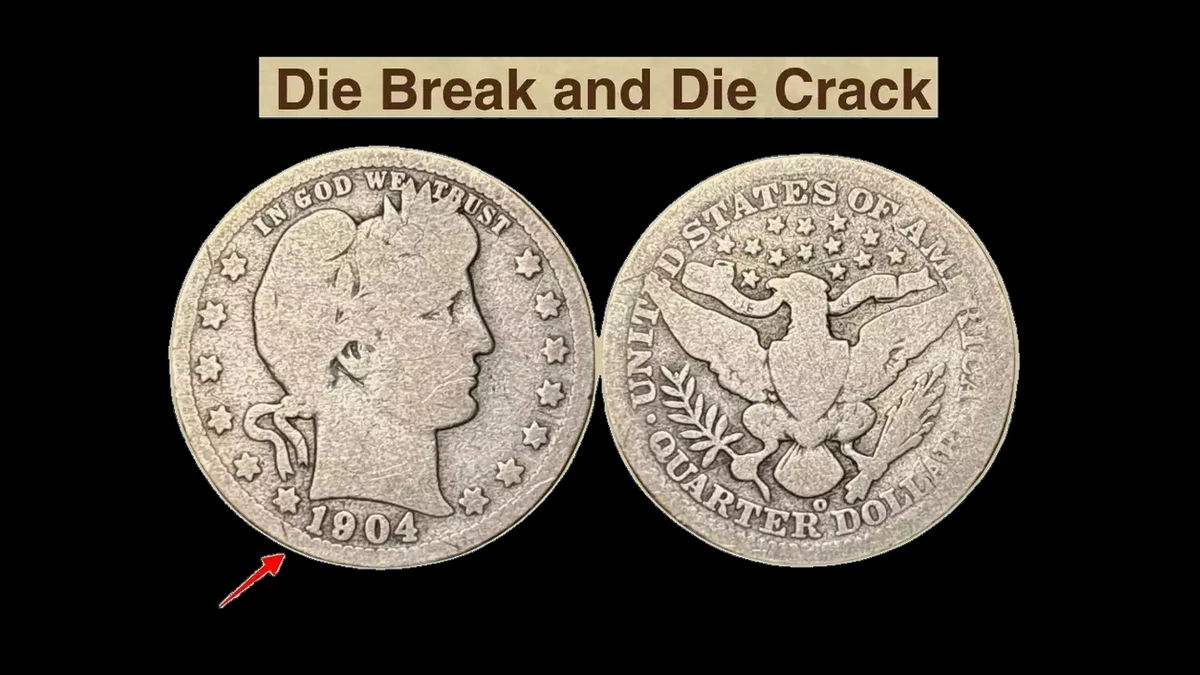
A repeated number in 1904 and a repeated O on the back came from separate punches. Sorting those details is the starting point for these 1904 quarter errors, estimated at $25–$3,000 in the stated conditions.
A related 1908 date-punch variety sold for $432 in March 2024. That different-year result offers context while you inspect the date, mintmark, raised metal, and alignment.
1. 1904 Quarter An Earlier Stroke beside the Date: Repunched Date Error
One Philadelphia pattern has a small raised remnant below the base of 1. Other reports describe repeated 04 digits below and an earlier whole date shifted left.
The date punch entered the tool more than once. These are separate arrangements of the same year, not an overdate from a different year.
How to Identify
Compare the base of 1 with a normal coin before judging the extra stroke. For marks under 04 or left of the date, use the matching pattern instead.
The Barber Coin Collectors’ Society survey separates these reports. Do not combine their positions into one required set of clues.
Confirm Philadelphia identity on the back, then use light from two sides to distinguish raised earlier digits from cuts.
What It’s Worth
$40–$1,000 is the estimated range for identified Philadelphia repunched dates, from worn to attractive unworn examples. Readable earlier digits and original surfaces improve appeal.
A 1908 Philadelphia misplaced date graded ANACS MS63 sold for $432 in March 2024. That same-series comparison involves digits placed too low, not the exact 1904 repunch.
2. 1904 Quarter Repeated Details beyond the Date: Doubled Front Error
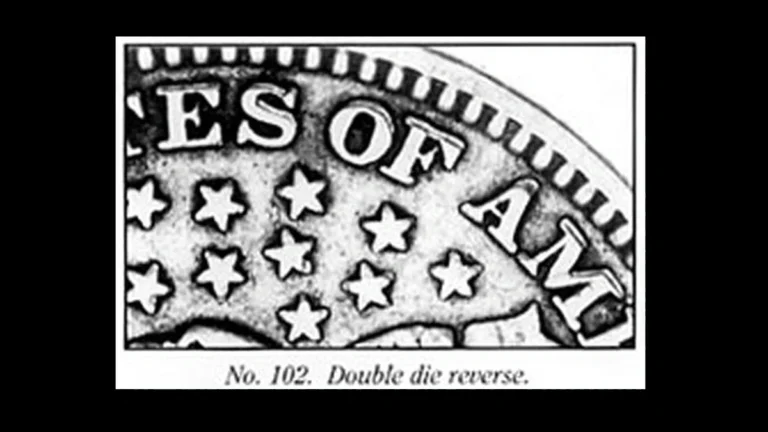
A doubled die contains repeated design before striking a coin. Reports mention Philadelphia and New Orleans front doubling without one fixed pattern shared by both mints.
The date was punched separately on these tools. Doubling limited to its numbers may therefore belong to the repunched-date category above.
How to Identify
Temporarily cover the date in a photograph and inspect the rest of the front. Look for matching raised outlines in lettering or portrait details.
Compare with a normal coin of similar wear and the same mint. Flat shelves beside letters can result from movement during striking instead.
Then uncover the date and record any separate punch pattern. One thick number cannot establish a doubled whole-front design.
What It’s Worth
$75–$1,200 is the estimated range for identified examples in circulated through modestly unworn condition. Strong repeated details beyond the date give a more convincing comparison.
The New Orleans coin’s ordinary scarcity also contributes to its whole-coin value.
3. 1904 Quarter Another Oval beside O: Repunched Mintmark Error
The O between the eagle’s tail and QUARTER DOLLAR identifies New Orleans. A second punch could leave part of an earlier oval beside that letter.
The 1904-O report does not establish a required direction. An extra arc needs to fit another O rather than an unrelated bump.
How to Identify
Examine the center and outside edge of the O under several light angles. A chip, dent, or wear may change only one part of its shape.
Compare the full oval with an identified example and include the surrounding back in photographs. Repunching in the front date does not prove a repeated mintmark.
What It’s Worth
$75–$800 is the estimated range for confirmed repunched O coins in ordinary circulated grades. That includes the underlying value of the New Orleans quarter.
A clear earlier oval is more appealing than vague thickness, while cleaning or scratches can reduce the comparison.
4. 1904 Quarter Raised Lines and Lumps: Die Cracks, Chips, and Cuds Error
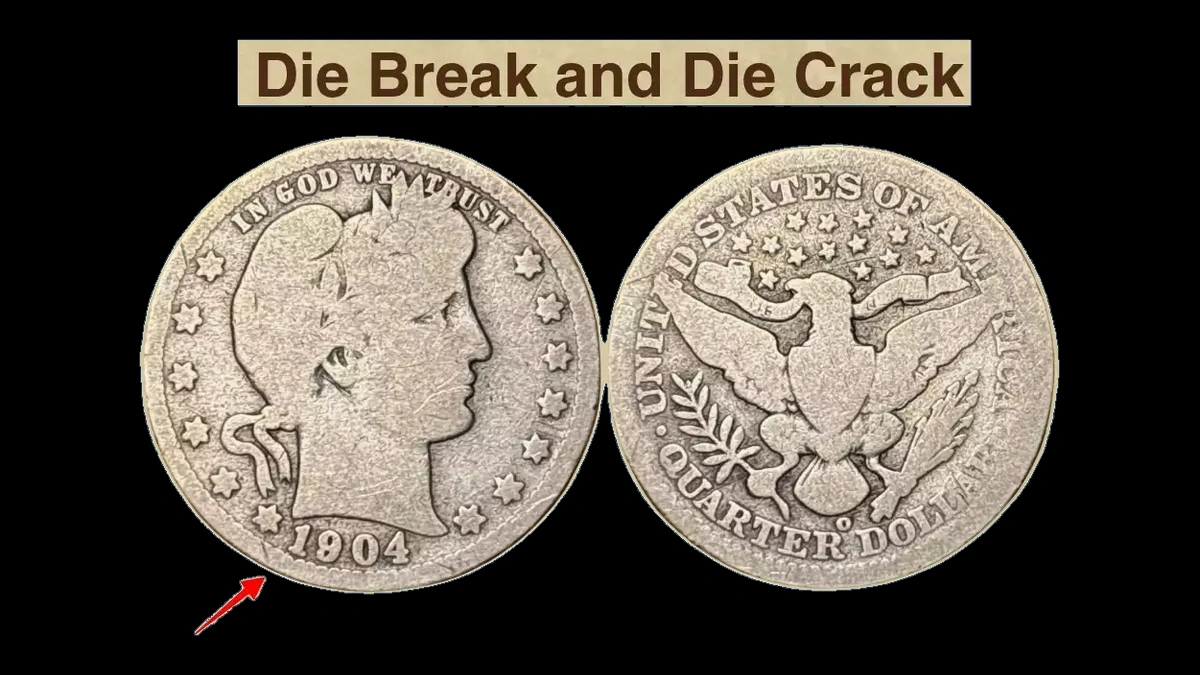
A crack in the steel stamping tool leaves a thin raised ridge. A missing piece of that tool can leave a broader raised area.
Reports include front and eagle-area cracks, plus a chip near the New Orleans date. A larger break connected to the rim is called a cud.
How to Identify
Follow the actual feature under side lighting. A scratch cuts down, while a dent can push up a ridge beside its main hollow.
The date-area chip remains an inside chip unless a missing-tool area connects it to the rim. Keep separate reported cracks in their own photographs rather than assuming one continuous route.
For a possible cud, include the edge and opposite face to show any related weakness.
What It’s Worth
$25–$600 is the estimated range for worn quarters with these features. Small cracks often add little beyond the ordinary coin value.
A prominent rim-connected break may attract more interest. New Orleans coins also need their normal mint-and-condition value considered.
5. 1904 Quarter The Back Tilts after a Controlled Flip: Rotated Dies Error
A reported 1904-O example was graded PCGS VF30, meaning moderate wear. Its measured rotation angle is not supplied.
A separate collector discussion describes about 15 degrees. These reports need not refer to the same coin.
How to Identify
Hold Liberty upright and turn the coin top to bottom around a horizontal line through its center. The eagle should then be upright.
Repeat without rolling the coin between your fingers. Turning left to right gives a different normal result and can mislead the test.
Photograph both positions against a straight guide and measure the repeatable tilt. A certified coin can stay inside its holder.
What It’s Worth
$50–$750 is the estimated range for circulated 1904-O coins with measurable rotation. The angle and overall condition affect the whole-coin comparison.
A small shift near 15 degrees may add little. The VF30 grade alone supplies neither an angle nor a sale price.
6. 1904 Quarter Part of the Picture Runs beyond the Blank: Off-Center Strike Error
A misplaced blank can leave an untouched crescent beside a partly missing portrait or lettering. The absent design never reached the metal.
Reports cover Philadelphia and New Orleans examples without one shared direction or percentage.
How to Identify
Locate the struck boundary and compare the same area on the other face. If only one face shifts, tool misalignment may be a better explanation.
A wide border around a complete picture is different from intended design lost beyond the edge. Inspect the plain crescent for grinding or partly erased detail.
Read the surviving date and mint area before judging the shift. Missing mintmark space cannot automatically identify a Philadelphia coin.
What It’s Worth
$150–$3,000 is the estimated range for genuine dated 1904 off-center quarters. Clear identity and attractive original surfaces support stronger interest.
A large shift that loses the year can be less useful to collectors than a smaller fully dated example.
Conclusion
The date punch, mint-letter punch, and alignment of the two tools each answer a different question. Match the specific repeated shape or measured shift before choosing a price comparison.
Keep enlarged details with full-face photographs. They make it easier to separate an inside chip from a rim cud and a small rotation from a much larger, more valuable displacement.