Rare 1925 Dollar Errors (List & Pictures)
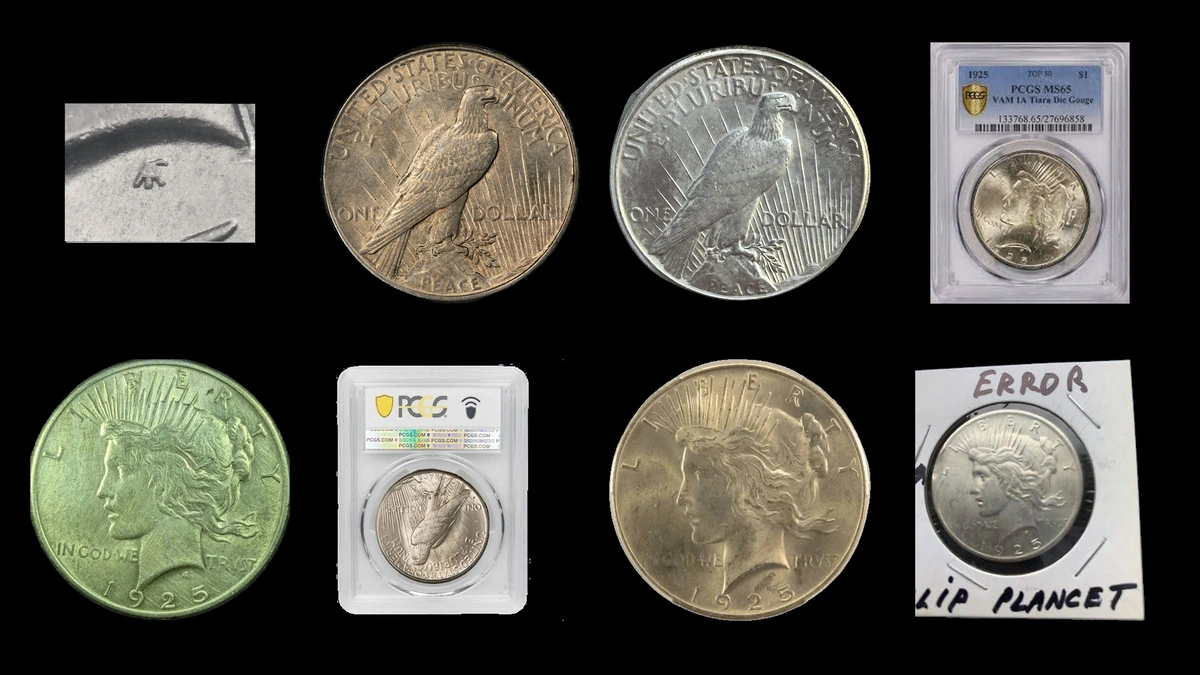
A missing-ray dollar graded MS66 realized $1,920 in February 2019. The 1925 Peace dollar errors and die varieties below have estimated values of $90–$3,000 in the stated conditions.
Compare repeated, shortened, raised, and separating details by mint; exceptionally preserved San Francisco dollars require higher ordinary-coin comparisons.
| Feature | Category | Estimated range |
|---|---|---|
| Repeated feathers, letters, or date | Doubled die | $90–$3,000 |
| Missing or shortened rays | Die polishing | $100–$2,500 |
| Extra shoulder traces | Die clash | $100–$800 |
| Raised local lines | Die gouges or filing | $90–$1,500 |
| Rough copied texture | Rusted or worn die | $100–$600 |
| Neck or PEACE lumps | Die breaks | $100–$1,200 |
| Peeling metal | Lamination | $90–$500 |
| Blocked letters or woven texture | Strike-through | $90–$1,000 |
| Missing outline segment | Clip | $100–$1,000 |
1. 1925 Dollar Extra outlines follow the design: doubled dies Error
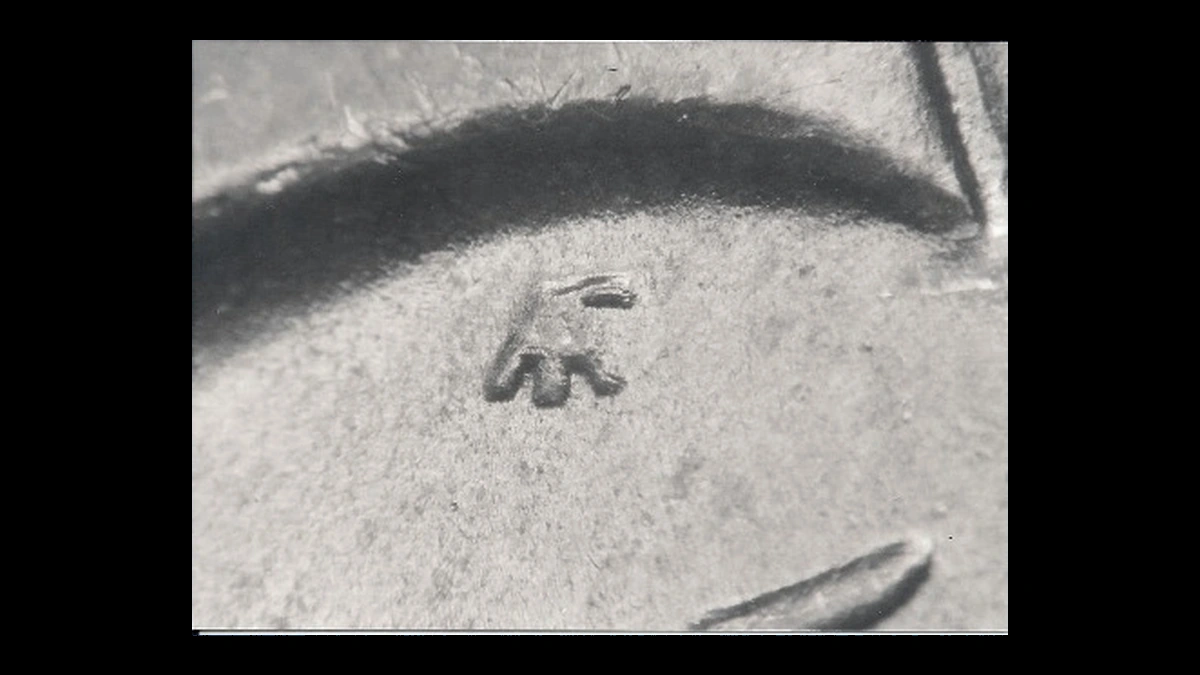
Philadelphia patterns include reverse doubling at the eagle’s shoulder and small front repetition at the designer’s initials or date. Some examples have doubled details on both faces.
San Francisco has different wing, leg, leaf, and letter patterns. Their occasional clashes, neck breaks, or rough die texture are companion features on particular varieties, not universal requirements.
How to Identify
Confirm S or no mint letter before choosing a reference. The reverse shoulder is the eagle’s shoulder, not Liberty’s.
Follow the second raised outline across the relevant feathers, leaves, letters, or rays. Front initials and date details may require about 10× magnification.
Compare each face independently and distinguish copied raised contours from flat striking shelves. A doubled reverse does not automatically require a doubled front.
What It’s Worth
Identified examples in ordinary worn and unworn grades are estimated at $90–$3,000.
A San Francisco doubled reverse graded MS64+ brought $1,800 through David Lawrence in June 2017. A Philadelphia doubled-shoulder MS64 sold for $920 at Heritage in December 2007.
Higher San Francisco condition rarities can exceed the working range. Two doubled faces still belong to one coin.
2. 1925 Dollar A ray ends early or disappears: die polishing Error
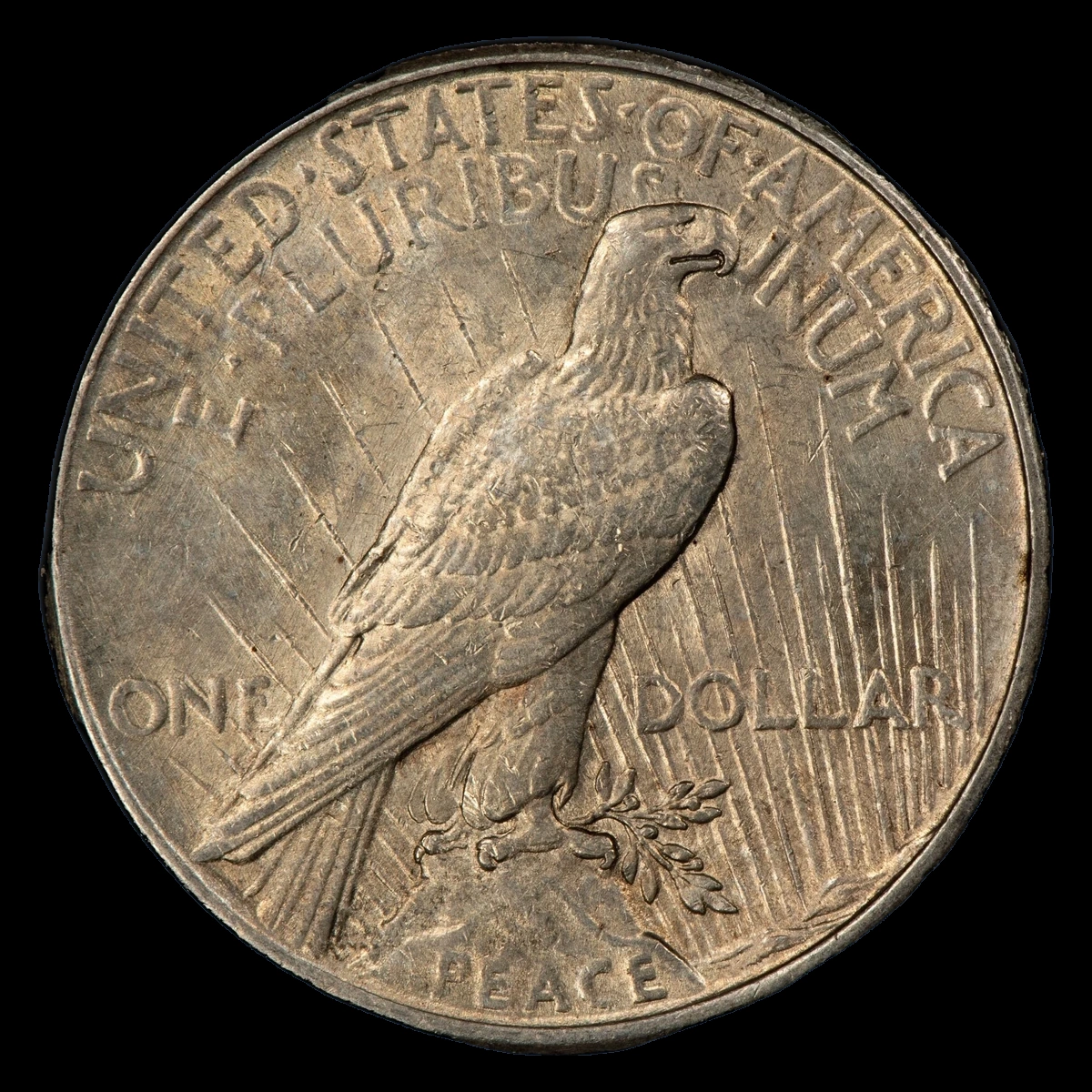
Polishing a die can remove shallow portions of its design. Philadelphia examples include a missing ray beneath the eagle’s tail and a separate shortened-ray pattern.
The missing-ray variety can also carry a small shoulder clash. That supporting mark does not cause every shortened ray or appear on every related variety.
How to Identify
Compare the rays beneath the tail with a sharp normal Philadelphia reverse at equal scale. Record exactly which rays stop early and which remain complete.
Inspect the surrounding eagle for general wear or weak striking. In the bare area, scraping lines or disturbed metal may reveal later removal rather than die polishing.
What It’s Worth
Matching missing- or shortened-ray examples are estimated at $100–$2,500.
PCGS records an MS66 missing-ray example at $1,920 in February 2019. Its excellent unworn preservation is part of that result.
3. 1925 Dollar Short extra traces cluster near the shoulder: die clash Error
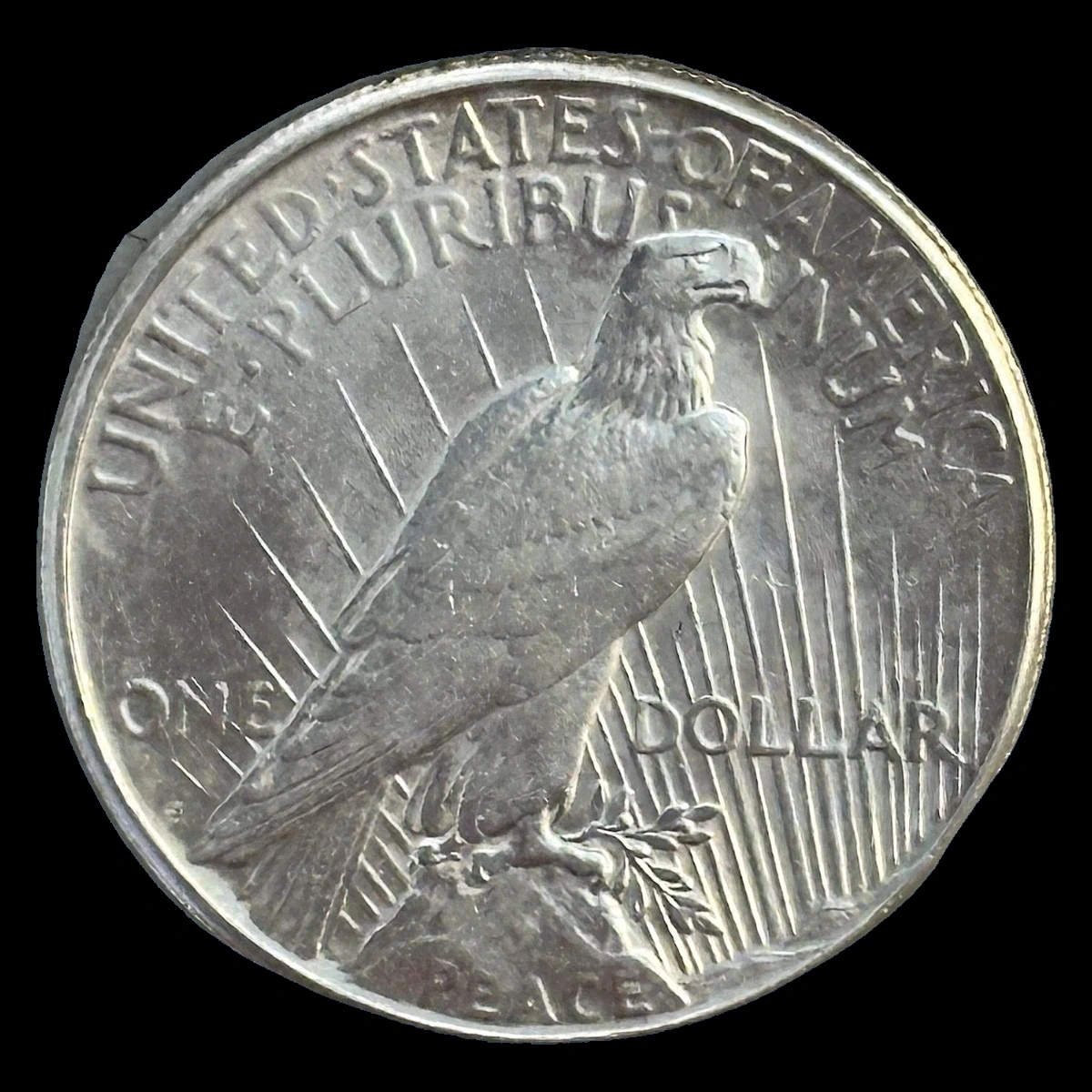
A San Francisco pattern is cataloged with a double clash near the eagle’s shoulder. The dies contacted each other without a blank and acquired marks copied onto later dollars.
Other S examples combine shoulder traces with a doubled wing. The short clash fragments and repeated wing contours remain different features.
How to Identify
Separate normal rays from extra shoulder traces using a clear same-mint photograph. Compare their connected shapes and positions with the documented clash pattern.
Inspect any doubled wing independently. A scratch crossing unrelated details or one short line aimed toward the shoulder does not establish a matching clash.
What It’s Worth
Confirmed shoulder-clash examples are estimated at $100–$800 in worn through moderately marked unworn condition.
No exact sale was supplied. If wing doubling also occurs, value the complete combination rather than adding two full-dollar ranges.
4. 1925 Dollar A narrow line stands above the fields: die gouges and filing Error
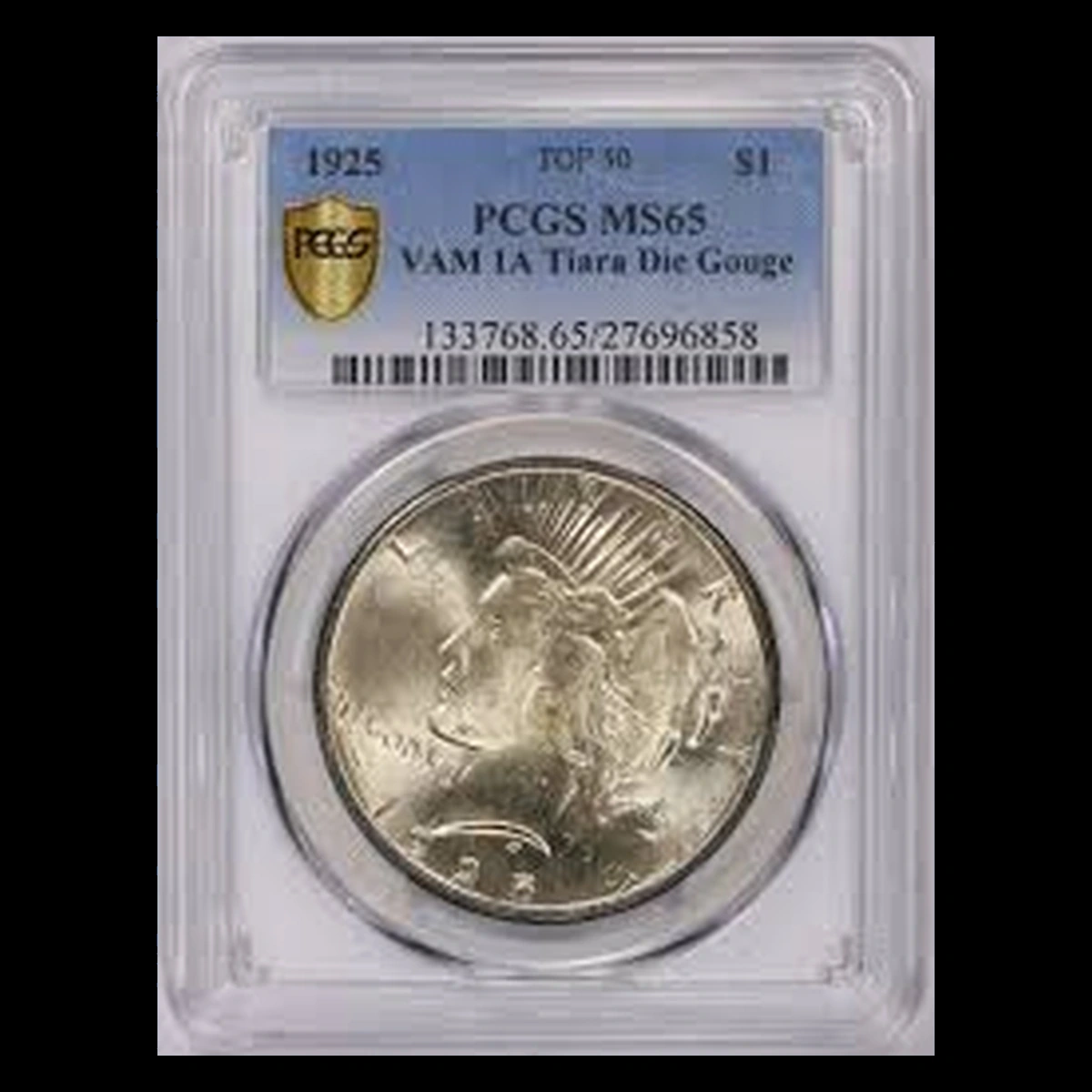
A groove cut in a die can leave a raised line on a coin. Philadelphia’s crown-band variety has a gouge near the tiara beneath B in LIBERTY.
San Francisco examples have other tool lines near rays, letters, and left of U in UNITED. Some descriptions also include die-rust texture, but the local patterns need separate references.
How to Identify
Light the line from opposite sides to distinguish a ridge from a scratched trench. On Philadelphia coins, match the curve near the band beneath B.
Do not connect an unrelated line near TRVST to that pattern. For San Francisco, choose the correct local reference and keep the full face visible beside the enlargement.
What It’s Worth
Matched gouge or filing patterns have an estimated range of $90–$1,500 in the stated ordinary conditions.
The Philadelphia crown-gouge variety graded MS66 sold for $600 in June 2021. Minor filing lines can add little even when they are original die marks.
5. 1925 Dollar Rough texture repeats around the portrait: rusted or worn die Error
A San Francisco variety is cataloged with a rusted or worn front die. Rust pits in the steel can reproduce as raised texture, while prolonged use can soften fine design detail.
This does not mean the silver dollar itself rusted. Later damage or corrosion on the coin has a different history.
How to Identify
Match where texture starts and stops around the portrait and letters against the same S-mint pattern. Side lighting helps separate raised copied bumps from pits in the coin.
Compare nearby sharp details with the rough area. Do not polish away the texture, since its location and repeated shape are the useful evidence.
What It’s Worth
Matched worn through moderately marked unworn examples are estimated at $100–$600.
No exact sale accompanies the report. Subtle die wear may add little, and exceptional high-grade S dollars need a separate condition valuation.
6. 1925 Dollar Raised masses affect the neck or PEACE: die breaks Error
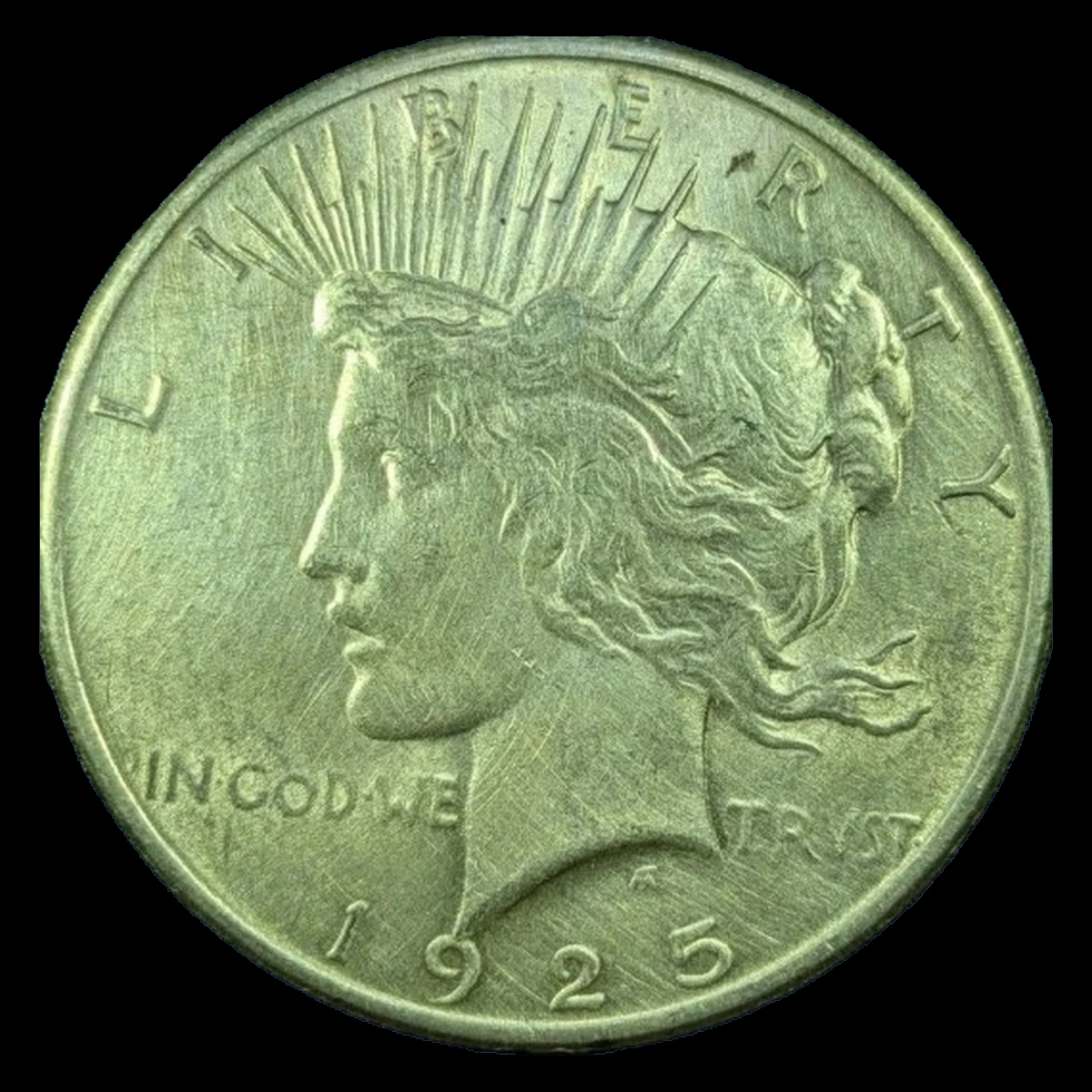
San Francisco descriptions include a neck break and a later neck-and-PEACE combination. Another doubled-design variety also has a break at the bottom of the neck.
Coin metal filled missing or cracked areas in the die to create raised features. Fine tool lines alongside them are separate observations.
How to Identify
Compare the raised boundary with the normal neck outline. If PEACE is also claimed, inspect that location independently against the matching combination.
Use a shadow from low light to judge height. A gouge removes coin metal, while a die break adds a raised shape to the struck design.
What It’s Worth
Confirmed examples in worn through moderately marked unworn condition are estimated at $100–$1,200.
The underlying S-mint dollar remains part of the price. No transaction was supplied, and a catalog number alone does not guarantee a large premium.
7. 1925 Dollar A thin surface layer lifts or splits: lamination Error
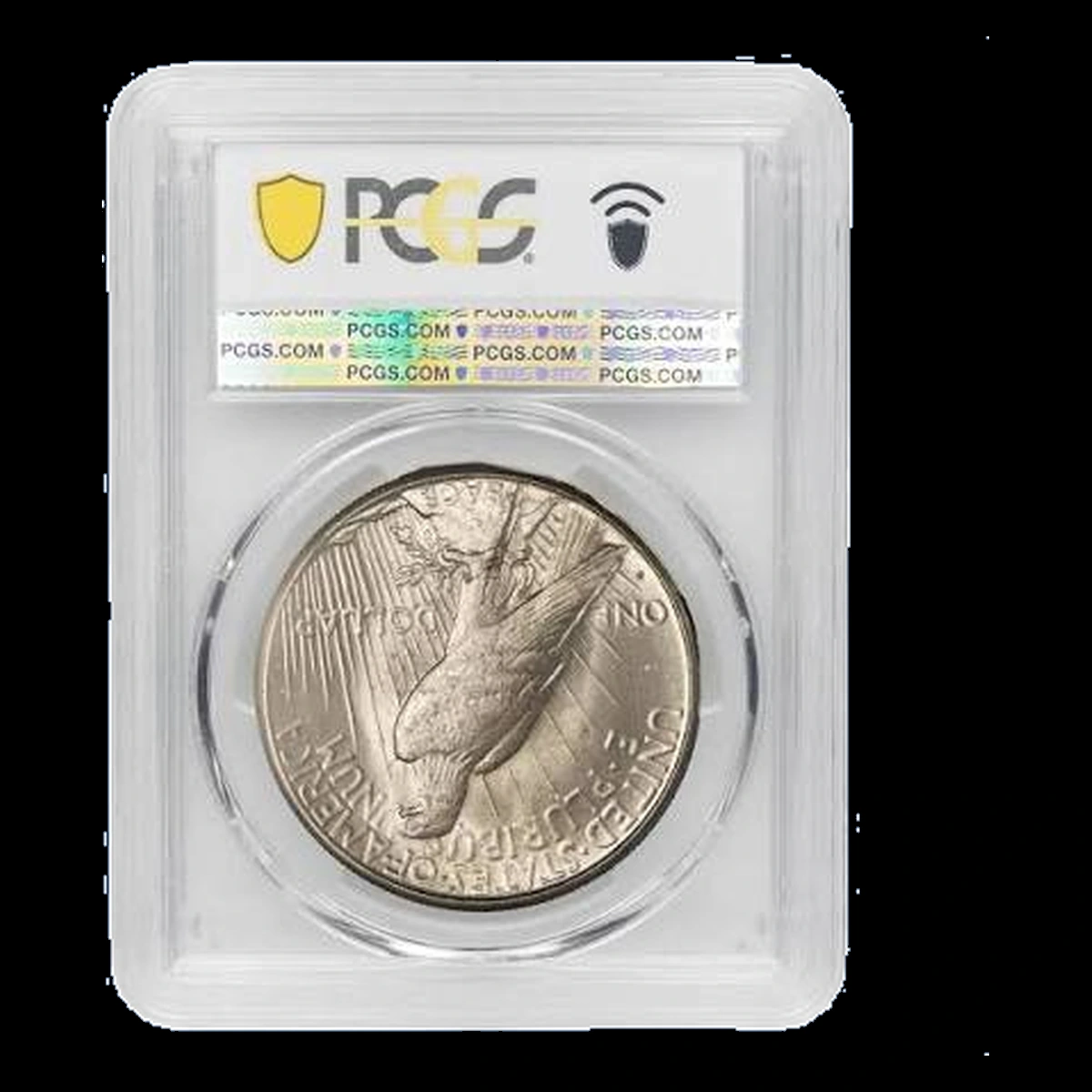
APMEX describes a Philadelphia reverse lamination in NGC MS63. A separate front-lamination report has an ANACS Details grade without an established mint.
Peace dollars are ninety-percent-silver alloy, not modern copper-nickel clad coins. A peel indicates separation within the metal rather than automatically a missing manufactured outer layer.
How to Identify
Leave attached metal in place and photograph the boundary from the side. Look for struck detail continuing onto a flap or meeting the exposed area.
A stain changes color without separating metal, while a gouge may leave cut lines and pushed edges. Read a Details label with the coin; it does not identify the peel’s size or cause by itself.
What It’s Worth
Authenticated worn through moderately marked unworn laminations are estimated at $90–$500.
A 1934-D reverse lamination sold for $247 in March 2014. That different-year comparison is not a transaction for either reported 1925 coin.
8. 1925 Dollar Missing detail or texture marks an obstruction: strike-through Error
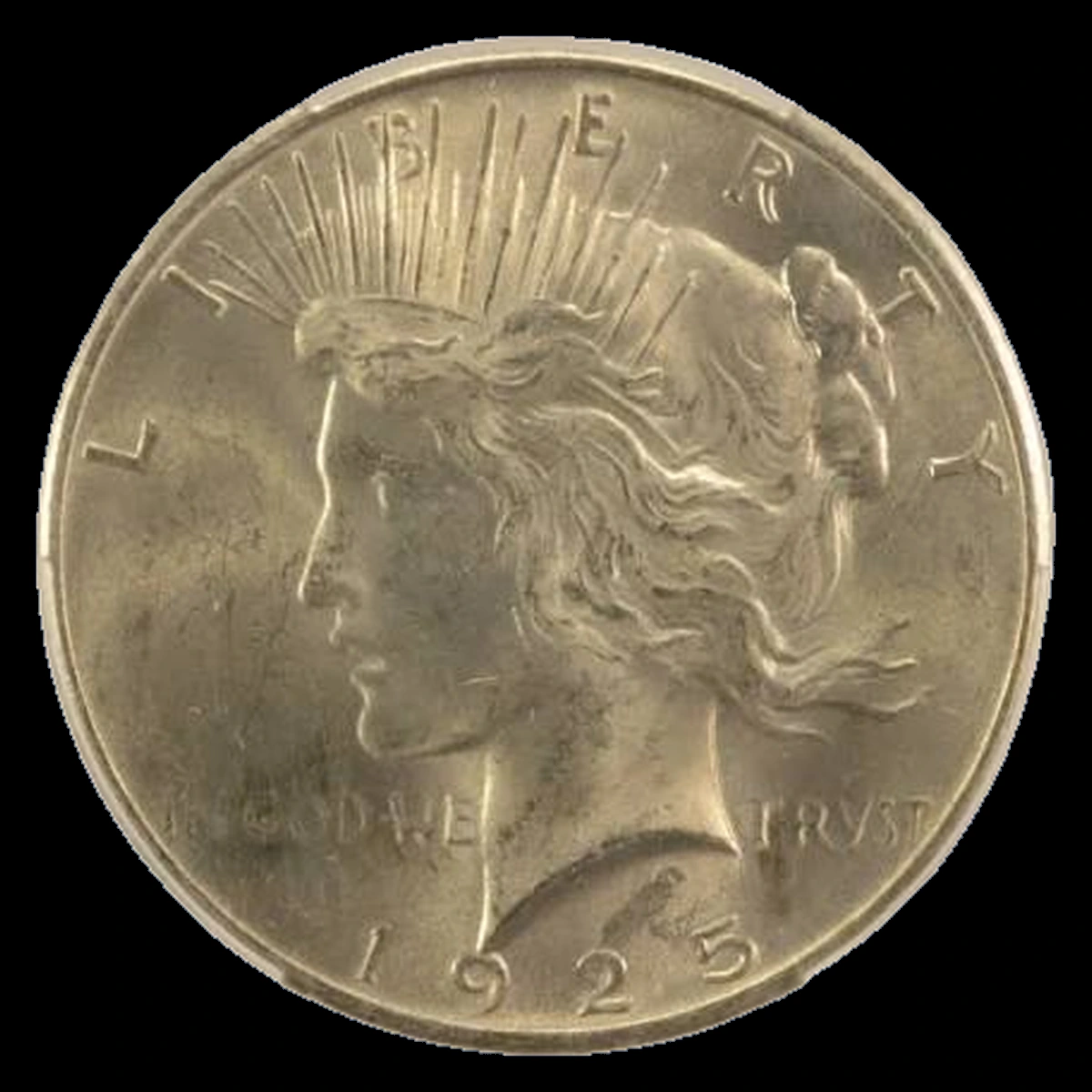
Reports include missing motto details, an NGC MS65 example, and a separate seller-described cloth impression. They do not establish the obstructing material on every coin.
Grease can block recessed die details, while fabric may leave a recognizable crossing-thread pattern. The seller’s cloth label is not independent authentication.
How to Identify
Inspect texture before naming the object. Compare affected lettering with nearby details of similar height to distinguish localized blockage from general wear.
For claimed cloth, look for crossing threads at several points. Scrapes and displaced metal support other causes; leave any retained material for an examiner.
What It’s Worth
The combined estimate is $90–$1,000, with confirmed grease or debris effects around $90–$500 and recognizable cloth impressions around $150–$1,000.
No recorded sale was supplied for the seller’s cloth example. The range depends on an original striking obstruction being established.
9. 1925 Dollar A gap interrupts the disc: clipped blank Error
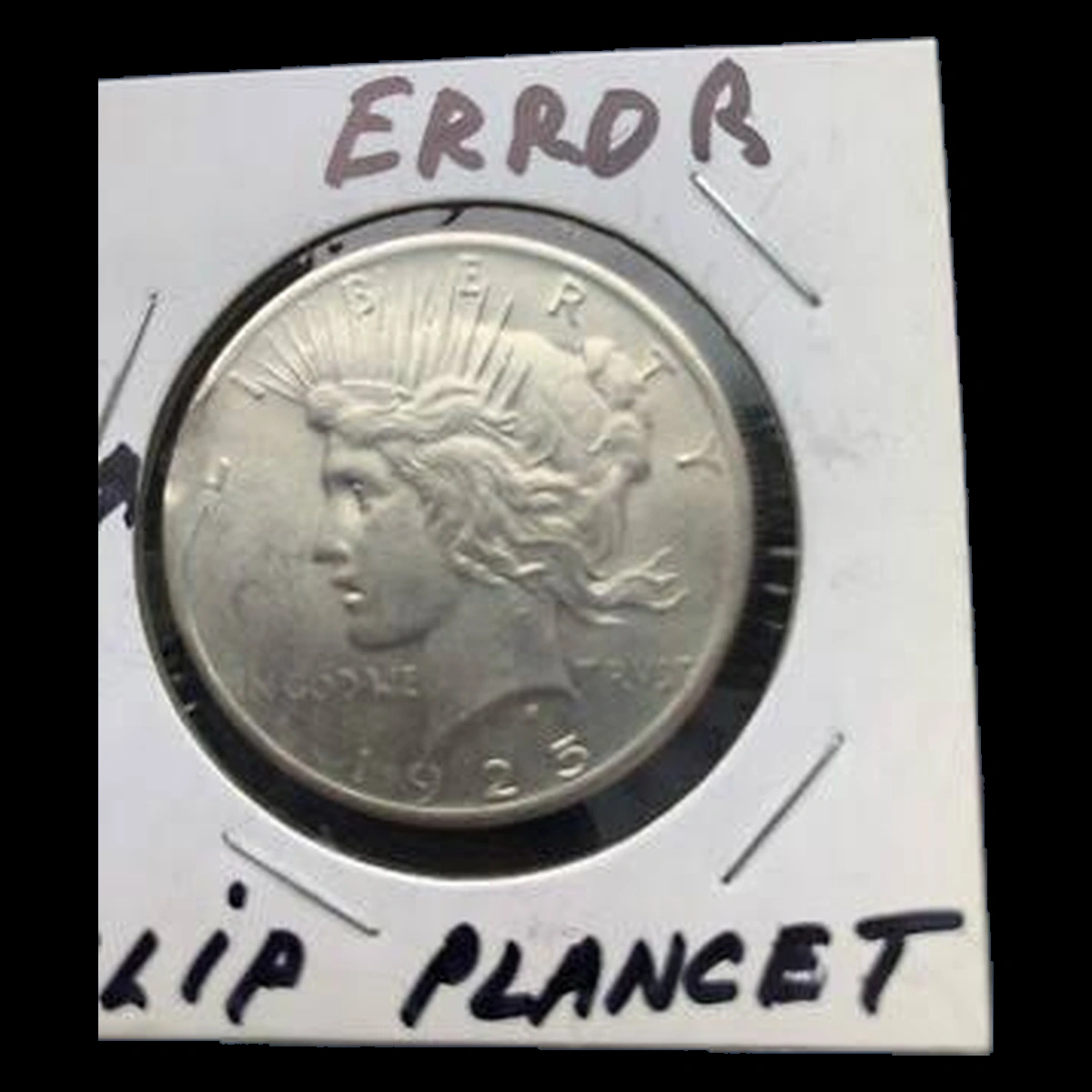
Year listings describe an irregular clip and a separate small clip near ten o’clock. Their mint and shapes must be read from each actual coin.
A blank can lose a curved section when its cutter overlaps an earlier hole. Other incomplete boundaries need not form a neat arc.
How to Identify
Inspect the gap from the side for saw or file lines. Follow the rim into its ends and compare how nearby design formed around the missing metal.
Weakness opposite the gap can support the diagnosis. Normal weight is 26.73 grams, but reduced weight also follows later cutting and cannot authenticate a clip alone.
What It’s Worth
Authenticated clips on ordinary-condition examples are estimated at $100–$1,000.
Reported year-guide amounts around $179–$200 are broad context, not independently checked auction results. Mint and grade must be established before adding any clip premium.
Conclusion
The direction of the surface change matters: copied die hollows create raised marks, polishing can remove design, and lamination separates the coin’s own metal. Compare each feature with the correct mint and pattern.
Working ranges here cover the stated ordinary conditions. Exceptional San Francisco preservation needs its own comparison, and paired die features on one dollar should remain one whole-coin valuation rather than added full-price estimates.