Rare 1934 Half Dollar Errors (List & Pictures)
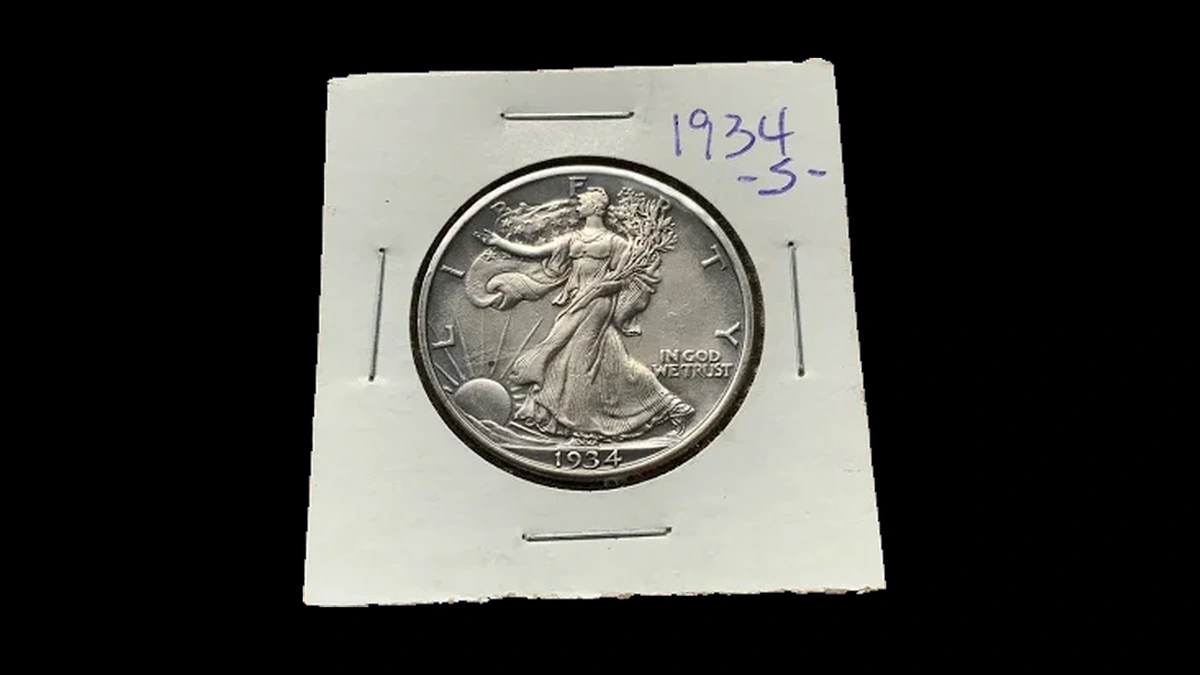
Compare the amount of metal with the amount of design when checking 1934 half dollar errors. Estimates range from $50 to $18,000 across minor flaws, a documented broadstrike, and reported categories requiring authentication.
A supplied wrong-blank comparison reached $16,200 in 2018, but that coin was dated 1942. Begin with the outline and complete designs before examining surface layers or blocked detail.
| What you notice | Key distinction | Category | Estimated value |
|---|---|---|---|
| Wider outline with complete design | Metal spread beyond normal width | Broadstrike | $2,500–$6,000 ordinary unworn |
| Design shifted beside blank metal | Outer detail runs out of room | Reported off-center strike | $300–$1,500 worn |
| Small disc with full-size design proportions | Weight and edge fit a quarter blank | Proposed wrong planchet | $3,000–$18,000 if authenticated |
| Two positions of the design | Related overlapping impressions | Reported double strike | $4,000–$13,000 |
| A weak or impressed area | Obstruction during striking | Strike-through | $75–$500 |
| Silver peeling in a thin sheet | Layer boundary within the metal | Reported lamination | $50–$250 |
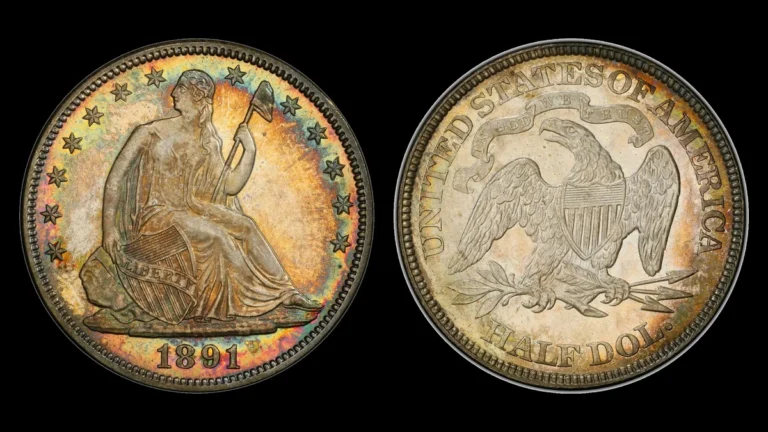
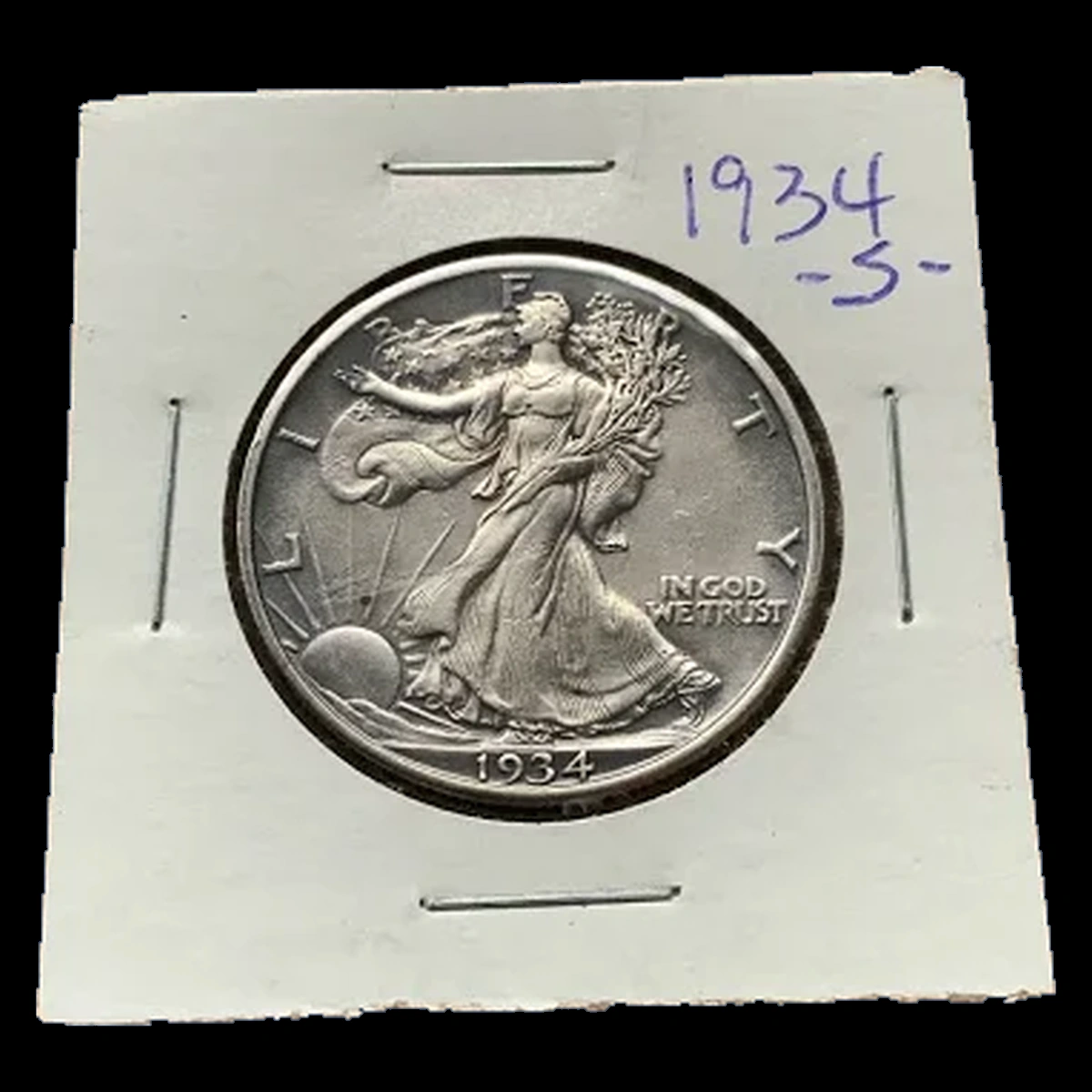
A normal silver half weighs 12.50 grams and measures about 30.6 mm across, with a grooved edge. Record the 1934 date and the reverse mintmark area below the pine branch so an undated comparison cannot be mistaken for the same issue.
1. 1934 Half Dollar A Larger Coin With Its Design Intact: Broadstrike Error
Mike Byers’ published example, graded ANACS MS60, shows a 1934 wider than normal while retaining its complete design. That outward expansion is the defining starting clue.
A ring called the collar normally limits the coin’s width during striking. Without proper restraint, the silver can spread farther outward under pressure.
The book describes noticeable expansion but supplies no measured diameter. An exact width must come from the specimen.
How to Identify
Measure the outline in several directions and check that the full design stays within it. Increased width without substantial weight loss can fit spreading of the original blank.
Inspect the rim and edge for original striking effects. Hammering a completed coin may also enlarge it, but can flatten details or leave impact marks inconsistent with the published example.
What It’s Worth
Estimated range: $2,500–$6,000 for a clearly expanded coin in ordinary unworn condition. The reference values its ANACS MS60 at $5,000, which is not an auction result.
A 1944 Walker with an uncentered broadstrike sold for $3,120 at Heritage in August 2020, graded PCGS MS62. Its date, grade, and design position differ from the 1934.
2. 1934 Half Dollar Blank Metal Beside a Displaced Design: Reported Off-Center Strike Error
An off-center blank sits away from the middle of the dies. Part of its design may extend beyond the edge while another portion remains unstruck.
The year reference does not identify a certified 1934 specimen, mint, direction, or percentage. Those specifics cannot be borrowed from a comparison coin.
How to Identify
Photograph both complete faces, including any blank crescent. Their design positions should support the same misplaced-blank explanation.
A centered reverse behind an uneven front may indicate one misaligned die instead. Check the edge for trimming, filing, and impacts that can also distort the outline.
Look for genuine lost outer design rather than simply extra border space. A wider piece retaining everything belongs to the broadstrike comparison above.
What It’s Worth
Estimated range: $300–$1,500 for an authenticated worn 1934 with moderate displacement and a readable date. No supplied sale confirms this category for the year.
A 1976 Kennedy fifteen percent off center sold for $480 at Heritage in December 2025, graded NGC MS64. It is an unworn comparison from a different design and metal composition.
3. 1934 Half Dollar Too Little Metal for the Design: Wrong-Planchet Examination Error
The proposed error is a 1934 half struck on a silver quarter blank. The supplied year reference does not establish a certified example.
A smaller original disc would run out of space for the normal half-dollar design. A trimmed finished half or a small replica can look incomplete for very different reasons.
How to Identify
Check that the design keeps half-dollar proportions even where the edge cuts it short. The documented 1942 quarter-blank Walker shows the general relationship between design and smaller metal.
Compare measurements with a quarter blank’s starting 6.25 grams and approximately 24.3 mm, allowing for spreading during the strike. Check the entire edge for machining or later reduction.
A readable 1934, correct silver mixture, compatible weight, and naturally formed edge are all needed to support the proposed identity. Size by itself cannot establish the blank.
What It’s Worth
Estimated range: $3,000–$18,000 for a newly authenticated example with readable date, from nearly unworn through unworn. This is not a record for an established 1934 specimen.
The known 1942 PCGS MS62 sold for $16,200 at Stack’s Bowers in 2018. Other blank sizes or compositions would require different comparisons.
4. 1934 Half Dollar Related Parts of Two Impressions: Reported Double Strike Error
A blank that remains in the press and moves before another blow can retain pieces of both design positions. Those overlapping pieces supply evidence for a double strike.
The 1934 guide lists the category without a named authenticated specimen or mint. The undated sale used for comparison does not establish a 1934 discovery.
How to Identify
Confirm the date before mapping repeated portrait, eagle, or lettering details. Several remnants should fit one coherent shift or turn, although the two faces may preserve them unequally.
Keep the complete outline and mintmark area visible. A thin doubled-looking edge, blurred photograph, or unrelated extra lines cannot explain two strikes on its own.
What It’s Worth
Estimated range: $4,000–$13,000 for an authenticated 1934 with a clearly displaced second impression. The range covers worn through nearly unworn condition.
An undated San Francisco Walker brought $11,400 at Heritage in August 2025. The PCGS AU53 had a second strike ninety percent off center, a dramatic feature unsuitable for pricing a faint unconfirmed trace.
5. 1934 Half Dollar Detail Blocked in One Area: Grease or Debris Strike-Through Error
A reported NGC MS62 1934 has grease-blocked detail. A separate illustrated account places an obstruction impression just above the eagle’s head; the two accounts do not establish the same coin.
Grease or a solid object can interfere between the die and blank. A die is the steel stamping tool, and its blocked contact may leave weak design or a depression.
How to Identify
For the illustrated reverse, inspect above the eagle’s head and compare the mark’s boundary with intact design. A later scratch cuts completed detail rather than interrupting its formation.
For possible grease, examine whether weakness is localized or accompanies normal wear elsewhere. One faded letter cannot establish grease or identify the exact obstructing material.
What It’s Worth
Estimated range: $75–$500 for modest examples on worn or ordinary unworn coins. No specific sale is supplied for the reported MS62.
A certified 1976-D Kennedy with strike-throughs on both sides brought $114 at Heritage in March 2025. Its different design and metal limit the comparison; a much larger impression or retained object needs a separate assessment.
6. 1934 Half Dollar A Silver Layer Peels Away: Reported Lamination Error
A local thin layer can lift or detach where the metal has a weak internal bond. The reported 1934 category identifies no particular mint or certified specimen.
A remaining flap and the shallow irregular area left after detachment are related forms of lamination. This does not mean the whole coin separated into two discs.
How to Identify
Find a lifted sheet or a distinct boundary between layers under side lighting. Leave any loose metal undisturbed while photographing it.
Compare the surface with corrosion pits, scraping tracks, or a gouge through solid silver. Rough texture or changed color alone cannot establish a separating layer.
What It’s Worth
Estimated range: $50–$250 for a worn 1934 with a modest original peel. A 1912-S Barber with an attached lamination sold for $89 at Heritage in March 2026, graded VG8.
The comparison is a heavily worn silver half from another year and design. Mint, remaining detail, and surfaces still matter, and greater metal loss does not necessarily increase desirability.
Conclusion
Judge the outline and design together before assigning an error name. The known broadstrike retains its design in expanded metal; the other major striking categories need their own authenticated evidence.
The $50–$18,000 estimates include other-year and undated comparisons. Keep those identities visible, distinguish a published valuation from a sale, and use measurements alongside photographs when testing a proposed 1934 rarity.