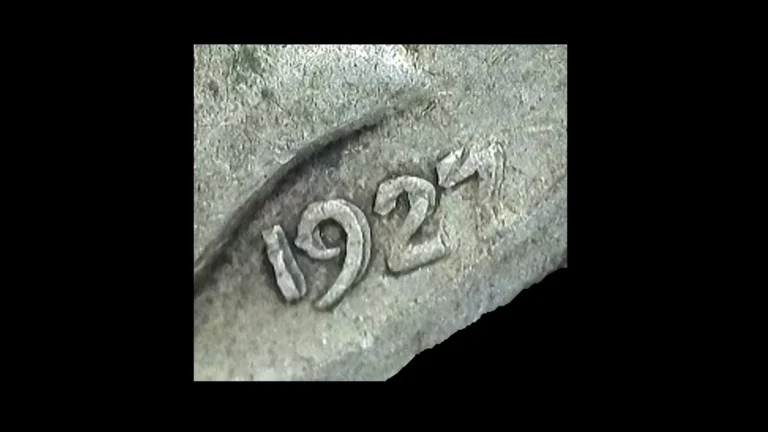
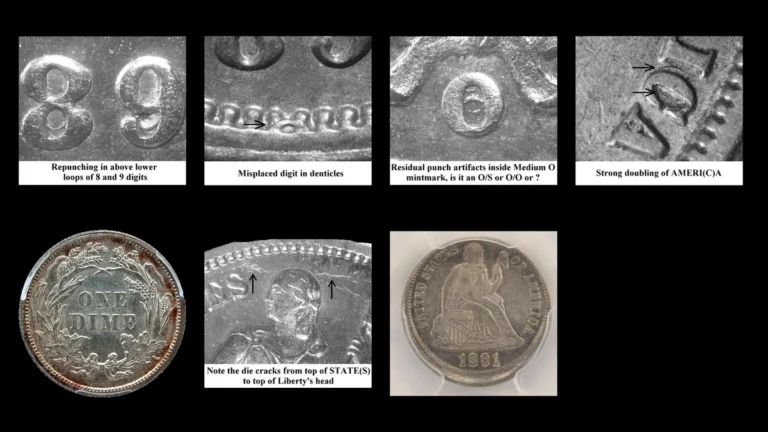
Rare 1941 Dime Errors (List & Pictures)
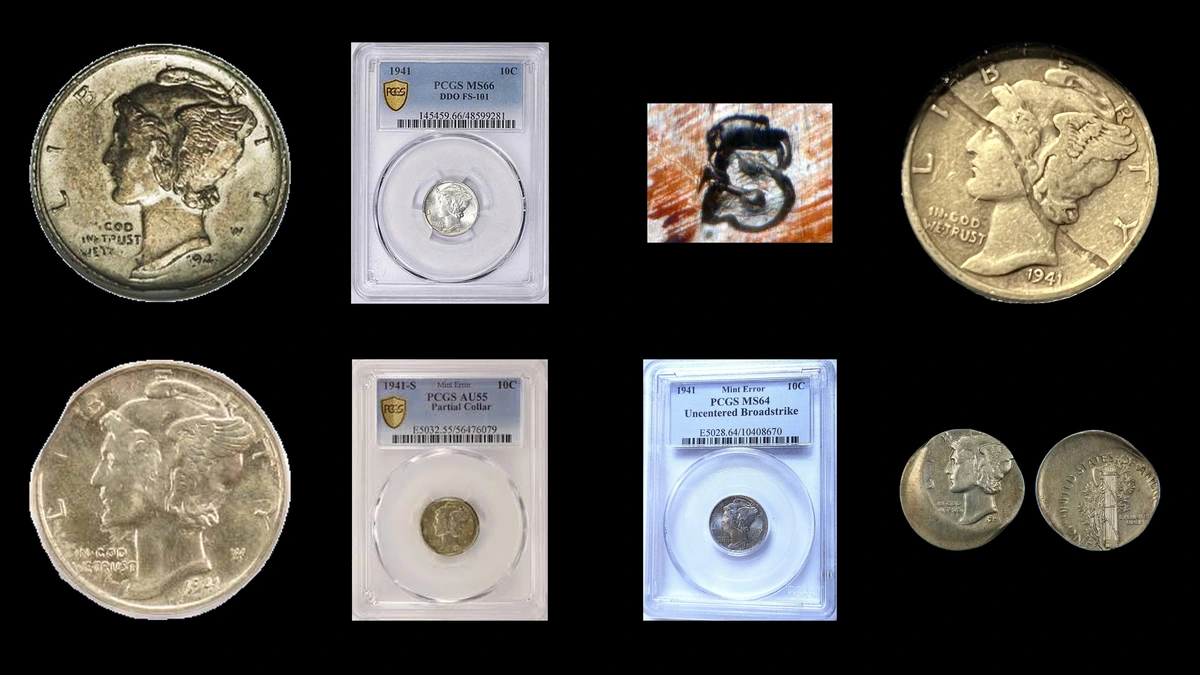
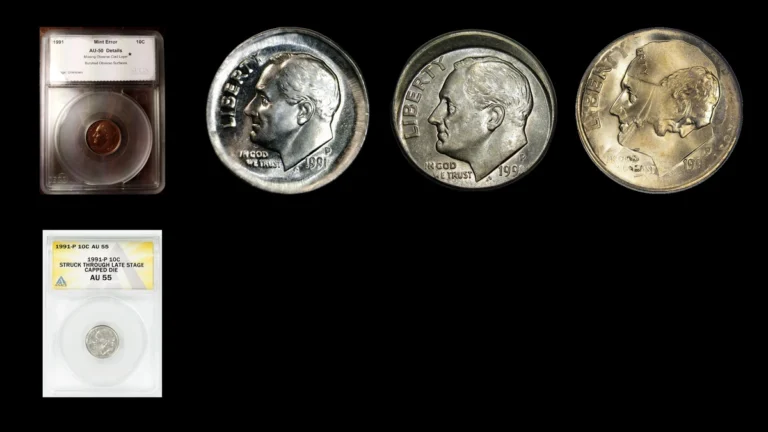
For 1941 dime errors, an extra letter can record either a repeated punch in a tool or another strike on the coin. A triple-struck Mercury dime brought $2,600 before buyer’s premium in January 2007.
Estimated whole-coin values span $20–$3,500. Start with repeated design details, then compare layer separations, missing sections, and the relationship between the coin’s edge and its two faces.
1. 1941 Dime Three Letter Positions or Overlapping Images: Double and Triple Strikes Error
The second S in STATES provides three stages on the Philadelphia triple strike. A faint first upper outline, a sharper second upper outline, and a more complete final S below them record repeated blows.
A separate Philadelphia overlap broadstrike shifted toward 3 o’clock on its second blow, leaving earlier lettering at the left. Another San Francisco coin was struck twice within the collar.
How to Identify
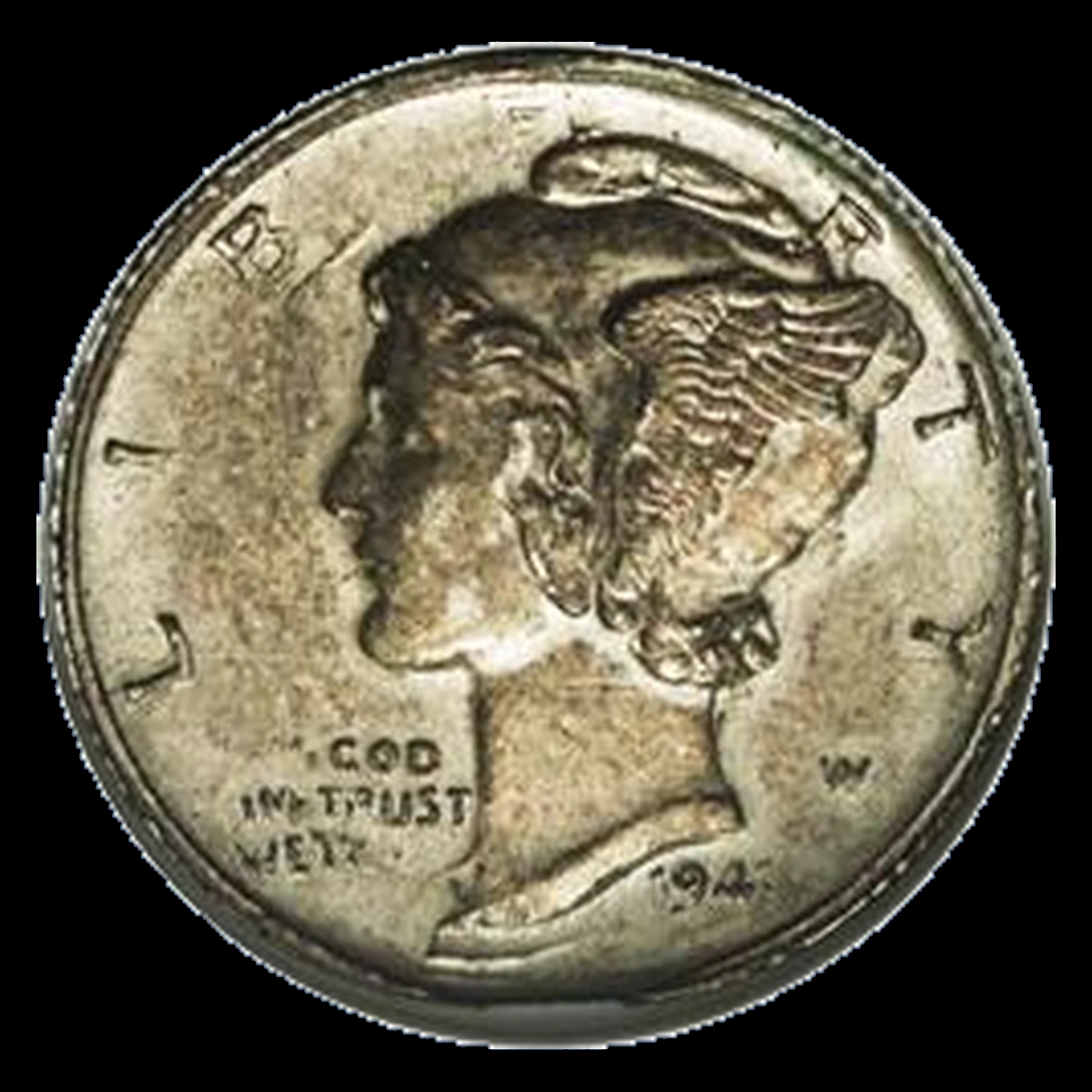
Begin with a letter or portrait feature that can be followed through successive positions. On the triple strike, the repeated S should agree with repeated front detail.
The overlap example retains grooves from its first strike even though the collar was blocked for the second. No new blank entered between those blows, so its grooved edge does not rule out the later broadstrike.
Compare the San Francisco in-collar coin independently. One doubled-looking edge cannot substitute for overlapping struck designs that explain changes on both faces.
What It’s Worth
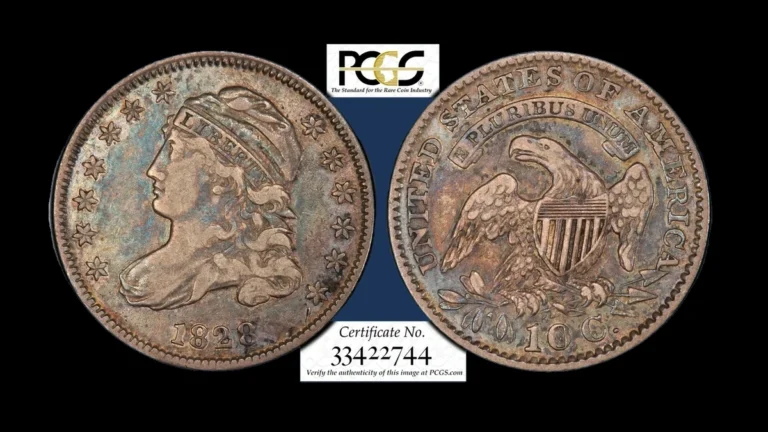
Identifiable multiple strikes are estimated at $300–$3,500. The PCGS AU58 overlap example sold for $1,410 in April 2013.
The ANACS MS60 triple strike brought $2,600 before buyer’s premium in January 2007. That stated amount excludes the buyer’s fee.
A subtle in-collar repeat need not reach the same price as an obvious three-stage sequence. Preservation and readable earlier impressions remain central to the comparison.
2. 1941 Dime Matching Extra Outlines on One or Both Faces: Doubled Dies Error
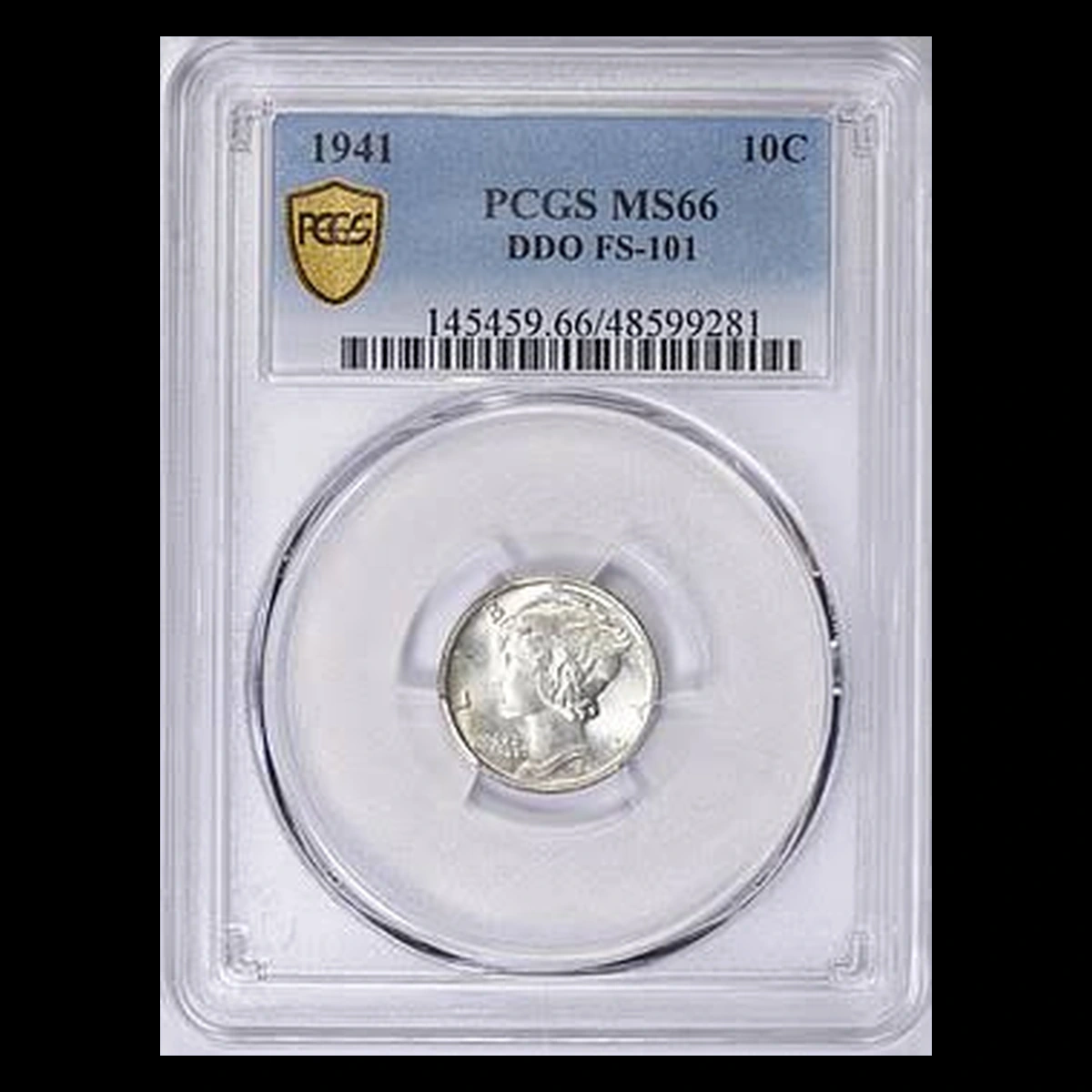
Philadelphia front-doubling reports concern IN GOD WE TRUST, the date, and LIBERTY. Denver’s separate variety combines front doubling with repeated reverse lettering and bundle outlines.
DDO and DDR mean doubled die obverse and reverse. On the Denver combination, both tools carried doubled design; the coin did not need two strikes to receive it.
How to Identify
Confirm the reverse D before comparing the two-sided variety. Examine its front pattern and then the reverse lettering and bundle, requiring both faces to match.
Use a separate Philadelphia front comparison for the motto, date, and LIBERTY. Philadelphia normally has no mint letter, and the front AW initials are the designer’s mark rather than a W mintmark.
Look for several rounded repeated strokes or split corners in the proper places. A flat lowered shelf or one thick letter can result from strike movement and does not identify the same die.
What It’s Worth
Identifiable Denver examples are estimated at $75–$900; Philadelphia front varieties at $30–$500. PCGS records a $650 eBay transaction in March 2019 for the Denver variety in MS67 Full Bands.
Full Bands describes sharply separated horizontal bands around the reverse bundle. That high-grade Denver transaction cannot be assigned to the separate Philadelphia report.
3. 1941 Dime A Smaller S beside the Mint Letter: Repunched Mintmark Error
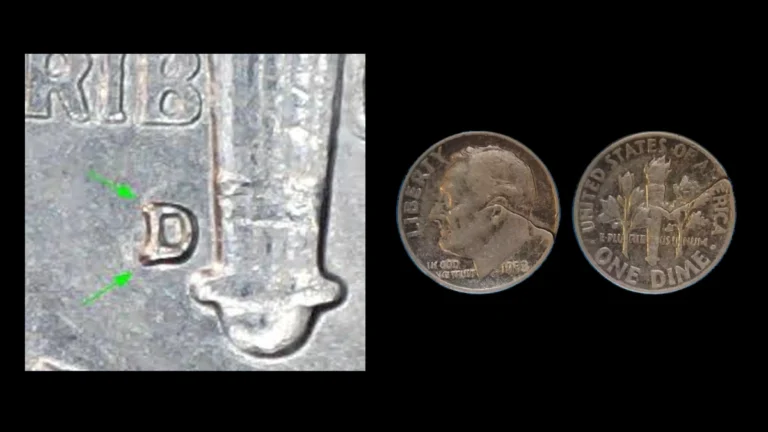
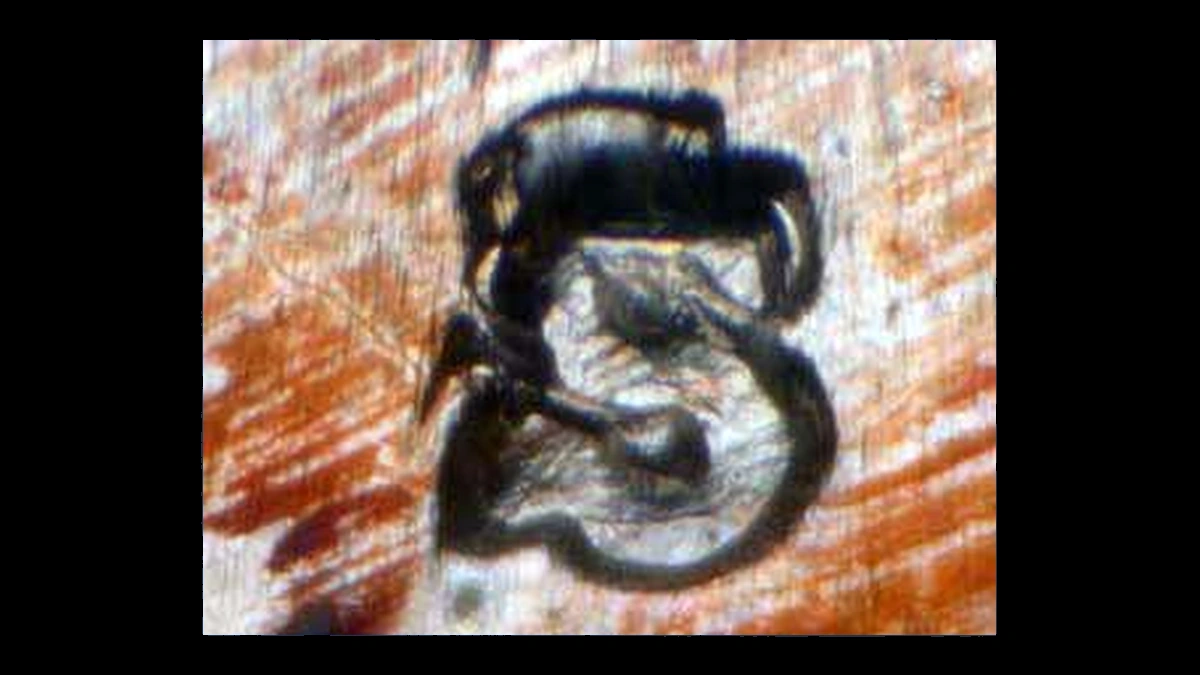
A curved remnant beside the reverse S can come from a second punch placement in the tool. Where the impressions failed to overlap completely, later coins could show part of both letters.
How to Identify
Find the S just right of the E in ONE, near the lower left of the bundle. Compare the full mintmark and extra curve with an identified 1941-S/S photograph.
The ordinary Large S style is a different matter from a second letter punched beside the first. General thickness or swelling does not establish repunching.
Move the light and follow the smaller curve to see whether it remains a recognizable letter fragment. A scratch or flat shelf should not acquire an RPM label from its brightness alone.
What It’s Worth
Correctly matched examples are estimated at $25–$250. Strong extra strokes and attractive surfaces support more than an uncertain mark on a heavily worn mintmark.
This is a comparison range for minor Mercury mintmark varieties, not a premium for every unusually shaped S.
4. 1941 Dime Lifted Metal or a Shallow Missing Sheet: Lamination Error
Local separation within the alloy can leave an attached flap or an area where a layer has fallen away. Reports include Philadelphia coins and a San Francisco dealer-described large separation that preceded striking.
How to Identify
The ordinary dime is 90% silver and 10% copper, with a 2.50-gram weight and 17.91 mm diameter. It has no modern copper core with separate outer clad sheets.
Inspect the seam under low light without moving a flap. If separation occurred before striking, the design should fit the already affected surface; an attached layer may still carry original detail.
No single location applies to all reported coins. Fresh prying, cutting, corrosion, or scraping can create or enlarge a rough patch and need to be distinguished from original separation.
What It’s Worth
Genuine silver-alloy laminations are estimated at $20–$300, from small flaws to larger preserved openings. An undisturbed flap can make the mechanism especially visible.
The San Francisco dealer description is not a completed sale. Size alone does not establish either authenticity or the upper estimate.
5. 1941 Dime A Narrow Curved Depression: Reported Wire Strike-Through Error
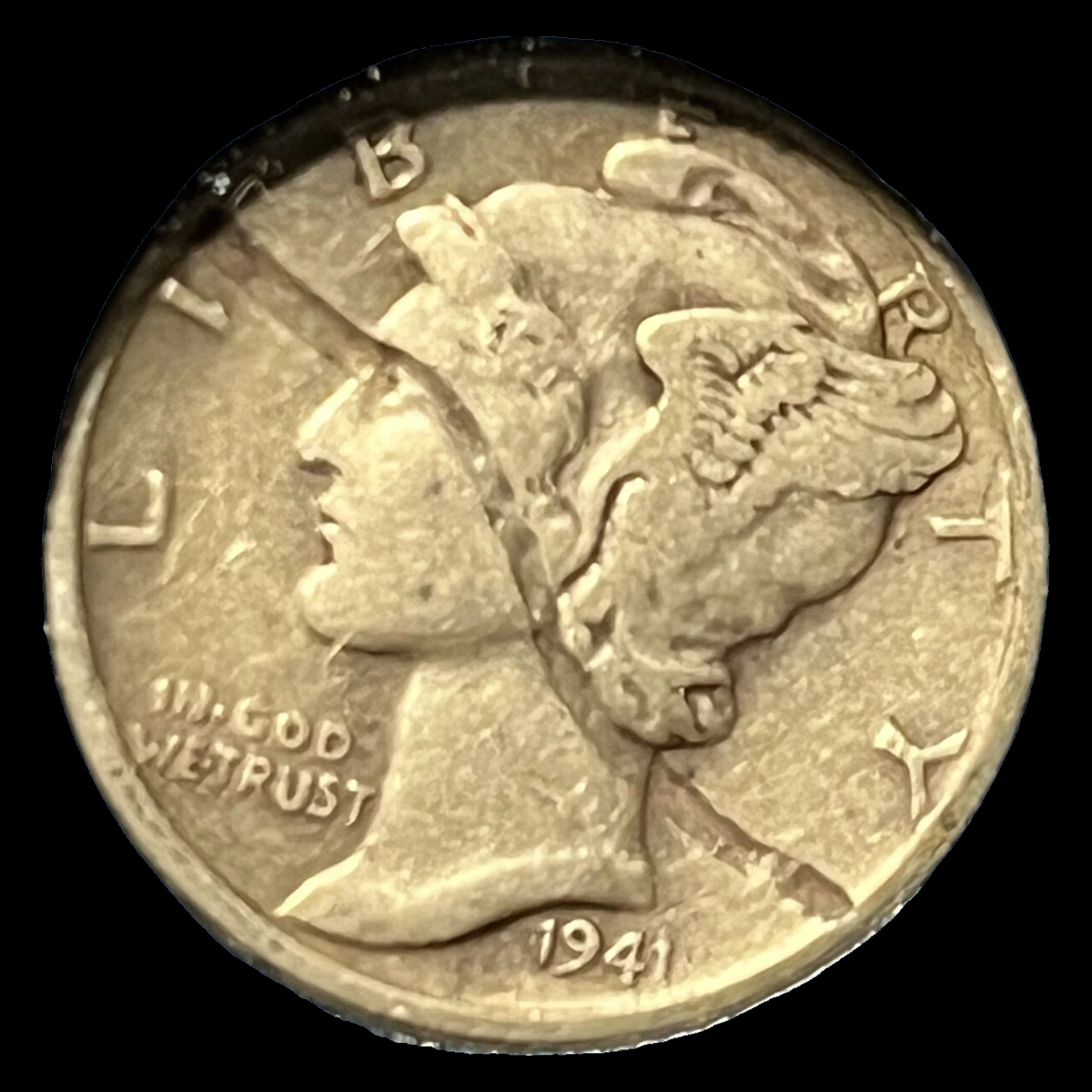
A collector posted a 1941 dime in 2025 whose narrow impression prompted replies favoring a wire strike-through. That discussion does not establish a grading service identification of the object.
A wire between blank and tool can block design and leave a recessed outline. A scratch made later can imitate a similarly thin curved line.
How to Identify
Photograph both endpoints and all design the line crosses. Examine whether the depression interrupted striking or sliced completed detail afterward.
Torn edges, raised lips, and related damage on the opposite face can suggest a later impact or scratch. Keep the surface untouched instead of probing the line to test its depth.
The mint and exact material remain unestablished for the posted candidate. A smooth, naturally connected impression needs individual examination before the wire explanation is accepted.
What It’s Worth
If confirmed as a wire strike-through, the comparison estimate is $40–$350. The forum-posted dime supplies no established sale price.
Line clarity and preserved surrounding design affect appeal. A later scratch remains damage even if it follows an unusual curve.
6. 1941 Dime Curved, Straight, or Ragged Missing Edges: Clipped Blank Error
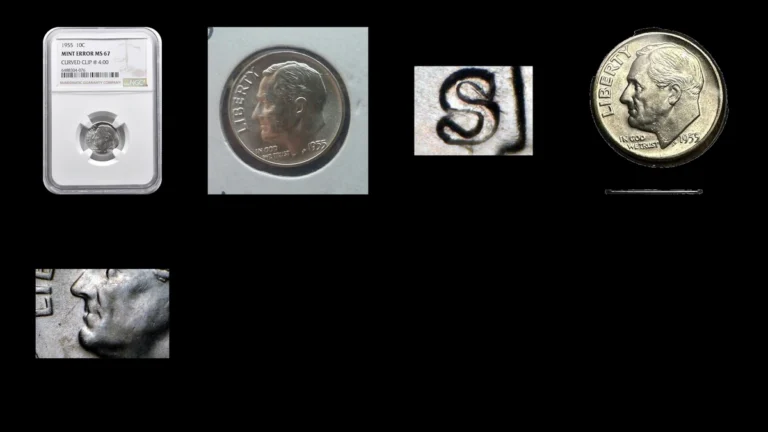
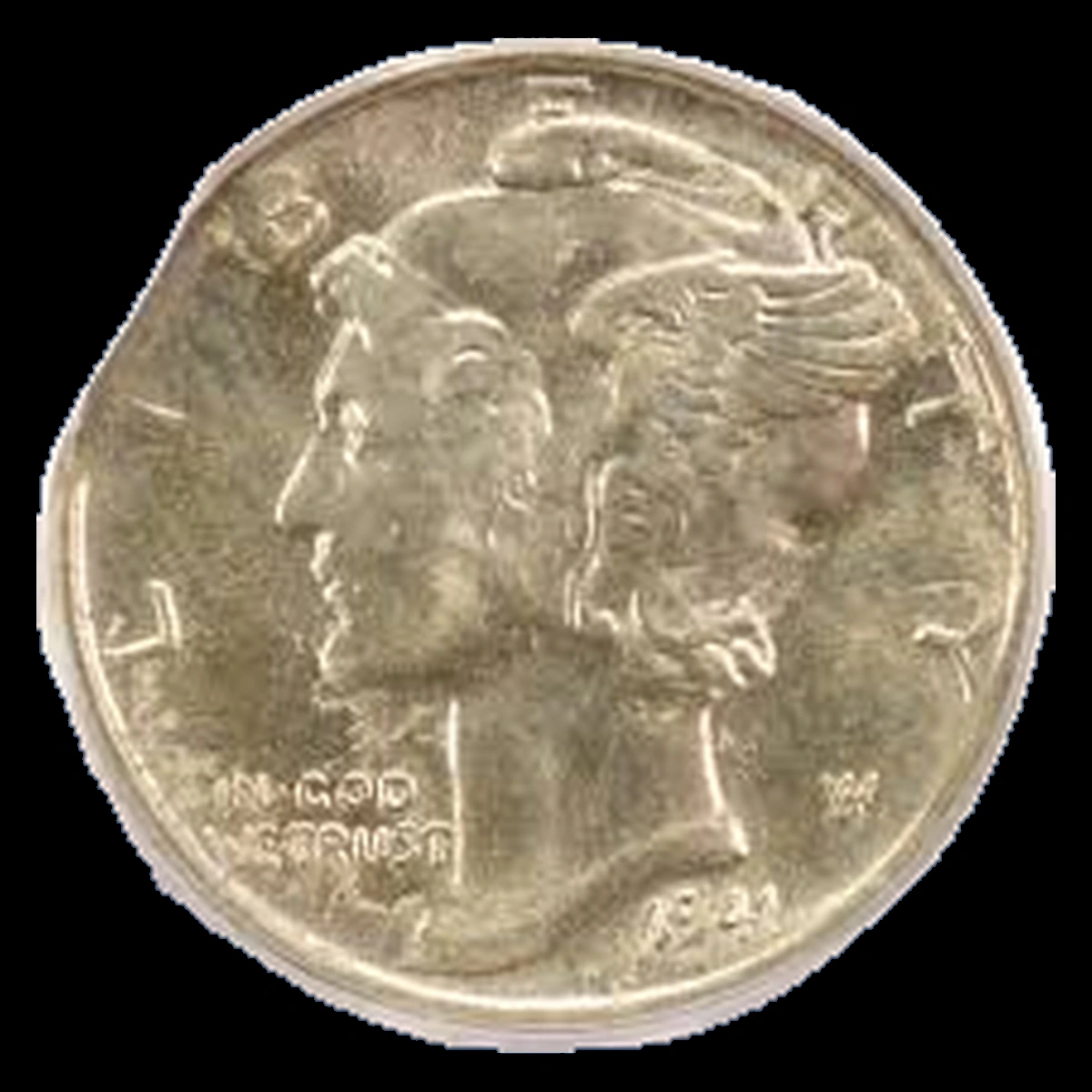
The 1941 records include several different missing-metal shapes. A Philadelphia straight-clipped NGC MS63 example weighs 2.2 grams; other coins include a curved gap at 3 o’clock and a San Francisco 5% clip.
A separate San Francisco coin combines a 15% straight clip at 9 o’clock with a raised portrait crack. The absent blank metal and the crack copied from a tool have different causes.
How to Identify
Inspect where the opening’s endpoints meet the struck faces. Natural boundaries differ from fresh tool grooves, crushed detail, or metal sliced away after the strike.
Use the 2.2-gram figure only for the recorded Philadelphia straight clip. Other candidates require their own measurements and shape comparisons.
On the 9 o’clock San Francisco piece, inspect the portrait line independently as a raised ridge. A cut through the coin is not the same evidence as a die crack.
What It’s Worth
Identified clips are estimated at $30–$450. A different-year 1945-D MS66 curved clip has been offered at $165, an asking price rather than a sale.
The San Francisco clip-and-crack combination receives one whole-coin assessment. Date clarity and original boundaries matter more than counting the number of features in a listing.
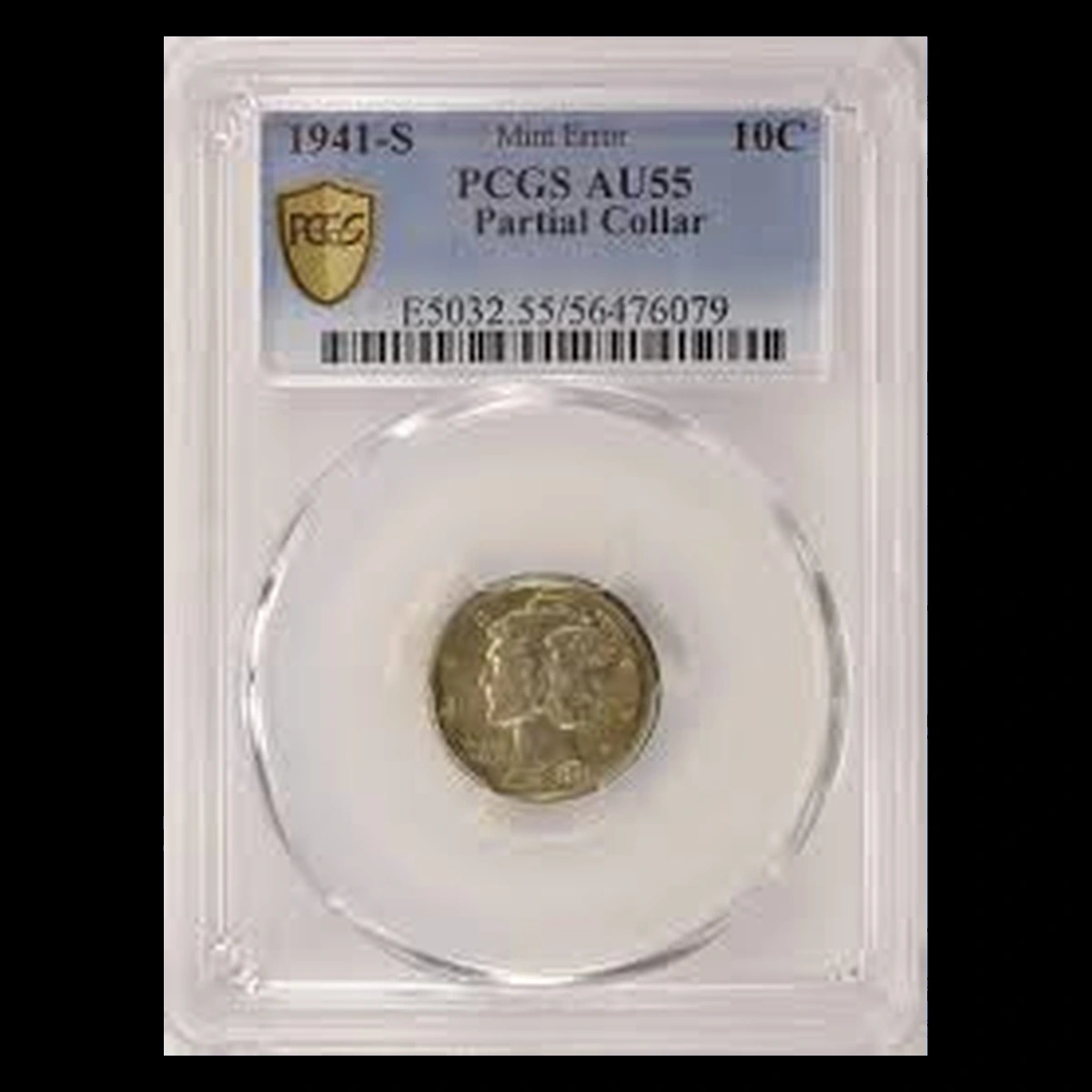
7. 1941 Dime An Edge Shelf or Changing Step Height: Partial and Tilted Collar Error
Partial collar contact leaves metal restrained to different degrees during the blow. The contained area retains a narrower grooved profile while the exposed part can spread.
A San Francisco NGC MS63 example has partial collar contact. Separate Philadelphia tilted-collar examples were labeled cleaned, with AU58 Details and MS60 Details grades.
How to Identify
Study a side photograph and follow the boundary between grooved and expanded metal. On a tilted example, its height can rise and fall around the edge.
The transition should fit the changing groove pattern. A bright circular line on the face does not demonstrate that structure.
Inspect for crushing or rolling damage on the adjacent faces. Cleaning affects preservation on the reported Philadelphia coins but does not by itself erase an original collar error.
What It’s Worth
Identified Mercury collar errors are estimated at $50–$400. A 1945 Philadelphia tilted-collar ANACS MS60 dime has a recorded $312 result from December 2020.
That different-year comparison should not be transferred unchanged to cleaned 1941 coins. Clear side views and the condition of the actual surface guide the estimate.
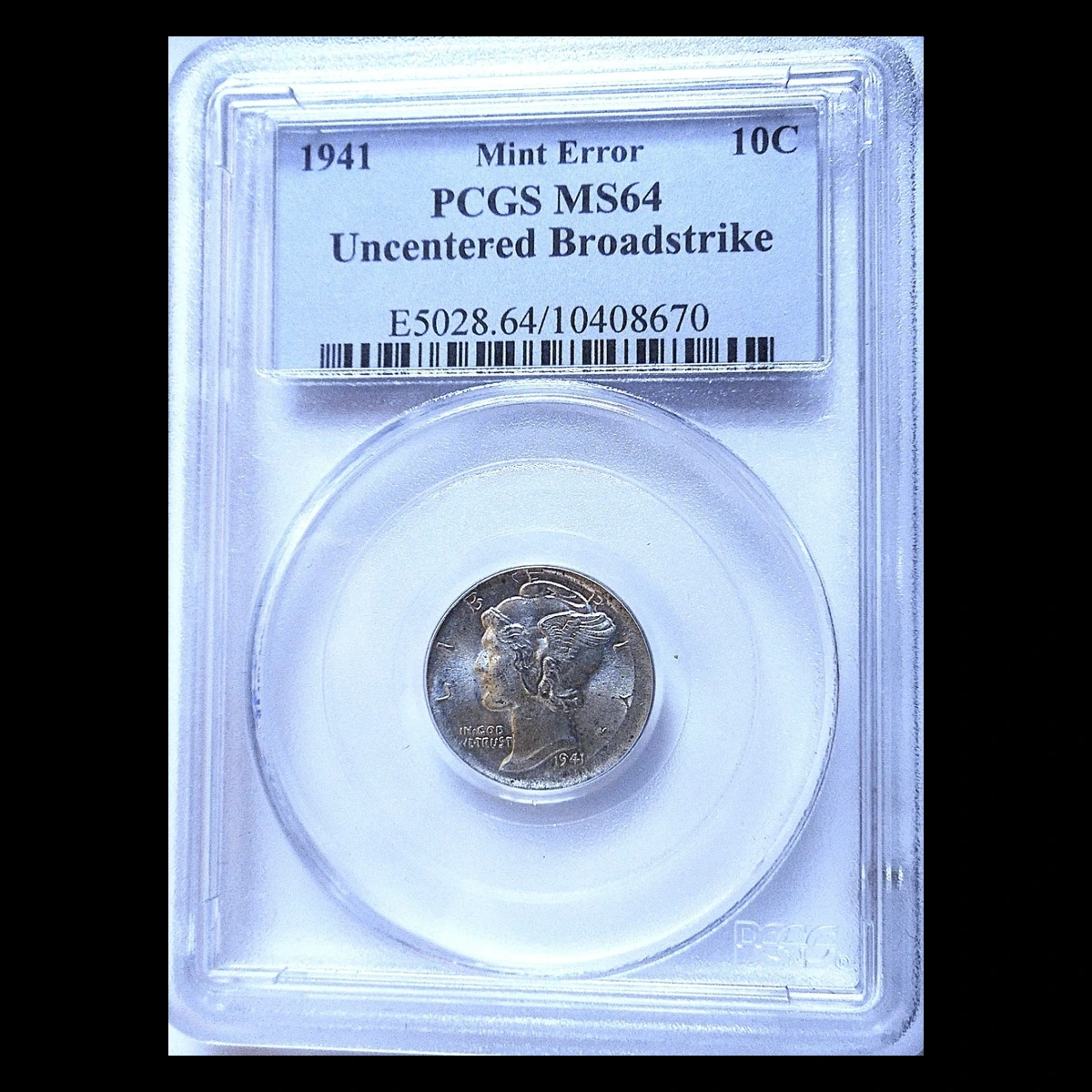
8. 1941 Dime A Full Image within Wider Metal: Broadstrike Error
When the collar does not contain the blank, metal can spread around a complete Mercury design. An uneven border can still be broadstruck rather than off center.
Philadelphia records include NGC MS65 and MS66 Full Bands pieces and a collector’s non-centered example. The San Francisco ANACS AU50 report concerns a separate worn coin.
How to Identify
Follow all outer lettering on both sides. If part of the intended design falls beyond the blank, an off-center explanation needs consideration instead.
Inspect the expanded areas for original flow rather than hammer marks or uniformly crushed letters. A wider outline alone cannot establish an unrestricted mint strike.
Full Bands describes reverse strike detail, not a separate expansion error. Preserve each example’s grade and mint when comparing photographs.
What It’s Worth
Identified 1941 broadstrikes are estimated at $50–$500. A separate 1945 AU58 dime broadstruck on a blank has a recorded $300 result from June 2023.
That silver-Mercury comparison differs in year and condition. Strong design and original surfaces can make a clear expansion more attractive.
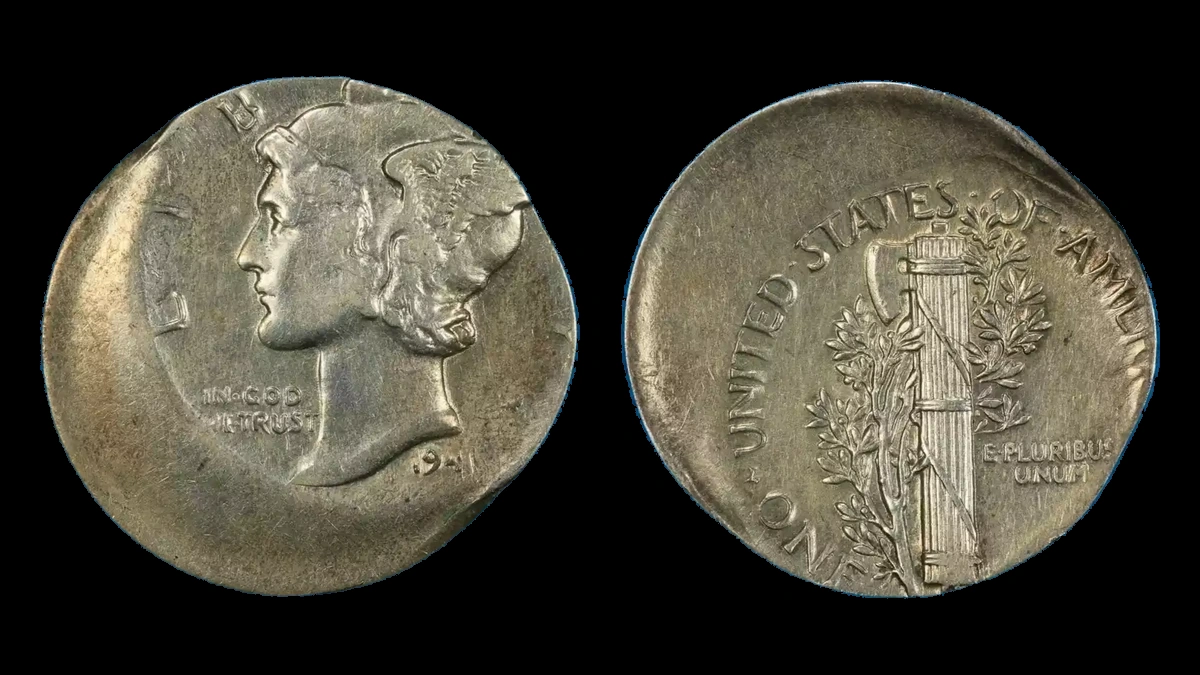
9. 1941 Dime A Blank Crescent with Shifted Design: Off-Center Strike Error
Philadelphia examples include 15% toward 11 o’clock, 35% toward 9:30, and a separate 45% coin. Each describes a different blank position.
San Francisco records also include an off-center PCGS MS61 example with partial collar contact. A separate S dime at 10% appeared in a mixed auction group.
How to Identify
Align full photographs of both faces and compare their cut-off designs and untouched areas. Matching displacement supports a misplaced blank, while a shift on only one face may reflect one tool’s alignment.
Check the unstruck crescent for original texture rather than grinding. Keep the readable date and mintmark visible when estimating the amount of displacement.
The San Francisco combination also needs a side view proving the collar step. Neither another coin’s percentage nor the contents of a mixed lot can supply that evidence.
What It’s Worth
Genuine dated examples are estimated at $100–$1,200. A 1945 Philadelphia dime struck 15% off center in XF40 has a recorded $252 result from June 2024.
That different-year sale is a comparison. The combined off-center and collar effects belong to one coin, and a mixed group’s total should not be assigned to its 1941-S member alone.
Conclusion
Repeated letters need different explanations on a 1941 Mercury dime. An S/S begins with mintmark punching, a doubled die carries extra tool detail, and the triple strike preserves separate blows in STATES and the front design.
For metal and edge faults, keep each coin’s mint, measurements, and condition together. Preserve attached layers, compare both faces, and separate asking prices, group totals, and buyer’s-premium exclusions from ordinary individual sale figures.