Rare 1941 Penny Errors (List & Pictures)
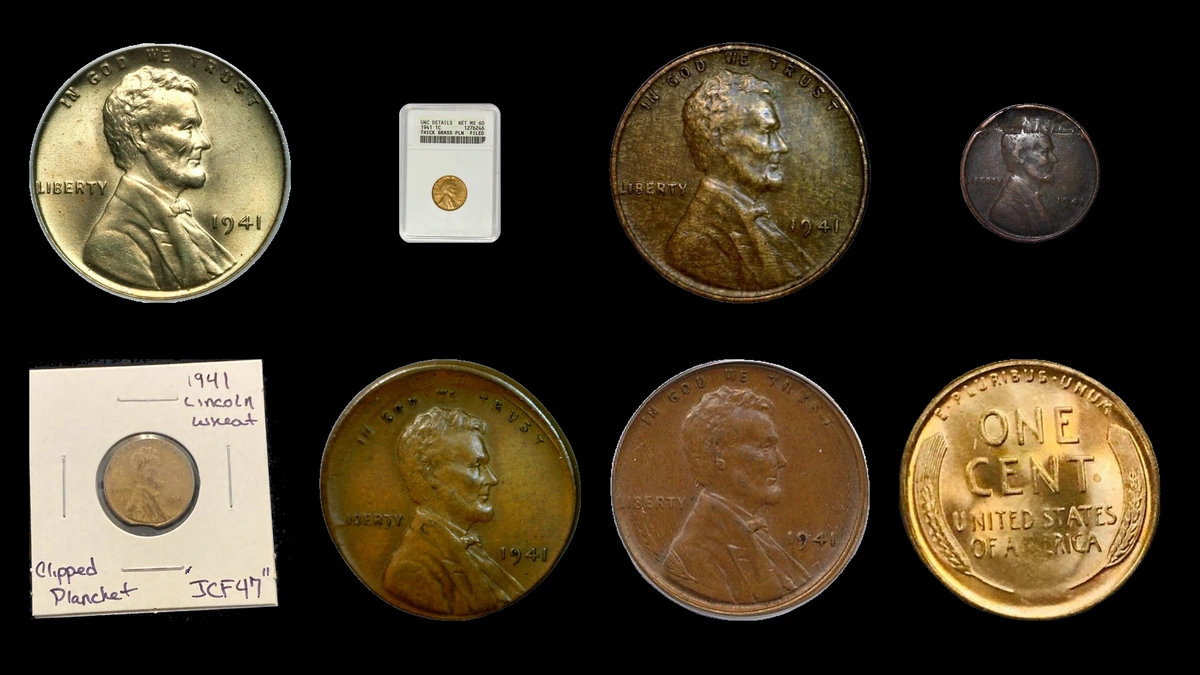
Color alone cannot distinguish a striped copper cent from a different alloy or a foreign blank. Among the documented sales for 1941 penny errors, a Panama-labeled specimen brought $4,993.75 in November 2013, although descriptions disagree about its precise blank identity.
Estimated values extend from $3–$7,500. Begin with metal and surface texture, examine the edge and strike placement, then compare small repeated or raised design details.
| Clue | Category | Estimated range |
|---|---|---|
| Small pale or foreign-metal disc | Wrong planchet | $1,500–$7,500 |
| Documented unusual copper mixture | Abnormal alloy | $250–$2,000 |
| Substantial extra thickness and weight | Thick planchet | $150–$1,200 |
| Directional color bands | Woodgrain | $3–$50 |
| Thin peeling surface layer | Lamination | $10–$150 |
| Deep opening at edge | Clamshell split | $25–$500 |
| Curved or straight missing section | Clip | $25–$200 |
| Expanded outline, also straight-clipped | Broadstrike combination | $100–$450 |
| Changing-height edge step | Tilted partial collar | $40–$250 |
| Incomplete design beside blank metal | Off-center strike | $30–$600 |
| Two separately placed impressions | Double or flipover strike | $300–$2,500 |
| Small reverse depressions | Strike-through | $15–$150 for the obstruction feature |
| Raised line, letter chip, or rim patch | Die cracks and breaks | $3–$350 |
| Extra D or S stroke | Repunched mintmark | $5–$250 |
| Repeated lettering, eye, or wheat detail | Doubled die | $10–$5,000 |
A normal 1941 cent contains 95 percent copper with tin and zinc making up the remainder. Its usual weight is 3.11 g, diameter 19.05 mm, and edge plain.
Use a scale, calipers, and a 10× magnifier to document accessible coins, keeping results with photographs of both faces and the edge. Leave certified pieces in their holders and fragile separations undisturbed.
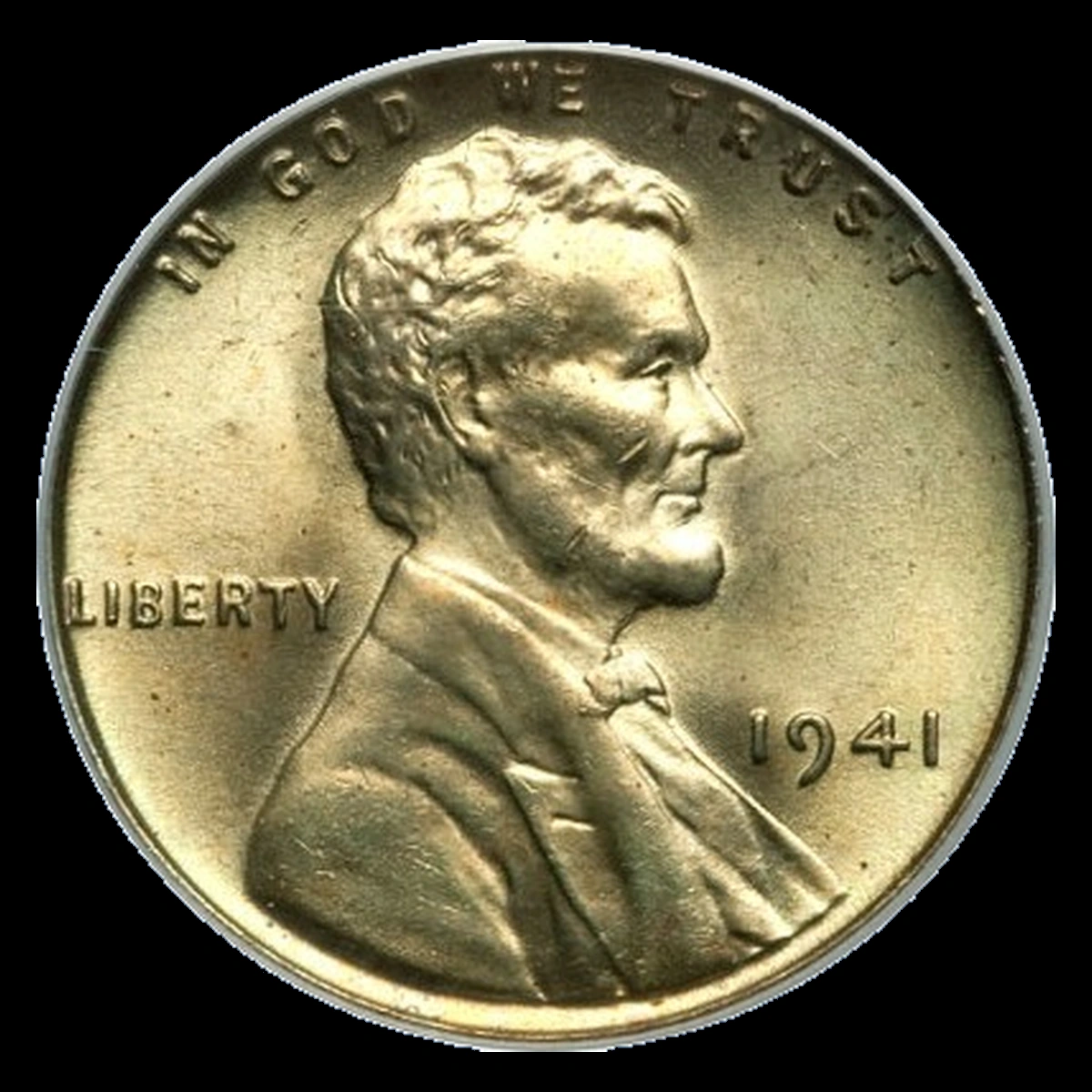
1. 1941 Penny The Cent Design Occupies Different Metal: 1941 Wrong Planchet Error
The recorded Denver coin uses a silver dime blank and weighs 2.5 g. A separate Philadelphia specimen was sold with a Panama-blank identification.
The latter’s label and published accounts disagree about denomination and alloy. Those differences must remain attached to its attribution instead of treating it as equivalent to the silver dime error.
How to Identify
A silver dime blank begins near 2.50 g and 17.91 mm, but can spread in the cent press. Inspect composition, edge, and how lettering meets the available metal rather than relying on pale color.
For the Panama-labeled piece, compare the proposed denomination with its measured weight and supporting metal analysis. The available disagreement does not justify selecting a precise foreign identity from appearance alone.
What It’s Worth
Recognized wrong-blank examples have an estimated $1,500–$7,500 range. Their metal identity and documentation are essential to a useful comparison.
The NGC AU58 Denver silver-disc cent brought $2,640 in September 2024, as reported by Mint Error News. The Panama-labeled PCGS MS65 specimen brought $4,993.75 in November 2013.
2. 1941 Penny Metal Testing Shows a Different Mixture: 1941 Abnormal Alloy Error
A 3.3 g specimen is recorded as 88 percent copper, nine percent zinc, and three percent tin. A different 3.40 g example has an 86/11/3 mixture.
Another 3.4 g coin has no stated formula. Unusual mixing or rolling can explain deviations without proving that the Mint was conducting an experiment.
How to Identify
Keep each analysis with that coin’s own weight and photographs. Similar yellow color or identical rounded weights cannot establish identical percentages.
Inspect for coatings and additions before obtaining nondestructive testing. Error-Ref discusses uneven mixing and streaks, but visible bands alone cannot reveal an exact formula.
What It’s Worth
Confirmed abnormal-alloy cents have an estimated $250–$2,000 range. Composition evidence and preservation affect comparison more than an unsupported experimental label.
A 3.4 g thick-planchet and improper-alloy example graded XF40 brought $504 in August 2021. That result does not establish the mixture of every yellow 1941 cent.
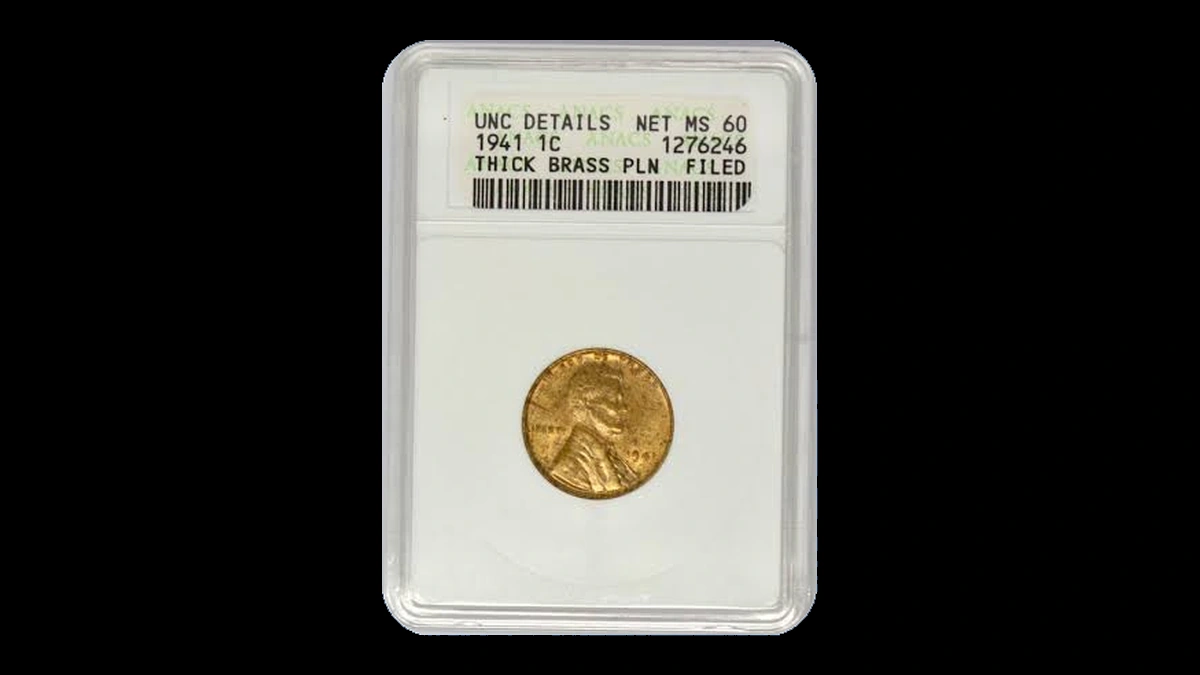
3. 1941 Penny The Edge Is Thick and the Coin Is Heavy: 1941 Thick Planchet Error
A blank made from overly thick sheet can carry an ordinary cent design on extra metal. One recorded example weighs 4.1 g and another 62 grains, approximately 4.02 g.
A separate brass-colored thick piece has documented cleaning and edge work. Thickness alone does not prove foreign origin.
How to Identify
Confirm the scale’s units before comparing grains with grams, then measure thickness at several points. The two quoted weights describe separate coins rather than alternate readings of one specimen.
Inspect for seams, solder, and an added ring that could increase weight. The altered edge on the brass-colored piece cannot provide an untouched thickness measurement.
What It’s Worth
Genuine thick-planchet examples have an estimated $150–$1,200 range. Well-preserved metal and reliable weight documentation support stronger comparisons.
No realized result is assigned to the 4.1 g coin here. The cleaned, edge-altered brass-colored piece needs its condition limitations considered separately from the extra metal.
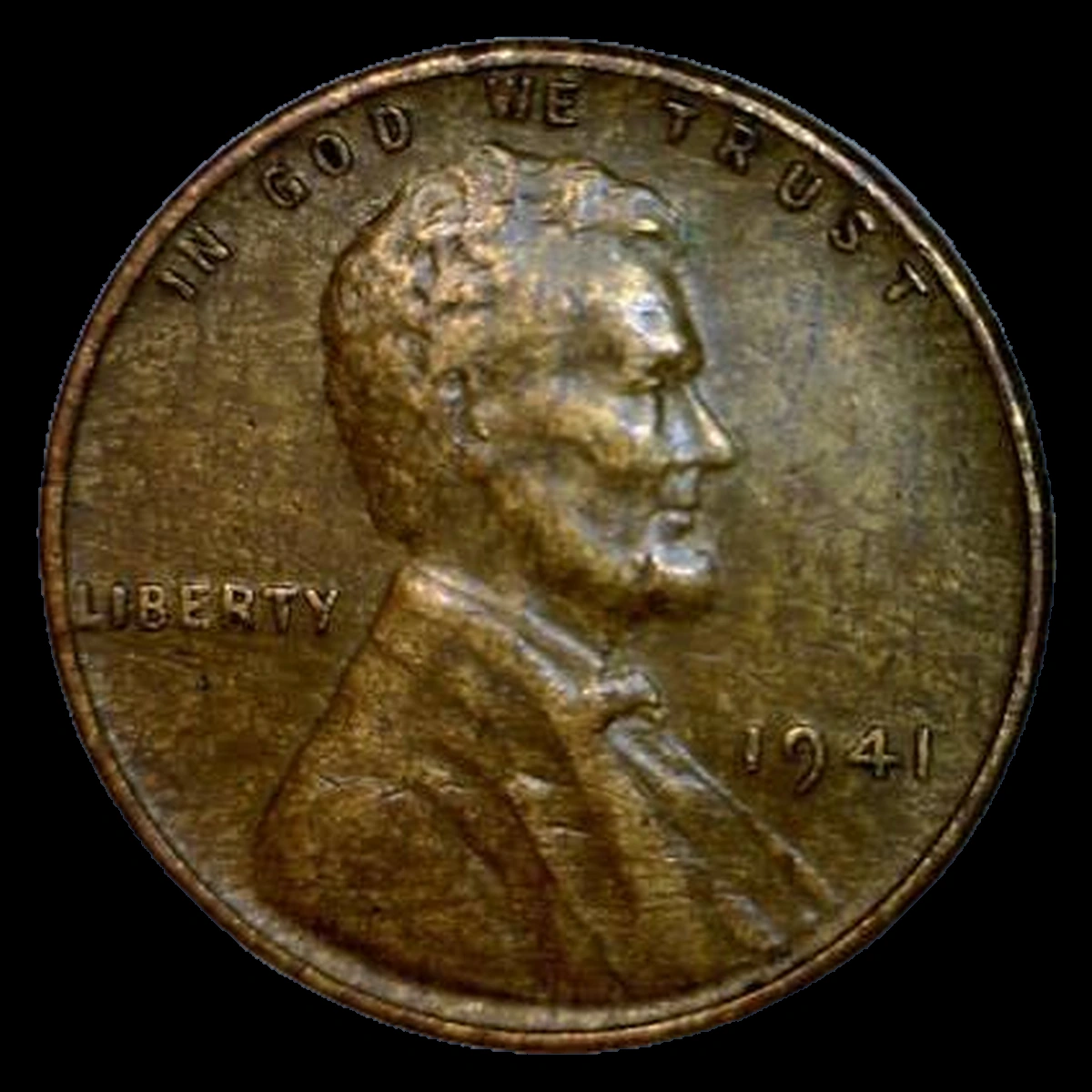
4. 1941 Penny Brown and Gold Streaks Cross the Design: 1941 Woodgrain Error
Long directional color bands can arise from unevenly mixed alloy stretched by rolling. Different areas then change color at different rates as the surface ages.
This woodgrain appearance does not add another struck design. An evenly yellow coin or a tested unusual composition needs its own explanation.
How to Identify
Follow one band over Lincoln and into the surrounding field while changing the light. Natural color can continue across intact texture, unlike brushing grooves.
Inspect for stains collecting around letters or artificial surface treatment. Do not polish a patch to expose what lies beneath it.
What It’s Worth
A woodgrain cent has an estimated $3–$50 range depending on pattern and overall condition. The estimate concerns an attractive collecting appearance rather than a recorded sale of the pictured coin.
Strong original bands may interest collectors, while scratches or artificial staining reduce appeal. Exact abnormal-alloy percentages require the testing discussed separately above.
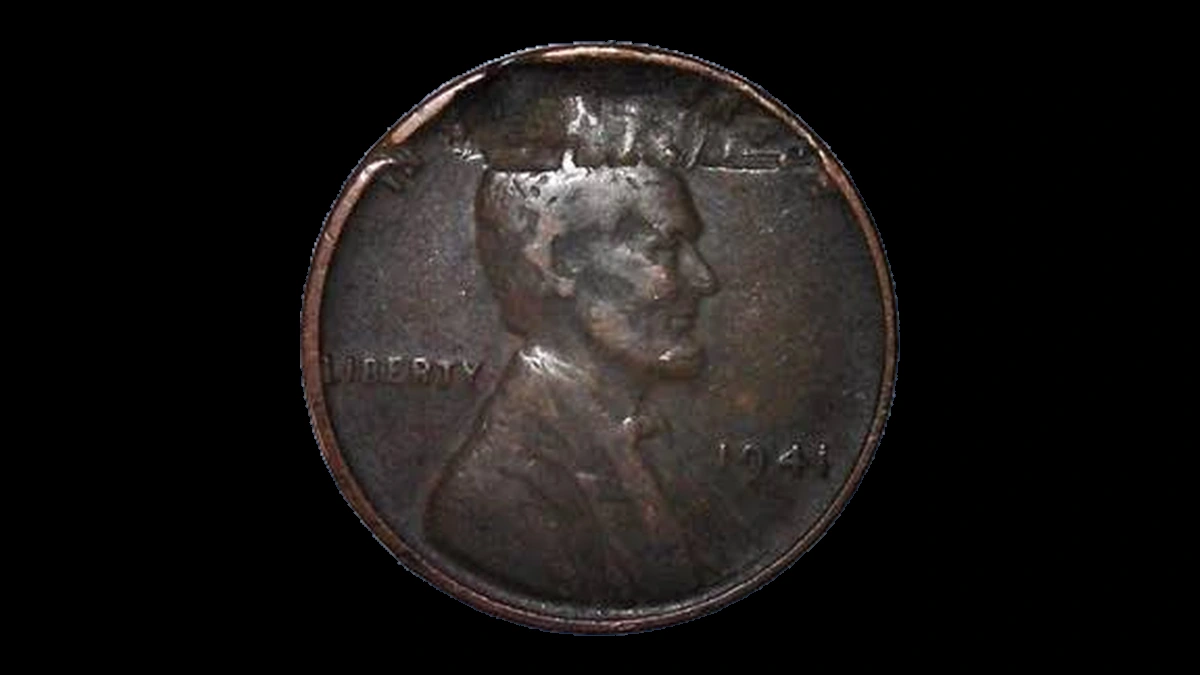
5. 1941 Penny A Thin Sheet Peels from the Surface: 1941 Lamination Error
A Philadelphia example has lost much of a separated front layer. A different San Francisco cent retains its loosened layer on the reverse.
Both involve shallow weakness inside the original alloy. The layer may remain attached or detach, leaving a rough patch.
How to Identify
Inspect a flap from the side without lifting it. For a missing layer, compare the broad shallow separation with a narrow scrape that pushes copper aside.
Keep front loss and retained reverse metal tied to their respective specimens. Weight may fall if material is gone, but an attached flap can preserve nearly all of the original metal.
What It’s Worth
Laminations have an estimated $10–$150 range. Large visible areas can attract attention, although lost design and cleaning affect value.
The 1941-S retained reverse lamination in PCGS MS66 Red brought $69 in April 2020. Its unworn red surfaces and attached layer should not be assigned to the separate Philadelphia coin.
6. 1941 Penny Two Thick Parts Open at the Edge: 1941 Clamshell Split Error
A deeper internal weakness can let substantial portions separate while remaining joined elsewhere. The opening gives a clamshell error its name.
A Philadelphia example is cataloged for 1941. The side view reveals more than a face-on image that may look relatively ordinary.
How to Identify
Follow the edge until the natural connection between the two portions becomes visible. The deep split differs from a thin surface lamination flap.
Do not pull the halves apart or clamp the opening shut. Inspect for knife cuts or prying marks, and remember that weight can remain near normal if both portions retain their metal.
What It’s Worth
Identified clamshell splits have an estimated $25–$500 range. Opening depth and preservation affect the comparison.
A thirty-percent split graded PCGS VF30 brought $30 in March 2025. Its noticeable circulation wear matters even though the edge structure clearly illustrates the error.
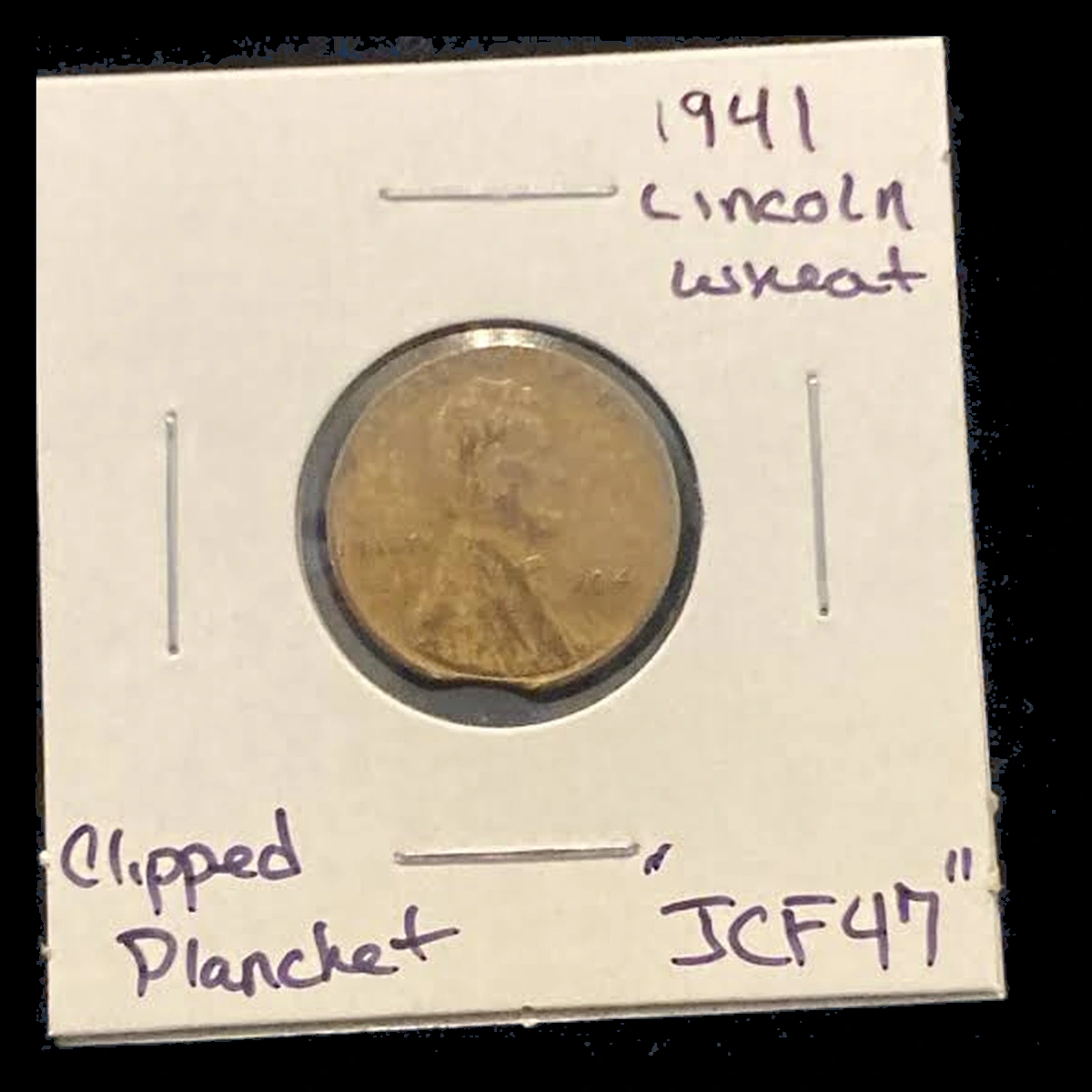
7. 1941 Penny A Curved or Straight Edge Section Is Missing: 1941 Clipped Planchet Error
The recorded curved-clip example weighs 2.83 g. A separate San Francisco piece has an approximately four-percent straight clip and also spread during striking.
Both blanks lacked metal before receiving design. A straight boundary can originate at the unfinished sheet edge rather than overlap with a previous round hole.
How to Identify
Trace design and rim formation beside the gap, checking for fresh cuts, filing, or folded metal. Opposite-rim weakness can help without being present on every example.
Compare each specimen’s own shape and weight. The San Francisco straight clip is the same combined coin discussed under broadstrike next.
What It’s Worth
Typical clips have an estimated $25–$200 range. Shape, surviving design, and condition govern the comparison.
The straight-clip broadstrike needs the combined whole-coin estimate rather than two premiums added together. No individual auction amount is supplied for the 2.83 g curved specimen.
8. 1941 Penny The Straight-Clipped Coin Also Spreads Wide: 1941-S Broadstrike Error
The PCGS MS65 Brown San Francisco coin escaped normal collar restraint and expanded under striking pressure. Its four-percent straight end clip was already part of the blank.
The widened outline and missing section record two distinct faults on one object. They are not descriptions of separate specimens.
How to Identify
Trace outer lettering within the expanded surviving metal while allowing for the original clip. The missing segment cannot be expected to carry a complete design.
Check whether letters formed naturally with the spread rather than being crushed by later flattening. Weight loss can reflect the clip while extra width reflects the strike.
What It’s Worth
The combined broadstrike and straight clip has an estimated $100–$450 range. Clear expansion and original surfaces support comparison with the reported MS65 Brown piece.
This is one estimate for the complete combination. It is not a documented sale or the sum of independent broadstrike and clip prices.
9. 1941 Penny An Edge Step Changes Height: 1941-S Tilted Partial Collar Error
A blank sitting at an angle can be partly inside the collar while another section rises above it. The differently restrained areas leave a changing-height step around the edge.
A San Francisco example appears in the auction record. Its useful clue is the edge structure rather than doubled lettering or missing metal.
How to Identify
Rotate the coin edge-on and follow the transition between wider and narrower areas. A naturally formed ledge should remain connected around the affected circumference.
Inspect for a folded lip and battered adjacent design from later squeezing. Ordinary cents have a plain edge, so a ring of grooves is not the standard to expect.
What It’s Worth
A clear tilted partial collar has an estimated $40–$250 range. A pronounced undamaged step is easier to display than a slight irregular rim.
No result is quoted for the listed 1941-S example. Wear, cleaning, or later edge dents can weaken an otherwise useful comparison.
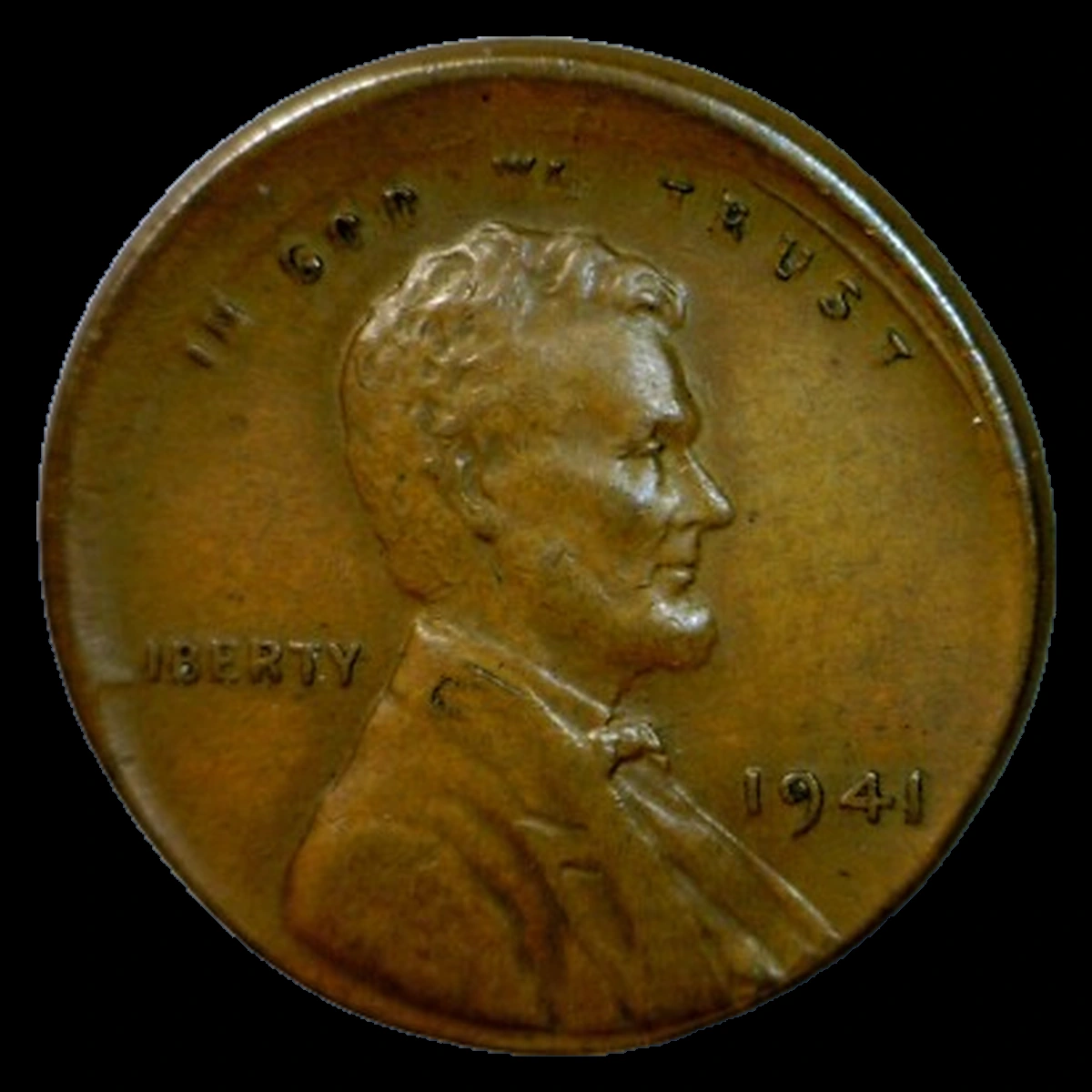
10. 1941 Penny An Untouched Crescent Borders the Design: 1941 Off-Center Strike Error
Philadelphia reports include separate slight and more extensive offsets. A San Francisco example is about fifteen percent off center and was described by NGC with light wear and improper cleaning.
The blank’s displacement caused the original unused area. Cleaning occurred later and affects condition independently.
How to Identify
Orient each dated coin separately and compare its two faces. Both incomplete designs should fit one blank misplaced beneath the dies.
A shifted border on only one face may instead involve die alignment. Inspect the unused metal for grinding and keep the cleaned San Francisco surface description with that specimen.
What It’s Worth
Identified examples have an estimated $30–$600 range. A readable date and a clear blank crescent make the error easier to assess.
The cleaned San Francisco coin should be compared with its surface limitations in view. No separate realized price is supplied for each reported offset.
11. 1941 Penny Another Strike Adds a New Design Position: 1941 Double and Flipover Strikes Error
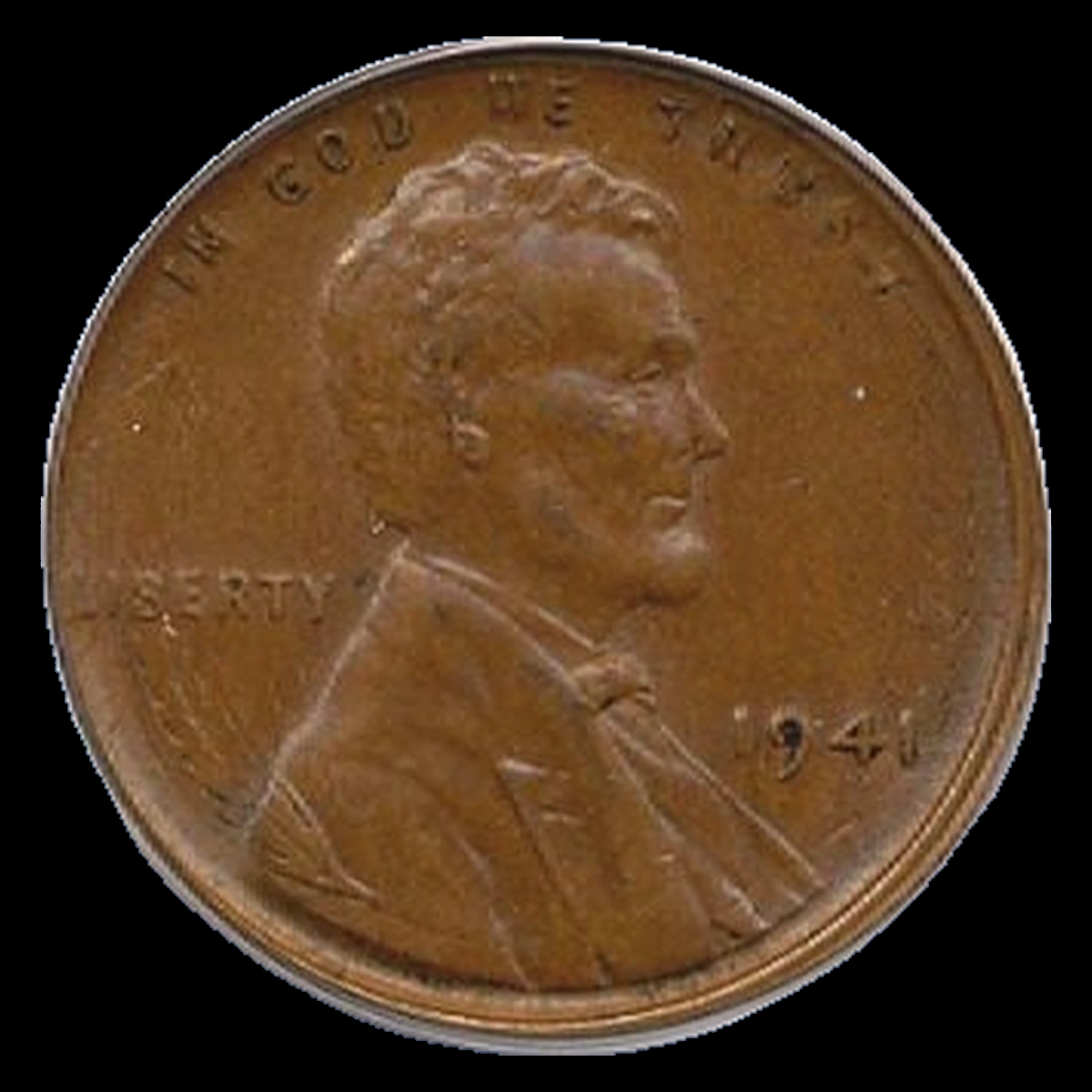
The recorded San Francisco coin received a second blow about ninety percent off center. Only a small part of that later design reached the metal.
A separate Philadelphia example turned over before another strike inside the collar. Its flipover can place front and reverse traces together on a face.
How to Identify
Search the San Francisco outer edge for a distinct partial impression rather than assuming an irregular rim is the second strike. The Philadelphia coin instead needs coherent opposite-design overlap.
Map surviving letter groups and portrait details on both faces. Random dents or flat shelves beside a single letter do not reconstruct a separate struck design.
What It’s Worth
Clear multiple strikes have an estimated $300–$2,500 range. Visibility of the later impression and preservation matter alongside the sequence.
The San Francisco piece is recorded as PCGS MS62 Brown. No quoted sale belongs to either that example or the separate Philadelphia flipover in the supplied material.
12. 1941 Penny Two Small Hollows Interrupt the Reverse: 1941 Strike-Through Error
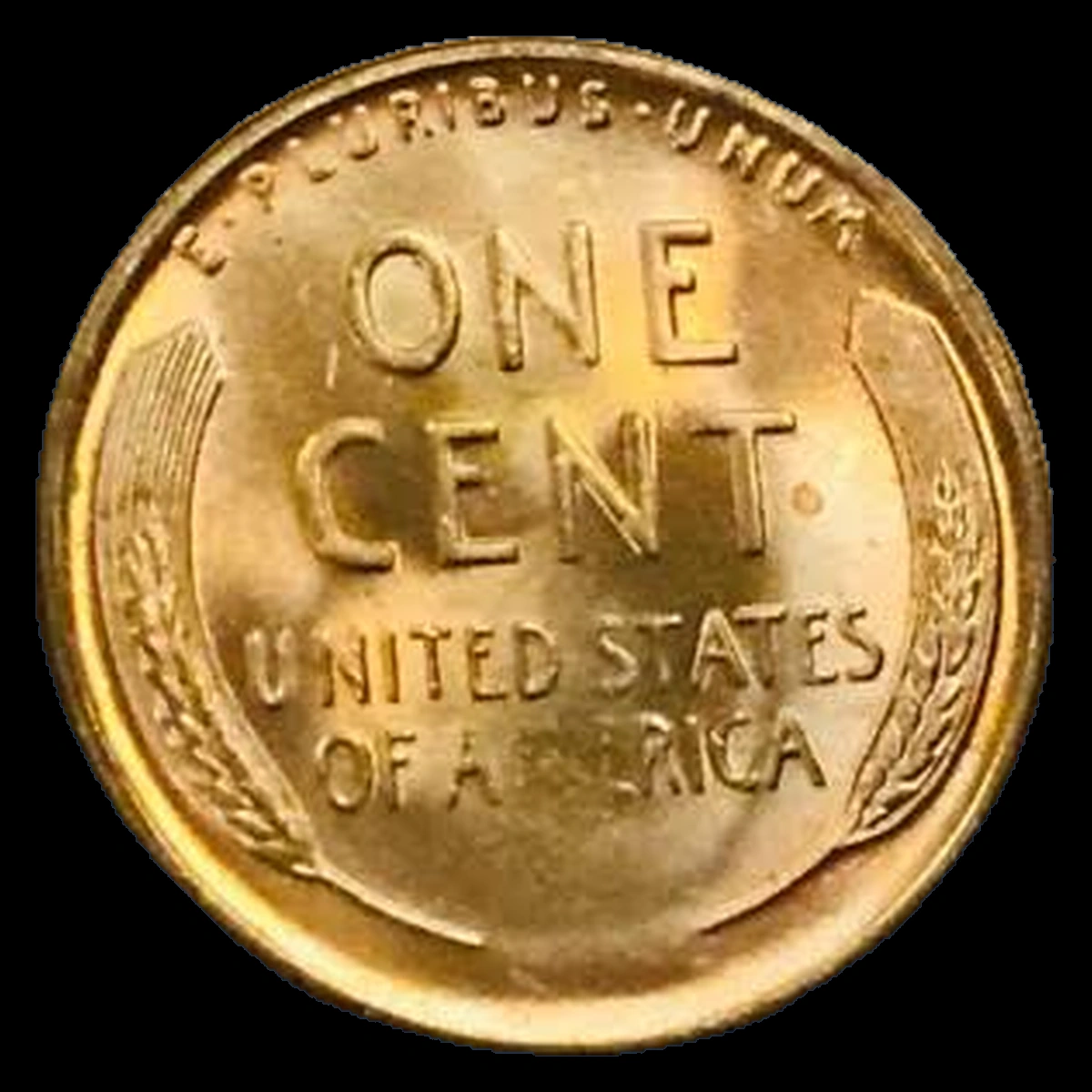
Two depressions on one documented cent’s reverse record obstruction between the blank and die. The available account does not identify the material.
The same coin also has front doubled lettering. That repeated design originated in the die and has a separate cause from the reverse hollows.
How to Identify
Examine each depression’s border for interrupted design rather than a sharp cut through finished lettering. A later impact can push metal into a lip beside the dent.
Use light from opposite directions and describe what survives. Without a recognizable texture or shape, do not name fabric, wire, or another specific obstruction.
What It’s Worth
Small original strike-through features have an estimated $15–$150 range. This estimate concerns the obstruction feature rather than the entire doubled-die coin.
The separate front variety can influence the full object’s value, while a tiny hollow may add little. No sale is assigned to these two unidentified-material impressions.
13. 1941 Penny Raised Lines Grow into Chips or Rim Patches: 1941 Die Breaks Error
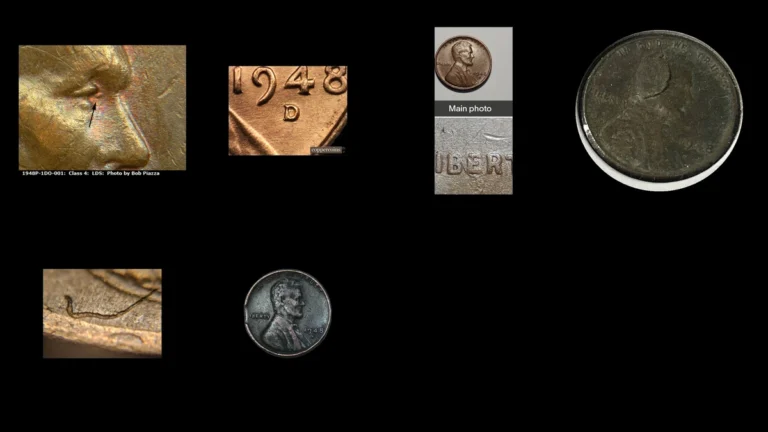
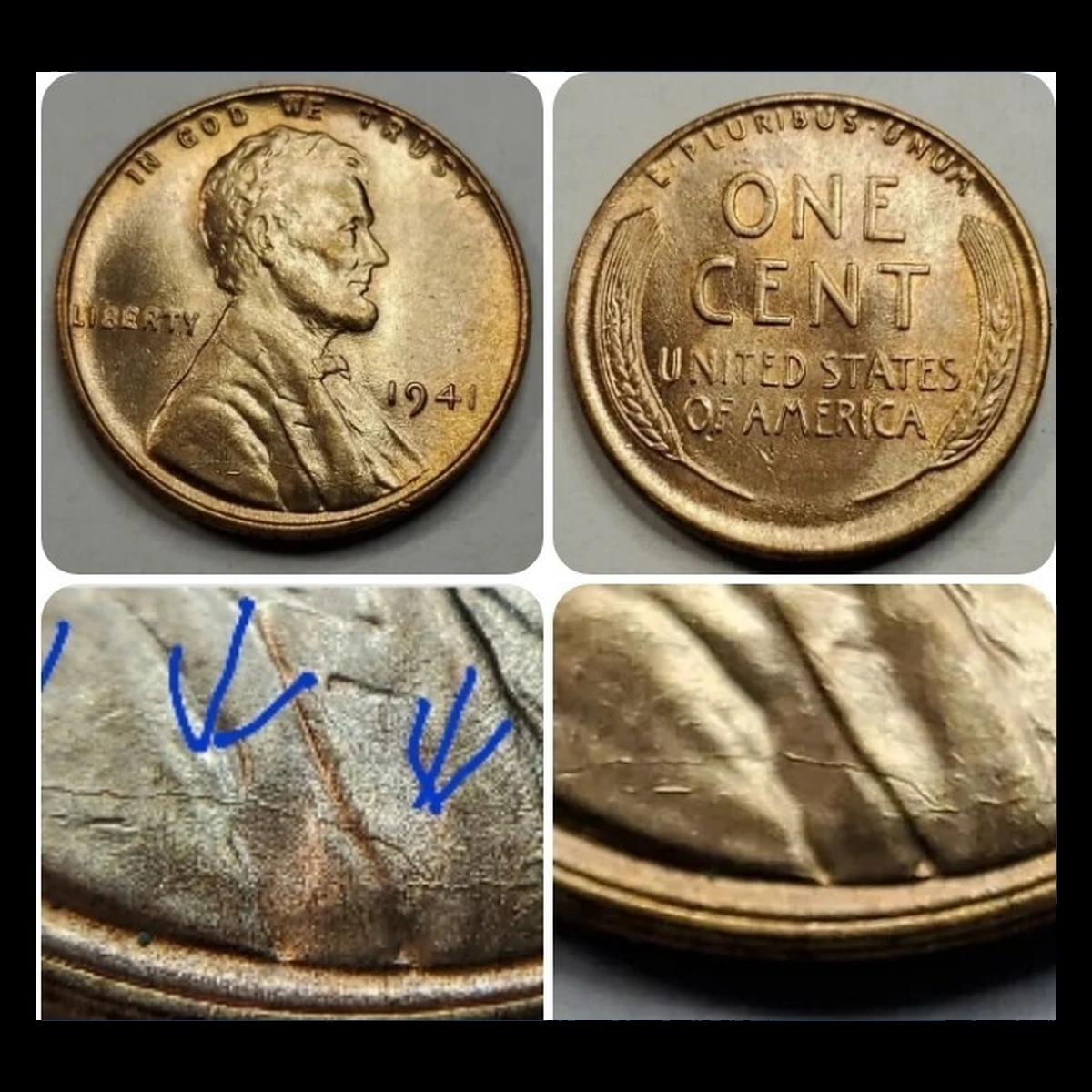
A crack in the die can leave a raised line through Lincoln’s hair. Larger missing areas produce letter chips or rim-connected patches called cuds.
A broken section retained within the die may still impress some design inside its boundary. The recorded examples illustrate different locations and stages rather than one universal shape.
How to Identify
For BIE, confirm the B-to-E gap; the multiple-letter example includes other filled spaces too. The letter-break photographs show those distinct positions.
Trace a large patch to the rim before calling it a full cud. Surviving detail within an outlined area may support a retained section, while an isolated interior lump requires another description.
What It’s Worth
Small cracks and letter chips have an estimated $3–$30 range. Larger retained breaks and clear cuds can fall around $30–$350.
These estimates are not recorded prices for each catalog number. Several stages of a growing break do not create separate premiums to add to one coin.
14. 1941 Penny Another Mint Letter Shows beside D or S: 1941 Repunching Error
S-WRPM-001 has an extra leftward curve and lower foot, while D-WRPM-001 retains a D toward the top. Shifted hand punching left those details in the die.
Large, small, and trumpet-shaped S punches also exist as normal shapes. Their size and form alone do not establish repeated punching.
How to Identify
Match the expected direction with the complete letter remnant. The D-001 reference photographs concern detail above D, whereas D-007 requires checking to its left.
Compare rounded raised strokes with flat shelves from movement during striking. Normal overall measurements cannot identify a mintmark variety.
What It’s Worth
Identified repunched marks have an estimated $5–$250 range. Clear separation and naturally preserved surfaces support better comparisons.
The range uses comparable early Wheat-cent varieties rather than a sale for every listed number. A larger normal S belongs outside a premium based solely on repunching.
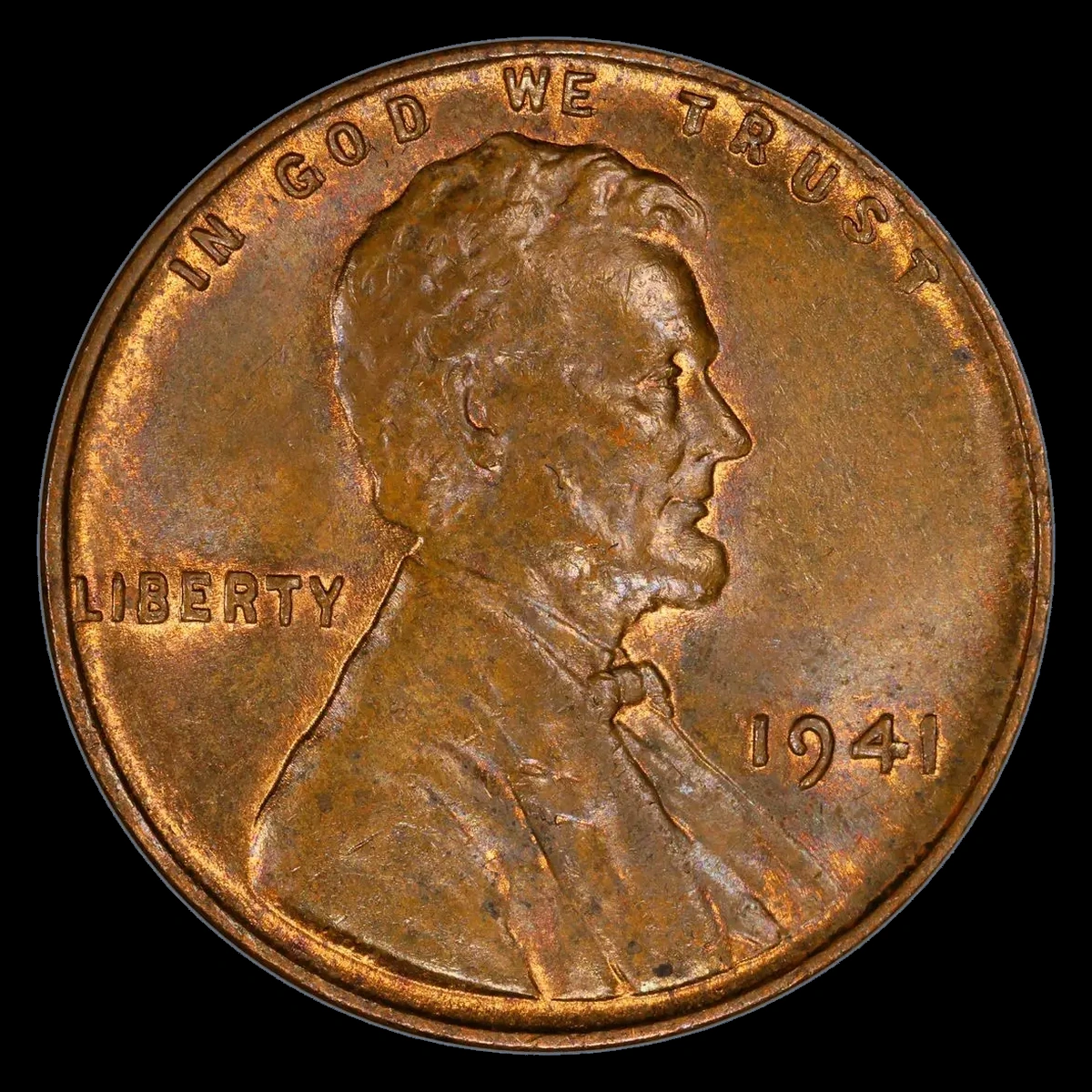
15. 1941 Penny Lettering, an Eyelid, or Wheat Detail Repeats: 1941 Doubled Die Error
Philadelphia FS-101 shows separated front outlines in lettering and date. Other dies involve eye detail, LIBERTY, reverse motto, or wheat tips.
Denver and San Francisco have their own listed varieties. The repeated pattern originated in each die before it struck individual coins.
How to Identify
For FS-101, compare several motto letters with date and LIBERTY. Reverse varieties instead need E PLURIBUS UNUM and wheat-tip checks appropriate to the named die.
Match the mint and complete pattern, including any documented notched letter ends. General blur or a low flat shelf cannot substitute for repeated raised detail.
What It’s Worth
The broad group has an estimated $10–$5,000 range, with minor patterns near the bottom. Strong high-grade varieties need more specific comparisons.
A Philadelphia FS-101 in NGC MS66 Red brought $2,070 in January 2012. That exceptionally preserved example does not establish a four-figure price for every thick-looking letter.
Conclusion
A heavy 1941 cent needs its own measurements and metal evidence, just as a tiny extra mintmark stroke needs the correct reference photograph. The estimated $3–$7,500 span becomes meaningful only after that identification.
Keep the straight clip and broadstrike together as one coin, separate each tested alloy formula, and preserve the uncertainty attached to the Panama label. Original surfaces, undisturbed splits, and clear edge views make those distinctions easier to evaluate.