Rare 1957 Dime Errors (List & Pictures)
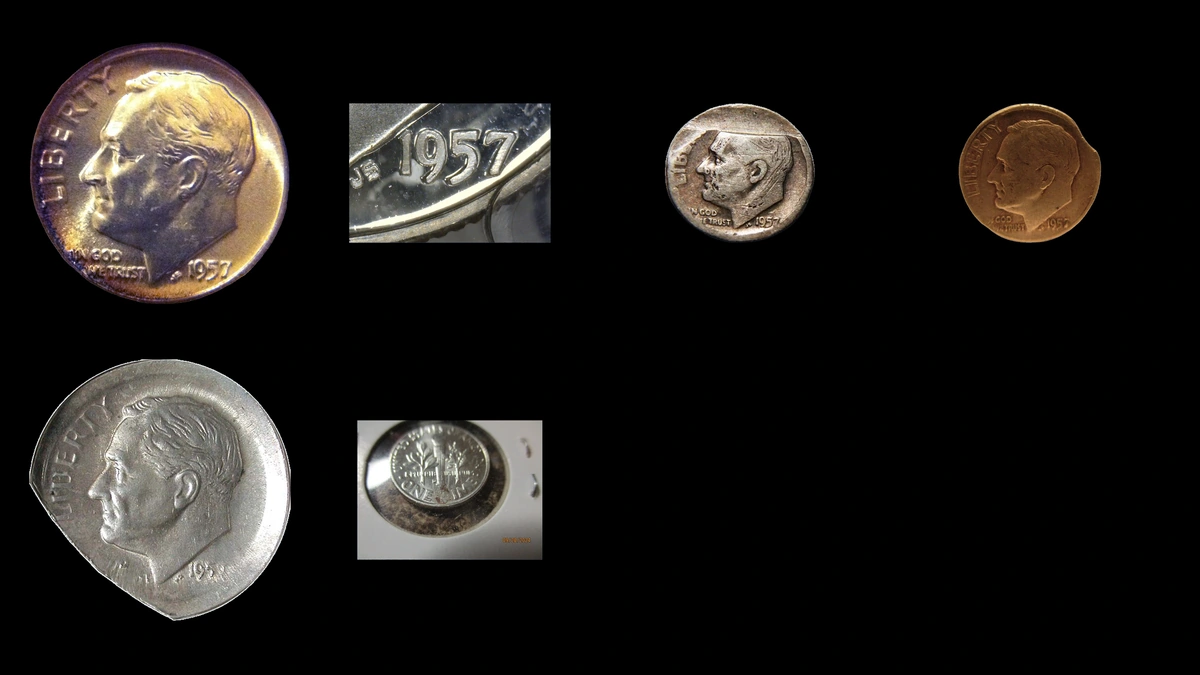
Silver is normal for a 1957 dime; a verified foreign blank is not. One brown example struck on an El Salvador one-centavo blank sold for $4,080 in July 2022.
The 1957 dime errors below range from an estimated $10–$6,000. Compare ordinary-looking coins at the nose, mintmark, and design edges before checking major changes to the outline or metal.
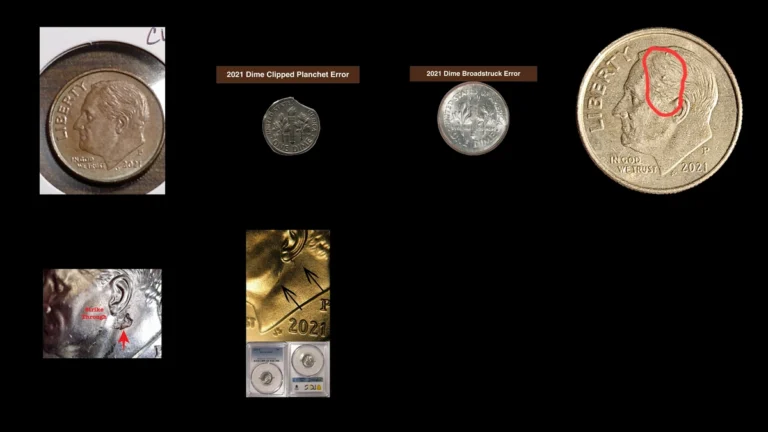
1. 1957 Dime A Small Lump on the Nose: Die Chip Error
A tiny piece missing from a die can leave a raised bump on a coin. The die is the steel tool that stamps the design.
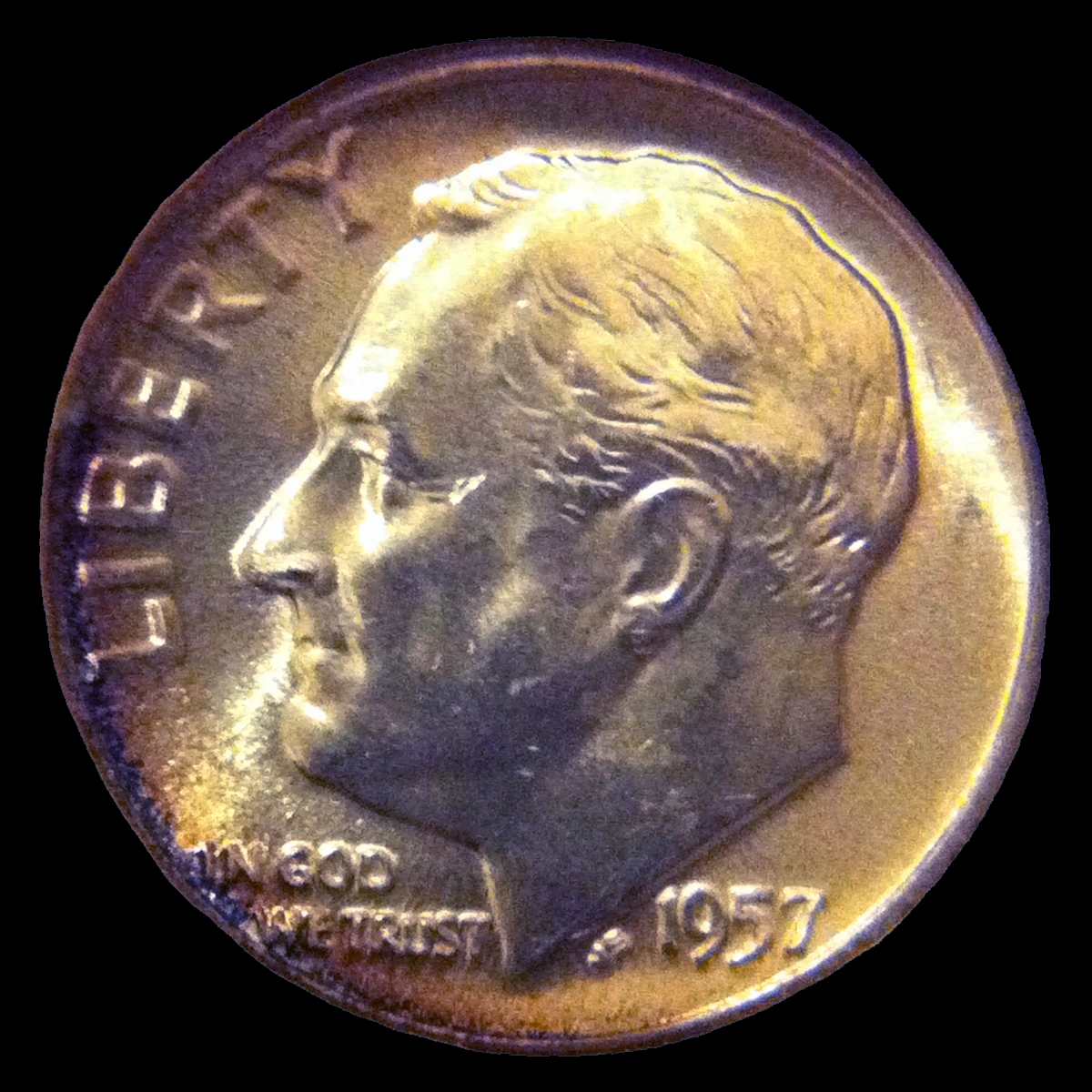
An owner showed a Philadelphia 1957 dime with a nose bump discussed as a die chip. Its surrounding surface is important when deciding whether it formed during striking.
How to Identify
Tilt the nose under side light and inspect the raised patch. Look next to it for a dent or cut that could have pushed metal upward later.
An original chip should fit the surrounding struck metal. A raised lip beside a scratch has a different cause.
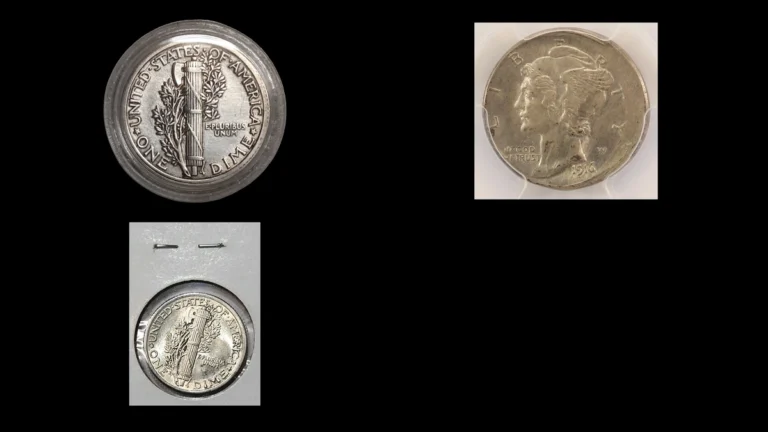
Philadelphia has no mint letter on this issue. The mintmark area is on the back, below and left of the torch.
What It’s Worth
$10–$50 is an estimated whole-coin range for a clear original nose chip on an otherwise ordinary 1957 dime. Its normal silver-coin value is included.
Small chips generally add modest premiums, regardless of a memorable nickname. Visibility and preservation are more useful price clues than the name.
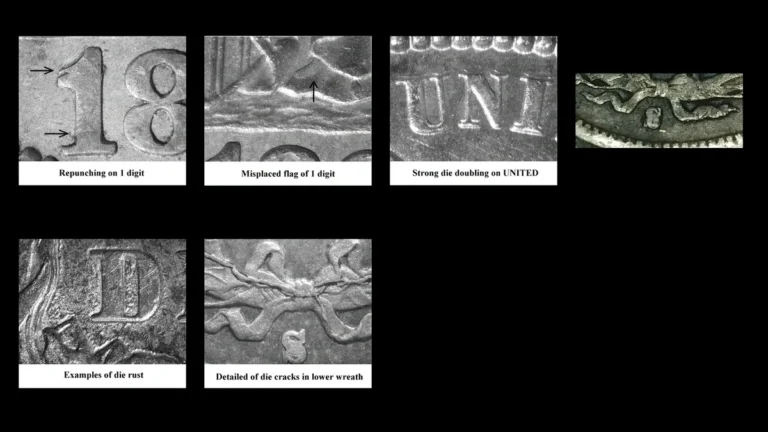
2. 1957 Dime An Earlier D Beside the Mintmark: Repunched Mintmark Error
A second D curve or upright stroke can survive from an earlier punch position. In 1957, workers still punched mint letters into individual dies by hand.
Owner and year-specific reports describe repunched D examples. Their precise extra-stroke directions need matching photographs.
How to Identify
Find the D below and left of the torch on the back. Follow the extra curve or straight stroke and compare it with an earlier version of the same letter.
A rounded remnant in the correct place is stronger evidence than an isolated bump. Check for nearby dents, scraping, and flat shelves from movement during striking.
A generic D-over-D illustration does not identify every 1957-D pattern. Match the actual extra letter shape.
What It’s Worth
$15–$250 is an estimated range for recognizable repunched D examples. Clear earlier strokes on an attractive coin can support a better comparison than a faint worn edge.
No specific catalog-number sale is assigned to the general report. Several remnants from one earlier D still belong to one variety on one coin.
3. 1957 Dime Repeated Design on a Proof or Ordinary Coin: Doubled Die Error
A doubled die carries repeated details before it strikes any coins. Its extra rounded outlines or split letter tips can therefore appear after only one blow.
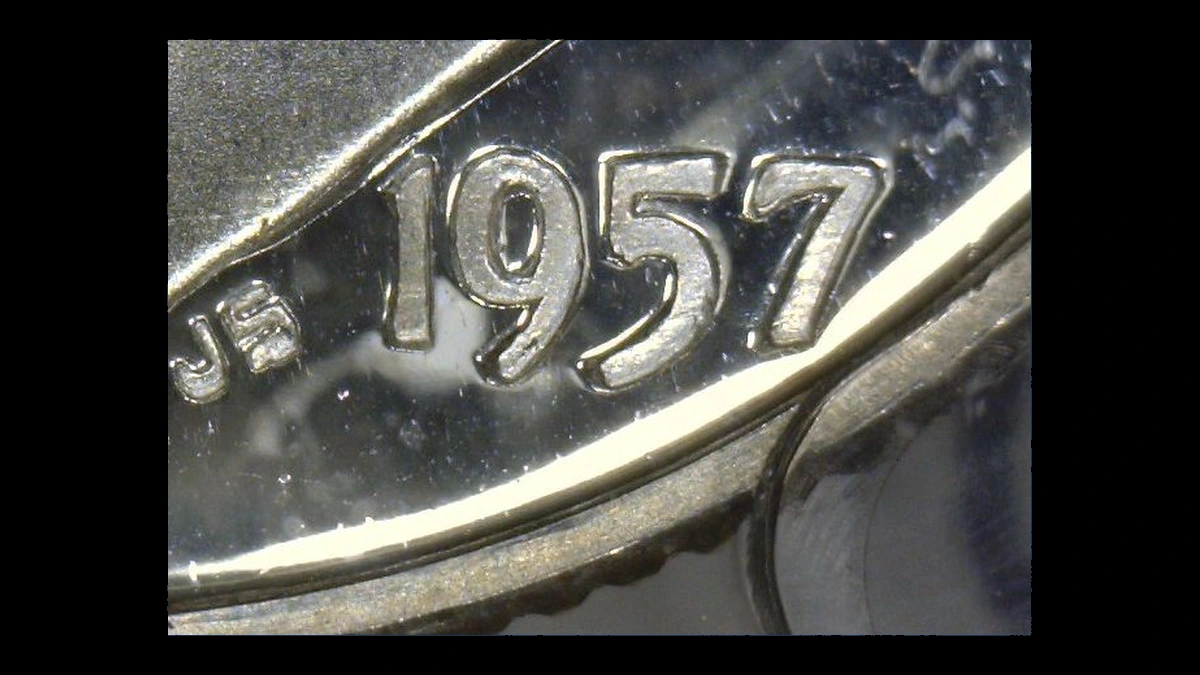
A 1957 collector Proof front variety is listed as FS-101. A separate owner reports back doubling on an ordinary Philadelphia dime graded MS63 Full Bands.
How to Identify
Establish the finish first: both Philadelphia Proofs and ordinary coins lack mintmarks. The empty mintmark position alone does not settle which one you have.
Match the Proof’s front with an authenticated FS-101 photograph. Do not construct a pattern from general claims about different letters or initials.
The ordinary coin’s Full Bands designation describes clear torch-band separation. Its basic grading label does not certify the owner’s claimed doubled-back variety.
What It’s Worth
$20–$500 spans the estimated ranges for these separate reports. Matched FS-101 Proofs are estimated at $50–$500, and a confirmed ordinary doubled-back example at $20–$200.
A PCGS Proof-64 FS-101 sold in February 2026. Its public page does not show the final amount, so the starting bid is not used as a sale price.
4. 1957 Dime Faint Outlines From the Other Side: Die Clash Error
Unwanted design fragments can appear in spaces beside the normal image. They may come from dies that collided without a blank between them.
The collision marks can transfer to later coins. The supplied 1957 reports do not establish one location or direction that fits every clash.
How to Identify
Compare the extra shape with the normal opposite design and its mirrored outline. Identify an actual portrait, torch, or other design fragment rather than a guessed image in a scratch.
Change the light to follow weak connected traces. Check for crushing that could indicate two finished coins squeezed together afterward.
What It’s Worth
$15–$150 is an estimated range for genuine recognizable 1957 clashes. Clear transferred detail is easier to collect than an unexplained faint line.
A 2001-P dime combining a clash and partial brockage sold for $79 in November 2014. That later-year combined error supplies broad context, not a result for an ordinary 1957 clash.
5. 1957 Dime A Rough Strip or Loose Flake: Lamination Error
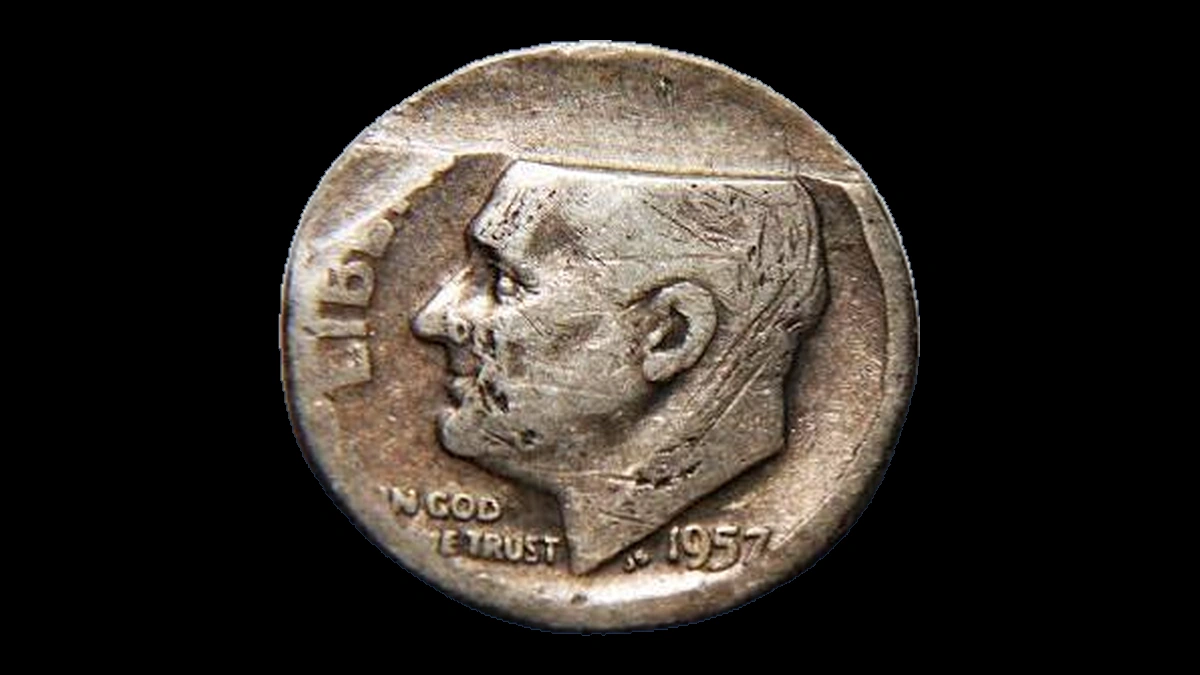
Metal can separate along a weak area inside the silver alloy. A layer may lift or break away, leaving a rough strip through the design.
A seller reported a worn 1957-D example. This is lamination within the coin’s alloy, not loss of a modern clad layer.
How to Identify
Normal 1957 dimes are 90% silver and 10% copper mixed as an alloy. They do not have the copper-centered sandwich used for later circulating dimes.
Leave any attached flake untouched and look for a rough natural separation. A smooth scoop or sharp tool cuts suggest later removal.
A normal coin is about 2.5 grams and 17.91 millimeters across. Use those figures for a loose specimen while keeping pressure away from fragile metal.
What It’s Worth
$15–$200 is an estimated range for genuine laminations. Broad visible separations on attractive coins usually differ in appeal from small patches on worn pieces.
The reported Denver coin is worn, so it should not receive an unworn-coin comparison. Pulling off a retained flake can damage both the coin and its evidence.
6. 1957 Dime A Missing Edge Section: Clip With an Expanded Combination Error
A clip begins when the blank is cut with part of its metal absent. The design later forms beside the shortage.
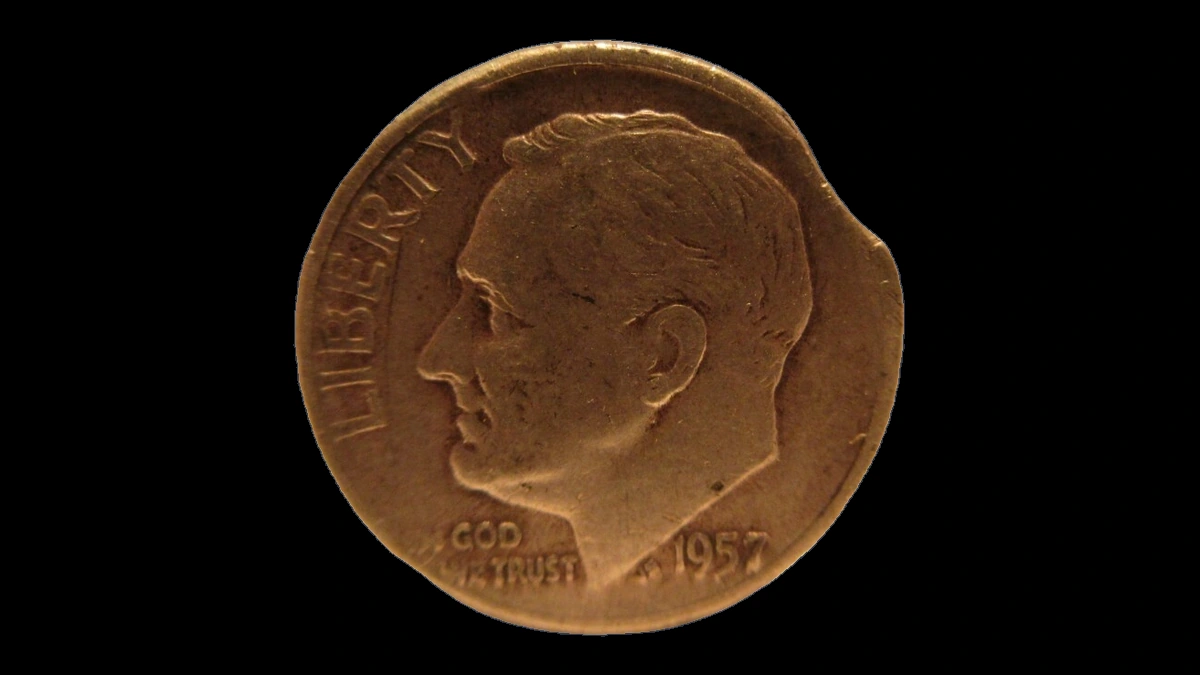
A Philadelphia dealer example is described as almost unworn, without a specified clip shape. A separate collector’s MS62 coin has a straight right-side clip and a wide dish-shaped strike.
How to Identify
Inspect how the rim meets each end of the gap. A later cut can slice through finished detail instead of allowing it to form around missing metal.
For the collector’s combination, confirm both the right-hand straight gap and expanded dish shape on the same coin. Do not attach those features to the dealer’s separate example.
The combined coin’s Full Torch description concerns preserved torch detail. It is not an additional minting mistake.
What It’s Worth
$25–$400 spans the estimated ranges for these forms. Ordinary clips are estimated at $25–$200, while the clip-and-expanded-strike combination is estimated at $75–$400.
A 1997-P nickel with a 20% clip sold for $124 in March 2025. That different denomination provides context rather than a direct price for either 1957 dime.
7. 1957 Dime An Oversized Border With the Design Intact: Broadstrike Error
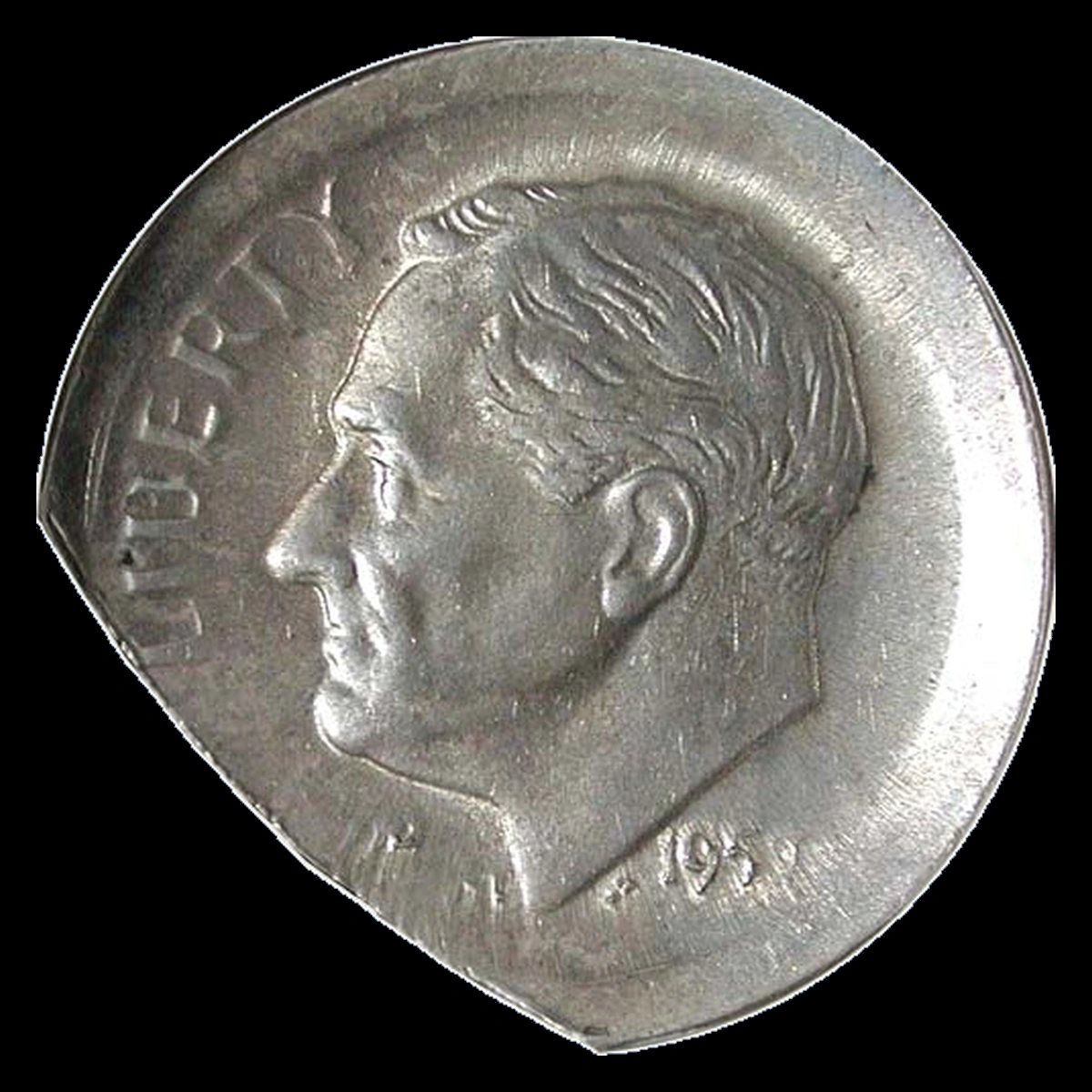
A dime can spread beyond its normal width when the collar fails to restrain it properly. The collar is the ring around the blank during striking.
A broadstrike keeps the intended design on the expanded disk. This general 1957 report is separate from the specific straight-clip combination above.
How to Identify
Compare the width with a normal dime, then inspect the metal beyond the outer lettering. The spread surface should belong to the original strike.
Some edge grooves may survive if there was partial contact with the ring. Their presence does not automatically rule out expansion.
Check for hammered surfaces or crushed high points from later flattening. Width alone cannot explain how the coin became larger.
What It’s Worth
$40–$500 is an estimated range for genuine broadstrikes. Clear natural expansion and attractive original surfaces support better comparisons.
A 1988-P dime with a broadstruck second impression sold for $80.50 in May 2005. It also had overlapping strikes, so its price is not a measure of expansion alone.
8. 1957 Dime A Blank Crescent Beside Cropped Detail: Off-Center Strike Error
A misplaced blank leaves some metal untouched while part of the design misses its opposite edge. Both faces should reflect the same displaced disk.
The 1957 reports do not provide one required mint or shift percentage. The coin’s own date and mintmark area must establish its identity.
How to Identify
Locate the date and determine whether the mintmark position remains on the coin. If that area missed the strike, the lack of a visible D does not prove Philadelphia.
Compare the transition between bare metal and struck design on both sides. A one-sided shift or an area ground smooth later needs another explanation.
An intact blank can retain roughly normal weight despite the displaced design. A missing chunk of metal is a different feature.
What It’s Worth
$50–$750 is an estimated range for genuine dated examples. Clear identification, stronger displacement, and good surfaces can improve appeal.
A 1977 dime struck 10% off center sold for $109 in June 2026. That later clad-metal coin is a different-year comparison for this silver issue.
9. 1957 Dime Reversed Head Detail Inside a Depression: Fragment Strike-Through Error
A cataloged 1957 dime has a back-side fragment impression about 5 by 10 millimeters. Traces of a head appear within that depression.
The NGC MS63 description suggests an obstruction carrying design detail. A sunken mirror-image transfer is called a brockage.
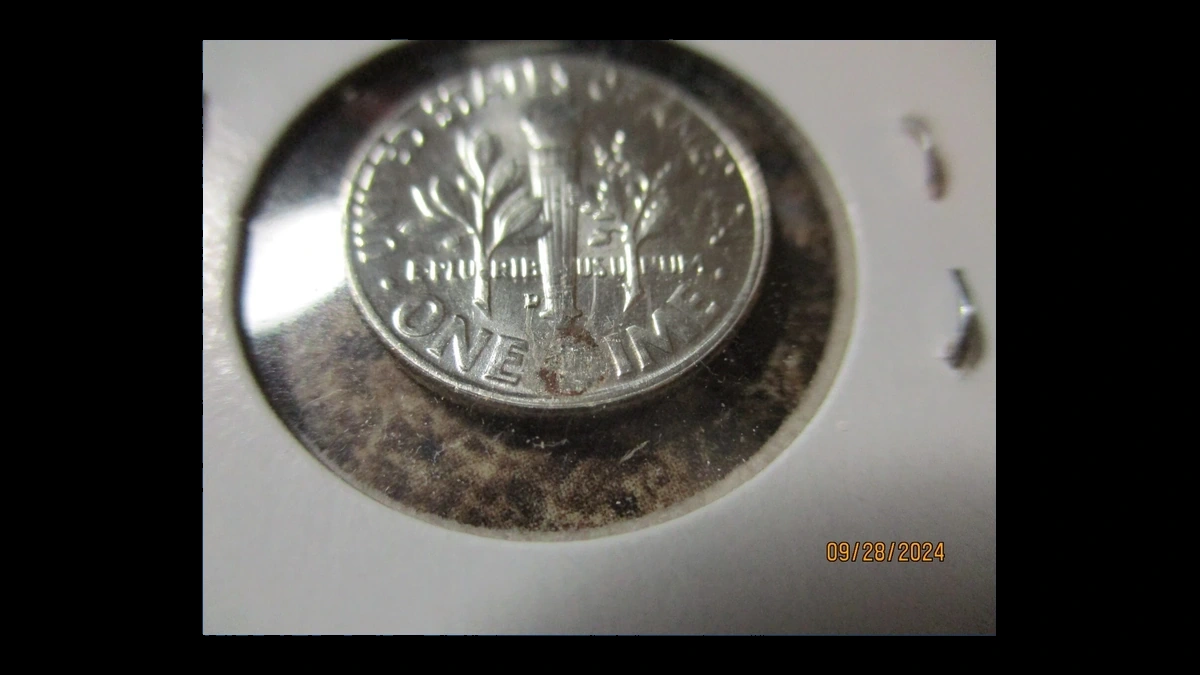
How to Identify
Study the head traces inside the fragment-shaped area. They should form a recognizable reversed design, rather than scratches within an ordinary dent.
Compare the outline and reported dimensions without touching the impression. The catalog does not establish that the original fragment remains with the coin.
An empty depression should not be described as retained scrap. The imprint and reversed detail are the recorded evidence.
What It’s Worth
$100–$1,000 is an estimated range for this kind of fragment-and-reversed-detail combination. Clear head detail can make it more interesting than a plain shallow mark.
The later $79 partial-brockage-and-clash example mentioned earlier is only broad context. This range values one combined silver-dime error and does not add a price for an unconfirmed loose fragment.
10. 1957 Dime Brown Foreign Metal: El Salvador Centavo Blank Error
The documented 1957 wrong-blank dime is brown because its disk was intended for an El Salvador one-centavo coin. It received the American dime design instead.
Its NGC MS63 Brown holder records 2.2 grams. That weight belongs to this specimen, not an ordinary silver dime.
How to Identify
Have the metal checked without scratching it. Brown coating on a silver dime cannot establish a foreign blank underneath.
Compare the actual weight, dimensions, date, and design fit with the documented example. Inspect the edge for plating, trimming, and how any grooves formed.
The record concerns a foreign blank, not necessarily a previously struck foreign coin. An earlier El Salvador design need not appear below Roosevelt.
What It’s Worth
$2,500–$6,000 is an estimated range for comparable confirmed pieces. Metal identification and preserved design are central to that comparison.
The MS63 Brown example brought $4,080 at Heritage on July 5, 2022, as shown in Mint Error News’ illustrated report. The price belongs to the complete 2.2-gram error dime.
Conclusion
The normal silver alloy matters when examining a 1957 dime. A peel is not a modern missing-clad-layer error, and brown color does not establish a foreign blank without supporting metal evidence.
Estimated values range from $10–$6,000. For the smaller varieties, keep the correct mint and finish in view; for clipped or expanded pieces, use the full outline as well as a close-up.