Rare 1998 Dime Errors (List & Pictures)
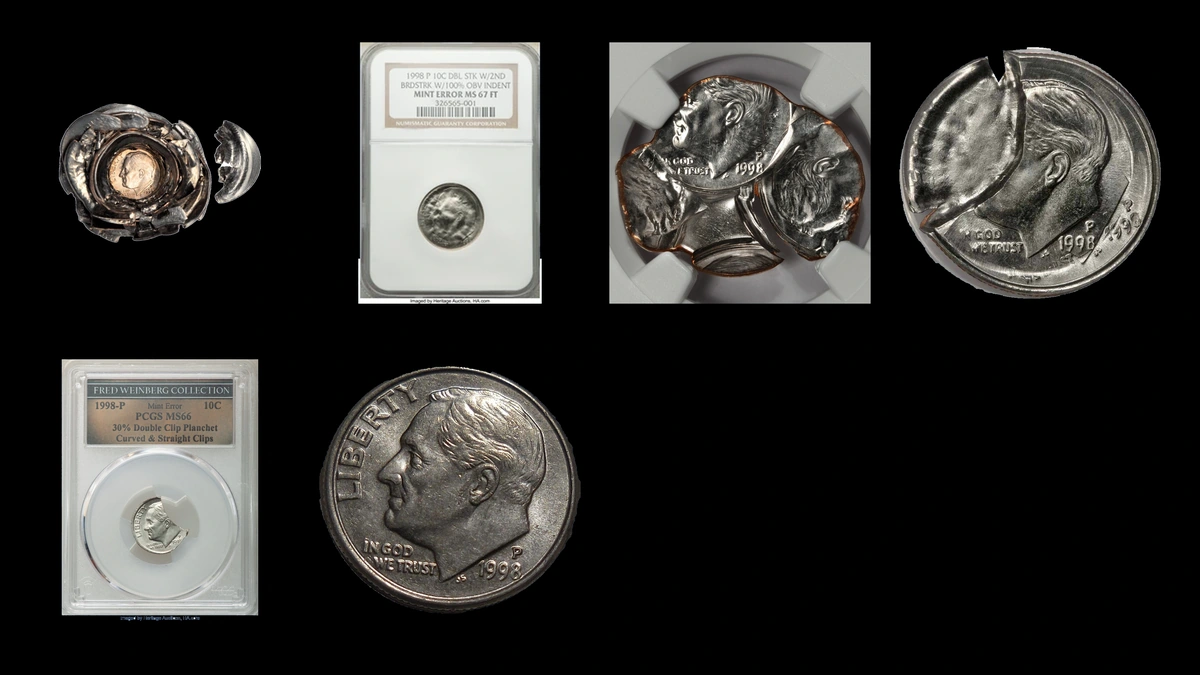
One 1998-P error is a twisted stack weighing 72.3 grams, or roughly 32 dimes. It sold intact and uncertified for $9,200 in August 2011.
Most 1998 dime errors are single coins with smaller changes to the design or metal. Estimated values here span $5–$12,000, including complete pairs and groups where stated; use the visible shape to find the closest comparison.
1. 1998 Dime Coins Joined Into One Stack: Bonded Group Error
Successive blanks can enter a press without the earlier coins leaving. Further blows force the pieces together into a mechanically joined group.
The recorded 1998-P group weighs 72.3 grams. Its approximate count comes from that weight, rather than from separating and counting its layers.
How to Identify
Keep the stack supported and intact. Photograph the exposed designs and joined surfaces from several angles without prying the layers apart.
A normal clad dime weighs 2.268 grams and is 17.91 millimeters across. Dividing 72.3 by 2.268 gives about 31.9, which explains the “roughly 32” description.
Inspect how struck metal flows between neighboring pieces. Glue or solder joining finished coins afterward does not establish the same press-made sequence.
What It’s Worth
$7,000–$12,000 is an estimated range for this scale of intact, well-documented accident. The connected group is the collectible object.
The bonded stack brought $9,200 at Stack’s Bowers in August 2011. It was sold without a grading service’s certification.
Dividing that price by an approximate coin count does not establish a value for individual dimes. Taking the group apart would destroy the relationship that gives it its appeal.
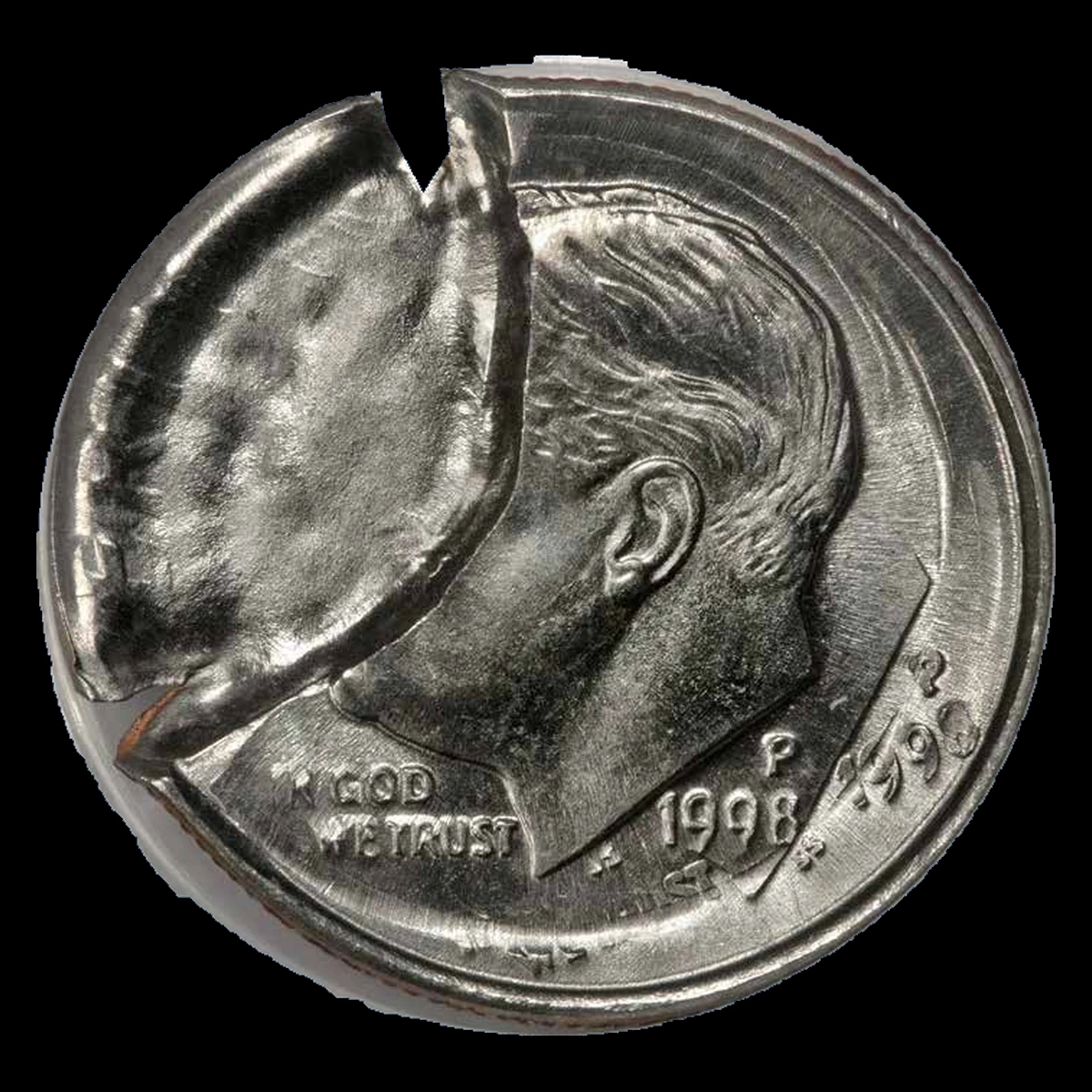
2. 1998 Dime A High Curved Wall: Front Die Cap Error
A coin stuck to the front die can curl and spread under repeated blows. The die is the steel tool that stamps the coin.
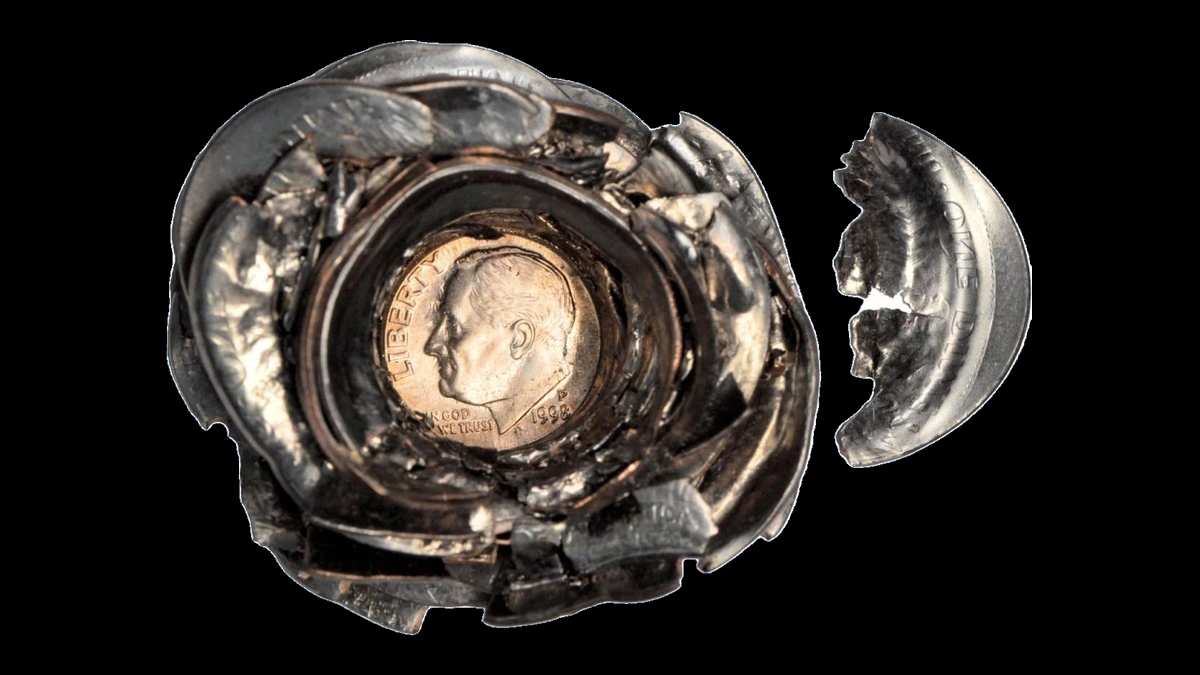
The documented 1998-P cap has a pronounced wall near 11 o’clock, much higher than the lower-right edge. Its front remains sharp and reflective while the back design is largely wiped away.
How to Identify
Compare a side view of the wall with the front and back surfaces. The documented NGC MS66 coin needed an unusually thick holder for its shape.
Reflective front detail does not make this ordinary Philadelphia strike a Proof. The appearance belongs to its unusual striking history.
Leave a sealed coin in its holder and never flatten a cap. A later artificial bend may show tool marks or ordinary back detail inconsistent with the documented surfaces.
What It’s Worth
$250–$1,000 is an estimated range for caps of comparable depth and recognizable detail. Wall height, surviving design, and preservation affect the comparison.
The described Philadelphia example sold for $402.50 on July 10, 2009. Its reflective face is not a separate Proof premium.
3. 1998 Dime A Depression on One Coin or a Matching Pair: Indent Error
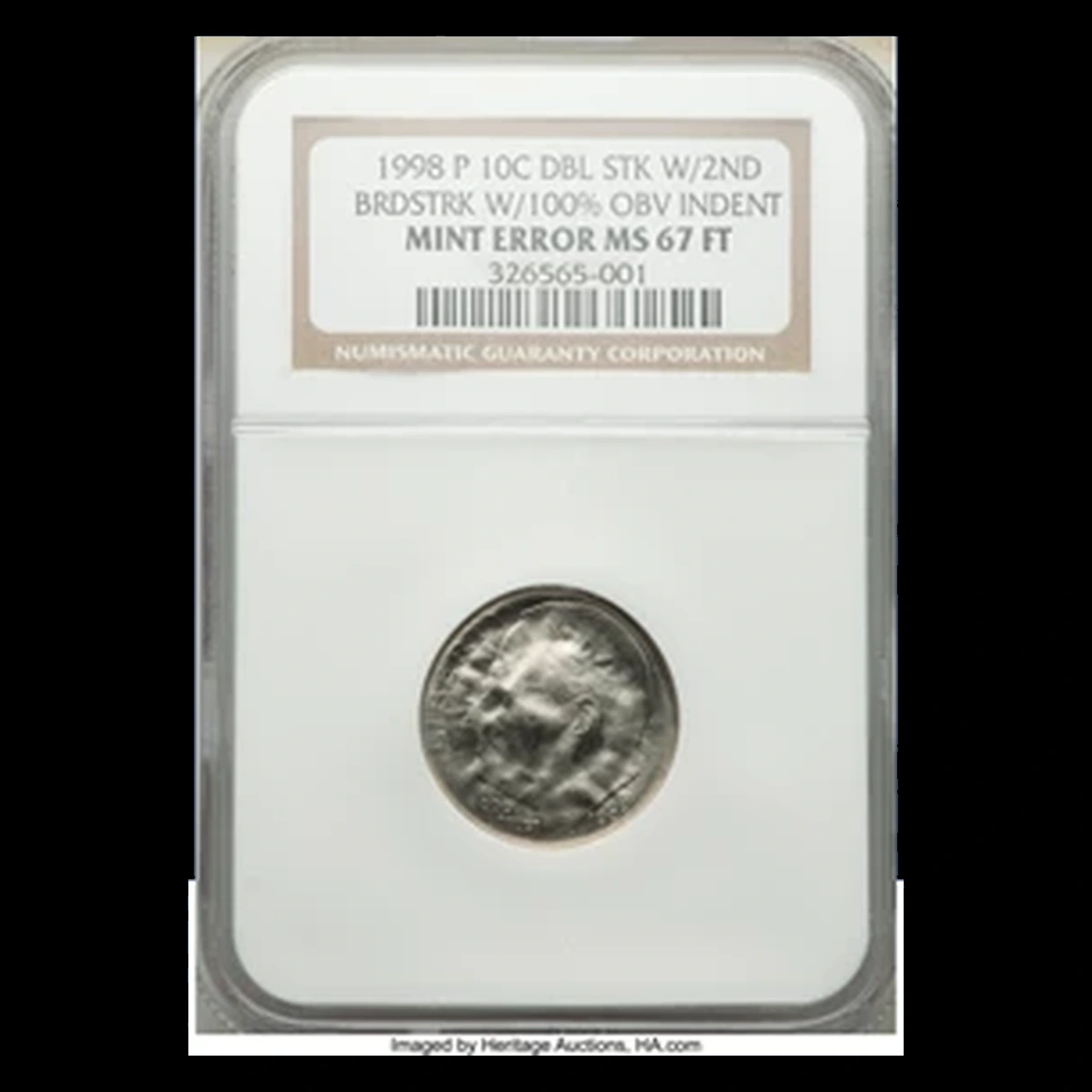
Another blank can cover part of a coin during striking and leave a depression called an indent. One 1998-P dime received a broadstruck second blow with its front completely indented.
That single coin is graded NGC MS67 Full Bands. A separate matched pair contains one double-struck, indented coin and one off-center, indented coin.
How to Identify
Decide which example you are comparing before following its details. On the single dime, examine the depressed front against the normally struck back.
For the pair, compare the contact outlines in photographs of both coins. Do not force the pieces together to test a fit.
Grinding away a face leaves abrasion rather than a depression formed during striking. Full Bands refers to clear torch-band detail and is not another error.
What It’s Worth
$150–$1,200 spans the estimated ranges for the separate forms. Strong single indents are estimated at $150–$700, and comparable intact pairs at $500–$1,200.
The Philadelphia pair sold for $720 on July 15, 2021. That total covers both matching pieces and does not price the separate MS67 Full Bands coin.
4. 1998 Dime Several Strikes and a Mirror Image: Multiple Strike With Brockage Error
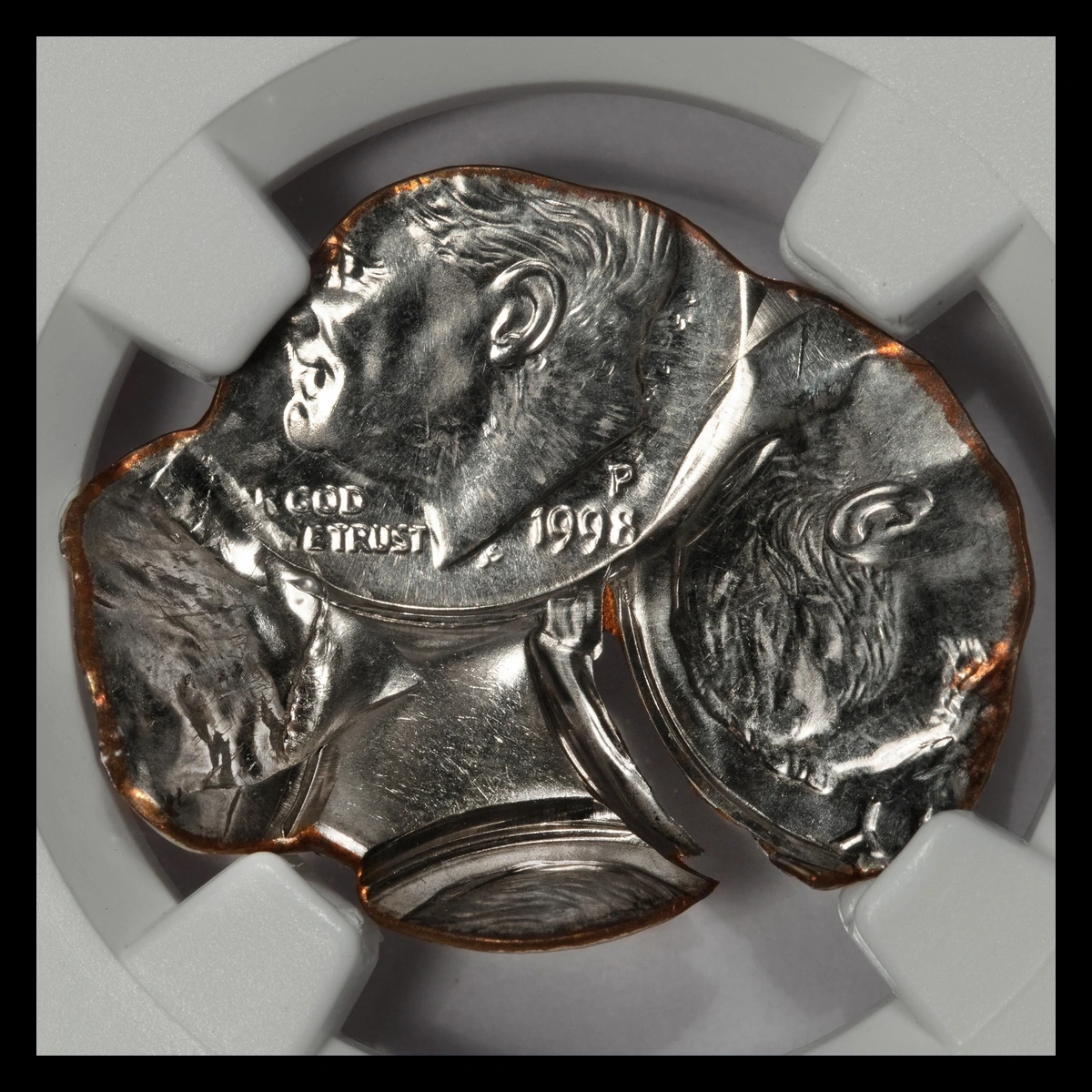
A recorded 1998-P dime combines outward spreading, multiple strikes, and a sunken mirror image on its front. The mirror impression is called a brockage.
It forms when an already struck coin impresses its design into another piece. This differs from the normal raised image made by a die.
How to Identify
Reverse a photograph of the sunken image and see whether its letters form a coherent design. Then trace the overlapping normal strike outlines separately.
The NGC MS66 record does not give an exact number of blows or their directions. Do not count every extra letter edge as another complete strike.
A later vise impression can also create mirror detail. The spread metal, overlapping designs, and surface relationships must support the original press accident together.
What It’s Worth
$125–$800 is an estimated range for comparable combined errors. Clear mirror detail and readable overlapping designs can improve the appeal.
Coin World records a $164.50 Heritage result dated February 1, 2016, for the MS66 example. That amount values all of its features on one coin.
5. 1998 Dime Three Images With a Final Flip: Triple Strike Error
The documented Philadelphia coin received an off-center second strike after its first blow. It then turned over before another off-center strike.
One face was blocked during the final blow. The catalog calls that blow uniface, meaning only one face received a normal die image at that stage.
How to Identify
Use enlarged photographs to connect readable portrait, lettering, and date fragments. Follow where each later impression crosses an earlier one.
The final flip should put opposite-side details over a face already carrying an earlier design. Inspect the blocked area for an original struck surface rather than later grinding.
The ANACS MS61 description supplies the sequence but no exact clock angles. Follow the actual overlaps instead of inventing positions for the three blows.
What It’s Worth
$500–$1,500 is an estimated range for comparable examples with a readable sequence. A modest condition grade can still accompany a strikingly unusual error.
The documented coin sold for $990 on January 2, 2023. The flip, off-center strikes, and blocked face are features of that one sale.
6. 1998 Dime A Large Bare Area Beside the Design: Off-Center Strike Error
The reported 1998-P example is 70% off center toward 1 o’clock. Most of the blank stayed outside the area where the dies could place the design.
ANACS graded it MS64, meaning unworn with visible marks. Its large bare portion is intact metal, not a clipped gap.
How to Identify
Find the date and P within the surviving design. Turn the front upright before comparing the reported 1-o’clock direction.
Check both faces for a corresponding struck-to-blank boundary. A centered opposite face would instead raise a question about die alignment.
Inspect the untouched area for grinding or scraping that removed finished detail. Genuine blank metal should explain where the dies missed.
What It’s Worth
$30–$600 is an estimated range for genuine off-center examples. A readable date and clean surfaces can matter more than the sheer size of the bare area.
A 1977 dime with a 10% displacement sold for $109 in June 2026. A 70% shift does not turn that comparison into a simple price multiplier.
7. 1998 Dime A Wider Outline Around Complete Lettering: Broadstrike Error
A broadstrike lets metal spread outside its normal restraint. Unlike an off-center strike, it retains the complete intended design.
APMEX lists a 1998-P broadstrike. Its standard product dimensions are not measurements of that particular expanded coin, and the listing does not establish individual grading-service certification.
How to Identify
Measure the actual coin and trace the design around both faces. Complete lettering inside a naturally expanded outline supports broadstriking.
Look for hammered surfaces or crushed details caused after minting. Later flattening can widen a dime without producing an original broadstrike.
What It’s Worth
$30–$300 is an estimated range for genuine broadstrikes. Clear expansion with good surfaces can attract more attention than slight widening.
A 2000-P dime with multiple strikes and broad spreading sold for $159 in September 2025. That later combined error is not an exact comparison for a simple 1998 broadstrike.
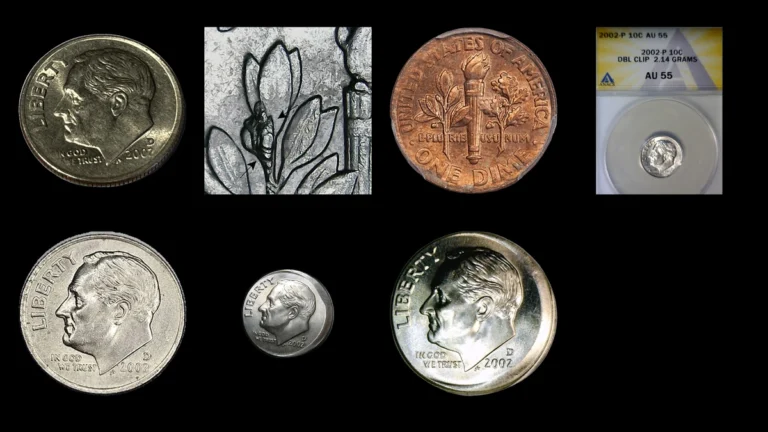
8. 1998 Dime One Curved Gap and One Straight Gap: Double Clip Error
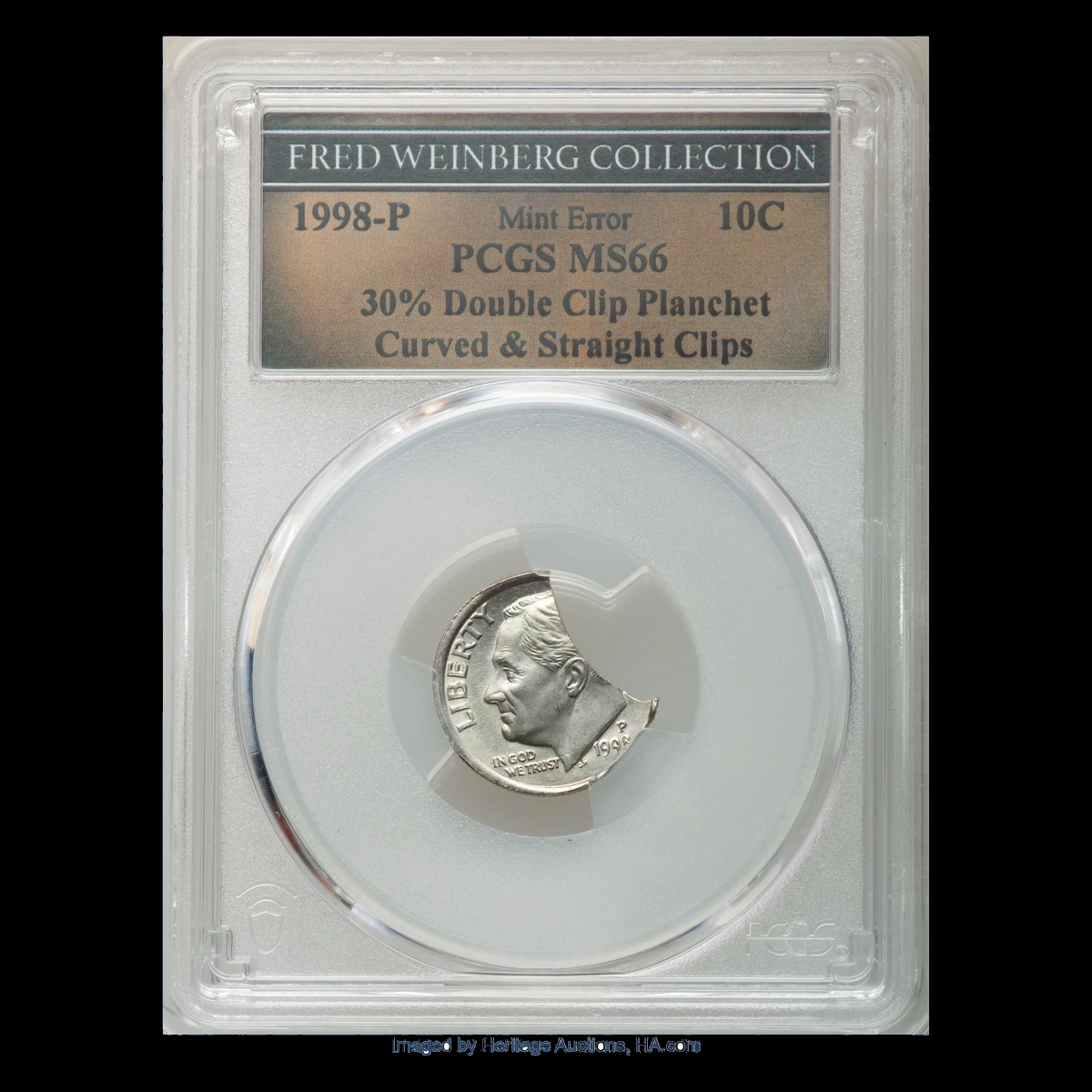
The documented Philadelphia double clip has two different missing-edge shapes. Both shortages existed before the blank received the coin design.
Heritage described it as a 30% double clip from the Fred Weinberg collection. PCGS graded the coin MS66.
How to Identify
Compare the curved opening with the straighter one, then examine how each meets the rim. Nearby letters should show the effects of forming around missing metal.
Fresh file marks or cuts through completed detail suggest later damage. The combined 30% description is not an exact required scale reading.
Two gaps do not establish two strikes. They describe the incomplete blank that became one coin.
What It’s Worth
$40–$300 is an estimated range for comparable genuine double clips. Date visibility, preservation, and the remaining design all matter.
The Philadelphia example sold for $114 on July 5, 2022. That price covers both gaps on the complete coin.
9. 1998 Dime A Copper Front With a Pale Back: Missing Clad Layer Error
A normal clad dime has pale outer layers around a copper core. Losing the front outer layer can expose copper while leaving the back’s outer metal in place.
The Philadelphia records include a PCGS MS60 coin and a separate ANACS AU58 piece weighing 1.86 grams. A Denver AU58 example is reported separately.
How to Identify
Photograph both faces under the same light and inspect the layers at the edge. Added plating or staining may change color without the same missing-metal structure.
The 1.86-gram reading belongs only to the Philadelphia AU58 specimen. Do not copy it to the MS60 coin or the Denver report.
Check for pitting or etched detail from chemicals. Also keep ordinary clad dimes separate from 1998-S silver Proofs, which normally weigh 2.50 grams.
What It’s Worth
$50–$400 is an estimated range for genuine single-layer losses. A clean exposed face with readable details can be more appealing than a spotted or damaged example.
A 2018-P missing-layer dime sold for $384 in July 2021. That different-year result does not establish the price of either Philadelphia 1998 coin.
10. 1998 Dime Orange-Red Metal From the Wrong Strip: Cent Stock Error
The documented 1998-P dime was struck on metal stock intended for cents. Stock is the strip from which blanks are cut.
Heritage describes an apparently dime-sized blank cut from cent stock, rather than a complete larger cent blank. The coin has a broad dish-shaped front rim and a small separation above the second U in UNUM.
How to Identify
Confirm Roosevelt’s dime design before considering its orange-red color. A Lincoln cent design struck over a finished dime is a different error.
Record the actual weight and dimensions if the coin is loose. The supplied catalog gives no measured figures for this specimen, so normal cent-blank specifications should not replace them.
Metal testing must support the wrong-stock identification. Compare the broad rim and small UNUM-area separation only when matching the recorded coin.
What It’s Worth
$2,500–$5,000 is an estimated range for similarly identified examples. Correct blank attribution and original condition are central to that comparison.
The PCGS MS64 cent-stock dime sold for $4,465 on January 11, 2016. Its small metal separation is part of the same coin, not an extra price to add.
11. 1998 Dime A Small Repeated Outline: Reported Doubled Die Error
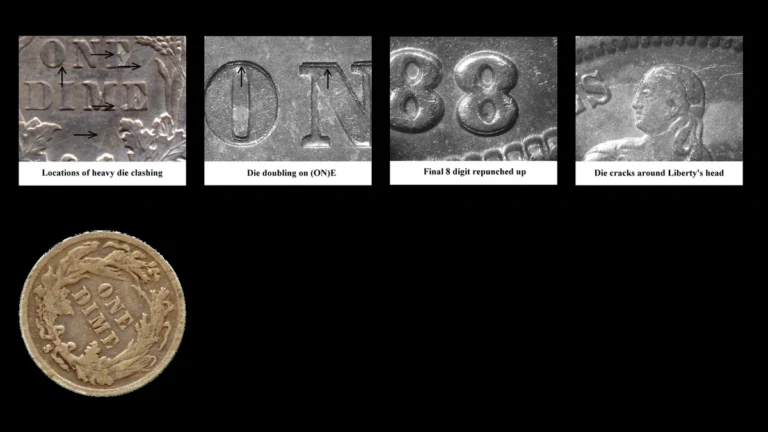
The year guide reports minor doubling without one established mint or diagnostic position. A genuine doubled die would carry a repeatable extra shape in the tool itself.
That differs from flat mechanical doubling caused during striking. Glare and worn dies can also make ordinary letters look thick.
How to Identify
Choose one suspected feature and photograph it under two light angles. Compare with a normal 1998 dime before using a variety from another year.
Look for a formed extra outline rather than a flat ledge. A second coin with the same mark can help, but the surrounding design must also fit.
What It’s Worth
$15–$100 is an estimated range for a genuine minor doubled-die example. A clear feature that can be photographed is more useful than general blurry lettering.
The estimate requires an identified repeated design. It does not assign a premium to every thick letter or worn edge.
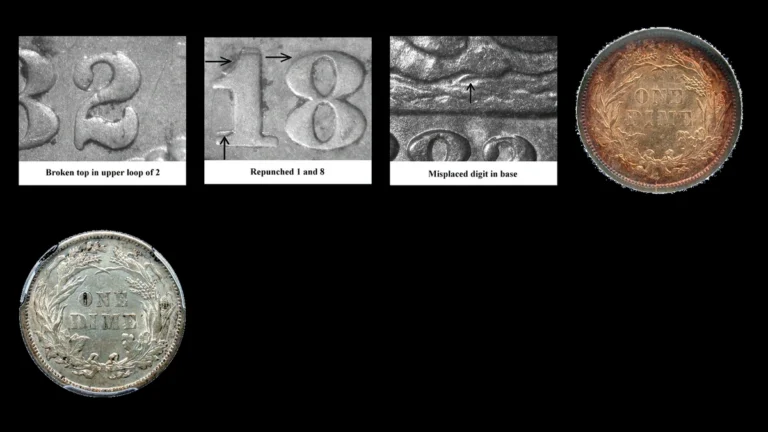
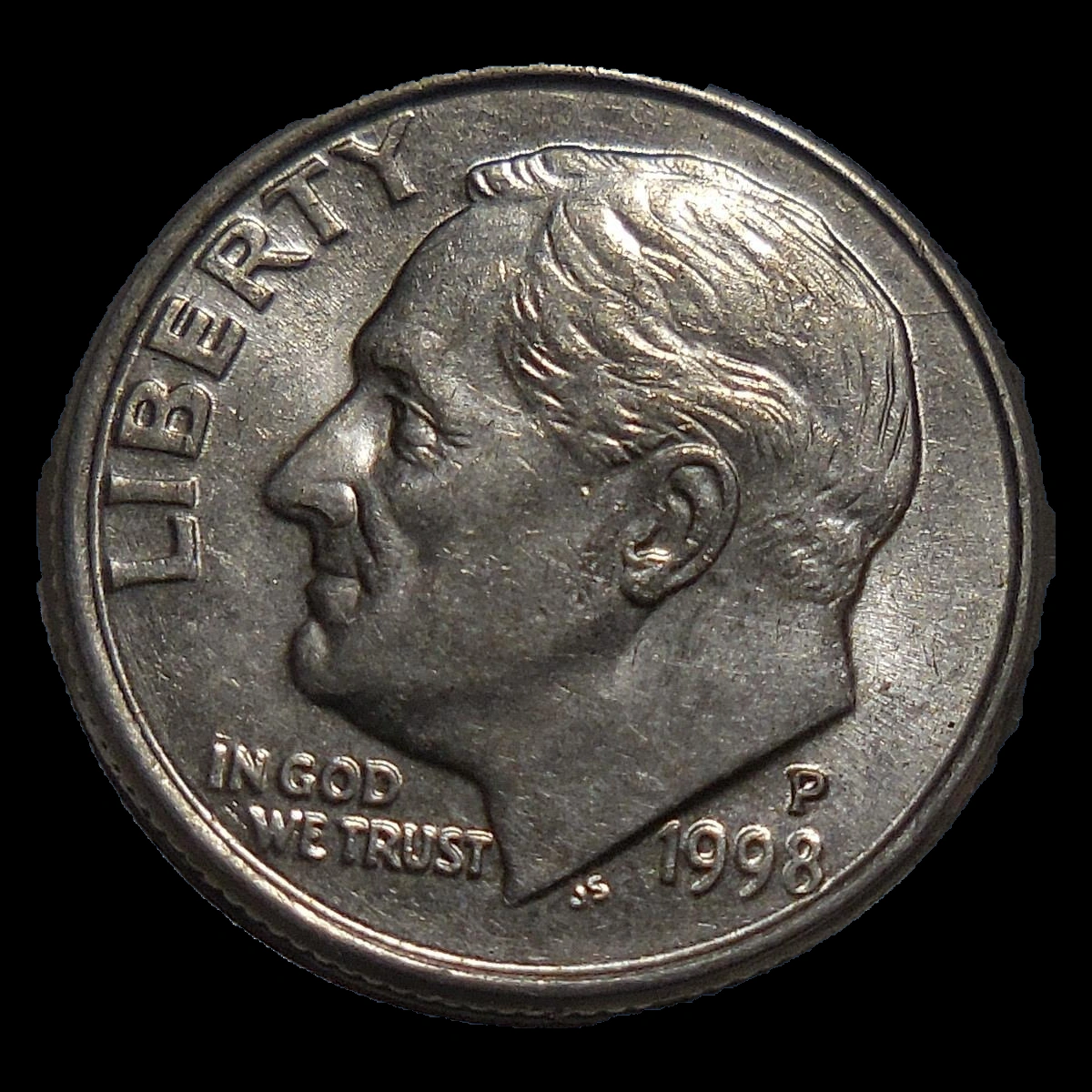
12. 1998 Dime Raised Lines or a Rim Lump: Die Cracks and Cuds Error
A cracked die can produce a thin raised ridge. If a larger piece breaks from its edge, the coin can develop a rim-connected lump called a cud.
The general 1998 report does not supply one fixed portrait or torch location. Inspect the actual feature rather than a guessed position.
How to Identify
Light a thin line from the side to separate a ridge from a scratch. Check for a cut next to pushed-up metal.
For a cud, follow the lump into the rim and inspect its boundary for solder or other added material. Weakness opposite a large break may support the comparison, but is not proof by itself.
What It’s Worth
$5–$200 is an estimated range from small cracks to clear rim breaks. Tiny lines on worn coins usually stay near the low end.
A larger original lump that interrupts the design is easier to appreciate. Corrosion or material stuck to a dime does not qualify merely because it forms a raised spot.
Conclusion
Start by deciding whether you have one coin, a matched pair, or an intact bonded group. The unusual relationships between pieces can be central to their value and should be preserved.
The estimated $5–$12,000 range covers those complete objects. Keep wrong-stock metal, a missing outer layer, and repeated-strike shapes separate, then use the actual specimen’s measurements and documented history for the comparison.