Rare 2008 Nickel Errors (List & Pictures)
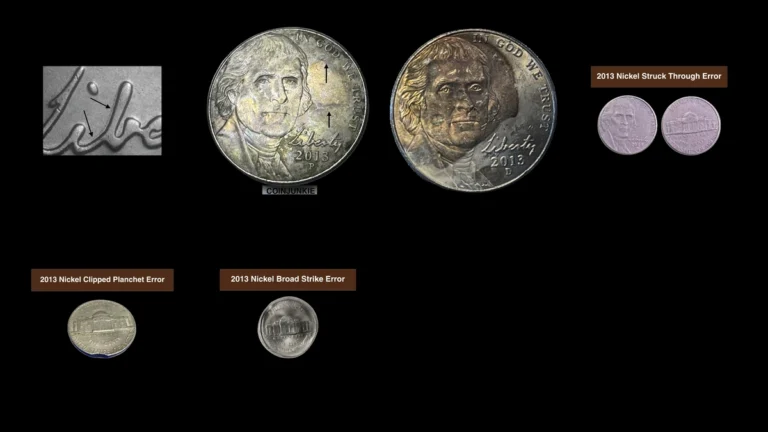
Some 2008 nickel errors change the entire outline; others hide inside Monticello’s doorway. The supplied estimates range from $3 to $400, with identification depending on the feature, mint, finish, and condition.
The highest supplied auction comparison is $124 for a 1997-P curved-clip nickel in March 2025, not a 2008 sale. Work from missing or expanded metal toward alignment and small surface details to decide which comparison fits.
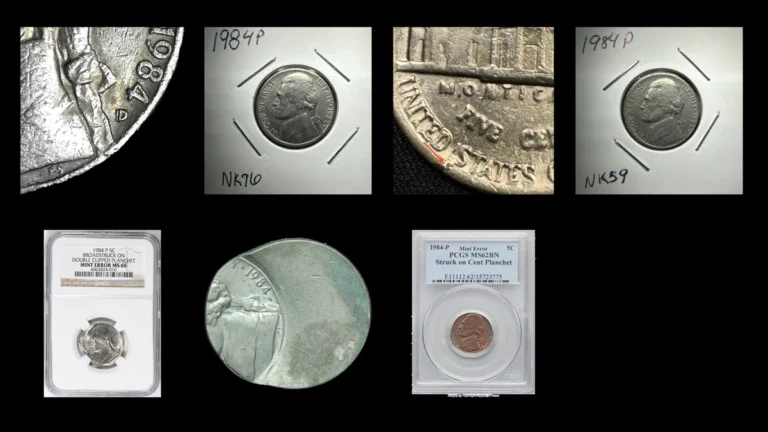
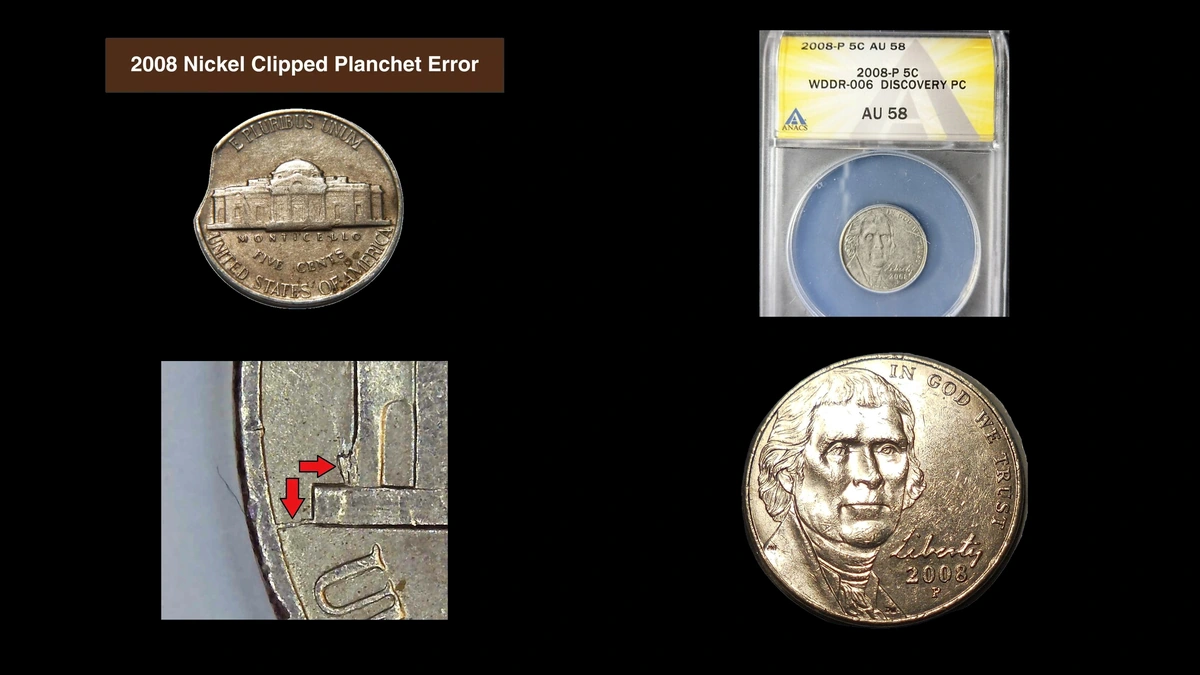
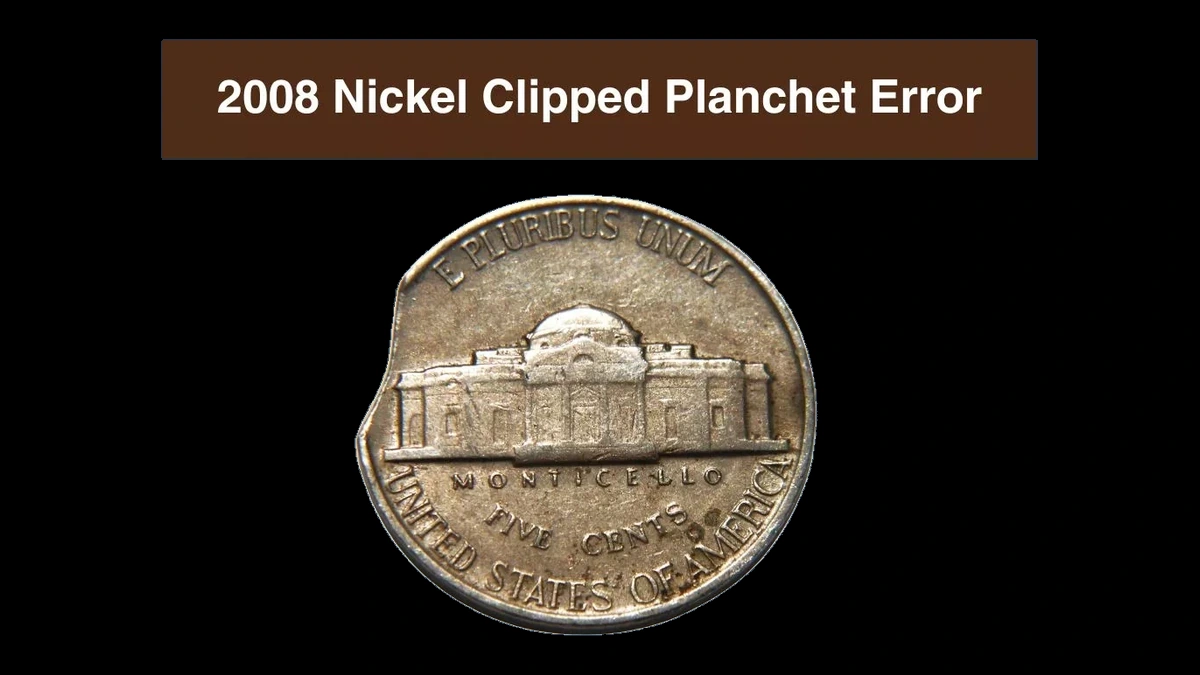
1. 2008 Nickel One or Two Curved Gaps: Clipped Planchet Error
A curved gap can be present before a nickel receives its design. The blanking punch may overlap an earlier hole in the metal strip, producing an incomplete disc; more than one overlap can leave two gaps.
The supplied 2008 reports describe a Philadelphia coin with one curved clip and a separate Denver coin with two. The Denver example is NGC MS62 with six full steps, a designation describing staircase detail rather than another error.
How to Identify
Examine both ends of every gap for the way the struck metal meets the missing section. Cutting marks or displaced metal may expose a later alteration, while weak rim detail opposite a clip can provide supporting evidence.
A normal nickel weighs 5 grams, measures about 21.21 millimeters, and has a plain edge. A clipped piece normally weighs less, but neither weight alone nor the number of gaps establishes an exact clip percentage.
Do not reject a clip solely because opposite-rim weakness is faint. On the reported double clip, each opening still needs its own examination.
What It’s Worth
$15–$200 is the supplied estimate for genuine 2008 single or double clips. A 1997-P nickel with a 20% curved clip brought $124 in March 2025, providing an earlier-year comparison with one reported gap.
Two small openings need not command more than one dramatic clip. The MS62 and six-step labels describe the condition and strike of a particular coin, not a price for each missing section.
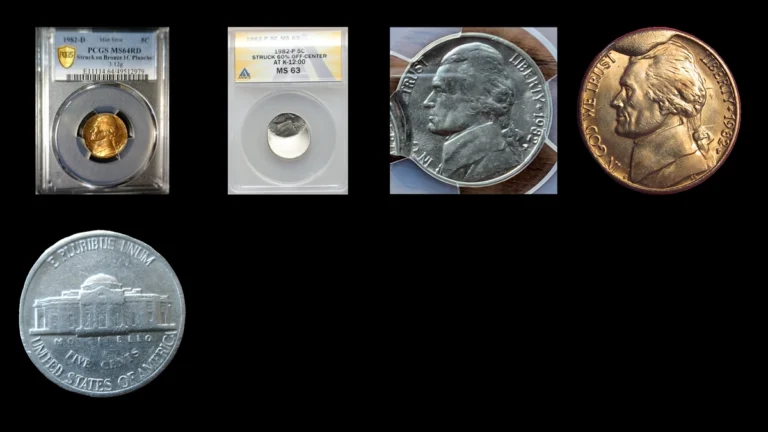
2. 2008 Nickel A Blank Crescent Beside the Design: Off-Center Strike Error
An intact crescent without design indicates a different problem from missing metal. A blank sitting partly outside the dies receives only part of the intended impression, leaving an unstruck area and cutting off design elsewhere.
The reported 2008-D example is described as 15% off center. That percentage belongs to the described coin, not to every displaced 2008 strike.
How to Identify
Use a fixed edge position to compare the two faces and confirm that both reflect the misplaced blank. A shift confined to one face may instead involve a misaligned die.
The blank crescent should retain metal, with no flattened lettering suggesting that an existing design was hammered away. Record which parts of the date and mint letter survive before estimating value.
What It’s Worth
$30–$400 is the supplied range for genuine 2008 off-center nickels. A clear date, attractive surfaces, and an obvious displacement generally make a coin easier to collect.
A 1999-P described as 15% off center sold for $64 in March 2025. The similar percentage helps comparison, but the year, mint, and individual coin remain different.
3. 2008 Nickel Extra Metal Outside Complete Designs: Broadstrike Error
A reported 2008-D broadstrike has an expanded outline while retaining the full design. The metal spread because the collar, the ring that normally controls the coin’s diameter, did not contain it properly.
How to Identify
Check for complete portrait and building details before judging the wide border. Spreading may be uneven, and some rim can survive, so neither perfect centering nor a completely rimless appearance is required.
| Outline clue | What to examine next |
|---|---|
| Actual curved opening | Clip boundary and neighboring rim |
| Blank metal beside a cut-off design | Matching displacement on both faces |
| Expanded metal around complete designs | Broadstrike surfaces and overall width |
Measure the width in more than one direction and inspect the outer surface for repeated impacts. A nickel hammered flat after minting may be wide too, but its damaged design and impact marks tell a different story.
What It’s Worth
$40–$300 is the estimate for a genuine 2008-D broadstrike. Pronounced spreading and clean, complete designs support stronger interest.
A 1999-P graded PCGS MS63 sold for $89 in March 2025. That unworn but marked coin is an example from another year and mint, not a 2008-D transaction.
4. 2008 Nickel The Reverse Stays Sideways After a Flip: Rotated Dies Error
Coin shape may look ordinary even when the two designs have the wrong relationship. The reported 2008-P rotation places the faces about 90 degrees, or a quarter-turn, away from their expected alignment.
This happens when a die turns around its axis. It changes the reverse’s direction relative to the portrait, rather than pushing the design toward the edge.
How to Identify
Hold Jefferson upright and turn the nickel from top to bottom without adding a sideways twist. Monticello should finish upright on an ordinary coin; repeat the movement to see whether the suspected tilt is consistent.
A short recording of the controlled flip is more informative than two independently rotated photographs. Inspect the edge for a seam or other alteration if the relationship looks unusual.
What It’s Worth
$40–$300 is the supplied estimate for genuine 2008-P rotations. Angle, condition, and how clearly the error can be demonstrated affect the comparison.
A 2015-D graded PCGS MS64 with a 90-degree clockwise rotation sold for $79 in October 2021. Its direction should not be assigned to the reported 2008-P, for which the supplied description gives an angle but not a direction.
5. 2008 Nickel Added Shapes Inside the Doorway: Doubled Die Reverse Error
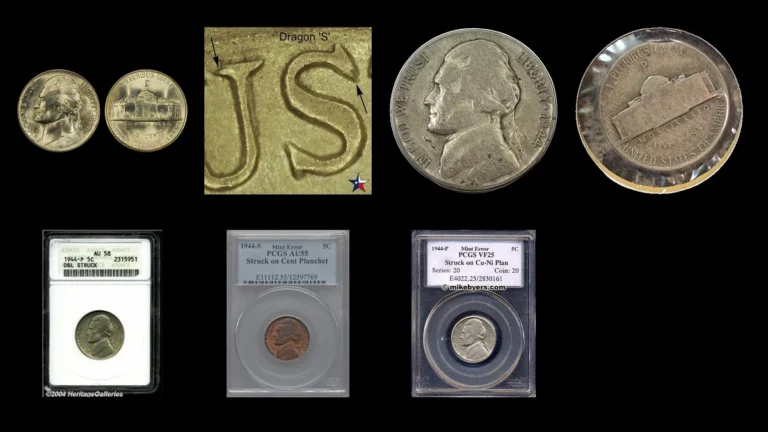
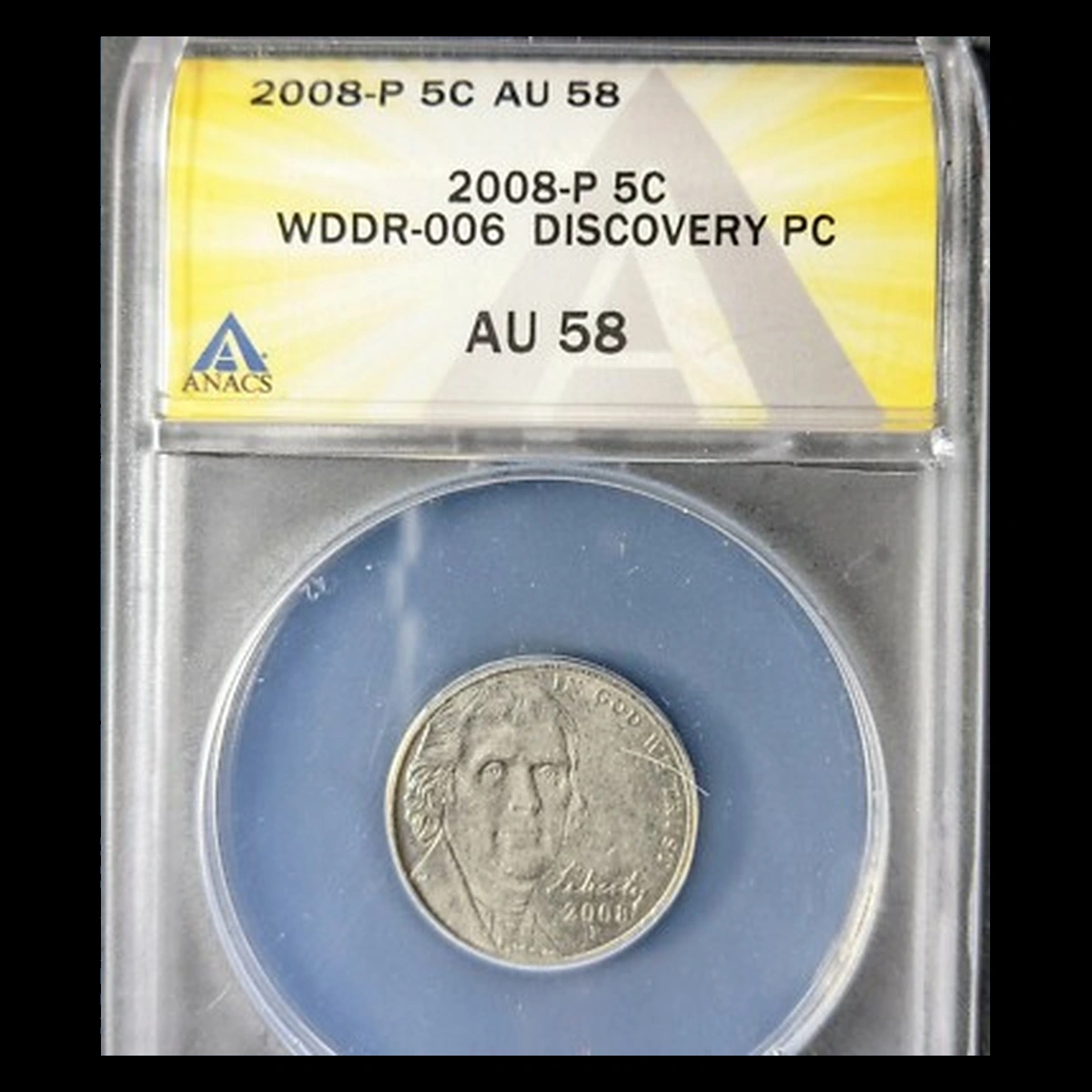
The central doorway is the place to inspect on listed 2008-P doubled-die varieties. Added shapes occur below the upper frame or beneath the triangle above the doorway, depending on the particular variety.
These details originate in the die while it is made. A coin can therefore receive the repeated feature in one strike, without going through the press twice.
How to Identify
Match the exact shape and its attachment point with the 2008-P variety photographs. Keep the frame and the triangle distinct, and do not combine details from different listed varieties into one identification.
Change the direction of the light to separate a fixed raised feature from glare. A flat mechanical shelf is also different from the listed tool-made additions.
Philadelphia produced both ordinary circulation coins and satin-finish Mint set coins in 2008. The P mintmark and a doubled doorway do not, by themselves, identify which finish a coin has.
What It’s Worth
$5–$125 is the supplied estimate for a matched 2008-P doorway variety. Strong detail on an unworn coin generally makes a more useful comparison than a faint shape on a worn piece.
Compare the same variety and finish where possible. No specific 2008 auction result accompanies this range.
6. 2008 Nickel A Raised Ridge or a Filled Spot in the Date: Die Cracks and Chips Error
Extra raised metal can record a crack or small missing piece in the die. Metal pressed into the damaged area leaves a ridge or lump on the struck coin.
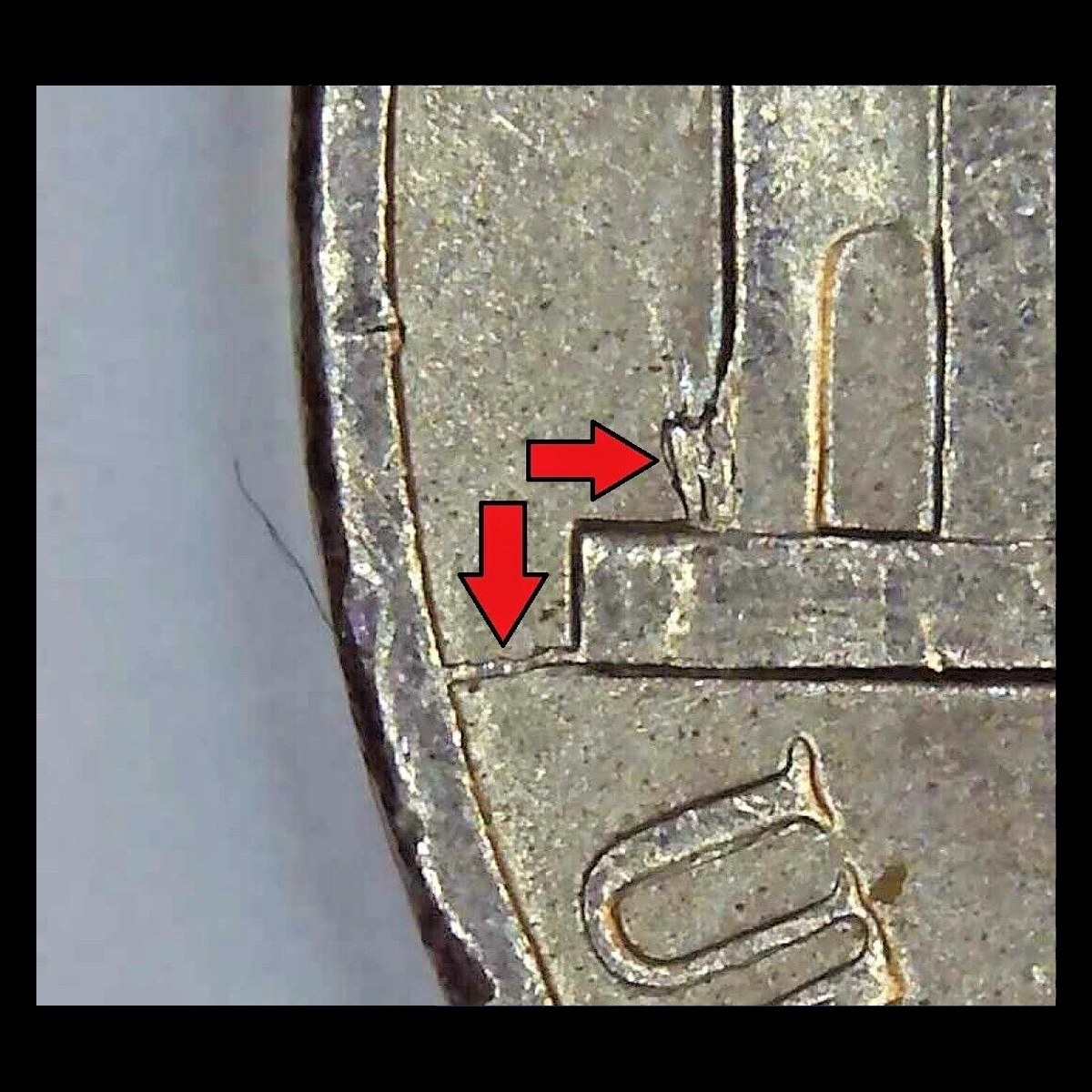
The Denver report concerns a reverse crack, while a Philadelphia variety listing describes a chip inside the 2 of the date. That small P chip can also help identify one doorway-doubling variety.
How to Identify
Under side lighting, check whether the suspected crack rises above the surface instead of cutting into it. For the P chip, inspect the inside of the 2 and compare its raised addition with the listed marker.
The P date chip does not identify the path of the D reverse crack. Keep the mint and location attached to each observation, and rule out residue or metal pushed upward by a dent.
What It’s Worth
$3–$60 is the estimate for small genuine 2008 cracks and chips. Their visibility and the surrounding surface condition matter more than simply finding any raised speck.
A marker associated with doorway doubling belongs to the same whole coin. Its presence is not a reason to add two full estimated values together.
7. 2008 Nickel Part of Jefferson Appears Near Monticello: Die Clash Error
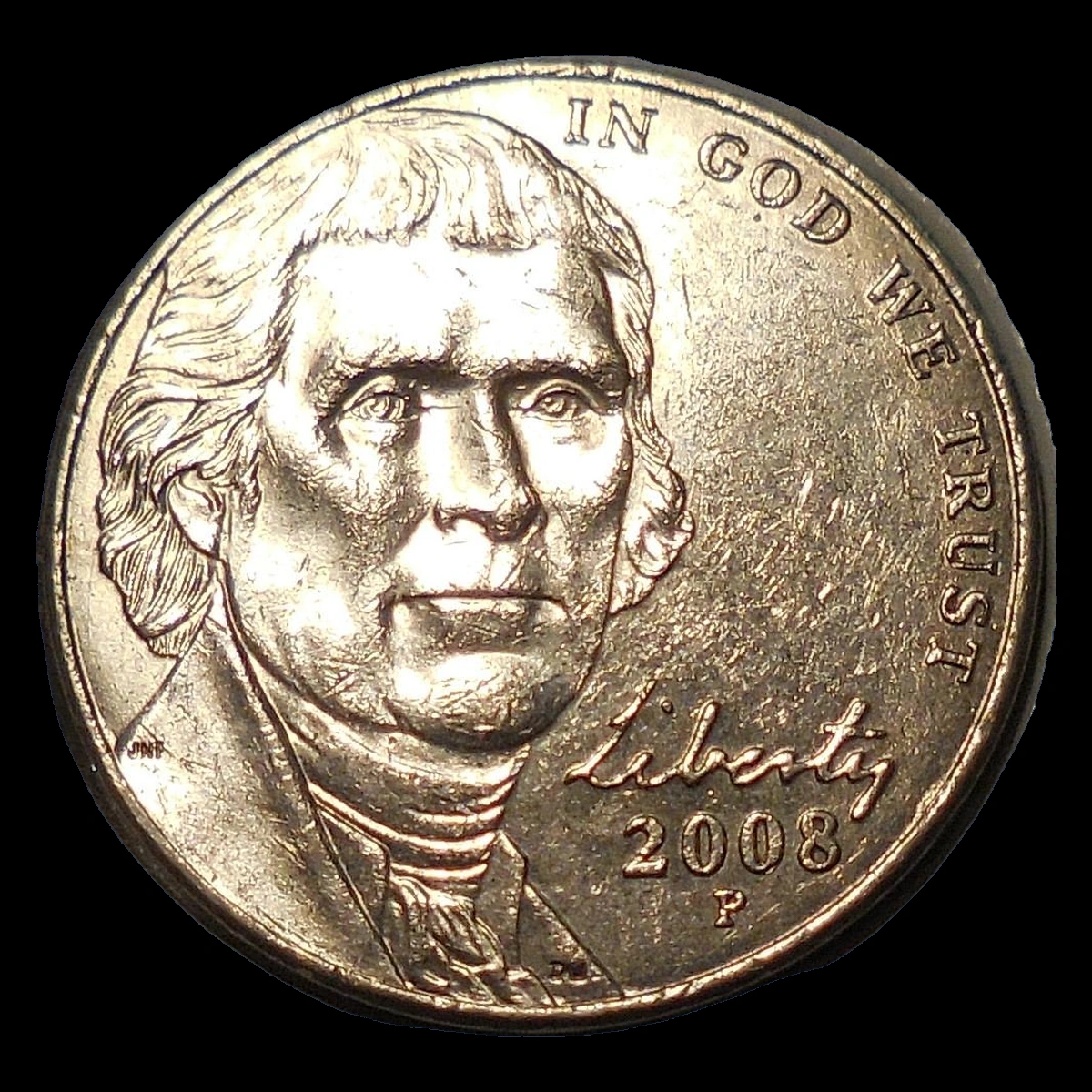
A reported 2008-P clash leaves an unexpected portrait-like outline on the reverse. Its shape comes from contact between the two dies when no blank separated them, followed by transfer of the resulting marks to later coins.
How to Identify
Try to connect the reverse fragment with a specific part of the front design. A line that does not match the opposing design is weak evidence, even when it looks unusual under magnification.
Clash marks are partial transferred traces, not proof that a finished nickel was flipped and struck again. Their relief should be judged on the actual coin rather than by a rule that every genuine clash must be deeply recessed.
A broad backward impression or signs of compression may require a different explanation, including later contact between coins. Photograph the full reverse so that the trace can be assessed in context.
What It’s Worth
$5–$75 is the supplied estimate for recognizable 2008-P clashes. A coherent portrait fragment on an attractive surface is more persuasive than several disconnected marks.
No individual sale is supplied for this report. Identification must establish the transferred design before an error premium is considered.
8. 2008 Nickel Unusual Surface Color: Reported Improper Annealing Error
An abnormally colored front is reported on a 2008-P as an annealing error. Annealing heats a blank to soften it before striking, and abnormal conditions can change the surface that later receives the design.
How to Identify
Compare the front, reverse, and edge in neutral light without rubbing the coin. Record the distribution of color and any pitting, residue, or disturbed detail; neither an even color nor a patchy one proves the cause.
Later heating, chemicals, and environmental exposure can produce similar appearances. A nickel is made of a uniform copper-nickel alloy, so a missing outer nickel coating is not the explanation.
Account for the ordinary or satin finish when comparing photographs. Normal dimensions cannot settle the origin of a surface change, which may require expert examination.
What It’s Worth
$30–$350 is the estimate for an authenticated 2008-P annealing error. The range does not apply automatically to a discolored nickel.
A 2005-D Bison nickel with improper annealing sold for $119 in December 2022. That earlier design offers a comparison for a recognized mint heating error, not confirmation of the reported 2008 coin.
Conclusion
Let the physical feature guide the description of a 2008 nickel: a missing gap, an intact blank crescent, and an expanded border each tell a different story. For smaller features, preserve the exact location and match the listed pattern.
Record the mint and finish alongside the error, and keep grade labels separate from its cause. These distinctions make the supplied estimates useful without treating every unusual-looking nickel as a confirmed rarity.