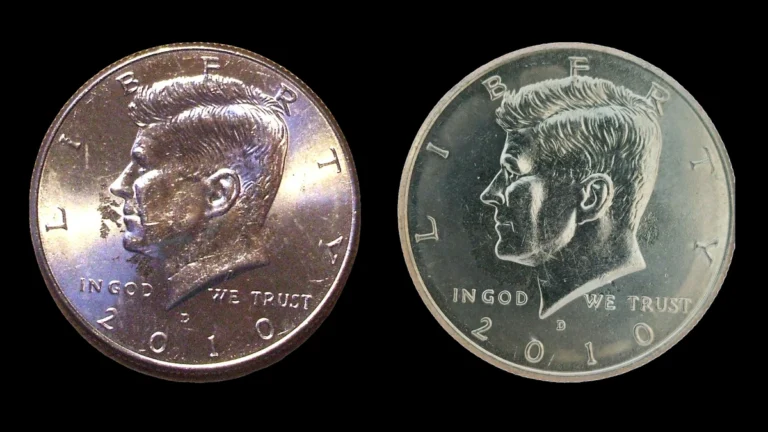
Rare 2016 Half Dollar Errors (List & Pictures)
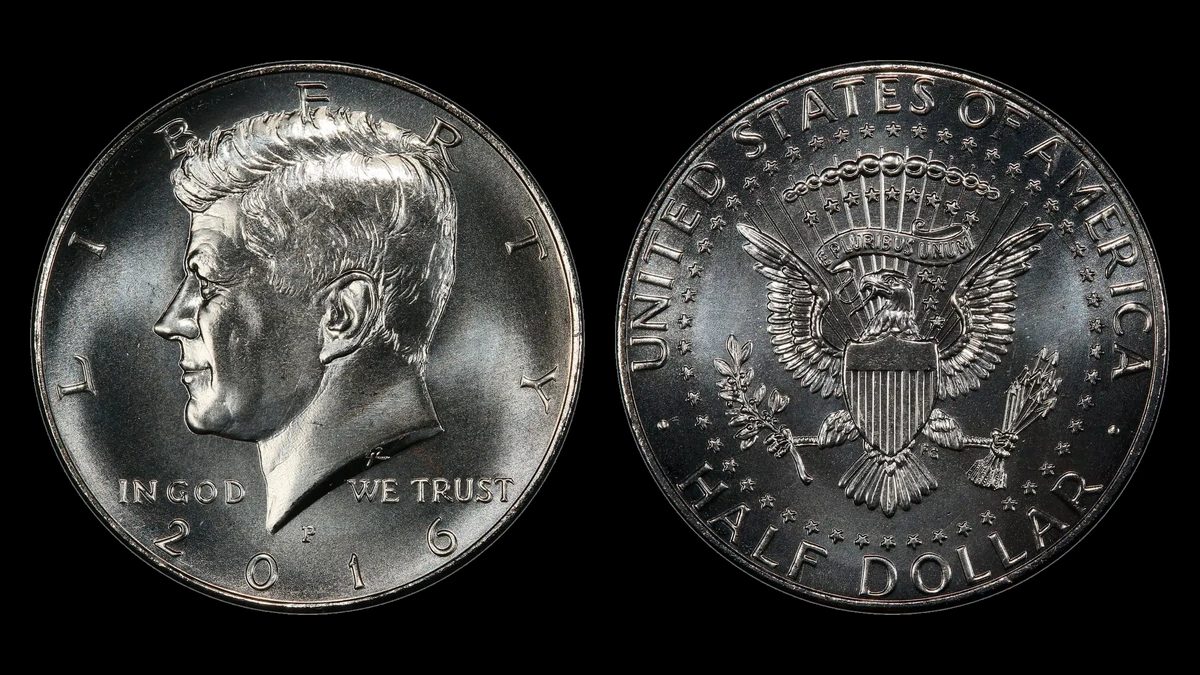
A strange line and a lopsided design call for different tests. This guide to 2016 half dollar errors explains reported die cracks and off-center strikes, with estimated values of $5–$500.
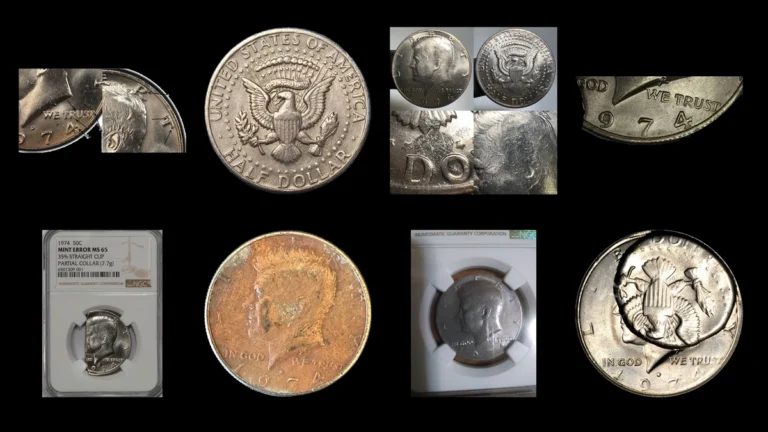
A 1976 Kennedy half struck off center sold for $480 at Heritage in December 2025. That other-year sale helps frame the estimate below; it is not a 2016 auction record.
First decide whether the unusual feature is a small surface ridge or a shift of the entire design.
2016 Half Dollar A Raised Line on the Surface: Die Crack Error
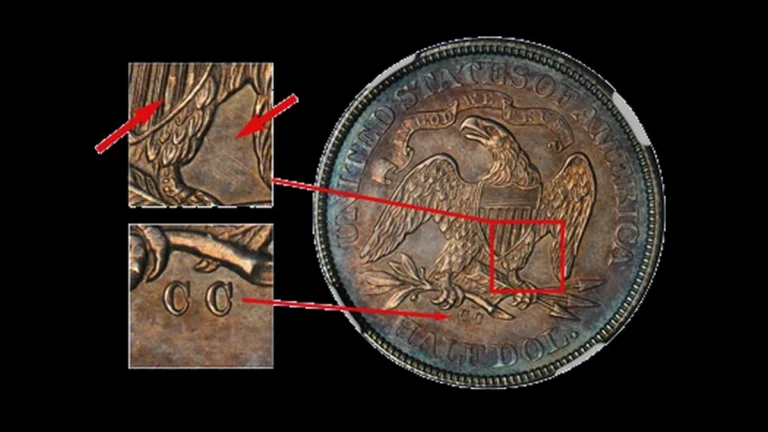
Run your eyes along the line without rubbing the coin. A narrow ridge above the surface can record a break in the die, the steel tool that stamps the design.
During striking, metal can flow into that opening. The finished coin then carries a raised copy of the crack.
The 2016 year guide reports this error type without giving one fixed location or mint. There is no single letter or part of Kennedy’s portrait where every candidate must show it.
How to Identify
Hold the coin under a lamp and change the angle of the light. A ridge stands up, whereas a scratch generally cuts down into the surface.
Trace the line with a 10× magnifier. Broad rubbed patches or several parallel cuts can point to cleaning or other damage.
The minor crack discussed here is a narrow raised feature. A large lump from a missing piece of die has a different shape and needs a different comparison.
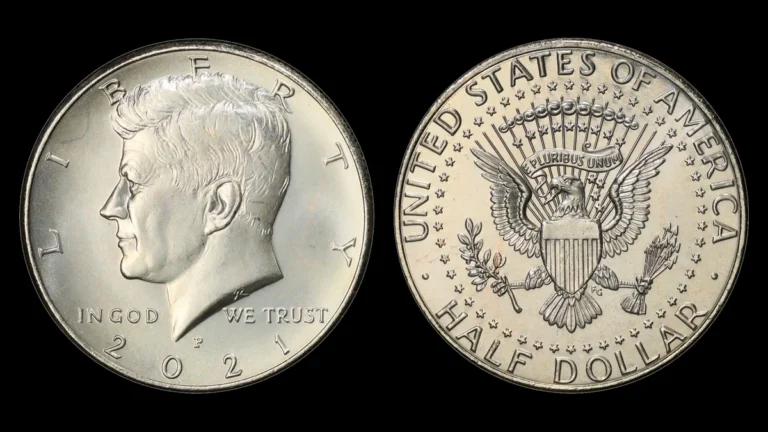
Check the coin version before using its weight as evidence. Regular P and D coins and S clad Proofs weigh 11.34 grams; S Proofs made from 90% silver weigh 12.50 grams.
Clad coins have outer metal layers bonded to a core, while Proofs are specially made for collectors. These 2016 versions measure about 30.61 millimeters across and have grooves around their edges.
What It’s Worth
Estimated range: $5–$50 for a regular clad half with a minor visible die crack. A strong, easy-to-see ridge is usually more interesting to error collectors than a barely visible line.
A supplied different-coin comparison is a 2006-S Colorado quarter with a reverse crack that sold for $47 in July 2022. It was graded PCGS PR69 Deep Cameo, describing a very well-preserved Proof with strong contrast between its design and background.
That quarter has a different denomination and finish. Use it to understand the scale of a small-crack comparison, not as a direct sale price for a 2016 half dollar.
2016 Half Dollar Design Missing Beside Blank Metal: Off-Center Strike Error
If part of the design runs off one edge, inspect the opposite side for an unstruck crescent. The pair of features can show that the blank sat too far to one side when the dies came together.
This problem affects the placement of the designs on both faces. An uneven border on the front alone can have another cause.
The year guide’s off-center discussion uses other modern dates as illustrations. Its example percentage is not an identified certified 2016 specimen.
How to Identify
Read the date directly from the coin. A missing year cannot be supplied by a listing title or by the date of a photograph.
On regular 2016 coins, the P or D sits between Kennedy’s portrait and the date. Keep that area visible along with the entire reverse in your photographs.
Compare both faces for the displaced strike. A shift limited to one face suggests a misaligned die instead of a misplaced blank.
Look closely at the blank crescent for filing or grinding. Removing a finished design does not leave the same surface as metal that the dies never struck.
For a loose regular clad coin, compare its weight with 11.34 grams and its width with the normal 30.61 millimeters. An off-center strike may distort the outline, so the visible date and matching displacement on both faces remain essential checks.
What It’s Worth
Estimated range: $150–$500 for a genuine regular clad 2016 half with a readable date and a shift similar to the comparisons below. The size of the shift and the coin’s condition affect where it fits.
A 1990-P Kennedy half struck ten percent off center sold for $198 in September 2025. NGC graded it MS66, a high grade for an unworn coin.
A 1976 half struck fifteen percent off center brought $480 that December. Its NGC MS64 grade was lower, showing why condition alone does not set an error coin’s price.
Both are actual sales from other years. They support a comparison-based estimate rather than an exact 2016 sale record.
Conclusion
For a fine line, check whether it is raised and trace its path. For an off-center candidate, look for blank metal and a displaced strike on both faces while confirming the readable year.
The estimates are $5–$50 for minor cracks and $150–$500 for suitable off-center examples. Match the coin version and visible feature before using any comparison price.