Rare 1973 Half Dollar Errors (List & Pictures)
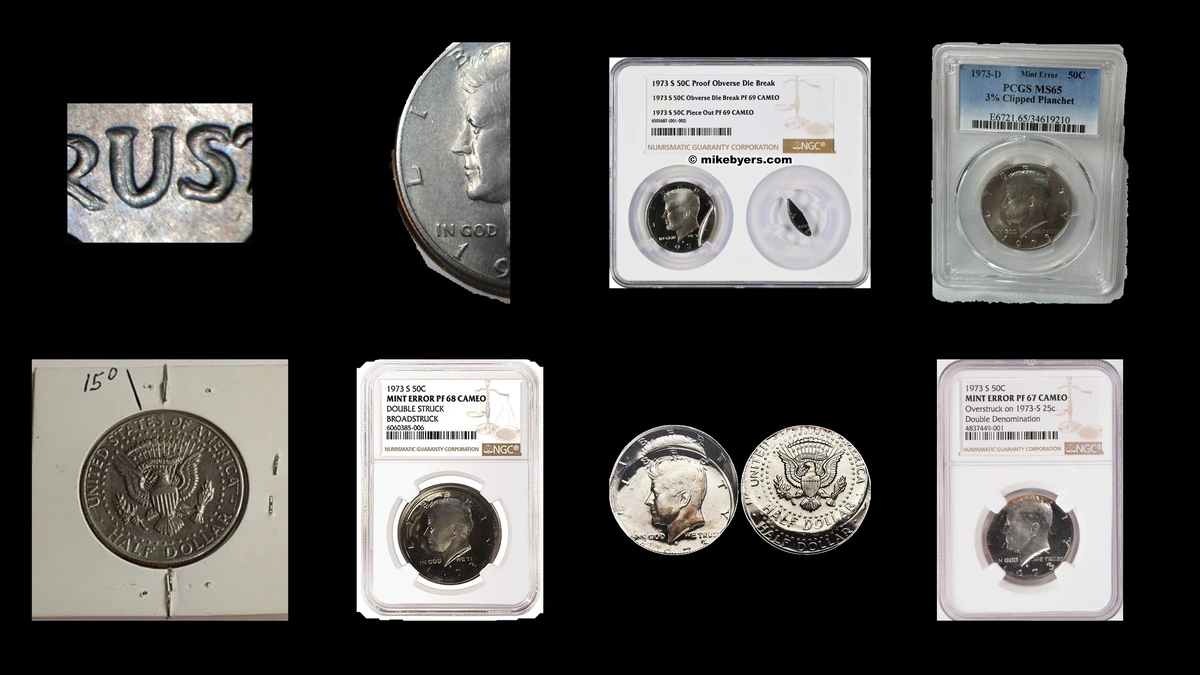
Some of the most striking 1973 Kennedy Half Dollar errors are Proofs, the specially finished coins made for collectors. One Proof with an extra copper disc embedded in its front sold for $16,200 in May 2025.
Across the twelve groups below, estimated values run from $25–$25,000. Begin with letters and rim details, then follow the guide to shifted pictures, abnormal sizes, and added metal.
| Visible clue | Error group | Estimated range |
|---|---|---|
| Rounded extra letters | 1973-D doubled die | $75–$500 |
| Faint opposite-side shapes | Die clash | $25–$1,000 |
| Large lump over Y and 3 | Rim cud | $1,000–$3,000 |
| Two missing arcs | Double clip | $50–$300 |
| Eagle tilted after a flip | Rotated dies | $300–$2,000 |
| Bare crescent | Off-center Proof | $1,000–$2,500 |
| Wide coin with full design | Broadstrike combination | $1,200–$4,000 |
| Several overlapping pictures | Multiple strikes | $2,000–$6,000 |
| Unusual size or metal | Wrong-denomination blank | $600–$25,000 |
| Older quarter detail | Double denomination | $3,000–$7,000 for comparable Proofs |
| Possible older silver metal | Reported 40% silver blank | $1,500–$6,000 if authenticated |
| Extra copper disc attached | Retained blank | $10,000–$20,000 |
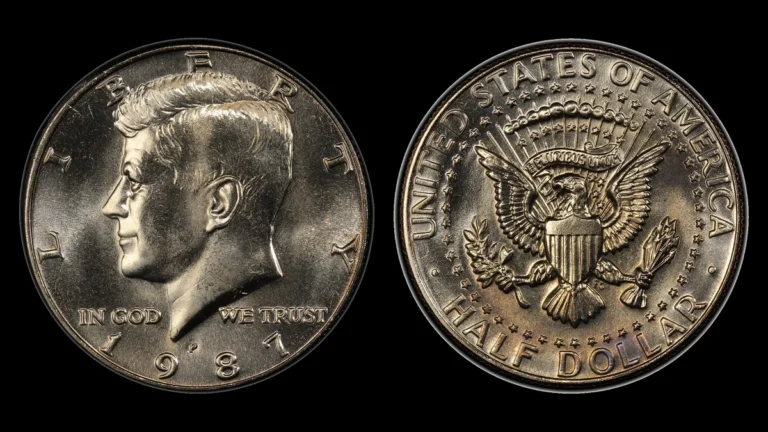
Normal 1973 halves, including S-mint Proofs, are copper-nickel clad coins weighing 11.34 grams and measuring about 30.6 mm. “Cameo” on a Proof label describes frosted design against a reflective background.
1. 1973 Half Dollar The Date and Front Letters Have Extra Edges: 1973-D Doubled Die Error
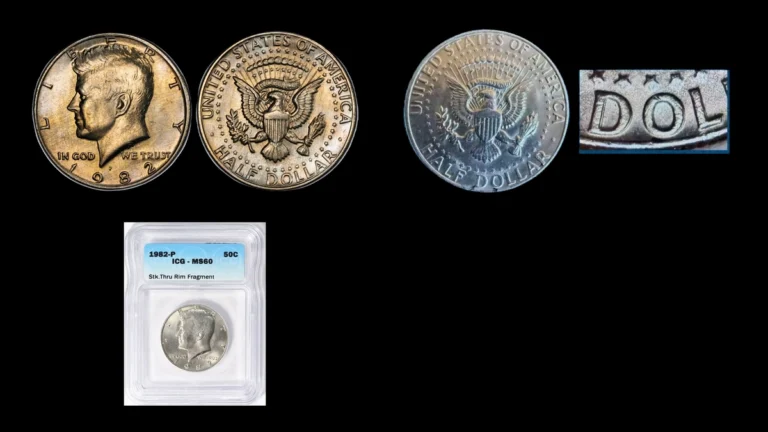
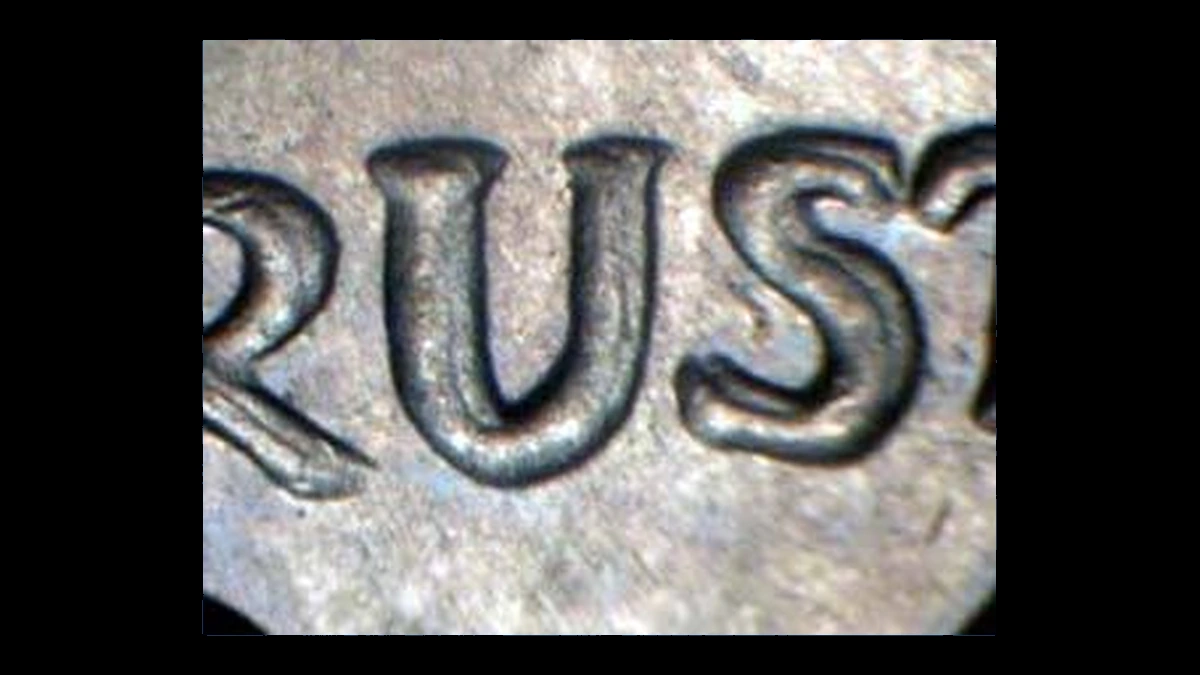
Check LIBERTY, IN GOD WE TRUST, and the date for the rounded extra outlines of FS-101. The die, or steel striking tool, already carried this repeated detail before it made the coin.
A listed ANACS AU58 example also has clash marks. Those marks came from a separate event and are not the doubling itself.
How to Identify
Locate D beneath the neck, then compare several letters and digits with confirmed FS-101 images. Split corners and matching extra contours are better clues than one thick letter.
Move the light to separate real raised detail from glare. A low, flat shelf that cuts into a letter can result from movement during striking and does not identify this variety.
What It’s Worth
$75–$500 is a practical range for confirmed collectible examples. PCGS lists an AU55 FS-101 sale at $167 in January 2020.
AU55 indicates light wear, so an attractive unworn coin needs a different condition comparison. A clash on another FS-101 does not add a fixed bonus to every example.
2. 1973 Half Dollar Faint Eagle Shapes Appear around Kennedy: Die Clash Error
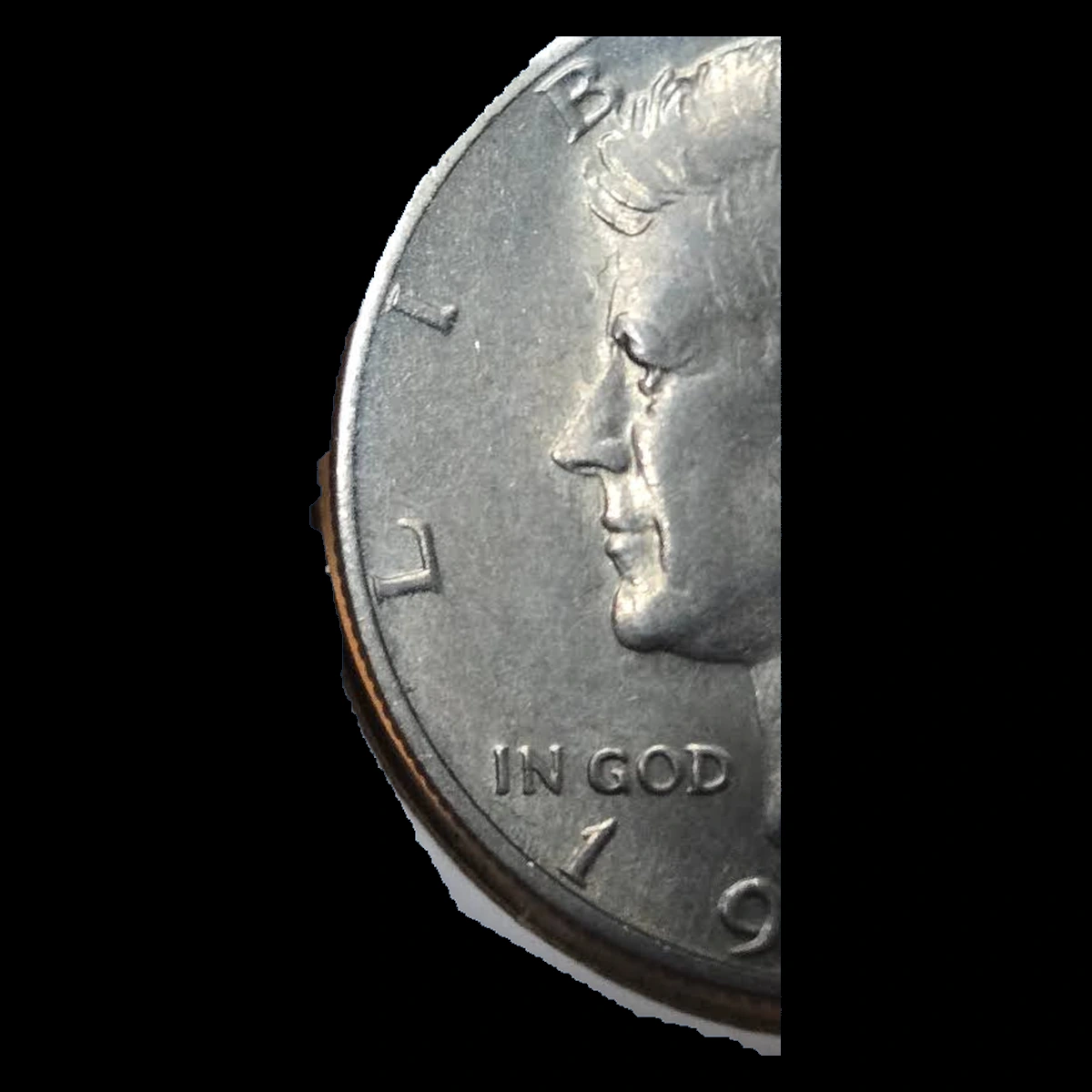
A die clash happens when the two striking tools meet without a blank between them. The collision can leave traces of one design on the opposite tool, which later coins pick up.
The supplied examples include San Francisco Proofs and a Denver FS-101 with a clash description. Their exact transferred marks must be checked separately.
How to Identify
Compare the stray shapes with a correctly oriented view of the opposite design. A recognizable piece of the eagle in the right position is more useful than a random line.
Check whether the mark is raised or pressed below the surface. A sunken backward image from contact with another finished coin needs a different explanation.
What It’s Worth
$25–$150 is a working range for the clash contribution on ordinary strikes. A separate doubled-die variety still needs its own assessment.
For strong Proof clashes, estimate $200–$1,000. Two PCGS PR68 Deep Cameo examples sold for $660 and $720 in October 2022.
3. 1973 Half Dollar A Raised Lump Covers Y and the Final 3: Rim Cud Error
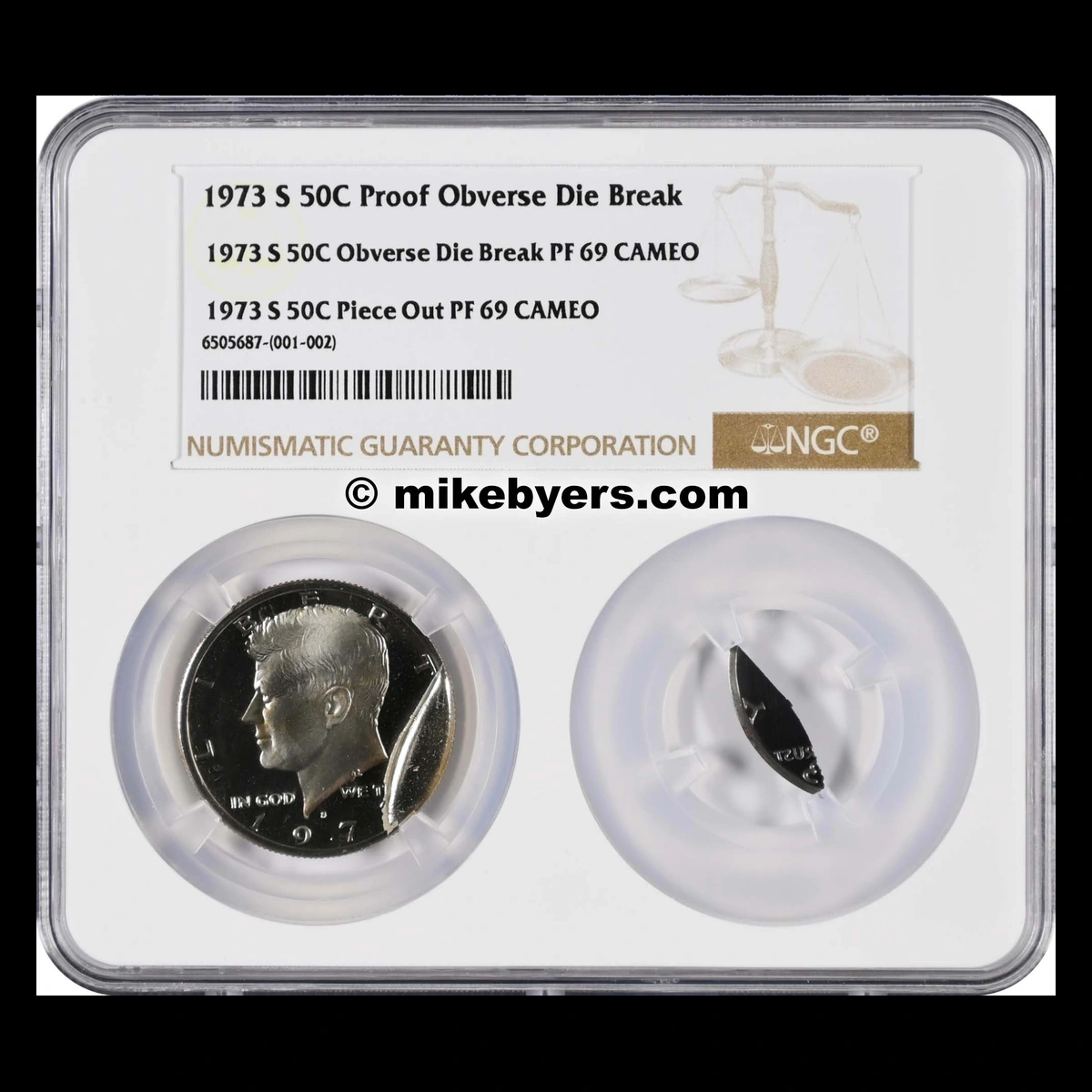
The documented 1973-S Proof has a large lump joined to the right rim, running roughly from two-thirty to five o’clock. It covers the Y in LIBERTY and much of the last date digit.
A piece broke from the die, leaving an empty space that metal could fill. This rim-connected break is called a cud.
How to Identify
Follow the lump into the rim and compare the back directly opposite it. The recorded example has weak back-side detail where the broken tool failed to provide normal support.
Look for an added-metal seam or crushed edge under side lighting. A thin crack or small internal chip does not match this large missing piece of die.
What It’s Worth
$1,000–$3,000 is a suitable range for comparable Proofs with the substantial rim break. The NGC PR67 Cameo example sold for $2,040 in March 2022.
The lump’s size and the condition of the remaining mirrored surface both matter. A small raised line should not inherit this coin’s price.
4. 1973 Half Dollar Two Curved Gaps Break the Outline: Double Clip Error
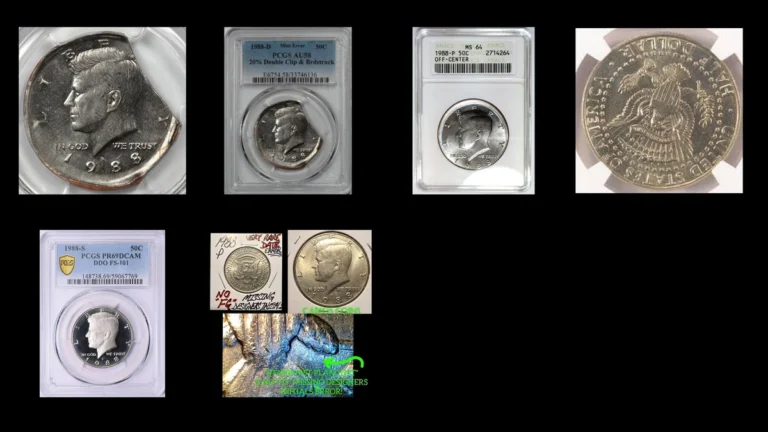
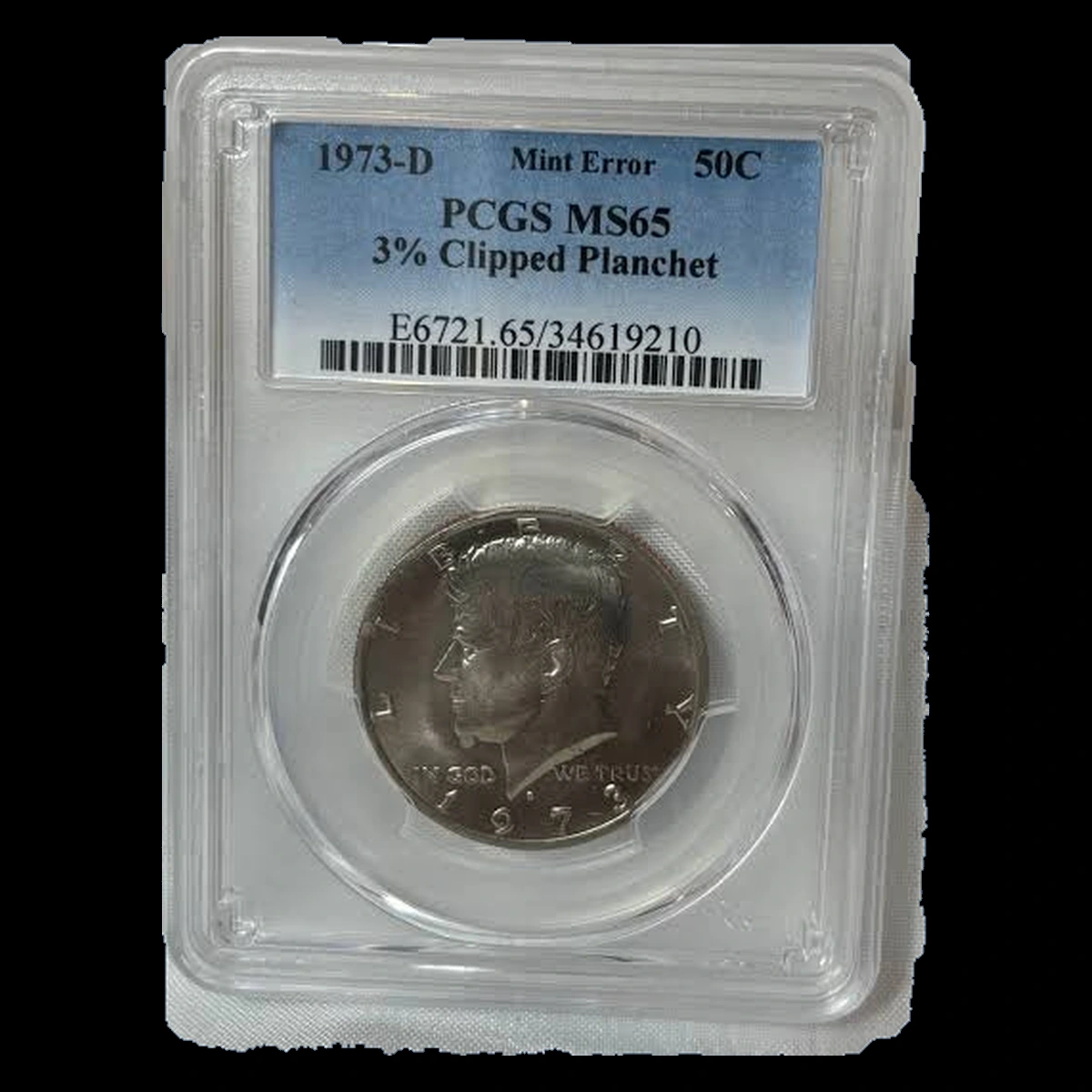
The reported 1973-D double clip lost two sections before striking. This can happen when the blank punch overlaps places already cut from the metal strip.
An ICG MS62 example appears in a seller listing. Its two gaps need individual inspection, because later damage could add a second notch to a genuinely clipped coin.
How to Identify
Examine each gap’s surface and the struck design at both ends. Saw marks, sharp cut lips, or filed surfaces suggest metal removed later.
A weak rim opposite a gap can support a genuine clip, but it is not a guarantee. The two missing sections should also help explain any reduction from normal weight.
What It’s Worth
$50–$300 is an estimated range for a genuine double clip with a readable date. The ICG MS62 listing supplies an example, rather than a completed sale price.
A 1998-D triple clip in PCGS MS63 sold for $99 in March 2025. Its three gaps illustrate why simply counting clips does not determine rarity or value.
5. 1973 Half Dollar The Eagle Stays Tilted after a Flip: Rotated Dies Error
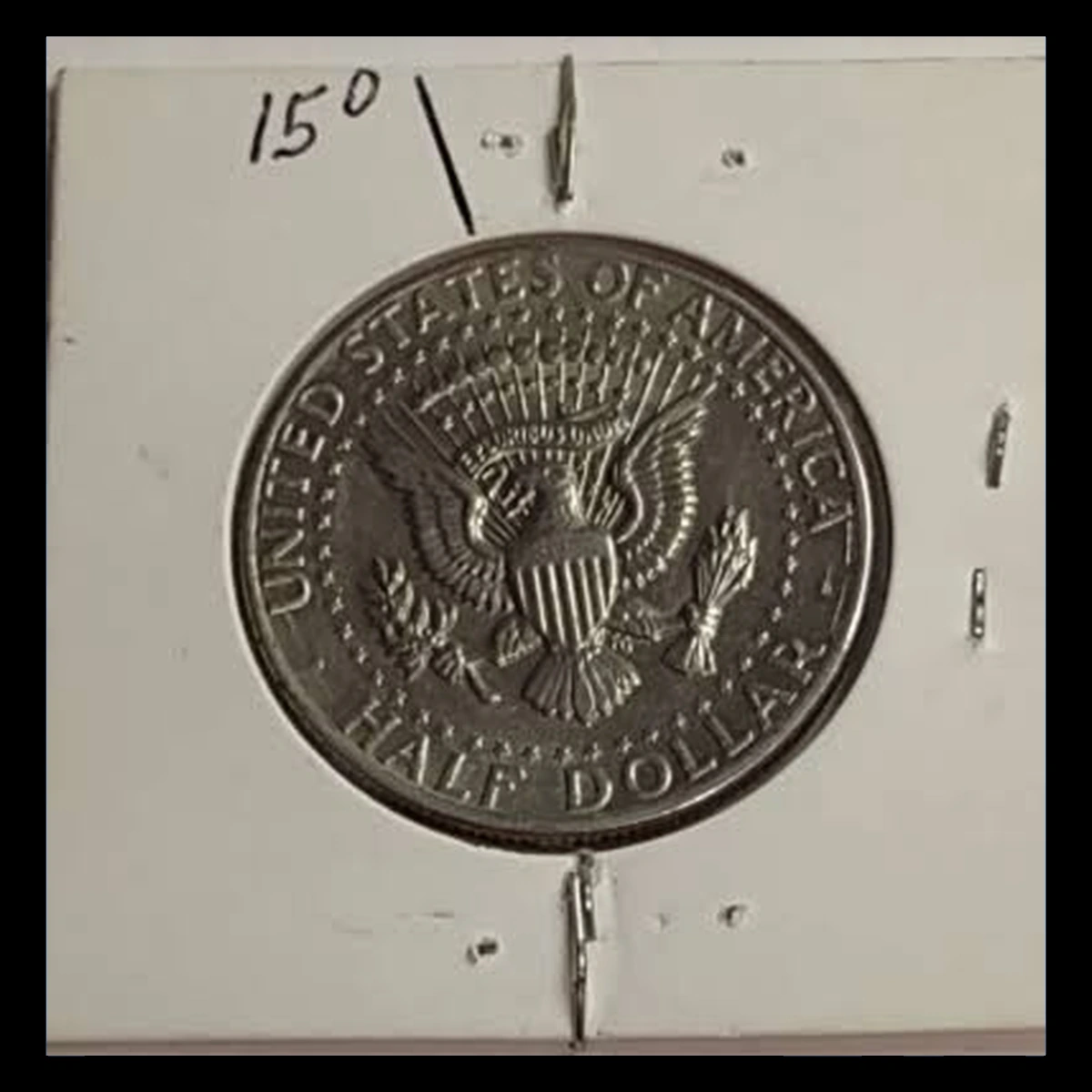
The cataloged 1973-S PR67 Cameo Proof has an unusual angle between its two faces. The error concerns the direction of the complete pictures, rather than repeated detail within them.
How to Identify
Hold Kennedy upright and flip the coin straight from top to bottom without twisting it. The eagle should finish upright; repeat against a fixed vertical line if it remains tilted.
Measure the repeatable tilt instead of guessing from the coin’s position in a holder. The supplied auction description does not state the exact angle of this example.
What It’s Worth
$300–$2,000 is an estimated range for confirmed rotated Proofs. The NGC PR67 Cameo sold for $1,560 in July 2021.
That sale does not establish a half-turn or any other unreported angle. Small tilts and major rotations have different visual appeal and should be priced accordingly.
6. 1973 Half Dollar Untouched Metal Borders a Shifted Picture: Off-Center Strike Error
A recorded 1973-S Proof was struck 10% off center, leaving a bare crescent beside the design. The blank sat partly outside the proper position when the dies came together.
PCGS graded that coin PR66 Deep Cameo. Its off-center strike is separate from the shifted second blows described later.
How to Identify
Find the surviving date and S, then compare the design loss on both faces. A shifted border on only one face may instead come from a misaligned die.
The bare crescent should retain an original surface rather than signs of scraping. Missing design does not mean that a piece of metal has been cut away.
What It’s Worth
$1,000–$2,500 is an estimated range for a comparable off-center Proof. The supplied record identifies the 10% PR66 Deep Cameo without assigning it a sale price here.
A different PR66 Cameo with two strikes and a second blow 25% off center sold for $2,880 in March 2023. Its extra strike makes that a more complex comparison.
7. 1973 Half Dollar The Coin Spreads beyond Its Normal Width: Broadstrike Error
The collar normally controls a coin’s width during striking. When it fails to restrain the blank, metal can spread outward while the complete design remains on the coin.
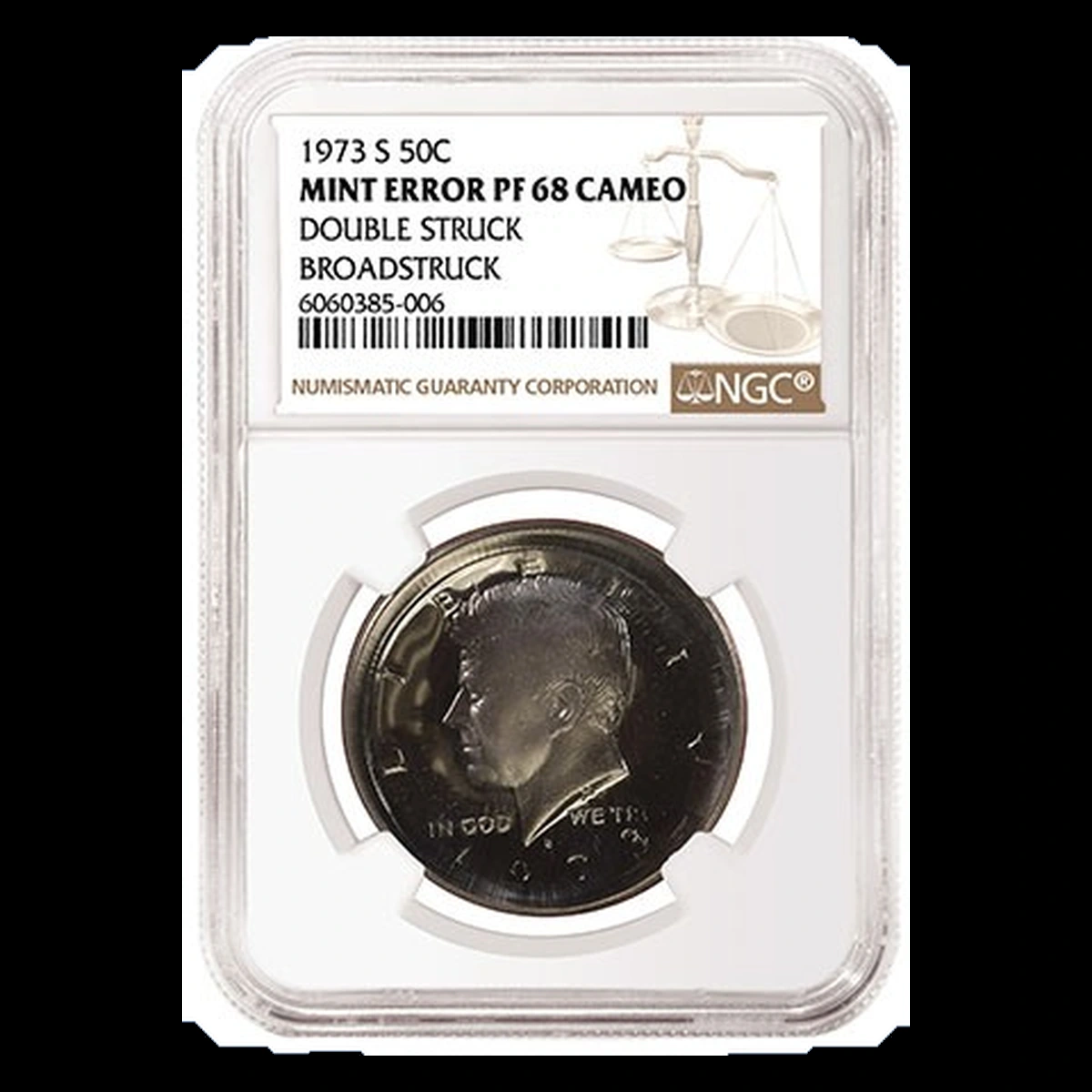
The illustrated 1973-S PF68 Cameo also has slight overlapping details from another blow. Extra width and a second impression describe different features of the same example.
How to Identify
Account for all of the design on both faces and measure the expanded outline. Complete pictures within the wider shape support broadstriking, while design running off the metal adds an off-center component.
The NGC illustrated Proof shows the overlapping detail as well. Earlier edge grooves may survive even if a later blow allowed expansion.
What It’s Worth
$1,200–$4,000 is a working range for similar Proof combinations. A PR68 Cameo broadstrike with a double strike sold for $2,400 in August 2021.
The sale covers one coin with both features. It does not provide separate amounts that can be added to other broadstrike or double-strike prices.
8. 1973 Half Dollar Several Design Positions Cross Each Other: Double and Multiple Strikes Error
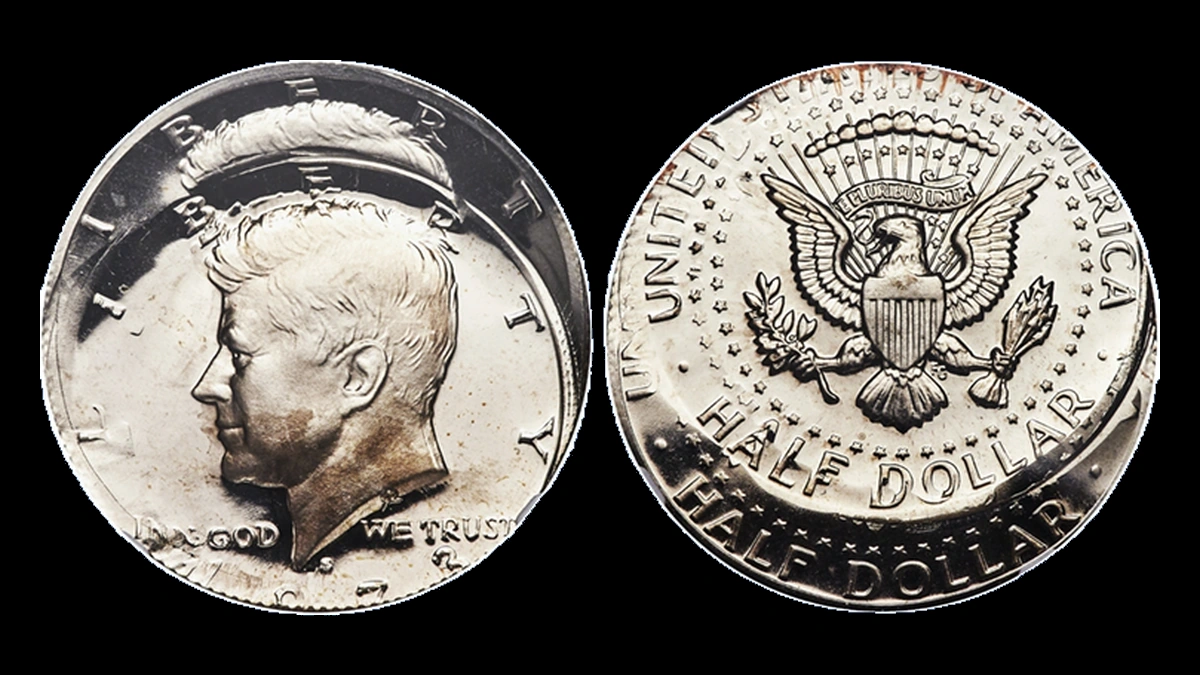
The ordinary repeated blows used to make a Proof are aligned. Error examples instead show movement between blows, leaving separate pictures that cross or partly erase one another.
One PR66 Cameo has its second strike 25% off center toward nine-thirty. A separate PR64 Cameo shows three impressions on each face, with the date and S surviving in the final one.
How to Identify
Track a portrait, date, or group of letters through each visible position. Intersections can show where a later strike flattened an earlier design.
A flip between blows may put parts of the front and back on one face. Rotation and five-strike examples are also reported, but do not assign those histories to a coin without matching evidence.
What It’s Worth
$2,000–$6,000 is an estimated range for the Proof combinations discussed. The shifted double-strike PR66 Cameo brought $2,880 in March 2023, and the triple-struck PR64 Cameo sold for $4,680 in April 2020.
Readable overlaps and a surviving date can matter more than a simple strike count. The supplied five-strike report has no sale price assigned to it.
9. 1973 Half Dollar The Body Has the Wrong Size or Metal: Wrong-Denomination Blank Error
A blank intended for another coin can receive the Kennedy half-dollar design. The supplied 1973 records include quarter, five-cent, Philippine twenty-five-sentimos, Taiwan one-yuan, and oversized clad-dollar blanks.
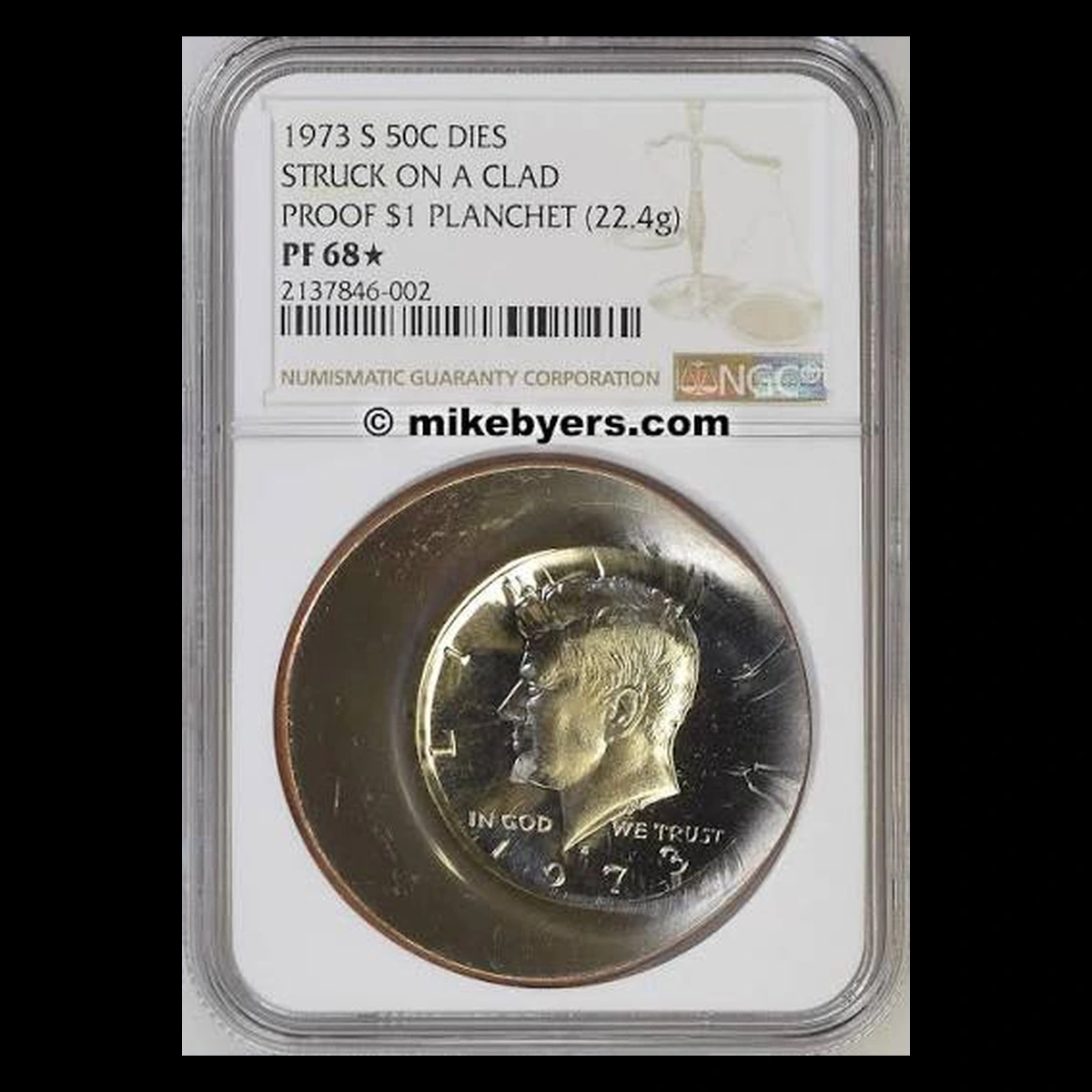
These are separate pieces with very different measurements. The cup-shaped PF68 Star dollar-blank Proof is described by its dealer as deliberately made, but its shape alone does not prove it stuck to a die.
How to Identify
Begin with the actual weight and metal rather than naming the blank from its color. Quarter blanks start near 5.67 grams and 24.3 mm, while nickel blanks start near 5 grams and 21.2 mm.
The reported Taiwan piece weighs 6.1 grams, the Philippine piece 4 grams, and the dollar piece 22.4 grams. Striking can expand their outlines, so final size alone is not enough.
Check the original edge for trimming, plating, or an added ring. Match the measurements and struck shape to the specific certified blank type.
What It’s Worth
$600–$25,000 spans the supplied range, with the unusual dollar-blank piece at the upper estimate. Its listing says sold but does not disclose a price.
The Taiwan MS61 sold for $690 in January 2008, and the Philippine PR67 brought $2,640 in August 2020. A quarter-blank PR67 Cameo sold for $2,880 in August 2021.
10. 1973 Half Dollar Old Quarter Details Survive underneath Kennedy: Double Denomination Error
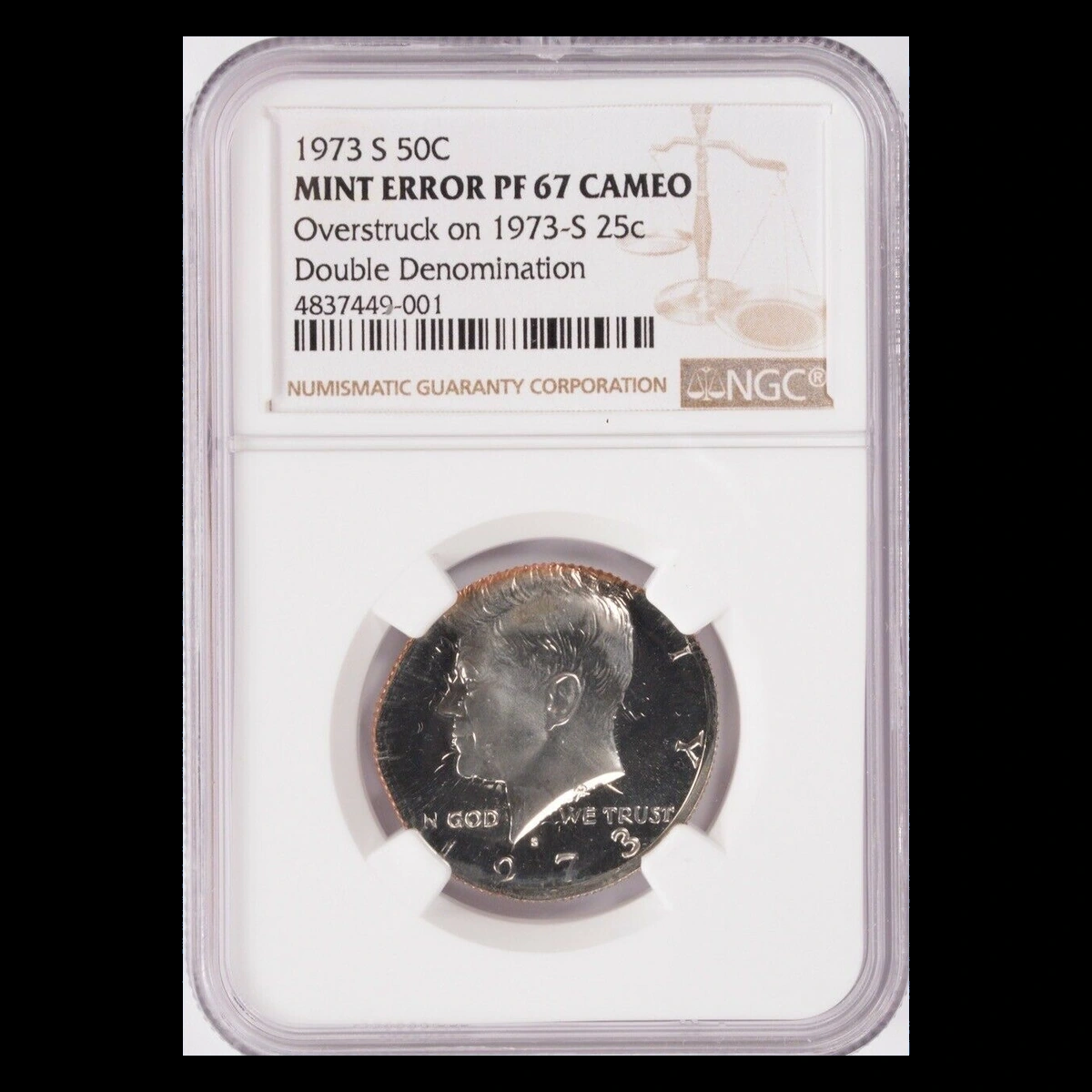
A finished quarter entering the half-dollar press can carry two different coin designs. Collectors call this a double-denomination error, rather than simply a strike on an unmarked quarter blank.
One 1973-S PR67 Cameo retains parts of the quarter’s date and mintmark. Another PR68 Cameo relies on surviving earlier edge grooves and its certified identification after the visible quarter design was lost.
How to Identify
On the described PR67, look for the older 973 near the half-dollar’s 73 and an earlier S near the Y in LIBERTY. Those locations belong to that coin, not every double denomination.
The earlier quarter started near 5.67 grams and 24.3 mm. Its surviving struck details or other convincing evidence must support a finished-coin origin; small size alone cannot.
What It’s Worth
$3,000–$7,000 is an estimated range for comparable confirmed Proofs. The NGC PR68 Cameo sold for $4,560 in May 2023.
The separate PR67 Cameo offered in April 2021 did not sell. A reported 1973-D over a 1972-D quarter needs an ordinary-strike comparison rather than automatically receiving the Proof range.
11. 1973 Half Dollar Testing Suggests an Older Silver Blank: Reported 40% Silver Error
A year guide discusses a possible 1973 half on an older 40% silver blank without identifying a certified example. This proposed mix-up would leave the coin close to normal size.
Normal 1973-S Proof halves are clad, just like regular 1973 halves. Silver Eisenhower dollars from the same period do not establish a silver half-dollar issue.
How to Identify
An older silver-clad half blank weighs about 11.50 grams, only slightly more than the normal 11.34 grams. That small difference needs a calibrated scale and does not prove silver by itself.
Check for plating and have suitable non-destructive metal tests interpreted with the layered construction in mind. Both proposed blanks have about the same diameter and grooved edge.
What It’s Worth
$1,500–$6,000 is a conditional estimate for a professionally authenticated 1973 on the older 40% silver blank. It is not a completed sale for an identified example of this report.
The 1973-S Philippine-blank PR67 sold for $2,640 in August 2020. That documented wrong-material coin provides a related market comparison without proving the silver-blank claim.
12. 1973 Half Dollar An Extra Copper Disc Is Embedded in the Front: Retained Blank Error
The PF67 Proof has a small copper disc pressed into its front while the back appears normal. The copper is additional material, rather than the blank from which the whole half dollar was made.
The reported 1.6 grams describes that small copper piece. It does not identify a standard United States cent blank or give the weight of the complete assembly.
How to Identify
Leave the disc attached and inspect the joined boundary with side lighting. Struck detail and metal flow should explain how the two pieces were pressed together.
Glue, solder, or a later attachment will not provide the same evidence. Dealer Mike Byers’s account of deliberate placement is separate from the visible signs of striking.
What It’s Worth
$10,000–$20,000 is the estimated range for this exceptional retained assembly. It brought $16,200 at Heritage in May 2025, following $10,800 in December 2022.
Those results concern the complete coin with the copper still embedded. A loose copper fragment or copper-colored stain is not a comparable object.
Conclusion
First decide whether the unusual feature changes a letter, an edge, the direction of the faces, or the whole coin’s shape. That keeps a doubled die separate from a moved second strike.
For unusual metal, distinguish an unstruck blank, a finished quarter, and an extra attached disc. Keep the specimen’s mint and finish with its price, because many of the largest 1973 results belong to exceptional Proofs.