Rare 1909 Dime Errors (List & Pictures)
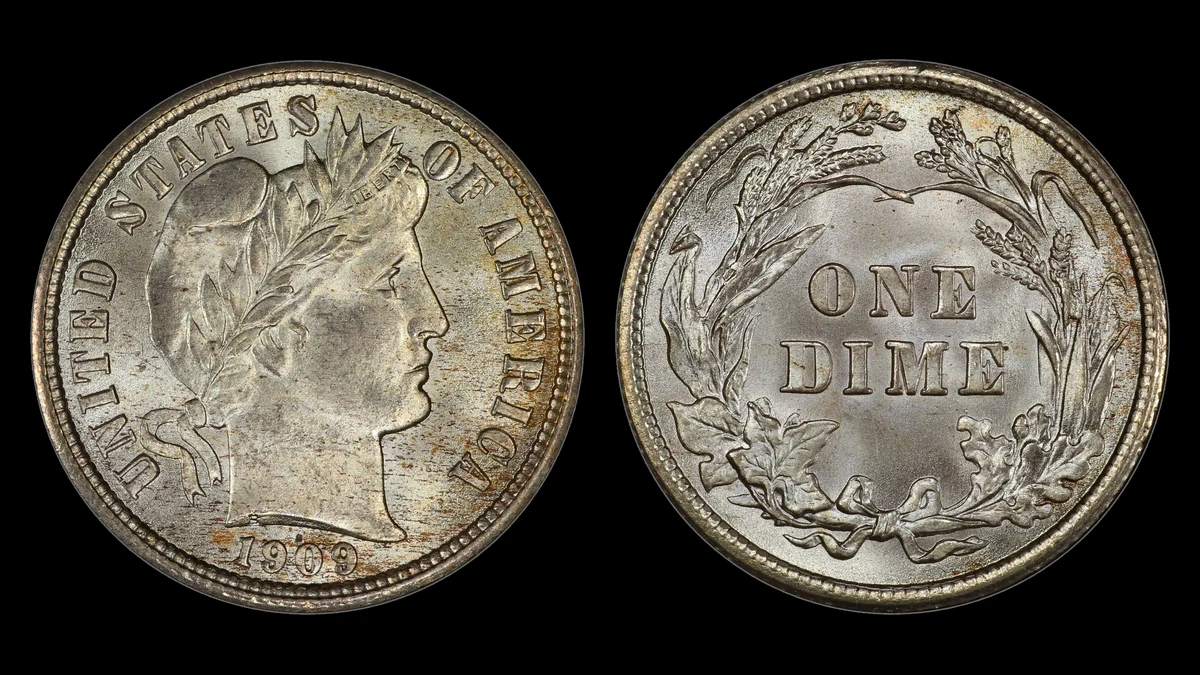
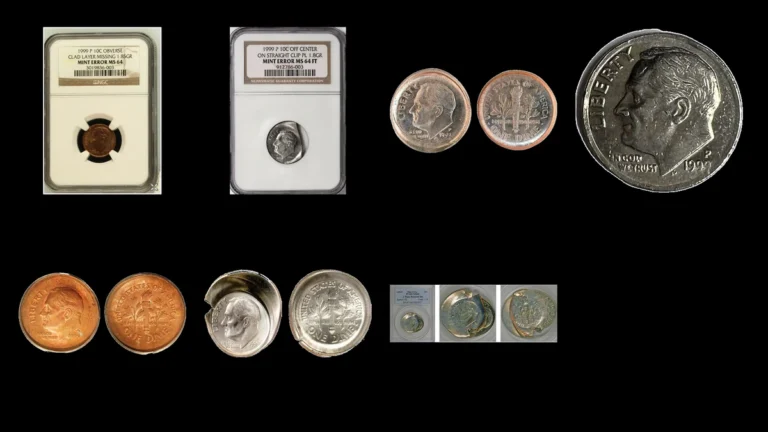
A peeling silver patch needs a different explanation from a scratch across a coin. The reported 1909 Barber Dime error below is a reverse lamination on a New Orleans example, with an estimated whole-coin range of $25–$350.
A better-preserved 1914 reverse-lamination dime brought a reported $317 in June 2026. Use that as a different-year comparison while checking how the metal separated on the 1909-O itself.
1909 Dime Silver Peels on the Wreath Side: Reverse Lamination Error
A seller described peeling on the back of a 1909-O as a lamination. The report does not establish an exact spot within the wreath or a certified grade for the coin.
This type of defect begins with weakness inside the metal mixture. A thin part can lift or break away while the rest of the dime remains intact.
The coin contains 90% silver mixed with copper. It does not have the bonded outer sheets used on modern circulating dimes, so missing copper-nickel cladding would be the wrong explanation.
A local peeling patch also does not mean the whole coin split into two complete layers. Describe only the amount and boundary visible on the actual example.
How to Identify
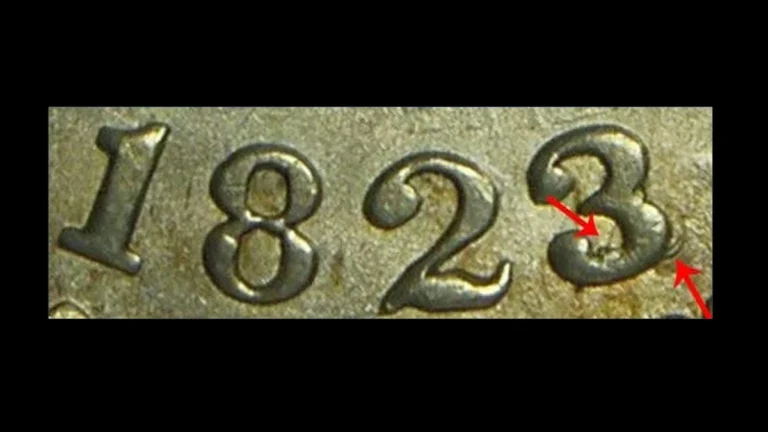
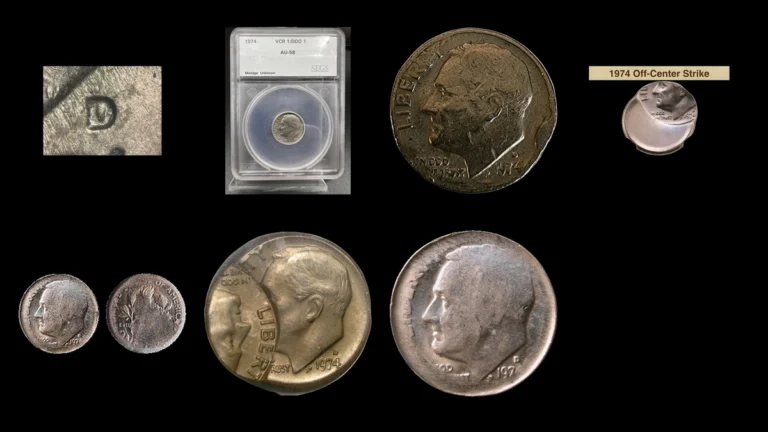
Check 1909 on the front and O below the wreath on the back. The O identifies New Orleans and keeps the reported specimen separate from other mints.
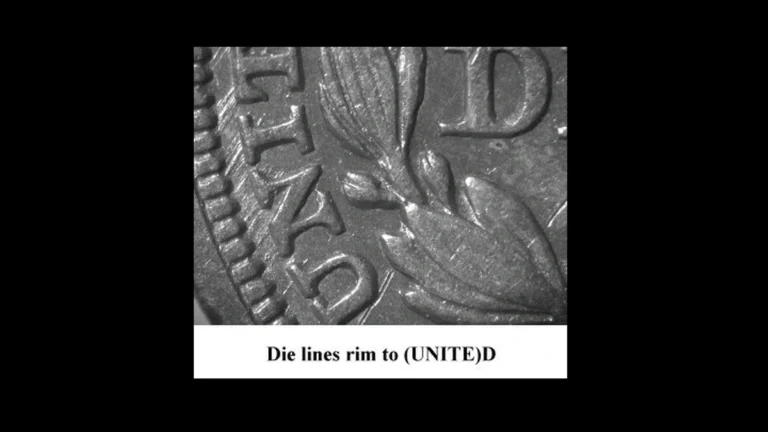
Use a magnifier with light from the side to follow the opening. A natural split may continue beneath attached metal, whereas a scrape cuts across an already finished surface.
Parallel grooves or metal pushed to one side can point toward scraping. A bright patch alone does not tell you how the silver was lost.
If a flap remains, leave it attached and photograph its connection from an angle. Pulling it up can break it off and remove evidence needed to understand the defect.
For a loose dime, compare weight with 2.50 grams and width with about 17.9 mm, allowing for wear or missing metal. Inspect the grooved edge too, but do not treat low weight alone as proof of lamination.
What It’s Worth
$25–$350 is an estimated range for worn through attractive lightly worn examples with clear original peeling. Heavy wear, cleaning, or damage beside the patch can reduce appeal.
Greysheet records $317 for a 1914 reverse-lamination dime on June 29, 2026. NGC graded that coin MS65, meaning unworn with relatively few marks.
The 1914 piece is better preserved than the circulated examples covered by most of this working range. Its result is not a transaction price for the seller-reported 1909-O.
Conclusion
The useful evidence is the way a thin piece separates from the silver beneath it. Confirm the year and New Orleans mintmark, then examine the boundary without lifting any remaining flap.
Compare the complete coin with examples of similar wear and surface quality. A larger bright patch does not automatically mean a better error, and the MS65 comparison should keep its different date and condition attached.