Rare 1929 Dime Errors (List & Pictures)
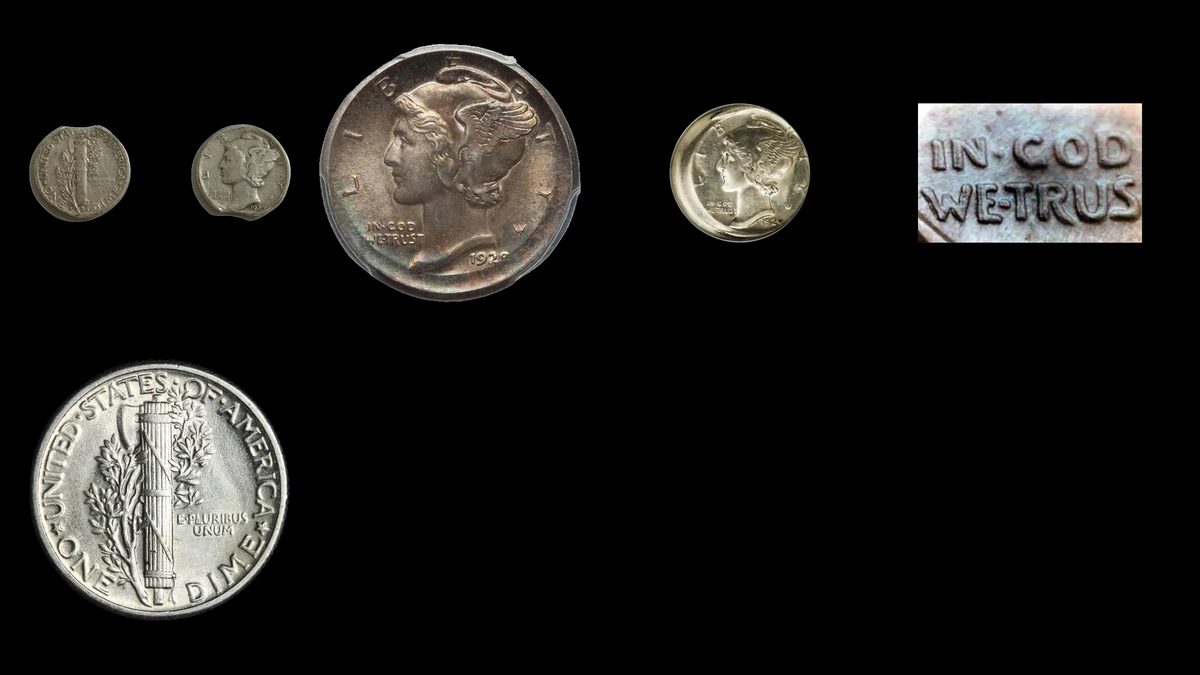
A 1929-S doubled-die dime graded ANACS MS66 Full Bands sold for $1,410 in January 2017. Estimated whole-coin values for 1929 dime errors range from $10 to $2,500.
Compare the outline and completeness of the design before examining letters, mintmarks, and raised lines. The normal Mercury dime measures 17.90 millimeters and weighs 2.50 grams.
| Visible clue | Feature | Estimated whole-coin range |
|---|---|---|
| Missing edge section | Clip | $30–$450 |
| Complete design within uneven expansion | 1929-D broadstrike | $150–$1,200 |
| Truncated design beside plain metal | 1929-S off-center strike | $150–$2,000 |
| Repeated front lettering | 1929-S doubled die | $150–$2,500 |
| Secondary S or D | Repunched mintmark | $20–$700 |
| Raised line | Die crack | $10–$250 |
1. 1929 Dime Metal missing before the design was struck: clipped planchet Error
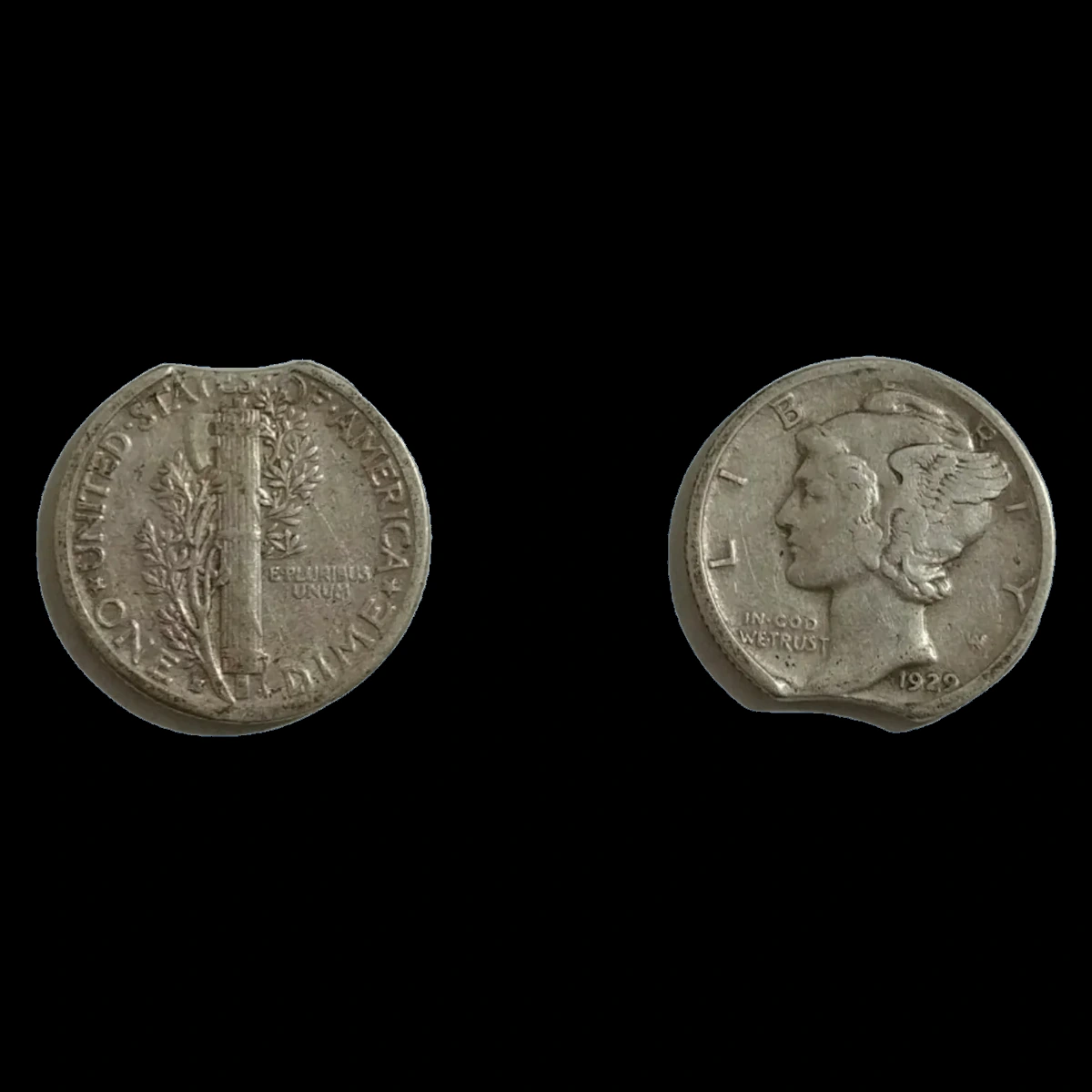
A clipped planchet is an incomplete metal disc that receives its design after part of its outline is already absent. A curved or straight gap can result from the blank-cutting process.
The supplied 1929 report gives no certified clip percentage for its example. The amount and form of missing metal must be assessed on the actual coin.
How to Identify
Inspect the rim opposite the gap for possible weakness, then study the gap’s ends and nearby edge grooves. Opposite-rim weakness can support the diagnosis without being compulsory.
Follow the design into the boundary, looking for natural strike formation rather than fresh cuts. The minting dies did not cut a bite out of a completed dime.
Measure intact portions and compare the weight with the standard. Wear also removes metal, so weight loss cannot by itself determine clip size or authenticity.
What It’s Worth
Genuine 1929 clips have an estimated whole-coin range of $30–$450 across worn and unworn examples. Gap shape, preservation, and readable identification influence the comparison.
A 1942 clipped Mercury dime graded PCGS MS66 sold for $192 at Stack’s Bowers in March 2025. It is a different-year certified comparison, not a transaction for the reported 1929 specimen.
2. 1929 Dime All the design inside an uneven border: uncentered broadstrike Error
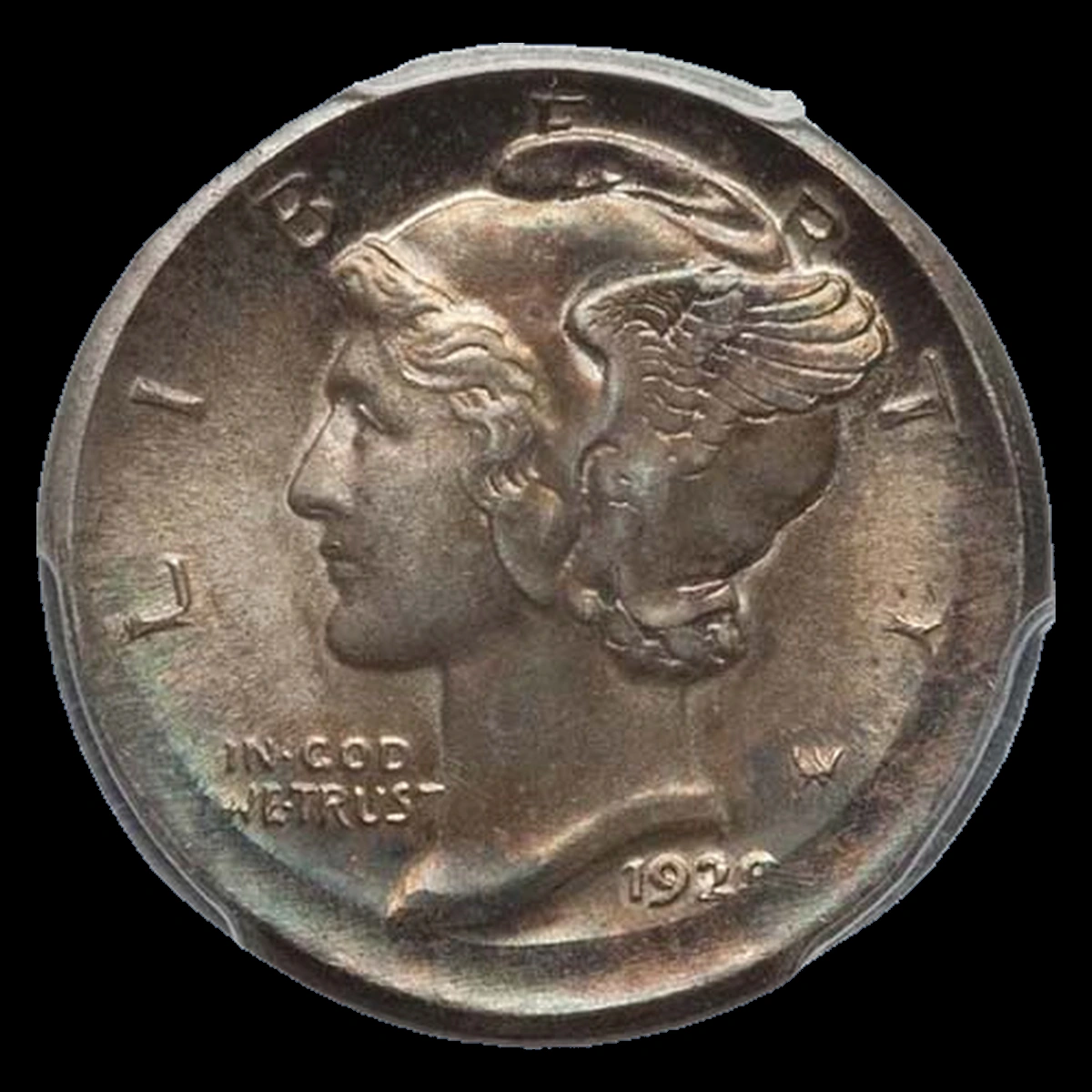
The documented Denver PCGS MS64 dime has a complete design inside an expanded outline, with more space on one side. It is described as an uncentered broadstrike.
The collar failed to contain the silver during striking, allowing it to spread outward. The picture can sit away from the center of the final shape without losing intended detail.
How to Identify
Trace the full design on both faces before focusing on the wide border. Its completeness separates this broadstrike from a true off-center strike.
Measure the widest and narrowest spans, then inspect how the design meets the expanded metal. Incomplete edge reeding can be consistent with striking outside the collar.
Later hammering can widen a coin while crushing its detail. Natural spreading should be supported by the surfaces and a weight consistent with metal redistributed rather than removed.
What It’s Worth
Circulated through attractive unworn Denver examples have an estimated whole-coin range of $150–$1,200. Expansion and original surfaces affect an individual result.
The PCGS MS64 sold for $329 at Heritage in February 2017, as reported by Mint Error News. A different 1920-S broadstrike graded NGC AU58 was listed at $725, which is an asking price for another year rather than another sale.
3. 1929 Dime Design missing at three o’clock: off-center strike Error
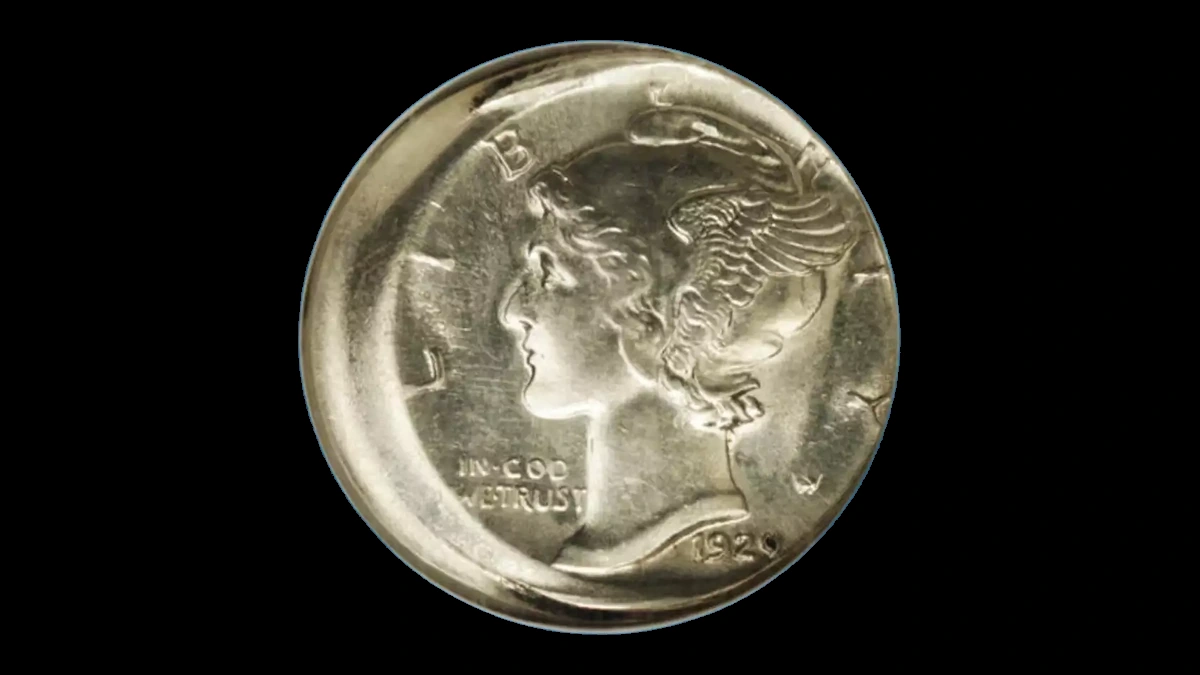
The recorded San Francisco dime was struck 15% off-center toward three o’clock and graded NGC MS62 Full Bands. Part of its blank lay outside the dies, leaving original plain metal while some design missed the coin.
Full Bands refers to clear separation of the horizontal reverse bands. The struck area can be sharp even though the blank was badly positioned.
How to Identify
Hold the front upright and compare the recorded rightward displacement. Check both faces for the corresponding relationship between missing design and unstruck metal.
Locate the complete date and the S mintmark on the same coin. The 15% figure and three-o’clock direction belong to this specimen, not every reported 1929 off-center dime.
Inspect the boundary for filing or polishing and examine the surviving edge grooves. A strange outline alone is not enough to establish an original off-center strike.
What It’s Worth
The estimated whole-coin range is $150–$2,000 from worn minor shifts through attractive, dramatic examples with readable dates. The documented 1929-S MS62 Full Bands sold for $488.75 in January 2005.
A 1944 dime struck 10% off-center and graded PCGS AU58 brought $360 in December 2025. That later-date comparison differs in both grade and displacement.
Neither percentage alone sets value. Date visibility, original surfaces, and the quality of the remaining design still matter.
4. 1929 Dime Repeated lettering, motto, and date: doubled die obverse Error
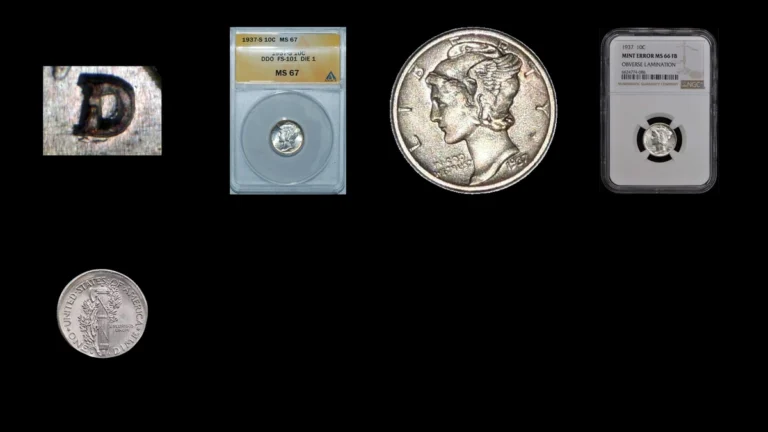
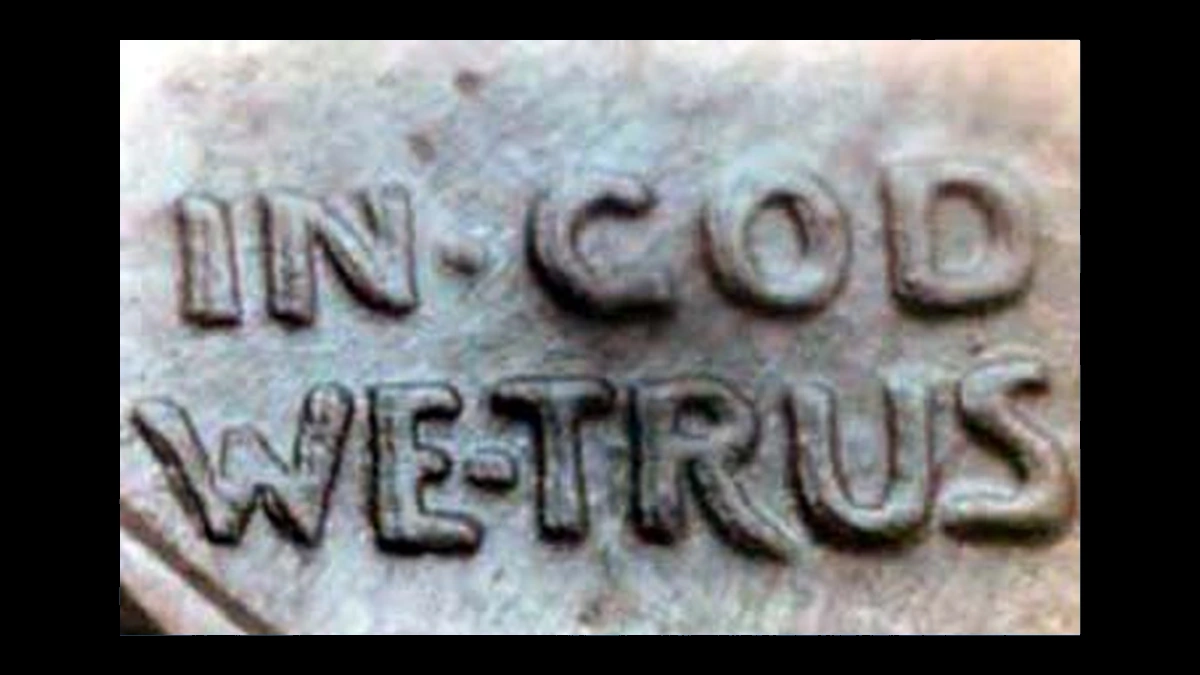
The San Francisco FS-101 has extra raised outlines in LIBERTY, the motto, and date details. The repetition existed in the die before the coin was struck.
One blow could transfer both outlines, so the feature does not establish two separate strikes. The documented auction example also has sharply separated reverse bands.
How to Identify
Confirm the reverse S before using the NGC variety comparison. Then match repeated contours in several front-side areas.
Look at the same letters and strokes as an identified FS-101. One bright edge or unusually thick number cannot establish the full pattern.
Flat shelf-like doubling may narrow the main stroke and arise during striking. It differs from rounded repeated design elements already carried by the die.
What It’s Worth
Identified circulated through attractive high-grade coins have an estimated whole-coin range of $150–$2,500. The visibility of the variety and original surfaces affect the comparison.
An ANACS MS66 Full Bands FS-101 sold for $1,410 in January 2017. Greysheet’s $1,500 MS65 Full Bands figure is a published guide value, not a second auction result.
5. 1929 Dime Another letter beside the mintmark: repunched mintmark Error
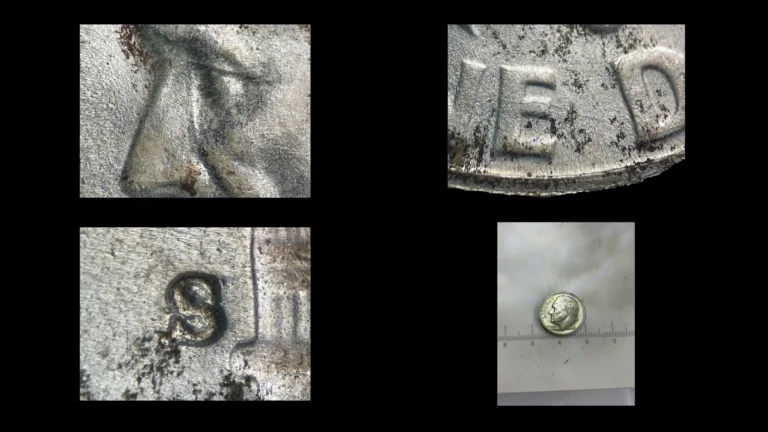
A secondary S or D can remain after a mintmark is punched into the die more than once. The finished coin receives those letter shapes in a normal strike.
A dealer lists a 1929-S/S, while Denver repunching is also included in the year’s reports. The San Francisco example does not establish the Denver pattern or its direction.
How to Identify
Find the mintmark left of the lower reverse bundle of rods. Follow any secondary curve or stroke to see whether it belongs to another recognizable version of the same letter.
Compare S with S and D with D using confirmed references. An isolated dot, corrosion, or damage to a normal stroke does not establish a repunched mintmark.
Change the light and retain the full date in photographs. Flat shelf-like doubling should be distinguished from earlier letter-punch remnants.
What It’s Worth
Worn through attractive unworn examples have an estimated whole-coin range of $20–$700. Clear attribution and surface quality matter before assigning a premium.
The dealer’s 1929-S/S listing asks $30 for an Extremely Fine example. That retail offer concerns a worn coin and is not a completed auction sale.
6. 1929 Dime A narrow ridge through the surface: die cracks Error
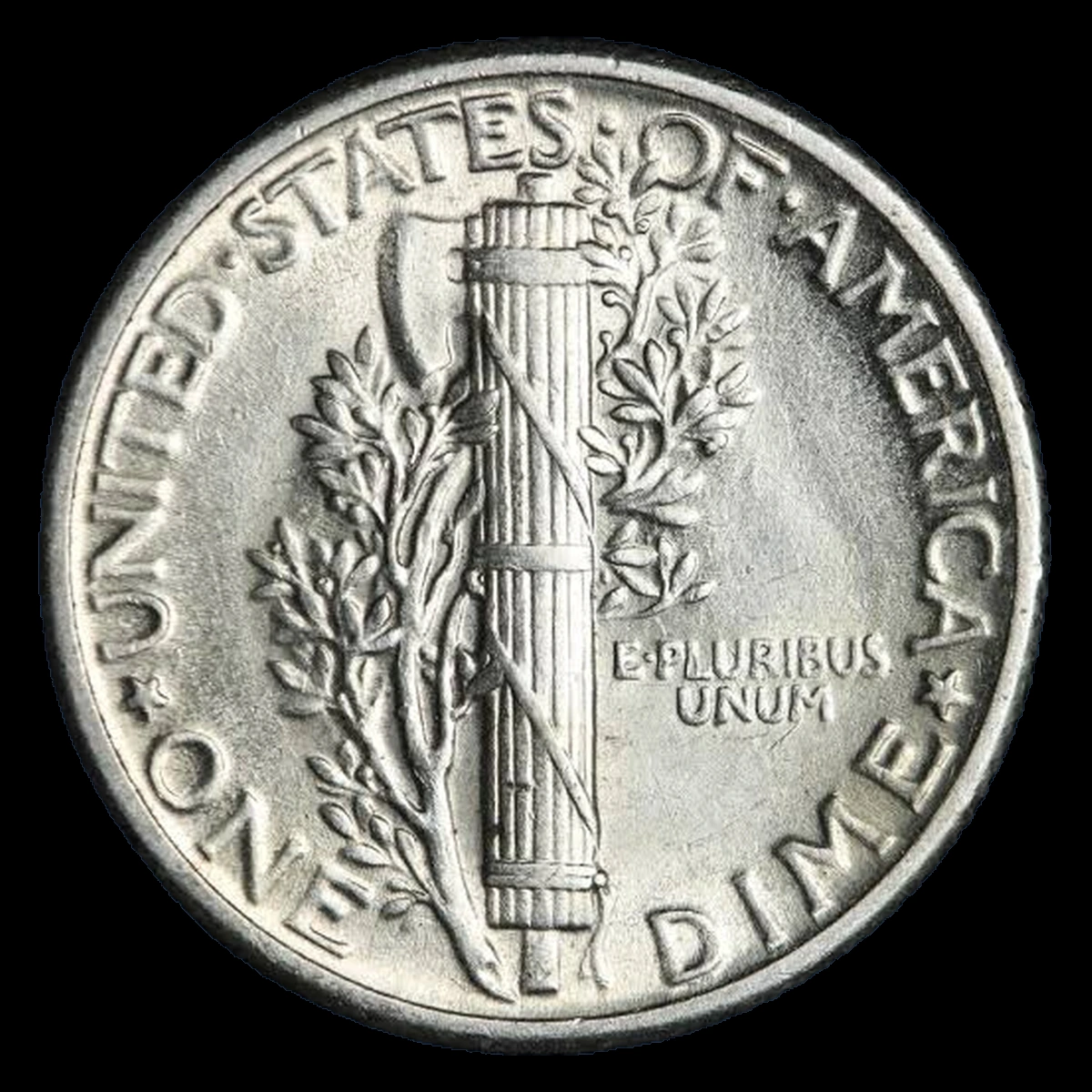
A die crack leaves a raised line where metal enters an opening in the tool during striking. It can cross a field or run near the reverse bundle of rods.
No single crack position is established for all 1929 examples. The relevant route depends on the particular die that deteriorated.
How to Identify
Trace the line under low-angle light and decide whether it is raised or sunken. A groove with pushed-up sides is different from a ridge transferred from a cracked die.
Follow it through any design it crosses. If the shape instead reproduces part of the opposing face, consider a clash rather than assuming every raised line is a crack.
Parallel fine scratches can reflect cleaning. Their location near the reverse rods does not by itself establish damaged tooling.
What It’s Worth
Modest genuine cracks have an estimated whole-coin range of $10–$250 from worn through attractive lower-grade unworn examples. A clear distinctive route may add interest, while surface damage can reduce it.
Ordinary dealer listings include a Philadelphia MS65 at $90 and a Denver MS64 Full Split Bands at $176. These are asking prices providing condition context, not completed sales or prices for cracks.
Conclusion
The Denver broadstrike retains the complete picture inside uneven expansion, while the San Francisco off-center coin loses design beyond the blank. Their shapes require different comparisons even when both look poorly centered.
For the smaller features, match the actual mint and diagnostic pattern before applying a price. The documented sales, guide figures, and dealer offers are useful in different ways and should remain clearly distinguished.