Rare 1949 Dime Errors (List & Pictures)
A different-year 1946 broadstrike graded NGC MS66 Full Torch sold for $258.50 in October 2012. A direct 1949-S ragged-clip sale brought $69 in September 2023; estimated whole-coin values for 1949 dime errors span $15–$500.
Inspect the missing or expanded edge first, then examine the portrait and reverse details. Normal specifications are 2.50 grams and 17.90 millimeters.
| Visible clue | Feature | Estimated whole-coin range |
|---|---|---|
| Ragged or other missing edge | Clipped planchet | $30–$200 |
| Wide outline, complete design | Broadstrike | $50–$300 |
| Plain margin and missing design | Off-center strike | $50–$500 |
| Faint shape before the eye | Die clash | $20–$150 |
| Raised lines | Die cracks | $15–$100 |
| Secondary mintmark strokes | Repunched mintmark | $15–$125 |
| Repeated design outlines | Doubled die | $25–$200 |
| Peeling alloy layer | Lamination | $15–$150 |
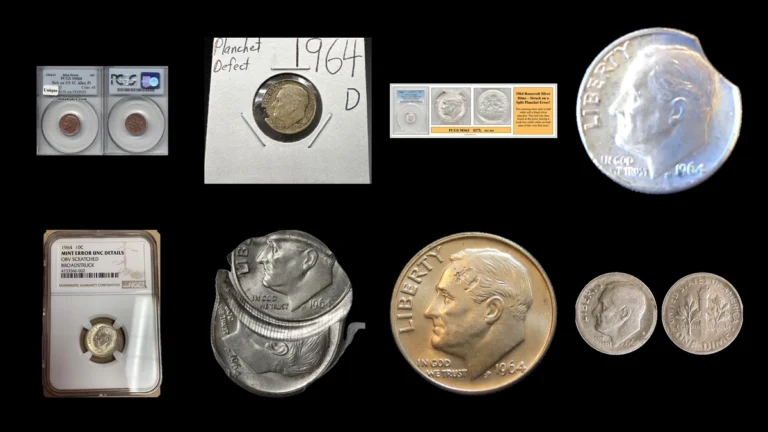
1. 1949 Dime A jagged gap rather than a smooth notch: ragged and clipped planchet Error
The documented 1949-S ANACS AU55 has an irregular missing edge and weighs 1.99 grams. It demonstrates that a genuine clip need not resemble a neat curved bite.
A ragged gap can begin at the uneven end of the metal strip used for blanks. The incomplete piece receives the design after that section is already absent.
How to Identify
Examine the rim and lettering beside the gap for natural strike flow. Roughness by itself cannot distinguish an original incomplete blank from later metal removal.
Check the remaining reeding for sawing or filing and measure across intact areas. The recorded 1.99 grams supports this specimen’s description, but a cut coin can also be light.
Weakness opposite a clip, often called the Blakesley effect, may help. Its absence or poor visibility does not settle the question on its own.
What It’s Worth
The broader estimated whole-coin range for 1949 clips is $30–$200. Readable date and mint, preservation, and the way the gap presents all matter.
The 1949-S ANACS AU55 ragged clip sold for $69 at Heritage on September 18, 2023. A jagged shape therefore does not automatically command more than a curved clip.
2. 1949 Dime The design fits inside an expanded edge: broadstrike Error
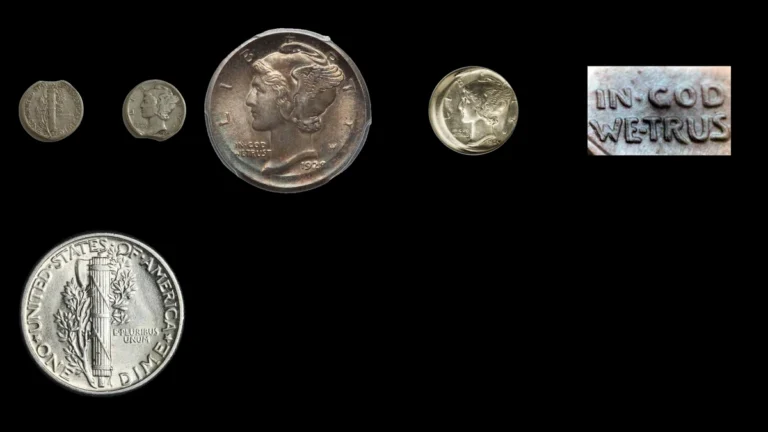
A broadstrike spreads outward when the collar does not restrain the blank during striking. The ring normally controls the outline and forms the edge reeds.
Without normal containment, the dime can become wider while retaining the complete central and outer design. The edge may also lack portions of its usual reeding.
How to Identify
Measure several spans, then inspect both faces for complete design inside the expansion. A wide border on one face alone is not enough.
Look for natural spreading rather than existing details flattened by hammering. The expanded outline and altered collar-contact edge should support the same explanation.
A broadstrike generally redistributes metal rather than removes it. A wide but unusually light candidate needs an additional explanation.
What It’s Worth
Genuine examples from worn through attractive unworn condition have an estimated whole-coin range of $50–$300. Clear expansion and original surfaces improve the comparison.
A 1946 NGC MS66 Full Torch broadstrike sold for $258.50 in October 2012. Its different date, high grade, and sharp reverse detail make it contextual evidence rather than a direct 1949 price.
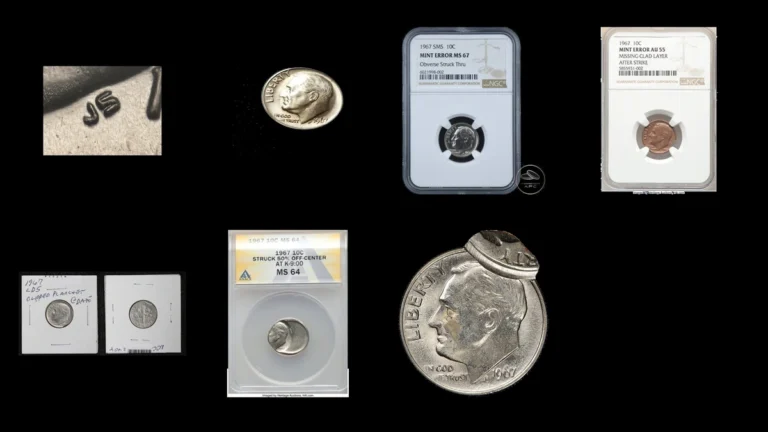
3. 1949 Dime Unstruck metal beside an incomplete picture: off-center strike Error
An off-center blank sits partly outside the dies when they meet. Some design misses the metal while a plain crescent remains on another part of the same disc.
Unlike a clip, the empty-looking area still contains metal. A readable date is important when identifying the dime as a 1949 issue.
How to Identify
Relate the blank area on both faces to the shifted impressions. One displaced face with the other centered may indicate a misaligned die.
Read any D or S beside the lower-left reverse torch. If the mintmark area escaped the strike, its apparent absence cannot establish Philadelphia.
Inspect the plain margin for cutting or grinding. The changed outline can reflect striking distortion without corresponding weight loss.
What It’s Worth
Readable-date examples are estimated at $50–$500 for the whole coin. Small offsets generally need lower comparisons than bold, well-preserved examples.
A 1964 ANACS MS65 struck sixty percent off-center sold for $134 in December 2025. This different-year silver Roosevelt sale does not establish a fixed dollar amount per percentage of displacement.
4. 1949 Dime An extra shape before Roosevelt’s eye: die clash Error
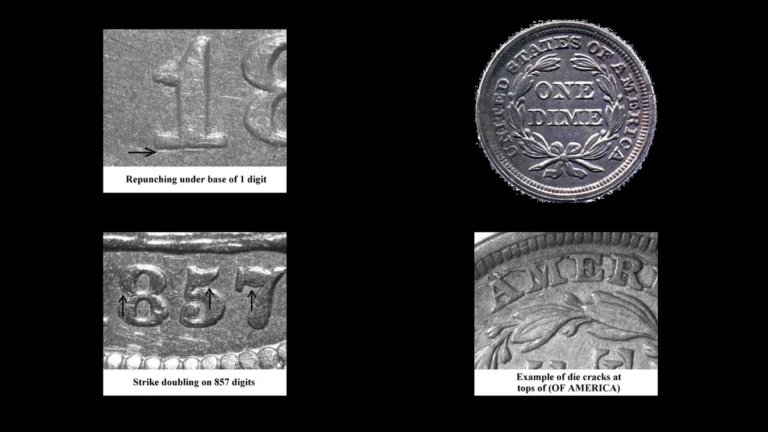
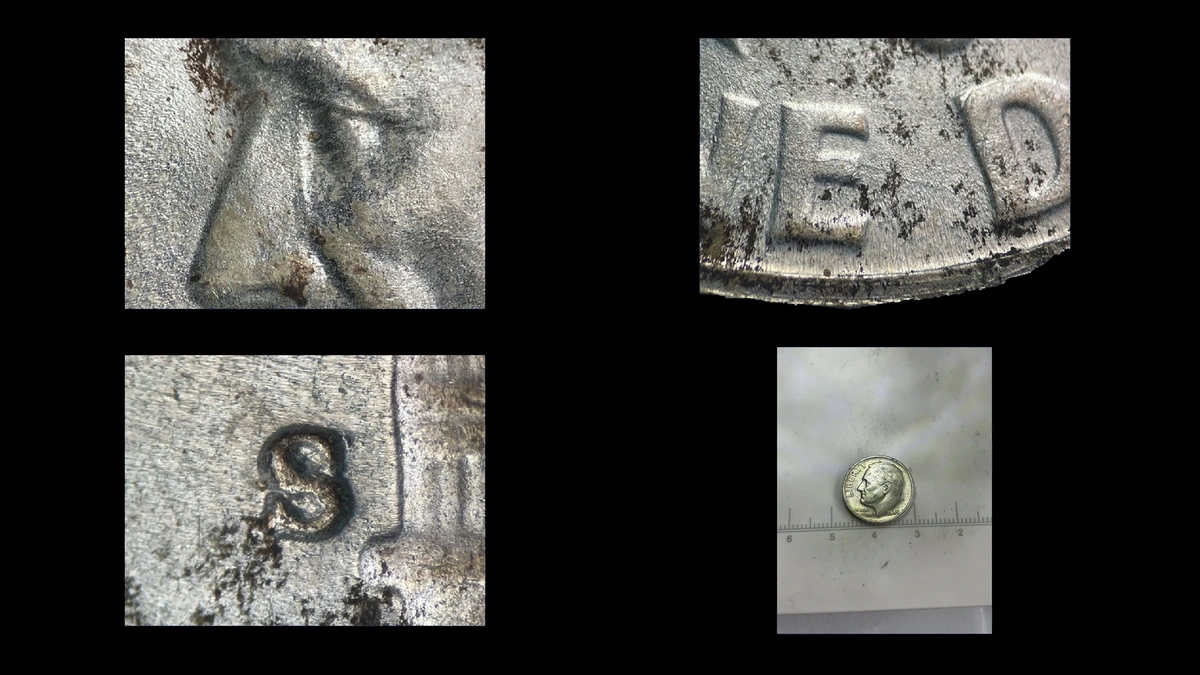
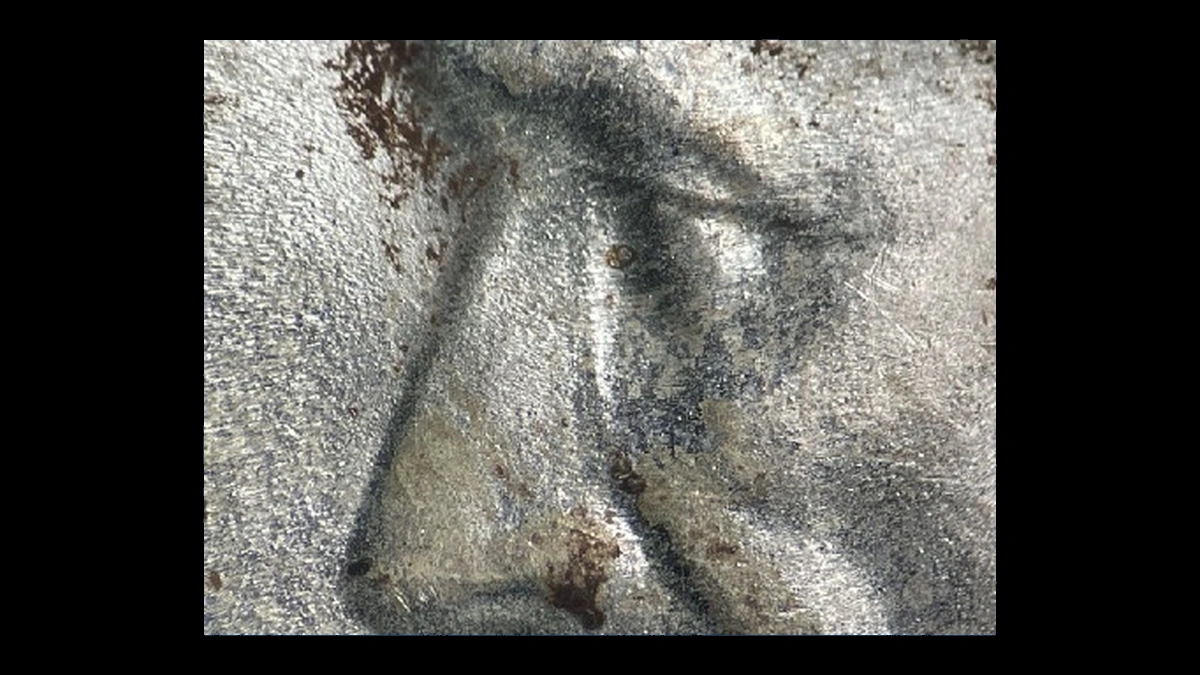
A specialist reference shows a faint clash trace immediately in front of the eye on one 1949-S die. That tool is also associated with cracks and a repunched mintmark.
The dies had met without a blank and acquired traces of each other’s designs. Later coins carried those unintended outlines.
How to Identify
Compare the eye-area shape with the identified example in the same orientation. The outline should correspond to a part of the opposing design.
Move the light more than once, since scratches and polishing lines can suggest a convincing shape from a single angle. Location alone is not sufficient.
The other features may help identify the die, but they do not replace examination of the clash itself. Keep each mark’s cause distinct.
What It’s Worth
Visible clashes on worn through ordinary uncirculated 1949-S dimes have an estimated whole-coin range of $20–$150. This is not a recorded transaction for the particular illustrated clash.
A coin carrying the clash, mintmark repunching, and cracks is still valued once. Adding all three full category ranges would overstate what is being sold.
5. 1949 Dime Ridges behind the head and across ONE DIME: die cracks Error
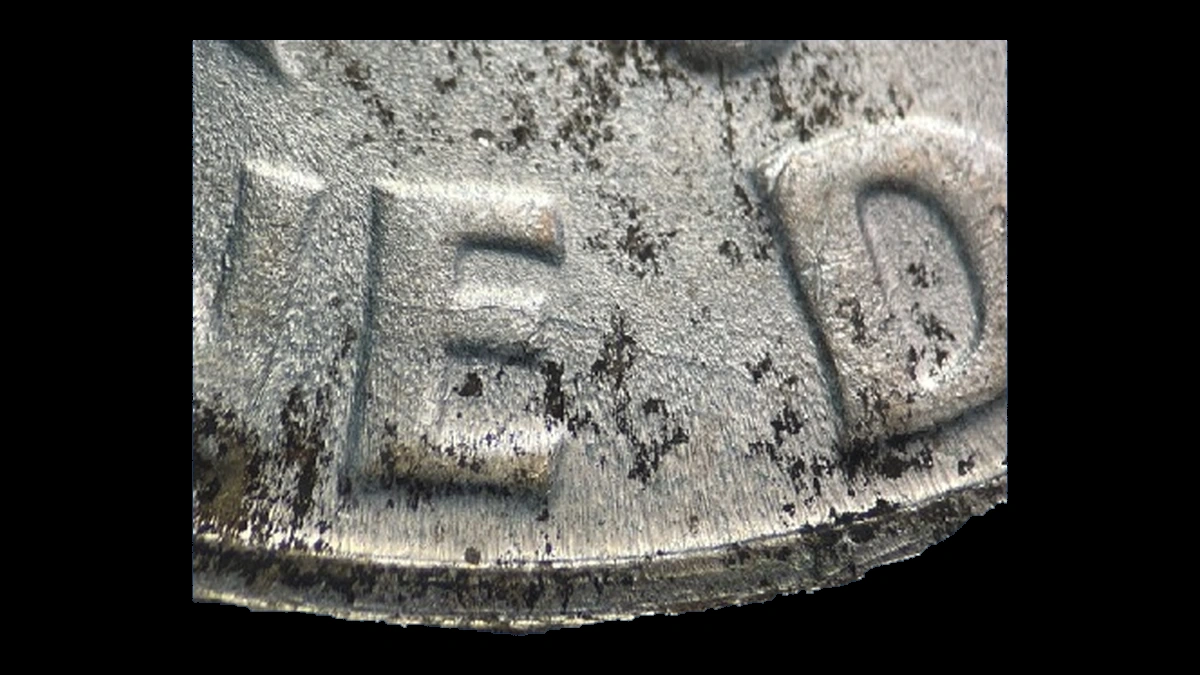
One 1949-S example has a diagonal ridge behind Roosevelt’s head and a reverse line from the E in ONE toward the D in DIME. These positions describe that example rather than every 1949 crack.
Metal entering splits in the dies formed the raised traces. The coin itself did not need to crack open.
How to Identify
Trace the full line behind the head, then turn to the denomination route. A match requires more than one short mark in the correct general area.
Side lighting helps distinguish a raised ridge from a scratch cut into the surface. Inspect the edge separately if the coin itself appears split.
Other dies can develop different routes. Record what is actually visible rather than treating the stated landmarks as a universal checklist.
What It’s Worth
Small cracks on worn through ordinary uncirculated examples are estimated at $15–$100 for the complete coin. A clear route may add modest interest.
Very high preservation can support a higher price independently of the crack. Multiple features on the known San Francisco die do not justify stacking whole-coin estimates.
6. 1949 Dime An overlapping S or D beside the torch: repunched mintmark Error
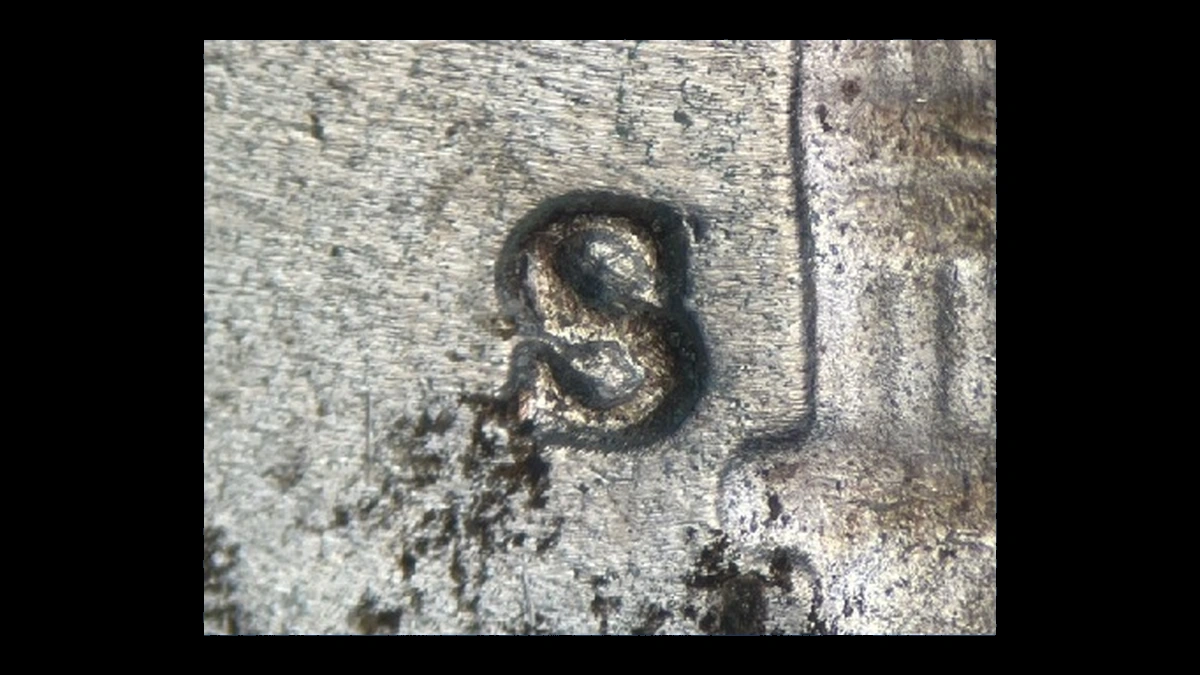
Mintmarks were added separately to dies in 1949. A shifted repeat punch could leave part of an earlier letter around the final S or D.
Several San Francisco patterns exist, with added strokes in different directions. Denver reports need their own D-shaped comparisons.
How to Identify
Study the mark at the lower left of the reverse torch, including its outside contours and internal spaces. The added detail should fit another letter, not merely form a dot or corrosion pit.
Wexler’s 1949-S photographs include an example with traces east and south, while other forms differ. Match the actual pattern rather than applying that direction to every S.
A doubled S cannot identify a Denver variety. Compare the same mint’s letter and distinguish rounded remnants from flat shelves.
What It’s Worth
Worn through ordinary uncirculated repunched-mintmark coins have an estimated whole-coin range of $15–$125. Published guidance suggests roughly $5–$10 as a modest additional premium for small varieties.
The whole dime accounts for much of the range. A high price for exceptional grade should not be read as the mintmark alone being worth hundreds.
7. 1949 Dime Repeated detail on either face: doubled die Error
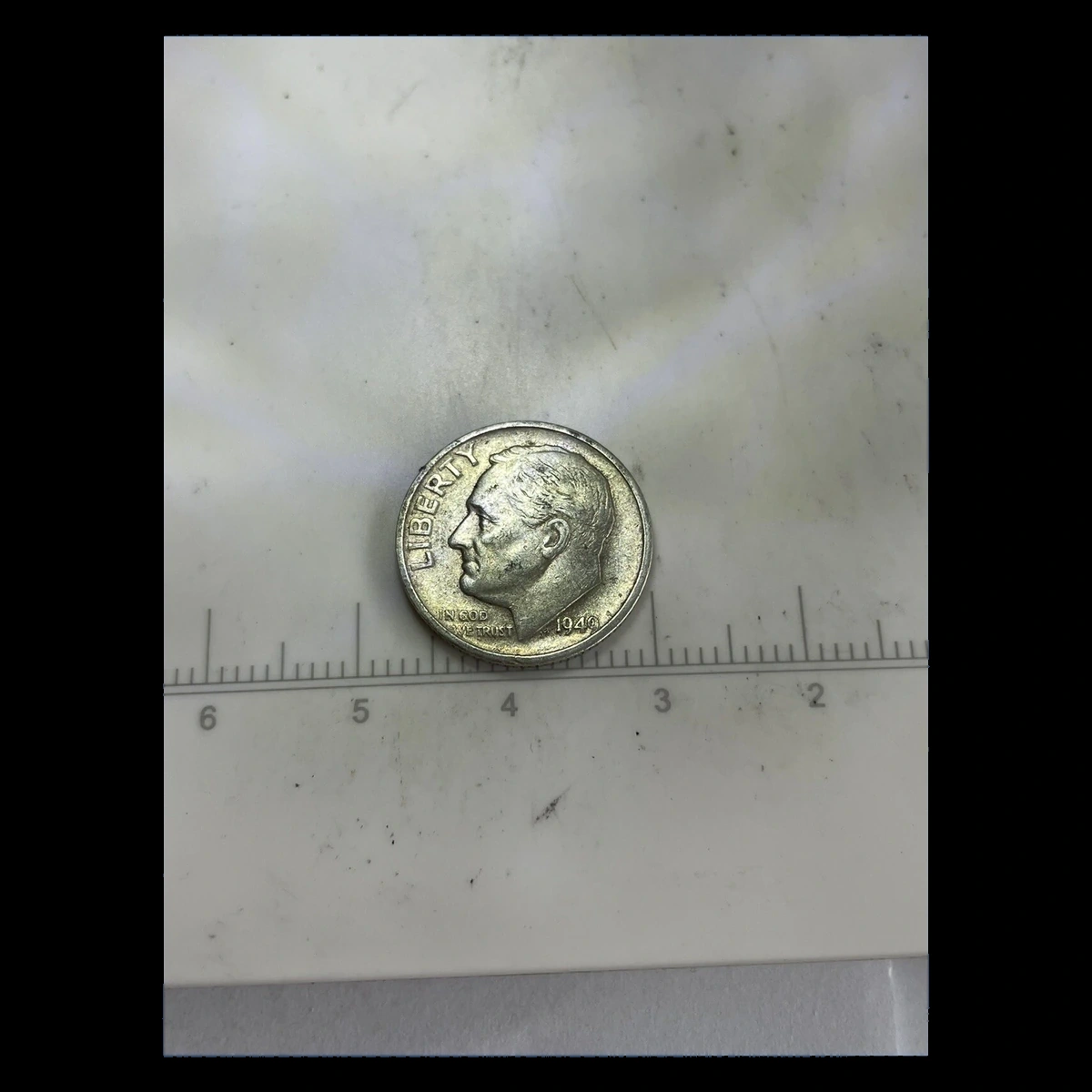
Reported 1949 doubling includes both obverse and reverse examples. A doubled die carries repeated portions of its design before striking, but each face requires a separate match.
Reflections, wear, and movement during the strike can also create extra-looking edges. A photograph that appears doubled is therefore a starting point for examination.
How to Identify
Compare one face at a time with a correctly identified same-year example. Check rounded repetition in letters or design contours without assuming every listed area must be affected.
On the reverse, inspect torch and branch detail as appropriate to the candidate. Front-side doubling does not establish reverse doubling on that same coin.
Change the light to separate metal contours from reflections. A low flat shelf should not be treated as equivalent to a repeated design already in the die.
What It’s Worth
Genuine die doubling on worn through lower-grade uncirculated coins has an estimated whole-coin range of $25–$200. Clear, identifiable detail supports a stronger comparison than an ambiguous photograph.
No specific variety transaction is supplied for this broad category. An ungraded DDO or DDR label does not establish either the attribution or the price.
8. 1949 Dime A layer lifts from the silver alloy: lamination Error
Lamination separates a weak layer within the silver-copper metal. A flap may remain attached or fall away, exposing a rough patch.
This 1949 dime is not a later clad issue with manufactured outer layers. Its peeling should not be described as loss of a modern outer coating.
How to Identify
Inspect the layer boundary without lifting an attached flap. Look at how the opening enters the surrounding metal and whether it continues toward the edge.
Parallel scrapes and a pushed-up lip favor later tool damage. Color difference alone does not reveal a separating layer.
The feature need not appear on both faces. A lost flake can reduce weight, while an attached one may leave the reading nearly unchanged.
What It’s Worth
Small flakes through stronger separations are estimated at $15–$150 on worn or lower-grade uncirculated coins. A clear attached layer may attract more interest than an uncertain rough spot.
The upper figure is an estimate, not a documented 1949 lamination auction result. Mint and preservation remain part of the total value.
Conclusion
The $69 ragged-clip sale supplies a concrete same-year example, while the other figures largely describe ranges or different-year comparisons. A dramatic appearance does not guarantee a high premium.
Follow the actual feature from outline to surface, then match its mint and condition. Where cracks, clashing, and a repunched mintmark share one die, their combined identification still belongs to one complete coin.