Rare 2014 Penny Errors (List & Pictures)
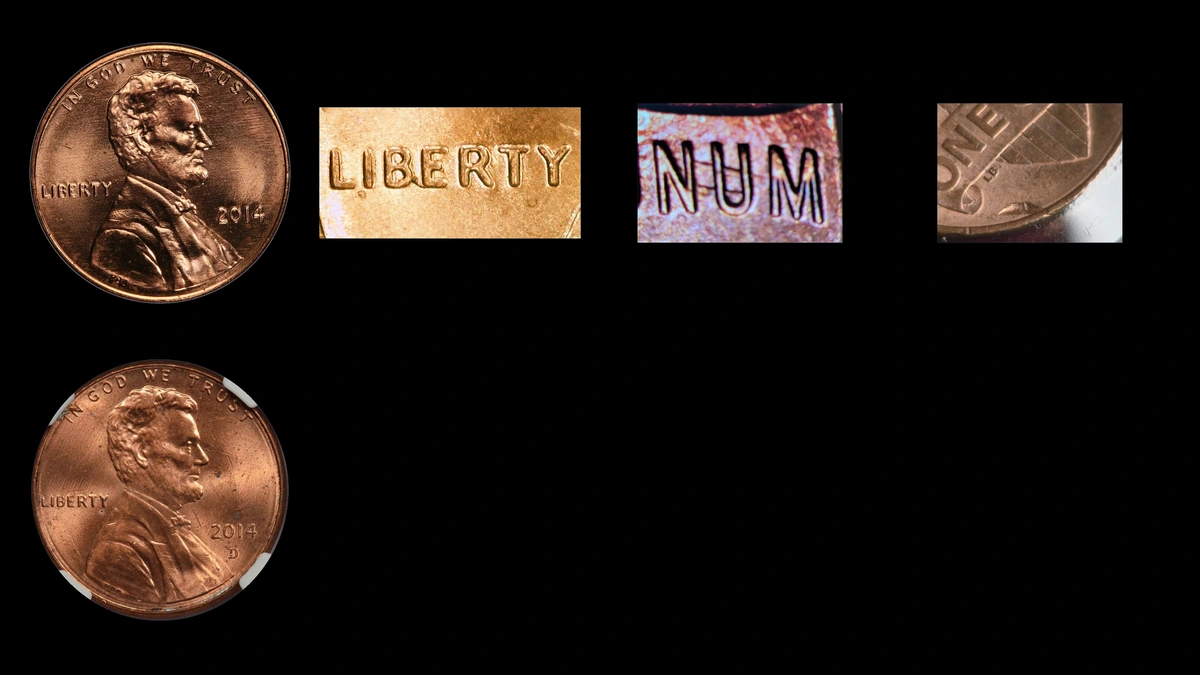
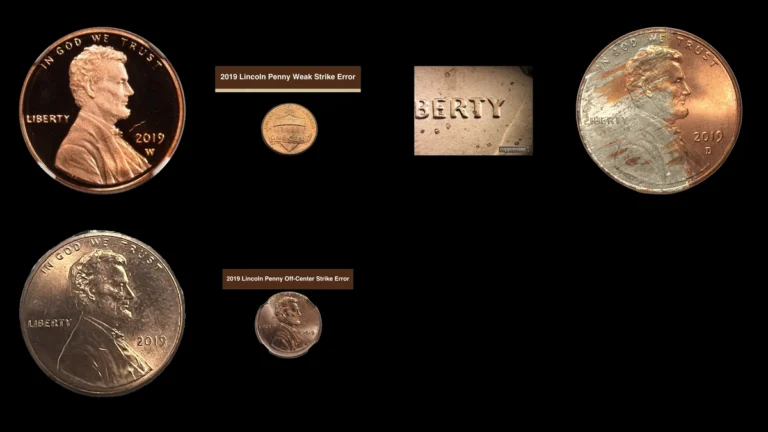
For 2014 penny errors, a tiny matched detail can be more informative than conspicuous surface damage. Eight groups below span estimated values of $2–$500.
PCGS records $325 for an MS65 Red FS-101 in an April 2022 eBay Best Offer entry, not a competitive auction result. A different-year grease error sold for $84 in September 2025.
Compare the lettering first, then inspect raised metal, unusual lines, surface interruptions, and the outline.
| Visible feature | Category | Estimated value |
|---|---|---|
| Extra front-design contours | FS-101 doubled die | $25–$350 |
| Raised bar, bump, or step | Die breaks and chips | $2–$250 |
| Parallel surface lines | Feeder-finger marks | $2–$50 |
| Faint opposite-design trace | Clashed dies | $10–$150 |
| Missing detail or an impression | Struck-through | $5–$300 |
| Copper lifting from zinc | Plating separation | $10–$400 |
| Expanded disc, complete designs | Broadstrike | $25–$400 |
| Plain arc, incomplete designs | Off-center strike | $15–$500 |
For reference, an ordinary 2014 cent has a zinc core under thin copper plating, a smooth edge, a 2.50 g weight, and an approximately 19.05 mm diameter. Measure a safely accessible coin once and use those observations alongside the design, since normal specifications alone cannot authenticate an error.
1. 2014 Penny Extra contours matching a named variety: Doubled Die Obverse FS-101 Error
LIBERTY and the date are reported areas to inspect for additional front-design detail. The recognized 2014 FS-101 belongs to Philadelphia, whose ordinary cents this year have no mint letter below the date.
On a doubled die, duplicate detail exists in the stamping tool before the coin is struck. Obverse means the front, so the abbreviation DDO refers to a doubled die obverse.
How to Identify
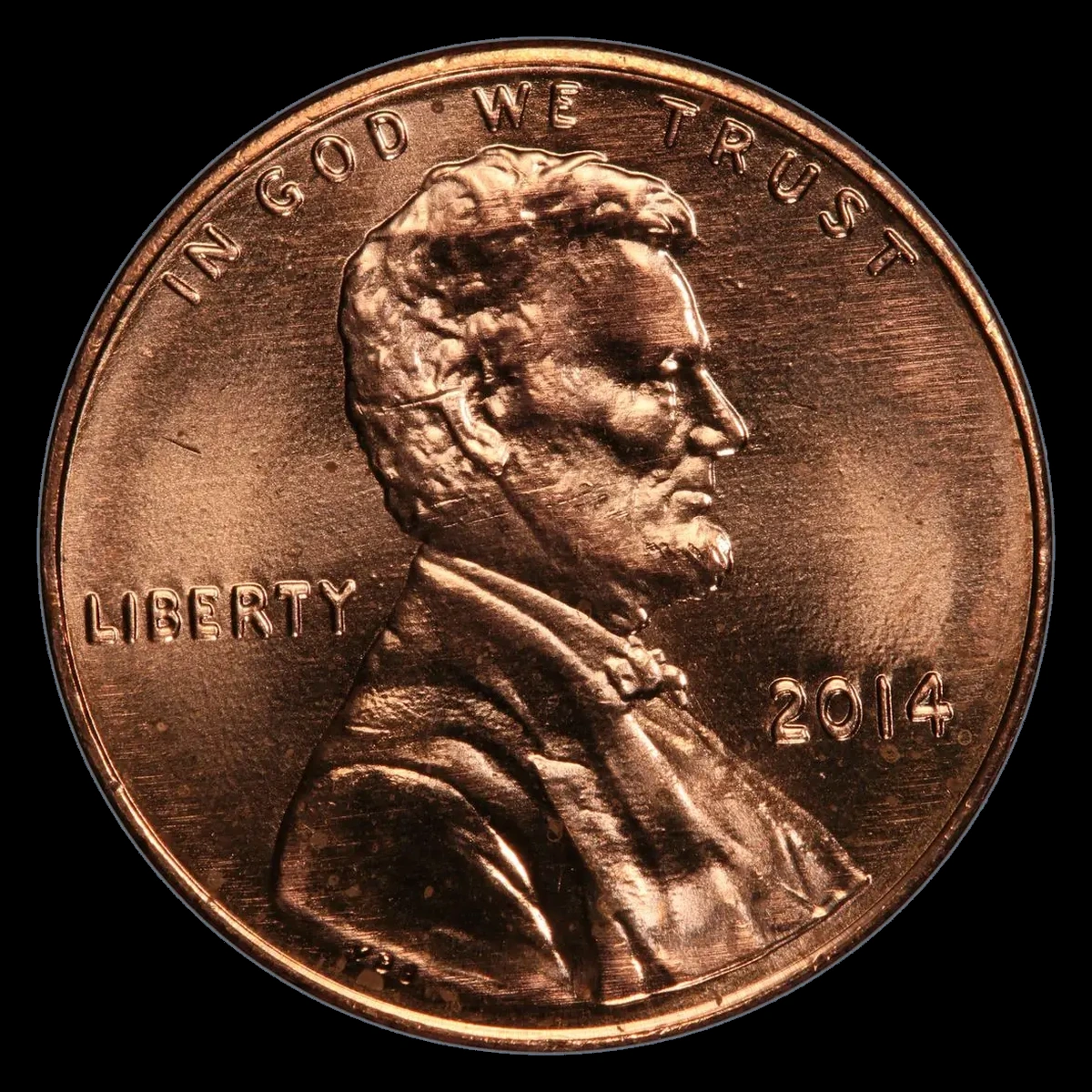
Use a clear photograph of a certified FS-101 and compare the individual extra contours. The location and shape need to agree; generic thickness on a letter is not an attribution.
A Denver mintmark rules out this Philadelphia match. Low flat shelves from movement during striking, damaged copper coating, and reflections along letters can all resemble doubling in a small photograph.
What It’s Worth
$25–$350 is the estimated range for correctly identified examples, from ordinary condition to attractive certified coins. MS65 describes an unworn coin with relatively few marks, while Red describes its copper color.
PCGS lists $325 for an MS65 Red FS-101 in an April 2022 eBay Best Offer record. Preserve that transaction description rather than treating it as evidence of competitive bidding.
2. 2014 Penny A raised BIE bar, chip, or bounded step: Die Breaks and Chips Error
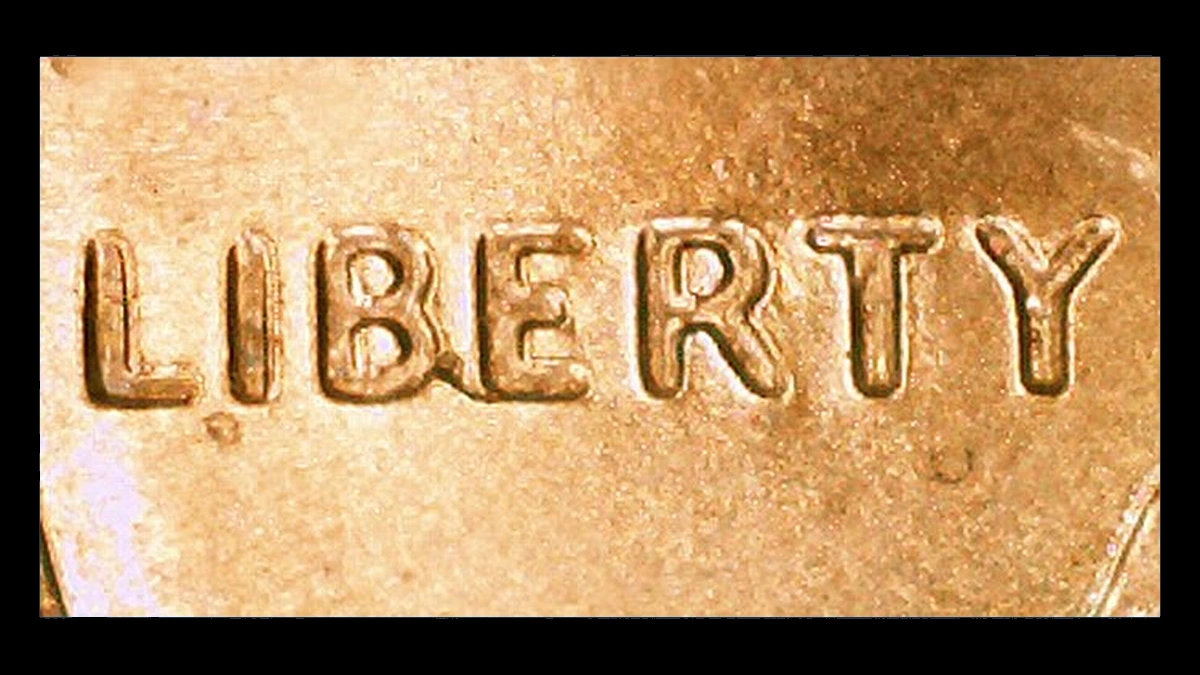
A small raised bar between B and E makes LIBERTY look as though it contains another I, giving the BIE nickname. Other 2014 reports describe separate raised chips on both faces.
Coin metal fills spaces left by missing die fragments. A separate Philadelphia retained-break report describes a step produced when a die section apparently shifted while remaining in place.
How to Identify
Determine which form the coin actually shows before seeking a match. A BIE bar occupies the B-to-E space, whereas an internal chip can occur elsewhere.
A retained break needs a bounded change in surface height; a thin line alone does not demonstrate movement of a die section. Examine nearby coating for bubbles and inspect the edge for a blow that might have pushed metal upward.
Do not puncture or press a suspicious bump. Its untouched boundary helps distinguish a die feature from a plating blister.
What It’s Worth
$2–$250 is the estimated range across these different die defects. Small BIE bars and isolated chips occupy the lower portion, while a large confirmed retained break can justify a stronger comparison.
This is not one shared selling price for every raised feature. Size, condition, and confidence in the attribution matter more than the nickname.
3. 2014 Penny Straight lines crossing the surface: Feeder-Finger Marks Error
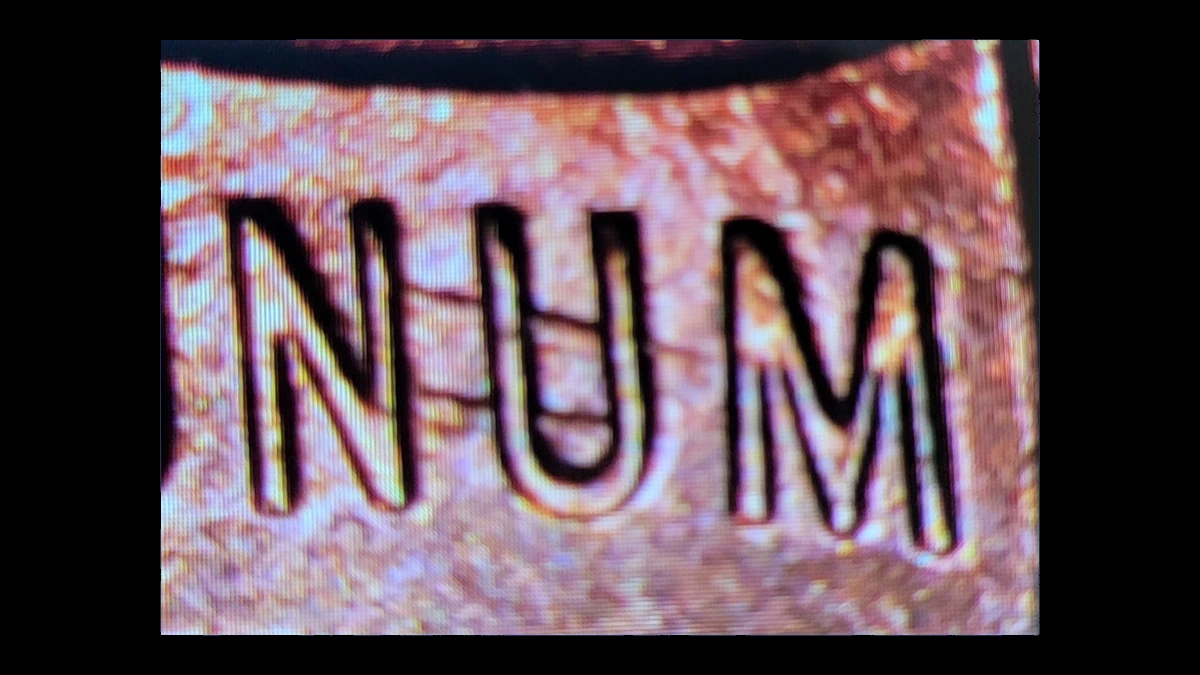
A reported Philadelphia example carries parallel marks associated with the equipment that moves blanks into striking position. Contact involving feeder fingers can affect a coin or its die.
The category name does not establish the precise sequence that produced each line. Ordinary scratches can also run parallel and leave small ridges along their edges.
How to Identify
Change the light angle and record whether the lines rise, sink, or cut through existing detail. Their intersections with lettering or Lincoln’s portrait can be more informative than an isolated section of a line.
Compare the pattern with an authenticated feeder-related example. Parallel spacing by itself cannot establish a mint origin when scratches or filing offer another explanation.
What It’s Worth
$2–$50 is the comparison estimate for modest confirmed mint-made marks. No completed price is supplied for the reported 2014 piece.
Clear lines on attractive unworn surfaces are easier to document. A minor example may have too little value to justify grading costs, especially if its origin remains uncertain.
4. 2014 Penny A faint shield fragment on the front: Clashed Dies Error
Curves or outlines matching the reverse shield suggest a different source from feeding equipment. Dies that collide without a blank between them can acquire traces of each other’s designs and reproduce them on later coins.
A 2014-D obverse clash has been reported. The design relationship must involve the Shield cent, rather than the older Lincoln Memorial reverse.
How to Identify
Locate the possible source of the extra shape on a normal reverse. Compare its contour and position instead of assuming that any faint line near Lincoln is a clash.
Inspect both faces and the edge for pressure damage from two finished coins squeezed together. A transferred design can result from that later treatment as well, requiring a distinction from original die contact.
What It’s Worth
$10–$150 is estimated for a visible confirmed clash, allowing more for a clear, readily matched trace. The figure is not an auction result for the reported Denver example.
Readable designs and original surfaces help preserve the evidence. Heavy cleaning can obscure the small feature that attracted interest in the first place.
5. 2014 Penny An impression or weak patch within the design: Struck-Through Error
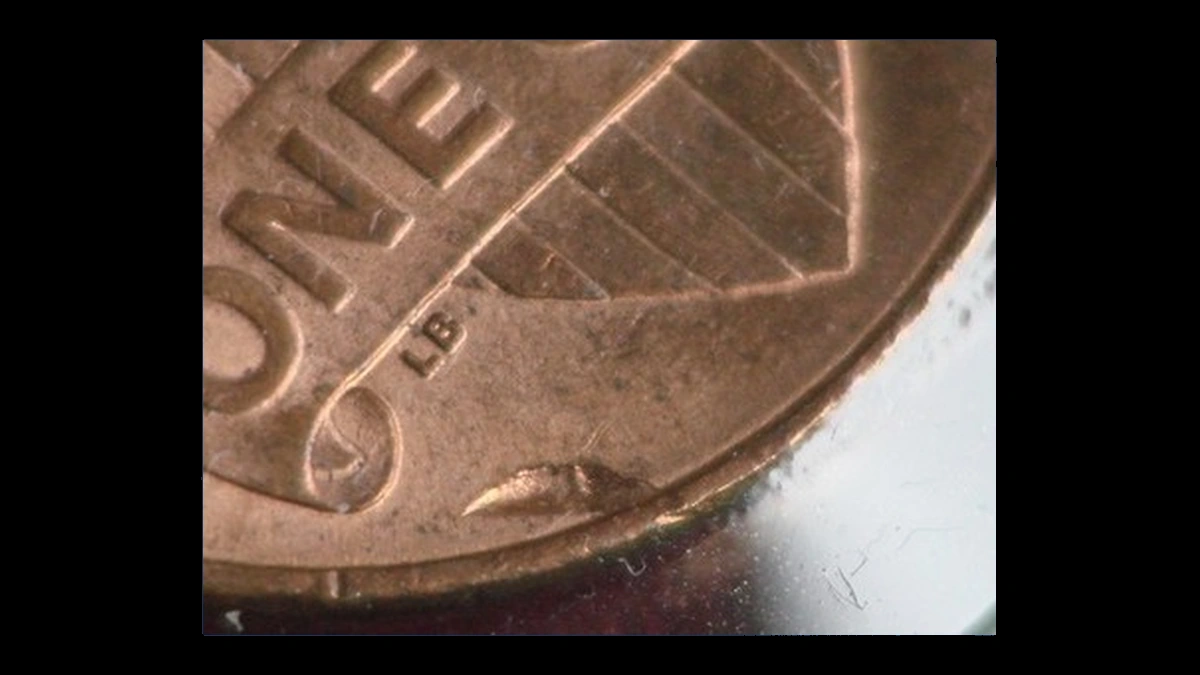
Some interruptions are recessed impressions, while others are smooth areas where detail never formed fully. Both can involve an obstruction between the blank and its die during striking.
The material in the reported 2014-D struck-through example is unidentified. Grease packed into recessed die details can separately weaken hair, shield elements, or lettering without leaving a sharp object outline.
How to Identify
Find where sharp normal detail gives way to the affected area. A later dent may displace metal around its edge, while a scrape can cut across completed design.
Check for corrosion, lifted copper, and ordinary wear before assigning a strike-through. An obstruction can leave normal weight and size, so a normal measurement does not resolve the cause of missing detail.
What It’s Worth
$5–$300 is the estimate, with small grease-filled details near the bottom and stronger confirmed impressions higher. A distinct outline generally gives a clearer comparison than unexplained weakness.
A 2021-D grease error graded PCGS MS64 Red sold for $84 in September 2025. That different-year transaction illustrates a modest value for a certified grease error, not a completed 2014 sale.
6. 2014 Penny A thin copper flap above gray zinc: Plating Separation Error
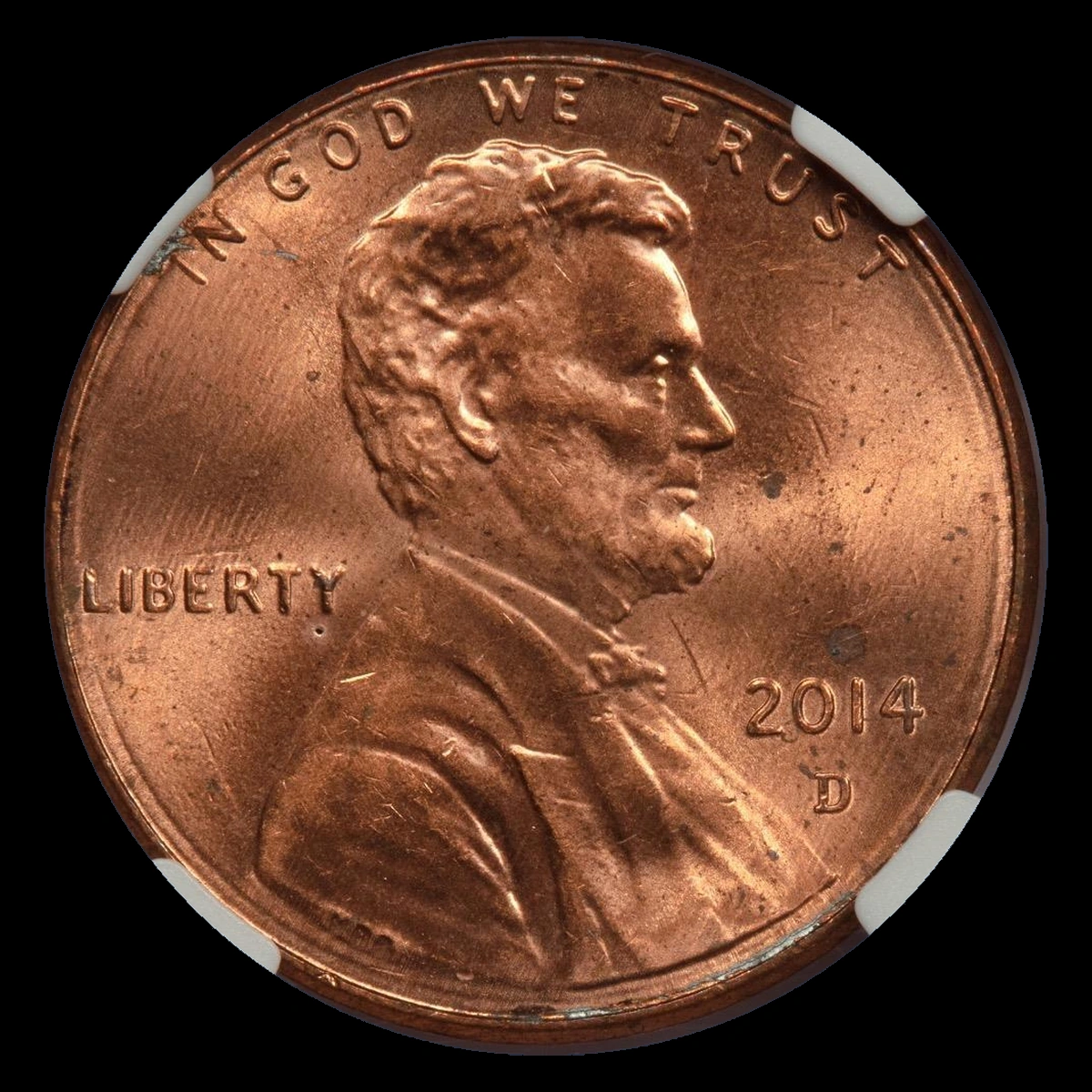
The reported Denver example has been described as a lamination, but its visible feature involves the cent’s thin copper coating. It should not be explained as a thick layer splitting from a solid bronze coin.
Poor original bonding can allow the coating to separate. Heat, chemicals, and corrosion after minting can disturb the same layer, making the boundary essential evidence.
How to Identify
Photograph the copper-to-zinc transition without lifting any attached flap. Confirm that the visible feature is a thin separating coating rather than a gouge through a thick section of metal.
White corrosion, rough pits, or heat discoloration can support a later-damage explanation. Examine the edge as well as the faces, and remember that slight plating loss may produce very little weight change.
What It’s Worth
$10–$400 is estimated for confirmed mint-made separation, ranging from a small lifted area to a conspicuous, well-preserved defect. This is a comparison range for modern zinc cents, not a supplied sale of the 2014-D.
A large exposed patch does not automatically reach the upper end. Original defective bonding must be distinguished from chemical stripping or corrosion before applying an error premium.
7. 2014 Penny Extra width around complete designs: Broadstrike Error
Look beyond the surface to see whether the penny has spread while retaining its design. The collar is the surrounding ring that limits outward flow during a normal strike.
A reported 2014-D broadstrike reflects failure of that restraint. Its border may be uneven, so symmetry is not required, but a wide border along only one side cannot establish the cause.
How to Identify
Compare the widest and narrowest spans with the normal diameter, then inspect the full portrait, shield, and outside lettering. The intended designs should fit within the enlarged metal.
Inspect for flattened high points, filing, or a rolled-over border from later squeezing. A smooth edge is normal for a cent and contributes no independent proof of broadstriking.
What It’s Worth
$25–$400 is the estimate from modest spread through more dramatic confirmed examples. The range uses comparable modern copper-plated zinc cents rather than a recorded sale of the reported 2014-D.
Natural expansion and clean surfaces improve presentation. A coin widened by later flattening does not qualify for the same error value.
8. 2014 Penny A blank arc beside displaced designs: Off-Center Strike Error
Missing design with original plain metal elsewhere indicates the blank did not sit fully beneath the dies. Only the overlapping area received the portrait and shield.
A Philadelphia 2014 example is reported at about twenty-five percent off center. That amount belongs to the reported specimen and should not be assigned to every off-center cent of this date.
How to Identify
Track the same physical edge as you examine both faces, comparing how each design ends beside the unstamped area. A centered reverse with only the front shifted suggests another alignment problem.
The plain arc should join the struck portion naturally, without saw marks, filing, or scraped-away detail. Preserve a clear view of the date so the coin can be identified as 2014.
What It’s Worth
$15–$500 is estimated for date-visible examples based on comparable modern off-center cents. The reported twenty-five-percent coin supplies an appearance comparison, not a verified selling price.
A bold displacement with a readable date generally makes a more appealing display than a slight shift. Surface quality and surviving detail still affect value even when the error is obvious.
Conclusion
The FS-101 attribution depends on matching specific extra contours, while feeding marks and clash traces need evidence explaining their origin. Raised defects, peeling copper, and changes to the outline require their own comparisons.
Treat the $2–$500 estimates as ranges for identified examples, not automatic prices for unusual-looking cents. Photograph the complete coin alongside close-ups so that condition, mint, and the relationship between both faces remain visible.