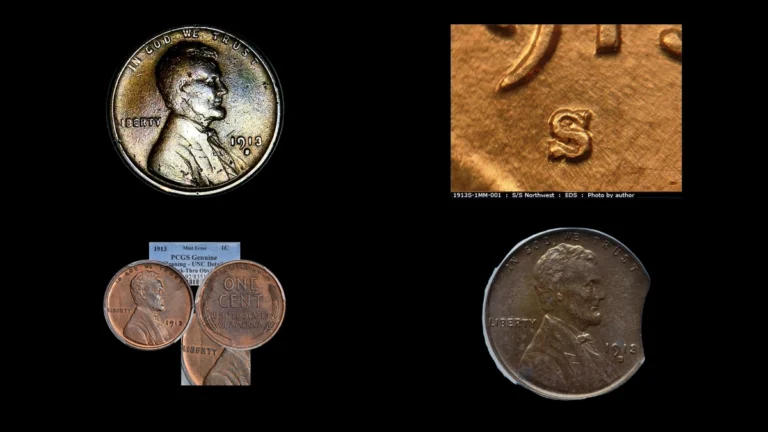
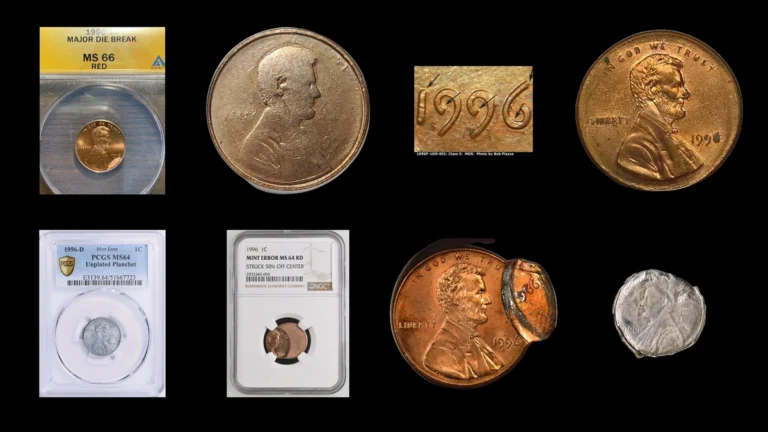
Rare 1953 Penny Errors (List & Pictures)
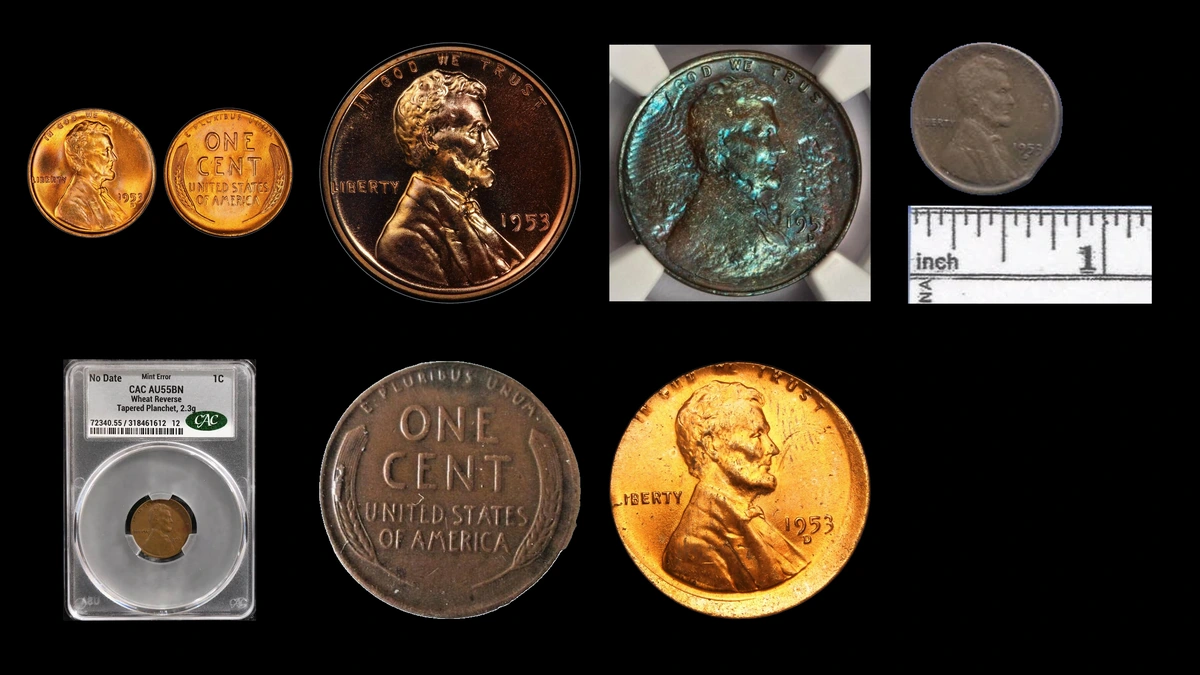
Condition can make a small feature surprisingly valuable among 1953 penny errors. A superb 1953-D repunched-mintmark cent brought $3,525 in January 2020, far above many ordinary examples of the same general type.
The estimates here span $5–$5,000, including altered designs, unusual blanks, and material caught during striking. Begin at the mintmark and small design details, then examine the edge and metal if the whole coin looks different.
1. 1953 Penny Another D or S Appears beside the Mintmark: Repunching Error
FS-501 on a 1953-D shows extra D detail to the left. A different Denver pattern has a separate tilted D farther southwest, near the edge of Lincoln’s vest.
These shapes came from repeated placements of a mintmark punch on the die. Other Denver and San Francisco varieties have their own positions.
How to Identify
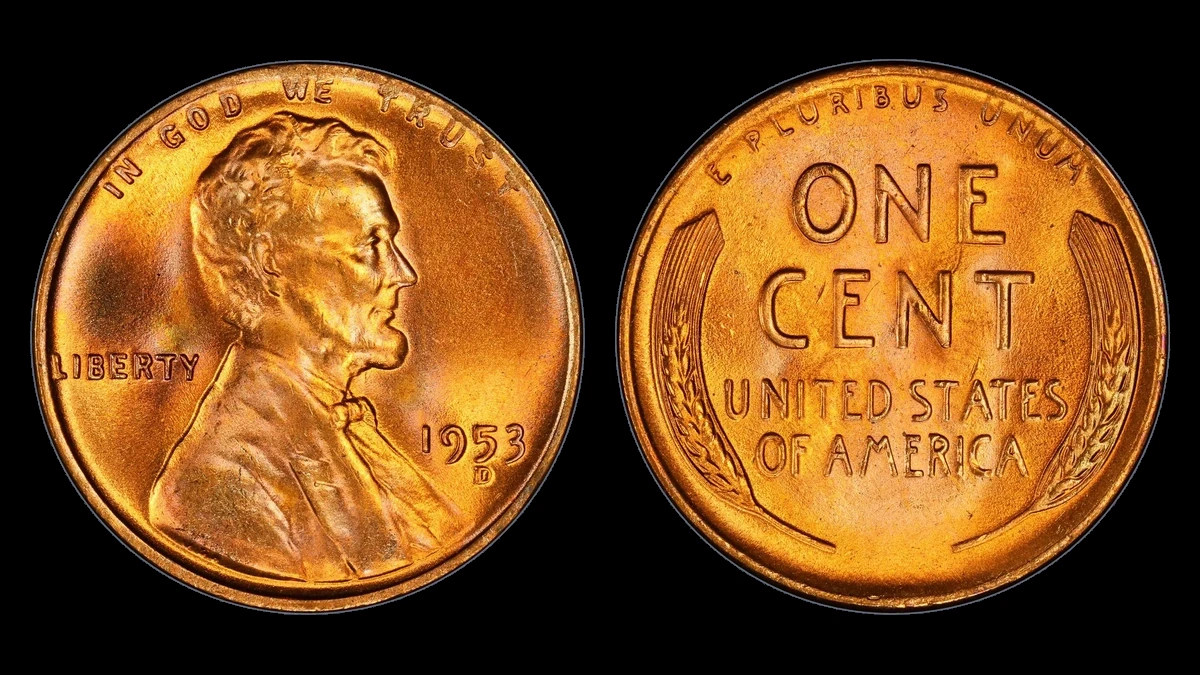
With the date upright, trace the full extra curve or upright rather than accepting an isolated lump. Direction alone cannot identify varieties that overlap in a similar way.
Some Denver repunches share dies with doubled-eye patterns. The direction of an extra eyelid does not tell you the direction of the repunched D.
What It’s Worth
$5–$300 is a typical range for identified repunched marks, with exceptional high-grade coins extending toward $4,000. Variety and preservation both matter.
PCGS records $3,525 for an MS67 Red FS-501 in January 2020. Separate MS66 Red examples brought $149 and $420 in 2023, showing why the top result should not price every extra D.
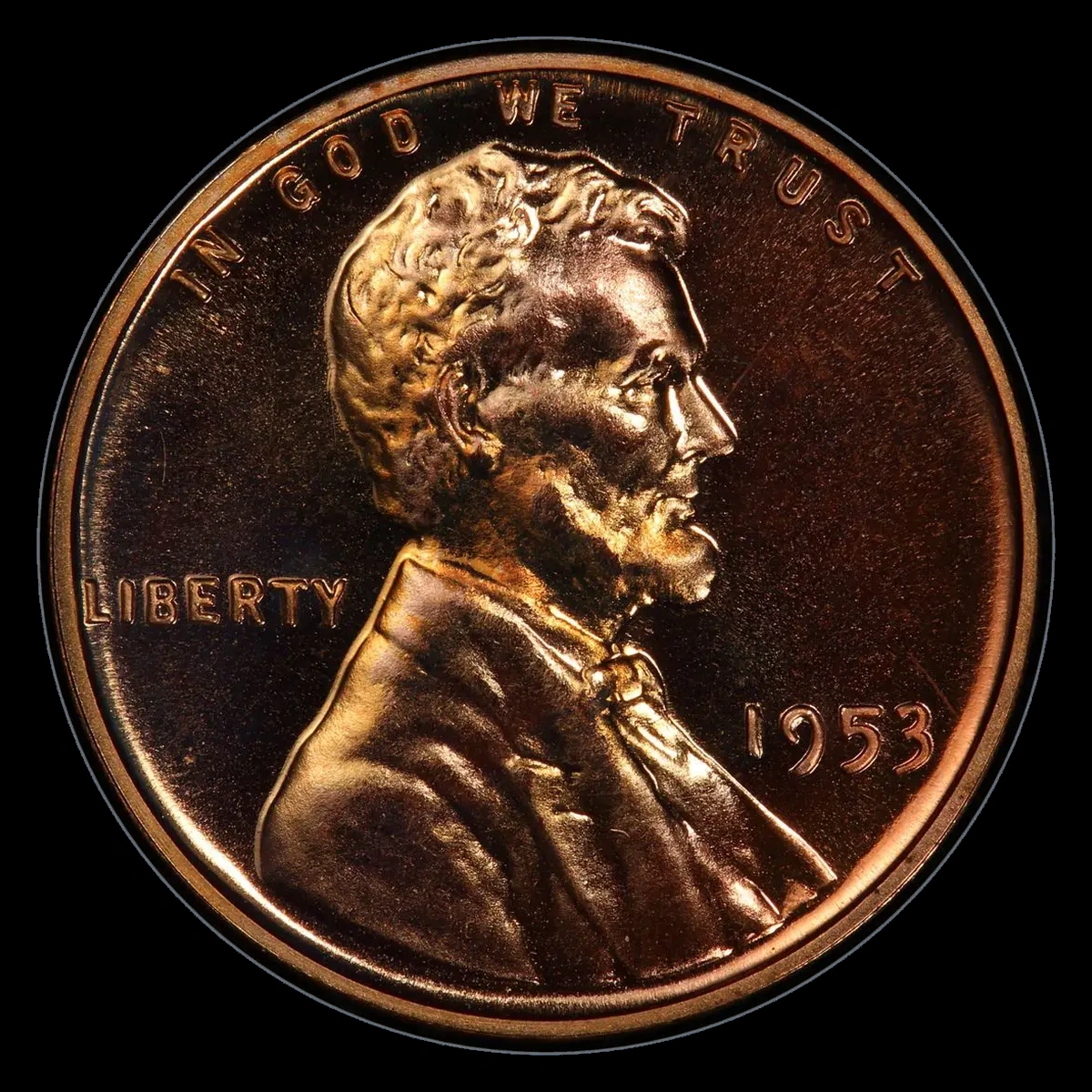
2. 1953 Penny The Eye, Letters, or Wheat Details Repeat: Doubled Dies Error
Ordinary front varieties can add an eyelid or repeat parts of lettering. The separate Proof FS-101 affects 19 in the date, ERTY, and the eye.
Another Proof variety doubles the left Wheat ear and nearby motto on the back. San Francisco circulation back varieties have their own thickened lettering and Wheat detail.
How to Identify
Select the mint and finish before using the Wexler variety photographs. A cleaned shiny penny is not necessarily a Proof.
For Proof FS-101, match 19, ERTY, and the eye together. The separate Proof reverse pattern has a supporting vertical line above the second U in PLURIBUS.
Denver circulation fronts can affect IBER or TRUST, while several Philadelphia and S varieties show another eyelid. Do not combine those clues into one invented die.
What It’s Worth
$75–$2,500 is the estimate for identified Proof FS-101 examples, while the separate Proof reverse variety fits about $40–$400. A PCGS PR68 Red FS-101 sold for $701.50 in April 2026.
Minor circulation fronts are roughly $5–$200, and modest S reverse varieties about $10–$150. Their small details should not inherit a Proof variety’s price.
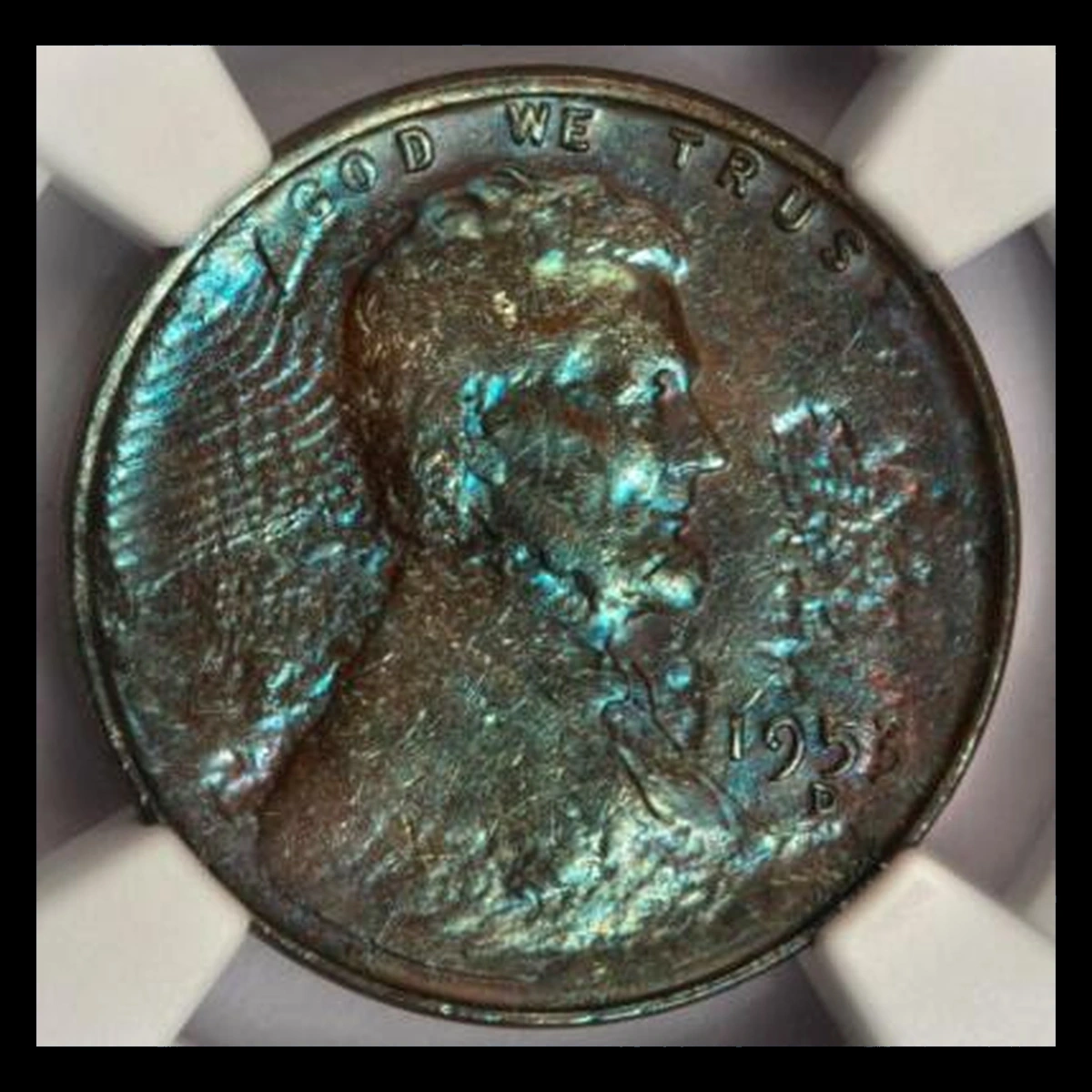
3. 1953 Penny A Texture or Object Interrupts the Coin: Cloth or Staple Struck-Through Error
A reported 1953-D NGC MS63 shows a cloth impression. Fabric between the die and blank can leave a repeated weave where normal design was blocked.
A different Denver coin retains a staple in its back and is graded NGC AU53 Brown. One preserves an impression, while the other still carries the object.
How to Identify
For cloth, find regular crossing-thread texture rather than random scratches. The supplied report does not locate the affected face or say fabric remains attached.
For the staple, inspect how the struck metal meets its edges without moving it. Pulling it free would remove part of the evidence.
What It’s Worth
$100–$800 is the estimate for clear cloth impressions, compared with $250–$1,200 for an intact retained staple. Preservation of the object and surrounding design matters.
The 1953-D staple coin sold for $446.50 in January 2015. A separate 1961 staple error graded NGC MS62 Brown brought $576 in June 2023.
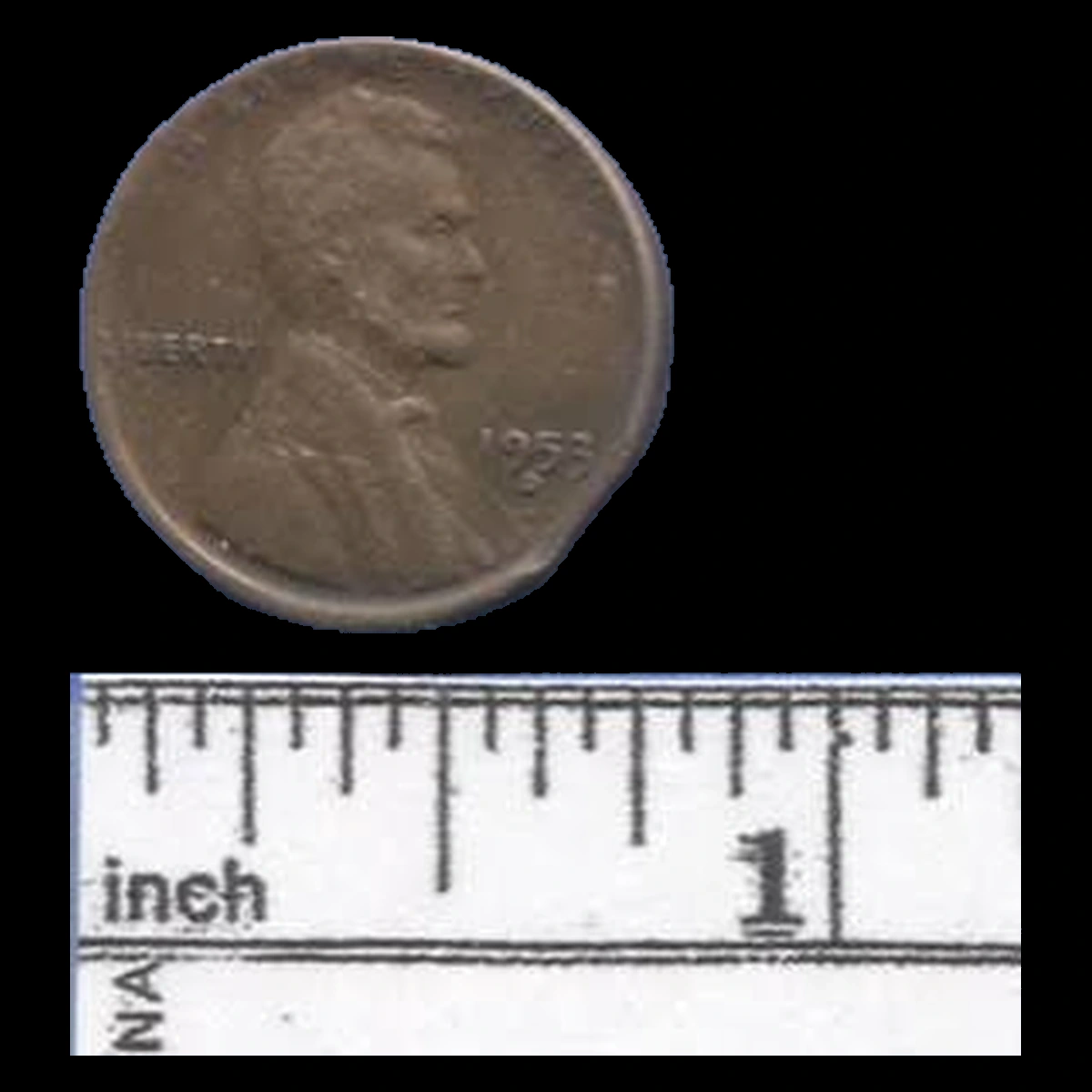
4. 1953 Penny The Blank Has a Curved Missing Edge: Clip Error
The recorded 1953-D clipped cent weighs 2.68 grams and is graded ANACS MS60 Brown. Its blank-cutting operation overlapped an earlier hole, leaving an incomplete disc before striking.
How to Identify
Follow the rim and nearest letters toward the gap. Original strike flow differs from a saw cut through completed design.
A weak opposite rim can support a clip, though it may be faint. Check for filing lines and compare an intact width with a normal cent’s 19.05 millimeters.
A complete copper cent normally weighs 3.11 grams. The lower recorded weight supports missing metal, but does not by itself show when it disappeared.
What It’s Worth
$20–$200 is the estimate for identified clips of differing size and preservation. A clear date and natural boundary help the comparison.
The 2.68-gram ANACS MS60 Brown specimen sold for $51 in March 2022. That offers an affordable same-year example rather than a fixed price for all clips.
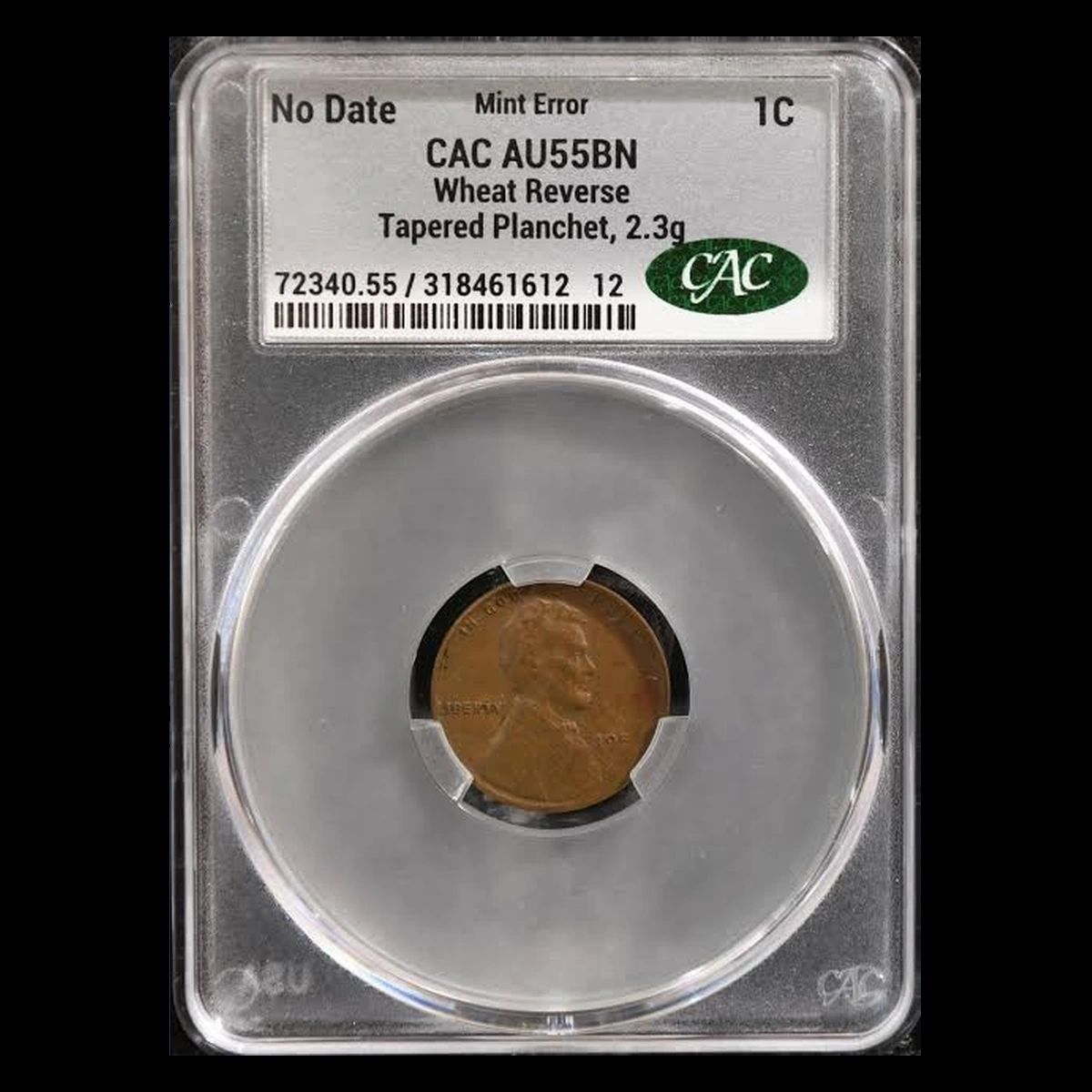
5. 1953 Penny One Edge Is Naturally Thinner: Tapered Blank Error
A tapered blank gradually changes thickness from one side to the other. Its thinner area may not receive a strong design because less metal lies between the dies.
The year article reports an XF40 example without specifying its mint. XF40 describes moderate wear, not a measured degree of taper.
How to Identify
View the coin from the side and compare thickness at several points. A gradual change should explain nearby weakly struck detail.
An oval outline alone is insufficient, and grinding can make a completed cent thin. Inspect both faces and rims for abrasive lines before naming an original taper.
What It’s Worth
$40–$300 is the estimate for an identified tapered copper blank. A visible thickness change with an understandable weak area makes a stronger example.
No confirmed sale accompanies the XF40 report. Its unspecified mint should not be changed to Denver for convenience.
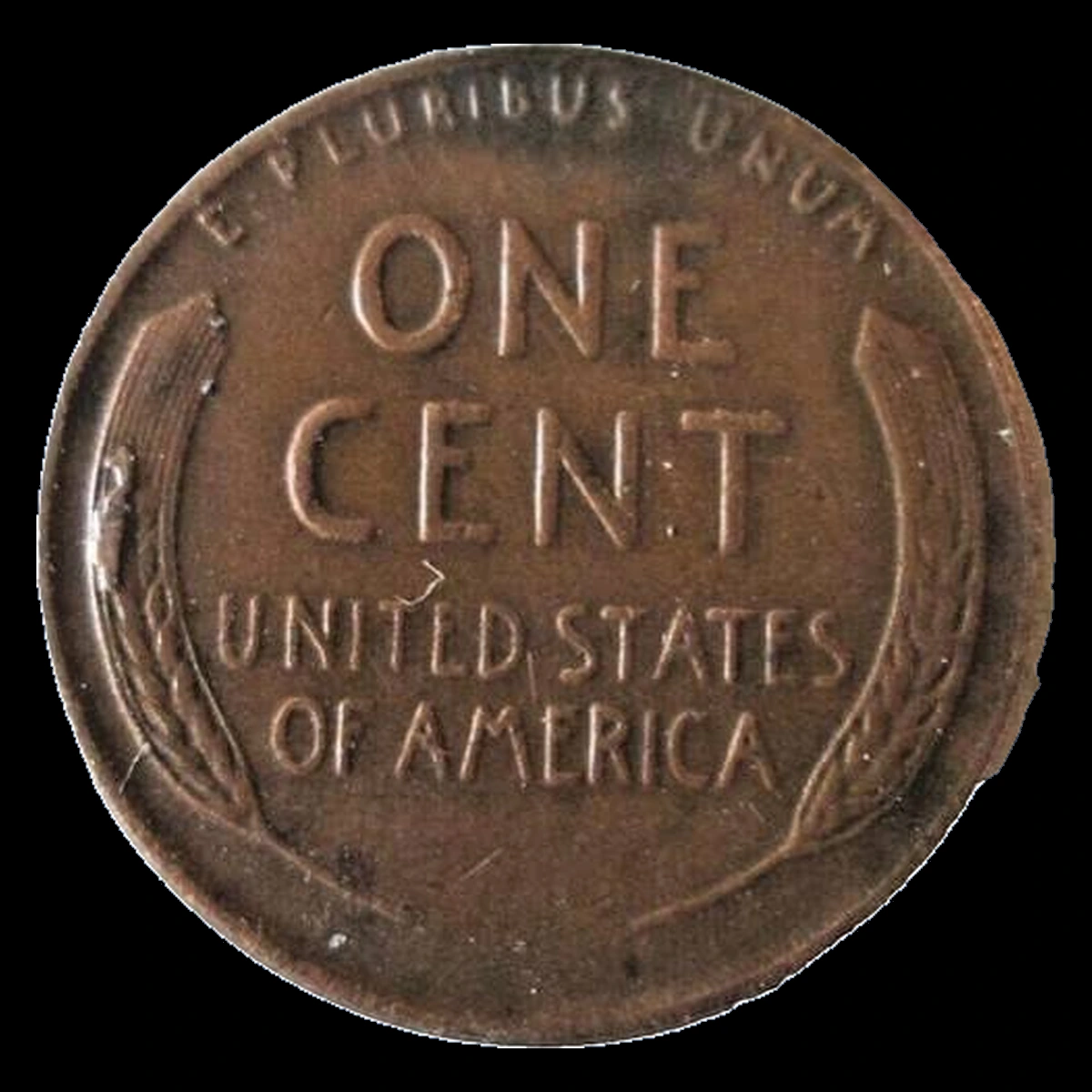
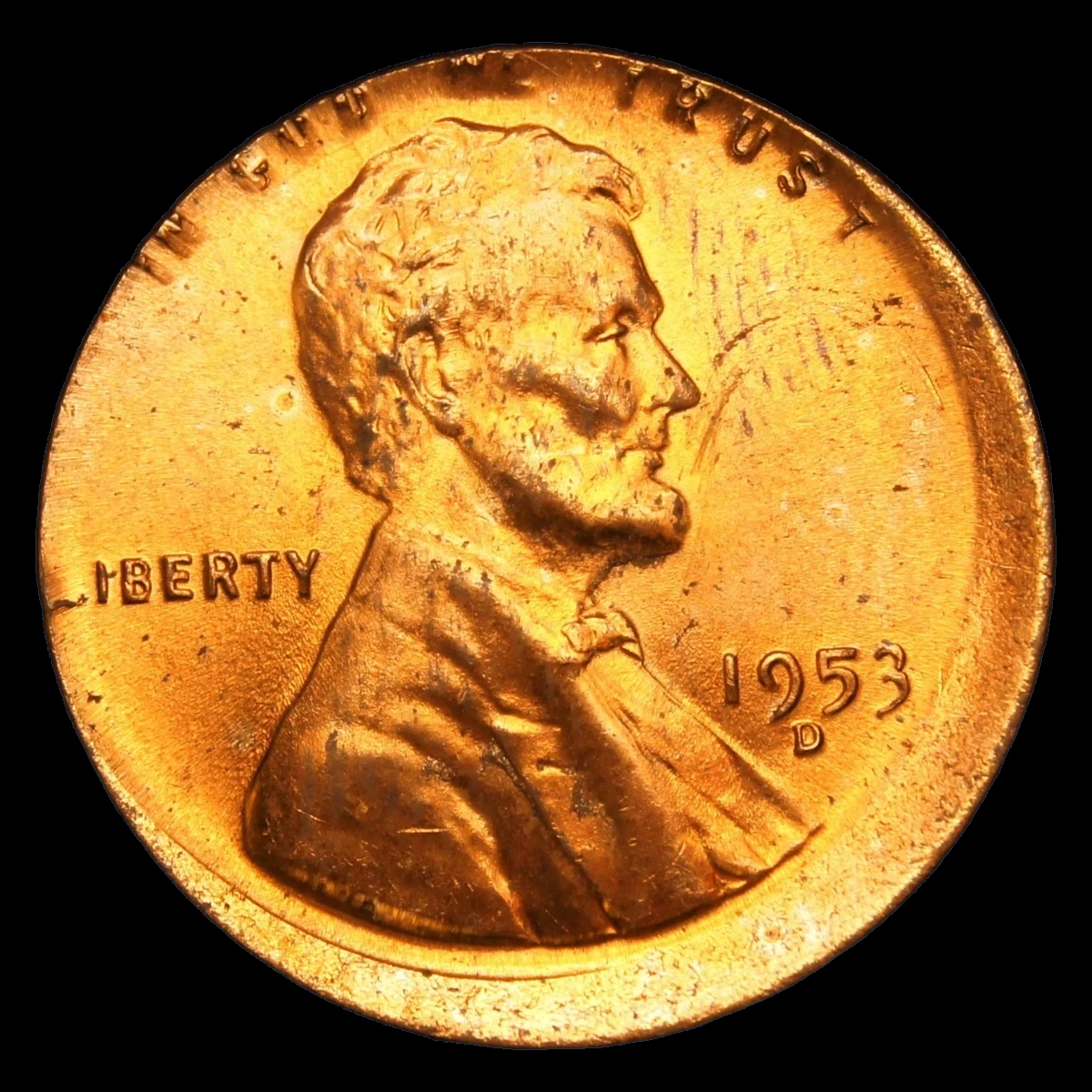
6. 1953 Penny The Design Is Complete inside a Wider Outline: Broadstrike Error
A broadstrike spreads outward when the collar fails to control the blank’s edge. The recorded 1953-D is held as ICG MS61 Red.
The wider coin still contains its original metal. It did not become large because the press added copper.
How to Identify
Follow the lettering around both faces to confirm that the intended designs remain complete. Missing letters beside a plain crescent point toward an off-center strike instead.
Look across Lincoln and the Wheat ears for crushing or tool marks. Hammering a finished penny can widen it while damaging its existing picture.
What It’s Worth
$30–$250 is the estimate for identified broadstrikes. Clear spread and attractive surfaces are useful strengths.
The ICG MS61 Red example sold for $48 at Heritage in January 2009. That older result is a historical comparison, not a guaranteed present price.
7. 1953 Penny The Date Survives beside a Large Plain Area: Off-Center Strike Error
The Philadelphia NGC MS64 Brown example is about 55% off center toward 10 o’clock. Its date remains visible even though LIBERTY and IN GOD WE TRUST fall beyond the blank.
A separate Denver example has later damage as well as a genuine off-center strike. Its unusual marks do not all come from the press.
How to Identify
Match the displaced designs on both faces and inspect the boundary of the original plain metal. Abrasive lines may reveal detail removed later.
The Denver specimen needs its own percentage, direction, and damage assessment. Do not borrow the Philadelphia coin’s 55% description.
What It’s Worth
$30–$600 is the estimate across worn, damaged, and attractive unworn examples. A full readable date is especially useful on a large displacement.
Separate 1957-D MS63 off-center cents brought $139 and $234 in March 2025, at 85% and 65% respectively. Those different-year sales show why percentage alone does not determine value.
8. 1953 Penny Silver Dime Metal Holds a Smaller Cent Design: Wrong Blank Error
Philadelphia, Denver, and San Francisco examples are known on silver dime blanks. The smaller disc leaves less room for the cent’s outer design.
The Denver PCGS AU58 retains a sharp date and D, with only the lower parts of the motto remaining. Its reverse also has two later test marks near 9 o’clock.
How to Identify
Check the mint and compare the actual surviving letters with the right specimen. The Denver stepped rim and test marks do not describe every example.
A silver dime blank’s standard weight is 2.50 grams, not an individual measurement supplied for all three mints. Look for correct metal and no older Roosevelt or torch design.
Added silver-colored plating can disguise normal copper. Professional metal identification is more reliable than color alone.
What It’s Worth
$800–$4,000 is the estimate for identified silver dime-blank cents. Readable identity and appealing surfaces help support stronger prices.
In May 2022, a Philadelphia PCGS AU55 sold for $1,080 and the Denver AU58 brought $1,560. The San Francisco example needs a separate assessment.
9. 1953 Penny A Foreign Centavo Blank Receives Lincoln: Foreign Blank Error
The Philadelphia Cuba-blank example uses brass and has a largely centered design, but lacks the L in LIBERTY and has stretched upper letters. A separate Denver cent was identified on an El Salvador centavo blank.
The countries describe different blanks. The Cuba piece’s metal description should not be copied to the Denver example.
How to Identify
For Cuba, compare the missing L and stretched lettering without requiring an off-center appearance. The rest of the design can remain centered.
The El Salvador record supplies no measured weight or metal recipe to borrow. Record the actual size, weight, and edge, then verify the foreign-blank identity rather than naming a country from color.
What It’s Worth
$1,500–$5,000 is the estimate for comparable authenticated foreign-blank errors. Their unusual starting metal and preservation both affect appeal.
The ANACS MS62 Cuba-blank cent sold for $3,055 in September 2015. The Denver El Salvador example brought $1,860 in July 2021 despite its VF30 circulation wear.
Conclusion
For a 1953 penny, small mintmark or eye details deserve a different comparison from a wide outline or unfamiliar metal. Start with the actual feature and keep the mint and finish attached to it.
The highest repunch price reflects exceptional preservation, while wrong blanks depend on verified identity. Leave retained staples, delicate surfaces, and certified coins intact so their identifying evidence remains available.