Rare 1890 Penny Errors (List & Pictures)
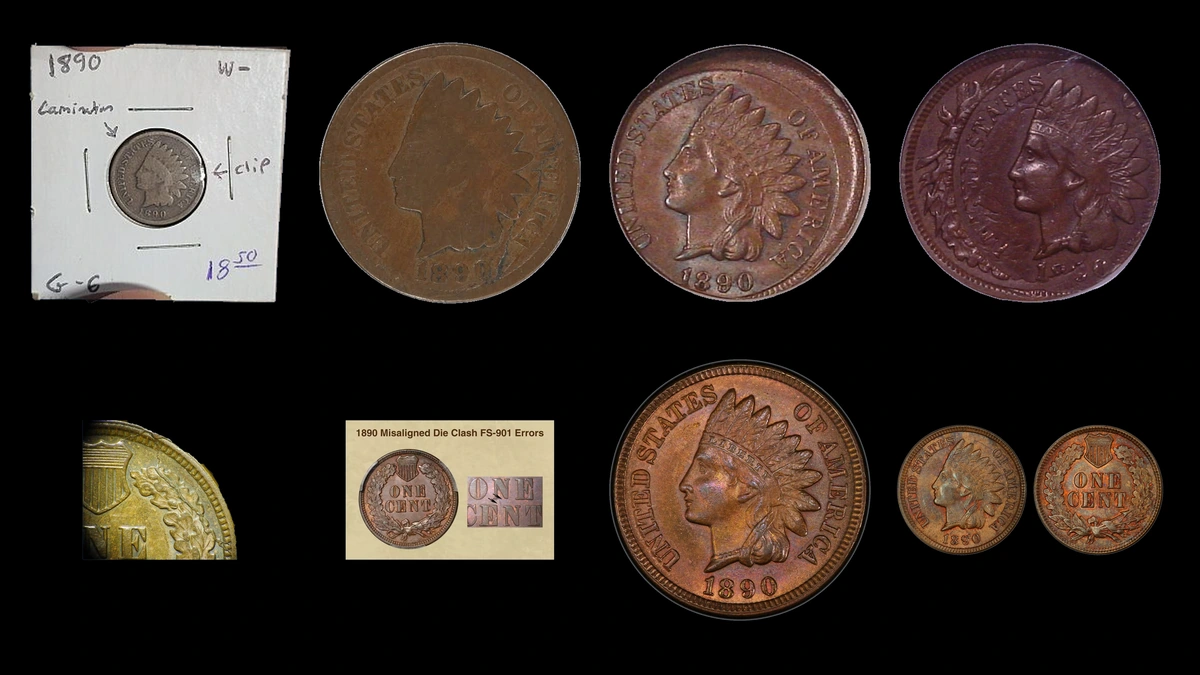
Among documented 1890 penny errors, a light indented broadstrike brought $517.50 at Heritage in September 2006. Its 2.6-gram weight does not establish another denomination’s blank.
Estimated values span $5–$3,500. Start with missing or displaced metal, then inspect reverse marks, lettering, and dates.
A normal bronze cent weighs 3.11 grams and measures 19.05 mm, with a plain edge. Measure accessible loose coins carefully; leave holders sealed and avoid fragile lifted metal.
| What changes? | Possible error | Estimated value |
|---|---|---|
| Edge gap with separate peeling | Reported clip and lamination | $20–$300 for a verified modest clip |
| Thin surface layer | Lamination | $10–$400 |
| Depression and expanded outline | Indented broadstrike | $300–$2,500 |
| One incomplete design | Off-center strike | $75–$1,500 |
| Overlapping designs | Double or flipover double strike | $250–$3,500 |
| Raised lines or rim patches | Cracks and rim breaks | $5–$1,000 |
| Extra trace between ONE and CENT | Displaced clash | $25–$1,200 |
| Inward steps in front lettering | Doubled or multiple-image die | $30–$3,000 |
| Digits outside the date | Misplaced date | $20–$1,500 |
| Earlier strokes around numerals | Repunched date | $15–$2,000 |
1. 1890 Penny An Edge Gap Accompanies Peeling Metal: Reported Clip with Lamination Error
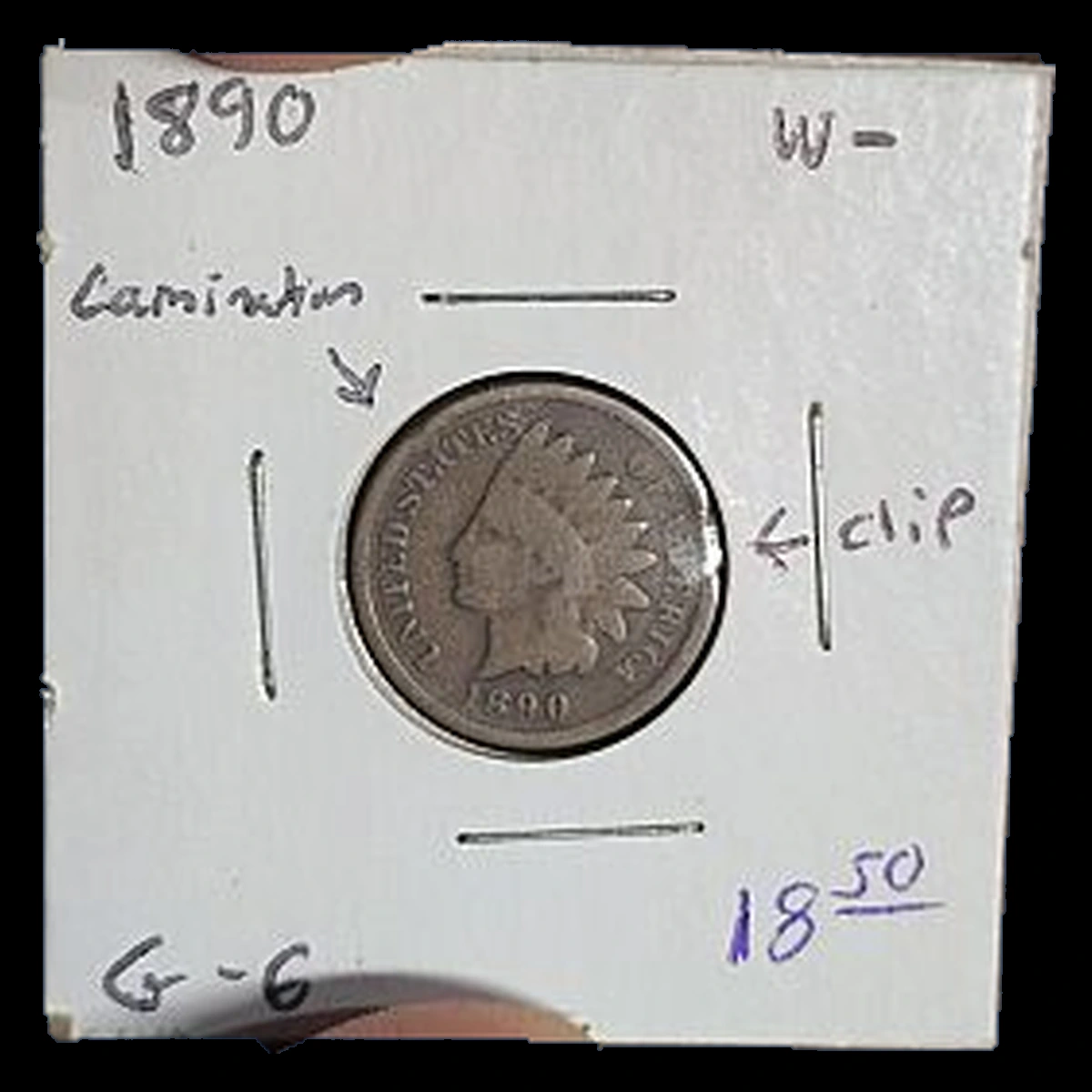
A seller-described Good 6 example has a reported clip at 3 o’clock and lamination on the front. Good 6 indicates heavy wear, and the supplied listing is not independent grading-service confirmation of either error.
A genuine clip begins with an incomplete blank before striking. A peeling layer involves weakness within the alloy, so the two features need separate explanations even when they share a coin.
How to Identify
Inspect the endpoints of the edge gap for a rim that formed beside missing metal, rather than finished details cut away later. Opposite-rim weakness can be supporting evidence.
Check for a dent, tool marks, or metal pushed into the gap. Neither low weight nor peeling on the front independently proves that the notch is a mint-made clip.
What It’s Worth
A verified modest clip has an estimated range of $20–$300, with wear and size affecting the comparison. The seller’s $18.50 figure for the reported combined error is an asking price.
It is not a completed auction result or a base amount to which a maximum lamination estimate should be added.
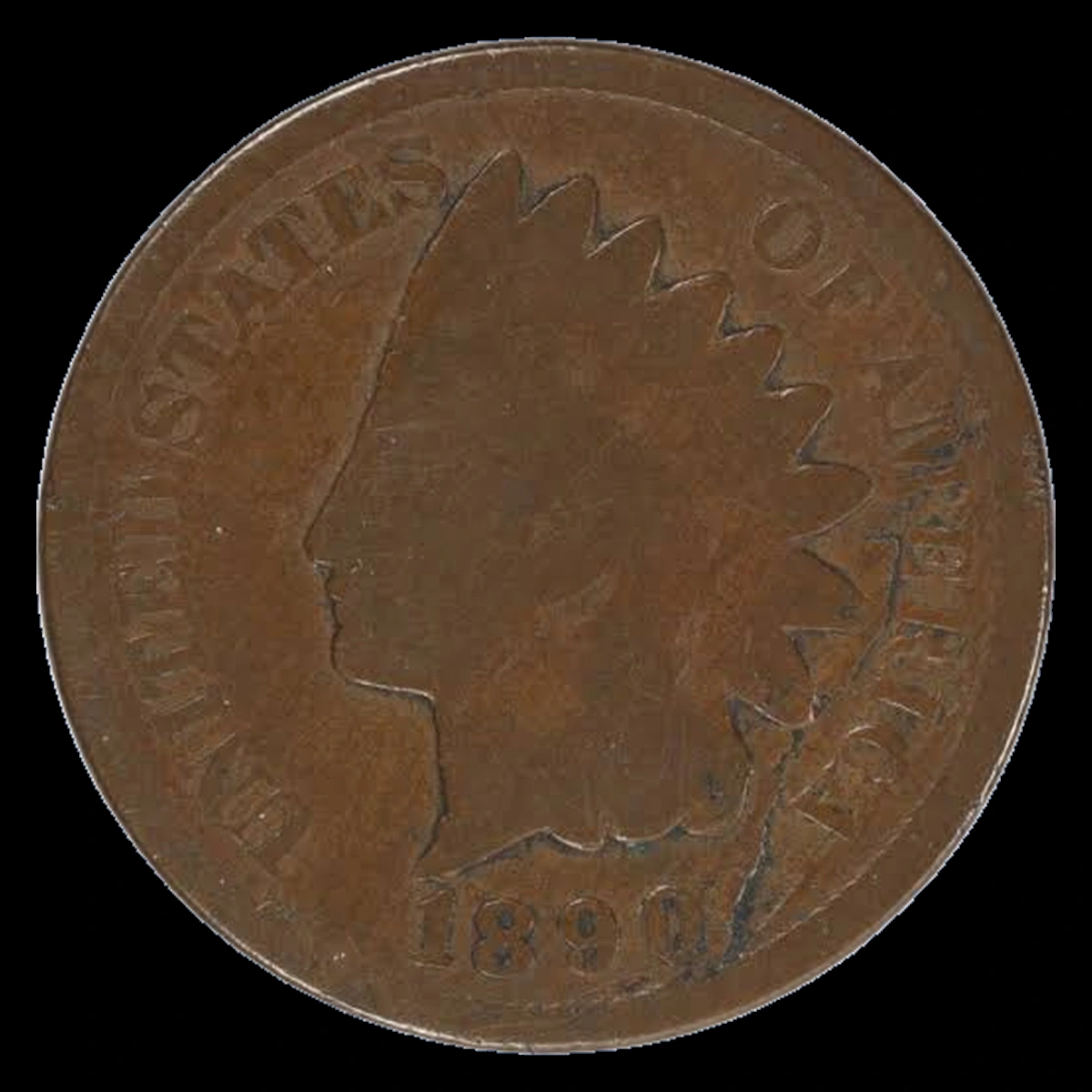
2. 1890 Penny A Thin Bronze Layer Lifts Away: Lamination Error
The bronze itself can separate along a weak internal layer, leaving attached peeling metal or an opening where it detached. This is lamination, rather than the coating loss associated with a modern plated cent.
An NGC MS62 Brown 1890 example has front lamination. A different seller’s coin reportedly has a defect below the date; that location must not be assigned to the NGC coin without a matching photograph.
How to Identify
Photograph the layer’s boundary from the side without pressing or lifting it. Look for thin metal continuing into the surrounding surface, rather than a separate transparent coating.
A deep isolated gouge lacks that layered relationship. Keep the complete date visible when documenting the separately reported below-date defect.
What It’s Worth
Estimated values are $10–$400 for ordinary 1890 laminations. The unworn NGC MS62 Brown example sold for $104 at Heritage in April 2010, a result that includes the coin’s condition.
That sale does not belong to the separate below-date specimen. A seller’s current bid display also should not be read as a final realized price.
3. 1890 Penny A Large Depression Meets a Spread Border: Indented Broadstrike Error
Two blanks entering the press together can overlap, allowing one to press an indent into the other. In the recorded 1890 example, the overlap covered much of the upper front and prevented the collar, the retaining ring, from containing the strike normally.
The result was a 40% indent with outward metal spread on a coin weighing 2.6 grams. PCGS graded it AU50, meaning light circulation wear.
How to Identify
Trace the depression’s boundary where it meets the remaining front design, then relate it to the expanded outline. The indent and spreading edge should explain one striking event together.
Check for later cuts or missing metal when evaluating an unusually light candidate. The recorded weight alone does not establish the alloy or identify a blank intended for another denomination.
What It’s Worth
The estimated range is $300–$2,500 for suitable examples of the combination. The PCGS AU50 coin sold for $517.50 at Heritage in September 2006.
Its 40% indent and 2.6-gram weight are specimen-specific facts. Do not add separate maximum prices for an indent, broadstrike, and supposedly wrong blank.
4. 1890 Penny Bare Metal Borders One Incomplete Design: Off-Center Strike Error
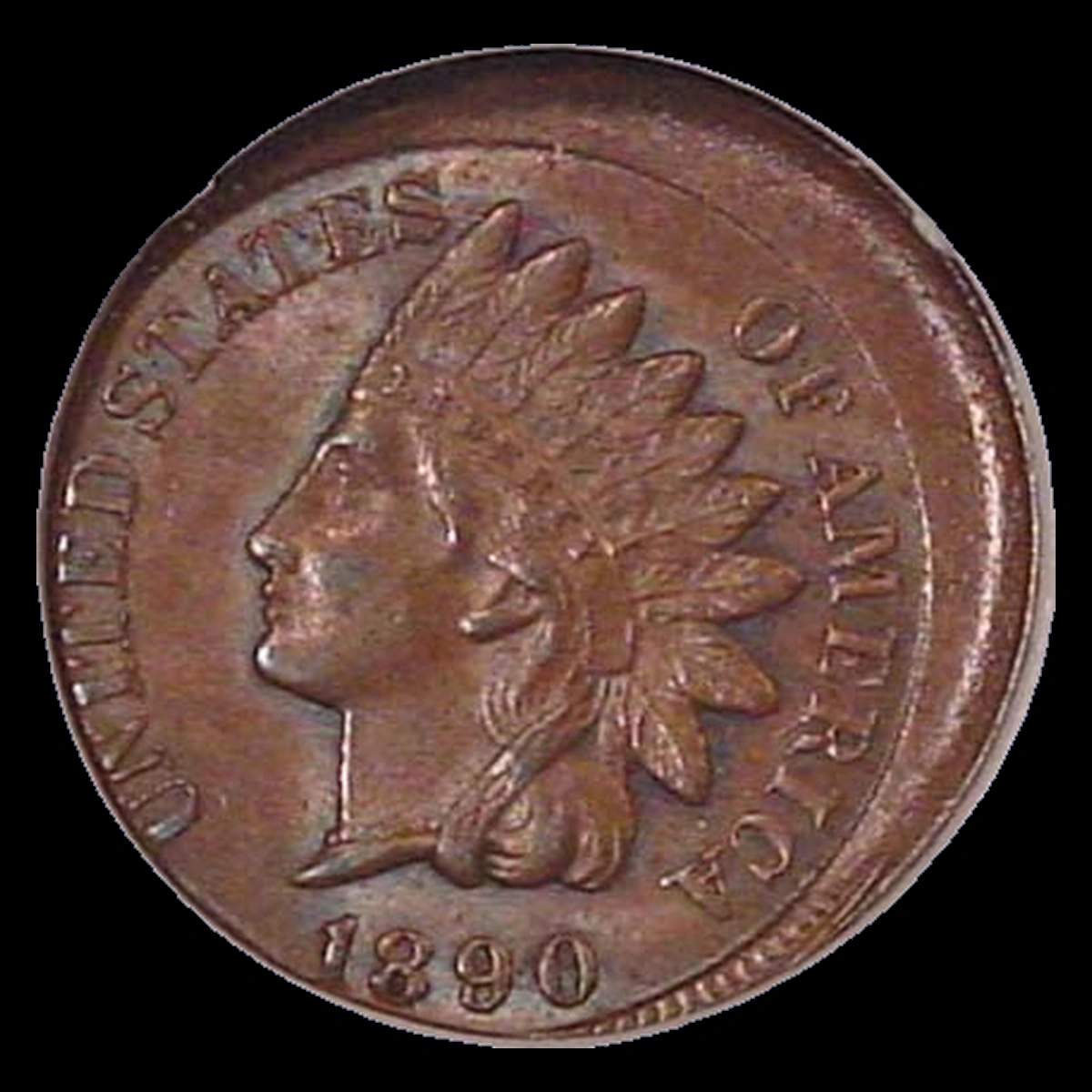
A single misplaced blank can receive only part of each die’s design, leaving unused metal on the other side. Mint Error News illustrates an 1890 cent struck 10% off center toward 8 o’clock, graded NGC MS63 Brown.
A separate Heritage listing describes a 20% example graded PCGS Good 4. Its heavier wear and unspecified direction distinguish it from the published unworn coin.
How to Identify
Photograph the surviving date and the boundary where the design ends. Confirm that the bare crescent remains original blank metal rather than a surface ground smooth afterward.
Both faces should agree with the blank’s displacement. An uneven border surrounding an otherwise complete design is not enough, and a second impression would place the coin in the multiple-strike category.
What It’s Worth
Estimated values span $75–$1,500 for dated examples. A year guide reports $188 for a 10% off-center AU58 coin in 2015; that lightly worn reported comparison is separate from the MS63 illustration.
The 20% Good 4 coin needs comparisons with similarly heavy wear. A larger percentage does not automatically outweigh its condition.
5. 1890 Penny Designs Overlap after Movement or Turning Over: Double Strikes Error
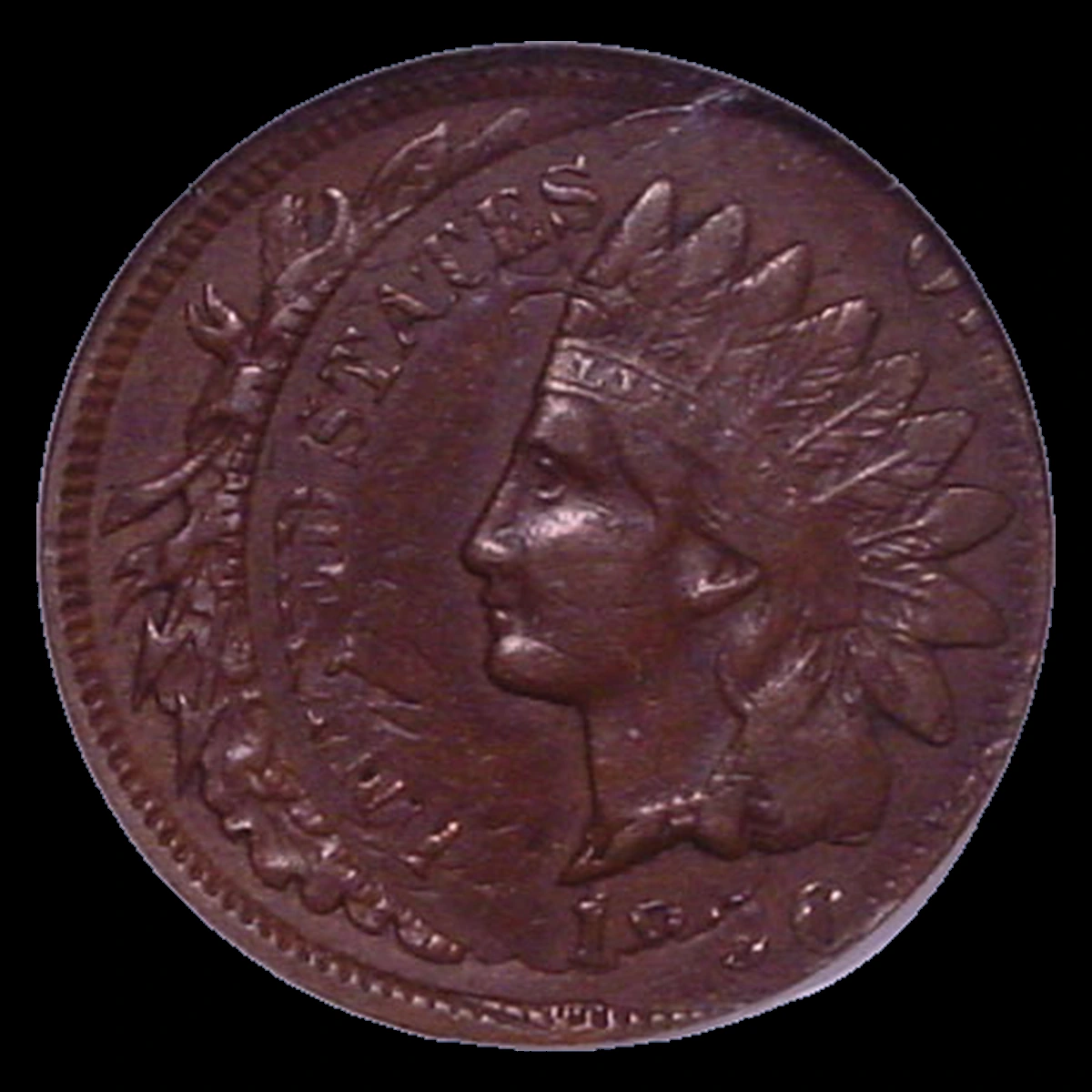
Some 1890 cents stayed available for another blow after their first strike. A published NGC MS62 Brown example has a centered first strike and a second strike 85% off center toward 11 o’clock.
A separate NGC AU55 Brown listing records a 60% second strike. Another example flipped over between strikes, placing opposite-face details together, with the second strike 15% off center toward 7 o’clock and a grade of NGC XF40 Brown.
How to Identify
Map each recognizable portrait or letter fragment to one of the strike positions. For a flipover, compare the older fragments with the design normally found on the opposite face.
The small second impression near 11 o’clock belongs to the 85% example, not automatically to the 60% listing. Both faces must support a coherent sequence of movement or turning over.
What It’s Worth
The estimated whole-coin range is $250–$3,500, including stronger flipover examples. A year guide reports $900 in 2017 and $660 in 2018 for AU53 coins with an 85% second strike, both separate from the unworn MS62 example.
The 60% second-strike listing supplies a certified comparison without a final sale price in the available description. Displacement and clarity must be considered alongside wear.
6. 1890 Penny Ridges and Broad Patches Interrupt the Rim: Cracks and Rim Breaks Error
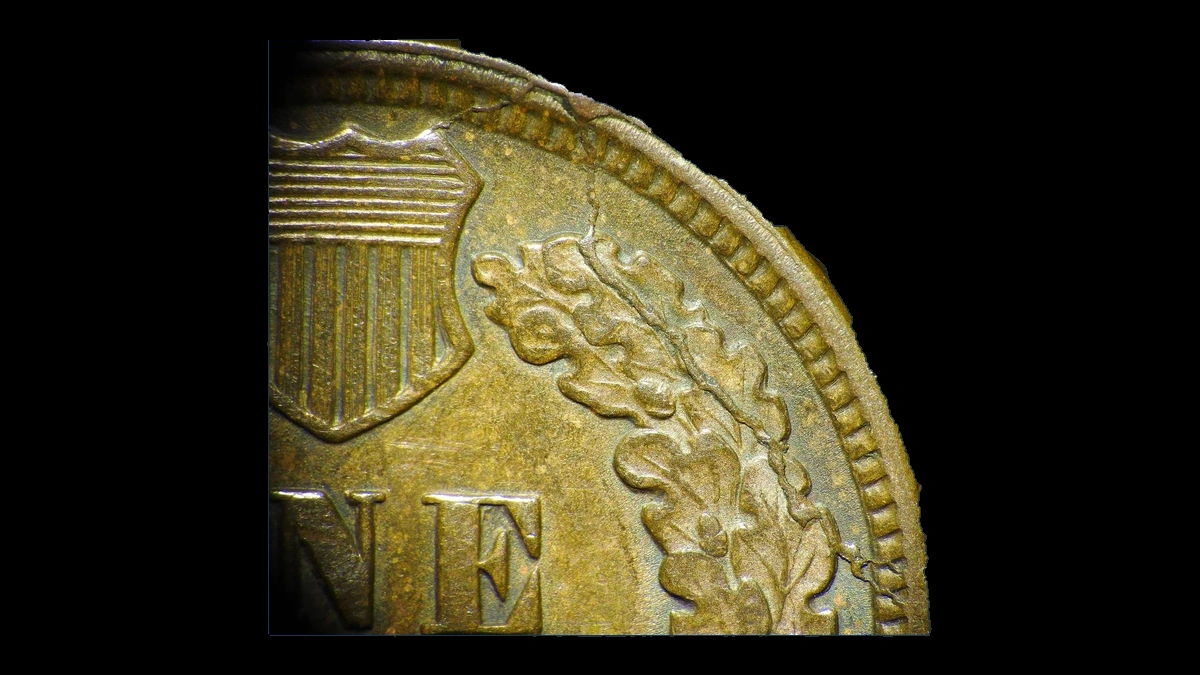
A recorded reverse retained break spans approximately 9 to 10:30. The fractured die piece remained in position, so some design could still appear within its boundary.
Separate front breaks occur around 7 to 8:15 or 8:30 to 9:30, while thinner raised cracks cross parts of the portrait side or wreath. These locations describe different patterns, not one continuous damaged border.
How to Identify
Examine the physical edge for an impact or folded rim beside a broad patch. For the retained reverse break, follow the boundary and any design surviving inside it.
A true die crack leaves a raised line as coin metal fills the opening in the steel. Inspect the line’s center because a later scratch can have bright raised ridges along its sides.
What It’s Worth
Smaller cracks have estimated values of $5–$100, while clearer retained breaks or substantial rim patches may fall around $50–$1,000. A faint early line is not a suitable comparison for a large developed break.
Some coins also carry a date variety. Value that complete combination once, without adding a separate maximum for every feature.
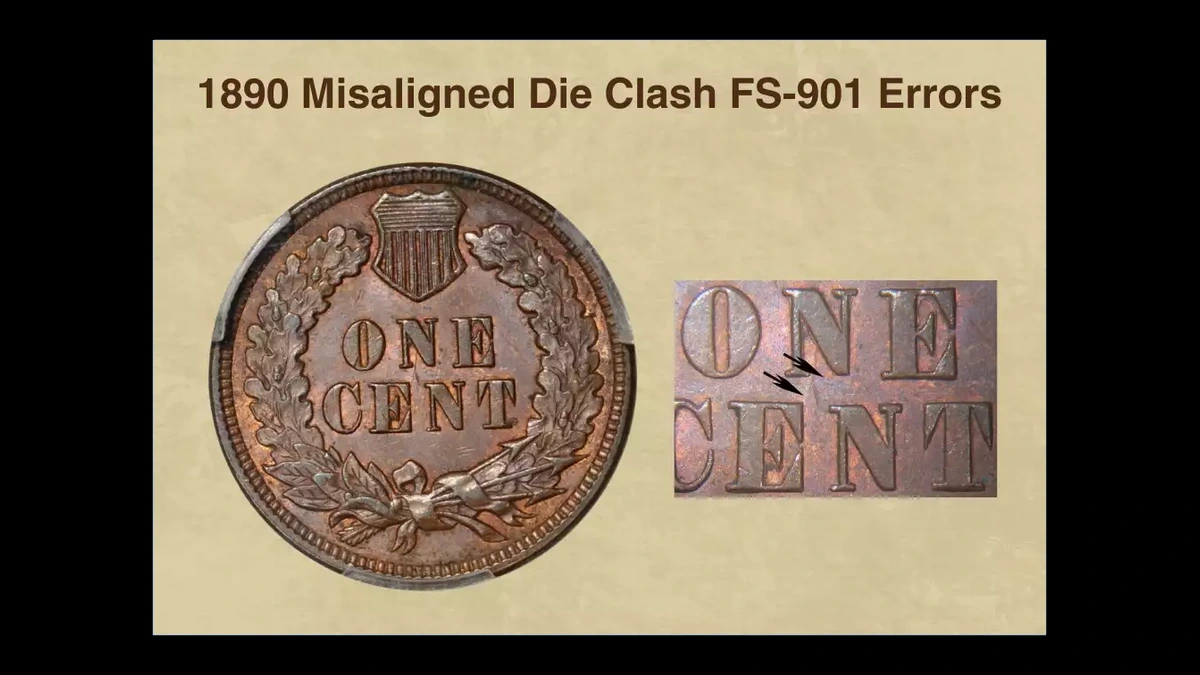
7. 1890 Penny An Extra Trace Lies between ONE and CENT: Displaced Clash Error
The reported mark occupies the space between the N in ONE and the EN in CENT. It was transferred when the opposing dies contacted each other without a blank while out of their usual alignment.
A later penny could then receive that trace during a normal strike. Displaced contact between the tools does not mean the whole coin was struck off center.
How to Identify
Include both words in the comparison photograph so the mark’s exact location remains visible. Match its shape to the corresponding front design rather than treating every line in the space as part of the clash.
Check the ordinary design’s centering separately. A scratch in the right area without a recognizable transferred shape cannot establish the variety.
What It’s Worth
The estimated range is $25–$1,200 for a matched example. A year guide reports $900 for an unworn MS63 Brown coin in 2019, but provides no primary auction lot in the supplied account.
That amount remains a reported comparison. The strength of the actual trace and the surrounding surfaces should guide its use.
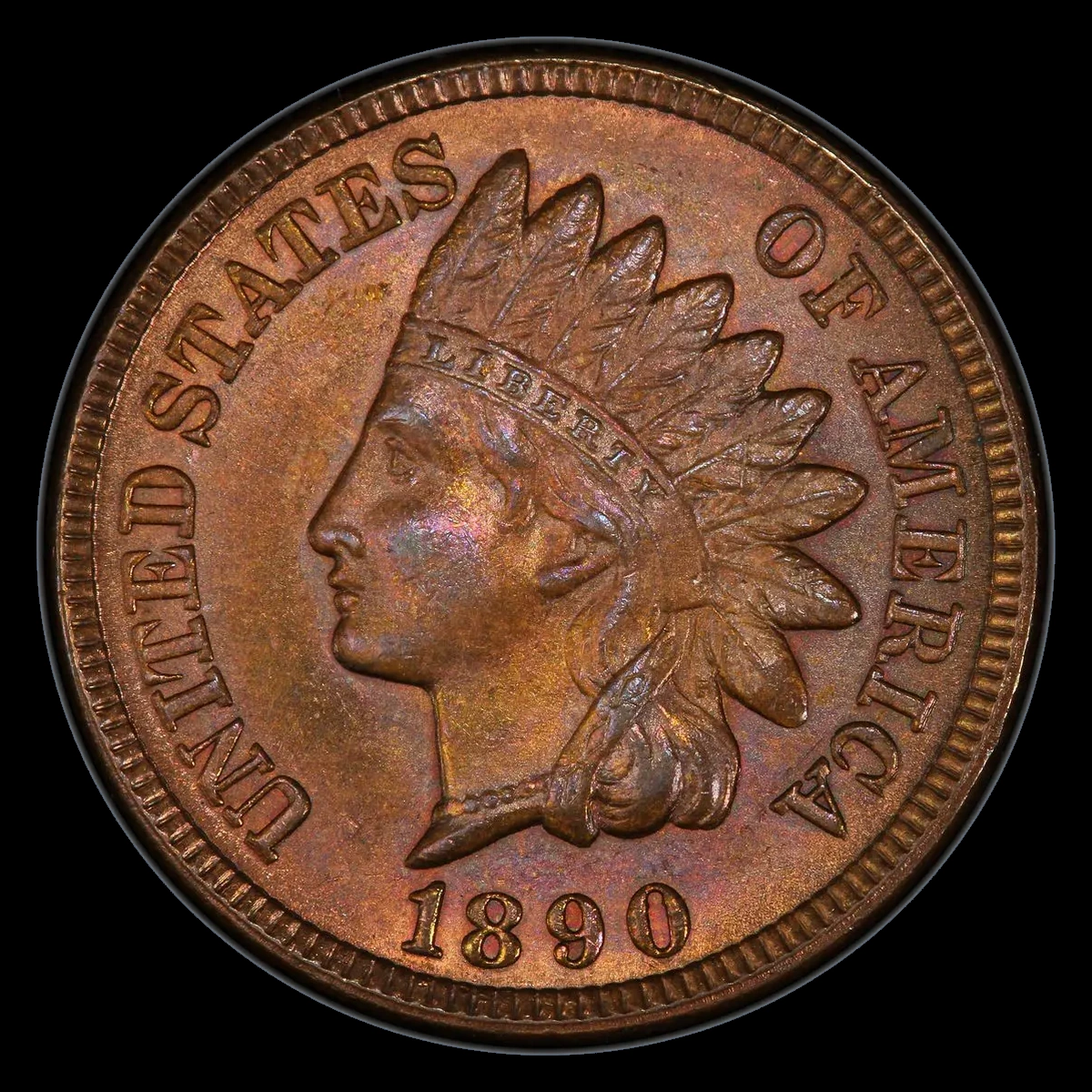
8. 1890 Penny Front Letters Show Several Inward Steps: Doubled or Multiple-Image Die Error
Several repeated edges in UNITED STATES OF AMERICA identify the strong Snow-1 pattern. It is often described as a quadrupled front, while PCGS uses a tripled-front name for FS-101.
The repeated design was already in the die and did not require three or four blows on each coin. This front also carries separate repunched-date remnants below the 1 and 0.
How to Identify
Follow the inward steps across several letters and compare their relative placement. One bright line or a low flat shelf cannot demonstrate the full pattern.
Inspect the date remnants as an associated but separately explained feature. Weaker doubled-front varieties need their own references rather than Snow-1’s complete diagnostic set.
What It’s Worth
Matched examples have an estimated range of $30–$3,000. A specialist account recounts an MS65 Red sale around $3,000 and MS64 Red pieces near $1,000 without a stated date for each resale.
These are reported transactions involving unworn red coins. Their prices do not extend automatically to worn pieces or letters made thick by an unrelated effect.
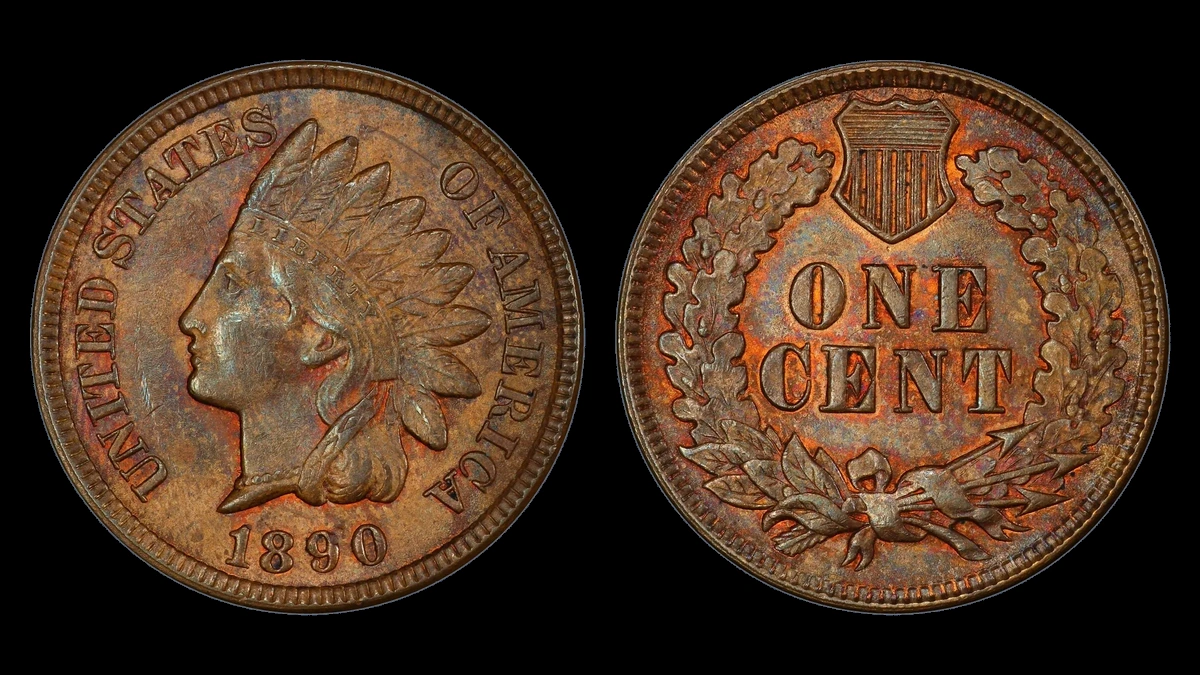
9. 1890 Penny A Numeral Fragment Sits outside the Date: Misplaced Date Error
A misplaced 0 can appear in the border teeth below the 9, while another pattern puts the bottom of an 8 between the portrait base and ribbon. A third report concerns only a digit top in the border beneath the 9.
Incorrect placement of the date punch during die preparation explains these stray fragments. Each occupies its own documented position.
How to Identify
Choose the appropriate 1890 variety reference and compare the suspected digit together with its nearest normal design. The shape, angle, and distance all contribute to the match.
An unexplained neck-area projection is not automatically a numeral. Keep it unassigned unless its contour and recorded position support that reading.
What It’s Worth
Identified varieties have an estimated whole-coin range of $20–$1,500. No single supplied sale prices all the different locations, and clarity, remaining color, and wear influence the comparison.
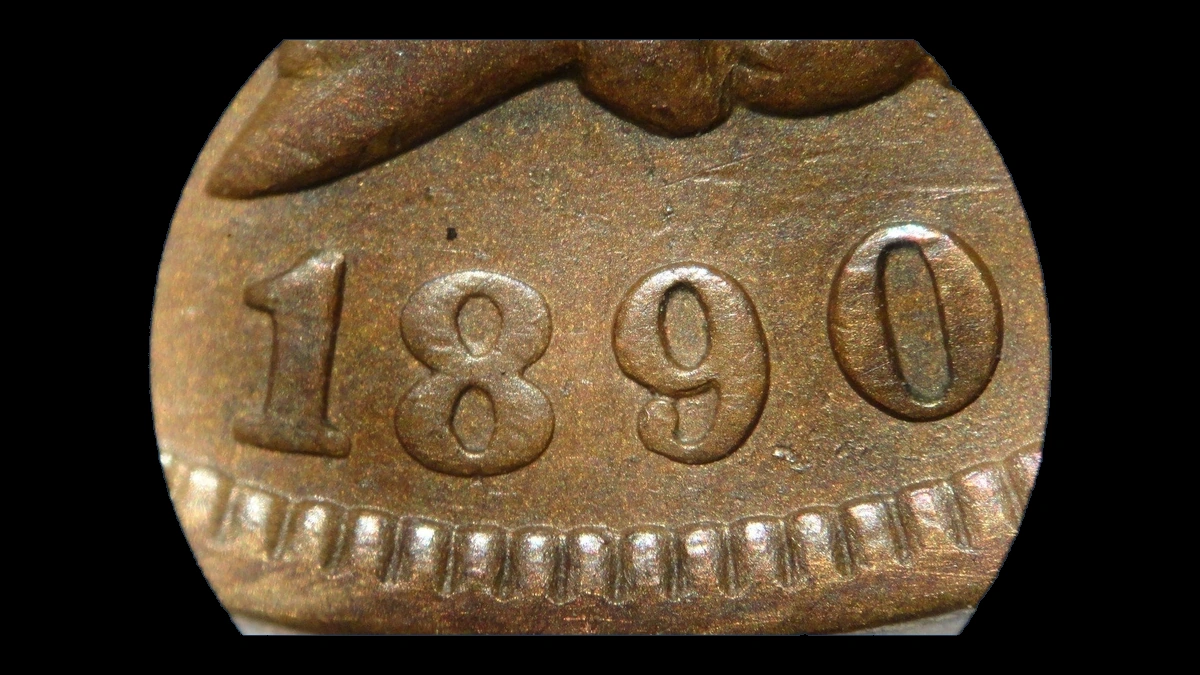
10. 1890 Penny Earlier Date Strokes Survive near the Numerals: Repunched Date Error
The strong multiple-image front also has earlier strokes far below the 1 and within or below the 0. These came from separate applications of the date punch, rather than the process responsible for the repeated lettering.
Other 1890 patterns repeat parts of 89 lower down or leave traces above the 1 and around the 9. Their directions are distinct.
How to Identify
Keep the complete date in view to show the distance between the main digits and any earlier stroke. Follow a recognizable curve or straight numeral segment instead of accepting a thick edge.
For the far-lower 1 and 0 pattern, check the associated multiple-image lettering too. For another repunch, use that variety’s own orientation and avoid forcing it to match the stronger combination.
What It’s Worth
Ordinary repunched-date examples have an estimated range of $15–$2,000. Pattern, preservation, and color determine the useful comparison.
The far-lower 1 and 0 can accompany the stronger front variety and belong in its combined valuation. The two estimated maxima are not separate premiums to add together.
Conclusion
Several 1890 errors combine features, but each clue still needs its own explanation. A peeling layer cannot prove a clip, a low weight cannot identify another denomination’s blank, and date repunching does not explain repeated lettering elsewhere.
Once the features are matched, choose comparisons with similar wear and surfaces. Preserve the difference between documented results, reported transactions, and asking prices, and assign one value to the complete coin.