Rare 1860 Penny Errors (List & Pictures)
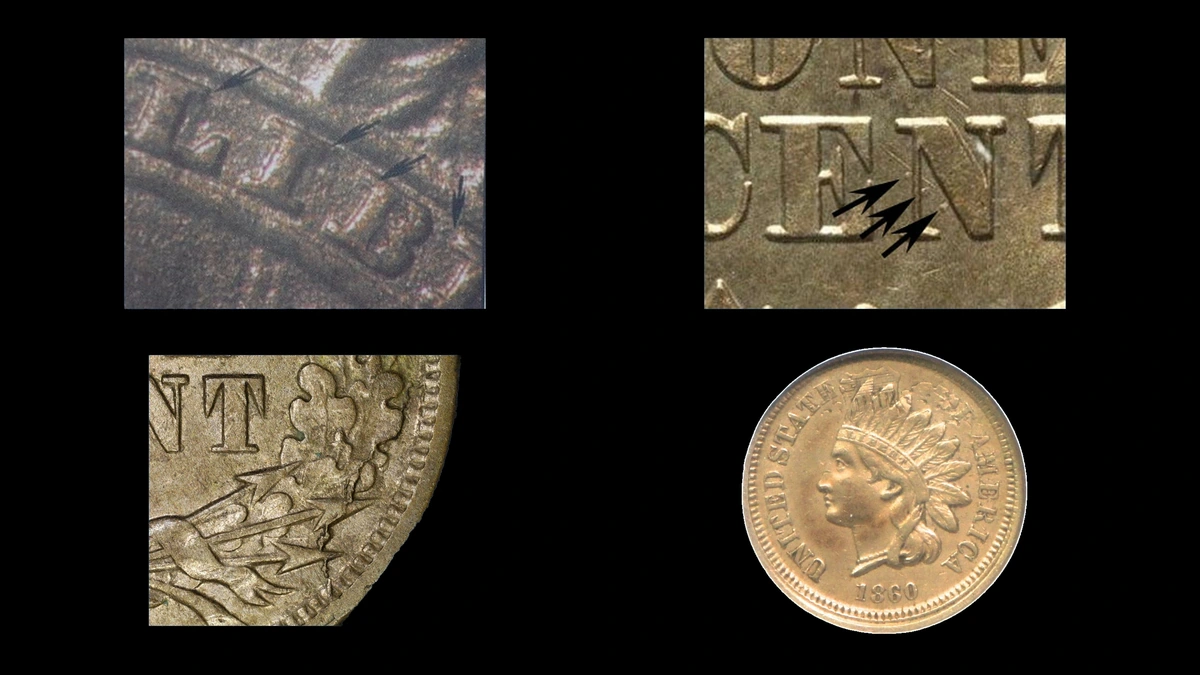
The pointed and rounded portrait bases on 1860 cents are normal design versions. Knowing which one you have helps you compare the smaller date and headband features correctly.
Estimated values for these 1860 Indian Head penny errors run from $10–$3,500. A Rounded Bust coin that flipped between strikes sold for $1,116.25 in August 2016; the supplied later-date repunched-date comparison reached $1,560 for an 1864 bronze cent.
1. 1860 Penny LIBE Has Extra Raised Outlines: Doubled Die Error
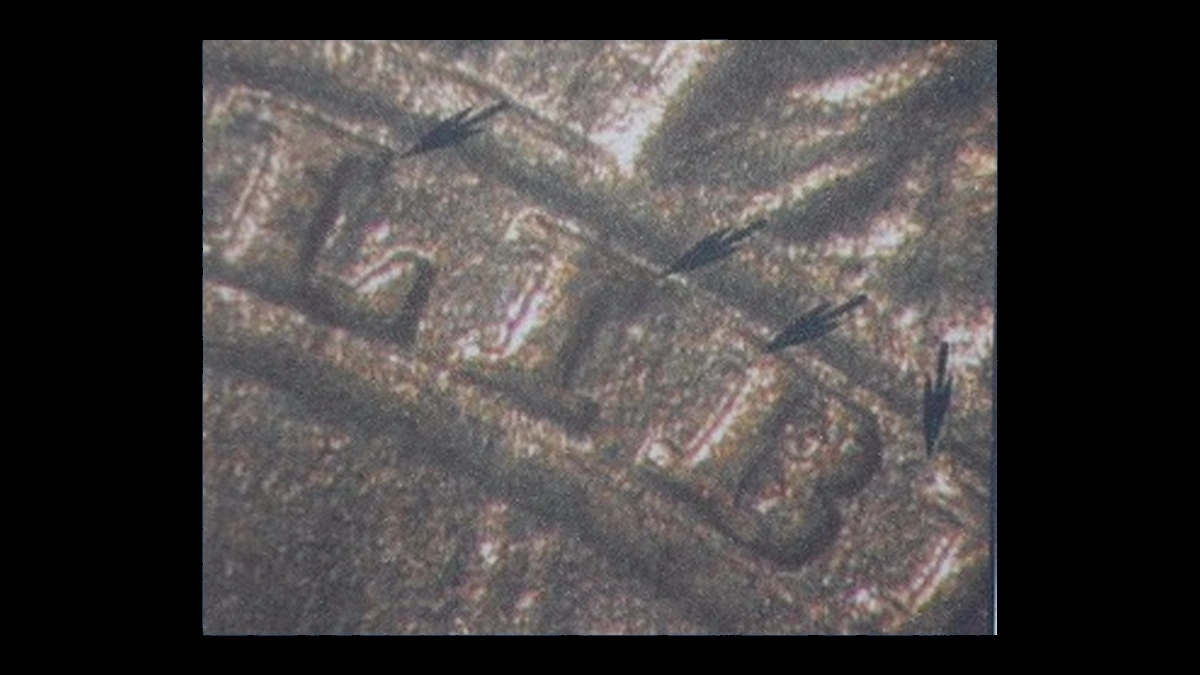
The first four letters of LIBERTY carry the useful clue on the recorded Rounded Bust doubled die. Its stamping tool already had repeated design, so one normal strike could copy the extra outlines.
How to Identify
Check the portrait base before magnifying the headband. The Pointed Bust points toward the U of UNITED, while the rounded version points lower, between that letter and the date.
Compare the shapes of LIBE with the recorded Rounded Bust variety. General outlines around other design elements are not a substitute for matching those letters.
A flat shelf from movement during striking differs from a repeated raised letter. Heavy wear can also remove the small separation that makes the variety recognizable.
What It’s Worth
$60–$2,000 is an estimate across identifiable worn examples and sharper coins with clear doubling. The surviving headband letters are especially important to the comparison.
An 1887 FS-101 graded MS63 Brown sold for $1,380 in June 2025. That later bronze variety is a same-series comparison, while the 1860 coin is copper-nickel with its own pattern and condition.
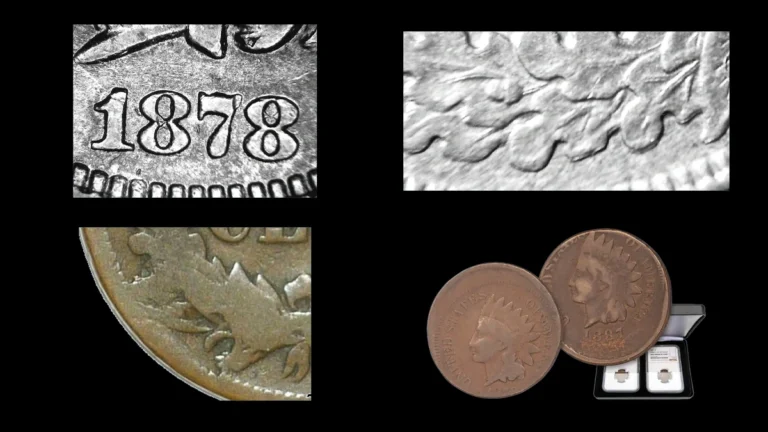
2. 1860 Penny An Earlier Stroke Remains beside the Date: Repunched Date Error
The date punch could enter the die again after shifting slightly. Small parts of its earlier position then remained beside or inside the final digits.
Both normal portrait styles have recorded varieties. One pointed example has a lower impression of 1, while rounded examples involve different combinations around 18, 0, or the lower loop of 6.
How to Identify
Match the portrait style first, then use the 1860 variety guide to compare the complete date pattern. Similar catalog numbers do not make the two design versions interchangeable.
For the variety involving 6, look inside its lower loop rather than searching only outside the digit. A genuine remnant should follow part of an earlier number, not a random ridge beside a cut.
What It’s Worth
$30–$1,500 is a working estimate for identifiable repunched dates. Clear number shapes and better preservation support stronger comparisons.
An 1864 L bronze Snow-3 graded MS65 Brown sold for $1,560 in July 2024. Its date, metal, and variety differ from these 1860 copper-nickel coins, so that amount does not fix their value.
3. 1860 Penny A Portrait Trace Appears on the Back: Clashed Dies Error
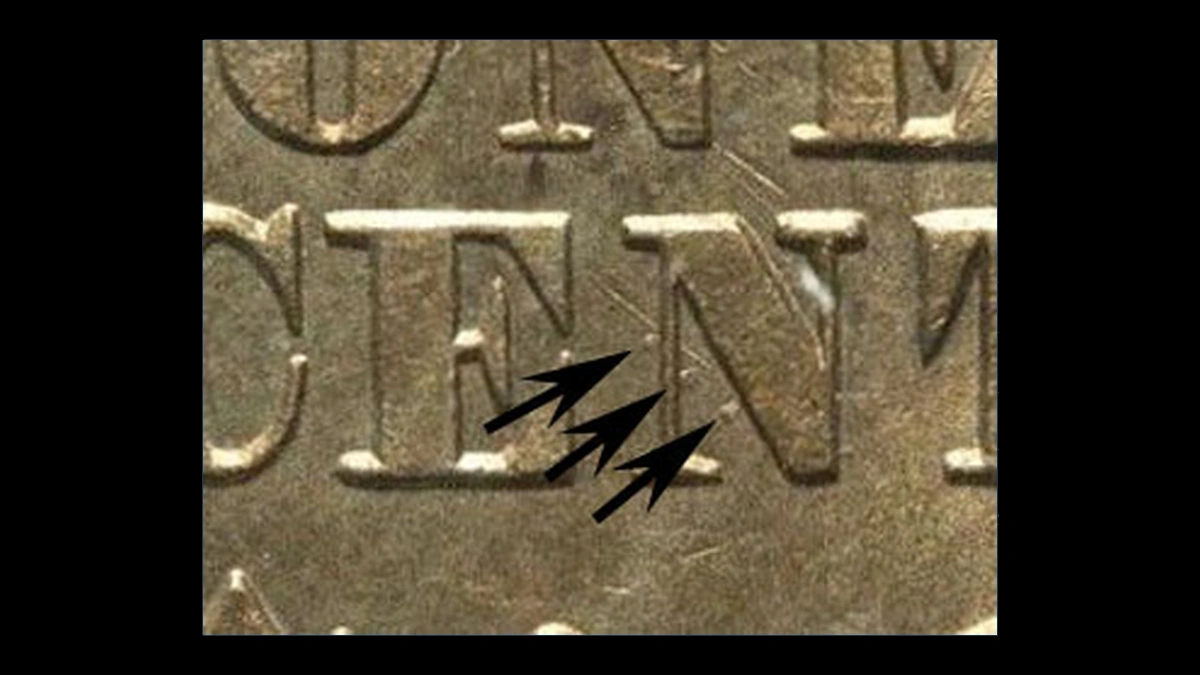
A recorded Pointed Bust variety has displaced portrait-like traces on the back. The dies met without a blank between them, leaving marks that later transferred to coins.
How to Identify
Follow the actual surviving outline and compare it with a recognizable part of the opposite design. Its unusual position does not remove the need for a shape match.
Use the correct Pointed Bust photograph and keep both faces in view. A scratch or a short raised crack cannot become a clash just because it lies near the expected area.
A normal 1860 copper-nickel cent weighs about 4.67 grams and measures about 19 millimeters across. The later bronze-cent weight of 3.11 grams is not the standard for this date.
What It’s Worth
$20–$400 is an estimate for recognizable clashes across different conditions. The pointed portrait version and the original surfaces contribute to the total.
An 1864 copper-nickel cent with both a broadstrike and rim break sold for $646.25 in 2016. That more dramatic combination is only broad error-market context, not a sale or close price match for an 1860 clash.
4. 1860 Penny Raised Lines or Lumps Change the Back: Die Cracks and Breaks Error
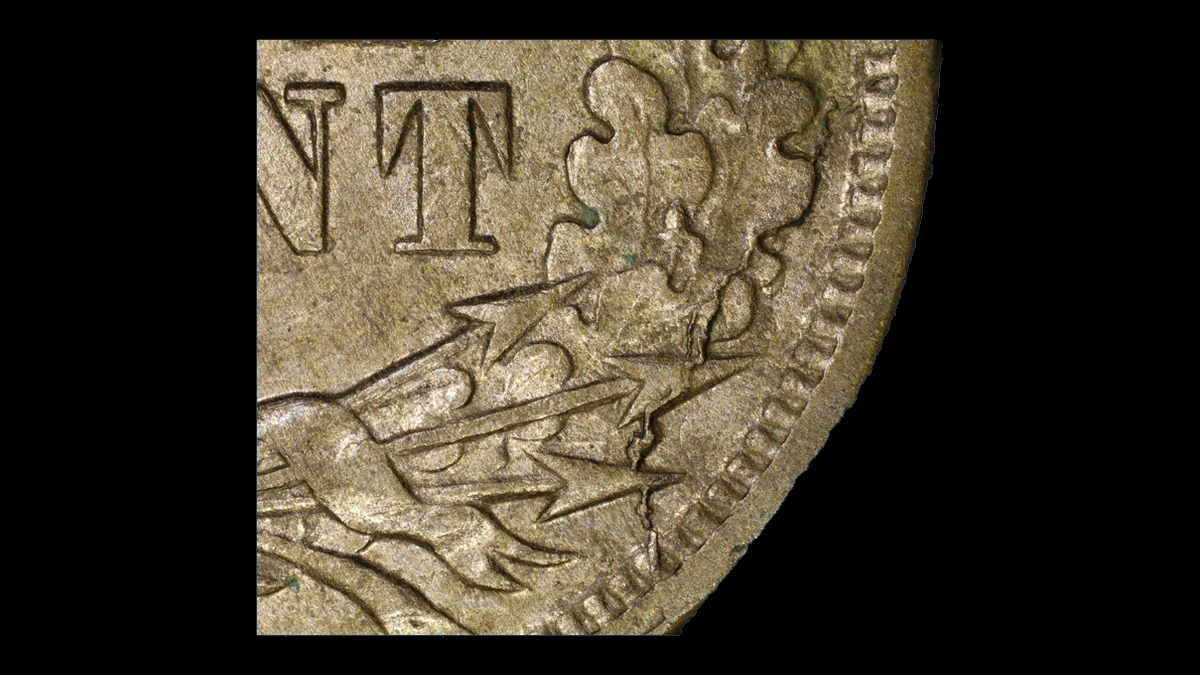
Small die openings fill with metal during striking and leave raised features. A Rounded Bust example has a chip at the shield’s upper-left corner, while a larger break beside T in CENT reaches the rim.
How to Identify
The rim-connected raised patch is called a cud. Check its actual boundary and missing design rather than equating it with the smaller shield chip.
Pointed Bust coins have separate recorded cracks on the left and right of the back. One coin does not need all of these listed marks to have a genuine die defect.
Change the light angle to separate raised original metal from a scratched groove. At a large patch, inspect the edge for solder, folding, or an unnatural seam.
What It’s Worth
$10–$800 is an estimated whole-coin range across fine cracks, chips, and larger breaks. Tiny features often contribute far less than a bold, clear rim patch.
The 1864 copper-nickel broadstrike with a retained break brought $646.25 in August 2016 and was graded MS64. Its two errors and unworn condition should not be transferred to a small chip on an ordinary circulated 1860 penny.
5. 1860 Penny Portrait and Wreath Share the Same Face: Flipover Double Strike Error
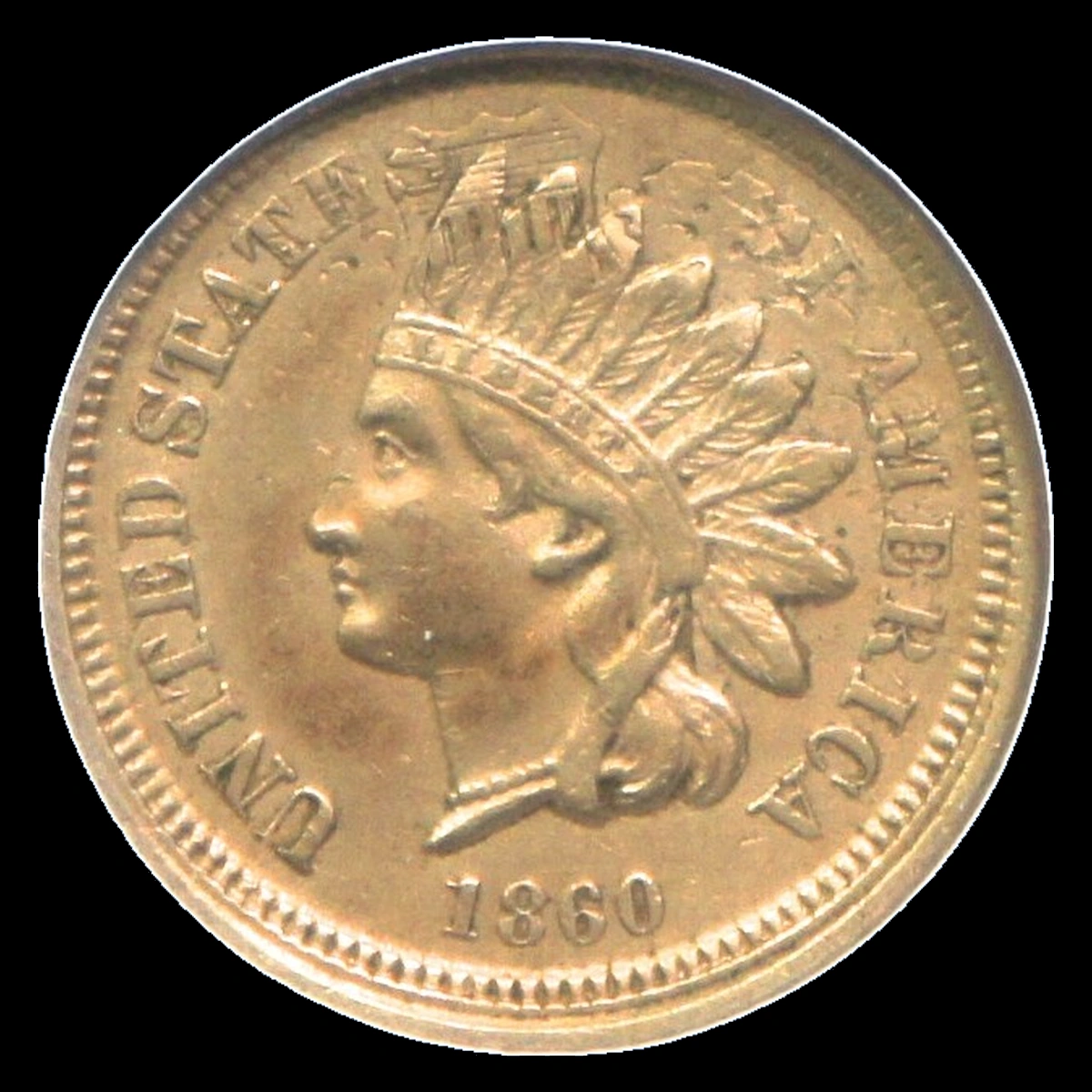
The documented Rounded Bust cent turned over before being struck again inside the collar. The collar is the ring that normally controls the coin’s width, so the result need not have a large off-center crescent.
How to Identify
Sort surviving fragments into portrait-side and wreath-side details. Their crossings should fit an earlier design beneath a later impression from the opposite face.
A backward, recessed mark from another coin pressing against the penny is a different process. Compare the direction, height, and position of the extra features on both faces.
Inspect the edge for a join between separate pieces. The recorded PCGS AU58 example has only slight wear, but its nearly normal width alone does not prove the second strike.
What It’s Worth
$500–$3,500 is an estimate for authenticated flipover examples with differing wear and readable overlap. The PCGS AU58 Rounded Bust coin sold for $1,116.25 on August 14, 2016.
That is one sale for a coin with two strikes. Clear earlier design and original surfaces help the comparison; the two impressions are not separately priced objects.
Conclusion
For 1860, identify the normal portrait style and use the heavier copper-nickel weight standard before comparing an apparent error. A repeated date stroke and a flipover strike involve very different amounts of design.
Keep the full date, both faces, and edge in your photographs. Small die features need exact shape matches, while the flipover needs a consistent explanation of how the opposite designs came to overlap.