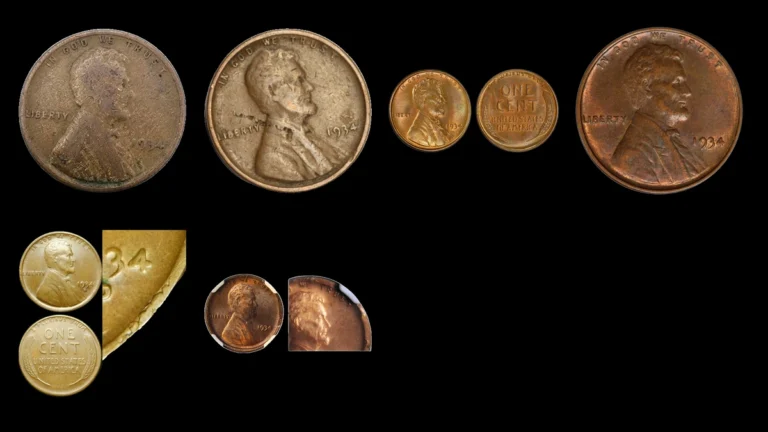
Rare 1836 Penny Errors (List & Pictures)
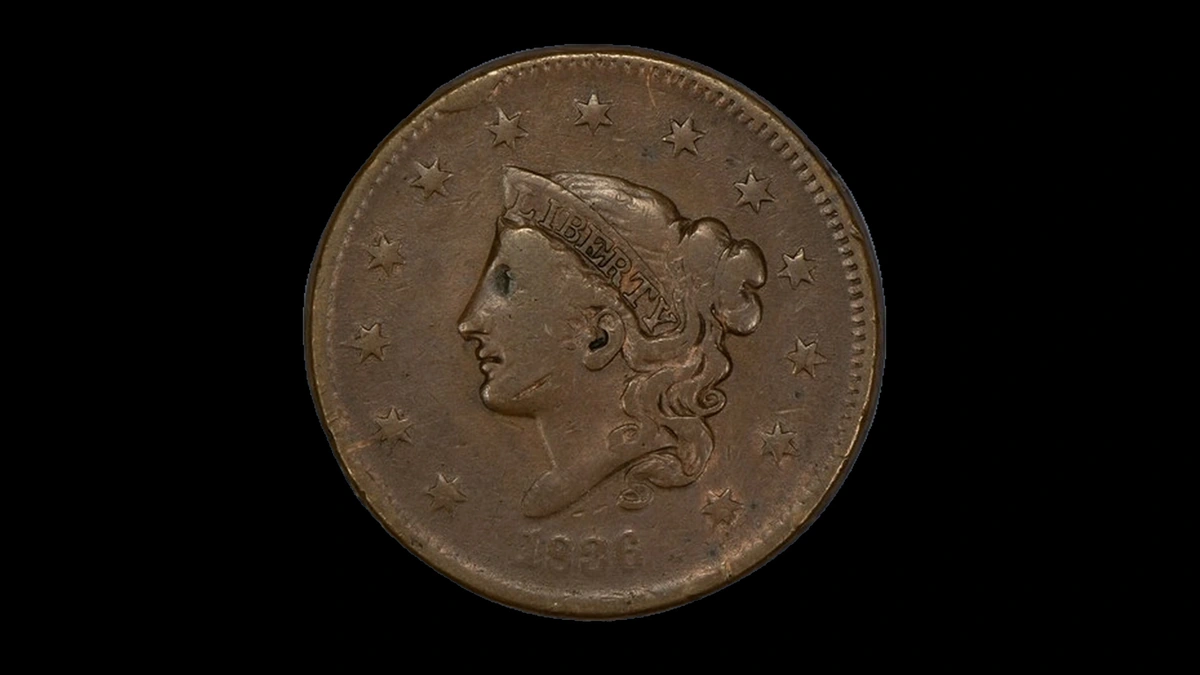
The same cent with a front cud and reverse crack sold for $4,025 in April 2006 and $2,040 in August 2020. Those whole-coin results frame one part of the 1836 penny errors covered here.
Estimated values span $20–$7,000. Check the outline and front-to-back alignment, then distinguish separating copper from raised die damage.
Normal cents weigh 10.89 grams and measure about 27.5 mm, with a plain edge. Read the actual date: “Head of 1836” can also describe an 1835 coin’s portrait.
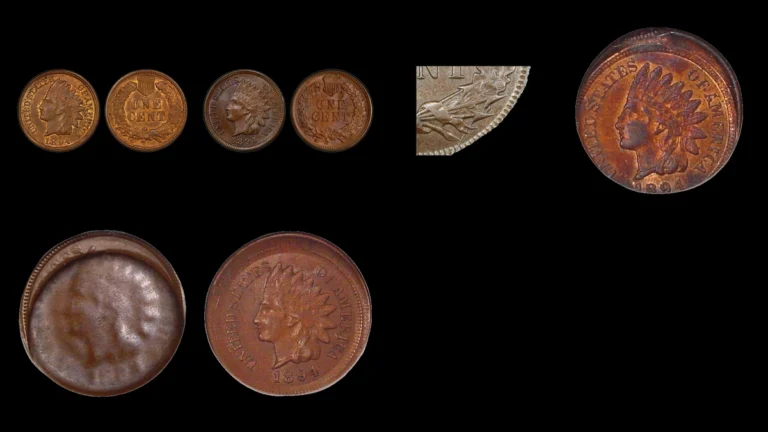
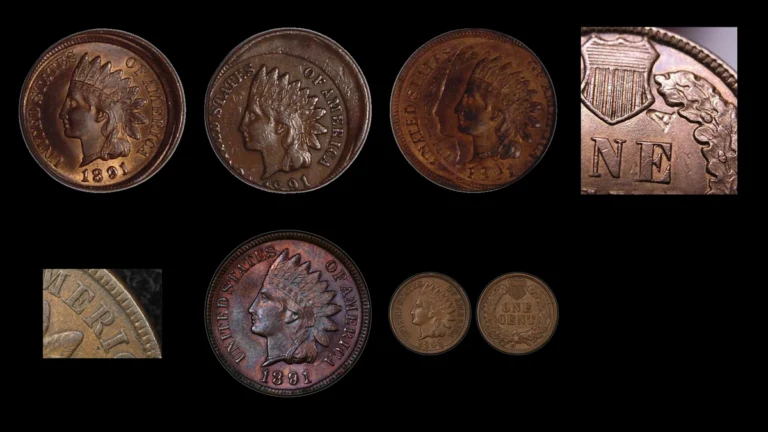
1. 1836 Penny The Design Ends beside a Bare Crescent: Reported Off-Center Strike Error
A misplaced blank can leave part of its metal untouched while the opposite side lacks outer design. That relationship is the main evidence for an off-center strike.
The supplied 1836 report gives no particular certified specimen, percentage, or direction. The coin under examination must provide those details.
How to Identify
Photograph both complete faces with the date and rim visible. The same blank position should explain where each design stops and where original unstruck copper remains.
A broad border around a complete design is insufficient, and a front-only shift may concern one die’s alignment. Inspect the bare area for grinding lines or flattening that removed finished detail.
Striking off center need not remove metal. An unusually low weight therefore needs an explanation beyond the missing design alone.
What It’s Worth
The estimated range is $300–$6,000 for authenticated examples with a readable 1836 date. Displacement, preservation, and remaining design determine the comparison.
An 1855 large cent struck 70% off center brought $1,092.50 in January 2009 at PCGS Fine 15. That worn different-year specimen does not establish the amount of displacement on an 1836 coin.
2. 1836 Penny The Reverse Tilts after a Fixed Flip: Rotated Dies Error
The reverse wreath can remain complete while its orientation is wrong relative to the front. A die, the steel stamping tool, was turned away from its intended position.
Rotation is reported on an N-5 variety example without a supplied measured angle. It should not be assumed to occur at one fixed angle on every N-5.
How to Identify
Set Liberty upright and turn the coin top to bottom in one continuous motion without twisting. Repeat the flip while preserving the same top and bottom points.
Under normal alignment, the back should finish upright. Compare that relationship directly rather than turning two photographs separately until they appear unusual.
Inspect the plain edge for an assembly seam and confirm the readable date. A portrait label alone cannot distinguish this coin from an 1835 Head of 1836 example.
What It’s Worth
Authenticated rotations have an estimated whole-coin range of $20–$2,500. A slight turn on a worn cent may add little beyond the underlying coin’s value.
No rotation-specific sale is assigned to the N-5 report. A dealer’s 60-degree 1851 cent carried a $39.99 asking price, which is neither an 1836 transaction nor a confirmed payment.
3. 1836 Penny Copper Lifts or Leaves a Layered Opening: Lamination Error
A weak layer within the original copper can loosen, curl upward, or detach. The result is lamination, and its boundary may remain visible even when a small piece has fallen away.
The general 1836 account does not identify one location shared by all examples. A rough patch must therefore be examined for actual separation rather than matched to an invented common route.
How to Identify
Use side lighting to follow the edge of a layer without touching or lifting it. Determine whether the boundary passes through the metal or simply scratches across completed design.
Corrosion leaves rough pits and later scraping can displace fresh metal. Neither alone proves the original weak-layer mechanism.
Measure only intact areas if the loose coin can be handled safely. An attached flap can leave weight nearly normal because its copper remains on the coin.
What It’s Worth
Estimated whole-coin values run $25–$3,000. Missing design, unstable metal, and other damage can reduce appeal even when the layer flaw is genuine.
An 1839 Petite Head cent cataloged AU50 had two front laminations and brought a $600 hammer price in January 2026, before the buyer’s fee. That is one different-year coin with two flaws, not two prices or a certified comparison transferred to every 1836 opening.
4. 1836 Penny Raised Patches Join the Front Rim: Cuds and Die Cracks Error
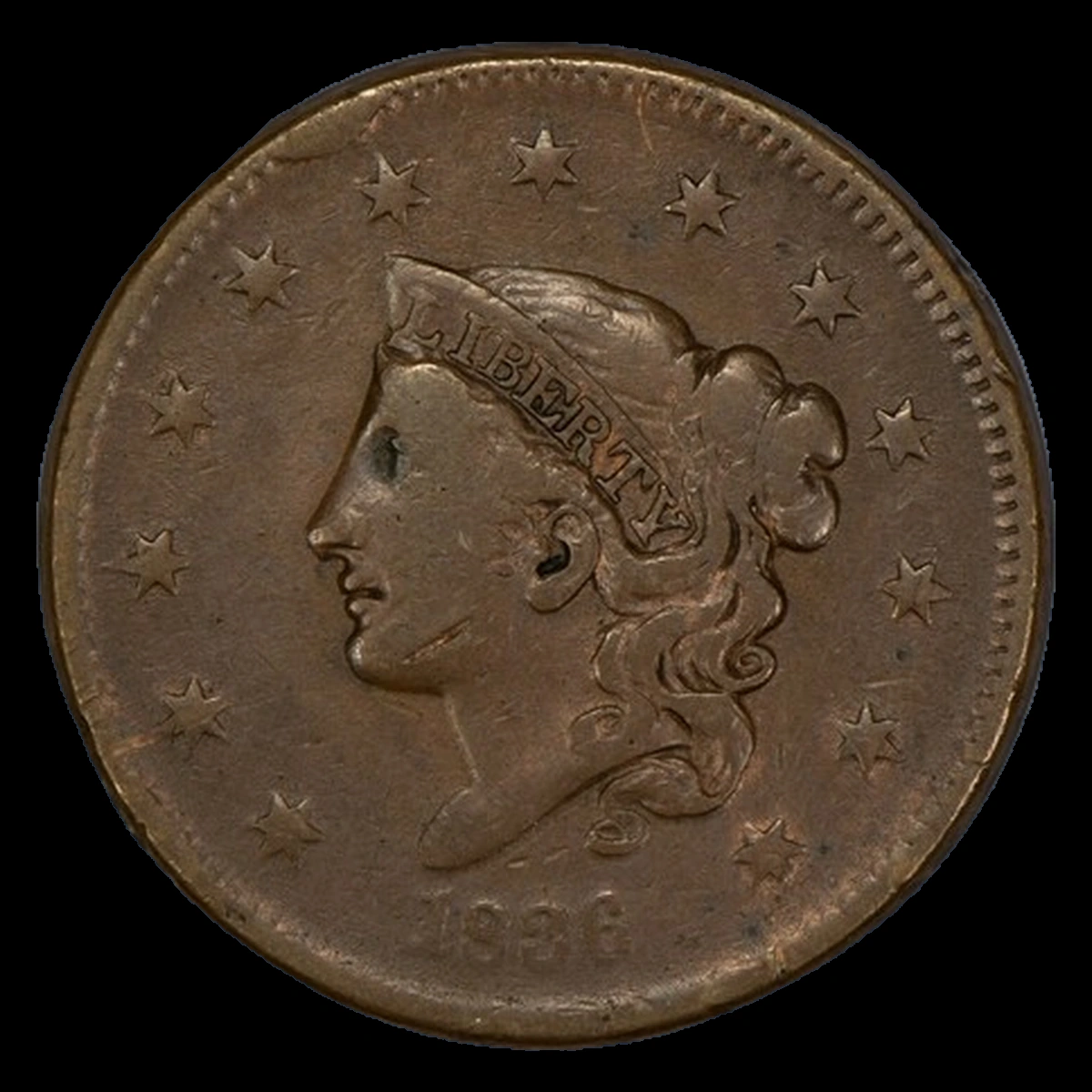
Separate 1836 varieties have front cuds near 11 o’clock and 1 o’clock. A cud is a raised rim-connected patch formed after a piece of the die breaks away.
The documented 11 o’clock example, near star six, also has a reverse crack through the top of ONE. Copper entering that narrow die opening formed the raised line.
How to Identify
Choose the correct front position before comparing the patch’s shape. Inspect its rim connection for a folded edge, attached metal, or a seam.
On the recorded crack-and-cud pairing, follow the reverse ridge through ONE toward the first S in STATES and M in AMERICA. Unrelated scratches should not be joined into that route.
The 1 o’clock cud needs its own reference. Neither coin must show both front patches to qualify as its particular variety.
What It’s Worth
The estimated range is $20–$7,000, spanning small cracks on worn cents through distinct cuds on well-preserved coins. The underlying date and condition remain part of the total.
The MS65 Brown example sold for $4,025 in April 2006 and $2,040 in August 2020. MS65 indicates an unworn coin with relatively few marks.
Both prices concern the complete coin with its front cud and reverse crack. They do not support adding one whole-coin value for each feature.
Conclusion
For an 1836 cent, preserve the full outline and readable date in photographs before focusing on a small defect. A controlled flip tests alignment, while side lighting helps distinguish a separating layer from a raised ridge or scratch.
The repeated auction history belongs to one attractive crack-and-cud coin. Use its condition and identity alongside the visible marks, and retain the limits of reported categories and dealer asking prices when choosing other comparisons.