Rare 1853 Penny Errors (List & Pictures)
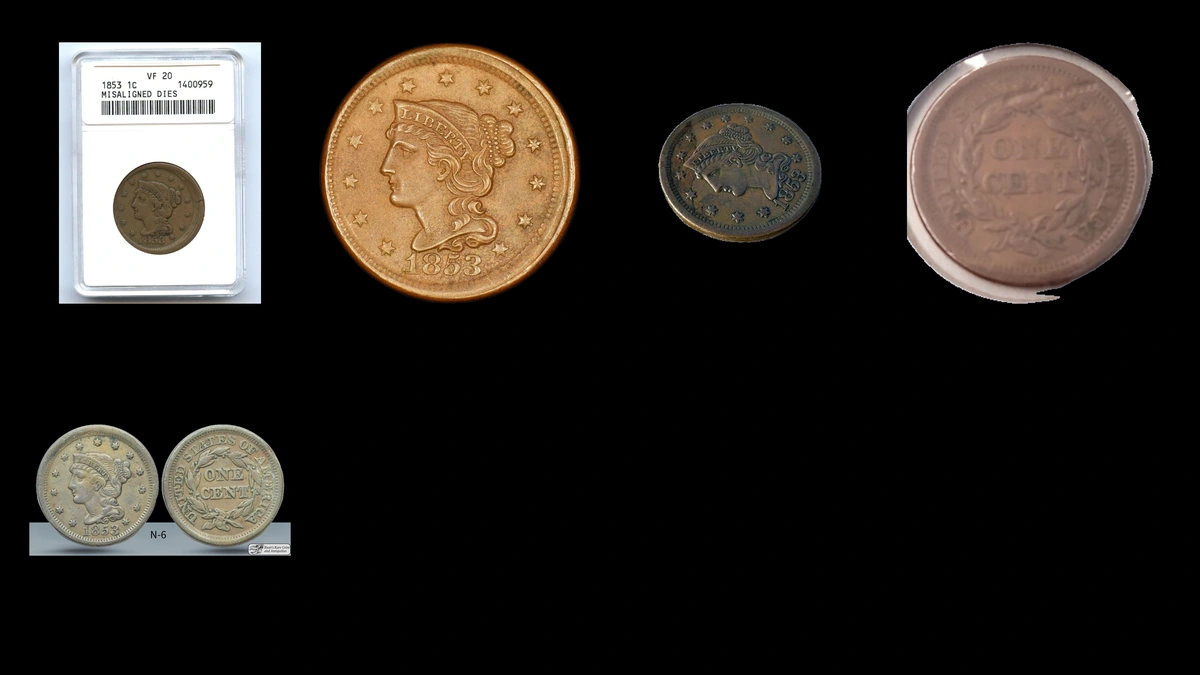
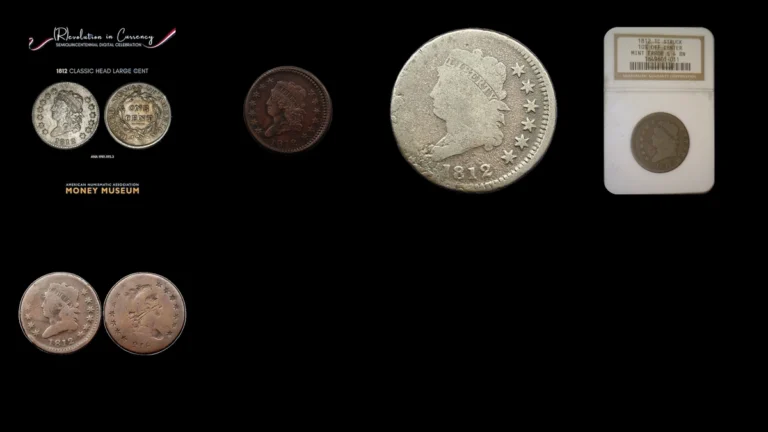
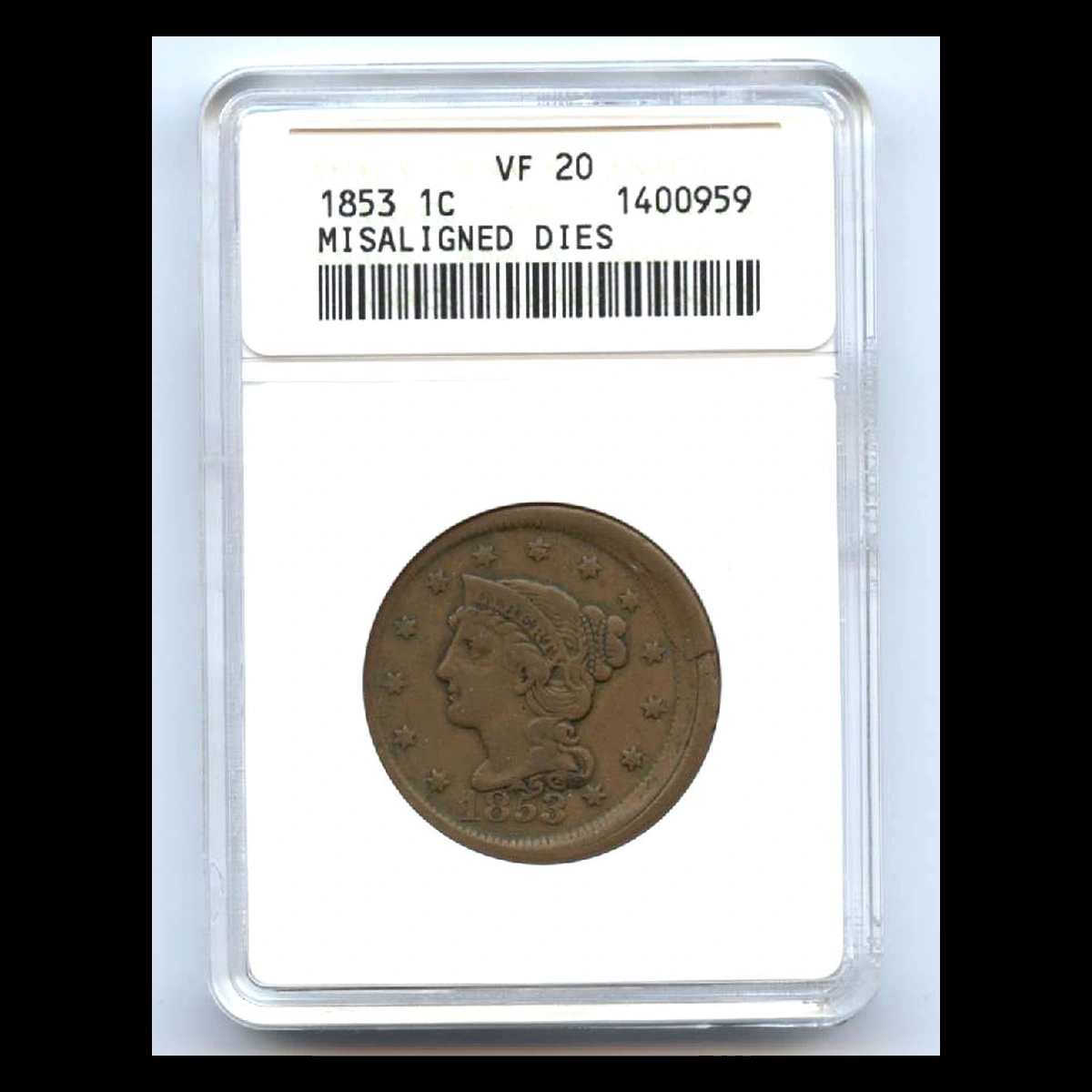
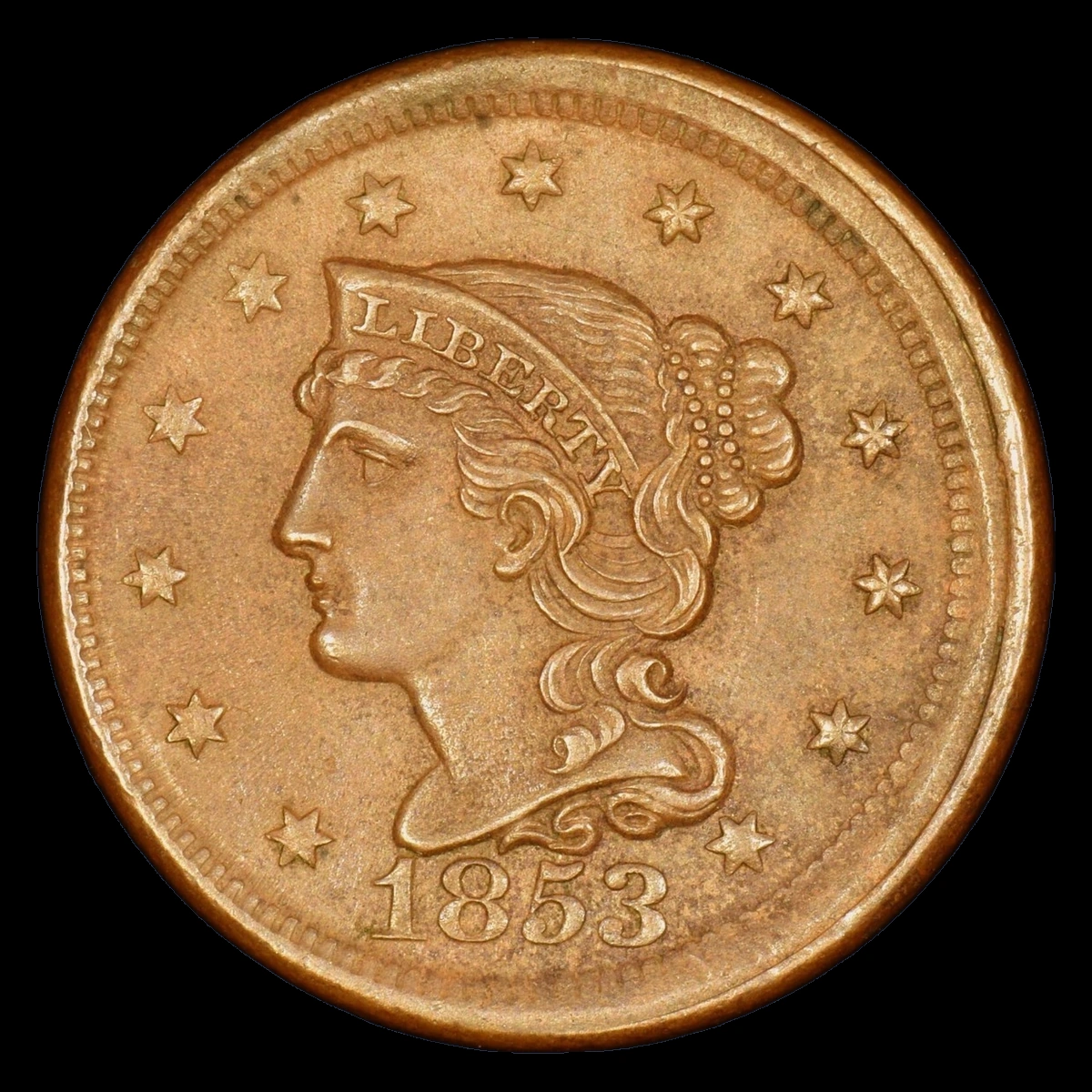
An old auction heading called one 1853 cent off center, but its two faces tell a more precise story. Liberty shifted left while the wreath remained centered, pointing to a misplaced stamping tool.
These five groups of 1853 penny errors have estimated whole-coin values of $25–$5,000. That misaligned example sold for $276 in April 2007 and later $110 in August 2018, showing why one historical result is not a fixed price.
1. 1853 Penny Misaligned Front Die Error
The front design of the N-19 example crowds the left edge, toward nine o’clock. N-19 identifies a particular pair of dies, the tools that stamp the designs.
The back stays centered, so the misplaced front tool explains the difference between the faces. The variety also has a recut date digit, but that smaller feature did not move the portrait sideways.
How to Identify
Compare the entire front and back before enlarging the left stars. Unequal spacing on the front is more meaningful when the back does not show the same shift.
Inspect the plain edge for filing that could make a centered design appear crowded. An older heading’s “five percent off center” wording should not override the description of a one-sided tool shift.
What It’s Worth
$50–$2,000 is the estimated range for identifiable 1853 misalignments. Worn examples may fit around $50–$400, with attractive unworn coins around $400–$2,000.
The PCGS AU58 Brown record lists $110 in August 2018 and an earlier $276 appearance in April 2007. Both concern the whole lightly worn N-19 coin, including its date variety and surfaces.
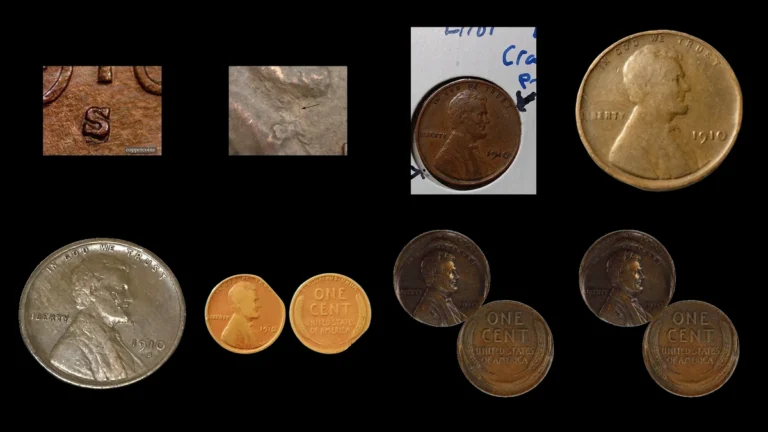
2. 1853 Penny Off-Center Strike Error
A blank that misses its intended position can leave both designs partly beyond the metal. An original bare crescent remains on the opposite side.
The year guide reports a lightly worn 1853 cent struck 35% off center. It does not give a clock direction for that specimen.
How to Identify
Find the date on the error itself and compare both faces using the same physical edge. Both should support a misplaced blank rather than only the left-shifted front described above.
A normal large cent weighs about 10.89 grams and measures 27.5 mm across. Inspect the bare area for grinding lines or flattened design, since a later removal of detail can imitate missing strike.
What It’s Worth
$150–$5,000 is the estimated range for genuine 1853 offsets. Worn examples may fit around $150–$1,500, with stronger better-preserved pieces around $1,500–$5,000.
The reported 35% example was offered at $1,289. That is an asking price rather than a verified completed transaction.
3. 1853 Penny Lamination Error
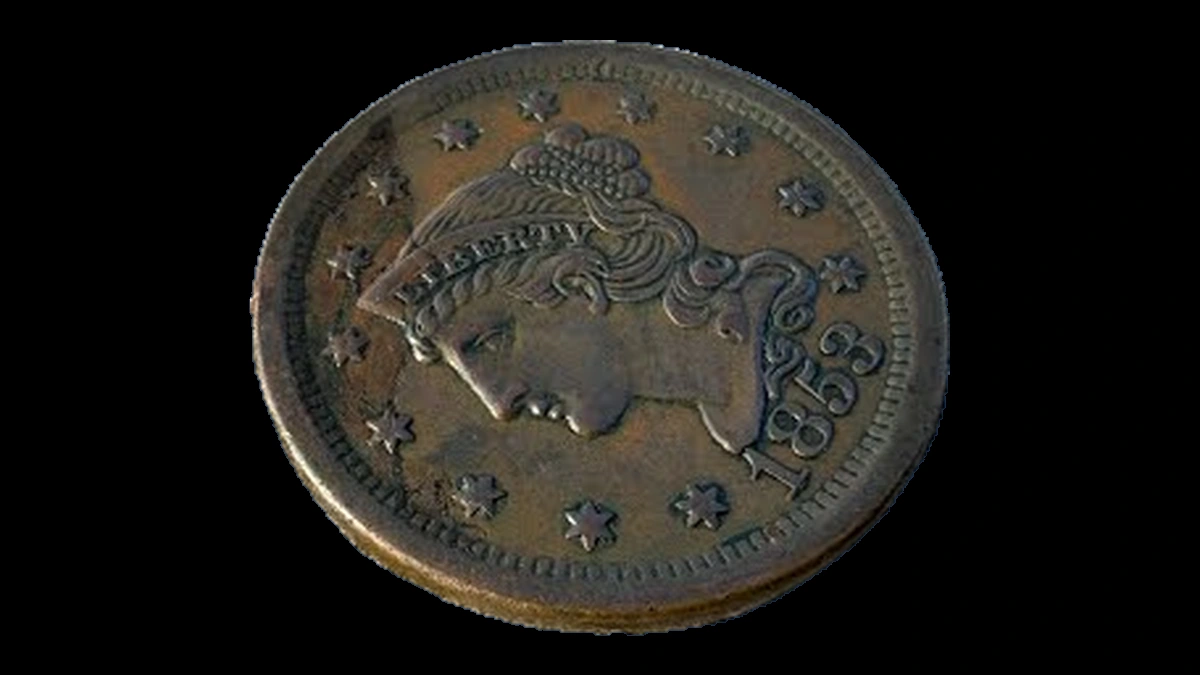
A flap or shallow loss of copper can come from a weak layer in the original blank. The layer separates from the coin’s own metal, a flaw called lamination.
The year guide describes one lightly worn cent with substantial lamination and a different worn coin with a metal flaw plus an offset strike. Neither report establishes a whole cent split into two complete thinner discs.
How to Identify
Find where the separating layer still joins the surrounding copper. Original design may continue onto the sheet or end beside the opening.
Keep a loose flap untouched and examine it with side lighting. Scattered corrosion pits lack the same continuous layer boundary, while scraping may leave a groove with pushed-up sides.
What It’s Worth
$50–$1,000 is the estimated whole-coin range for clear original lamination. Worn examples may fit around $50–$350, with attractive unworn coins around $350–$1,000.
The lightly worn example was offered at $145, and the separate flawed coin with an offset strike near $220. Both are asking prices, and the combined example should receive one value for the complete coin.
4. 1853 Penny Struck-Through Detail Error
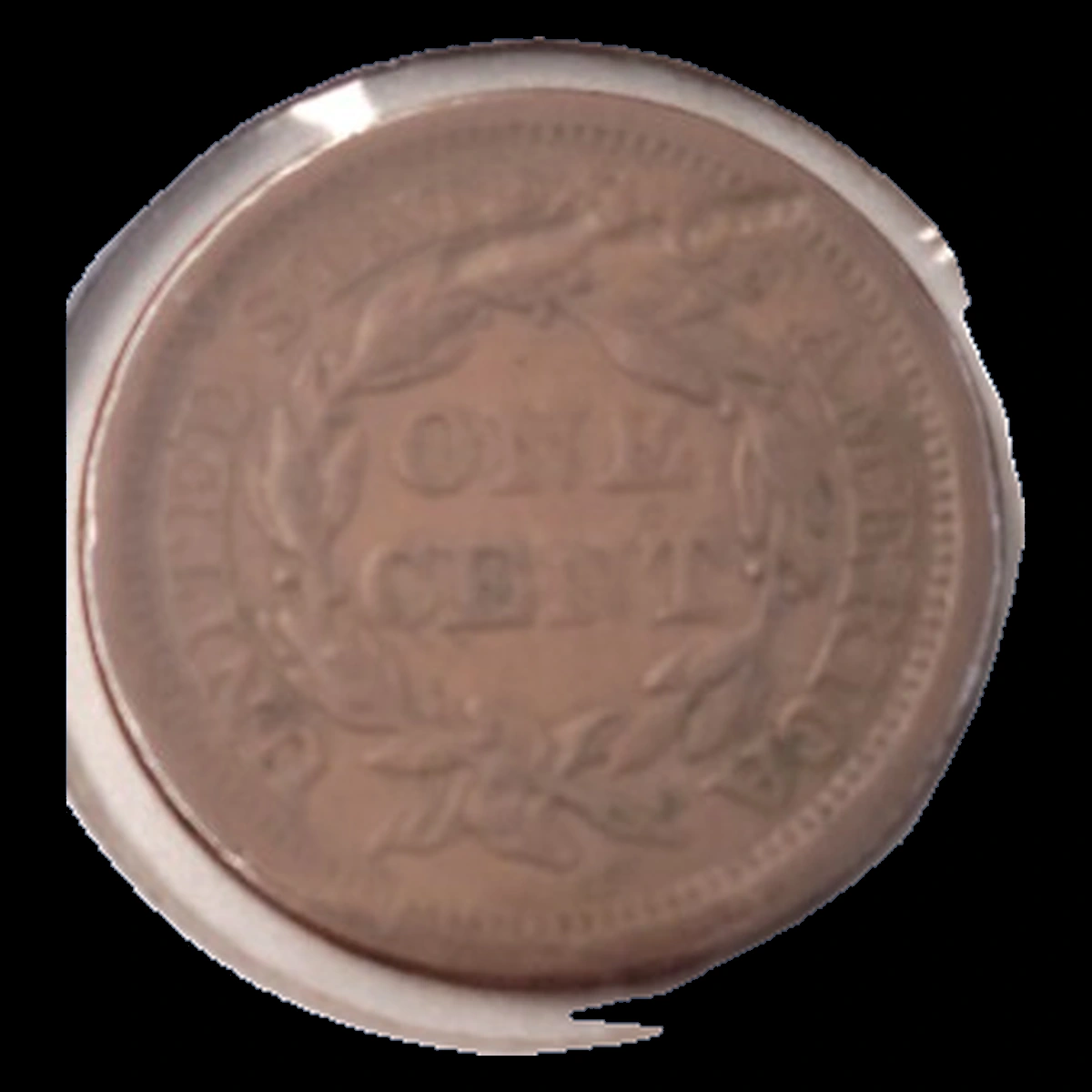
Missing detail beside sharp letters can indicate something blocked the blow. Soft grease may weaken the design, while a solid object can leave a more defined hollow.
The 1853 report does not name an object or affected letter. A particular material should not be inferred from the group label alone.
How to Identify
Compare the weak patch with nearby high points. If those are also worn flat, circulation may explain the softness.
Check the boundary for scrape lines, displaced copper, or compression from later damage. Leave attached material in place and photograph the area under light from two directions.
What It’s Worth
$50–$750 is the estimated range for genuine 1853 struck-through features. Worn coins may fit around $50–$300, with clearer examples and strong remaining detail around $300–$750.
The guide reports an uncertified example offered near $80. It is a seller’s request, not a completed sale or authentication of the blocking material.
5. 1853 Penny Die Cracks and Rim Cuds Error
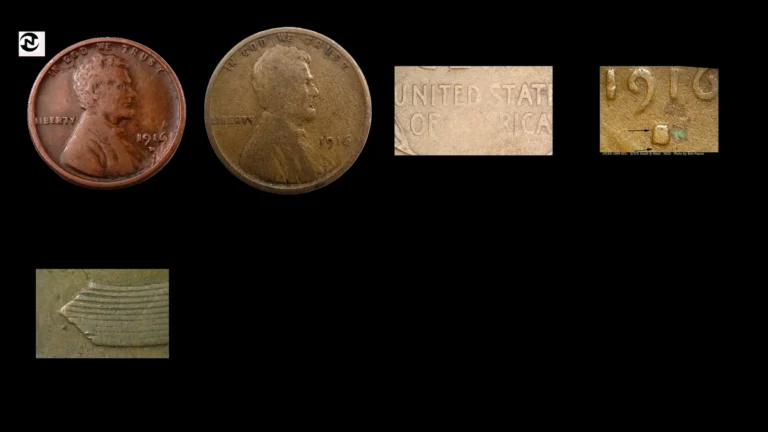
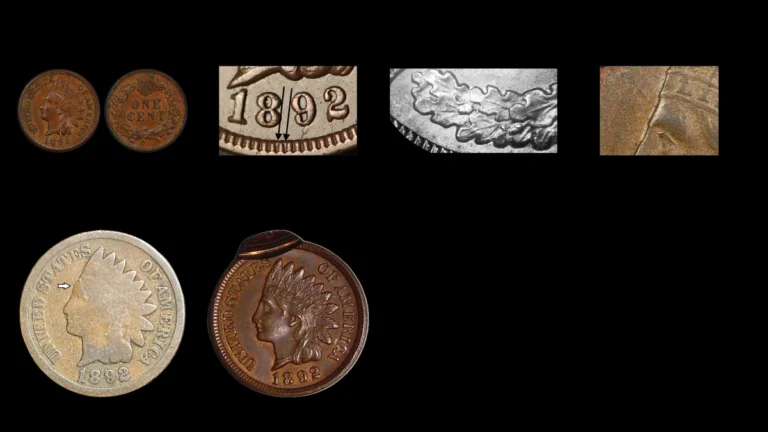
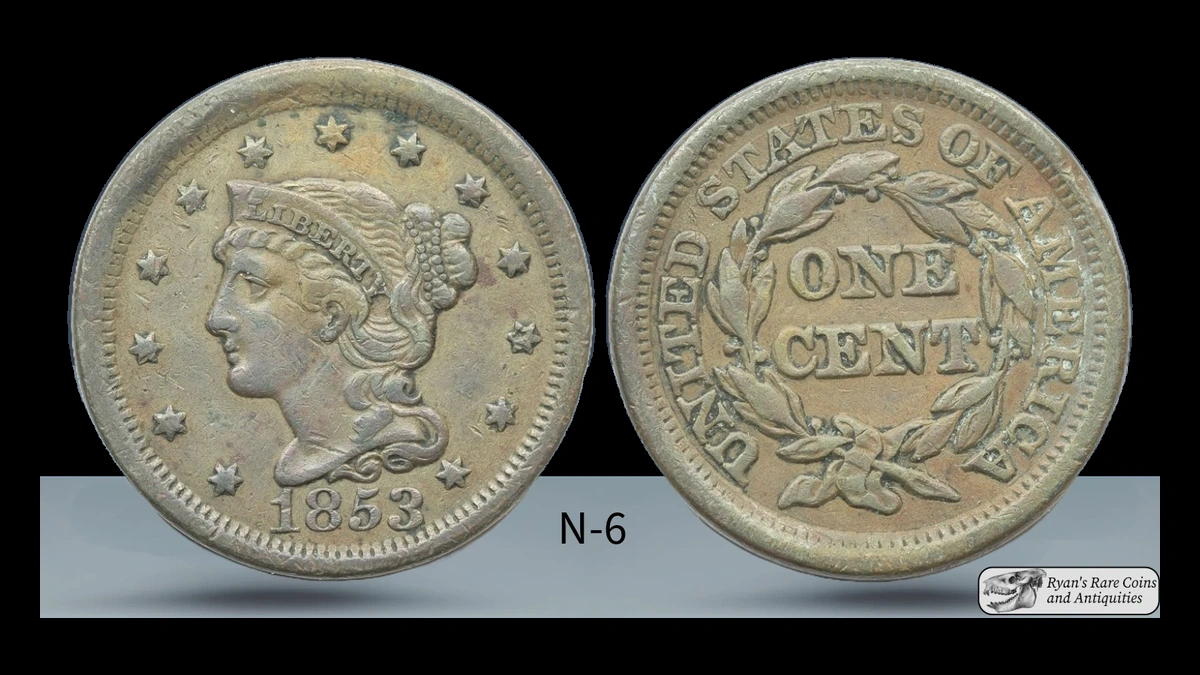
A raised line can be a copy of a crack in the stamping tool. Copper entered the opening under pressure and left a ridge on the finished cent.
A larger broken section at the tool’s edge can produce a raised patch joined to the rim, called a cud. Both cracks and larger breaks are reported for 1853.
How to Identify
Set the light low and check whether the line rises or cuts inward. An ordinary scratch removes metal rather than copying a crack as a ridge.
For a cud, follow the patch to the rim and inspect the adjoining edge. A dent that folds copper over the face can imitate part of the shape but usually leaves evidence of that impact.
What It’s Worth
$25–$500 is the estimated range across small cracks and clear rim breaks. Worn small cracks may fit around $25–$150, with recognizable cuds around $75–$500.
An Extremely Fine example with a die break was offered at $65 in the year guide. That asking price concerns a complete coin with substantial remaining detail, while rough copper or edge damage can reduce appeal.
Conclusion
Begin with both faces whenever an 1853 design looks shifted. For surface marks, decide whether copper lifted away, an obstruction blocked the strike, or a damaged tool left extra raised metal.
The estimated $25–$5,000 range includes very different features and conditions. Keep seller asking prices separate from completed sales, and preserve the original surface while making the comparison.