Rare 1916 Penny Errors (List & Pictures)
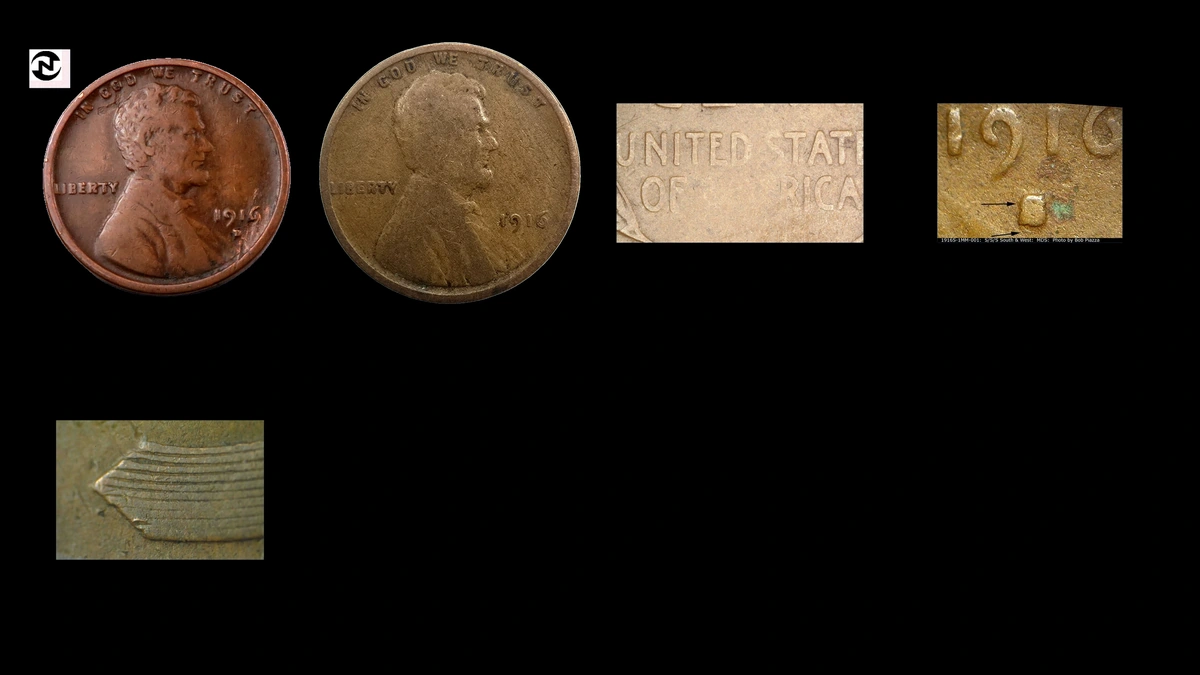
A second complete design position tells a different story from a thickened letter. The strongest recorded sale among these 1916 penny errors is $600 in October 2022 for a Philadelphia cent with an off-center second strike.
Estimated values span $2–$2,000. Start at metal defects and the outline, then compare strike positions, blocked detail, and small die varieties; the grainy surface of a genuine 1916 Matte Proof is a normal collector finish.
| Visible feature | Category | Estimated range |
|---|---|---|
| Thin original layer lifts | Lamination | $5–$500 |
| Lightweight disc with documented defect | Defective planchet | $100–$800 |
| Metal missing at edge | Clip and clipped-offset combination | $15–$600 |
| Expanded outline with complete design | Broadstrike | $30–$600 |
| Unstruck arc beside incomplete design | Off-center strike | $40–$1,500 |
| Two displaced or rotated impressions | Double strike | $150–$2,000 |
| Long oval depression on reverse | Strike-through | $20–$500 |
| Local reverse weakness | Reported grease filling | $2–$100 |
| Faint opposite-design trace | Die clash | $10–$250 |
| Raised line, letter bar, or rim patch | Crack, chip, or cud | $2–$1,000 |
| Earlier S or D strokes | Repunched mintmark | $10–$400 |
| Thickened or repeated design detail | Doubled die | $10–$600 |
Normal copper-alloy cents weigh 3.11 g and measure 19.05 mm across a plain edge. Photograph both faces and the edge, using a 10× magnifier and safe scale or caliper measurements without disturbing fragile metal or opening holders.
1. 1916 Penny A Layer Lifts at the Neck and Collar: 1916 Lamination Error
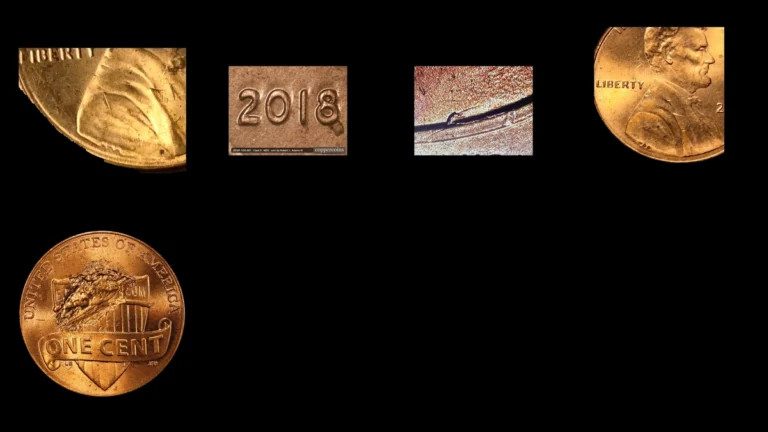
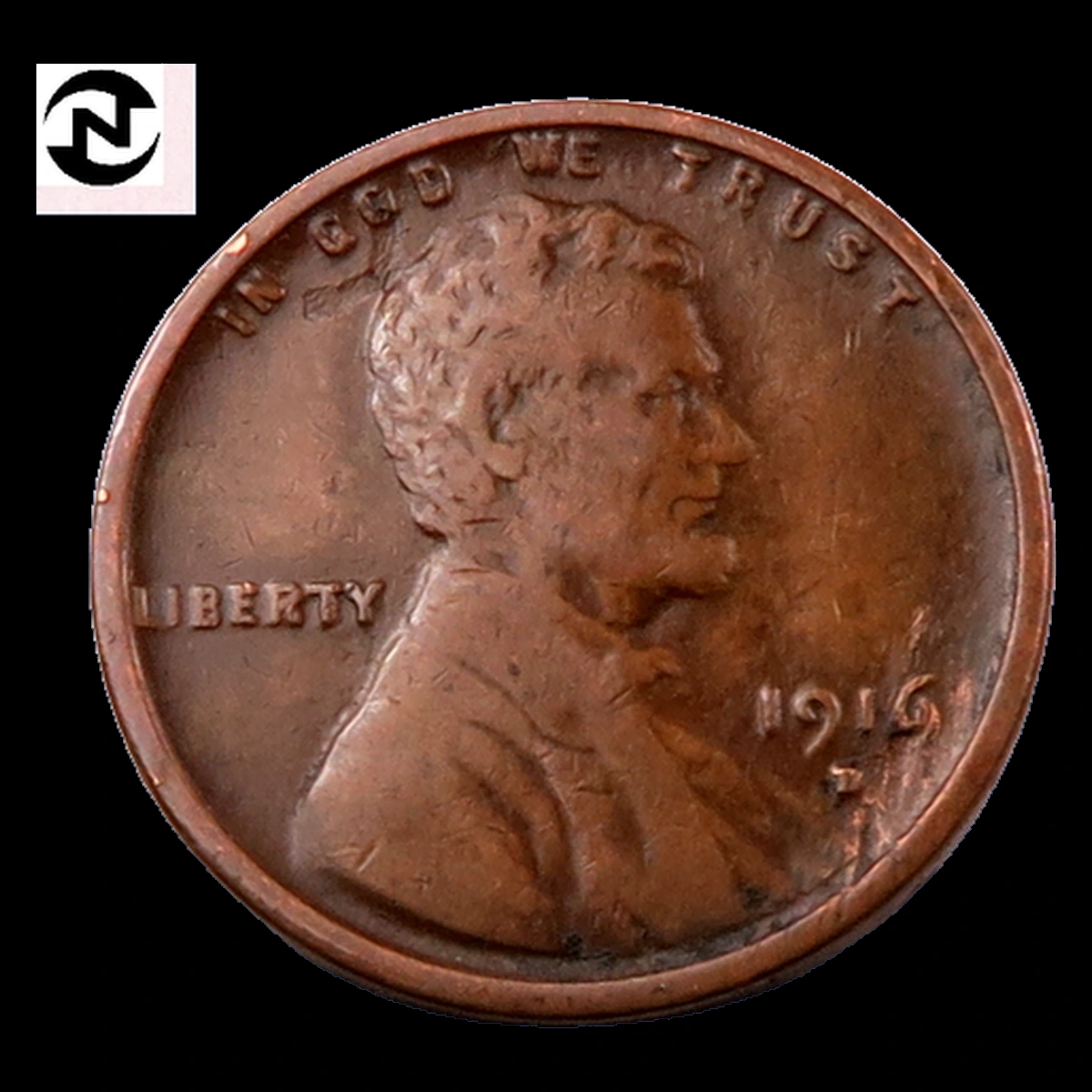
The documented Philadelphia coin retains a thin separated layer along Lincoln’s neck and collar. A weak area inside the alloy allowed that surface metal to loosen.
Denver and San Francisco examples have their own reports and locations. None should automatically inherit the Philadelphia peeling path.
How to Identify
Use low lighting to view the existing gap without raising the flap. A connected shallow layer differs from scraping across finished detail or scattered corrosion pits.
These copper-alloy coins have no zinc core beneath thin copper plating. Preserve any already detached fragment without trying to glue it back.
What It’s Worth
Laminations have an estimated $5–$500 range across wear levels and feature sizes. An intact attachment can make the original defect clearer.
The Philadelphia PCGS MS66 Red specimen brought $149.50 in May 2005. That price covered the whole well-preserved coin, not a separate fee for its neck lamination.
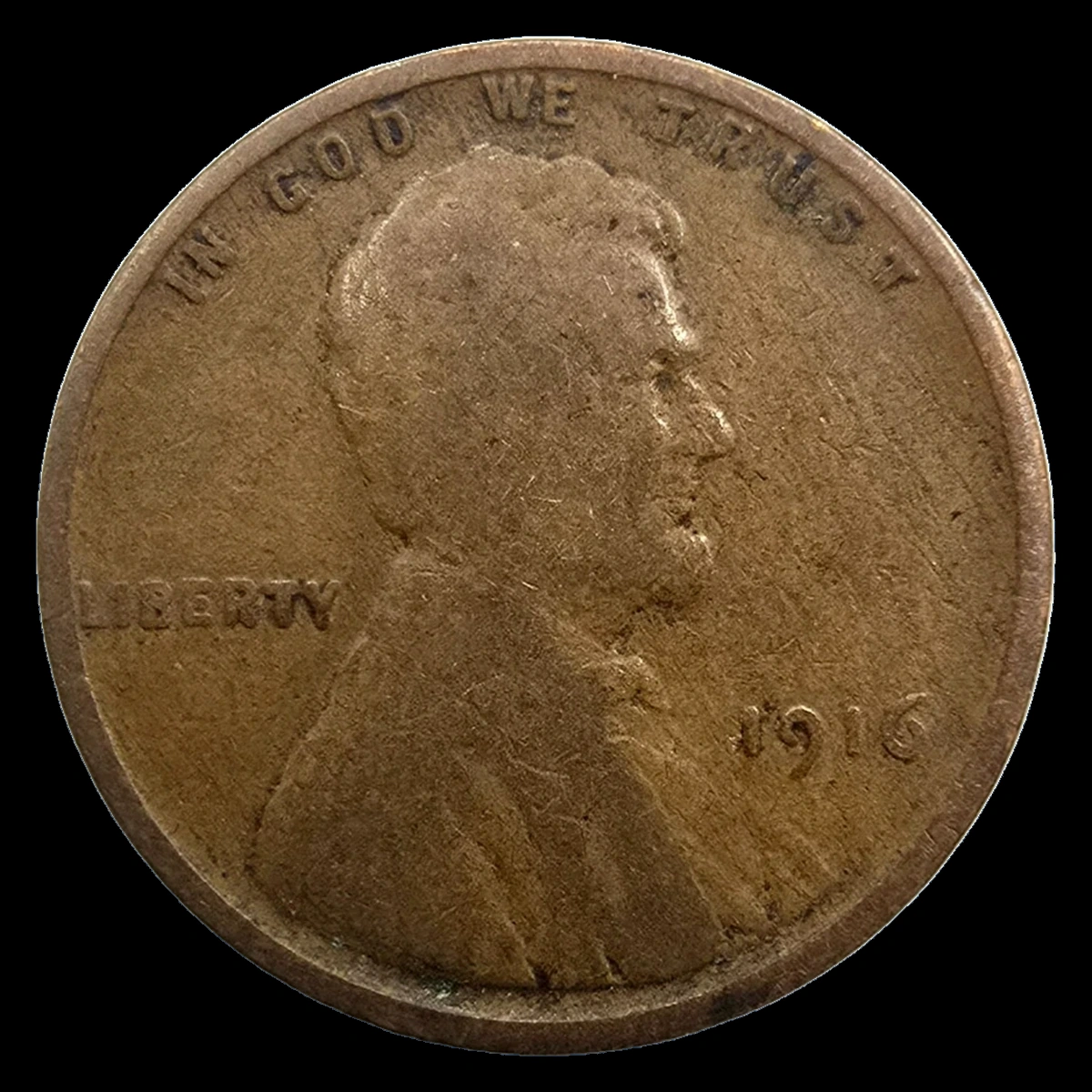
2. 1916 Penny A Recorded Blank Defect Accompanies Low Weight: 1916-S Defective Planchet Error
The certified San Francisco example weighs 2.9 g. Its description identifies a defective blank without establishing a complete split or foreign-metal origin.
NGC graded the piece MS64 Brown. The measured difference is useful evidence, but does not alone explain how metal was missing or uneven.
How to Identify
Record thickness and outline along with weight and inspect both faces for sanding across completed design. Edge filing can also lighten an ordinary cent.
Describe the visible thin or missing area without assuming the blank separated into layers. For a sealed coin, use the complete grading description and recorded measurements.
What It’s Worth
Comparable confirmed defective blanks have an estimated $100–$800 range. Clear original surfaces and dependable documentation support the identification.
The 2.9 g NGC MS64 Brown specimen brought $336 in July 2021. That result supplies no automatic foreign-blank premium or proof of a particular splitting mechanism.
3. 1916 Penny Part of the Original Boundary Is Missing: 1916 Clips Error
The reports include a Philadelphia minor rim clip and a San Francisco curved clip weighing 3.04 g. The latter was graded ANACS VG8, reflecting heavy wear.
A different Philadelphia coin combines a clip near two o’clock with a fifteen-percent off-center strike toward twelve. Those two features belong to one specimen.
How to Identify
Inspect where the original struck rim approaches the missing boundary. Saw marks, fresh burrs, or sharp cuts through letters can identify later removal.
On the combination, separate the absent metal from the attached unstruck area. The San Francisco coin’s 3.04 g weight must not be transferred to either Philadelphia example.
What It’s Worth
Small and curved clips have an estimated $15–$350 range; the clipped off-center combination is approximately $75–$600. Preservation and date clarity guide the comparison.
The combination appeared with a 1919 broadstrike in a two-coin lot that brought $345 in January 2005. That total is not an individual price for the 1916 coin.
4. 1916 Penny The Complete Design Sits in a Wide Border: 1916 Broadstrike Error
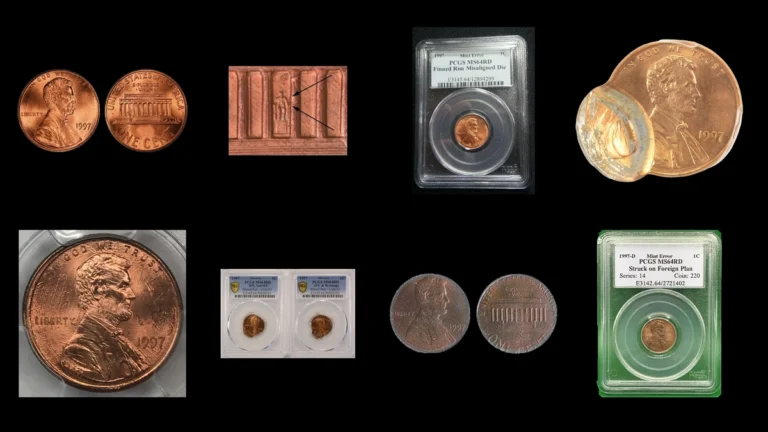
An uncentered Denver broadstrike has unequal margins but retains its full design. Metal spread when the collar, the ring around the blank, failed to provide normal restraint.
A San Francisco auction coin has conflicting labels: off center in the title and broadstrike in the description. Its wider margin lies near eleven-thirty.
How to Identify
Follow every outer design element on both faces, particularly along the narrow side. Full design within expanded metal supports broadstriking, while design beyond the disc supports an off-center interpretation.
Use that visual relationship to assess the conflicting San Francisco wording. Inspect the edge and portrait for later crushing or added rings before accepting natural spread.
What It’s Worth
Comparable broadstrikes have an estimated $30–$600 range. A Philadelphia NGC MS63 Brown example brought $159 in June 2024.
The San Francisco coin with conflicting descriptions brought $207 in November 2004. Its sale remains a recorded result, but two labels do not create two premiums to add to the same object.
5. 1916 Penny Design Ends beside an Unused Arc: 1916 Off-Center Strike Error
A Philadelphia example is twenty percent off center toward one o’clock. Separate Denver reports include five-, roughly ten-, and fifteen-percent shifts.
A worn scratched San Francisco example is ten percent off center toward twelve. The amount, direction, and condition belong to each particular coin.
How to Identify
Read the date and mint area before selecting a comparison, then check both faces for matching design loss. A full centered face opposite a shifted border can suggest a different die-alignment fault.
Inspect the plain arc for grinding or cutting. Off-center striking leaves original metal unused rather than requiring metal to be removed.
What It’s Worth
Dated examples have an estimated $40–$1,500 range. Date survival, surface damage, and overall appearance matter alongside percentage.
The Philadelphia twenty-percent ANACS MS64 Brown coin brought $210 in January 2022. The worn scratched San Francisco ten-percent piece brought $54 in October 2022.
6. 1916 Penny Two Design Positions Overlap: 1916 Double Strike Error
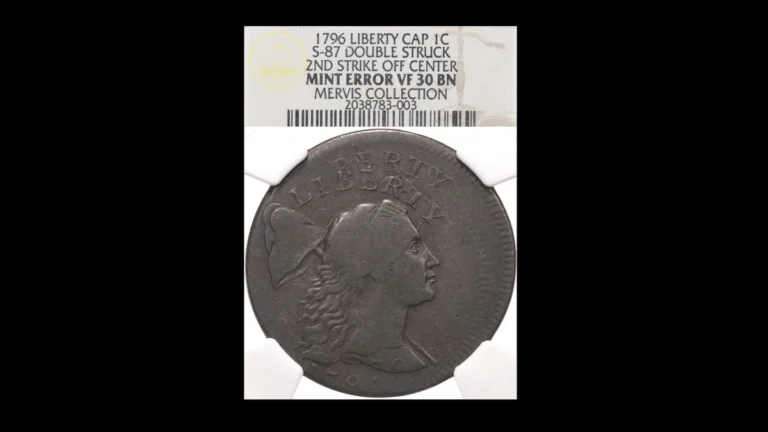
One Philadelphia coin received an off-center second blow. Another turned between strikes while remaining inside the collar, retaining a roughly circular outline.
The auction abbreviation D/S means double struck in this record. It does not identify a Denver mintmark punched over an S.
How to Identify
Map a date fragment and another feature from each impression. Trace the later strike boundary on the displaced form, or the rotated positions inside the outline on the in-collar form.
Turning a coin top to bottom tests face alignment but cannot prove two strikes. The evidence lies in coherent repeated design, supported by edge inspection for later pressing or joined pieces.
What It’s Worth
Genuine double strikes have an estimated $150–$2,000 range. The legibility of the sequence can matter as much as the amount of wear.
The off-center second-strike coin in NGC MS64 Brown brought $600 in October 2022. The in-collar PCGS VG10 specimen brought $555 in April 2023 despite much heavier wear.
7. 1916 Penny A Long Oval Hollow Interrupts the Back: 1916-S Strike-Through Error
The documented San Francisco coin has an elongated oval depression on its lower-right reverse. The auction likened the shape to an American football without identifying the obstructing material.
NGC graded it MS62 Brown. Slight green reverse corrosion is a separate condition issue, not the original striking obstruction.
How to Identify
Follow nearby design into the long hollow and inspect its boundary for original interruption. A sharp later tool can instead cut through or push completed detail.
Preserve the corrosion and document it without cleaning. Neither the oval outline nor a depression alone proves grease or a retained object.
What It’s Worth
An original impression of this general scale has an estimated $20–$500 range. Condition and clarity affect the comparison.
A 1920 cent struck through a loose metal flake brought $134 in March 2025. Its identified obstruction and different year do not establish what caused the 1916-S oval.
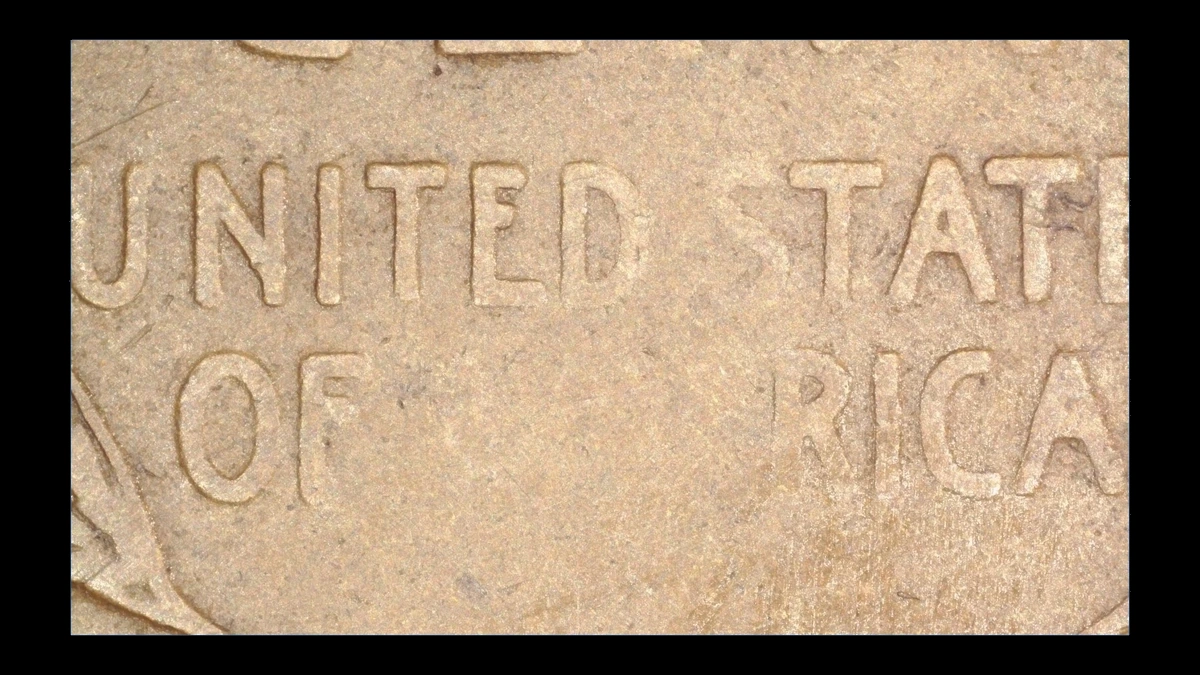
8. 1916 Penny Part of the Wheat Reverse Is Locally Faint: 1916-S Grease-Fill Report Error
The report attributes local reverse weakness to grease filling a die recess. Packed material could prevent coin metal from entering that part of the design.
No particular missing word or fixed patch is established for all examples. Ordinary wear, polishing, and broadly weak striking remain separate possibilities.
How to Identify
Compare similarly worn cents and examine neighboring letters and exposed high points. A local blocked area should be assessed against the rest of the original surface.
Use moving light to reveal polishing lines and keep a full reverse view with the closeup. An S confirms the mint but does not supply a missing-letter location absent from the report.
What It’s Worth
A supported grease-filled error has an estimated $2–$100 range. Slight unexplained weakness may add very little.
No recorded transaction is supplied for the San Francisco report. The price comparison assumes evidence of local blockage rather than a worn letter alone.
9. 1916 Penny An Opposite-Design Trace Appears on the Back: 1916 Die Clash Error
Faint portrait-related traces can reach the reverse after dies collide without a blank between them. Each affected die may then reproduce part of the other design on later coins.
The broad reverse-clash report gives no fixed mint or universal line. A recognizable design connection is necessary.
How to Identify
Relate the suspect mark to a specific feature on the opposite face. A scratch wandering through open space does not establish a transferred portrait.
Use side lighting and retain unmarked photographs alongside any traced comparison. Keep the coin’s own date and mintmark in the accompanying front view.
What It’s Worth
Identifiable clashes have an estimated $10–$250 range. Clear transferred shapes offer a stronger comparison than vague shadows.
This range uses comparable Wheat-cent clashes rather than a confirmed 1916 sale. Wear and surface damage still affect the whole coin.
10. 1916 Penny Raised Lines Become Bars or Rim Patches: 1916 Die Cracks and Cuds Error
Small cracks and BIE chips differ from major rim-connected breaks. Philadelphia has a broad patch left of LIBERTY around eight-thirty to nine-thirty, while Denver has a reverse rim break near ten to eleven.
Separate San Francisco front examples include a slender upper-left rim break and a larger right patch above the final date digit. Their positions belong to different coins.
How to Identify
Select mint and face, then trace the entire raised patch to the rim. Check which normal detail it replaces and inspect for solder or metal pushed up by squeezing.
A BIE bar must occupy the B-to-E gap. A catalog letter denoting the reverse does not itself mean that a broken die piece remained retained.
What It’s Worth
Small cracks and BIE chips have an estimated $2–$50 range; genuine rim-connected breaks are approximately $30–$1,000. A narrow rim break and broad design-replacing patch need different comparisons.
A 1958-D front cud brought $312 in March 2021. That later unworn Wheat-cent example does not price a tiny 1916 line.
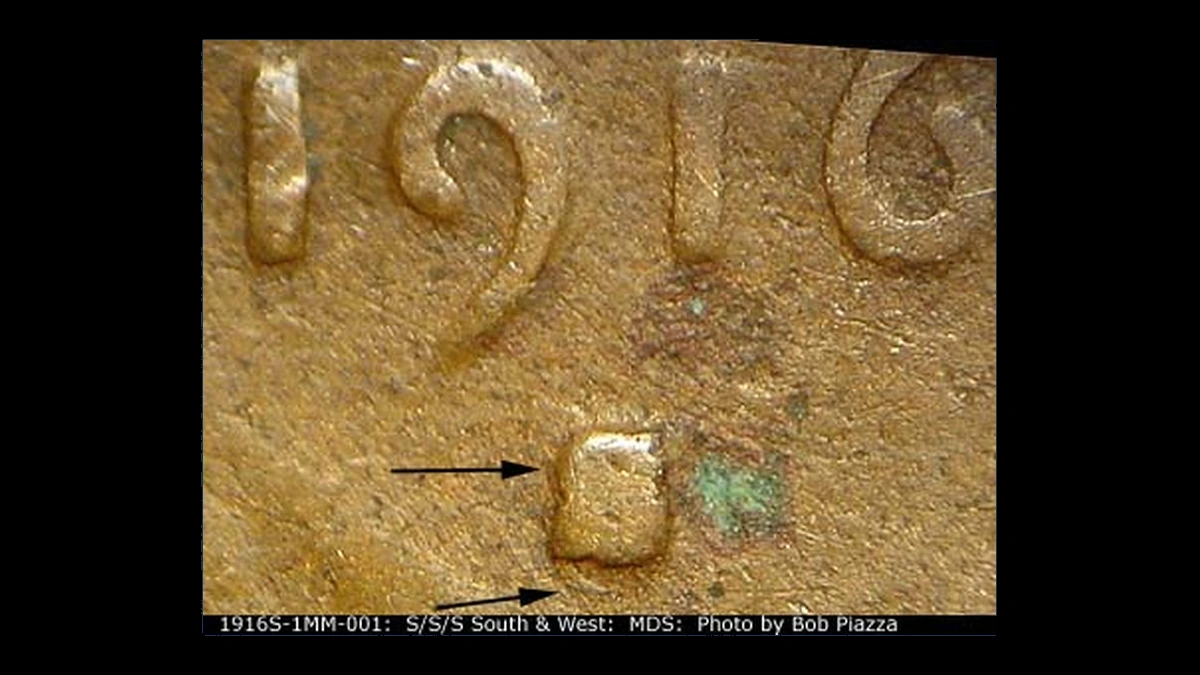
11. 1916 Penny Extra Strokes Surround the Mintmark: 1916 Repunching Error
The San Francisco pattern has an earlier S stroke to the left and a widely separated lower remnant. Denver has separate northeast and rotated D reports.
Repeated hand punching created these features in the die. The number of mintmark remnants is not a count of strikes received by the coin.
How to Identify
Trace the San Francisco curves left and below the main letter. For Denver, compare the northeast and rotated patterns separately rather than relying on a filled D center.
The northeast report comes from a worn coin, so its extra outline needs clearer matching evidence before firm attribution. Keep the date upright under different lighting to avoid false directional matches.
What It’s Worth
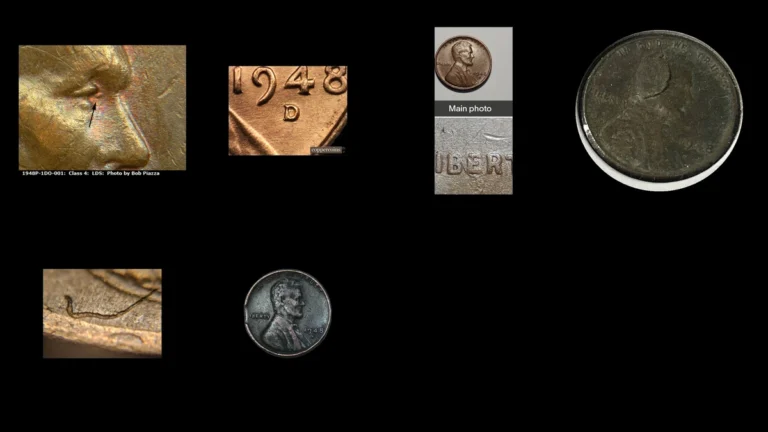
A matched repunched mintmark has an estimated $10–$400 range. Readable letter remnants and preserved surface support stronger examples.
No auction amount is supplied for each catalog entry. Apply the estimate to the questioned Denver form only after genuine extra D detail is established.
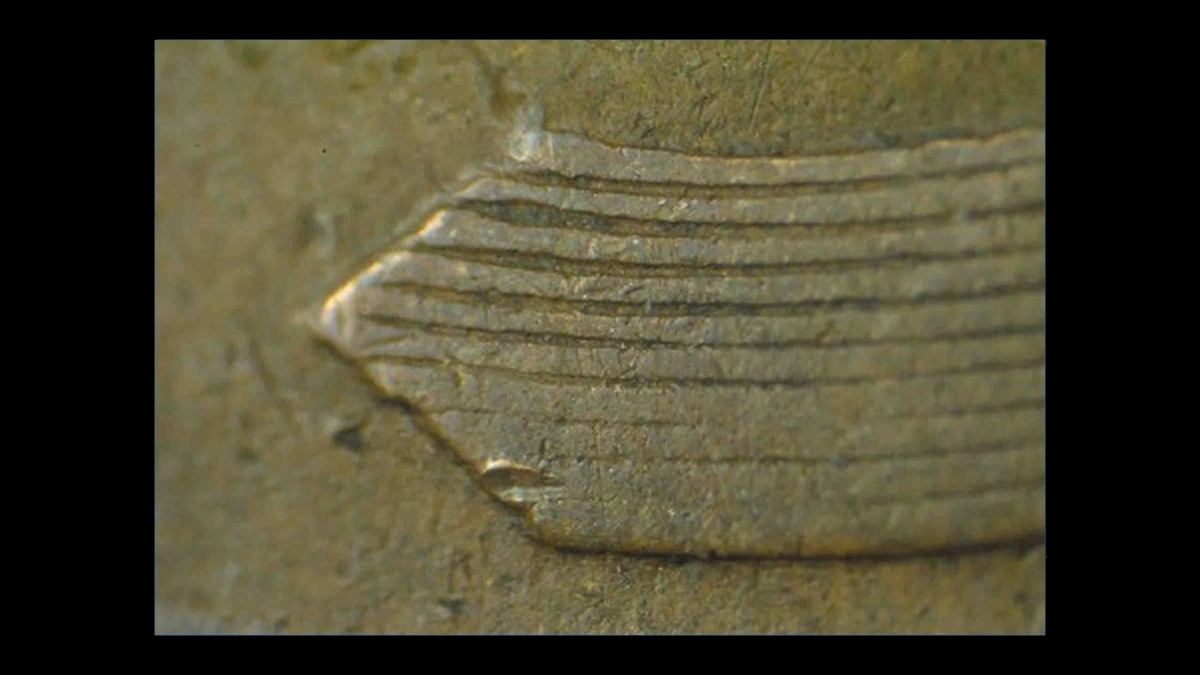
12. 1916 Penny Reverse Letters and Wheat Details Thicken: 1916 Doubled Dies Error
Cataloged Philadelphia reverse forms can enlarge motto letters, wheat detail, and stems without creating two complete outlines. One description also identifies the top of ONE and lower portions of OF AMERICA.
Front doubling is separately reported. A reverse catalog number cannot authenticate an extra date or portrait contour on the other face.
How to Identify
Compare the particular reverse form with an ordinary coin at equal magnification. Preserve separate reference patterns unless evidence establishes they describe the same die.
A claimed front variety requires its own front-side match in date, LIBERTY, or motto. General blur, wear, and flat strike shelves are insufficient.
What It’s Worth
A matched minor doubled design has an estimated $10–$600 range. The actual pattern and preservation must support the identification.
A 1936 doubled-front cent in ANACS MS63 Brown brought $70 in June 2024. That later-year example is broad context, not a variety-specific sale for the 1916 reverse forms.
Conclusion
The estimated $2–$2,000 range depends on recognizing what changed: the metal, the outline, or the position of the design. A thin flake and a second impression leave different evidence even when both look dramatic.
Keep conflicting catalog labels visible until photographs resolve them, and never divide a group-lot total into invented individual prices. Normal Matte Proof texture remains a finish, while each actual error needs its own mint, surface, and design comparison.