Rare 1931 Nickel Errors (List & Pictures)
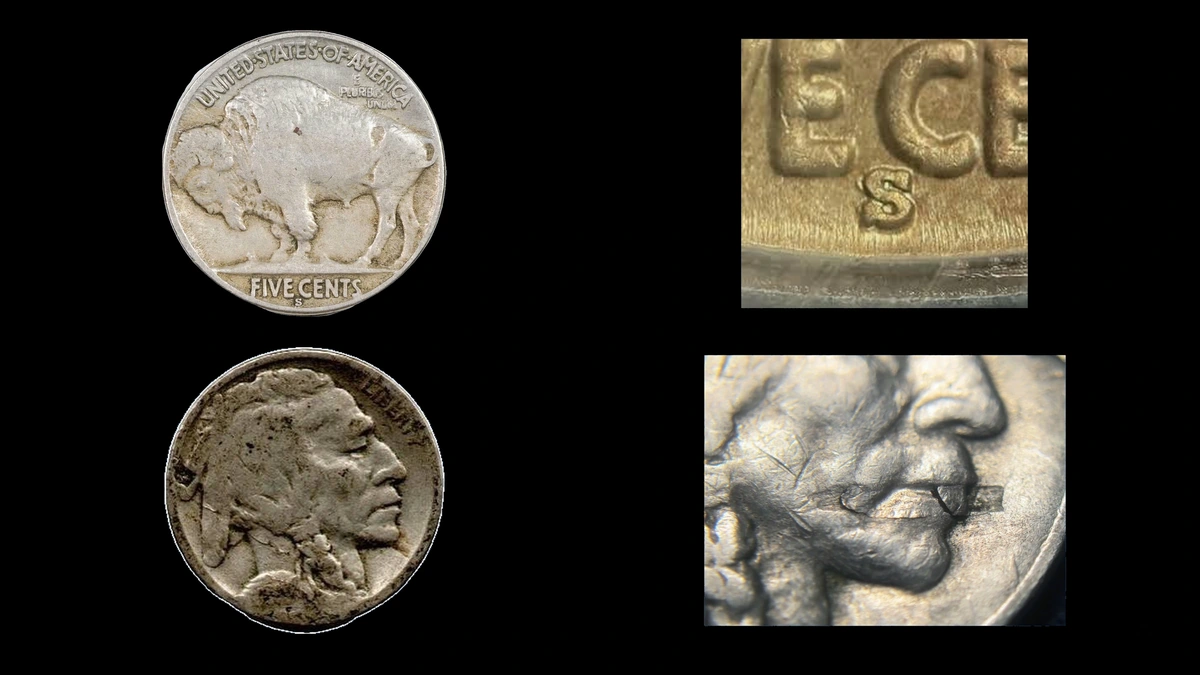
San Francisco made the 1931 Buffalo nickel, so S belongs beneath FIVE CENTS on an ordinary genuine example. Extra back-letter outlines can still be a variety: one FS-801 sold for $700 in January 2019.
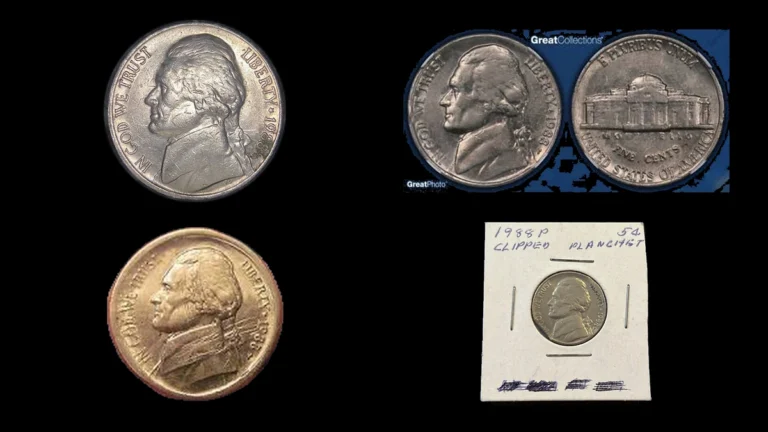
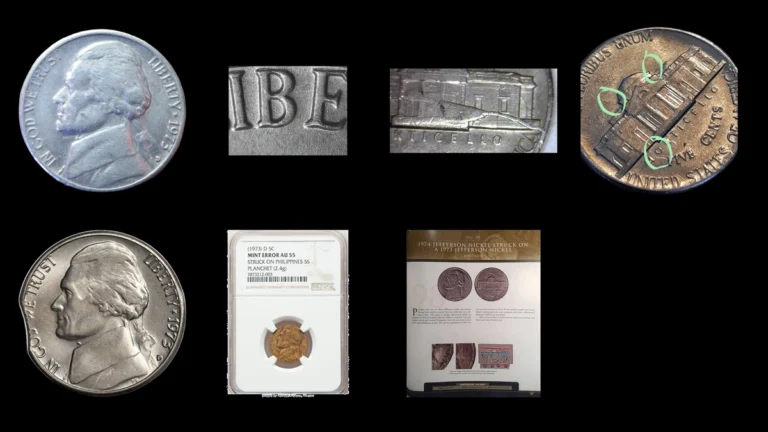
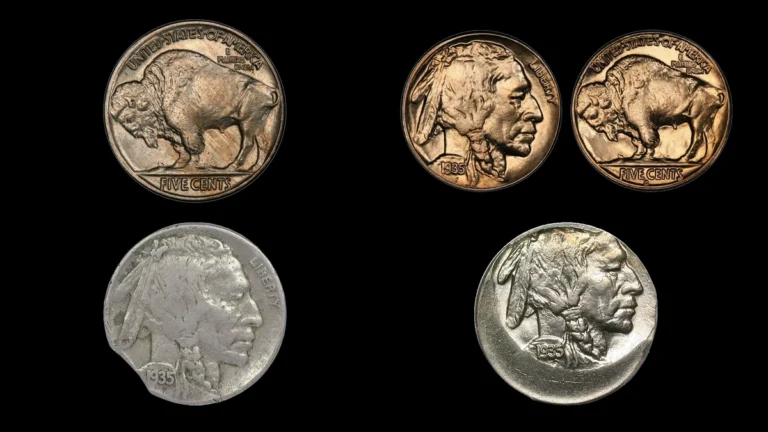
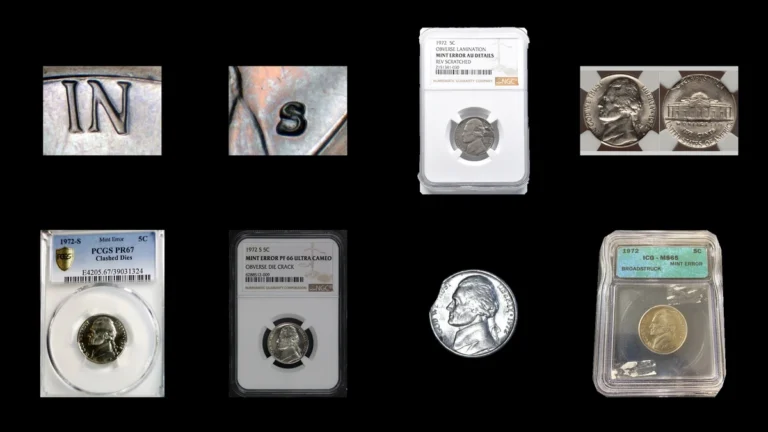
The five groups of 1931 nickel errors here have estimated values of $15–$1,500. Confirm the date first, then decide whether the feature repeats a design, separates the metal, or shifts the strike.
1. 1931 Nickel Extra Back Lettering from a Doubled Die Error
Small repeated outlines around FIVE CENTS and other back inscriptions came from a doubled die. That stamping tool carried the extra pattern before it made the coin.
More than one back variety is cataloged for 1931-S. FS-801 and FS-802 are different patterns rather than interchangeable labels.
How to Identify
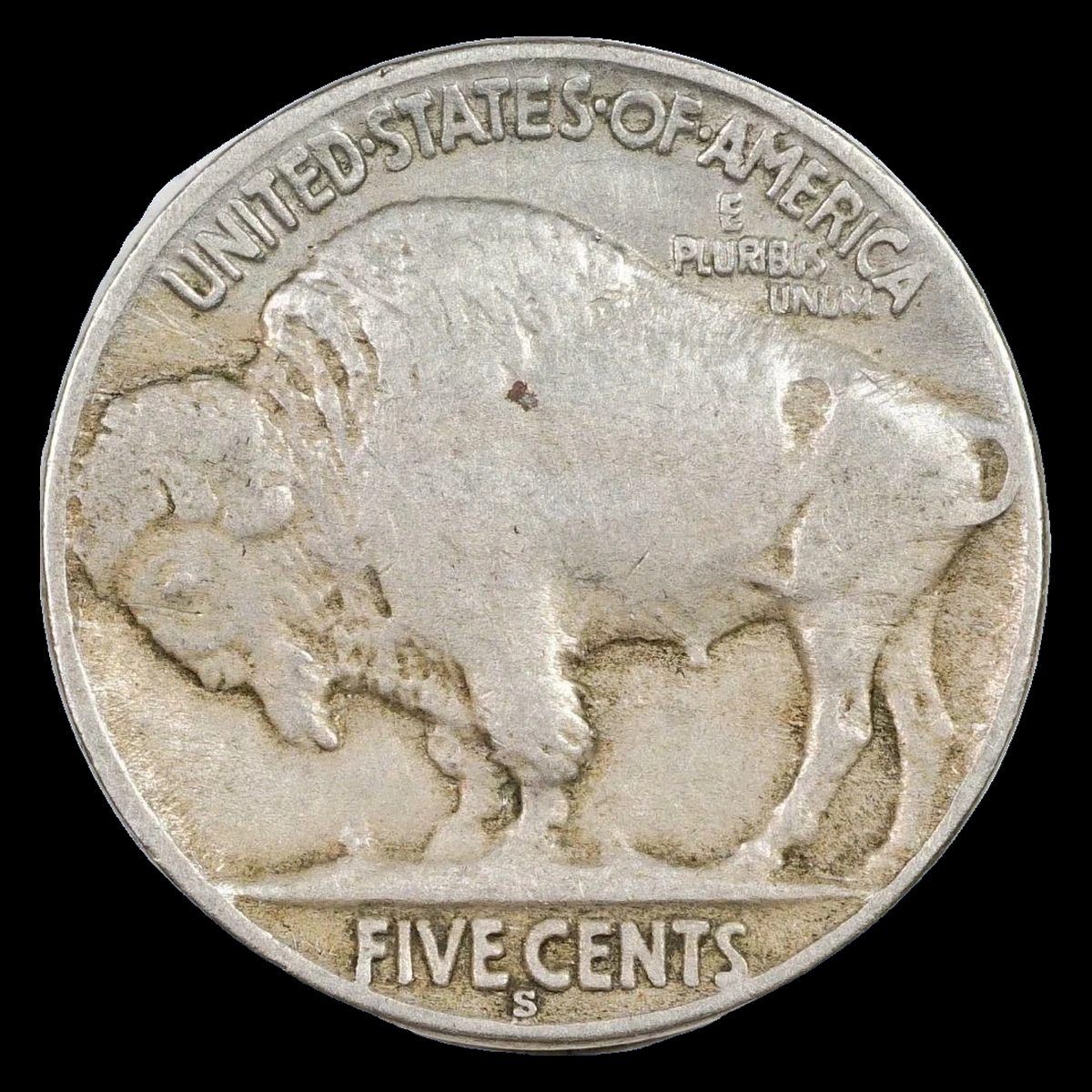
Begin with several letters in FIVE CENTS and compare their spacing and extra edges with one identified variety. The FS-801 reference should not be used as the complete checklist for FS-802.
A flat shelf beside a letter may result from movement during striking. If one thick edge looks promising, check another affected letter before deciding that the full pattern agrees.
What It’s Worth
$50–$1,000 is the estimate for identifiable examples across worn and better-preserved condition. A PCGS-recorded MS65 FS-801 brought $700 on eBay on January 31, 2019.
A separate MS65 FS-802 sold for $541 at Heritage in April 2017. Both were unworn coins with relatively few marks, and their results belong to their respective varieties.
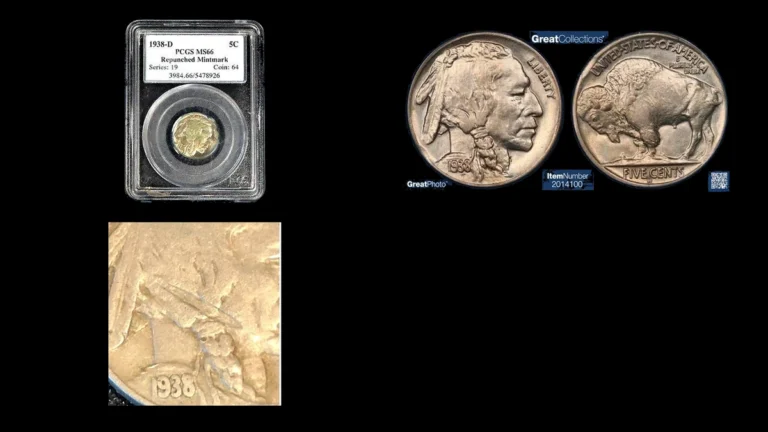
2. 1931 Nickel A Second S Outline from a Repunched Mintmark Error
A small extra curve can remain when the mintmark punch enters the die in more than one position. Coins struck from that die repeat the overlapping S.
A collector records a PCGS MS64 minor variety for 1931-S. The report does not provide a universal direction to assign to every unusual-looking S.
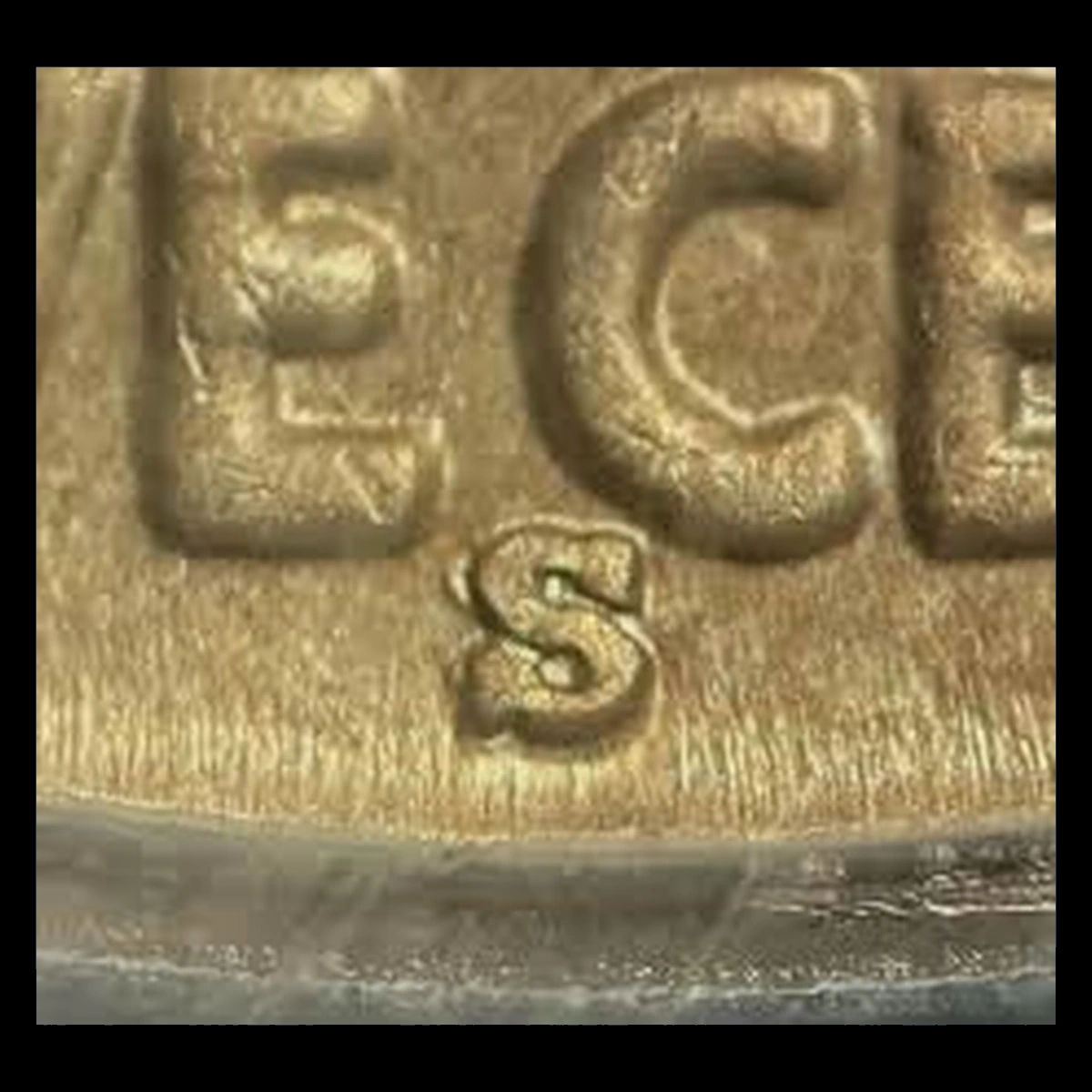
How to Identify
Photograph the whole S upright and follow both curves under a magnifier. The extra metal should reproduce part of another letter, rather than a random nick or bump.
Compare it with the actual reported variety and move the light to rule out glare. A worn-away S does not create a Philadelphia issue, and the normal S alone is not an error.
What It’s Worth
$40–$350 is the estimated whole-coin range for a matched minor repunched S. A clear extra outline on an attractive unworn coin supports a stronger comparison than a faint worn remnant.
No auction result is assigned to the collector’s MS64 listing here. The premium concerns the repeated punch, not the expected mintmark itself.
3. 1931 Nickel A Raised Line from a Die Crack Error
Metal entering a crack in the stamping tool can leave a narrow raised ridge. Reports for 1931-S concern the front’s open areas and the region near the date.
There is no one route every example must follow. A scratch or an actual opening in the coin’s metal has a different cause.
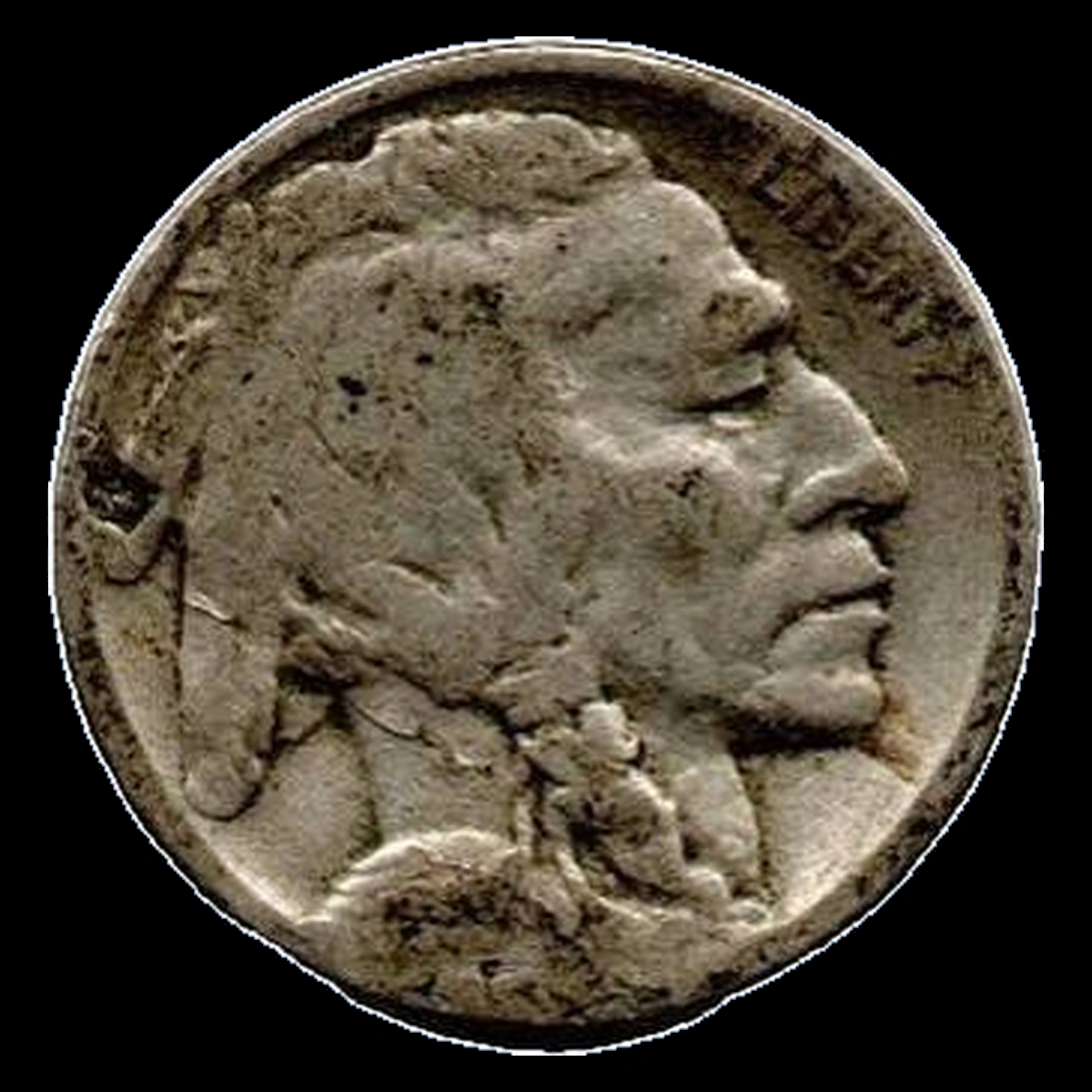
How to Identify
Light the line from two directions and inspect its center. A die crack rises above the surface, while a scratch generally cuts into it despite any raised sides.
Keep the date and nearby original design visible in photographs. A continuous ridge connected to undisturbed struck detail is more useful than a cropped line with no context.
What It’s Worth
$15–$200 is the estimate for a modest confirmed crack on a readable 1931-S nickel. Clear raised detail and attractive surfaces can support the upper part.
The ordinary value of the date is already included. Multiple branches do not each create another full coin value.
4. 1931 Nickel Peeling Metal from Lamination Error
A documented front-lamination example was graded ANACS EF40 Details, indicating moderate wear plus another condition issue. A separate auction description records a back lamination.
These are separate coins, not a required two-sided defect. Lamination is an internal separation in the copper-nickel alloy, rather than silver or nickel plating peeling from a different core.
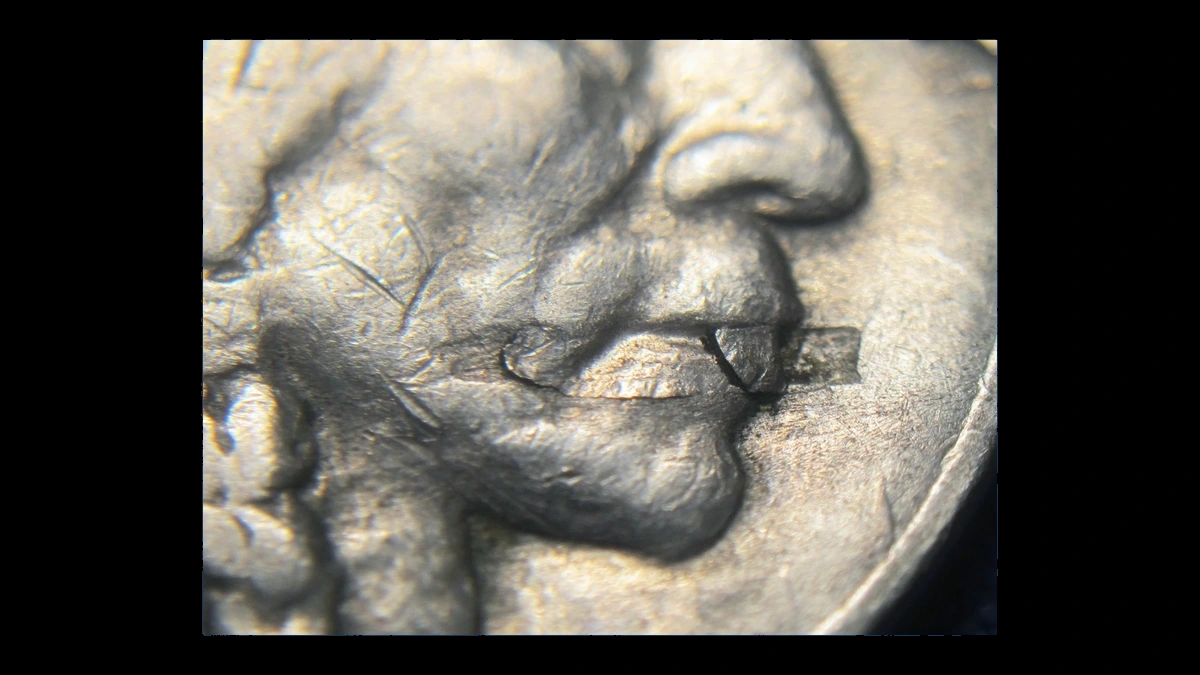
How to Identify
Leave any flap attached and inspect where original design meets the separating layer. A natural internal boundary differs from a smooth scraped trench.
The front-lamination specimen provides one comparison. Check the actual affected face rather than requiring another coin’s location.
A normal nickel begins near 5 grams and 21.2 mm across, with a plain edge. Metal that remains attached can preserve nearly all the original weight.
What It’s Worth
$25–$250 is the estimate for an identifiable 1931-S surface lamination. Size, remaining detail, and additional condition problems influence the price.
The ANACS front example sold through GreatCollections in July 2023 without a public amount shown. A different-year Jefferson lamination brought $27 in April 2008, providing only a modest comparison.
5. 1931 Nickel A Reported Off-Center Strike Error
An off-center blank leaves unused metal beside a design that partly falls beyond its edge. Year-specific 1931-S reports do not supply a photographed example with a stated displacement.
The category therefore needs the usual strike evidence as well as enough surviving identity. An unidentifiable Buffalo nickel cannot simply be assigned to this date.
How to Identify
Read the date and inspect the mintmark region before judging how dramatic the blank area looks. Compare both faces for a compatible shift.
Examine the boundary of untouched metal and the opposite edge where design runs off. Filing, cutting, or smoothing can imitate missing detail without reproducing the original strike.
What It’s Worth
$150–$1,500 is the conditional estimate for a genuine identified 1931-S off-center nickel. Displacement, readable identity, and preservation determine the useful comparison.
A 1940 Philadelphia Jefferson nickel struck 15% off center sold for $218.50 in October 2010. Its different year and design do not establish either a price or a percentage for the reported 1931-S category.
Conclusion
A readable 1931 date and its San Francisco identity come before an error name. Then compare repeated lettering, an extra S curve, a raised crack, or a layer separating within the metal.
For displaced strikes, show both faces and preserve every surviving identifying detail. Keep fragile metal untouched, and use a sale record only when the variety and condition make it a useful comparison.