Rare 1911 Nickel Errors (List & Pictures)
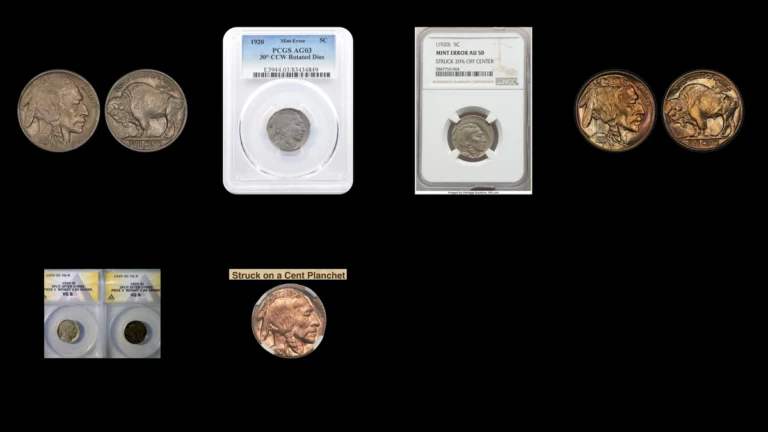
A later 1918 Buffalo nickel on a cent blank brought $2,340 in January 2022. It offers a different-year comparison for 1911 Liberty nickel errors, whose estimated whole-coin values span $10–$6,500.
Start with the outline: two missing pieces, an unused crescent, an expanded border and a smaller copper blank tell different stories.
| Feature to inspect | Possible error | Estimated range |
|---|---|---|
| Two curved openings | Double clip | $75–$350 |
| Lost design beside solid unused metal | Off-center strike | $75–$500 |
| Complete design in an uneven wide border | Uncentered broadstrike | $100–$750 |
| Small copper-colored disk | Cent-blank strike | $1,500–$6,500 |
| Raised reverse patch touching the rim | Cud | $30–$300 |
| Peeling original metal | Lamination | $10–$150 |
| Repeated date and LIBERTY outlines | Reported doubled obverse | $25–$250, conditional |
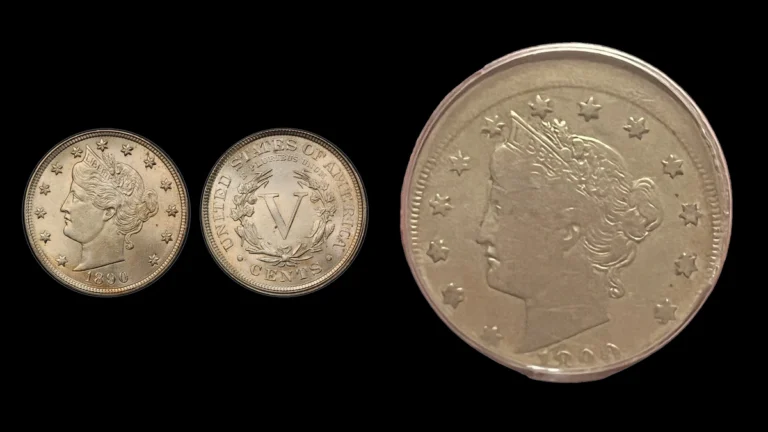
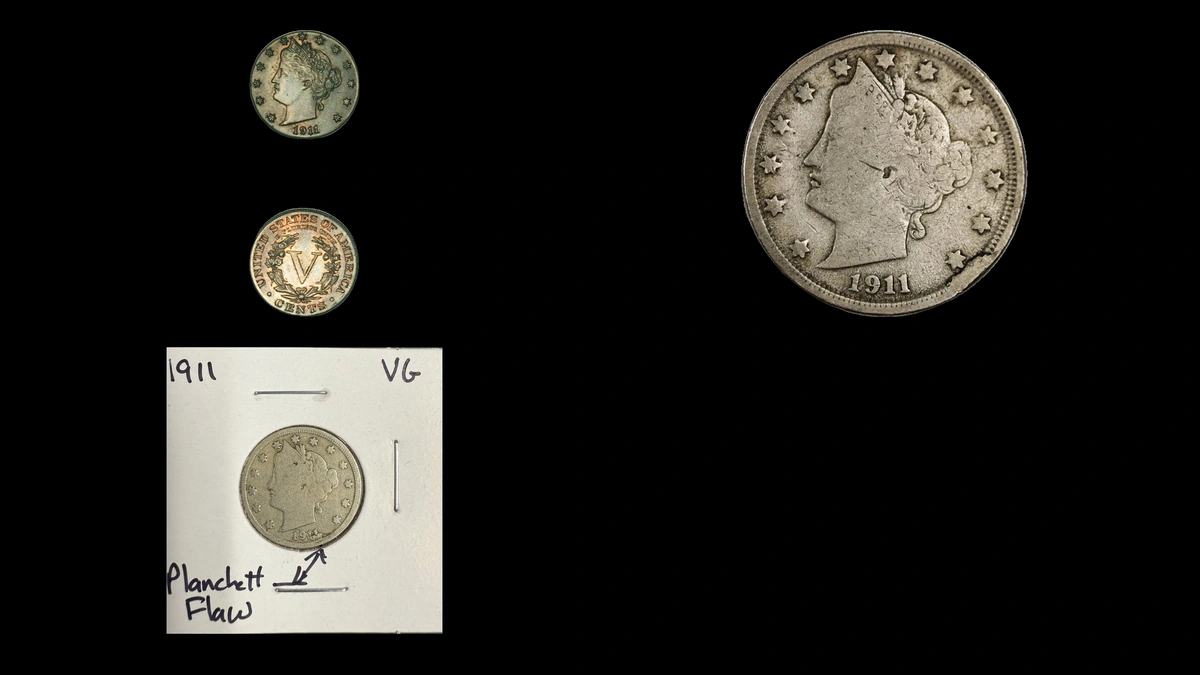
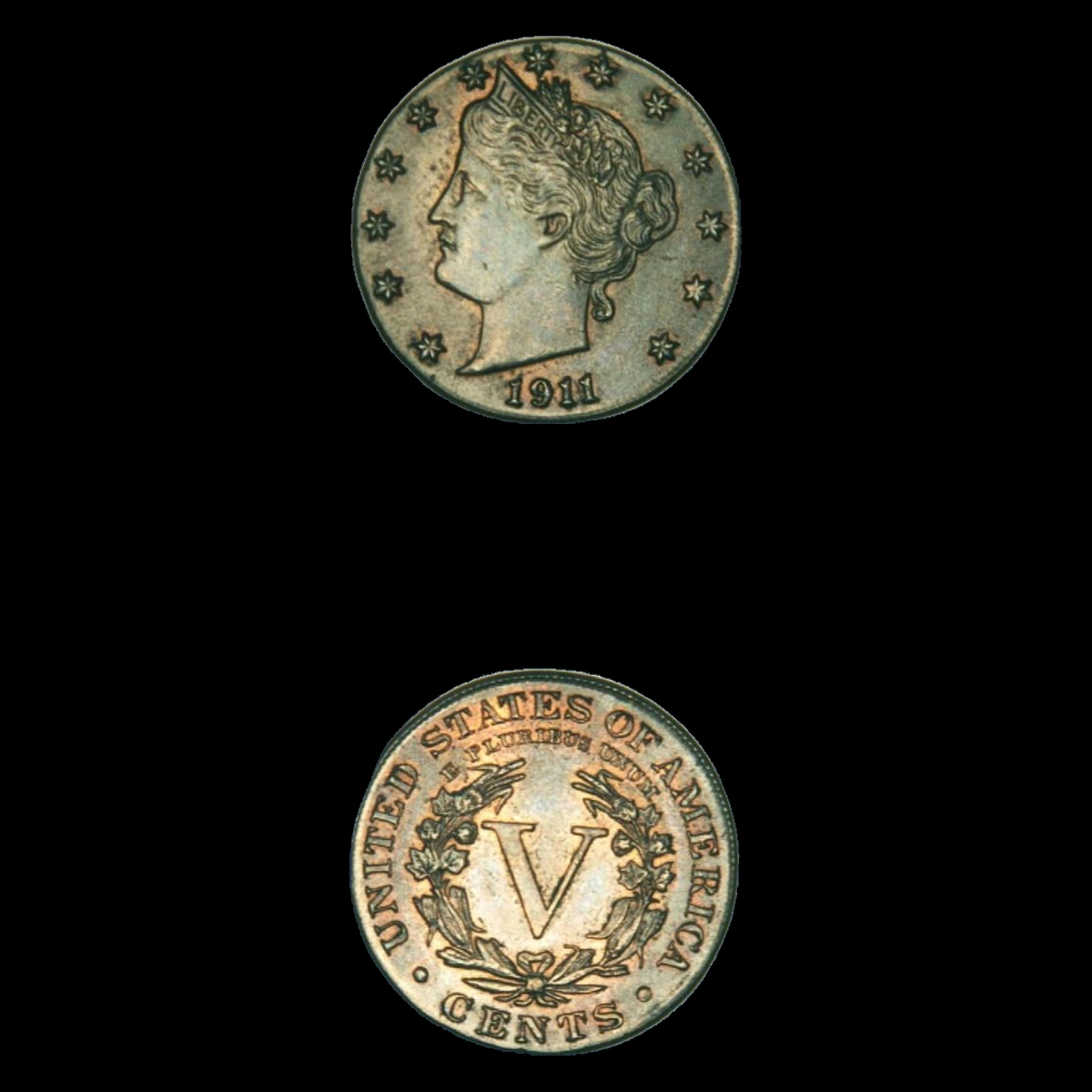
All normal 1911 Liberty nickels came from Philadelphia and have no D or S mintmark. They weigh 5 grams and measure about 21.2 millimeters, with a plain edge and copper-nickel alloy mixed throughout.
1. 1911 Nickel Two Curved Gaps: Double-Clipped Blank Error
A cutting punch that overlaps previously emptied portions of the metal strip can leave two gaps in one blank. The design is then struck around those shortages.
A dealer-listed 1911 example is NGC Fine Details, with cleaning identified as its condition problem. Its two clips are features of one coin.
How to Identify
Examine both openings separately where the design approaches them. Natural rim formation differs from filing or cutting through a finished image.
Weakness opposite a gap can support the identification, but the edge surfaces must agree. No clock positions should be borrowed from another double-clipped coin.
What It’s Worth
Ordinary authenticated double clips are estimated at $75–$350. Clear identity, original boundaries and preservation guide the comparison.
Northeast Numismatics listed the cleaned Fine Details coin at $195. That is an asking price rather than a completed auction, and its cleaning should not be assumed on every double clip.
2. 1911 Nickel An Upper-Left Blank Crescent: Off-Center Strike Error
The recorded 10% off-center example has unused metal at the upper left of its front. Part of the design missed the blank on the opposite side.
Heritage described the uncertified coin as VF20. A separately cataloged 5% example belongs to the same broad category without sharing its outline or condition.
How to Identify
Read the surviving date before deciding which year’s price to use. A dateless Liberty nickel cannot be assigned to 1911 merely from its design.
Compare the unused metal with the lost design on both faces. Inspect for edge trimming and grinding that could imitate the displacement.
What It’s Worth
Ordinary identifiable 1911 off-center strikes are estimated at $75–$500. A smaller shift does not automatically command a fixed fraction of a larger shift’s price.
The 10% coin sold for $155.25 at Heritage on March 1, 2003. VF20 was the auctioneer’s assessment, not a third-party numerical grade.
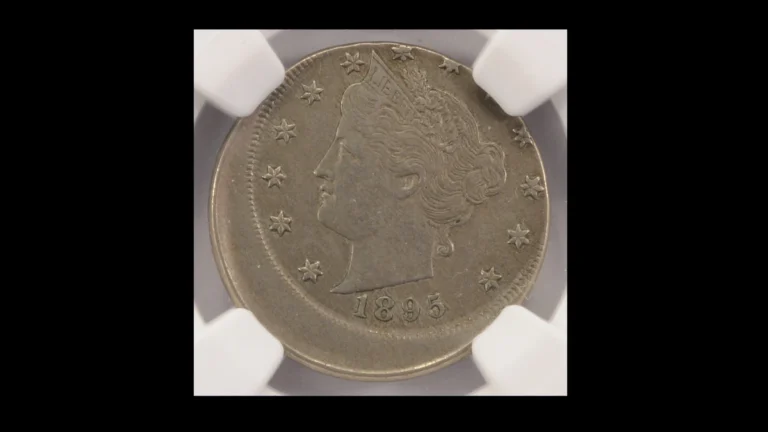
3. 1911 Nickel An Uneven Wide Border with All the Design: Broadstrike Error
A broadstrike can be uncentered yet retain the full design. Its blank spread without normal restraint from the collar, the ring that controls the coin’s edge.
Stack’s Bowers cataloged an MS63 example in November 2012. The border is wider on one side, but that alone does not make it an off-center strike.
How to Identify
Follow all outer lettering on both faces to establish that the intended design remains on the metal. Compare the wider outline with a normal Liberty nickel.
The cataloged uncentered broadstrike should be evaluated by this complete-design relationship. Hammering can also spread an edge, but often crushes existing detail or leaves impact marks.
What It’s Worth
Original 1911 broadstrikes are estimated at $100–$750. Surface quality and visible natural expansion determine the useful comparison.
No sale amount is used for the cataloged MS63 specimen. A 1999-P Jefferson broadstrike in MS63 sold for $89 in March 2025 as a different-series comparison.
4. 1911 Nickel Liberty on a Smaller Copper Blank: Cent-Blank Strike Error
A cent blank fed into the nickel press receives a design larger than its intended coin. The recorded 1911 example is PCGS AU55 and described as well centered.
Severe displacement is therefore not required. Brown color alone also cannot identify the blank, because toning, coatings and chemicals can change an ordinary nickel.
How to Identify
A period cent blank starts near 3.11 grams and 19 millimeters. Those are reference standards, not claimed measurements of the cataloged AU55 coin.
Compare actual weight and metal with the way the outer design meets the smaller edge. Striking can spread the blank, so use diameter alongside the other evidence.
Inspect for plating and fresh trimming before accepting the attribution. An unused cent blank does not require an earlier Lincoln design beneath Liberty.
What It’s Worth
Identifiable 1911 cent-blank errors are estimated at $1,500–$6,500. No completed price is assigned to the cataloged AU55 specimen.
A 1918 Philadelphia Buffalo nickel on a 3.1-gram cent blank sold for $2,340 in January 2022. Its reverse was tooled, and its different design and year limit a direct comparison.
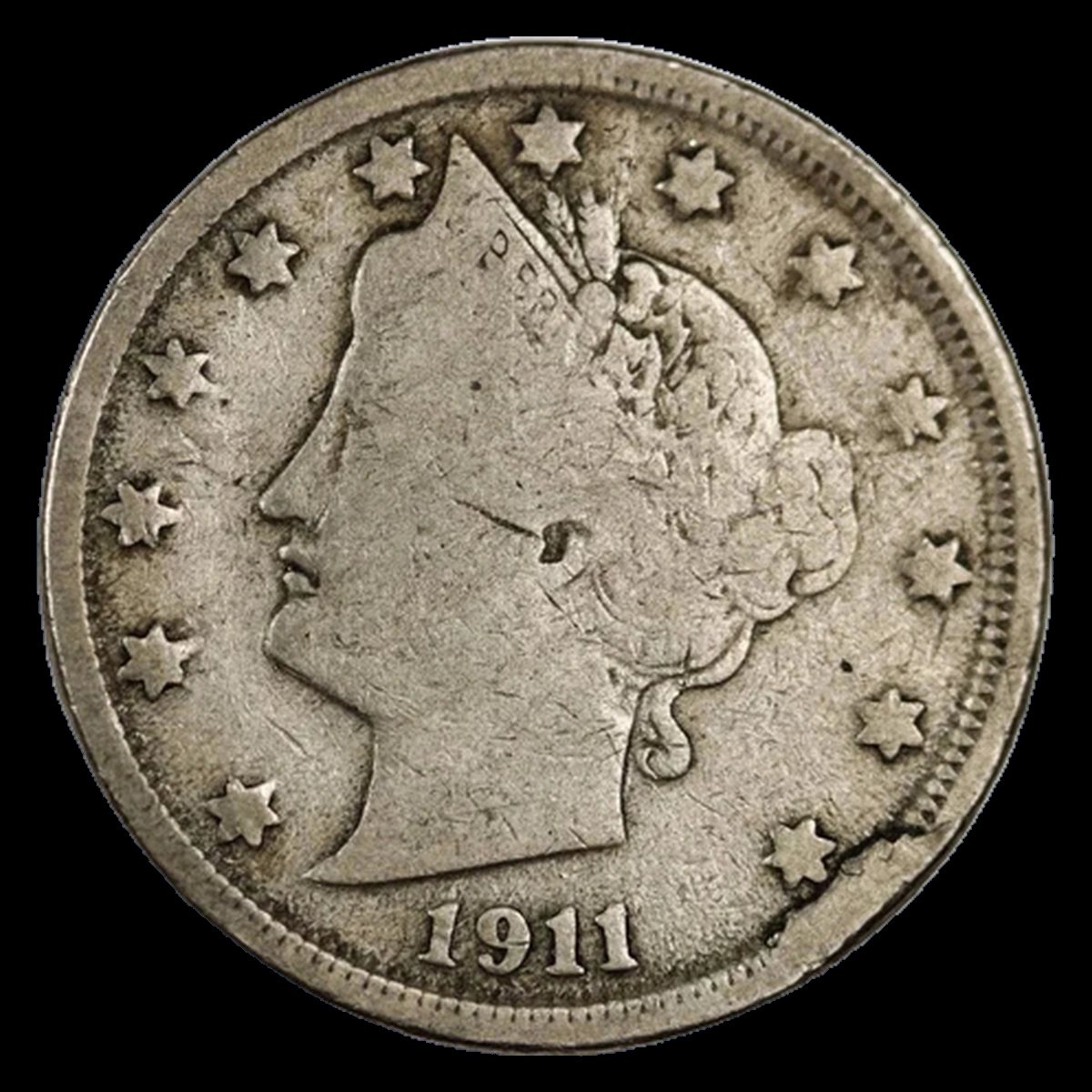
5. 1911 Nickel A Raised Reverse Patch Joined to the Rim: Cud Error
A missing piece of die steel allows metal to rise where normal design should appear. When that missing section reaches the edge, the resulting raised patch is called a cud.
A seller described a 1911 reverse cud without certification or an established clock position. The actual rim connection must therefore lead the examination.
How to Identify
Photograph the reverse and edge together so the entire junction remains visible. The patch should connect continuously to the rim rather than sit alone inside the design.
Inspect for added material, corrosion deposits and metal pushed up by an edge impact. A raised lump is not enough without the correct original surface relationship.
What It’s Worth
An ordinary coin with a confirmed reverse cud is estimated at $30–$300. Size, visibility and condition affect the comparison.
The seller report provides no verified auction result. Its description does not establish the same identity for every suspicious reverse lump.
6. 1911 Nickel A Separating Surface Strip: Lamination Error
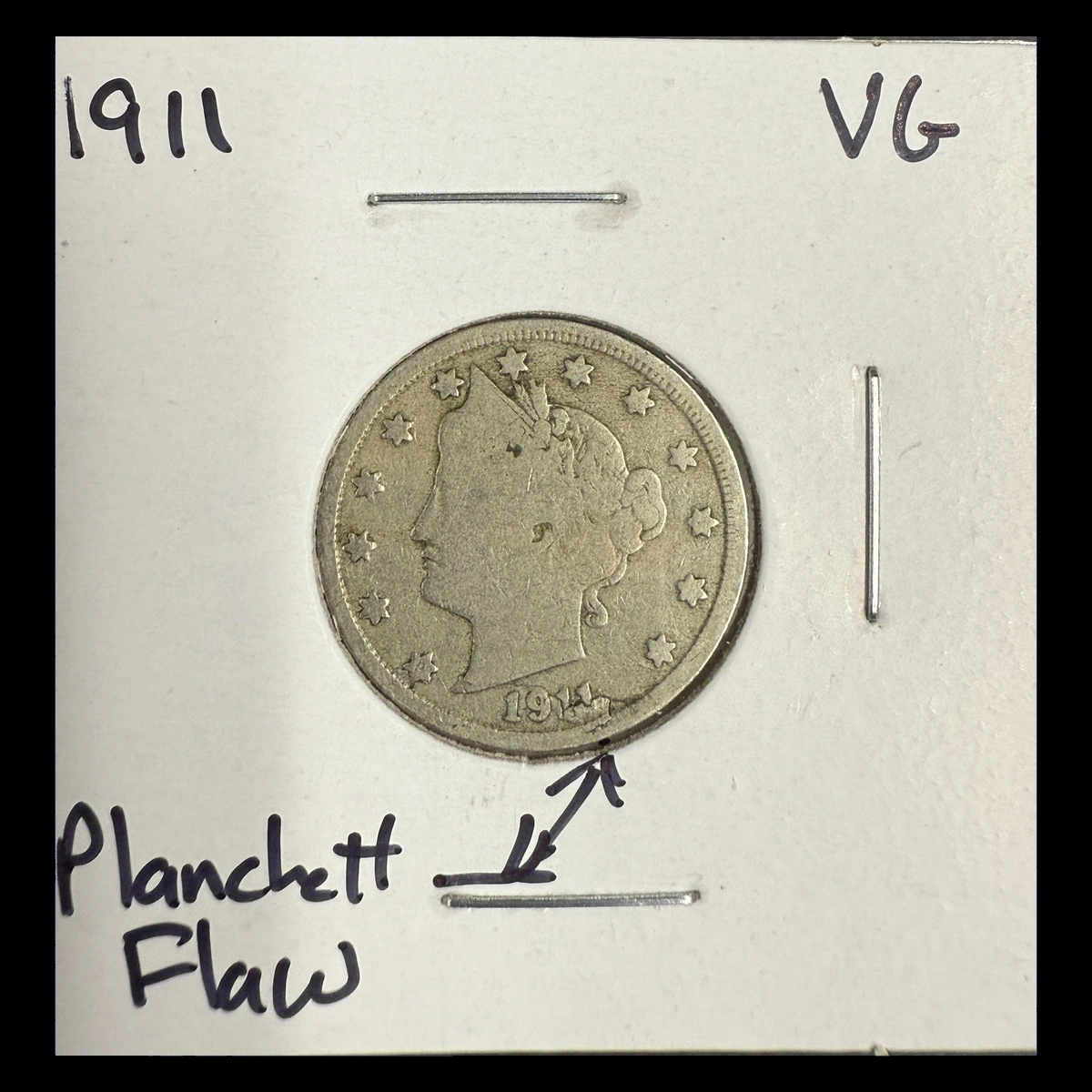
A weak seam inside the alloy can let a patch peel away. A lamination may remain attached or leave a shallow opening after the metal falls off.
The auctioned NGC Good 4 coin has obverse lamination. A separate catalog describes reverse peeling between roughly 7 and 10 o’clock.
How to Identify
Follow the thin boundary between original surface and separating metal. A dark patch of dirt or a scraped trench does not demonstrate a natural layer opening.
Keep any flap attached and use side lighting instead of lifting it. A retained piece can leave the weight close to normal, and the two reported locations should not be combined into one specimen.
What It’s Worth
Ordinary small laminations are estimated at $10–$150. Larger intact flaps or better-preserved coins may need individual comparison.
The NGC Good 4 obverse-lamination coin sold for $51 on January 2, 2023. That whole-coin price is not a fixed payment for each peeling patch.
7. 1911 Nickel Repeated Date and LIBERTY Detail: Reported Doubled Obverse Error
A doubled die carries repeated detail before striking a coin. Reports for 1911 mention extra outlines in the date and LIBERTY, including an example that also has lamination.
The supplied report establishes neither a numbered major variety nor a specific certified specimen. A thick date alone cannot turn this general report into a recognized rarity.
How to Identify
Compare the raised shapes across the affected date and letters with an illustrated same-year example. Flat shelves from striking movement and rounded worn edges can look doubled for different reasons.
If a lamination is present, begin with details beyond its disturbed boundary. A lifted seam crossing a numeral is not another impression of that numeral.
What It’s Worth
A confirmed minor doubled obverse has a conditional whole-coin estimate of $25–$250. The actual repeated design must be established before using it.
No matched 1911 sale sets the range here. When doubling and lamination occur together, assess the complete coin once rather than adding both maximum estimates.
Conclusion
For a 1911 Liberty nickel, outline and design completeness answer the first questions. A broadstrike can be unevenly centered while keeping every letter, whereas an off-center strike loses design beyond the blank.
Use original edge and surface evidence to distinguish clips, peeling metal and raised die breaks from later damage. Keep dealer asks, auctioneer condition descriptions and completed sales labeled accurately, and preserve the whole coin when judging combined features.