Rare 1994 Dime Errors (List & Pictures)
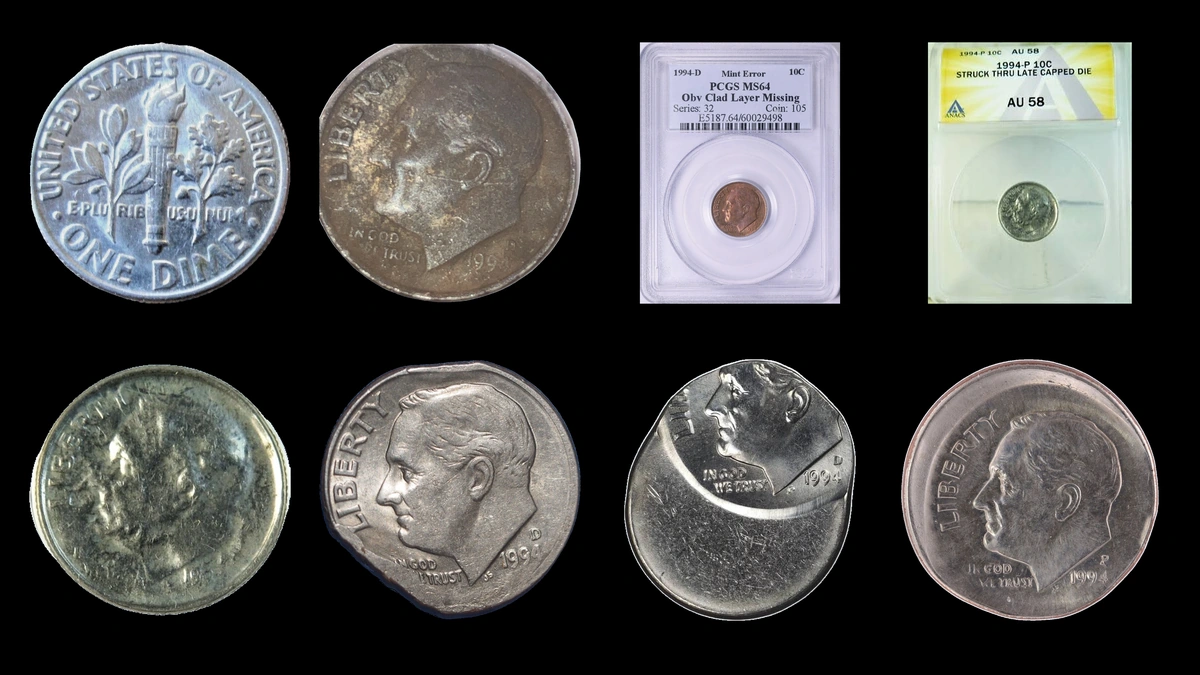
Some 1994 dime errors change a tiny letter; others put a dime design on a fragment of machinery. Estimated values run from $5–$3,000, with a feeder-finger strike recorded at $1,750 in November 2016.
Use the surface clues first, then follow the sections on missing metal, unusual outlines, and overlapping designs.
| Visible clue | Category | Estimated value |
|---|---|---|
| Repeated letter contours | Reported doubled die | $15–$100 |
| Raised line or lump | Die crack or break | $5–$200 |
| Unusual surface color | Improper annealing | $20–$200 |
| One copper-colored face | Missing clad layer | $50–$400 |
| A blocked patch of design | Struck through material | $15–$500 |
| Blurred front with a central disturbance | Split-cap strike | $150–$900 |
| Gaps in the outline | Clipped planchet | $20–$300 |
| Extra metal beyond a complete design | Broadstrike | $30–$250 |
| Unstruck crescent | Off-center strike | $40–$600 |
| Design on abnormally bent metal | Reported edge strike | $100–$600 |
| Two displaced impressions | Double strike | $100–$700 |
| A large plain depression | Indent with broadstrike | $150–$900 |
| A sunken mirror image | Brockage with broadstrike | $200–$1,200 |
| Lincoln over surviving dime detail | Double denomination | $900–$2,500 |
| Dime detail on irregular machinery metal | Feeder-finger strike | $1,500–$3,000 |
1. 1994 Dime Letters Seem to Have a Second Outline: Reported Doubled Dies Error
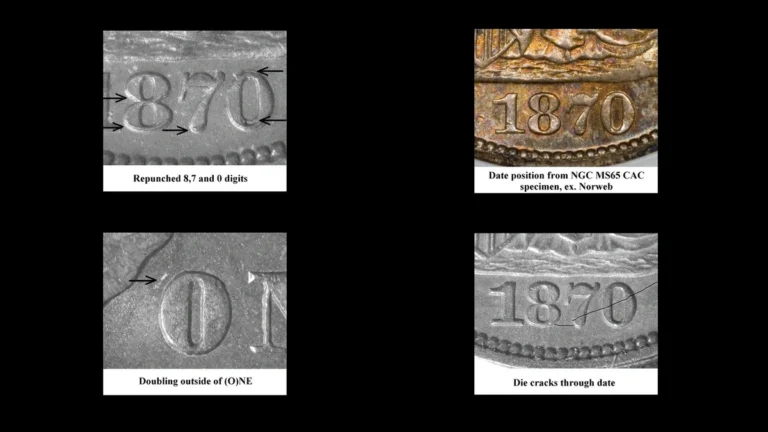
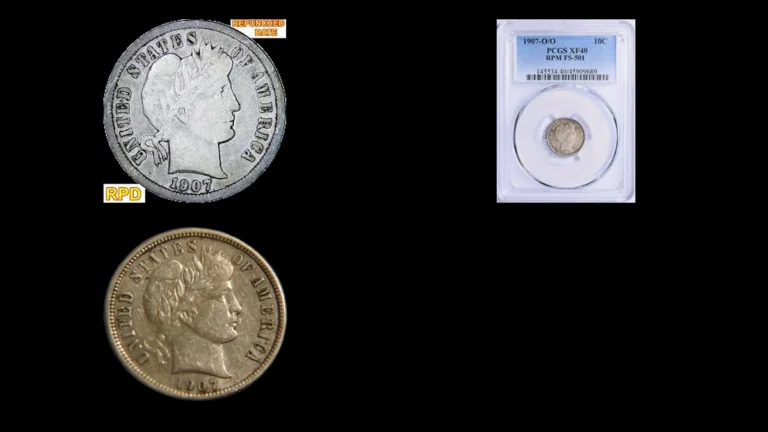
The date, LIBERTY, and IN GOD WE TRUST are the reported front-side inspection areas. Genuine doubled dies contain repeated detail in the striking tool itself.
The supplied reverse report is less specific and does not establish a separately photographed example. A front-side feature therefore provides no proof of doubling on the back.
How to Identify
Compare the complete shape of the suspected detail with an attributed example. A flat ledge from movement during striking, or an edge highlighted by glare, is different from rounded repeated design.
Photograph each face independently and keep any claimed mint or location tied to the actual specimen. One thick letter cannot establish a variety on both faces.
What It’s Worth
$15–$100 is the estimate for a genuine minor doubled-die example. No completed sale or precise reverse attribution was supplied for these reports.
The extra detail needs to be clear enough to verify. Describing both faces as doubled does not create two separate whole-coin premiums.
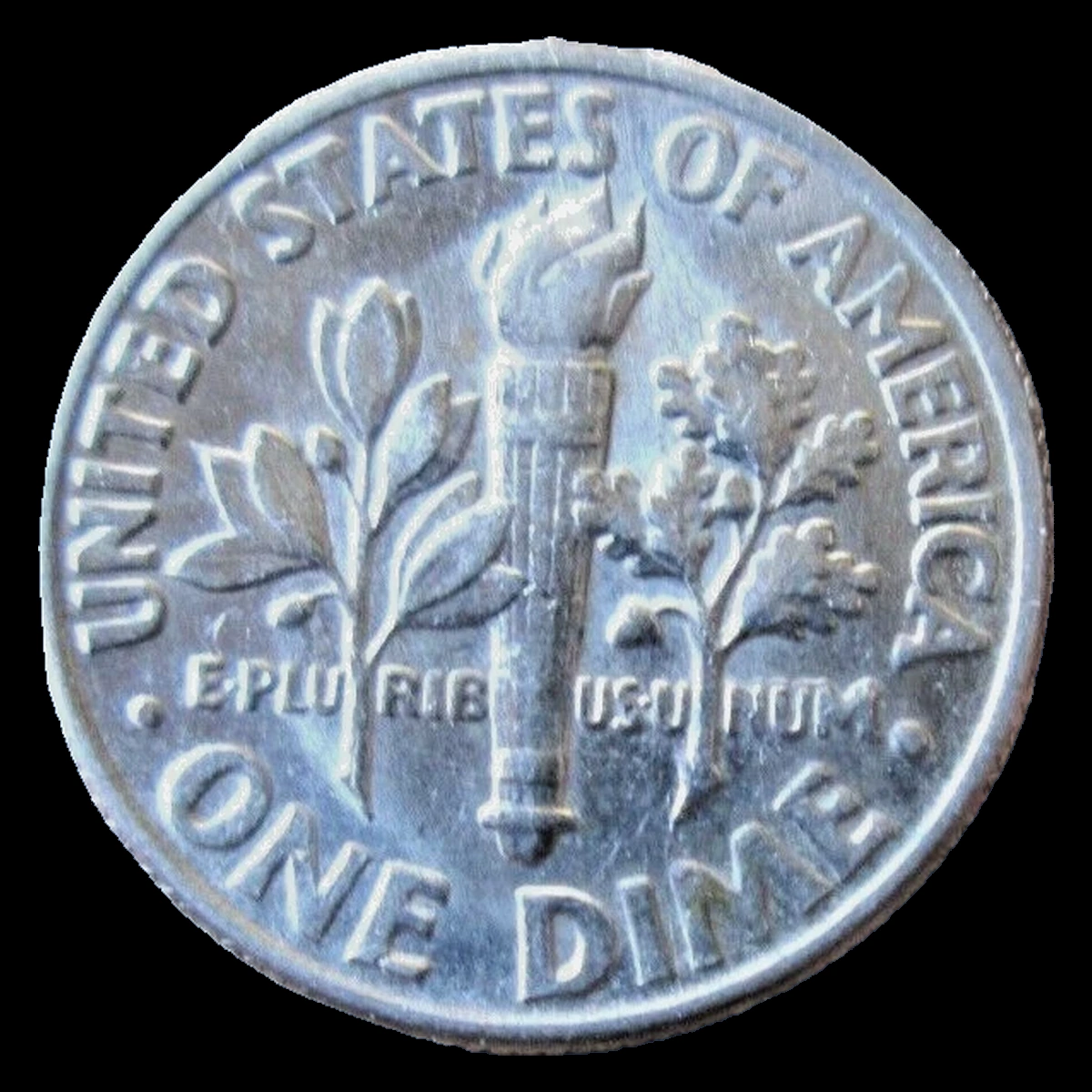
2. 1994 Dime A Line or Patch Stands above the Surface: Die Cracks, Chips, and Cuds Error
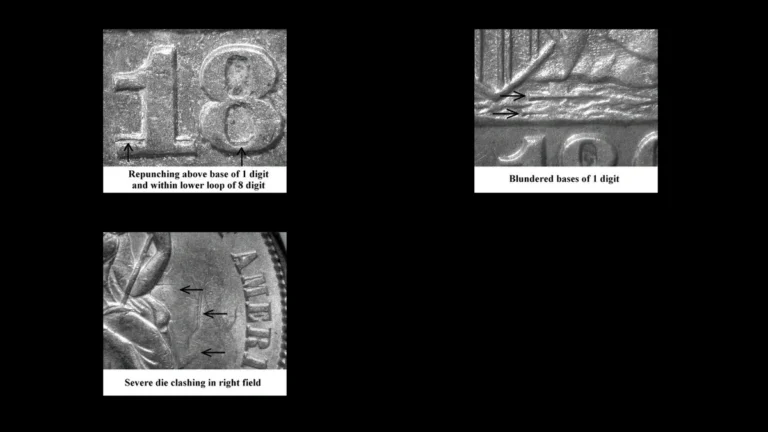
Coin metal fills small openings in a damaged die and reproduces them as raised features. A narrow opening creates a line, while a missing piece produces a larger patch.
A small interior break is commonly called a chip; a substantial rim-connected break is a cud. The 1994 reports do not establish one mint or location for all of them.
How to Identify
Follow the feature under angled light to distinguish a raised ridge from a sunken scratch. For a cud, inspect where the raised area reaches the rim and replaces normal design.
Attached foreign material may have its own boundary rather than being part of the struck surface. An edge dent can also push metal upward, so examine the cause of the lump rather than its outline alone.
What It’s Worth
$5–$200 is the estimated range, from fine cracks to stronger breaks. No individual auction result was supplied for this category.
A large, clear feature is generally a better comparison for the upper range than a faint line. A crack entering a chip remains one combined feature on one coin.
3. 1994 Dime The Surface Has an Unusual Color: Improper Annealing Error
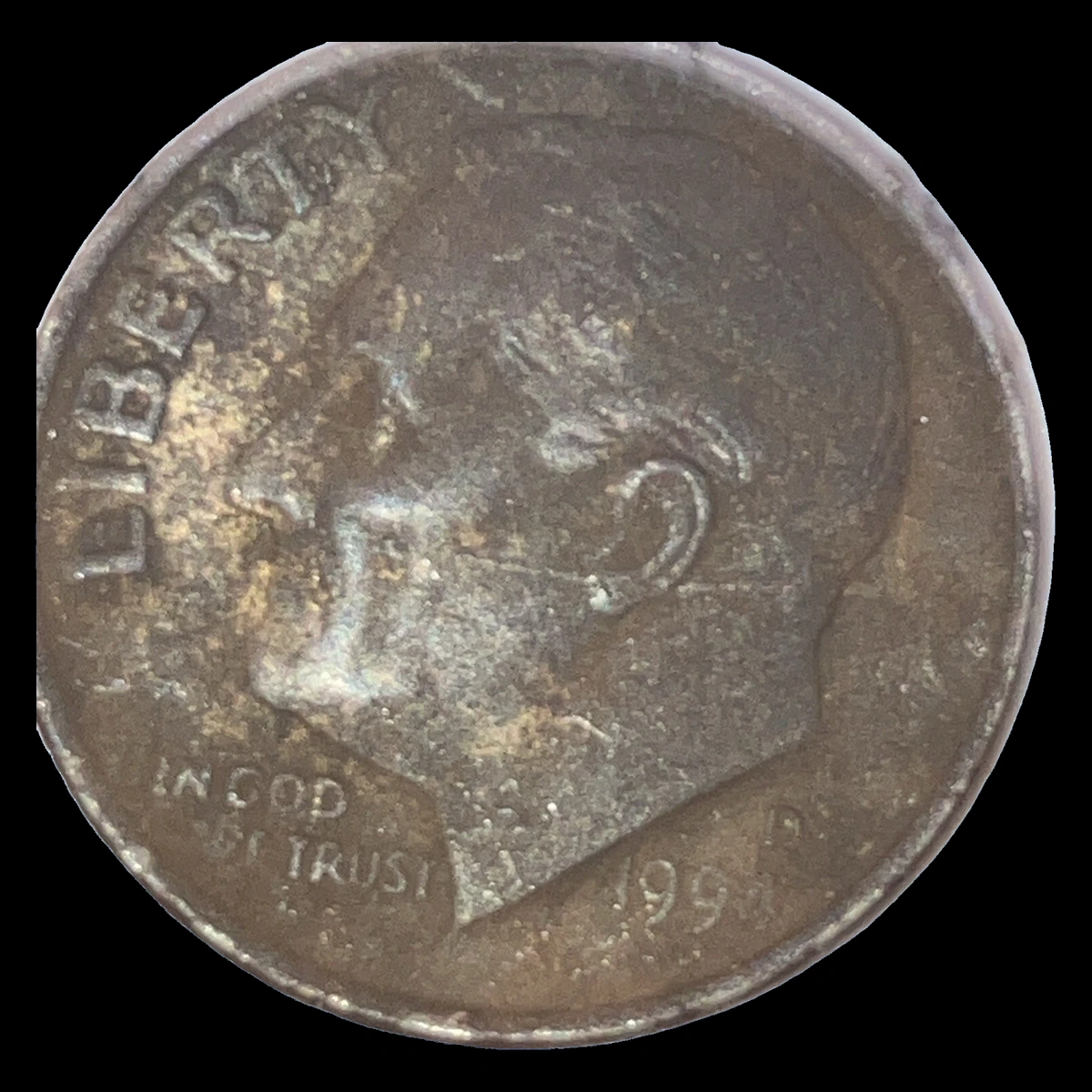
Blanks are heated during preparation so they can accept a strike more readily. An abnormal surface produced during that treatment may be described as improper annealing.
The Philadelphia report also uses the term sintered, but does not specify a universal color or patch. Darkness alone cannot establish this diagnosis.
How to Identify
Compare both faces in neutral light and inspect whether the altered surface follows the struck detail or appears to be an added coating. Environmental staining, plating, and missing outer metal need separate consideration.
A normal clad dime weighs about 2.268 grams and measures 17.91 mm, with a reeded edge; a 1994-S silver Proof instead weighs about 2.50 grams. Use the correct reference for a loose coin and inspect its layers without cleaning or heating it.
What It’s Worth
$20–$200 is the estimate for a professionally identified mint-made heat-treatment error. The report supplies neither a verified sale nor a measured metal change for a particular coin.
Surface preservation affects the result after the cause is established. Ordinary tarnish does not qualify merely because it resembles the color of an error coin.
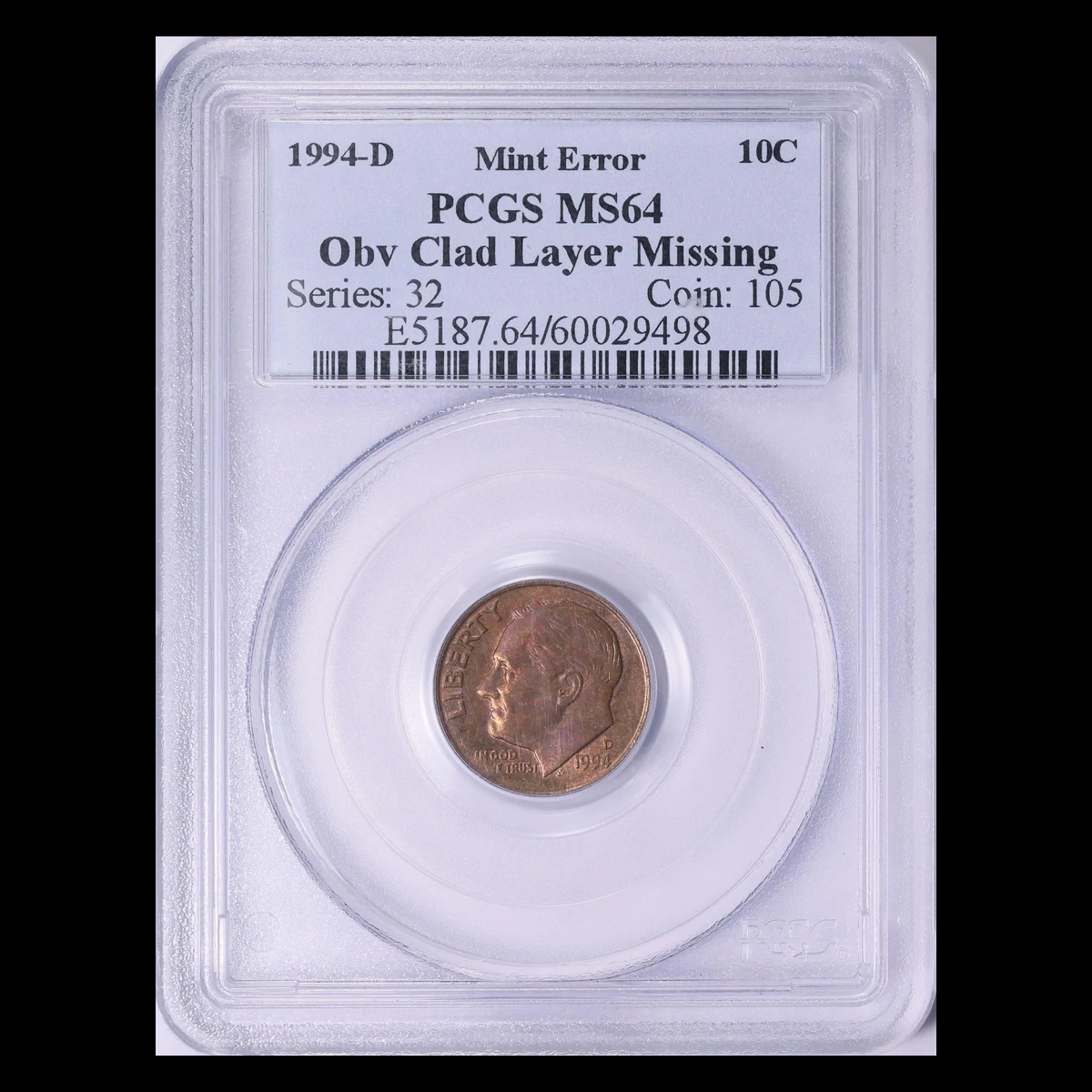
4. 1994 Dime One Face Shows the Copper Core: Missing Clad Layer Error
Two Denver records concern different missing faces: a PCGS MS64 with front-layer loss and an NGC MS64 with back-layer loss. The latter has a recorded weight of 1.9 grams.
Removing an outer layer during manufacture exposes the copper core. The other face can retain its ordinary pale appearance.
How to Identify
Examine the exposed face, surviving outer layer, and boundary at the edge together. Design struck into the exposed copper and the metal structure should support the diagnosis.
Chemical stripping or later plating can imitate color clues. The 1.9-gram measurement belongs only to the reverse-loss specimen, not to every dime with a copper-colored face.
What It’s Worth
$50–$400 is the estimate for a genuine single-layer loss. The Denver front-loss coin sold for $79 on August 18, 2015.
That sale does not price the separate reverse-loss coin automatically. Clear copper surfaces and readable detail make a better comparison than pitting or suspected chemical alteration.
5. 1994 Dime A Patch or Object Shape Interrupts the Design: Struck Through Material Error
Material trapped between a blank and a die can block the design or leave a depression. This is a struck-through error.
The general 1994 report names no particular object, mint, or location. Cloth, wire, grease, and scraps are possible mechanisms, not separately documented specimens in this report.
How to Identify
Study the boundary where normal detail ends and the depression or weak patch begins. Side lighting can show depth that disappears in a straight-on photograph.
Wear affects exposed design differently from an obstruction during striking. Name a specific material only when a distinctive texture or shape supports it.
What It’s Worth
$15–$500 is the estimate for genuine standalone struck-through errors. A clear impression generally offers a stronger comparison than a small indistinct weak area.
No completed sale was supplied for the unnamed 1994 obstruction. An uncertain depression should not acquire a cloth or wire premium without supporting evidence.
6. 1994 Dime A Blurred Front Has a Central Disturbance: Struck Through a Split Die Cap Error
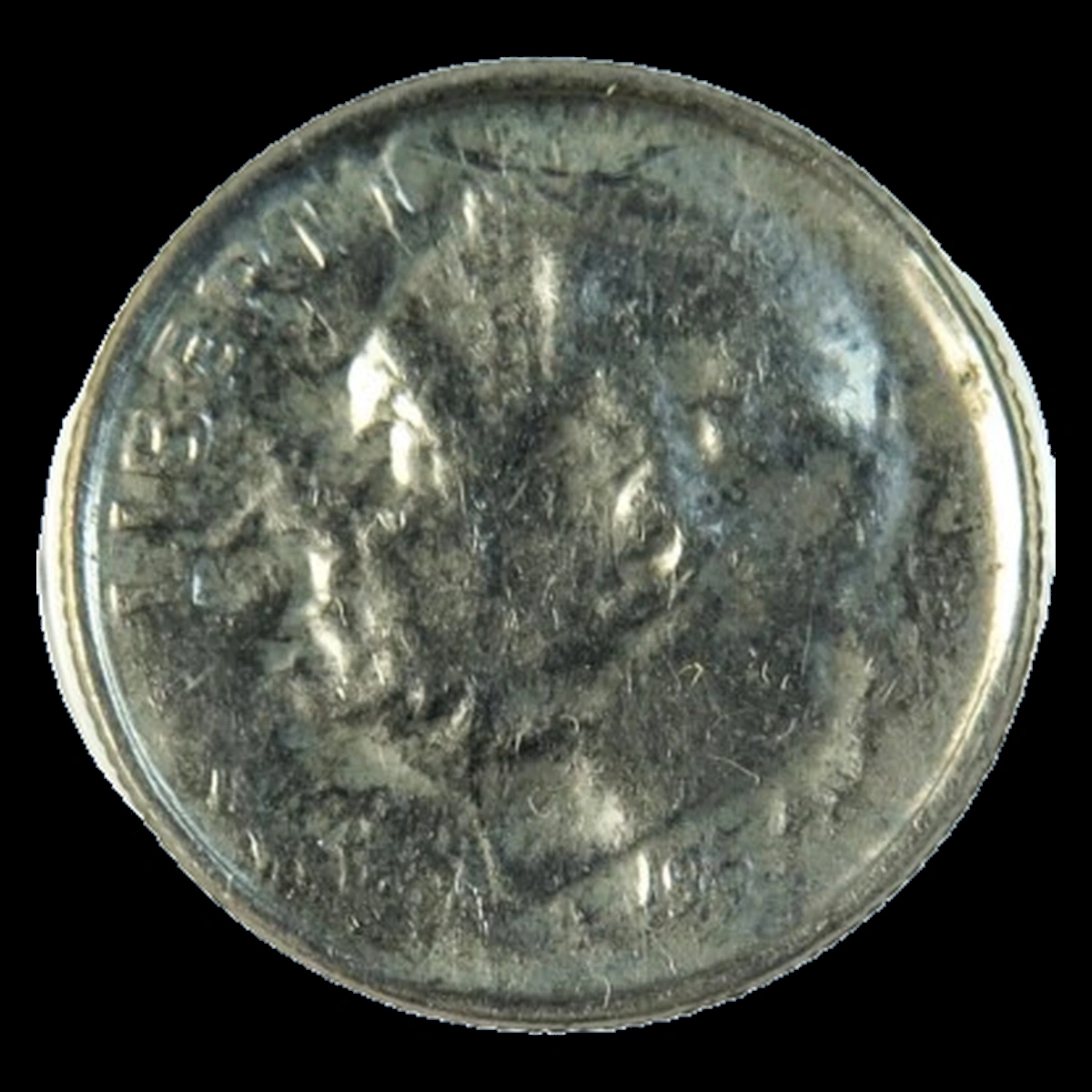
A coin stuck to a die can cover it like a cap and soften the designs imparted to later blanks. If that cap splits, the receiving coin can show a more complicated central effect.
A collector’s 1994-P example displayed as NGC MS65 has a blurred front with readable date and mintmark, a clear reverse, and a small reverse crack near one o’clock. The dime being examined received the cap’s effect; it did not necessarily become the cap.
How to Identify
Compare the affected front with the clearer reverse and examine the central area against the collector’s actual photographs. General weakness alone does not identify a split cap.
A tall cup-shaped wall is not required on the receiving coin. The small reverse crack can help match this specimen but does not establish the cap mechanism by itself.
What It’s Worth
$150–$900 is the estimated range for a genuine split-cap strike with a visible effect. No sale price was supplied for the collector’s displayed example.
A legible date and strong contrast between the two faces improve the clarity of the error. The reverse crack is included in the whole-coin assessment.
7. 1994 Dime Gaps Interrupt the Coin’s Outline: Clipped Planchet Error
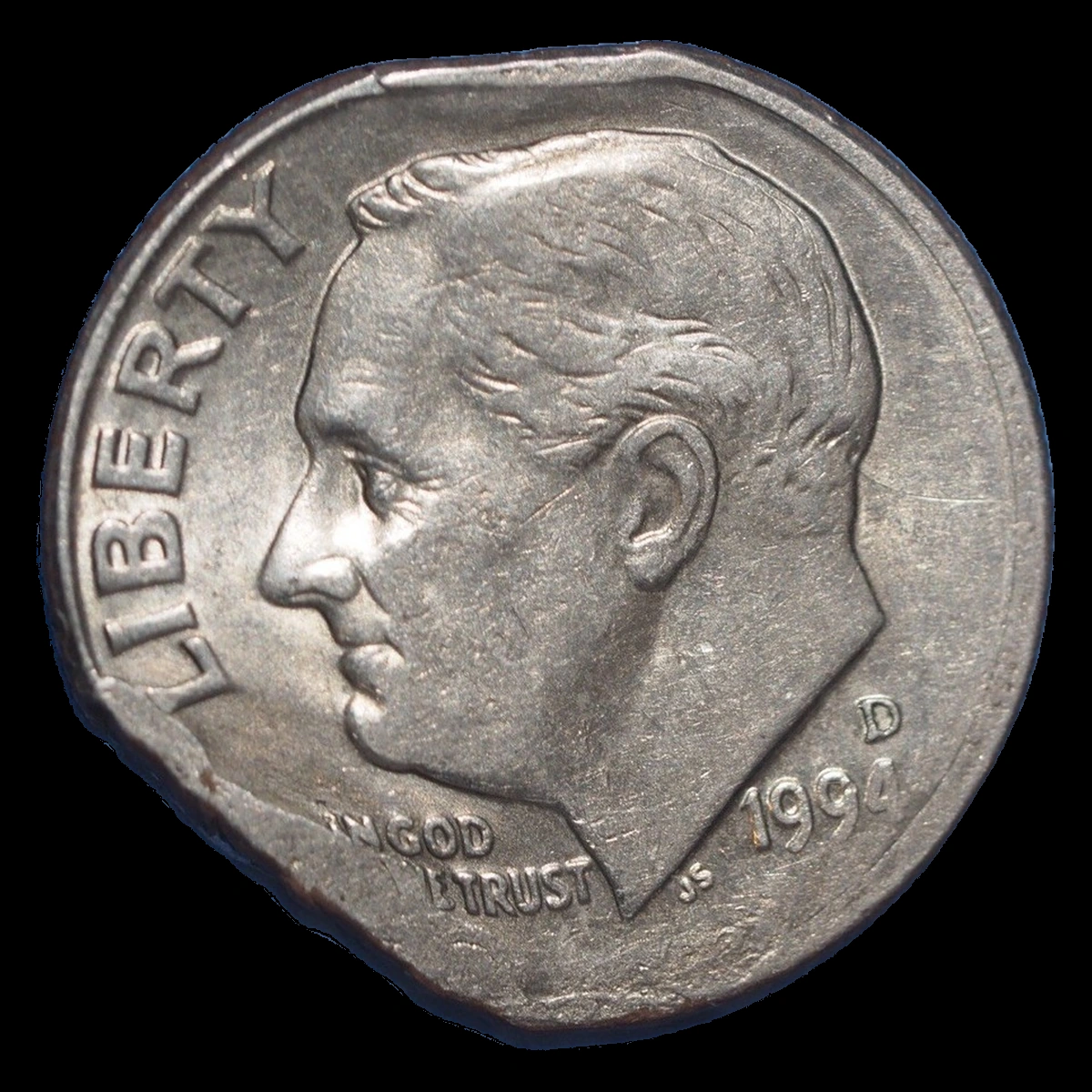
A Philadelphia double-clipped dime is recorded at 2.08 grams and ANACS AU55. Its two shortages formed before the design was struck, but the listing does not establish that both gaps are curved.
A separate Denver coin combines a 12% clip with broadstriking and later machine damage. The Philadelphia weight and Denver percentage describe different objects.
How to Identify
Inspect the rim and design at both ends of each gap for natural formation around an incomplete blank. Later cutting can also lower the weight, so look for file marks, burrs, or cuts through finished detail.
The Philadelphia double-clip listing documents the 2.08-gram example. On a clipped broadstrike, assess the expanded border separately from later crushed or scratched metal.
What It’s Worth
$20–$300 is the estimated range for genuine clips. The original shortage and the remaining condition both matter.
The damaged Denver piece appeared in a four-coin lot containing other years. A total lot result would not be a standalone sale price for that dime.
8. 1994 Dime The Design Is Complete inside a Wider Coin: Broadstrike Error
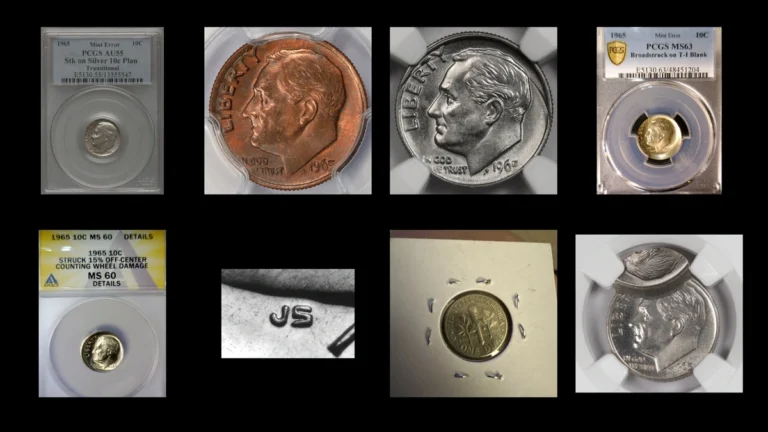
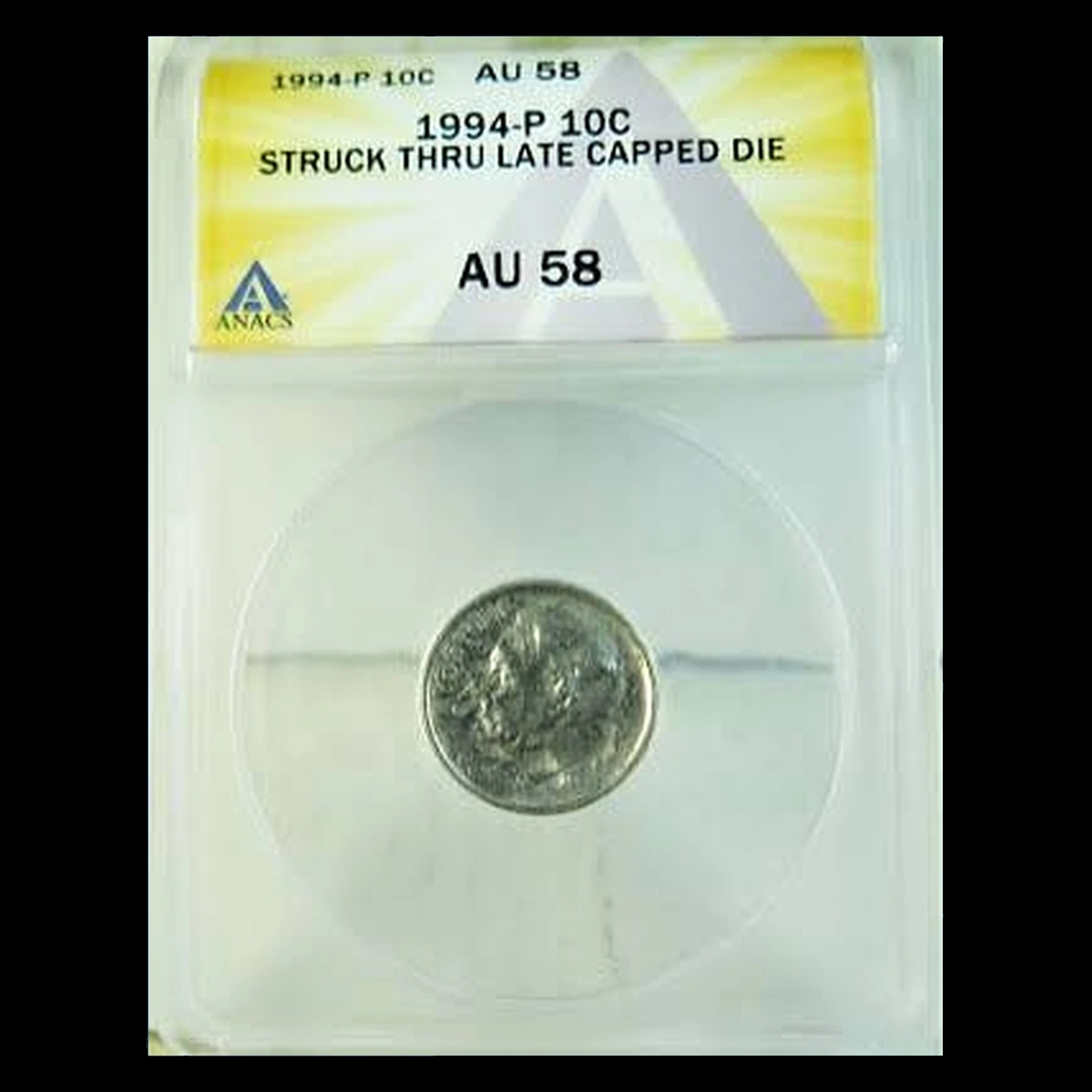
A broadstrike expands beyond the intended outline because the collar does not restrain the blank normally. A listed 1994-P example is graded PCGS AU58, indicating slight wear.
How to Identify
Measure several widths and inspect the entire design, including the lettering nearest the edge. Broadstriking alone can leave the design complete within an enlarged border.
Flattening a finished coin also adds width but can crush already formed details. A blank crescent opposite missing design instead suggests an off-center strike, while two distinct edge levels require a partial-collar comparison.
What It’s Worth
$30–$250 is the estimated range for genuine broadstrikes. No completed price was supplied for the listed 1994-P AU58 example.
A 2000-P dime with multiple strikes and broadstriking sold for $159 in September 2025. Its additional strike makes it an imperfect comparison for a simple 1994 broadstrike.
9. 1994 Dime A Blank Crescent Sits beside Cropped Design: Off-Center Strike Error
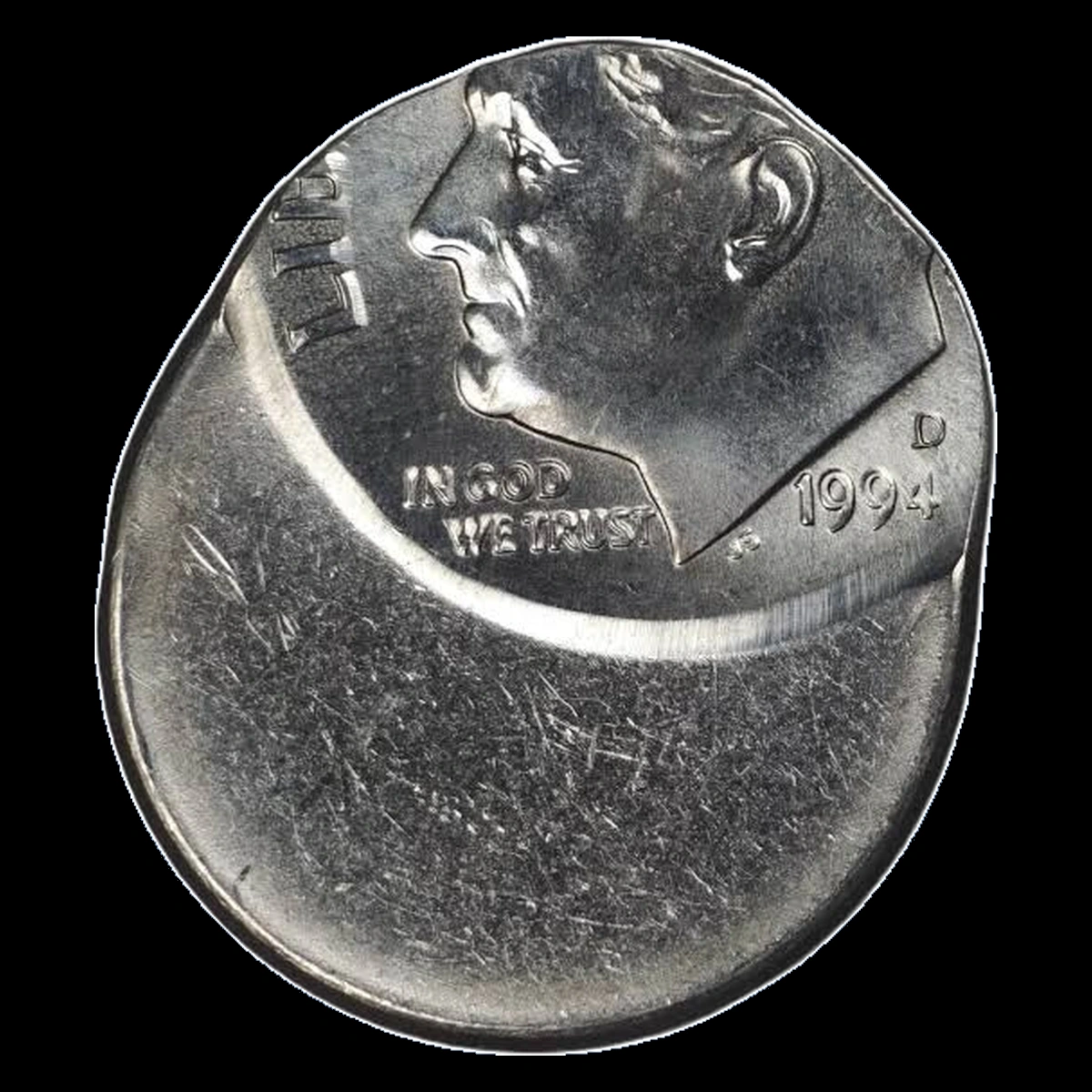
A Philadelphia specimen graded NGC MS65 is described as 45% off center. The blank missed the centered striking position, so part of the design landed beyond the metal.
Denver off-center pieces are also reported, but their percentages and directions require their own evidence. The Philadelphia description does not specify a clock direction either.
How to Identify
Keep the date, mintmark, and unstruck arc visible when photographing both faces. The displacement should be consistent with a single blank that was off center between the dies.
A displaced design on one face with a centered opposite face may indicate a shifted die instead. Inspect the untouched arc for scraping or grinding that could imitate missing design.
What It’s Worth
$40–$600 is the estimate for genuine dated off-center examples. A dramatic displacement with readable identity can attract more than a small shift.
A different 1977 dime struck about 10% off center sold for $109 in June 2026. That is a smaller-error comparison, not a sale of the 45% Philadelphia coin.
10. 1994 Dime Struck Detail Appears on an Abnormally Distorted Edge: Reported Edge Strike Error
A blank standing or tilting abnormally in the press can receive a strike across its edge. The 1994 report includes this category without establishing a photographed specimen, mint, or precise bend.
How to Identify
Look from the side for struck design on the displaced metal and relate it to the remaining faces. A rim dent alone supplies no proof that the blank stood on edge during minting.
Jaw marks, filing, and localized crushing can reveal later damage. Photograph the shape as found rather than straightening it to obtain an ordinary diameter.
What It’s Worth
$100–$600 is the estimate for an authenticated edge strike with readable identity. The supplied report contains no specimen-specific auction result.
Recognizable struck detail on the abnormal shape is more persuasive than a bend without diagnostic evidence. Later damage can also obscure a genuine original accident.
11. 1994 Dime The Coin Retains Two Design Positions: Double Strike Error
A coin that remains in the press can receive a second blow after moving. The Philadelphia report describes a minor double strike without naming an exact angle or repeated letter.
This happens to the individual coin. It differs from a doubled die, which contains repeated design before any particular coin is struck.
How to Identify
Trace related displaced features across the lettering, portrait, and border. A coherent second position is stronger evidence than one thick stroke.
Check the reverse for a compatible effect and distinguish flat mechanical doubling from two blows. The report supplies no displacement angle to impose on a new candidate.
What It’s Worth
$100–$700 is the estimated range for a genuine minor double strike. No completed sale was supplied for the reported Philadelphia piece.
Preservation and the readability of both impressions govern the comparison. A small offset should not be priced as widely separated, complete impressions.
12. 1994 Dime A Plain Depression Covers Part of an Expanded Coin: Indent with Broadstrike Error
An overlapping extra blank can block a portion of the design and leave a depression called an indent. A 1994-P listed by Stack’s Bowers combines a 40% indent with broadstriking and a PCGS MS64 grade.
How to Identify
Inspect the boundary between the depressed area and surviving design. A plain blocked region differs from the sunken mirror image produced by a brockage.
The 40% description establishes coverage, not a particular face or clock position. Keep this MS64 coin separate from the neighboring MS65 brockage listing.
What It’s Worth
$150–$900 is the estimate for a comparable indent-and-broadstrike combination. No completed price was supplied for this particular listing.
The size and clarity of the depression influence appeal. Adding full separate indent and broadstrike prices does not produce a reliable value for the combined coin.
13. 1994 Dime An Expanded Dime Carries a Sunken Mirror Image: Partial Brockage Error
A previously struck coin caught in the press can impress its design into the next blank. The transferred image is reversed and sunken, unlike the ordinary raised design.
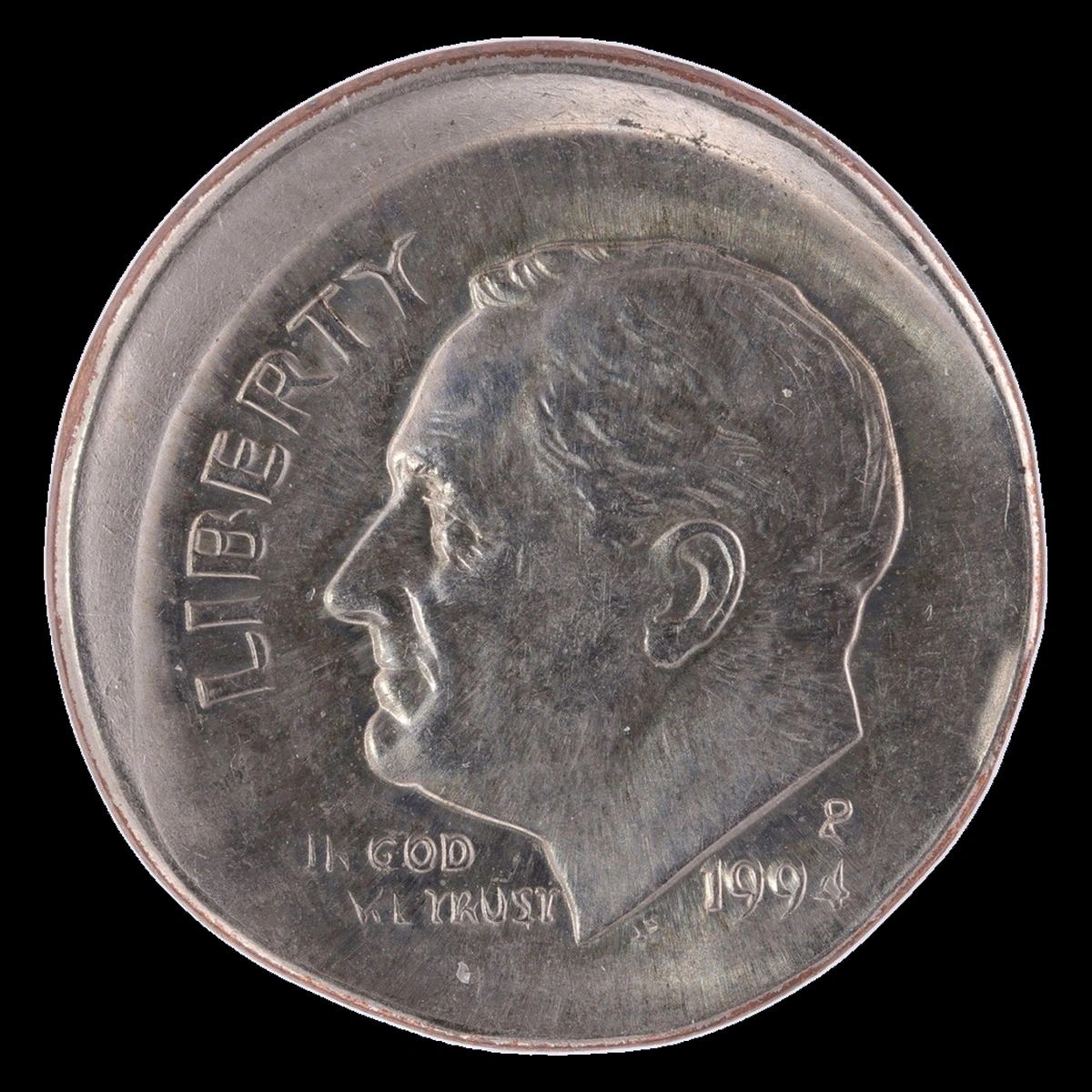
A separate Stack’s Bowers 1994-P listing describes 40% brockage with broadstriking, graded PCGS MS65. The catalog does not identify the face carrying the mirror image.
How to Identify
Mirror a photograph digitally to see whether the reversed lettering and other features resolve into recognizable design. Check that the actual impression is incuse, meaning pressed into the surface.
A plain depression is insufficient, even if it covers roughly 40% of the coin. Later squeezing of finished coins can imitate mirror detail and needs to be excluded.
What It’s Worth
$200–$1,200 is the estimate for a comparable partial brockage with broadstriking. Clear reversed lettering usually communicates the error better than a vague impression.
No supplied sale fixes a price for this specimen. The adjacent MS64 indent has a separate identity and must not supply its grade or price.
14. 1994 Dime Lincoln’s Design Overlies the Dime: Double-Denomination Overstrike Error
Here the dime was struck first and later entered a cent press. Surviving Roosevelt details lie beneath parts of Lincoln’s design.
Reported combinations include a 1994 cent over a 1994-P dime and a 1995-D cent over a 1994-D dime. Different dates can therefore appear on the same overstruck piece.
How to Identify
Find recognizable details from both denominations and determine which impression overlies the other. The Denver host is a 1994-D dime even though the later cent design is dated 1995-D.
The original metal is a dime, so compare its mass with the clad dime standard rather than the 2.50-gram cent standard. The cent strike may expand its outline and alter surviving edge grooves.
What It’s Worth
$900–$2,500 is the estimate for comparable double-denomination pieces with readable designs. On August 28, 2022, an NGC MS66 1994 cent over a 1994-P dime sold for $1,050.
A separate MS66 1995-D cent over a 1994-D dime realized $1,740 in the same auction. An older ANACS MS64 Philadelphia record is another specimen and does not inherit either result.
15. 1994 Dime An Irregular Scrap Carries the Dime Design: Feeder-Finger Strike Error
A feeder finger moves blanks into the press, and a broken tip can itself enter the striking area. The documented 1994-D fragment weighs 0.31 grams and carries about 80% of a dime design.
Its date and D are complete, while a ragged left edge cuts through lettering. Mint Error News identifies the material as aluminum, and the Heritage description notes clash traces ahead of the portrait.
How to Identify
Evaluate the irregular metal, complete identifying detail, and extremely low weight together. This object was struck on machinery metal; it is not an ordinary dime bearing an impression from a feeder finger.
A full reeded edge is not expected around a broken fragment. Professional metal testing should support the material attribution, while the clash traces remain a separate observation.
What It’s Worth
$1,500–$3,000 is the estimate for a comparable authenticated feeder-finger fragment. The NGC MS65 example brought $1,725 on May 11, 2007.
Heritage’s archive also reports a $1,750 result on November 3, 2016. The clear date and mintmark help establish what struck this unusual piece of metal.
Conclusion
For a 1994 dime, color, shape, and repeated detail are starting clues rather than complete diagnoses. Compare both faces before deciding whether the coin lost a layer, received another strike, or encountered an obstruction.
Keep each specimen’s weight, grade, and auction result together. A combined mint error receives one whole-coin price, and later damage can reduce that value even when the underlying accident is genuine.