Rare 1913 Liberty Head Nickel Errors (List & Pictures)
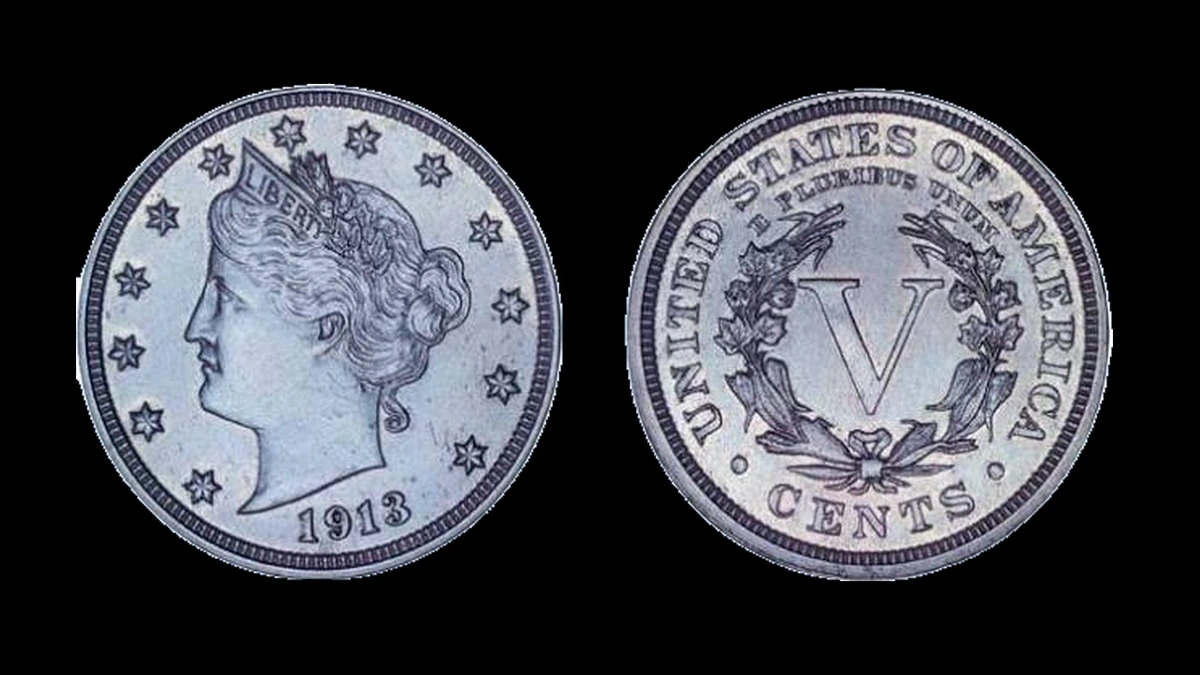
The 1913 Liberty Head nickel errors discussed here concern striking differences among five famous surviving coins. The Eliasberg specimen brought $4.56 million at auction in 2018, a price driven by the coin’s extraordinary rarity.
The estimated $3 million–$6 million range is for authenticated whole coins, with no separate premium established for weak detail. Follow the lower wreath comparison below to understand the reported striking difference and its limits.
1913 Nickel A Soft Ribbon Bow and Corn: Reverse Weakness from an Unseated Die Error
Find the large V on the back, then look below it to the bottom of the wreath. The ribbon bow and corn provide specific points where the five known specimens differ in sharpness.
John Dannreuther used those differences to suggest an order in which the coins were struck. His explanation, reported by Heritage, was that the reverse die—the steel tool carrying the back design—was not firmly seated in the press.
That interpretation concerns a changing strike among known coins. It does not turn an unidentified nickel with a soft wreath into another genuine specimen.
How to Identify
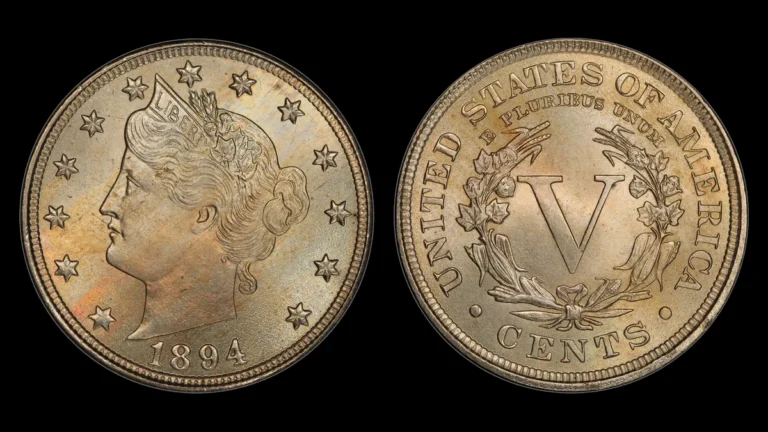
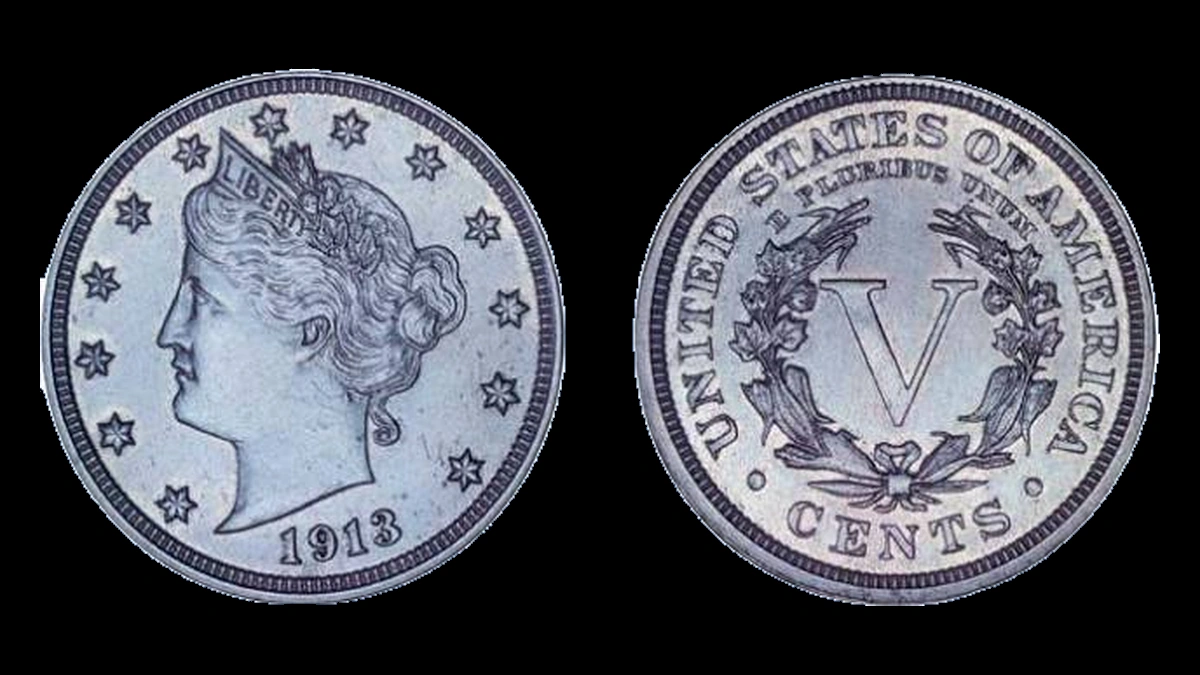
Begin with the design rather than the apparent date: Liberty’s head belongs on the front and a large V inside a wreath on the back. A 1913 Buffalo nickel belongs to a different design and cannot supply this comparison.
Use photographs of the named specimens with similar lighting and enlargement. Compare the same bow and corn details across the group, keeping track of which coin appears in each image.
Heritage’s discussion of the specimens supplies the context for the proposed striking sequence. Comparing unrelated worn nickels would remove the evidence on which that explanation rests.
Wear and an incomplete strike can both leave soft detail, so the bow alone cannot authenticate a candidate. The date, surrounding surfaces, full designs, and documented ownership history need specialist examination together.
The ordinary specifications are 5 grams, approximately 21.2 mm across, and a plain edge. Matching those measurements is only a basic physical check; an altered ordinary nickel can still resemble a genuine coin in size and weight.
Keep a certified specimen sealed and work from its recorded measurements and photographs. A readable 1913 date or weak wreath should never replace establishing the identity of the whole coin.
What It’s Worth
Authenticated 1913 Liberty Head nickels are estimated at $3,000,000–$6,000,000, depending on the individual specimen. These figures describe complete historic rarities, including their condition and ownership histories.
The Olsen specimen sold for $3.29 million in January 2014. The Eliasberg specimen brought $4.56 million at Stack’s Bowers in 2018.
Neither result establishes an additional amount for weakness at the lower wreath. A worn or altered common nickel remains outside this price comparison, even if the bow looks similarly indistinct.
Conclusion
The lower wreath offers a way to compare how five established rarities were struck. Its ribbon bow and corn may help explain a proposed production sequence, but they cannot prove that a newly encountered coin is genuine.
Treat the multimillion-dollar figures as whole-specimen prices. Establish the coin’s design, identity, condition, and history before drawing conclusions from weak reverse detail.