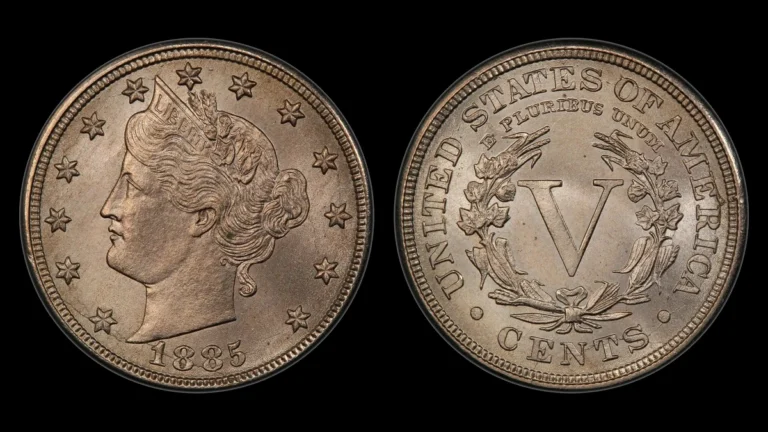
Rare 1889 Nickel Errors (List & Pictures)
A second date stroke and a small brown blank call for very different checks on 1889 nickel errors. Estimated values span $30–$6,000, including a cleaned cent-planchet coin cataloged at $2,200–$2,400 before fees.
For a different-year auction comparison, a 1905 cent-planchet nickel brought $3,120 in August 2024. Start at the date, then inspect separating metal and the way the design fits the outline.
| What you notice | Possible identification | Estimated value |
|---|---|---|
| Small extra date strokes | FS-301 repunched date | $50–$600 |
| A flap or shallow missing layer | Lamination | $30–$800 |
| Complete design inside a wide border | Broadstrike | $50–$300 |
| Blank crescent and cropped stars | Off-center strike | $300–$2,500 |
| Nickel design on a smaller brown blank | Cent planchet | $2,000–$6,000 |
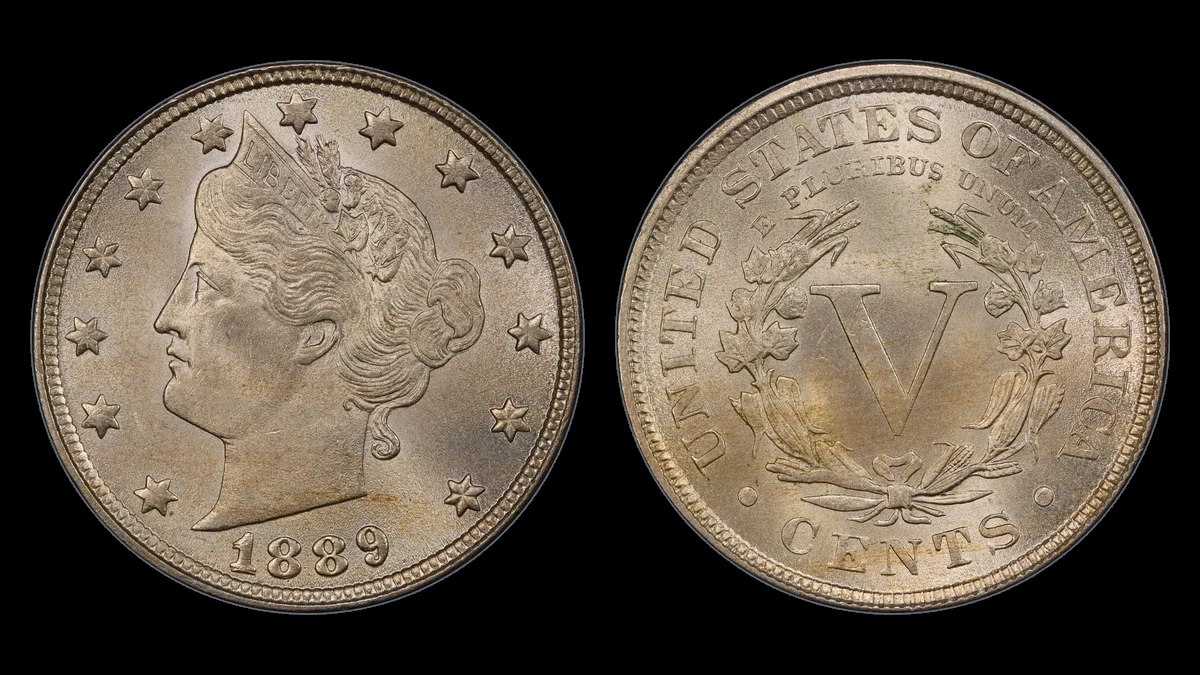
1. 1889 Nickel Small Extra Strokes Accompany the Date: Repunched Date FS-301 Error
An earlier date-punch impression can remain in a die when the punch is applied again in a slightly different position. Coins struck from that tool reproduce the surviving traces beside the final digits.
The 1889 FS-301 variety is represented by a PCGS XF40 listing. Its worn but identifiable date offers a pattern to compare rather than evidence that every bump beside an 8 or 9 is valuable.
How to Identify
Compare the entire date with the cataloged FS-301 example. Extra strokes should remain fixed as the light changes and agree with the specific pattern.
Scratches, corrosion bumps, and flat striking shelves need different explanations. Repunching the date into a die also differs from striking the finished nickel twice.
What It’s Worth
$50–$600 is the estimated range for properly attributed FS-301 examples. No completed price was supplied for the XF40 listing.
Readable remnants, attractive surfaces, and preservation affect the comparison. Scratches or cleaning across the date can reduce appeal even when the variety remains identifiable.
2. 1889 Nickel A Thin Flap Separates from the Surface: Lamination Error
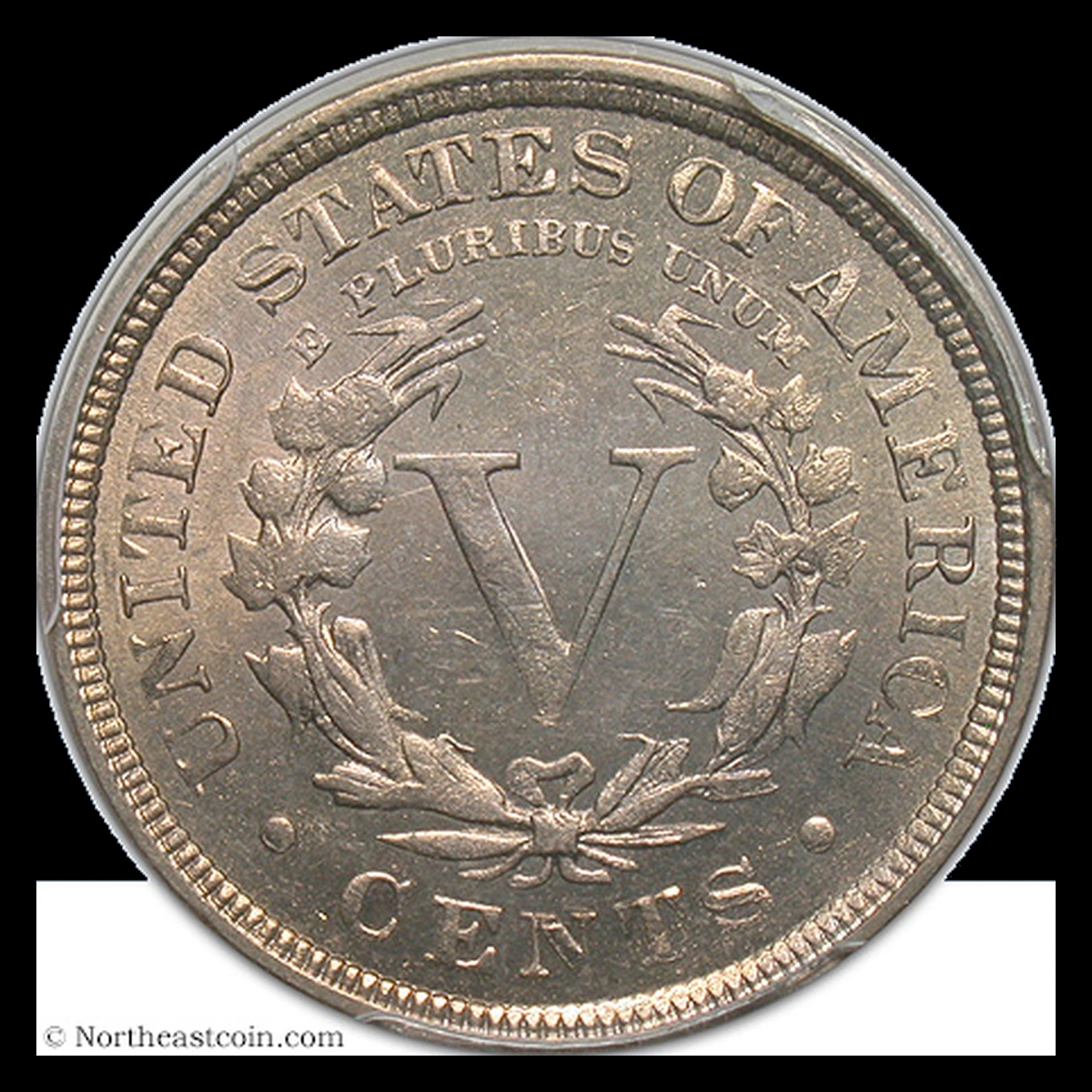
A weak area within the alloy can produce a retained flap or a patch where surface metal has fallen away. One dealer-listed example is graded PCGS MS64.
Liberty Head nickels are copper-nickel alloy throughout. This defect is not the loss of a modern clad covering or copper core.
How to Identify
Inspect the attachment and natural separation boundary without lifting the metal. A gouge made by a cutting tool can create a sliver while leaving a different path through finished detail.
The affected face and location must come from the actual listing photographs. A normal loose nickel is about 5 grams and 21.2 mm with a plain edge; lost metal can reduce mass, while an attached flap may not.
What It’s Worth
$30–$800 is the estimate for genuine laminations of differing size and condition. The PCGS MS64 was offered at $750, which is a dealer asking price rather than a completed sale.
Original attachment and clear surrounding design make the error easier to assess. Removing a flap changes the object, while heavy wear or loss across important detail can reduce its appeal.
3. 1889 Nickel The Full Design Sits inside a Wider Coin: Broadstrike Error
A broadstrike expands when the collar fails to restrain the blank’s metal normally. The complete design remains within an enlarged border.
A 2013 listing describes an ANACS VF20 Details example with corrosion. Moderate wear and later surface damage accompany its original strike error.
How to Identify
Trace all outer letters and stars before using diameter alone to classify the coin. If a blank crescent accompanies missing design, an off-center comparison is more appropriate.
Examine the widened border and plain edge for later hammering, filing, or squeezing. Corrosion can obscure the original metal flow, so rely on surviving features rather than every rough patch.
What It’s Worth
$50–$300 is the estimate for genuine broadstrikes, based on similar circulated Liberty Head examples. No completed sale was supplied for the corroded VF20 Details specimen.
Its damaged surfaces make it a limited comparison for an attractive original coin. A readable date and clearly preserved spread are useful value factors.
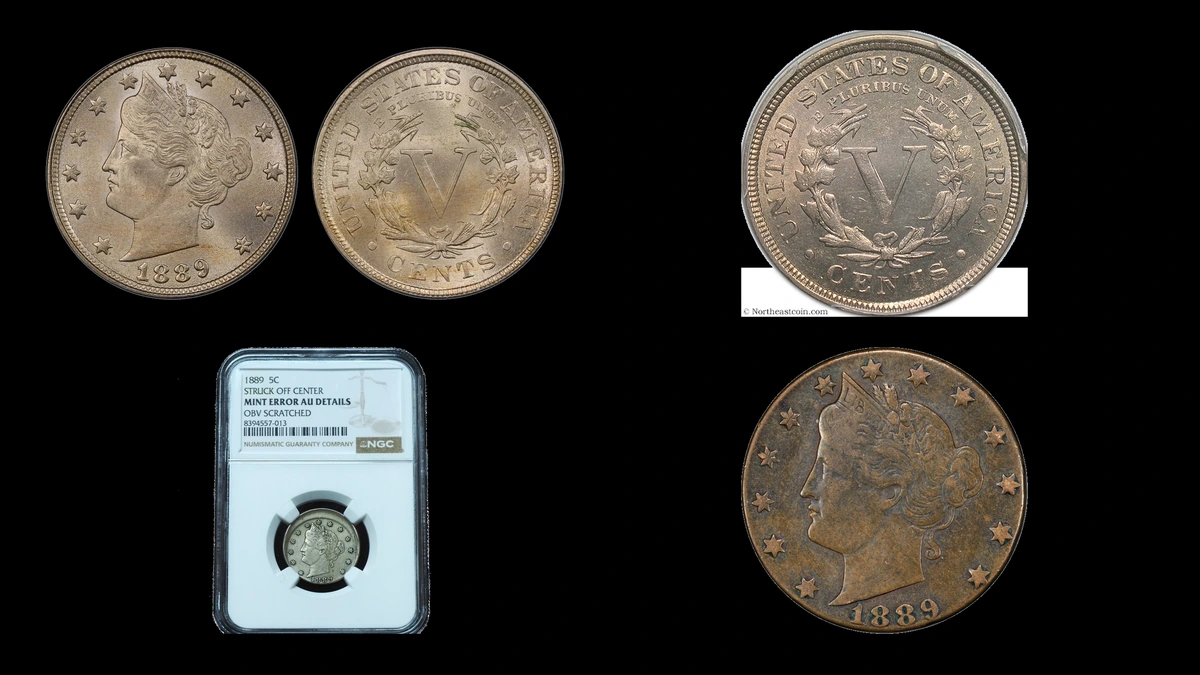
4. 1889 Nickel Two Stars Run beyond the Available Metal: Off-Center Strike Error
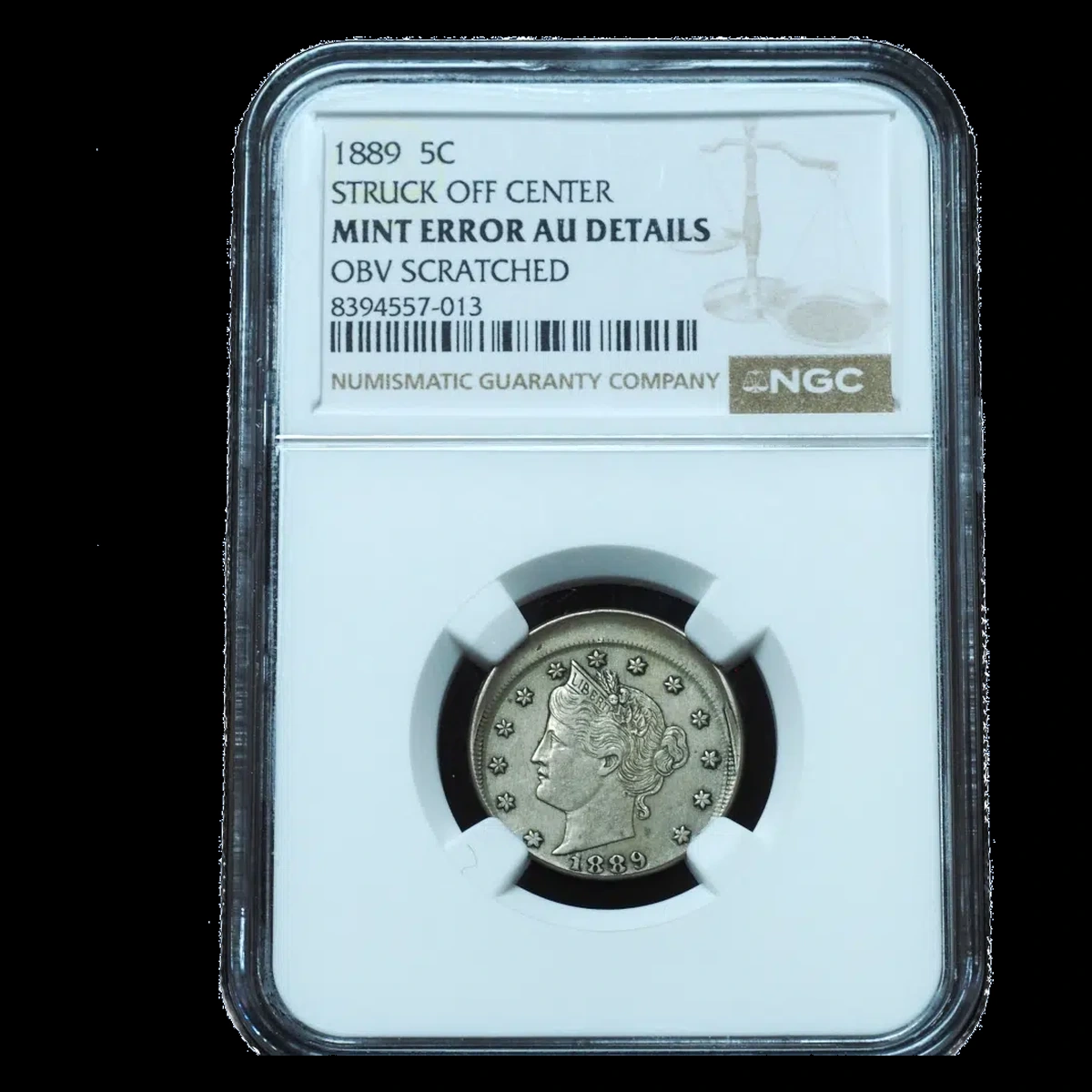
A documented NGC MS62 nickel is 15% off center toward 7:30, cropping the first two stars beside the date. Unstruck metal remains opposite the lost design.
Its gold and gray color is separate from the error. MS62 describes an unworn coin with noticeable surface imperfections.
How to Identify
Inspect where the two star outlines cross the edge, then compare the reverse displacement. Both faces should agree with a blank that entered the strike out of position.
Follow the natural transition from struck detail to untouched metal. A narrow rim on only one face or an area filed off afterward does not establish the same mechanism.
What It’s Worth
$300–$2,500 is the estimated range for genuine dated examples. The supplied evidence does not include a completed price for the 1889 MS62.
An 1893 Liberty Head nickel struck 15% off center sold for $1,725 in November 2007. That different-year result is a comparison, with surfaces, readable identity, and preservation still requiring attention.
5. 1889 Nickel The Nickel Design Crowds a Smaller Brown Blank: Struck on a Cent Planchet Error
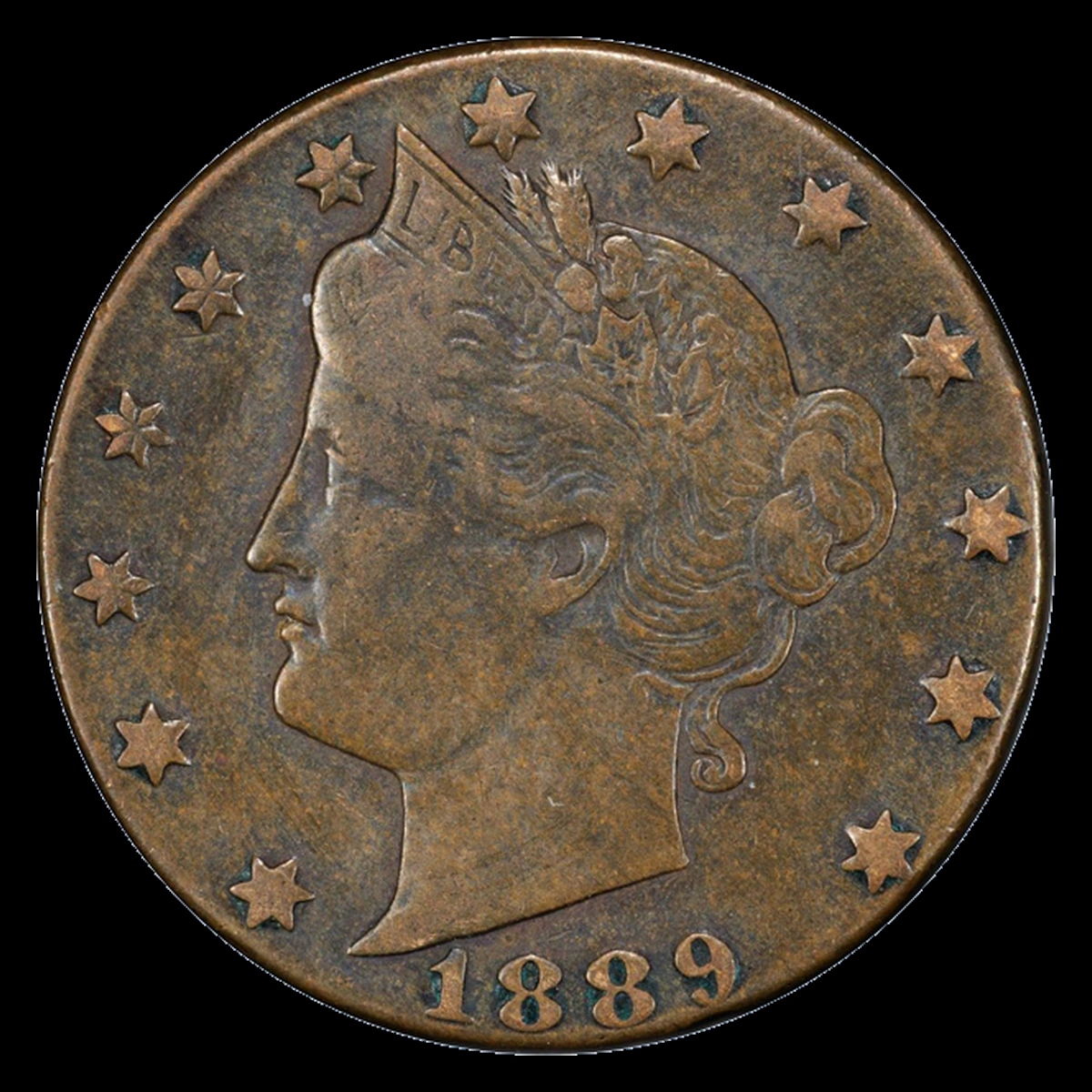
A cent blank offers less room than the blank intended for a nickel. Its metal and size can leave outer nickel details beyond the available surface.
Scotsman describes a PCGS VF Details specimen with cleaning. A separate published NGC AU Details example has lighter wear and its own condition problem, so the two records must remain distinct.
How to Identify
A period cent blank starts near 3.11 grams and 19.05 mm, compared with the nickel’s 5 grams and 21.2 mm. These are blank standards, not recorded measurements of either described specimen.
Check whether the cropped design formed naturally on the smaller metal and inspect the edge for trimming. Brown color can come from plating, so nondestructive composition testing should support the proposed bronze blank.
What It’s Worth
$2,000–$6,000 is the estimate for authenticated cent-planchet examples. Scotsman’s 2026 catalog entry estimated the cleaned VF Details coin at $2,200–$2,400 before an 18% buyer’s fee.
That is a catalog estimate, not a completed result. A different 1905 cent-planchet Liberty Head nickel sold for $3,120 in August 2024.
Cleaning and other damage influence the value even when the wrong blank is correctly identified. The earlier strike’s original metal and readable date remain central to a useful comparison.
Conclusion
Begin an 1889 nickel examination by deciding whether the unusual feature lies in the date, the alloy, or the outline. A repunched date, attached lamination, and cent-planchet strike require different evidence.
Keep catalog estimates and dealer asking prices separate from completed sales. Preserve attached metal and compare both faces before deciding that a wide or small coin received an unusual strike rather than later alteration.