Rare 1885 Nickel Errors (List & Pictures)
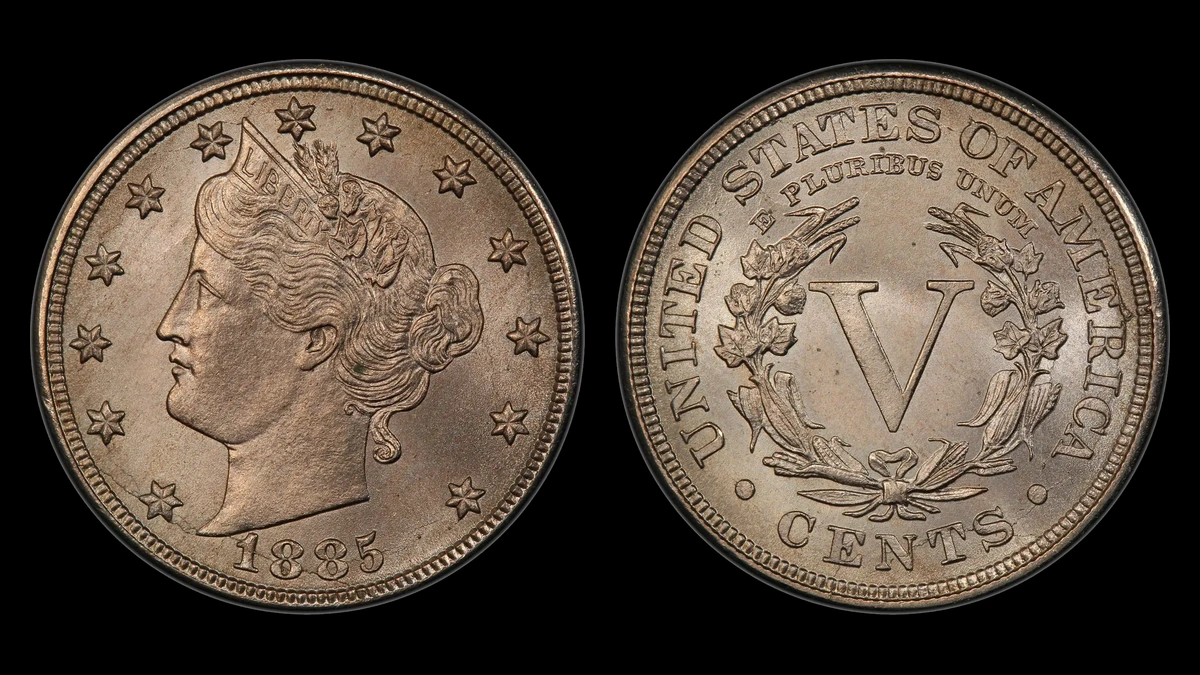
The scarce date can explain much of an 1885 nickel’s price before any unusual feature is considered. Estimated whole-coin values for the 1885 nickel errors and reported categories here span $150–$12,000.
The supplied examples include two broken pieces of one coin and a small reverse flaw with an uncertain cause. Check the date and overall condition, then evaluate each feature on its own evidence.
| Visible feature | Question to resolve | Estimated whole-coin value |
|---|---|---|
| Extra date strokes | Do they match an earlier punch? | $400–$4,000 if identified |
| Two broken pieces | Do design and fracture continue across the join? | $150–$1,000 for both |
| Shallow upper-reverse flaw | Lamination or blocked strike? | $2,000–$7,000 for a comparable unworn coin |
| Two displaced designs | Can a genuine second strike be demonstrated? | $1,000–$12,000 if confirmed |
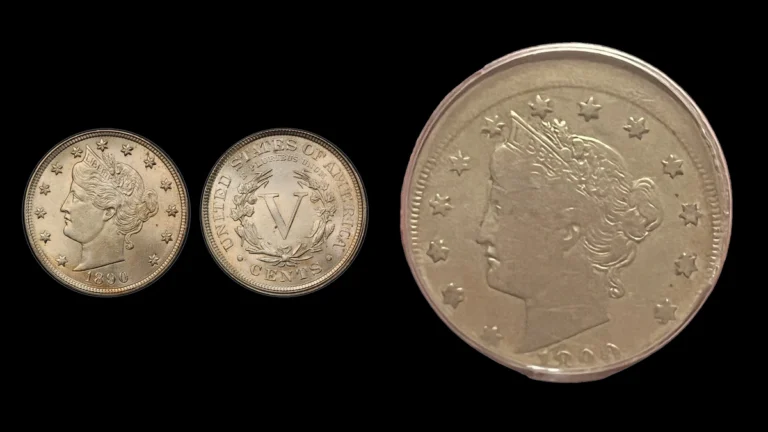
A normal Liberty Head nickel weighs 5 grams, measures about 21.2 millimeters, and has a plain edge. Record a loose coin’s actual measurements when its shape or metal is unusual, without pressing on fragile areas.
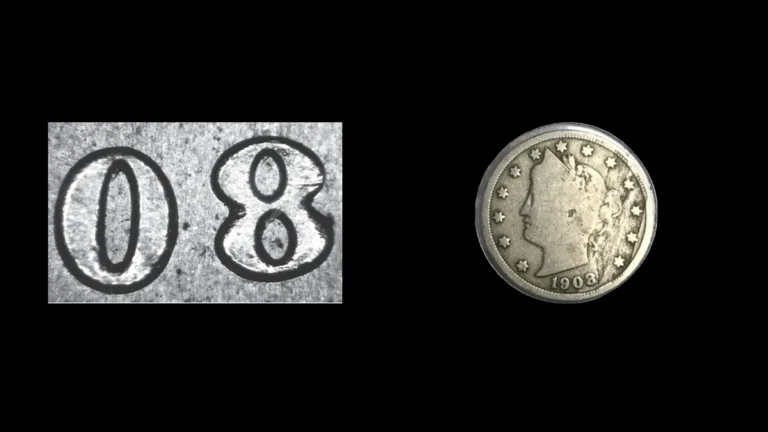
1. 1885 Nickel Extra Curves beside the Date: Reported Repunched Date Error
The second 8 is emphasized in the supplied year report of extra date strokes. A shifted repeat entry of the date punch into a die can leave earlier numeral outlines visible on its coins.
The report establishes neither a certified variety number nor a consistent direction. The actual remnants need to be matched rather than assigned from a thick-looking digit.
How to Identify
Photograph all four digits together and compare both 8s under changing light. An earlier rounded stroke should stay fixed in the metal instead of disappearing as a reflection.
Inspect for scratches, added metal, or flat striking shelves around the date. Do not invent a northward or southward punch direction from one vague mark.
What It’s Worth
A properly identified example has an estimated whole-coin range of $400–$4,000. That amount includes the underlying date and condition.
The ordinary 1885 issue is sought after even with a normal date. An unexplained extra line does not justify treating the whole price as an error premium.
2. 1885 Nickel A Raised Line near the Date or Stars: Die Crack Error
The year guide reports major die cracks in the date and star areas without one certified path common to every coin. Metal entering a crack in the stamping tool produces a ridge above the design.
The coin itself need not be split. A scratch can also push up a narrow lip beside its groove and appear misleading under bright light.
How to Identify
Follow both sides of the suspected ridge under low side lighting. Look for an incuse groove that would reveal a scratch instead of a copied die crack.
Check the edge for an impact that displaced metal upward. A continuous raised feature belonging to the original surface provides stronger evidence than a short bright line.
What It’s Worth
Ordinary-issue nickels with genuine tool cracks suggest a broad $300–$4,500 whole-coin estimate.
The scarce date and grade can account for most of that value. Corrosion or damage may outweigh the small additional interest from even a visible crack.
3. 1885 Nickel A Faint Portrait Trace on the Reverse: Die Clash Error
The supplied report describes a portrait outline on the back without identifying a certified specimen or precise location. A clash occurs when the dies touch without a blank between them and transfer design traces.
Later coins can receive those traces from the affected tools. An isolated reverse line needs a recognizable relationship to Liberty’s portrait before that cause is supported.
How to Identify
Keep the entire reverse in view and compare the suspected trace with a mirrored front image. Shape and position should fit the same transferred feature.
Change the light to inspect whether the trace belongs to the original struck surface. A random scratch or stain may resemble one curve without reproducing the portrait.
What It’s Worth
A genuine ordinary-issue example suggests an estimated $300–$3,500 for the complete coin.
Faint clashes can add little to a heavily worn 1885 nickel. Use similar overall condition as the comparison rather than pricing the line in isolation.
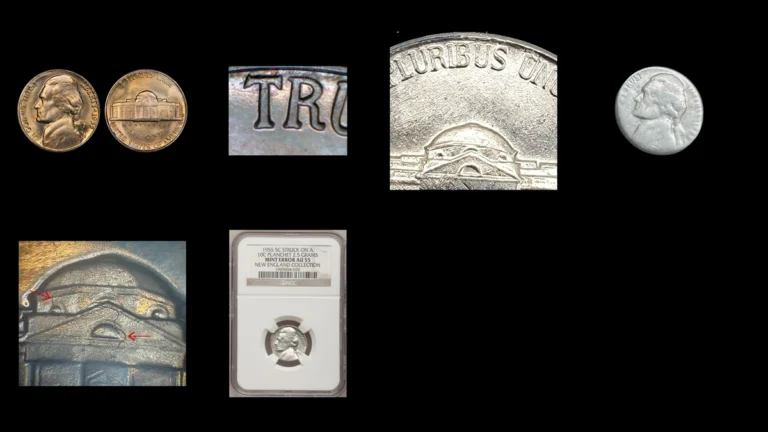
4. 1885 Nickel A Small Interruption in Upper Reverse Letters: Uncertain Surface Flaw Error
An otherwise sharply struck PCGS MS64 example has a shallow flaw near the upper reverse border. Only a little lettering is affected.
The auction description offered either lamination or a strike-through as the cause. Those are alternative explanations for one flaw, not evidence of two separately confirmed errors.
How to Identify
Follow the upper lettering through the shallow interruption while keeping nearby sharp detail visible. Look for either a natural separation boundary or an impression made by blocking material.
Lamination separates metal within the blank; a strike-through interrupts formation of design. Do not pry at the surface to force a choice between them.
What It’s Worth
A comparable unworn 1885 nickel with a modest original flaw suggests $2,000–$7,000 as a whole-coin estimate.
Much of that range reflects the scarce date and preserved surfaces. The small interruption should not be valued as dramatic metal loss or counted twice because two causes were proposed.
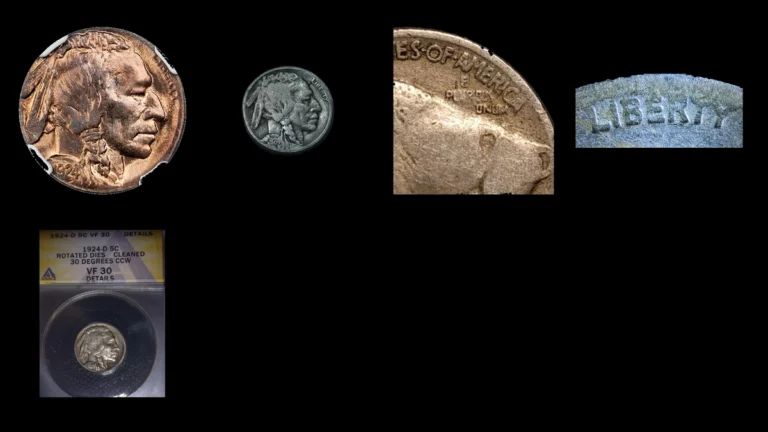
5. 1885 Nickel The Nickel Survives as Two Fragments: Broken After Strike Error
An ANACS G04 Details example was offered in two pieces under the description Broken After Strike. The design existed before the break, but the catalog does not establish exactly when or why the metal failed.
The pieces represent one original coin with heavy wear and a condition issue. The wording alone does not prove that the break occurred inside the Mint.
How to Identify
Compare the fracture, date, and adjoining design across photographs of the proposed join. Matching continuity should connect the pieces to one original 1885 nickel.
Inspect for saw grooves, glue, or fresh bending without forcing the fragments together. If already loose, record each weight and their combined total without squeezing damaged edges.
What It’s Worth
The heavily worn matching pieces together suggest $150–$1,000. A break does not automatically increase the value of a scarce date.
The cataloged two-piece offering should be compared with damaged material, not an intact unworn coin. No realized amount is supplied here.
6. 1885 Nickel A Curved Section Is Absent: Reported Clipped Planchet Error
The 1885 list includes a curved clip without an identified graded specimen or clip size. Such a shortage can form when the blank-cutting punch overlaps an earlier hole in the metal strip.
The surviving incomplete disk then receives the coin’s design. Cutting a finished nickel later can imitate the outline without preserving the original boundary.
How to Identify
Examine where the design and rim approach both ends of the gap. Look for striking around an existing shortage rather than a cut through completed details.
Opposite-rim weakness can support a clip but may be faint or absent. Saw marks, burrs, or an obscured date weaken the proposed identification.
What It’s Worth
A confirmed ordinary-issue curved clip has an estimated whole-coin range of $500–$6,000.
The range allows for the scarce date and different grades. A large corroded gap need not be worth more than a small clear clip on an attractive coin.
7. 1885 Nickel Uneven Borders on One Face: Reported Misaligned Die Error
A die positioned sideways can shift one design while the blank remains correctly centered for the other. This differs from a whole blank displaced between both tools.
The 1885 report supplies no particular specimen, amount, or direction. The claimed effect must therefore be demonstrated on both faces of the actual coin.
How to Identify
Compare the portrait and wreath positions relative to their rims. A stronger shift on one face with a better-centered opposite design supports misalignment.
Inspect the narrowed edge for dents, filing, or flattening. If both designs miss the same blank area, investigate an off-center strike instead.
What It’s Worth
A confirmed modest one-sided shift on an ordinary 1885 nickel suggests $300–$4,000 for the whole coin.
A tiny border difference may contribute little beyond the normal date and condition value. No certified example or transaction is established by the general report.
8. 1885 Nickel The Full Design Has an Expanded Border: Reported Broadstrike Error
If the collar ring fails to contain the blank, metal can spread beyond the normal diameter. A broadstrike retains the intended portrait, stars, and reverse lettering inside that enlarged outline.
The year guide reports the mechanism without a certified 1885 specimen or measured diameter. Expansion must be observed rather than assumed.
How to Identify
Read the outermost design elements and measure several widths on a loose coin. Uneven spreading can still leave the design complete.
Inspect both faces and the plain edge for hammering or squeezing. Original struck details within naturally expanded metal are more convincing than size alone.
What It’s Worth
A confirmed ordinary-issue broadstrike suggests $500–$8,000 as a whole-coin estimate.
Mild expansion may add little beyond a similarly preserved normal 1885 nickel. The higher end needs strong overall preservation and a clearly demonstrated original strike.
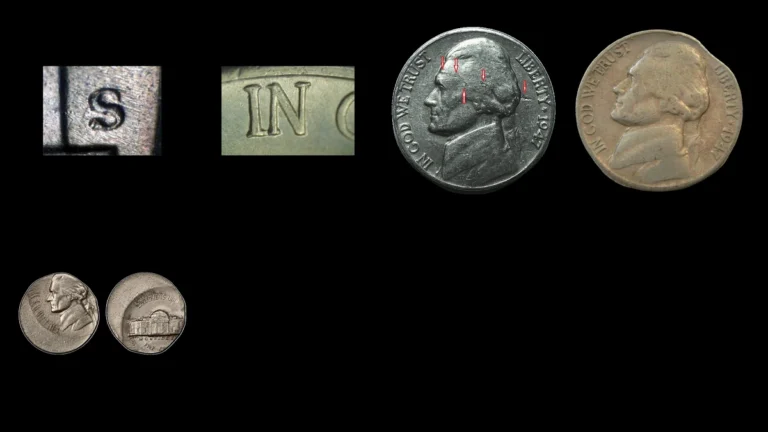
9. 1885 Nickel Two Displaced Design Groups Survive: Reported Double Strike Error
A moved coin receiving another blow can preserve parts of its first portrait and border beneath the later design. The supplied list includes this category without a specific certified specimen.
No direction, percentage, or count of visible dates is established. The evidence must show two coherent impressions rather than several isolated extra lines.
How to Identify
Associate one portrait with its date and rim, then trace a separate design group that could belong to another blow. Compare the reverse for the same possible movement.
Do not assume a flipover from a crowded front image. Check overlaps and edges for later squeezing or cuts that could create misleading repeated shapes.
What It’s Worth
A confirmed ordinary 1885 double strike with recognizable overlapping designs suggests $1,000–$12,000.
The estimate includes scarcity, condition, and the clarity of the striking sequence. It is not a supplied auction result or a value for an unverified damaged candidate.
Conclusion
An 1885 nickel’s date and condition can dominate its price even when it carries a real minting feature. Treat the broad estimates as whole-coin comparisons, and keep general year-guide reports distinct from individually described specimens.
Preserve fractured pieces together and leave attached metal alone. Clear photographs of the date, both faces, and the edge provide the evidence needed to distinguish an original feature from damage or an uncertain description.