Rare 1876 Dime Errors (List & Pictures)
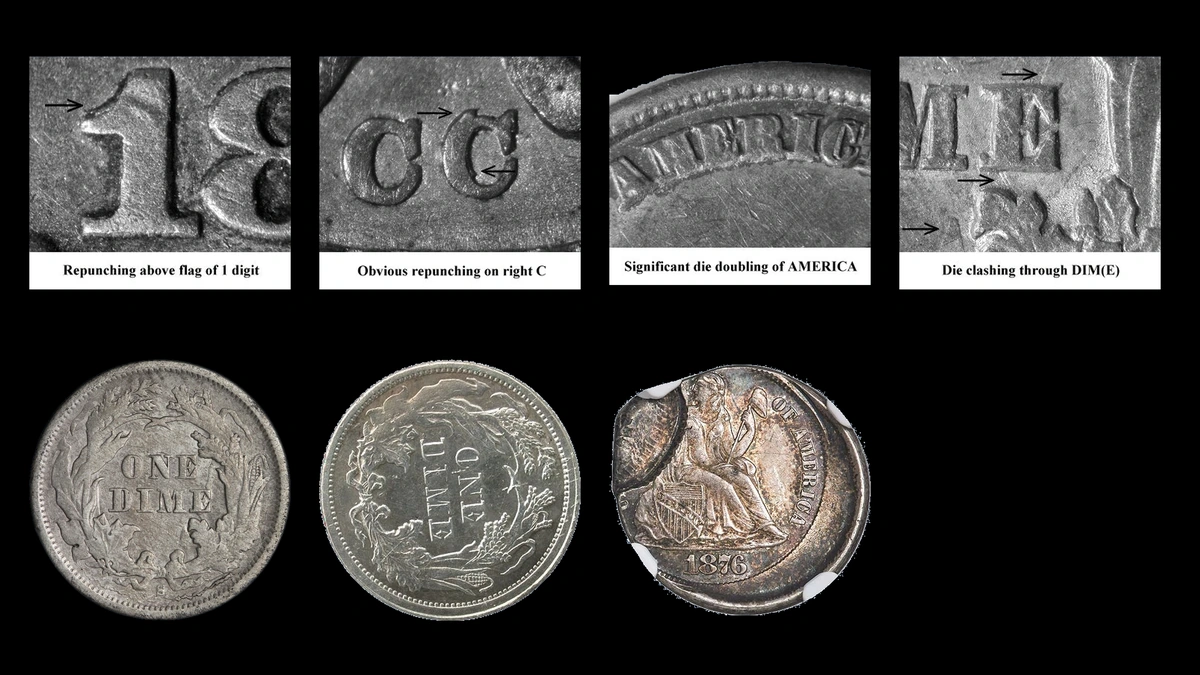
A Philadelphia dime with an off-center strike and a partial backward impression sold for $7,200 in August 2021. Its two visible errors belong to one coin.
Estimated values for 1876 dime errors range from $25–$8,000. Read the mintmark first, then follow the date, raised tool marks, edge, and alignment to find a suitable comparison.
| Where to look | Possible finding | Estimated value |
|---|---|---|
| Date, robe, and lower border | Repunched or misplaced digits | $35–$800 |
| Right C below wreath | Repunched mintmark | $50–$700 |
| Top rim of reported S coin | Clip at twelve o’clock | $100–$500 |
| Design cutoff and reversed impression | Off-center or combined strike | $500–$8,000 |
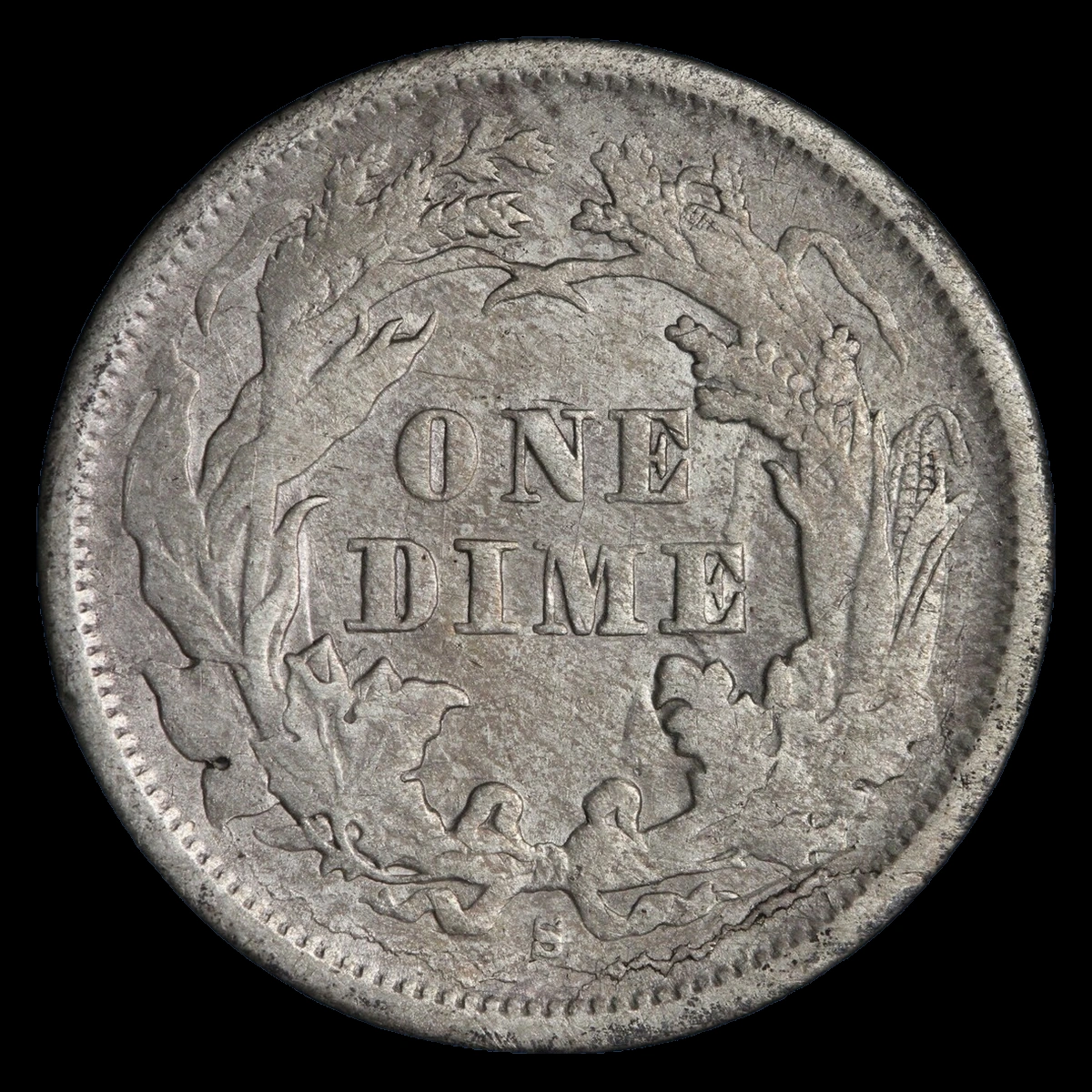
A normal dime weighs 2.50 grams, measures about 17.9 millimeters, and has a grooved edge. Philadelphia has no mint letter; S and CC identify San Francisco and Carson City below the wreath.
1. 1876 Dime Extra Digits beside or Away from the Date: Date-Punch Varieties Error
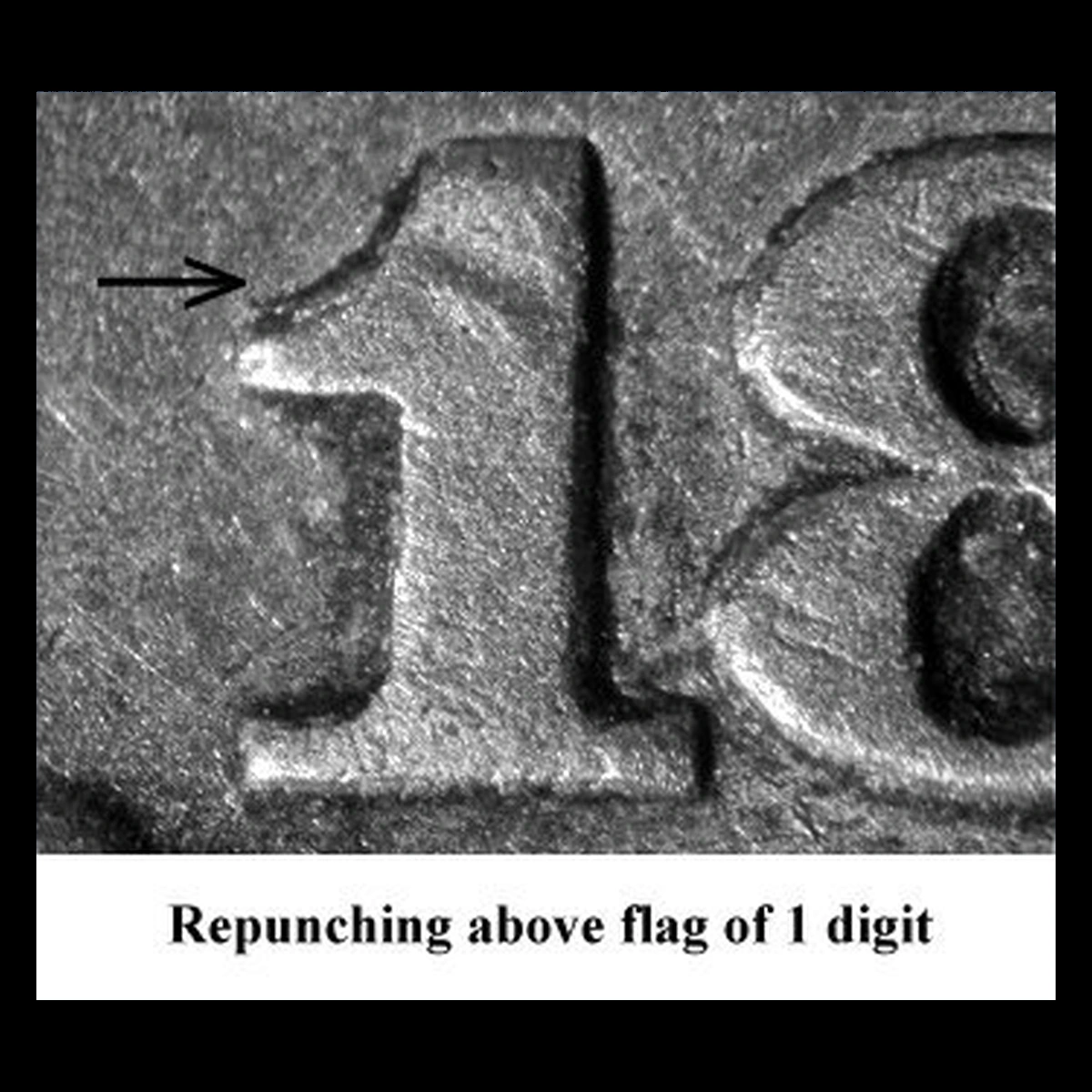
A date punch entered in a shifted position can leave earlier outlines close to the finished digits. A misplaced entry farther away can leave numeral fragments in the border or other design.
Philadelphia and Carson City reports include repeated strokes in 18 or 76. Distant Philadelphia fragments of 18 occur in the lower tooth-like border, while Carson City’s 76 remnants occur in the robe and at the scroll end.
How to Identify
Confirm the mint before choosing among the 1876 variety photographs. Match a numeral fragment’s shape and position together rather than accepting a raised bump in a plausible area.
Inspect close date outlines and remote fragments as separate patterns. Scrapes have cut edges, while the correct remnants preserve part of an original numeral.
What It’s Worth
Identified date-punch varieties suggest $35–$800 across ordinary circulated and attractive unworn examples.
Mint, condition, and the normal Type I or Type II reverse can contribute to the whole value. Several remnants on one coin do not create separate full premiums.
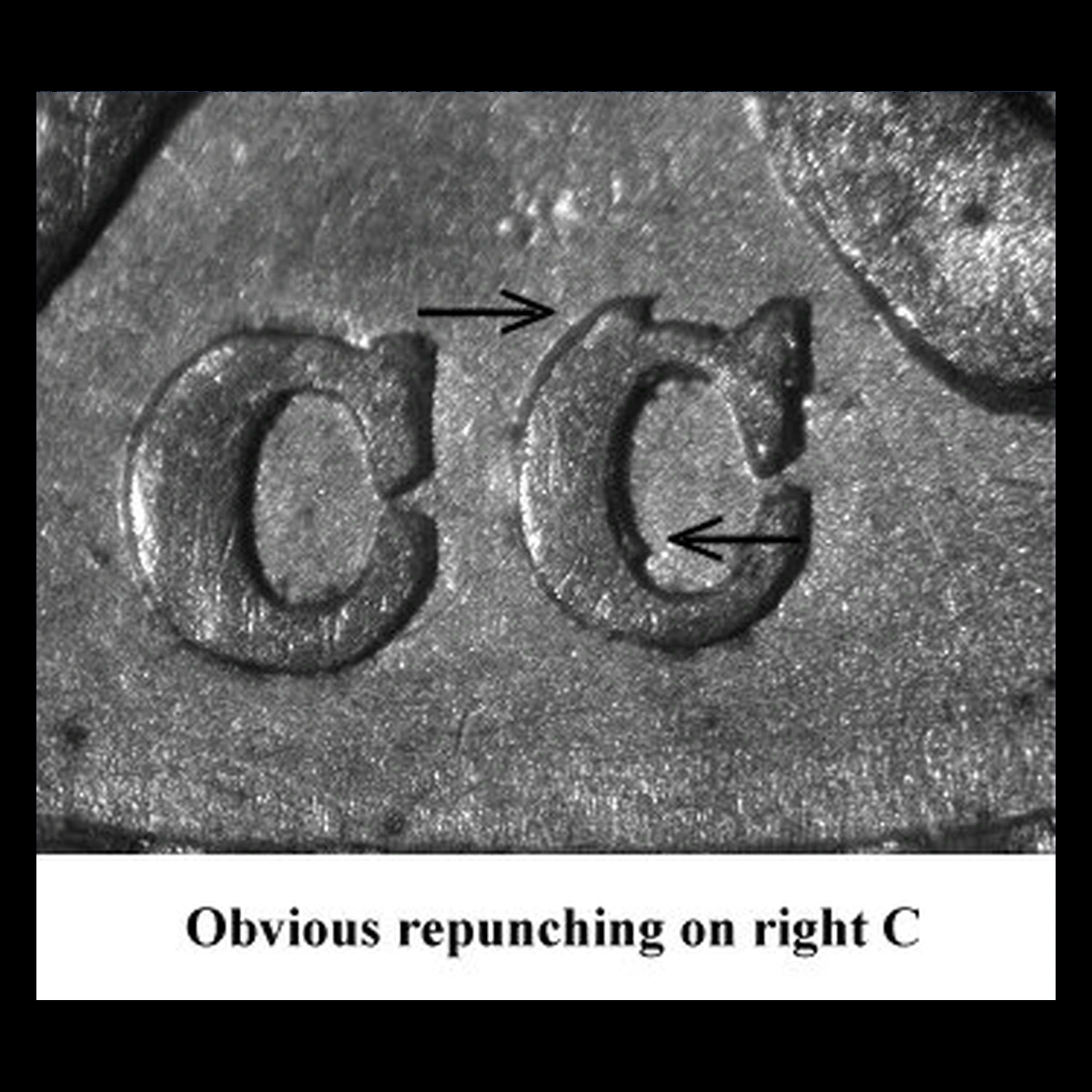
2. 1876 Dime Another Curve beside the Right C: Repunched Mintmark Error
The Carson City guide identifies a repunched right-hand C below the wreath. A shifted repeat entry of the letter punch left part of its earlier position in the die.
Coins made with that tool copied the extra curve. The left C is not required to show another impression.
How to Identify
Inspect the surrounding surface to exclude an added mintmark, then compare the right C with an identified variety image. The extra detail should fit part of a curved letter.
Use the left C to compare wear and texture, not as a requirement for doubling. Corrosion and flat striking shelves can make a letter look thick without repunching.
What It’s Worth
A genuine matched repunched C suggests $50–$700, depending on preservation and clarity.
The CC mintmark already affects the underlying dime’s value. Compare similar Carson City coins before deciding how much the extra curve adds.
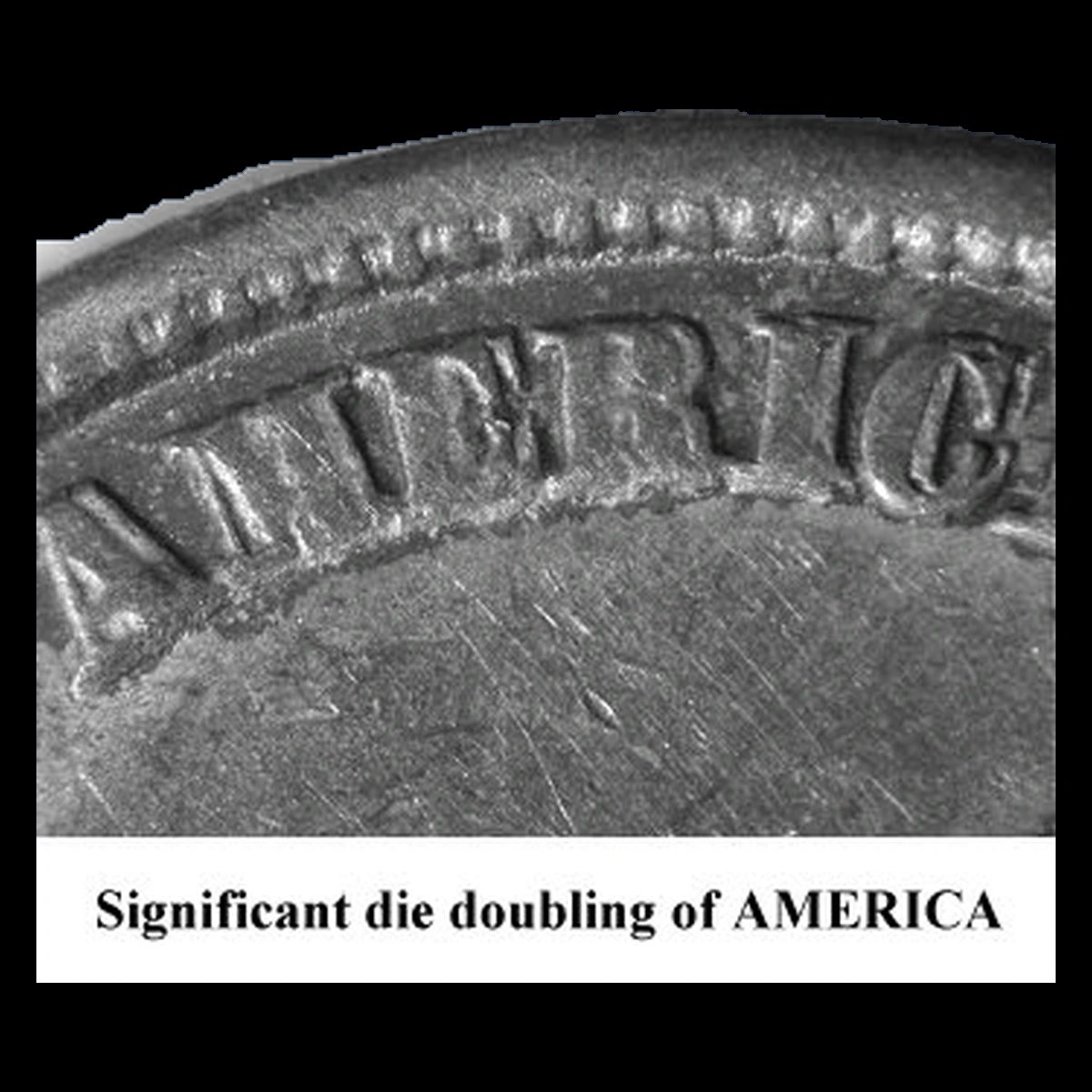
3. 1876 Dime Raised Extra Letter or Robe Outlines: Doubled Die Error
Carson City Type I front varieties can double OF AMERICA, lower robe lines, and the base above the date. Another front pattern affects ED in UNITED.
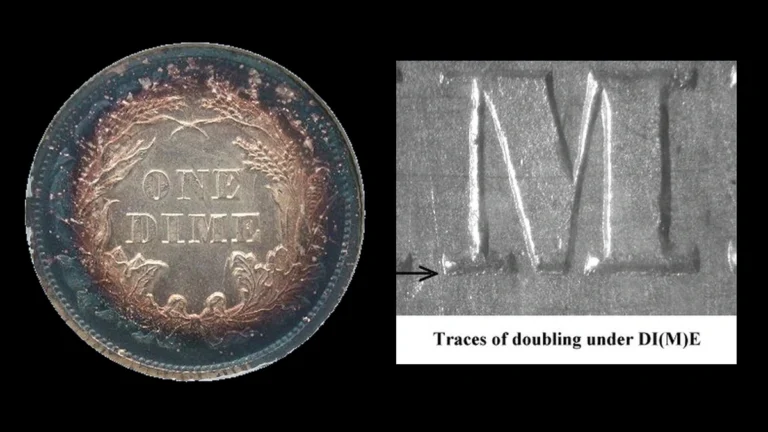
Philadelphia and Carson City reverse patterns involve ONE DIME or the wreath. A separate Philadelphia Proof has doubling at the E in DIME.
How to Identify
Sort by mint, design type, and ordinary or Proof manufacture before enlarging the suspect detail. Each tool pattern needs its own comparison.
Look for raised repeated contours rather than flat ledges made during striking. The Proof’s doubled E cannot identify a Carson City front variety.
What It’s Worth
Ordinary doubled-design examples suggest $50–$700, while the Philadelphia Proof’s separate estimated range is $300–$2,000.
Proof finish and whole-coin preservation account for much of its range. A coin showing several doubled features should still be valued once as a single matched specimen.
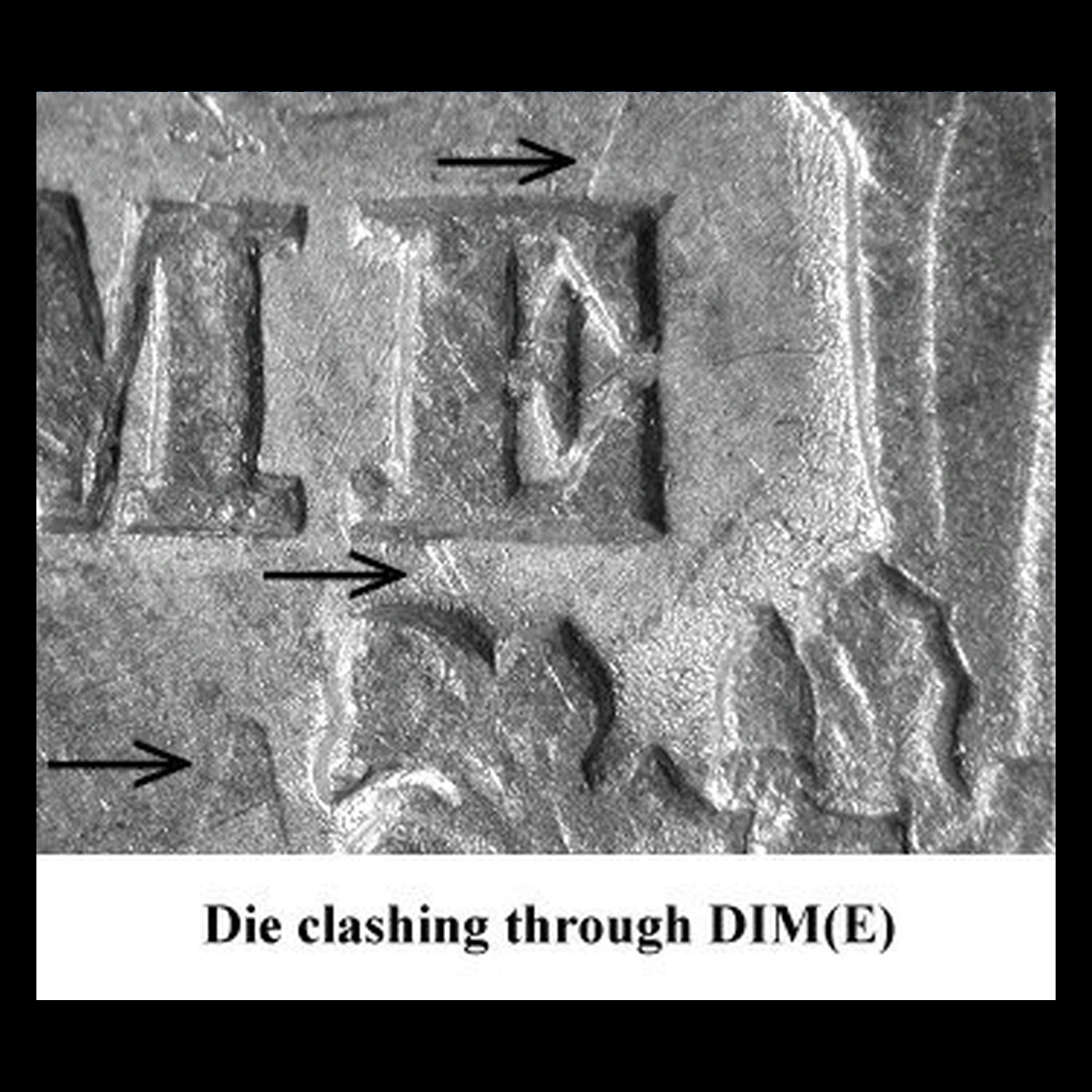
4. 1876 Dime Faint Traces from the Other Face: Die Clash Error
The Philadelphia variety guide records several clashed 1876 dies. Tools that collide without a blank can mark each other, then reproduce the stray outlines on subsequent coins.
The visible traces vary with the dies and their wear. A clash can leave only small fragments rather than a complete second design.
How to Identify
Compare the unexpected shape with a recognizable feature of the opposite face. Follow the whole surviving outline under changing light instead of selecting one convenient curve.
A random scratch or corrosion trail need not fit that design relationship. Use a documented Philadelphia pattern appropriate to the actual coin.
What It’s Worth
Ordinary Philadelphia clashes suggest an estimated $30–$400. Clear transferred shapes on original surfaces make stronger comparisons.
A well-preserved coin may cost more for its grade, not solely its clash. No individual auction result is supplied for this category.
5. 1876 Dime A Ridge or Rim-Connected Lump: Die Cracks and Cuds Error
Philadelphia reports include cracks around the wreath. Carson City records include larger lines near eight to nine o’clock or two to four o’clock, along with separate cuds near 5:30 or 6:30.
Those positions belong to different specimens. A narrow die opening makes a ridge, while a larger broken piece at the tool’s edge can make a broad rim-connected cud.
How to Identify
Compare the complete path and mint before selecting a matching die. A scratch usually cuts downward, whereas coin metal entering a crack forms a raised line.
For a cud, verify its connection to the rim and inspect adjacent edge grooves for crushing or solder. The coin itself need not have lost metal because its die broke.
What It’s Worth
Small ordinary cracks suggest $25–$150; clear stronger breaks and cuds suggest $100–$600.
These whole-coin ranges depend on mint and condition. Scarce design versions or exceptional grades require more specific comparisons.
6. 1876 Dime A Missing or Depressed Patch: Struck Through Material Error
An 1876-CC report describes a major struck-through error labeled ICG Authentic. It supplies neither the obstruction’s material nor a precise affected location.
An object blocking a strike may fall away afterward, leaving only its impression. A later gouge instead cuts into design that had already formed.
How to Identify
Inspect the transition from normal detail into the interrupted patch and how surrounding metal formed. Scrape tracks, cut letters, and pushed-up lips can suggest later damage.
Keep the full coin and CC visible in photographs. Do not identify wire, cloth, or retained material from an irregular hollow alone.
What It’s Worth
A genuine major Carson City struck-through dime suggests $150–$1,500, depending on the impression and overall preservation.
Authentic is not a numerical condition grade. Wear, cleaning, and marks remain relevant even when the coin’s identity is established.
7. 1876 Dime A Gap at the Top of the Rim: Clipped Planchet Error
GreatCollections cataloged a San Francisco PCGS AU58 clipped dime with its missing section at twelve o’clock. The coin retains almost unworn detail with slight wear.
The blank was incomplete before the dies applied their designs. A later cut can imitate the outline but interrupts already finished detail differently.
How to Identify
Hold the front upright and photograph the top gap from both faces and the edge. Inspect its ends for original metal flow rather than fresh tool tracks.
Weakness at the opposite rim can support the diagnosis but is not mandatory. Record actual missing weight without inventing a clip percentage from the listed location.
What It’s Worth
A genuine 1876-S clip suggests $100–$500 across worn and attractive nearly unworn coins.
The AU58 listing provides a condition and location comparison without a supplied sale total. Filing or harsh cleaning weakens the value of an otherwise original clip.
8. 1876 Dime More Space around the Complete Design: Broadstrike Error
A dealer listed an 1876-CC NGC VF25 coin as struck out of the collar. Without the ring’s normal restraint, metal spread into a wider outline.
VF25 describes a circulated coin with moderate wear. This specific out-of-collar description is stronger than a claim based on a slightly uneven rim alone.
How to Identify
Read the complete outer lettering and follow the wreath around the reverse. A broadstrike retains the design rather than losing it beside an untouched crescent.
Inspect the expanded edge for original flow and any surviving grooves. Later hammering can spread a coin while crushing its finished details.
What It’s Worth
A comparable genuine circulated Carson City broadstrike suggests $300–$1,200.
Fred Weinberg’s list offered the NGC VF25 example for $875. That historical dealer request is not a recorded auction realization.
9. 1876 Dime The Reverse Turns after a Normal Flip: Rotated Dies Error
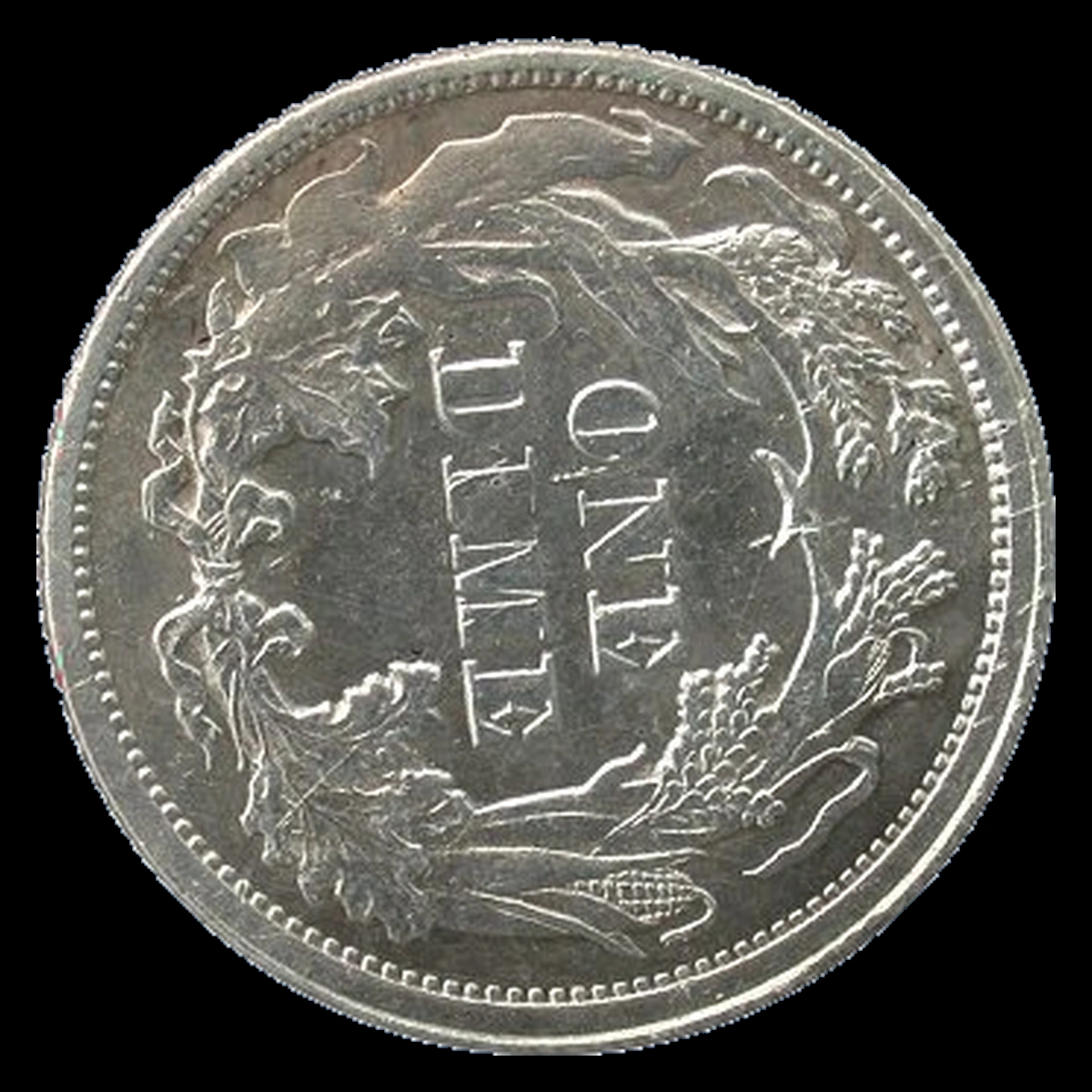
The Philadelphia guide records an 85-degree counterclockwise rotation. Carson City examples include 180 degrees and separate clockwise turns of 45 or 65 degrees.
Each angle describes its own coin. The relationship changes because one die turned relative to the other, without necessarily altering the blank’s outline.
How to Identify
With Liberty upright, flip the dime top to bottom without a sideways twist. ONE DIME should normally finish upright.
Record the entire motion and measure the repeatable departure, keeping a freely rotating holder from spoiling the test. Separate images individually turned upright cannot demonstrate an angle.
What It’s Worth
Genuine visible rotations suggest an estimated $100–$1,500, comparing similar mints, grades, and angles.
Carson City origin and design type may account for part of the whole price. A clear alignment demonstration supports the rotation claim better than an unusually tilted photograph.
10. 1876 Dime Shifted Design with a Partial Mirror Impression: Off-Center Strike Error
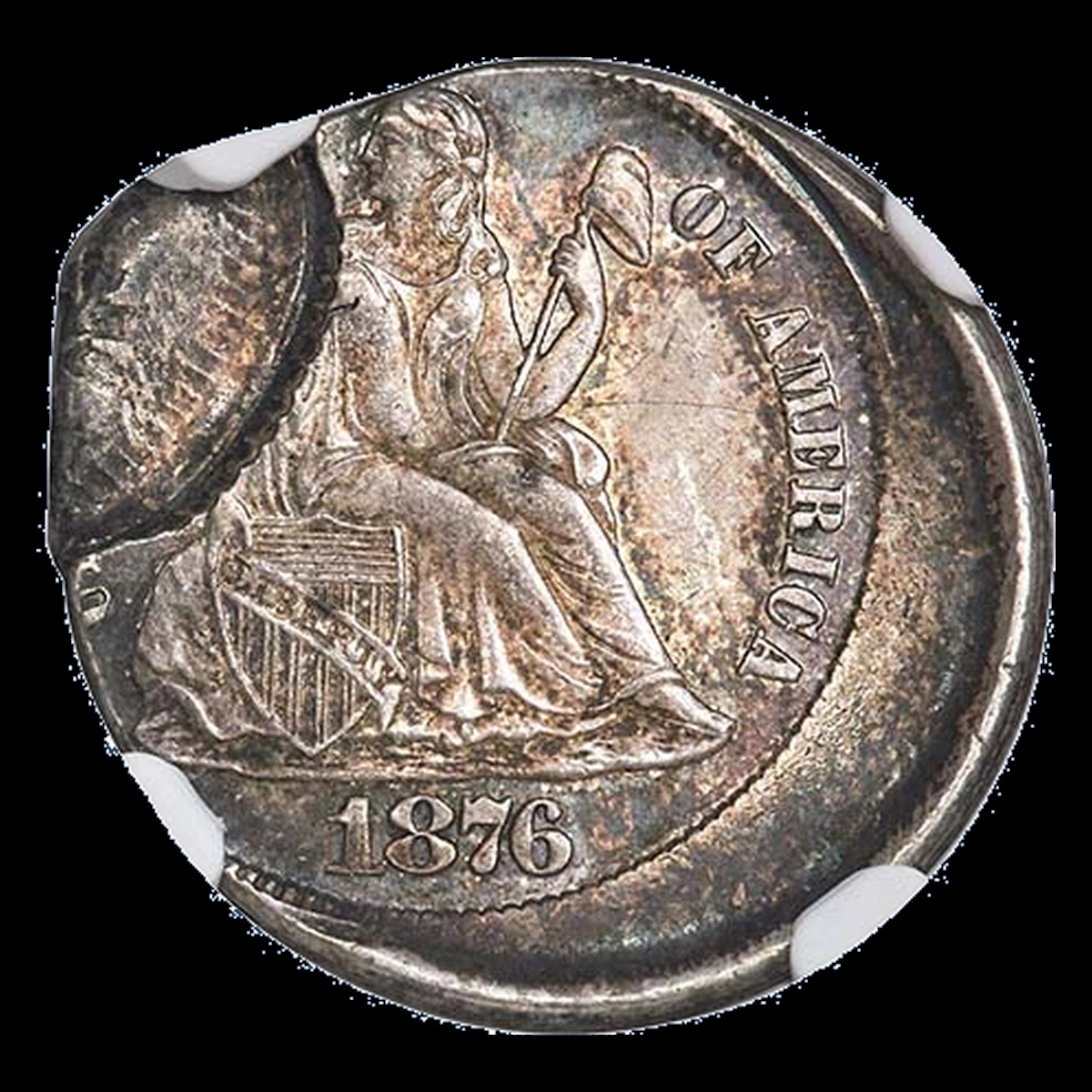
A Philadelphia NGC MS63 dime is 20% off center toward ten o’clock and also has about 15% front brockage. Another struck coin left that recessed reversed impression near Liberty’s arm on the viewer’s left and UNITED STATES.
A separate Carson City XF45 dime is only 5% off center toward almost twelve o’clock. It does not share the Philadelphia coin’s reported brockage.
How to Identify
For Philadelphia, inspect the incuse backward detail where it meets ordinary design and compare the untouched crescent on both faces. The two features must fit one original striking event.
For Carson City, match its smaller displacement without adding an unreported mirror image. A blank crescent retains metal, unlike a clipped-away piece.
What It’s Worth
Across simpler dated strikes and strong combinations, the estimated range is $500–$8,000.
The Philadelphia MS63 off-center brockage sold for $7,200 in August 2021. Its 20% shift and 15% brockage are parts of one coin and price.
The distinct Carson City XF45 5% off-center coin brought $2,070 in August 2004. Mint and preservation make it a separate comparison despite the smaller shift.
Conclusion
The mintmark provides the route through 1876 dime varieties: a Philadelphia misplaced digit, Carson City repunched C, and San Francisco clip each need their own reference. Proof finish and normal reverse type also affect which prices apply.
Use both faces to test alignment and displaced strikes, and preserve the edge when examining missing or spread metal. The most dramatic combined coin still receives one value for its complete appearance.