Rare 1882 Nickel Errors (List & Pictures)
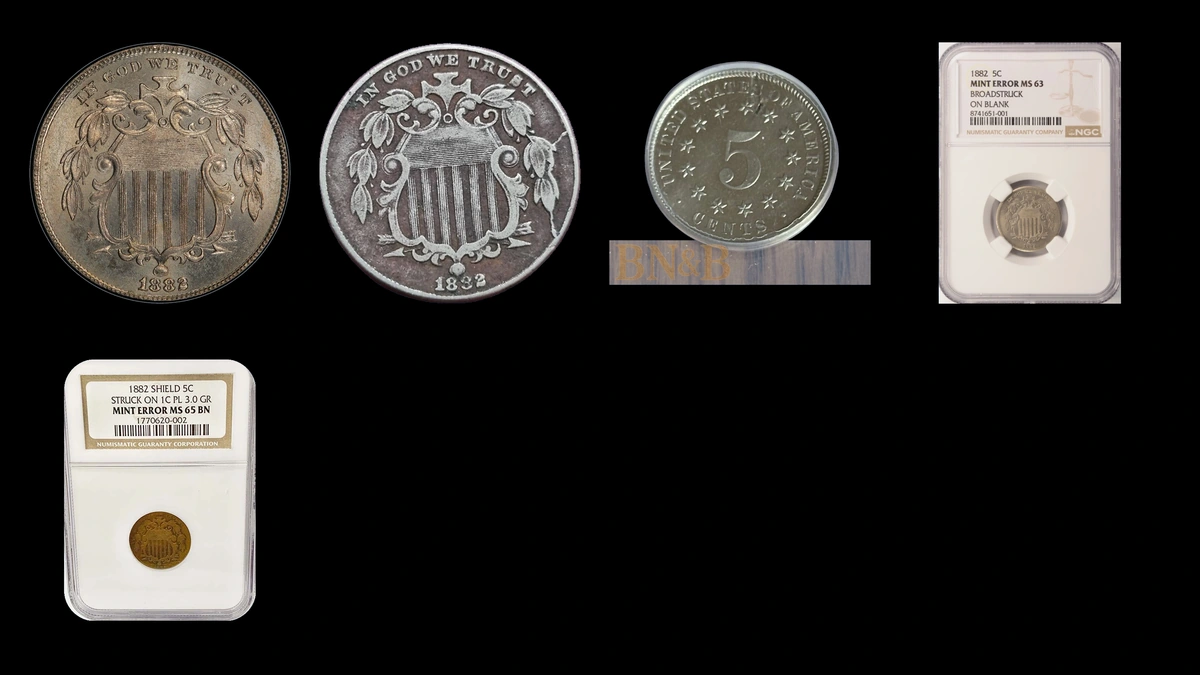
A filled final 2 and a bronze coin with cropped lettering represent very different 1882 nickel errors. The filled digit remains part of an 1882 date, while a genuine cent-blank nickel can command a substantial premium.
One cent-blank example sold for $20,400 in July 2022. Estimates across this guide range from $15–$25,000.
Follow the date and shield details first, then examine separating metal, the outline, and the blank’s size and composition.
1. 1882 Nickel Earlier Strokes inside or beside the Digits: Repunched Date Error
The upper loops of the two 8s can preserve traces of an earlier date position. In one documented pattern, 882 was repunched farther north, leaving earlier crossbar remnants in those loops.
Other patterns involve the 1, the complete date, or the final 2 in different directions. These are separate tool varieties, not a coin receiving repeated strikes.
How to Identify
Keep all four digits visible when selecting a comparison. The Shield Nickel Varieties descriptions distinguish the northward 882 from other patterns such as a southward 1 or southwest 2.
Examine whether an extra curve or bar fits the shape of an earlier digit. A flat shelf, cut scratch, or shadow does not establish another date-punch position.
Match one pattern at a time. Combining marks from different examples would create a set of diagnostics not established by the references.
What It’s Worth
Matched repunched dates are estimated at $40–$500, depending on the particular pattern and the coin’s preservation. Distinct remnants within a digit offer stronger evidence than an unexplained bump nearby.
Several repeated digits form one variety on one nickel. They do not carry separate prices to add together.
2. 1882 Nickel A Second Contour below and Right of the Ring: FS-101 Doubled Die Error
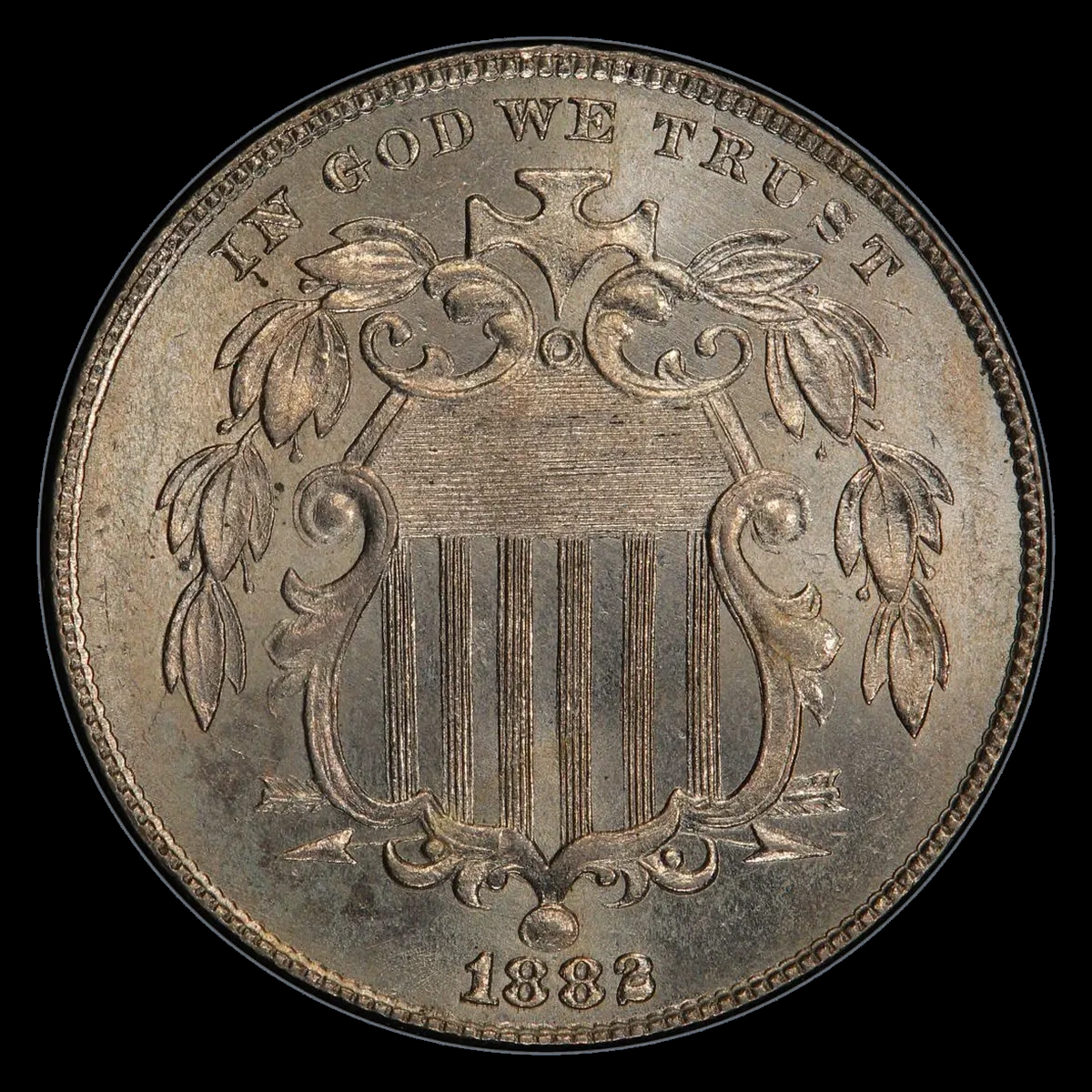
The shield’s ring provides a larger design feature to inspect than the small date strokes. Strong southeast doubling on the recognized FS-101 variety leaves an extra outline toward the lower right.
How to Identify
Compare the rounded second contour with an identified FS-101 photograph, then follow extra detail through nearby design. More than one matching feature is preferable to a single thick edge.
The doubled image was already in the stamping tool, so one normal blow could place it on the coin. A low flat shelf from movement during striking is a different effect.
Cracks around the ring and lowest leaves can change as the tool deteriorates. Their presence can support a comparison but does not excuse a mismatch in the fixed doubled outlines.
What It’s Worth
Correctly identified examples are estimated at $100–$2,000. A PCGS VF20 FS-101 sold for $531 in the GreatCollections archive.
VF20 indicates moderate wear with useful remaining detail. Clear doubling and preservation shape the price, while associated cracks belong to the same whole coin.
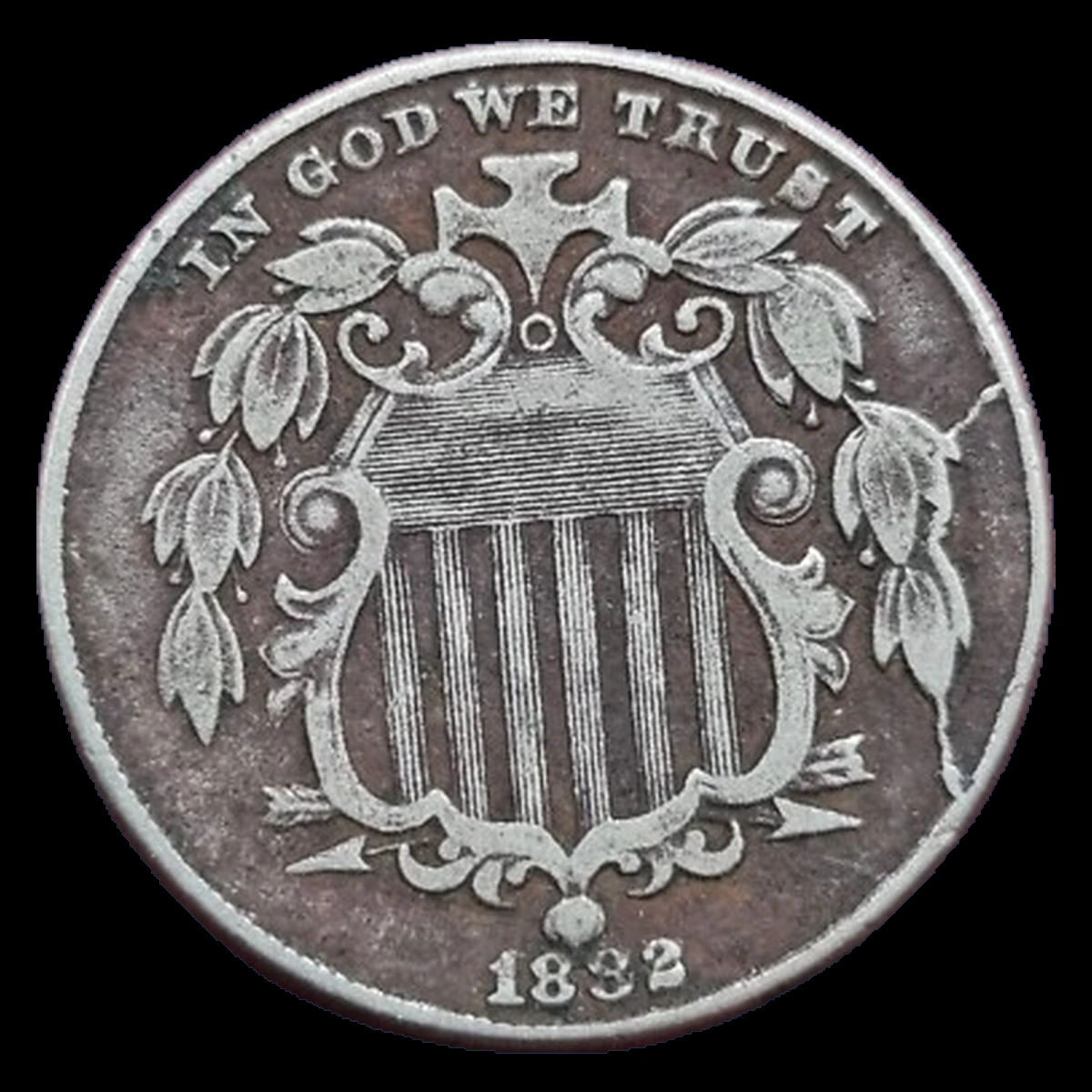
3. 1882 Nickel Raised Lines, a Rim Patch, or a Filled 2: Die Cracks and Breaks Error
Thin ridges may cross the shield ring, lowest leaves, or area below the date. Coin metal filling cracks in the die leaves those raised lines during striking.
A larger reverse break connected to the rim is also reported. The separate filled-2 appearance does not establish an 1883/2 overdate, and its precise cause should not be guessed from that digit alone.
How to Identify
Read the complete date first. A crowded final 2 on an 1882 nickel is not evidence that a different year lies underneath.
Trace a thin ridge under side lighting and look for the recessed center that would identify a scratch. Raised lips beside a later cut can otherwise be misleading.
A cud must join the rim and replace part of the design. No fixed reverse clock position is supplied, and a later edge impact must be excluded before identifying a raised patch as a tool break.
What It’s Worth
Small cracks and filled-date appearances are estimated at $15–$100; clearer reverse cuds at $100–$600. The filled 2 does not receive the premium of an 1883/2 overdate.
Cleaning, scratches, and an obscured date can limit appeal even when several original tool flaws are present.
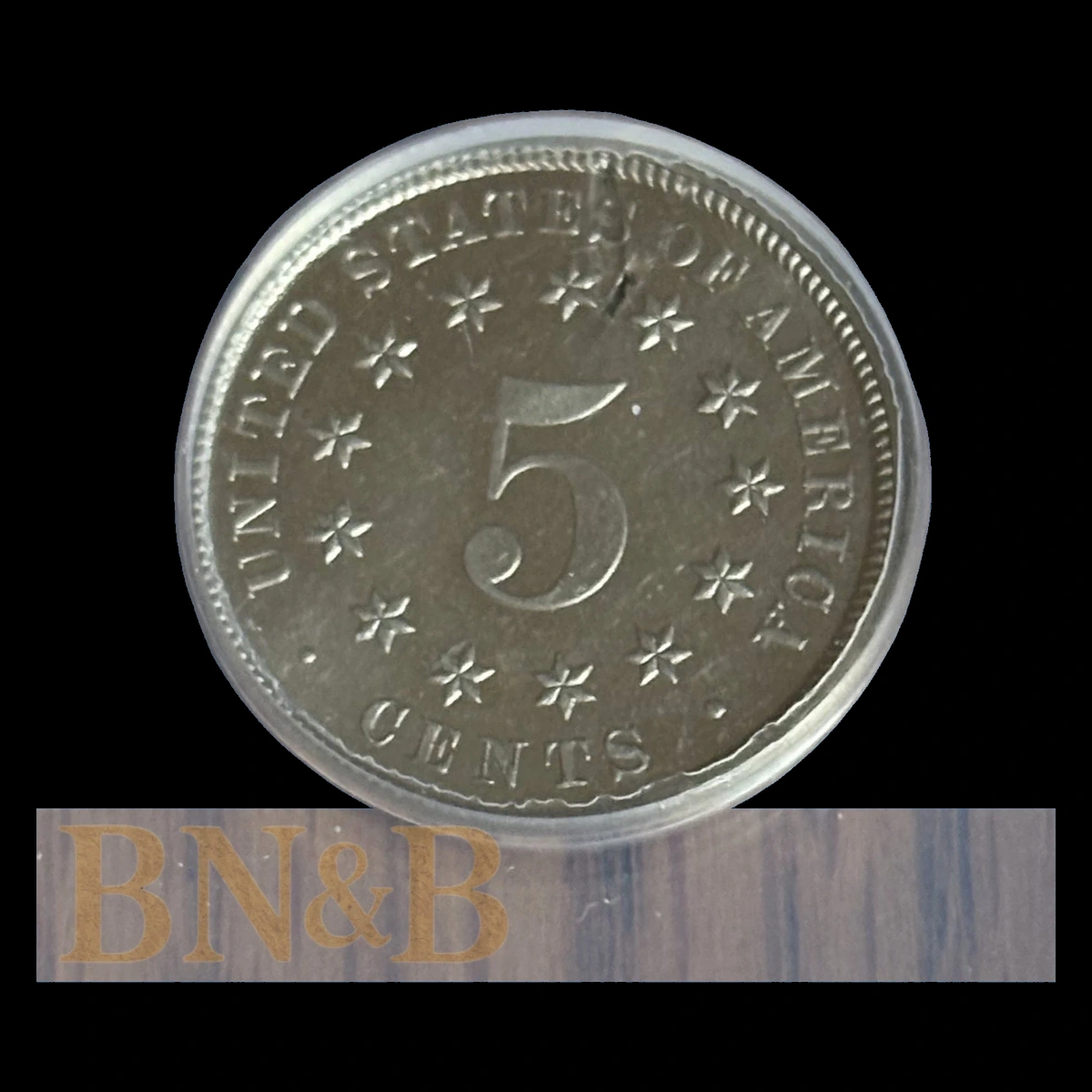
4. 1882 Nickel A Layer Separating on the Back: Lamination Error
The seller-reported ANACS MS62 example has reverse lamination. A weak boundary inside the alloy can lift as a thin flap or leave a shallow area where metal has fallen away.
How to Identify
Examine the attached end of any flap without pulling it. A natural layered opening differs from a deep tool-cut scoop with metal piled alongside it.
The written report does not specify a path through a letter or star. Establish that detail from the actual image instead of transferring a peel pattern from another coin.
The normal Shield nickel reference is 5 grams, about 20.5 mm across, and a plain edge. Its copper-nickel alloy does not have the copper core and separate outer sheets of modern clad coins.
What It’s Worth
Genuine reverse lamination is estimated at $30–$300. A 1911 Liberty nickel with front lamination sold for $51 in January 2023, providing a different-design comparison.
MS62 describes an unworn coin with noticeable marks, but no completed sale is supplied for the 1882 report. Preserving an attached layer protects both appearance and identification evidence.
5. 1882 Nickel A Curved Gap beside Thinning Metal: Tapered and Clipped Blank Error
The cataloged ANACS XF40 Details coin combines a curved clip with a gradual reduction in blank thickness. Its actual weight is 4.71 grams.
How to Identify
Inspect intact edge portions for a progressive thickness change separately from the section that is entirely absent. Low weight alone cannot divide the effects of the taper and the clip.
Examine the opening for natural struck transitions and the thin area for later grinding. Sawing or removing metal from a finished coin can imitate either feature.
The report gives neither a clock position for the gap nor a direction of taper. XF40 indicates visible wear, while Details records an additional condition issue that is not specified here.
What It’s Worth
A genuine combination is estimated at $100–$800 for the complete coin. Both the natural missing boundary and the gradual taper should remain identifiable.
The recorded weight is not a pricing formula. Damage that hides either feature can reduce appeal despite the underlying mint error.
6. 1882 Nickel The Design Shifted toward the Top: Off-Center Strike Error
An older dealer catalog describes an 1882 nickel about 10% off center toward 12 o’clock. The displaced blow leaves some original blank metal untouched while design runs beyond the opposite edge.
How to Identify
Confirm the surviving date before using this year-specific comparison. Hold the shield upright to compare the reported direction, without assigning the coin an unsupported modern grade or diameter.
Both faces should fit the same blank position. An uneven rim on one side alone could have a different cause.
Follow the transition from blank to struck metal and check the plain edge for filing or crushing. Missing metal from a cut differs from metal that remained present but unstruck.
What It’s Worth
Genuine dated off-center Shield nickels are estimated at $300–$2,500. A separate undated example described as 25% off center has a supplied dealer asking price of $700.
That ask is neither a realized sale nor the price of the 1882 coin. Date clarity, the original blank crescent, and preservation determine the useful comparison.
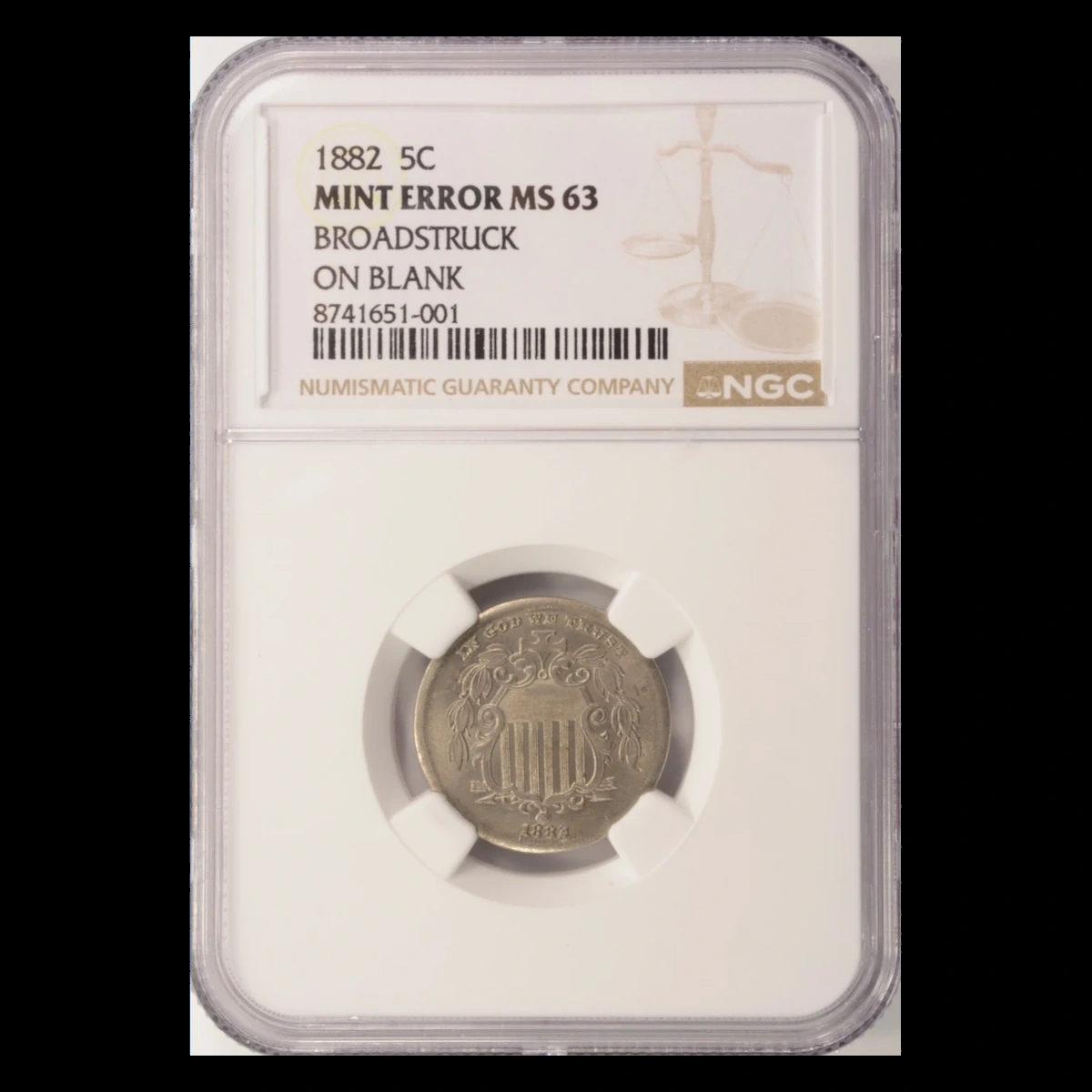
7. 1882 Nickel A Complete Design on an Expanded Disk: Broadstrike on a Type 1 Blank Error
The documented NGC MS63 coin combines unrestricted spread during striking with an earlier missing preparation step. Its Type 1 blank had not received the normal raised edge before entering the press.
How to Identify
Follow every outer letter and star to confirm that the complete design remains on the expanded metal. Natural striking should explain the wide border without hammer-flattened detail.
The edge construction needs a separate comparison with the identified Type 1 example. Width alone cannot prove that preparation was omitted before striking.
No exact expanded diameter is supplied. Record the actual loose coin gently and keep its original edge intact.
What It’s Worth
The identified combination is estimated at $1,500–$4,500. Sullivan Numismatics lists the NGC MS63 example at $3,500, a dealer asking price.
That amount is not a completed auction result. The unprepared blank and broadstrike are two parts of one coin’s description and receive one combined value.
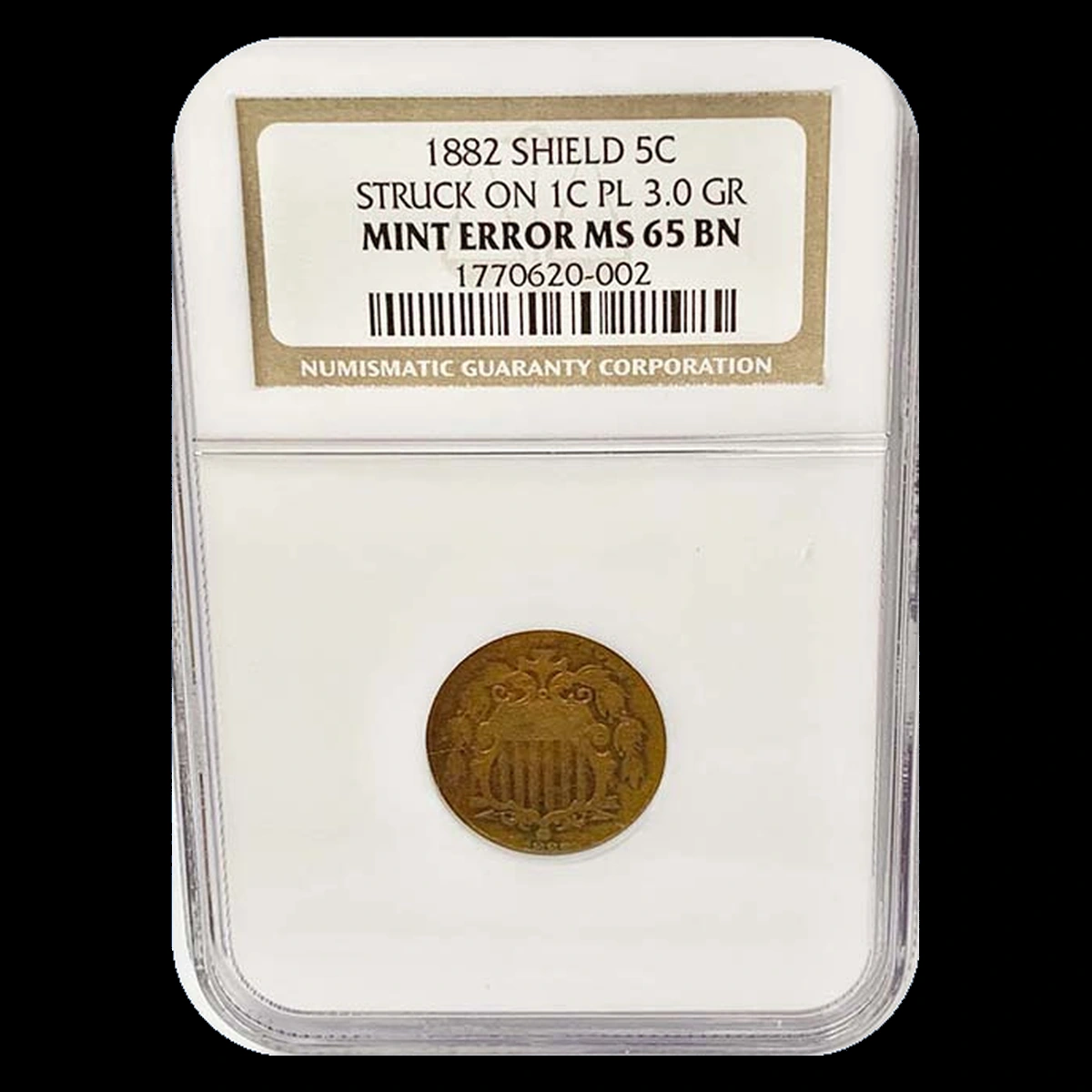
8. 1882 Nickel Bronze Metal with Cropped Outer Design: Struck on a Cent Blank Error
A smaller cent blank gives the shield and large 5 less room than a normal nickel disk. Its bronze composition also differs from the intended copper-nickel alloy.
A published NGC MS65 Brown example actually weighs 3.0 grams. The separate reported high-price sale should not supply measurements or a grade for every cent-blank coin.
How to Identify
A period cent blank starts near 3.11 grams and 19.05 mm, but those standards are not exact measurements of each struck error. Compare the candidate’s own dimensions with the naturally cropped design.
Check the plain edge for grinding and the surface for coatings. Cutting down or plating a normal nickel can change its apparent size and color without creating a wrong-blank strike.
Metal identification should preserve the surface. The bronze composition, reduced blank size, and original design placement need to support the same explanation.
What It’s Worth
Authenticated cent-blank examples are estimated at $5,000–$25,000. NGC reports a $20,400 sale in July 2022 for an 1882 Shield nickel on a cent blank.
A readable year, natural bronze surfaces, and attractive surviving design support stronger values. Keep the published MS65 Brown coin’s 3.0-gram measurement tied to that particular example.
Conclusion
On an 1882 nickel, establish the full date before interpreting a filled 2 or an extra punch stroke. Around the shield, distinguish fixed doubled outlines from cracks that could change as a tool wore.
For unusual shapes, keep absent metal, tapering, expansion, and a smaller bronze blank as separate questions. Record the actual object’s measurements, protect peeling surfaces, and compare dealer asking prices separately from completed auction sales.