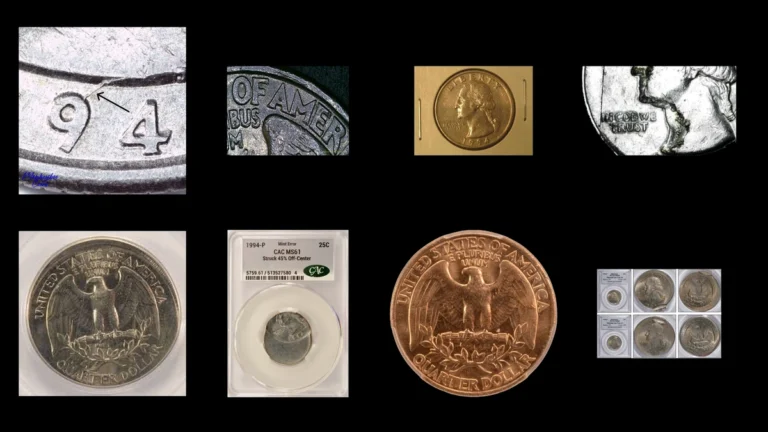
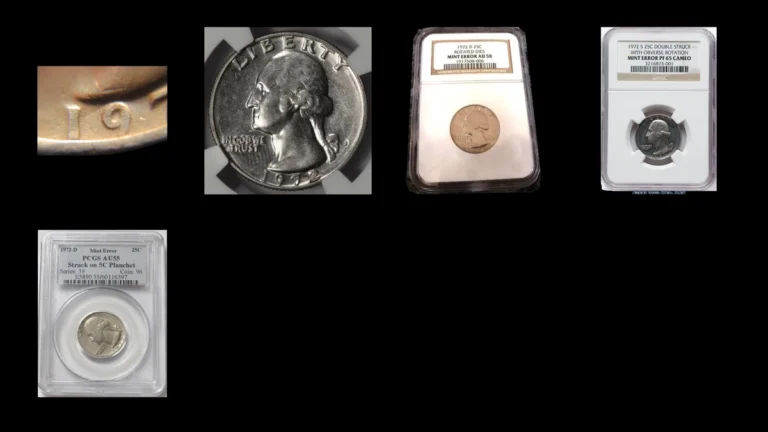
Rare 1932 Quarter Errors (List & Pictures)
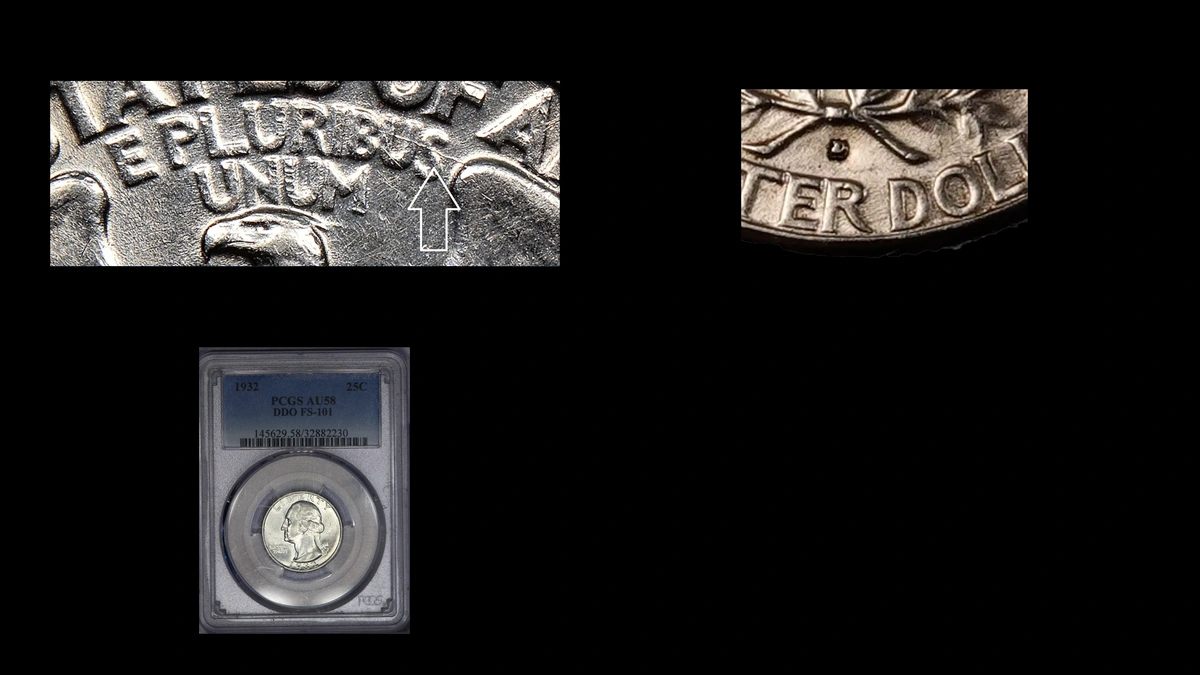
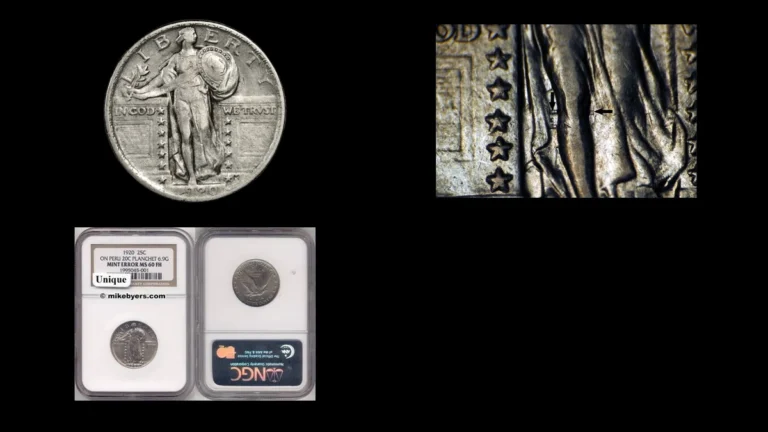
Philadelphia’s FS-101 doubled-die quarter reached $3,055 in MS66 in December 2014. Estimated whole-coin values for 1932 quarter errors span $50–$10,000, with the upper ranges reserved for authenticated major mistakes.
This guide shows which visible features matter and why the scarce Denver and San Francisco issues need their own value comparisons.
| Category | Estimated value | Important limit |
|---|---|---|
| Broadstrike | $100–$800 | Ordinary Philadelphia comparison |
| Rim break | $50–$1,000 | Genuine rim-connected feature |
| San Francisco lamination | $150–$1,500 | Includes scarce date-and-mint value |
| Repunched mintmark | $150–$3,000 | Exact variety and mint must be established |
| Off-center strike | $100–$3,000 | Dated Philadelphia comparison |
| Doubled die | $50–$3,500 | Different patterns have different markets |
| Reported two-front appearance | $500–$5,000 | Conditional on genuine brockage |
| Die cap | $1,500–$10,000 | Conditional on original cap formation |
1. 1932 Quarter Broadstrikes Error
A wide outline can result when a quarter spreads beyond the collar’s intended restraint during striking. The collar is the steel ring that normally controls the edge.
Reports include 1932 broadstrikes without establishing a mint for every candidate. Later pressure can also widen a coin, so the design and metal flow must support the manufacturing explanation.
How to Identify
Check whether the main portrait, eagle, and outer lettering remain on the metal. Missing portions of the design can point toward an off-center strike instead.
A normal quarter of this year weighs 6.25 grams and measures about 24.3 millimeters across. Compare a loose candidate’s outline in several directions while examining the edge for original formation rather than grinding or flattening.
A smooth edge alone does not prove collar failure. Keep the mintmark area visible, since a genuine D or S changes the coin’s underlying identity and value.
What It’s Worth
An authenticated ordinary Philadelphia broadstrike has an estimated range of $100–$800. A genuine Denver or San Francisco example needs an individual comparison that includes its scarcer issue.
A different, scratched 1945 broadstrike sold for $134 in June 2026. Its date and surface problems limit how closely it can be compared with a 1932 quarter.
2. 1932 Quarter Raised Rim Breaks Error
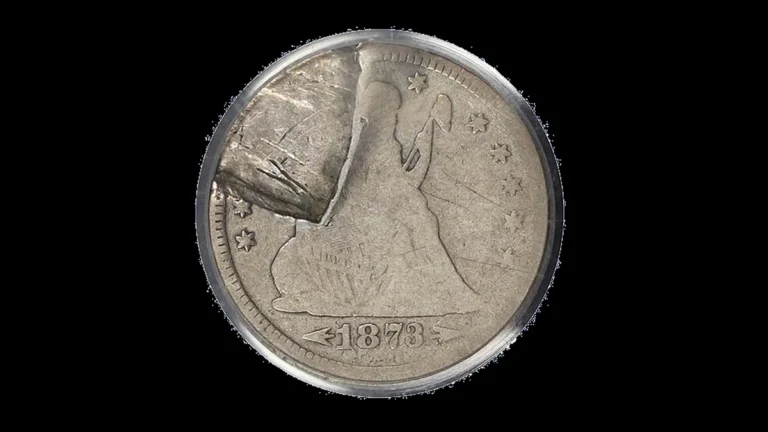
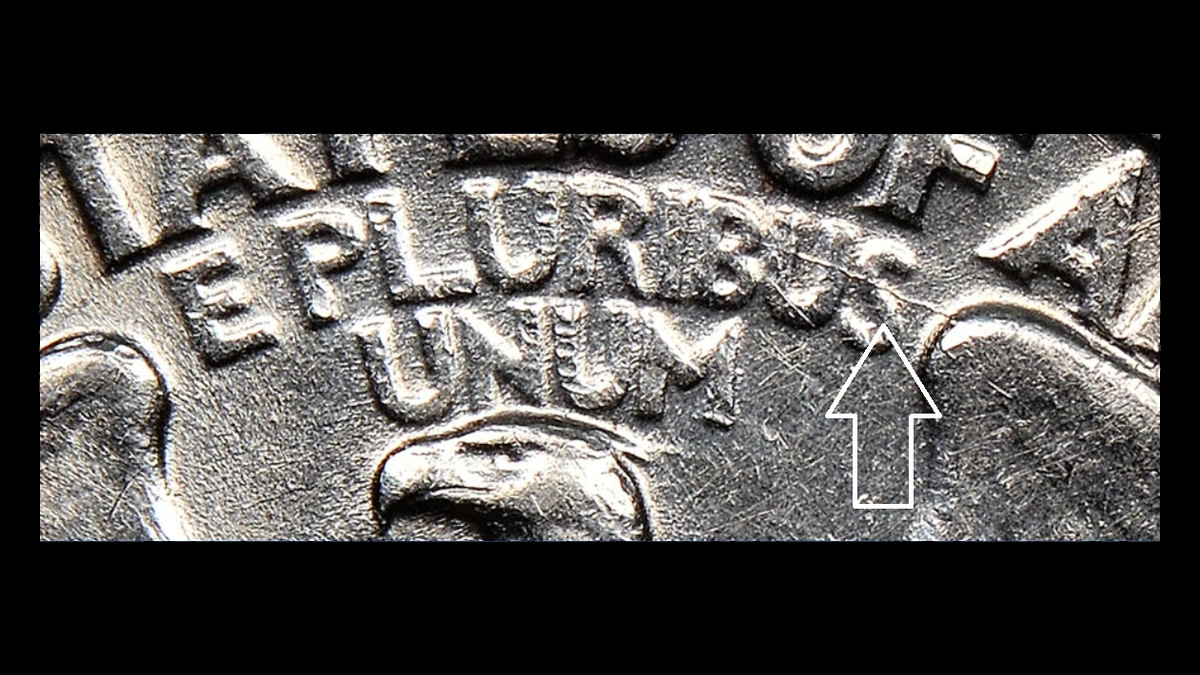
A raised mound joined to the rim can form where part of the die’s edge broke away. Metal enters the opening and replaces design that the missing tool surface could no longer produce.
This feature is called a cud. The 1932 report does not establish a standard clock position to use when inspecting a candidate.
How to Identify
Follow the entire raised patch into the rim and note where surrounding design ends. A bump enclosed by normal design is an internal chip, rather than the rim break described here.
Check for impact crushing or a nearby hollow that could explain metal pushed up after minting. Weakness on the opposite face can be a supporting clue, but it is not required on every example.
What It’s Worth
A genuine rim break on an ordinary Philadelphia quarter has an estimated whole-coin range of $50–$1,000. Size, visibility, wear, and later damage affect the comparison.
A D or S must be authenticated and valued as part of the scarce issue. The Philadelphia range should not be applied automatically to the entire value of those coins.
3. 1932 Quarter Peeling Front Metal Error
The documented San Francisco example is an NGC AU58 quarter with a front lamination. Its S remains on the reverse, while the internal alloy flaw affects the other face.
A 1932 quarter is silver-copper alloy throughout. The shallow separation is not the loss of a modern clad sheet over a copper center.
How to Identify
Confirm the reverse S before comparing another coin with this example. Follow the front separation into the surrounding portrait or lettering, looking for a thin natural layer rather than a gouge cut through finished detail.
Do not move an attached flap. The auction description identifies the front face but does not establish one precise lamination position shared by other 1932-S coins.
What It’s Worth
San Francisco quarters with a genuine front lamination have estimated whole-coin values of $150–$1,500. The scarce date-and-mint combination contributes to that amount independently of the defect.
The NGC AU58 example sold for $228 on September 18, 2023. Compare its condition and separation before assuming a larger peel deserves a higher price.
4. 1932 Quarter Repunched Mintmarks Error
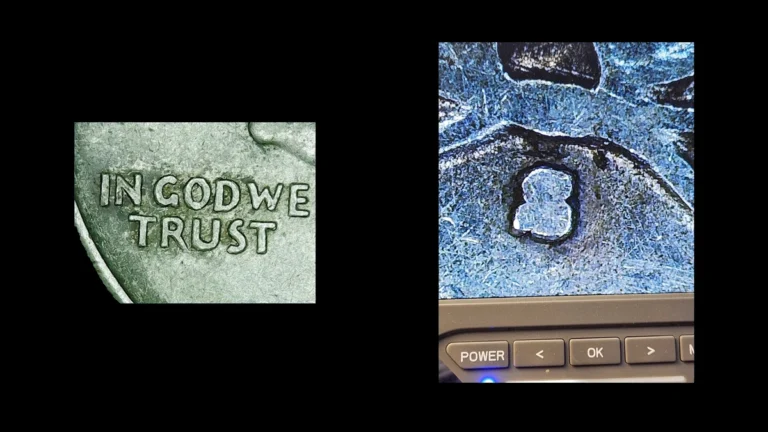
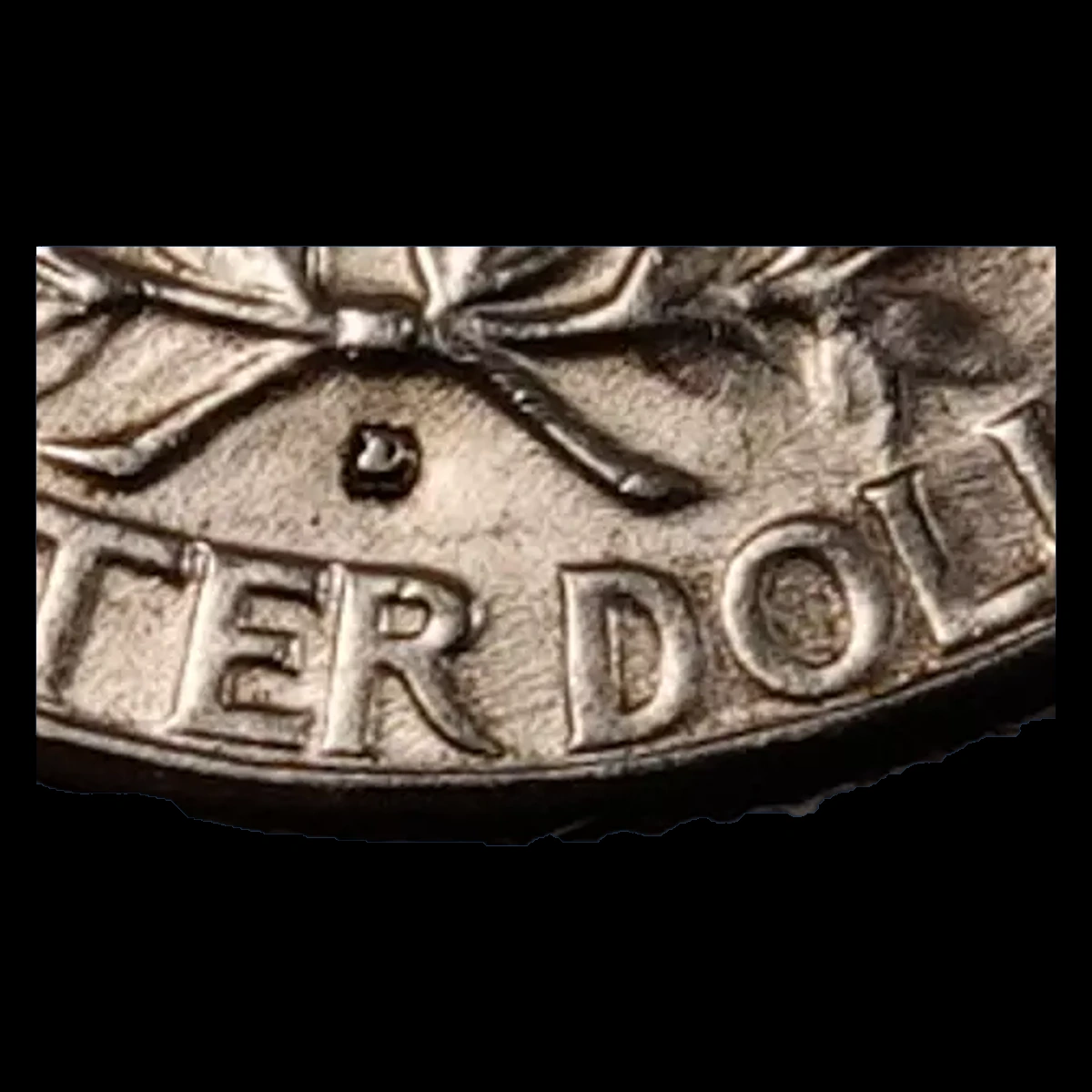
San Francisco WRPM-001 has a secondary S outline toward the left. A flat shelf on its right is movement-related doubling, so the two features should not be confused.
Repunched mintmarks originate when a worker places the letter punch into the die more than once at slightly different positions. Separate reports include a northwest D/D and an S over an inverted S.
How to Identify
For WRPM-001, inspect the left side of the S against the Wexler photographs. Keep the nearby branches in view so the close-up retains its correct orientation.
The reported D/D needs an extra D-shaped remnant toward the upper left. An inverted-S claim requires evidence at both ends of the extra letter, not simply a distorted center.
Check for dents or damage that push metal beside the mintmark. The westward S/S does not establish either of the other reported patterns.
What It’s Worth
Authenticated 1932-D or 1932-S mintmark varieties have a conditional estimated whole-coin range of $150–$3,000. The scarce base coin can account for much of the price.
A different 1949-D D/D FS-501 graded MS65 sold for $384 in March 2018. Its catalog number and price do not establish the identity or value of a 1932 repunched mintmark.
5. 1932 Quarter Off-Center Strikes Error
An unstruck crescent beside a displaced design can show that the blank sat outside its intended striking position. Both faces should reflect the same misplaced disc.
The reported 1932 category does not fix a percentage or mint for every candidate. Those details become especially important when the mintmark area lies outside the struck portion.
How to Identify
Find the readable date, then trace the boundary between struck design and original blank metal. Check the opposite side for intended details that run beyond the edge.
Grinding or hammering can imitate an empty area on a finished coin. A one-sided design shift beside a normally centered reverse may instead indicate a misaligned die.
If the mintmark area never received a strike, absence of D or S does not prove Philadelphia. Keep that uncertainty attached to any price comparison.
What It’s Worth
A genuine dated Philadelphia off-center quarter has an estimated range of $100–$3,000. An authenticated Denver or San Francisco coin also requires consideration of its scarcer original issue.
A dramatic shift cannot establish the year if its date is missing or altered. Compare surviving identity, preservation, and the full displaced design rather than assigning a fixed price per percentage.
6. 1932 Quarter Doubled Portrait and Reverse Details Error
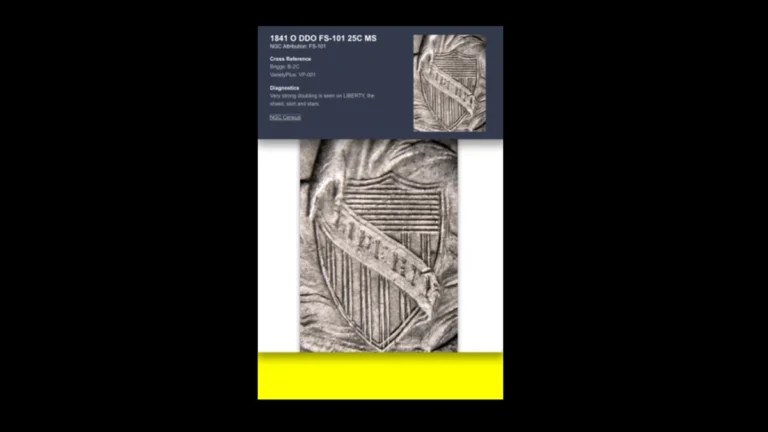
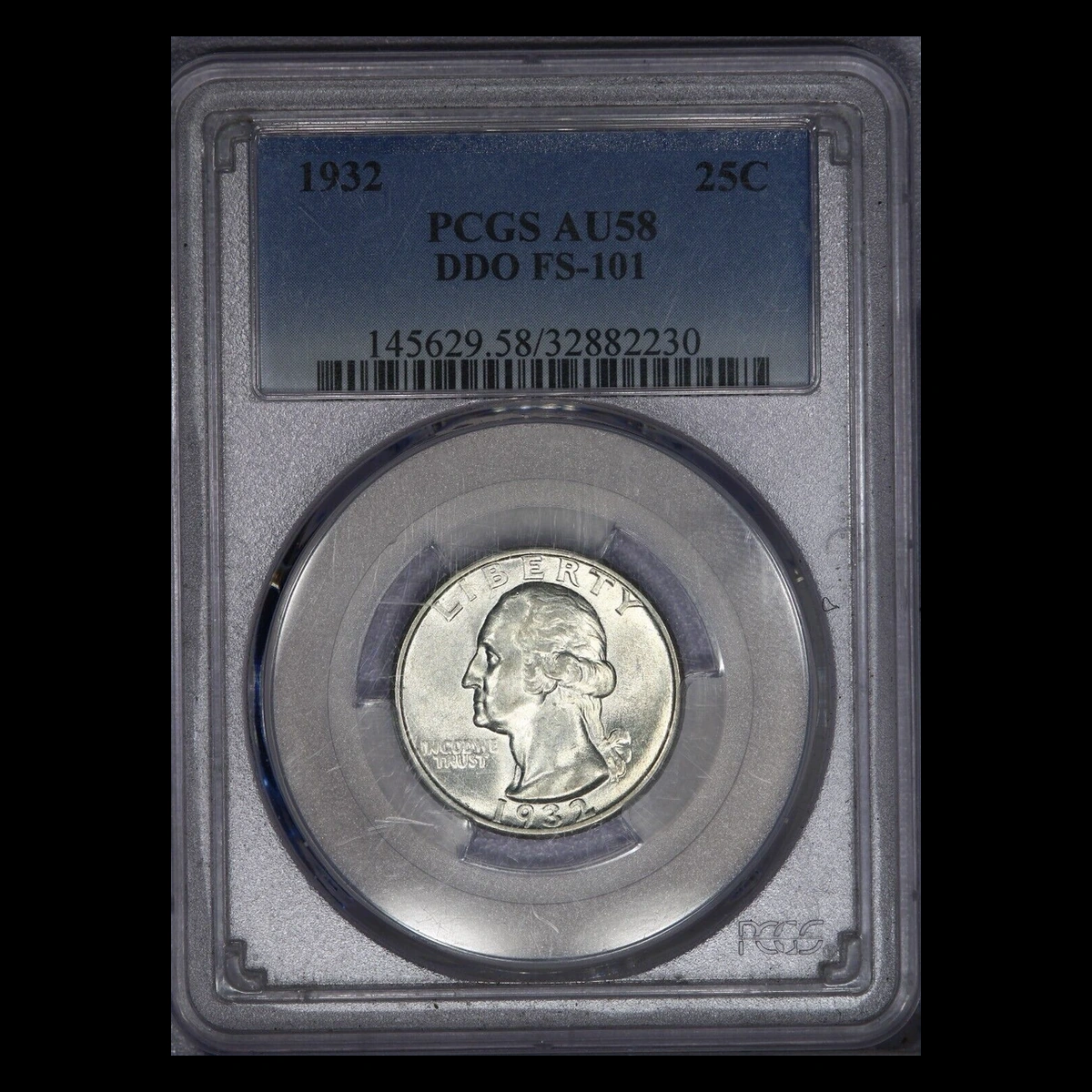
The strongest identifying areas for Philadelphia FS-101 are Washington’s nostril, earlobe, and rear hair-ribbon edge. Their documented extra outlines extend upward.
Separate reverse varieties include slight Philadelphia doubling in UNITED STATES OF AMERICA and San Francisco WDDR-001 lettering and branch-end features. Those belong to different tools from the Philadelphia portrait variety.
How to Identify
For Philadelphia FS-101, begin with the portrait rather than using doubled-looking motto letters as the main test. Match the nostril, ear, and ribbon details together.
For reverse doubling, establish the mint and use the correct pattern for that side. A flat ledge caused by movement during striking differs from rounded repeated design in the die.
What It’s Worth
Identified doubled-die varieties have an estimated whole-coin range of $50–$3,500. Exact pattern, mint, and preservation determine the useful comparison.
Philadelphia FS-101 reached $3,055 in MS66 on December 4, 2014, while an MS63 example brought $305.50 in March 2017. The high-grade result does not establish the routine price of worn coins or subtler reverse varieties.
7. 1932 Quarter Reported Two-Front Appearance Error
A report of two portraits does not yet explain how either surface formed. Two normally raised fronts may indicate alteration, while a sunken reversed portrait can point toward a brockage.
Brockage occurs when a struck coin transfers its raised design into another blank during the strike. The 1932 report does not establish which arrangement is present and does not confirm a genuine coin with two ordinary raised fronts.
How to Identify
Determine whether the second design rises above or sinks below the surface, and whether its letters read normally or backward. Both features are needed before choosing a manufacturing explanation.
Inspect the edge for a seam and the rims for evidence of joined parts or added metal. Even a normal weight cannot authenticate a two-headed construction.
What It’s Worth
If authenticated as a genuine 1932 brockage with a mirror-image impression, a conditional estimate is $500–$5,000. Completeness, condition, and mint identity affect that comparison.
This range does not price a joined novelty or prove that the reported piece is brockage. Both faces and the edge must support an original striking process first.
8. 1932 Quarter Cap-Shaped Coin Error
A coin stuck to a die can gradually wrap around it as the press continues striking. The resulting cup-shaped coin is the die cap itself.
A cap-shaped 1932 quarter has been reported, but a flat coin with weak detail is not enough to confirm it. Its wall and surviving surfaces must show original formation under repeated pressure.
How to Identify
Use a side view to examine the wall, opening, and transition from the coin’s center. Follow the stretched design across those areas rather than judging a wide rim in a face-on picture.
Look for tool marks from later bending, hammering, or squeezing. Preserve the three-dimensional shape for specialist examination and do not attempt to flatten it.
What It’s Worth
An authenticated 1932 quarter die cap has a conditional estimated range of $1,500–$10,000. Remaining identity, original shape, and preservation determine the comparison.
A tall bent wall alone does not meet the definition. Any confirmed D or S identity would also need an individual assessment rather than an automatic added premium.
Conclusion
Keep the mintmark, exact error, and condition together when comparing 1932 quarters. The ordinary scarcity of a Denver or San Francisco coin can account for substantial value before an unusual feature is considered.
For FS-101, use the portrait diagnostics; for a repunched mintmark, trace the extra letter. Major reported pieces need their complete construction explained, especially when a two-front appearance or cup shape could also result from alteration.