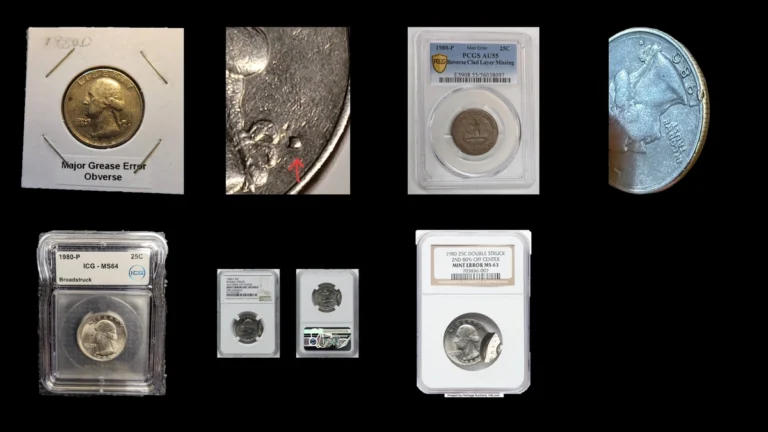
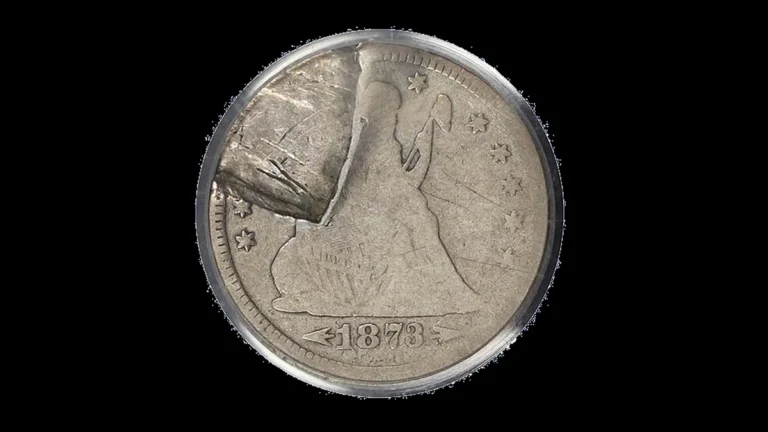
Rare 1966 Quarter Errors (List & Pictures)
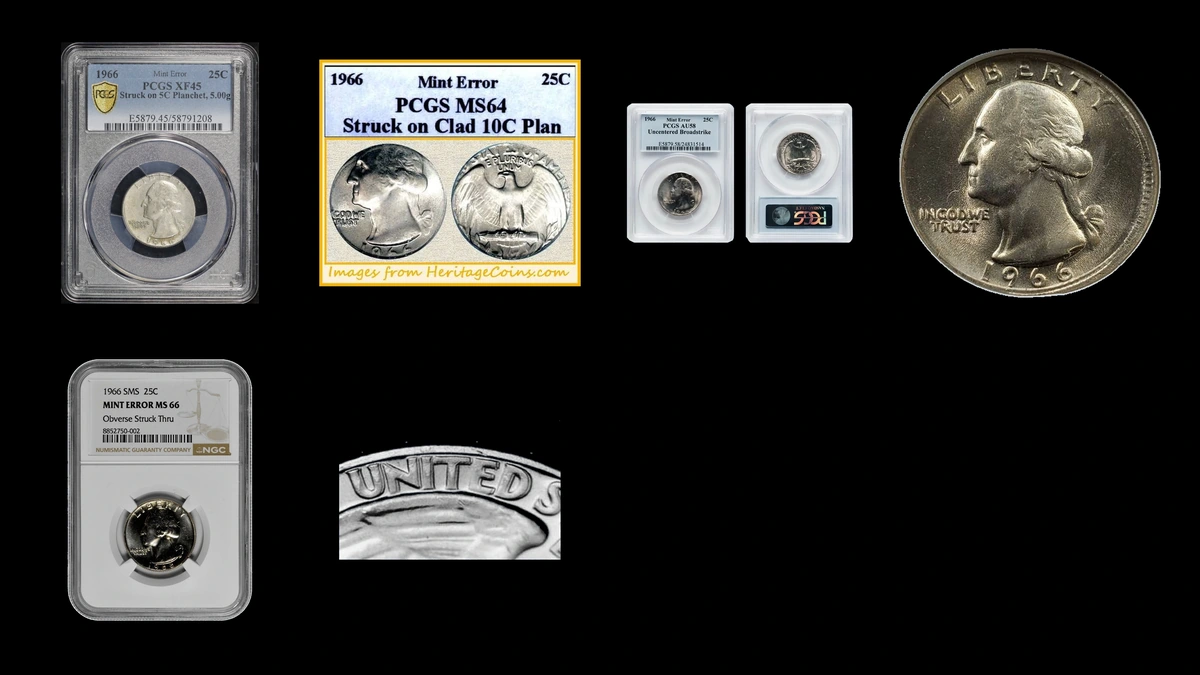
No mintmark is normal on a 1966 quarter and does not identify an error or a particular mint. The 1966 quarter errors here have estimated values of $5–$6,000, including a two-coin pair valued together.
A documented triple strike realized $1,140 in July 2021. Begin with the coin’s size and edge, then compare interrupted details, repeated designs, and any evidence linking two pieces to the same strike.
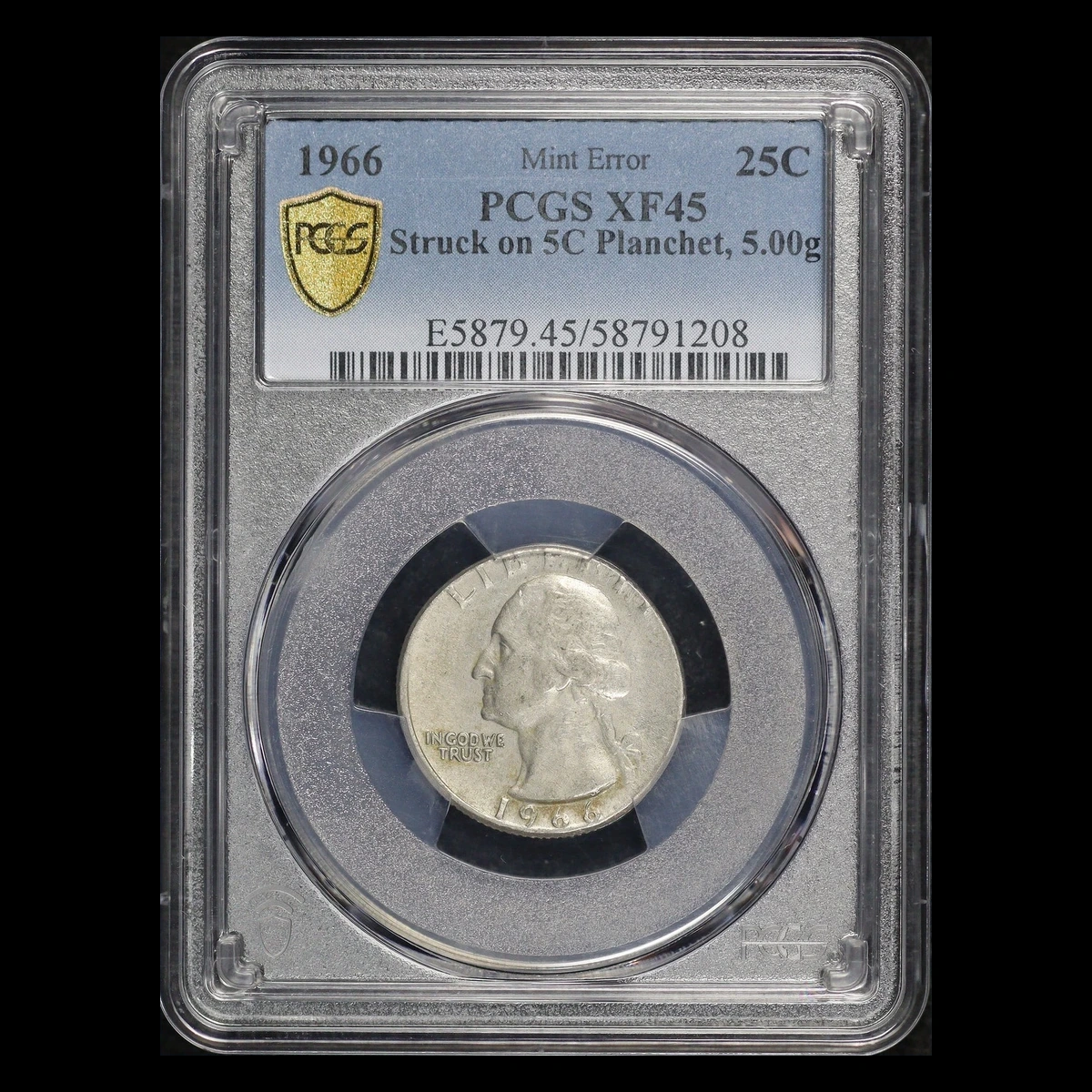
1. 1966 Quarter Quarter Details on a Smaller Pale Blank: Nickel Planchet Error
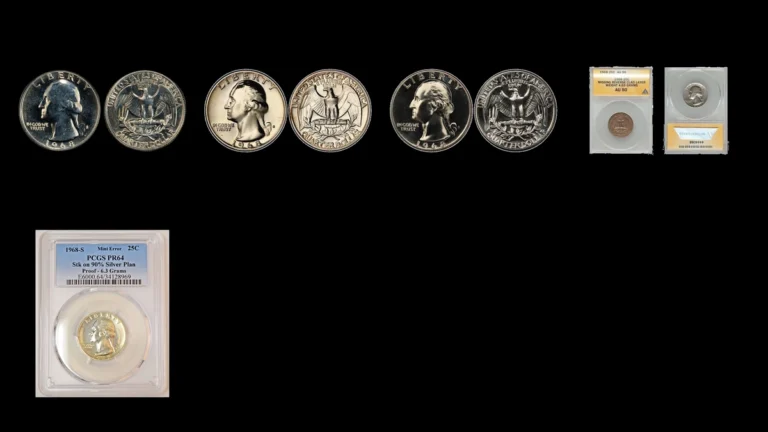
Washington’s quarter design can extend beyond a blank intended for a nickel. Documented 1966 examples include an ANACS AU50 and a separate PCGS AU55, both with circulation wear.
A nickel blank is copper-nickel alloy throughout, unlike the layered construction of a normal quarter. Its standard starting size is about 5.0 grams and 21.2 millimeters, compared with a quarter’s 5.67 grams and roughly 24.3 millimeters.
How to Identify
Check the edge for the absence of a clad copper-center stripe, then follow outer lettering where the quarter image runs out of room. The surviving date needs to support 1966.
Record actual measurements if the coin is loose, allowing for spreading during striking. A filed-down quarter can also be smaller, but it removes finished detail and leaves a different edge.
What It’s Worth
$150–$1,500 is an estimated range for authenticated nickel-planchet quarters. A different-year 1974-D in MS62 sold for $240 in June 2019; the circulated 1966 examples need their own condition comparison.
2. 1966 Quarter A Crowded Quarter Design on Copper: Cent Planchet Error
A reported 1966 quarter on a cent blank would combine the quarter’s larger design with a smaller copper-based disk. Some peripheral detail cannot fit on the available metal.
How to Identify
Look for authentic quarter features and enough date detail before relying on the reddish or brown surface. A period cent blank starts near 3.11 grams and 19.05 millimeters, rather than the 2.50-gram copper-plated zinc standard of most modern cents.
Composition, edge structure, and the way the design meets the smaller outline should agree. Plating an ordinary quarter does not explain natural loss of outer design, while cut edges or seams require another explanation.
What It’s Worth
$400–$2,000 is a conditional estimate for a confirmed 1966 cent-planchet quarter. Different-year comparisons are $540 for a no-mintmark 1974 MS62 in December 2024 and $977.50 for a 1974-D MS64 in January 2010.
3. 1966 Quarter Very Little Room for the Design: Dime Planchet Error
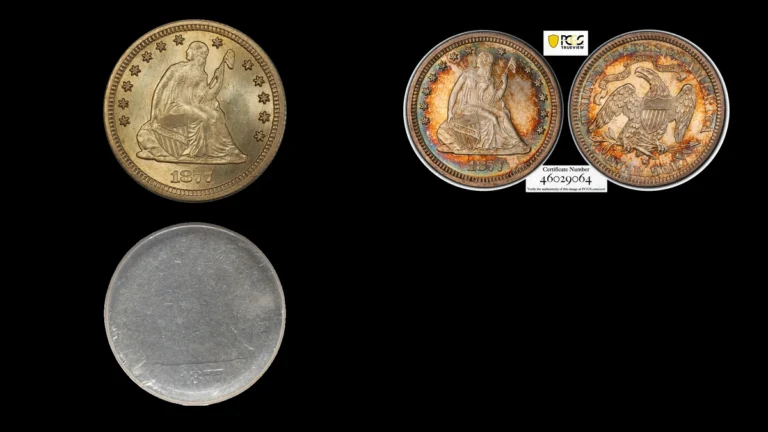
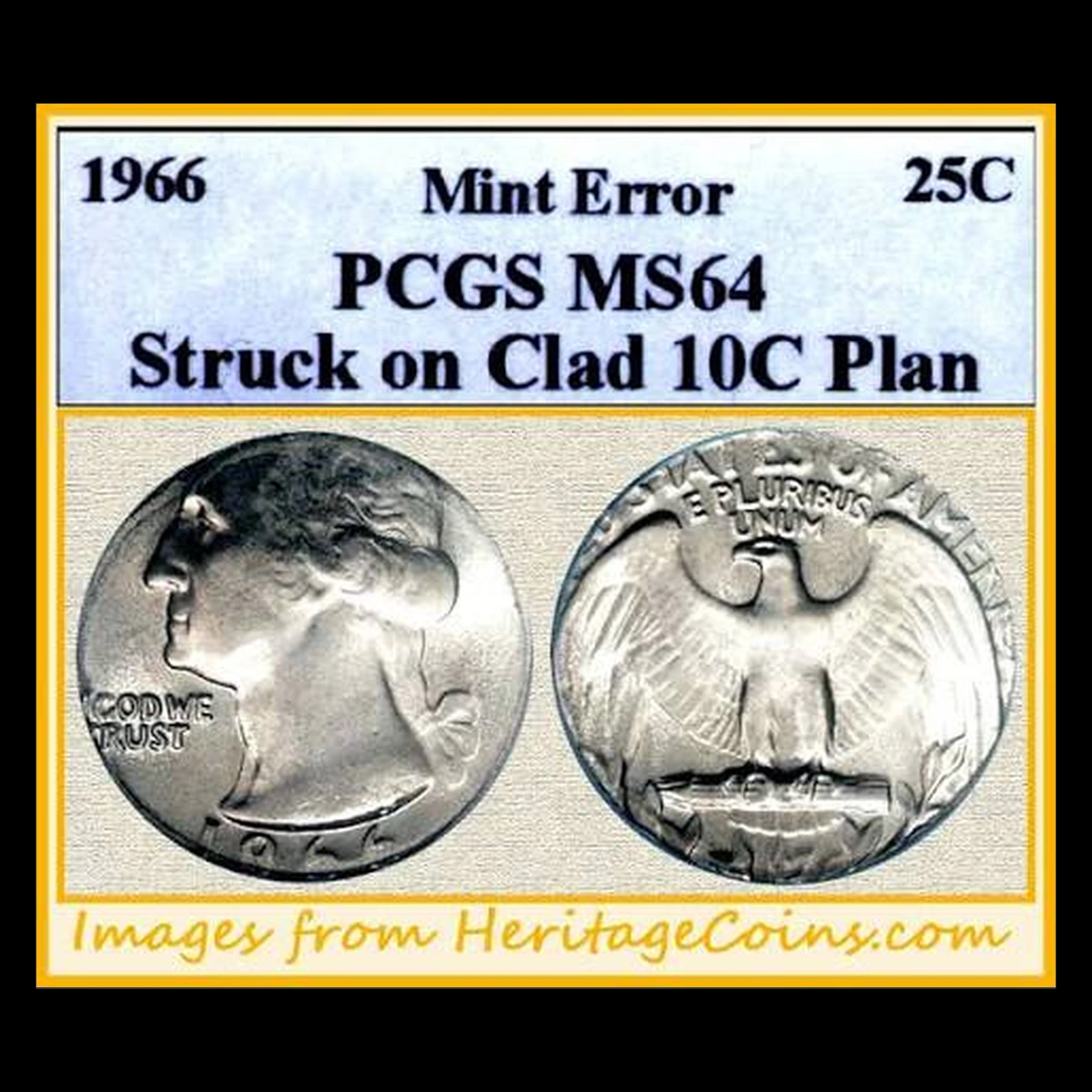
One MS63 quarter on a dime blank was also struck roughly 10% off center toward the upper left. Fragments of all four date digits survive, rather than a completely visible year.
A separate MS64 combines a dime blank, a 30% off-center strike, and a 60% indent from an overlapping blank. Its surviving eagle and weak date describe one compound error.
How to Identify
Read each surviving digit and inspect the layered edge expected of a clad dime blank. Its normal starting standards are 2.268 grams and 17.91 millimeters, not recorded measurements of every struck example.
On the indented coin, distinguish lost peripheral design from the smooth depression. The small, displaced blank explains one feature, while the overlapping obstruction explains the other.
What It’s Worth
$300–$2,500 is an estimate across comparable authenticated pieces. The MS63 sold for $460 in January 2005, and the separate MS64 off-center and indented combination brought $862.50 in April 2006.
4. 1966 Quarter A Straight Piece Is Missing: Clipped Planchet Error
The documented PCGS MS65 example has a 20% straight clip and weighs 4.52 grams. Its design was struck onto a blank that already lacked that section.
How to Identify
Inspect the straight boundary from the side for saw marks, filing, or a fresh cut through completed lettering. At both ends, the rim and surrounding detail should fit formation beside a preexisting opening.
Opposite-rim weakness, sometimes called the Blakesley effect, can be useful but is not mandatory. The known weight belongs to this 20% specimen and is not a universal measurement for clipped quarters.
What It’s Worth
$25–$500 is a working estimate for comparable genuine clips. The recorded 20% straight-clip MS65 sold for $124 in June 2024.
5. 1966 Quarter Curved Scars beside Open Gaps: Incomplete Blanking Punches Error
A more complex PCGS AU55 quarter has two incomplete blanking punches and two actual curved clips. The punches left connected metal along curved paths instead of cutting every section completely free.
The fainter front arc runs from beside the Y in LIBERTY toward the final 6. Its reverse counterpart extends from F in OF toward R in QUARTER.
How to Identify
Separate the open gaps from the arcs across metal that remains attached. Compare both faces with the published AU55 example to establish the connected pattern.
A curved scratch alone does not explain the corresponding blank-making evidence on the other face. Leave the connected metal in place and do not bend it to test how deeply it was cut.
What It’s Worth
$200–$3,000 is an estimate for an authenticated combination of this kind. The $124 sale of the separate straight clip provides context for a simpler defect, not a transaction for the two-punch, two-clip coin.
6. 1966 Quarter An Uneven Wide Border: Uncentered Broadstrike Error
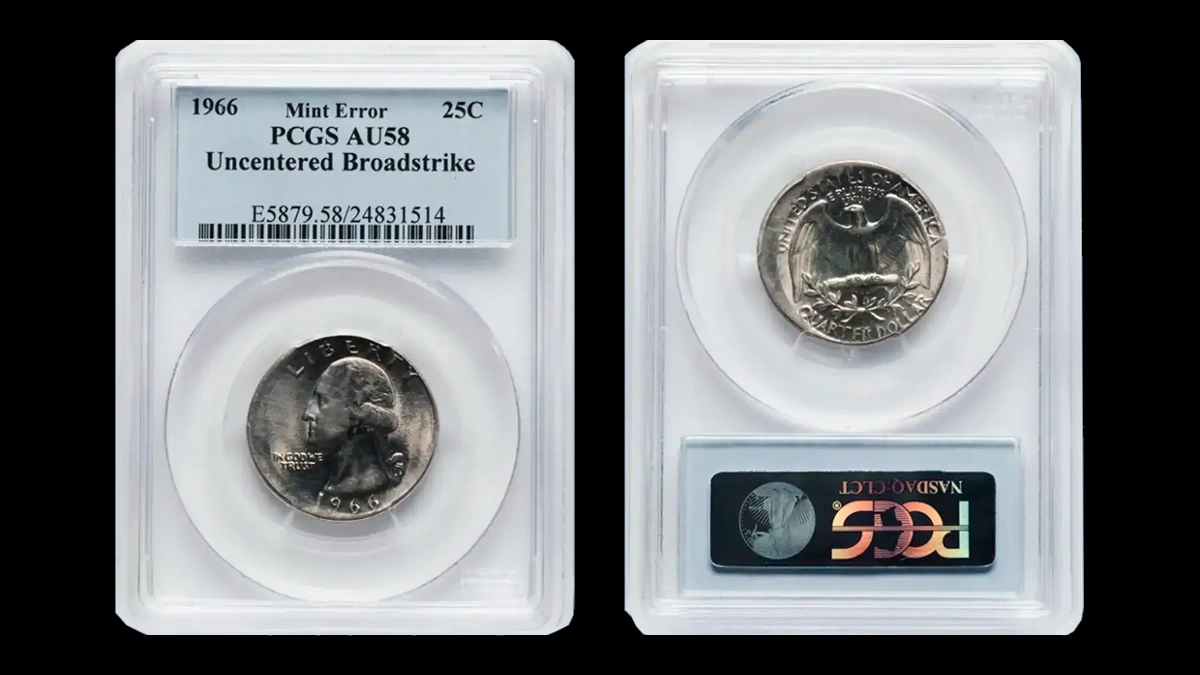
An uncentered broadstrike can look shifted while retaining the complete design. A documented 1966 example in PCGS AU58 shows the unequal border left when the collar, the ring controlling the edge, failed to contain the blank normally.
How to Identify
Follow the full outer lettering on both sides instead of judging only the widest rim segment. A broadstrike can have unequal margins; an off-center strike loses some intended design beyond the metal.
Inspect the expanded edge and the portrait for evidence of natural spreading rather than later crushing. Comparing the outline at the same scale as a normal quarter is more useful than an angled photograph.
What It’s Worth
$50–$500 is an estimated range for genuine comparable broadstrikes. The AU58 example, with slight circulation wear, sold for $222 in June 2024.
7. 1966 Quarter A Stepped Edge on a Collector Coin: Partial Collar Strike Error
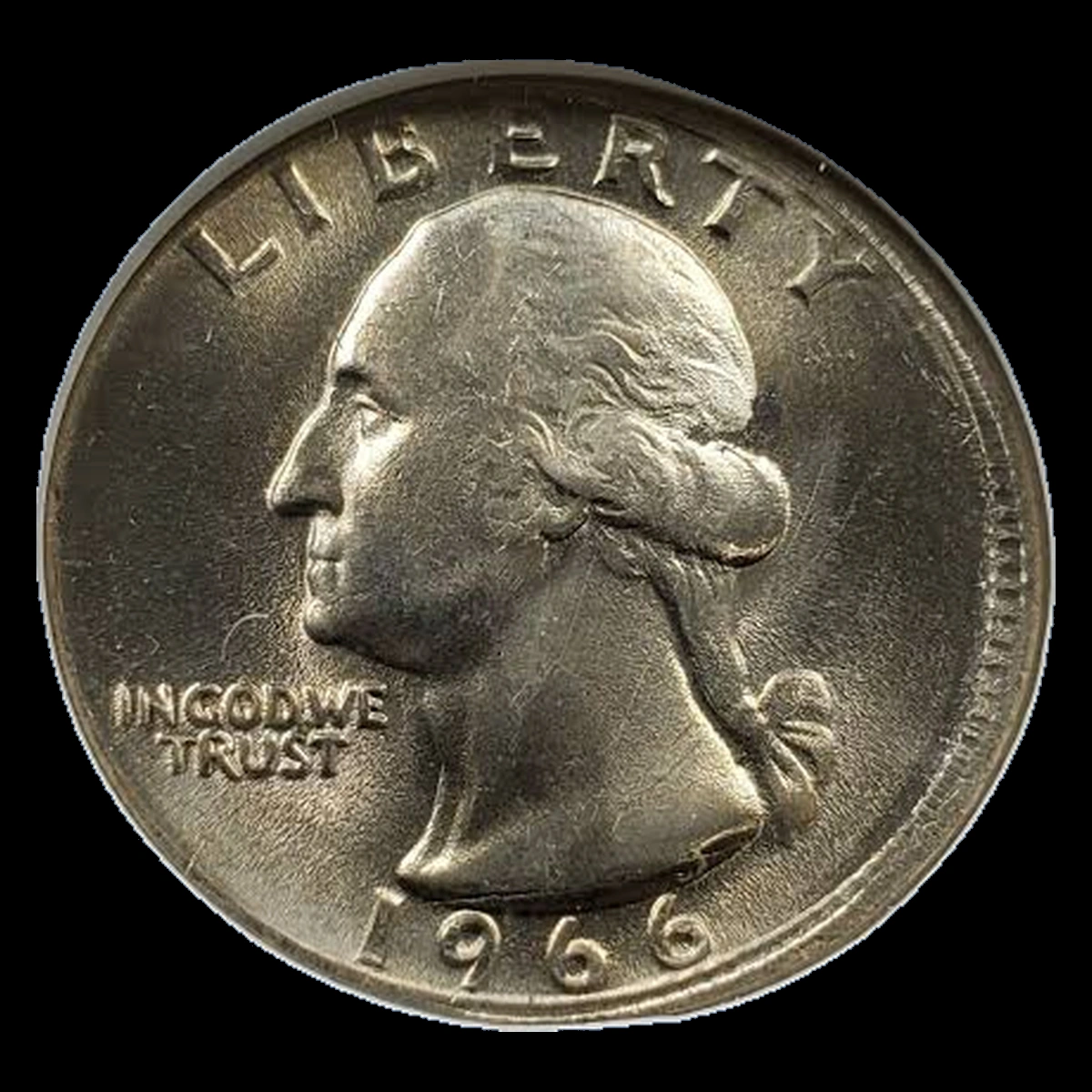
A Special Mint Set quarter graded NGC MS67 has an overhanging rim near the date and upper reverse lettering. Only part of its blank was confined by the collar; the exposed metal spread farther.
Special Mint Set coins have a collector finish distinct from ordinary circulation issues. Their normal lack of mintmarks does not explain an abnormal edge.
How to Identify
Look near the date and UNITED STATES OF AMERICA, then use side views to follow the transition between restrained and expanded metal. A thick-looking rim in one photograph can hide whether a real step exists.
Check for squeezing or dents that might have folded the edge later. Preserve reliable Special Mint Set attribution with the specimen; a shiny surface alone does not establish that origin.
What It’s Worth
$50–$600 is an estimate for an authenticated partial collar error of this kind. The NGC MS67 Special Mint Set example sold for $144 in July 2021.
8. 1966 Quarter Local Weakness or a Hollow: Struck-Through Error
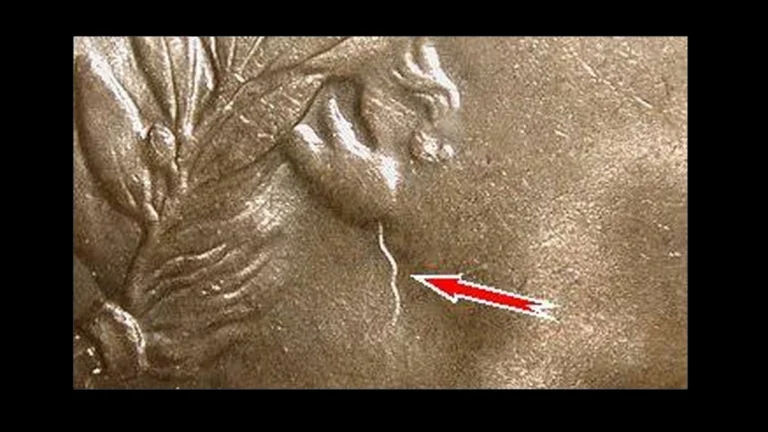
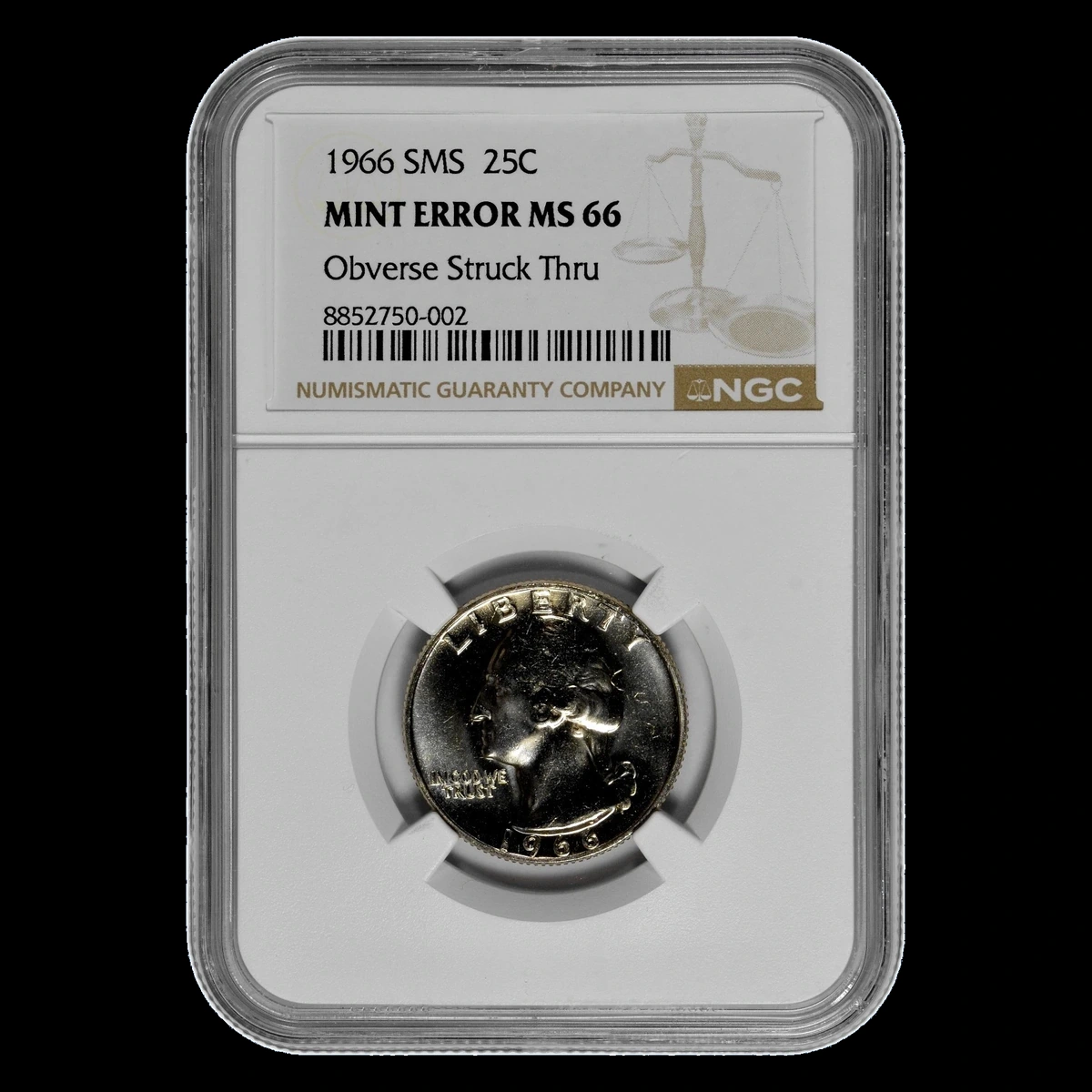
The 1966 strike-through reports do not identify one fixed material, location, or retained object. The category describes an obstruction that prevented part of the die from reaching the blank normally.
How to Identify
Determine whether the unusual area is recessed, softly formed, or covered by attached material. Compare nearby high points for wear before attributing weak detail to grease or another obstruction.
Inspect the boundary for later cuts and impacts. If something remains attached, leave it undisturbed; the general report does not establish that it is an object retained from the original strike.
What It’s Worth
$5–$500 is estimated across modest interruptions and more obvious impressions. A 1979 quarter with impressions on both faces sold for $59 in September 2025, but that different-year example also had no identified obstructing material.
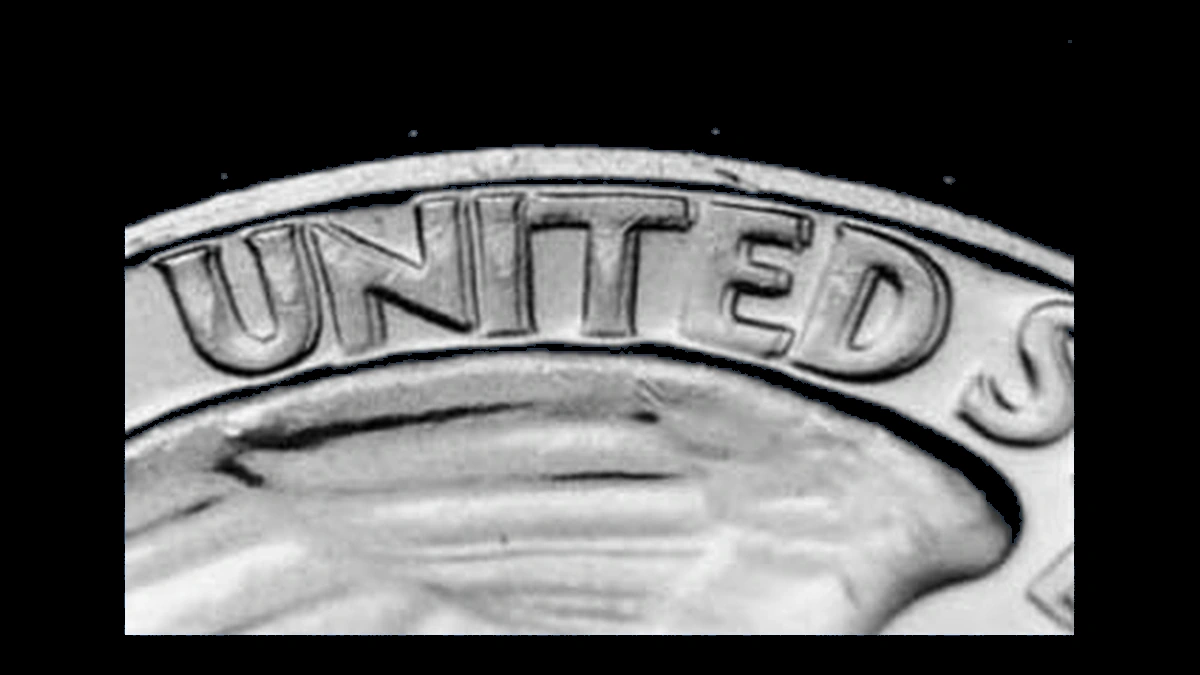
9. 1966 Quarter Additional Letter Outlines: Reported Doubled Dies Error
Front and reverse doubled-die examples are reported for 1966. The reverse reports direct attention to UNITED STATES OF AMERICA and QUARTER DOLLAR.
Duplication in a die, the steel tool carrying the design, can repeat on coins struck from it. Separate front and reverse reports do not establish a single coin doubled on both sides.
How to Identify
Compare letter corners and neighboring details with a normal coin of the same issue and finish. A consistent secondary outline is more useful than a shadow on one thick letter.
Flat ledges may result from movement during striking, while impacts can flatten individual edges. Keep ordinary and Special Mint Set finishes distinct when matching a proposed variety.
What It’s Worth
$10–$300 is an estimate for confirmed minor doubled dies. An ordinary or Special Mint Set quarter can be valuable for its condition without owing that value to doubled lettering.
10. 1966 Quarter Several Displaced Impressions: Triple and Saddle Strikes Error
One PCGS MS65 quarter records three strikes 70%, 75%, and 85% off center. A separate MS64 saddle triple strike has its second and third impressions 80% and 90% off center.
The saddle example has a bent connecting area between separate striking zones. That bridge is part of its particular form, rather than a feature to assume on every triple strike.
How to Identify
Trace connected portrait or letter groups through each position before counting impressions. Study both faces to see where a later blow altered an earlier image.
For the saddle coin, inspect the bridge from the side and keep it unflattened. Its form should fit the striking sequence rather than a bend added afterward, and its percentages must remain separate from the MS65 coin’s.
What It’s Worth
$300–$3,500 is an estimated range for comparable multiple strikes. The MS65 with 70%, 75%, and 85% strikes sold for $1,140 in July 2021, while the separate saddle triple strike brought $780 in the same auction.
11. 1966 Quarter Two Coins with a Matching Transfer: Mated Pair Error
A quarter design struck on a dime blank later lay face down against a normal quarter blank. A further strike pressed the small coin’s front into the larger coin’s reverse, leaving a recessed backward copy called a brockage.
The reported pieces survive separately as a matching pair, not a permanently bonded object. The larger piece provides evidence of an additional strike on the small one that is not obvious from the small coin alone.
How to Identify
Compare the small coin’s front with the recessed transfer on the large coin’s reverse, using a mirrored photograph to align several specific details. A general resemblance to Washington is insufficient.
Examine each piece for later squeezing or added marks while keeping their records together. Do not press them against one another to test the match; their preserved surfaces carry the evidence.
What It’s Worth
$1,000–$6,000 is an estimate for the complete authenticated pair. The separate dime-planchet quarter with an off-center strike and indent sold for $862.50 in April 2006, but that was one coin and not this pair.
Conclusion
A 1966 quarter’s missing mintmark is ordinary, while its blank size, edge formation, or overlapping designs may supply real error evidence. Read surviving dates carefully when a small or displaced blank has cut off part of the image.
Keep compound examples and matching pairs intact in the description and valuation. A clip, indent, or additional strike can explain another part of the same event without becoming a separate coin to price.