Rare 1855 Quarter Errors (List & Pictures)
A recorded New Orleans quarter brought $30,475 in November 2004, a price strongly influenced by its scarce date and high grade. Estimated whole-coin values for the 1855 quarter errors below span $75–$35,000.
This guide separates Philadelphia doubling, San Francisco die deterioration, and a specific New Orleans reverse crack.
| Mint | Feature | Estimated whole-coin value |
|---|---|---|
| Philadelphia | Two separate doubled-front patterns | $75–$3,000 |
| San Francisco | Raised buildup from a deteriorating reverse die | $300–$25,000 |
| New Orleans | Reverse crack on Briggs 1-A | $100–$35,000 |
1. 1855 Quarter Philadelphia Doubled Front Designs Error
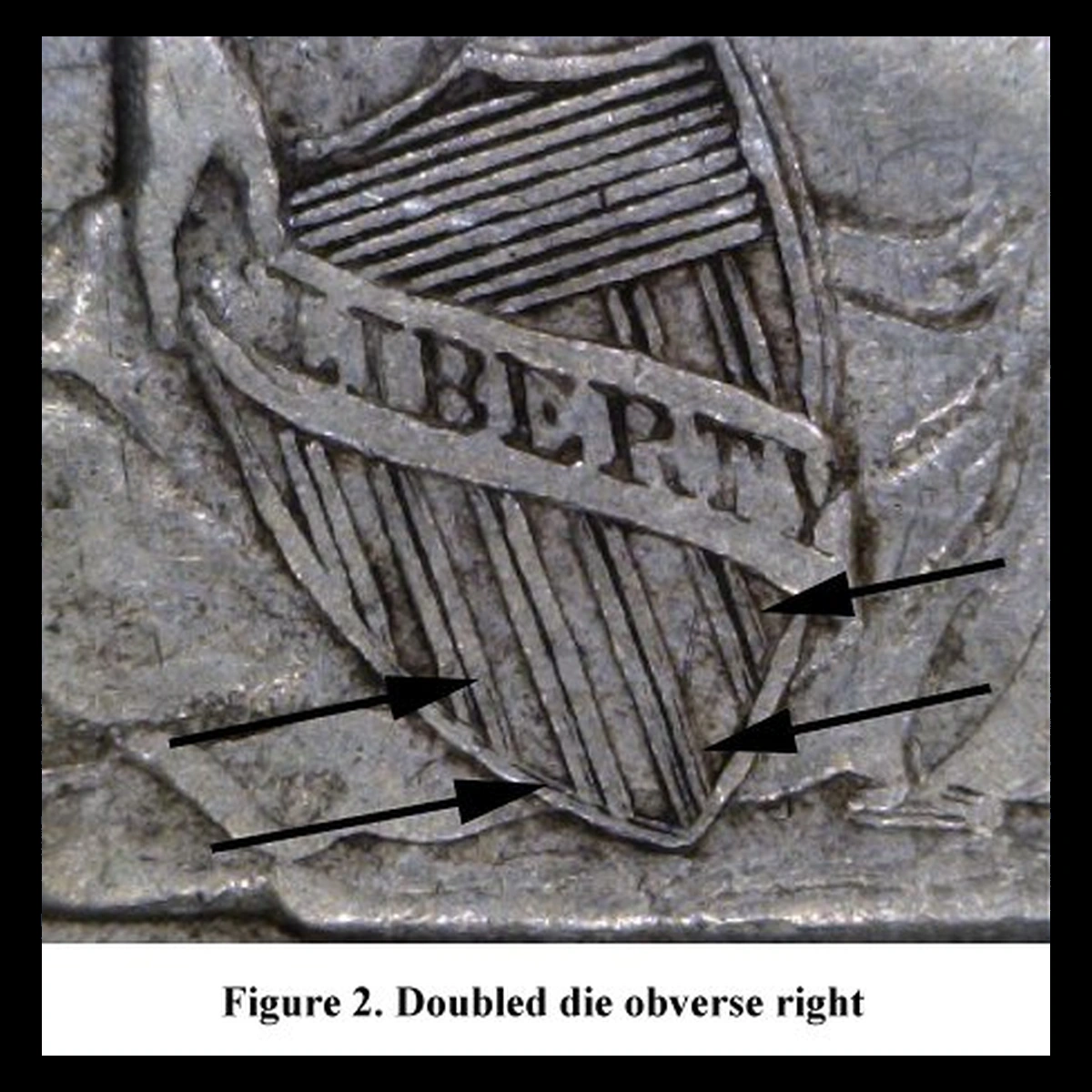
Two reported Philadelphia varieties show extra outlines in different directions. One pattern shifts right and the other shifts left.
Their dies already contained repeated design detail before striking coins. The varieties therefore do not require each coin to have received an additional blow.
Greg Johnson’s illustrated discussion treats the two patterns separately. Their opposing outlines should not be combined into an imagined single specimen.
How to Identify
Choose the appropriate leftward or rightward reference and keep both images upright. Compare several visible outlines rather than relying on one thick design edge.
Check the reverse mintmark area before assigning a Philadelphia variety. An O or S coin does not acquire the same attribution from a vaguely similar front feature.
Use changing light to distinguish raised repeated contours from flat shelves or damage. The supplied description does not name one exact letter or portrait part to replace comparison with the photographs.
What It’s Worth
Identified Philadelphia doubled-front quarters have estimated whole-coin values of $75–$3,000. Wear, original surfaces, and visible pattern strength determine useful comparisons.
A different 1945 Philadelphia Washington doubled-die quarter graded MS65 sold for $552 in March 2018. That later design is not an auction result for either 1855 pattern.
2. 1855 Quarter San Francisco Reverse Die Deterioration Error
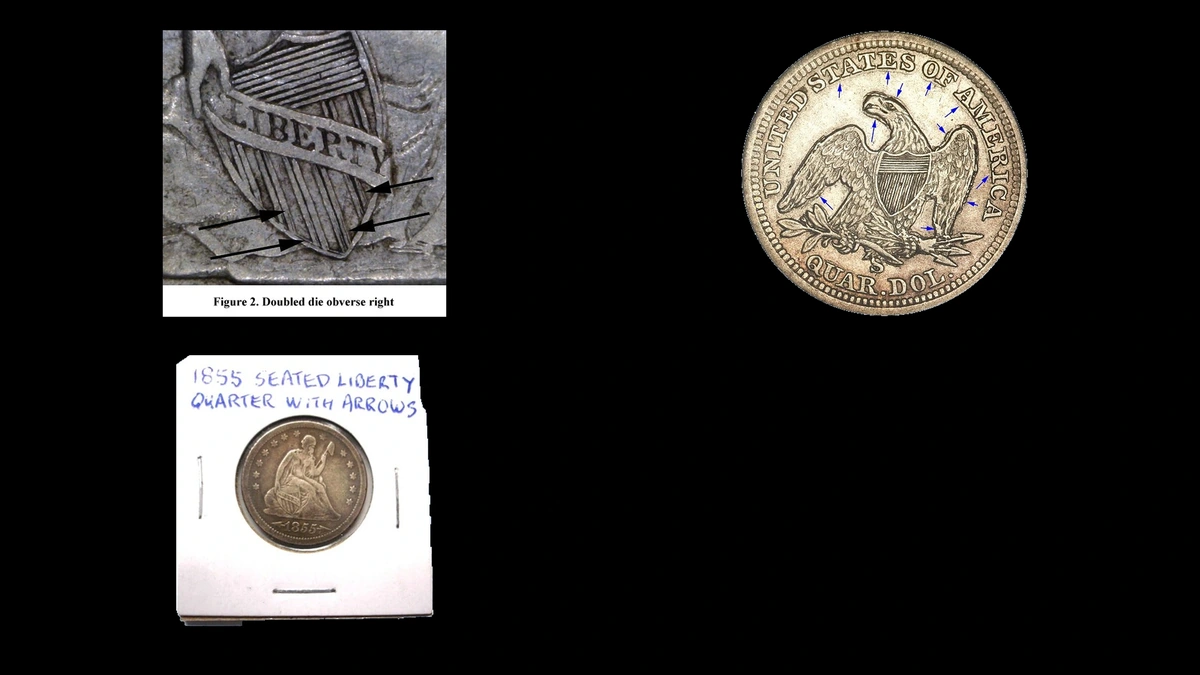
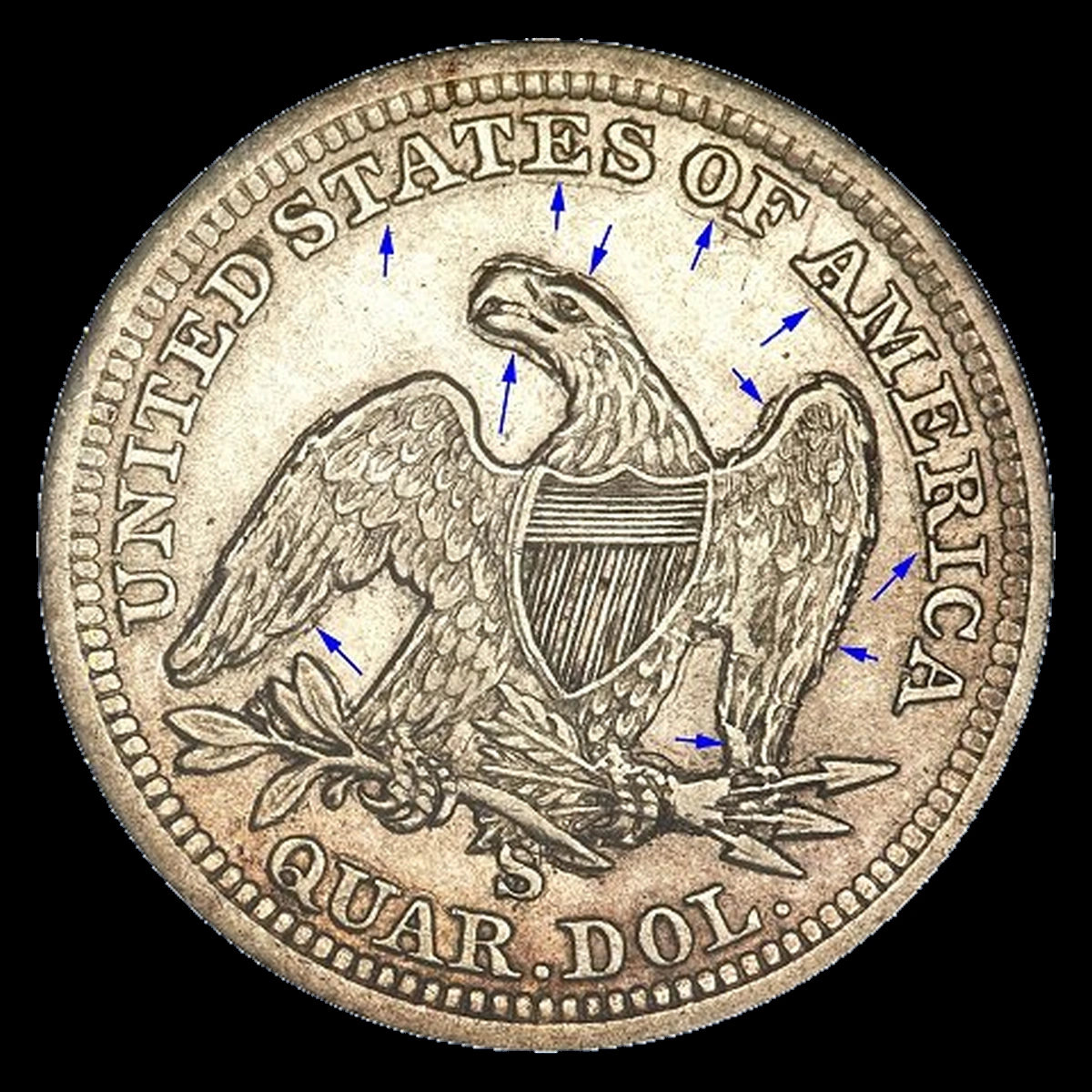
Severe raised buildup around the eagle and STATES OF AMERICA can record the breakdown of a reverse die. Areas of the damaged tool allowed extra coin metal to rise where a smoother field was intended.
Johnson illustrates an intermediate stage and describes later examples with a stronger raised halo. The degree of buildup changed as the same tool continued to deteriorate.
How to Identify
Confirm S, then compare the whole reverse pattern with a documented stage. Isolated roughness is less informative than the relationship between buildup around the eagle and lettering.
Angled light can distinguish raised struck metal from pits or deposits. Leave uncertain material untouched rather than picking at it to determine the cause.
An earlier die stage may lack the dramatic late halo. Compare similar stages instead of rejecting a less heavily affected reverse simply because it looks cleaner.
What It’s Worth
Genuine 1855-S quarters with this die deterioration have an estimated whole-coin range of $300–$25,000. Much of the range reflects the scarce issue and differences in preservation.
An 1855-S graded PCGS MS64 sold for $22,800 in May 2025. That condition comparison does not independently establish that the sold coin matches the illustrated deterioration stage.
Corrosion and added deposits are different features. A rough surface must be explained before it receives any variety-related consideration.
3. 1855 Quarter New Orleans Crack through Reverse Lettering Error
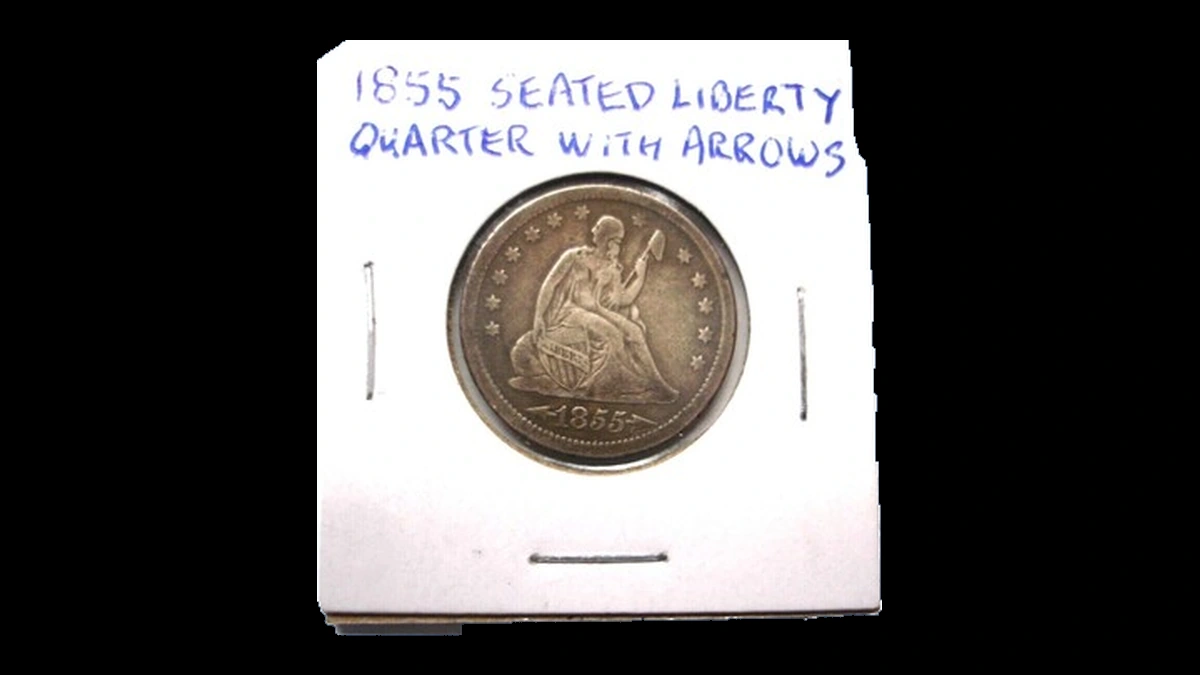
The recorded Briggs 1-A example has a line from the tooth-shaped border marks through Q’s tail and the left base of U toward the second eagle claw. It is a raised crack feature on the lower reverse.
Coin metal entered an opening in the die to form that ridge. The PCGS MS64 grade describes the specimen’s unworn preservation, while the crack provides a separate design comparison.
How to Identify
Locate Q in the denomination and distinguish its intended tail from the extra line. Follow the complete sequence through U toward the claw and back to the border.
Confirm O and compare the path with a Briggs 1-A photograph under changing light. A short scratch touching Q cannot reproduce the full chain of landmarks.
What It’s Worth
Genuine 1855-O coins with this original crack have an estimated whole-coin range of $100–$35,000 across widely different conditions. The upper end principally reflects scarcity and strong preservation rather than the thin line alone.
The PCGS MS64 record shows $21,000 in May 2025 and an earlier appearance at $30,475 in November 2004. These are whole-coin records, not separate payments for a crack.
Conclusion
Read the mintmark area before choosing an 1855 reference, since each of these features belongs to a different issue. Match the Philadelphia doubling direction, the San Francisco deterioration stage, or the complete New Orleans crack path.
Preserve the original surface while making those comparisons. A scarce high-grade quarter can command a substantial price independently of its unusual die features, so the recorded totals should not be described as pure error premiums.