Rare 2017 Quarter Errors (List & Pictures)
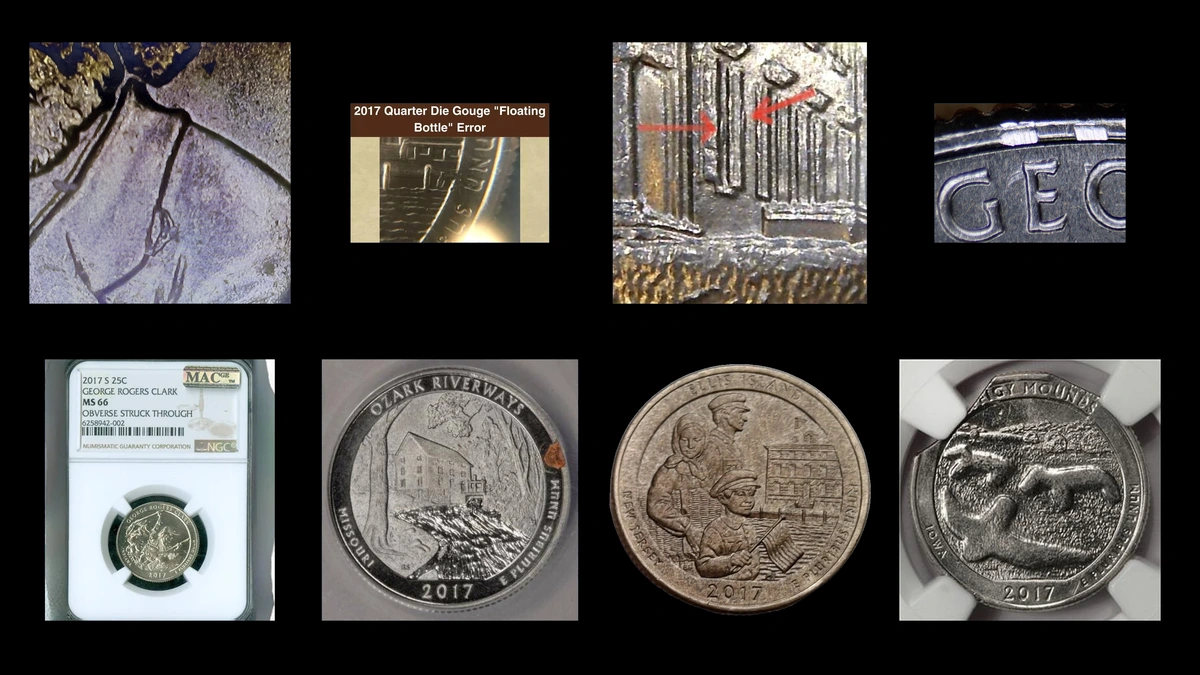
The five park designs make 2017 quarter errors easier to sort once you know which back you have. Ellis Island, for example, has different trouble spots from the Frederick Douglass design.
The types below span about $2–$1,500, from tiny raised chips to unusual collector-set pieces. A useful cloth-error comparison brought $881.25 in January 2017, but that sale involved a 1776–1976 quarter.
Begin with the pictures and lettering, then check the edge, color, and overall shape.
1. 2017 Quarter Raised Lines or Lumps: Die Cracks, Chips, and Cuds Error
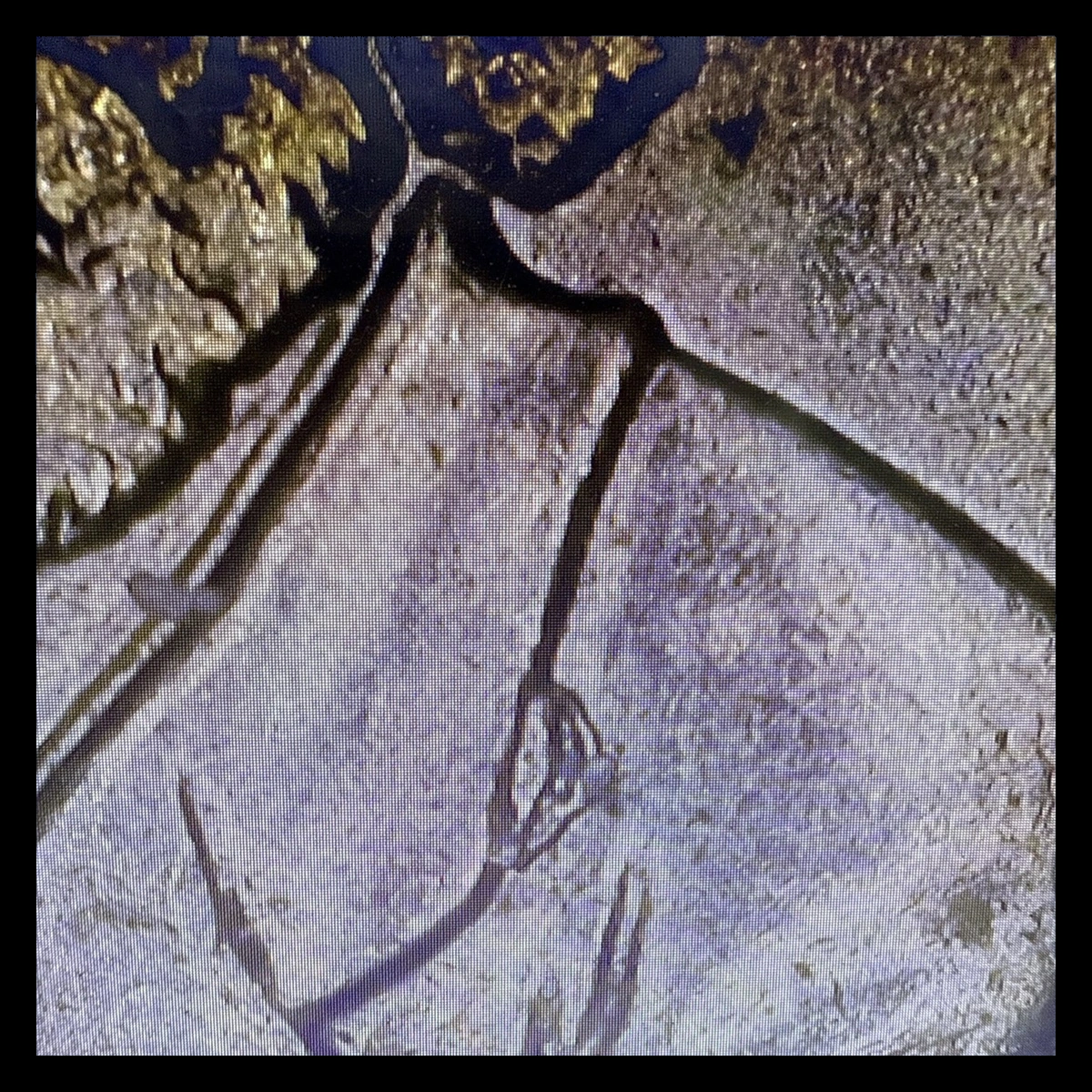
A little bump may be extra coin metal that filled a hole in the striking die. A cracked die can also leave a thin raised line.
Reports cover all five 2017 designs, including a chip at the Ellis Island hat brim and lines near the Ozark portrait base. A larger broken area that reaches the rim is called a cud.
How to Identify
Use a normal example of the same park design to separate artwork from extra metal. A die crack stands above the surface; a scratch usually cuts into it.
Check whether a blob touches the rim before calling it a cud. The reported Philadelphia George Rogers Clark rim breaks and Denver interior chips should not be treated as identical features.
What It’s Worth
$2–$250 covers the small die breaks through larger rim cuds. Fine cracks and chips generally fall around $2–$30, while stronger cuds can fit $30–$250.
A clear, easily seen break attracts more interest than a mark that needs heavy magnification.
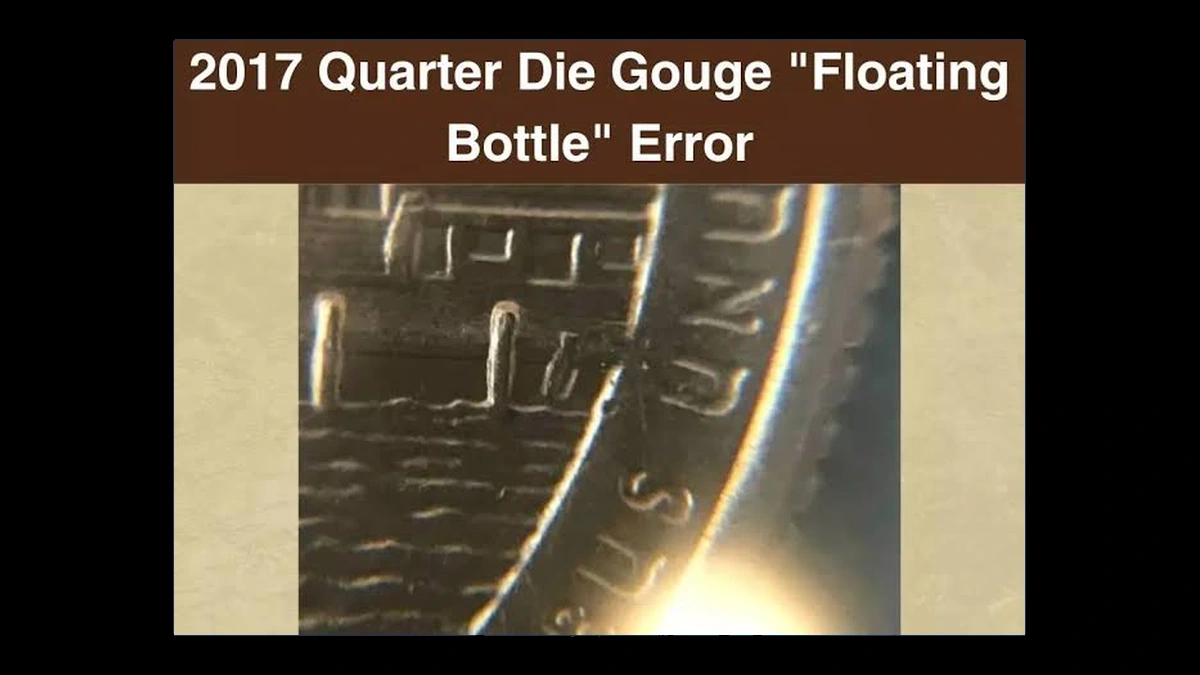
2. 2017 Quarter A Bottle Shape in the Water: Ellis Island Die Gouge Error
The Denver Ellis Island “Floating Bottle” gets its nickname from a small raised shape in the water. It is extra metal from a mark in the die, not a bottle added to the original artwork.
How to Identify
First find the D mintmark and the Ellis Island family scene. Compare the raised shape with a clear photograph of the reported example.
Look for a clean outline formed in the coin itself. Dirt, a dark stain, or a cut in the surface does not establish this die gouge.
What It’s Worth
$5–$100 is a useful range for this reported feature. The recognizable outline and the condition of the surrounding design matter more than the nickname alone.
3. 2017 Quarter Extra Window Bars or Letter Edges: Doubled Dies Error
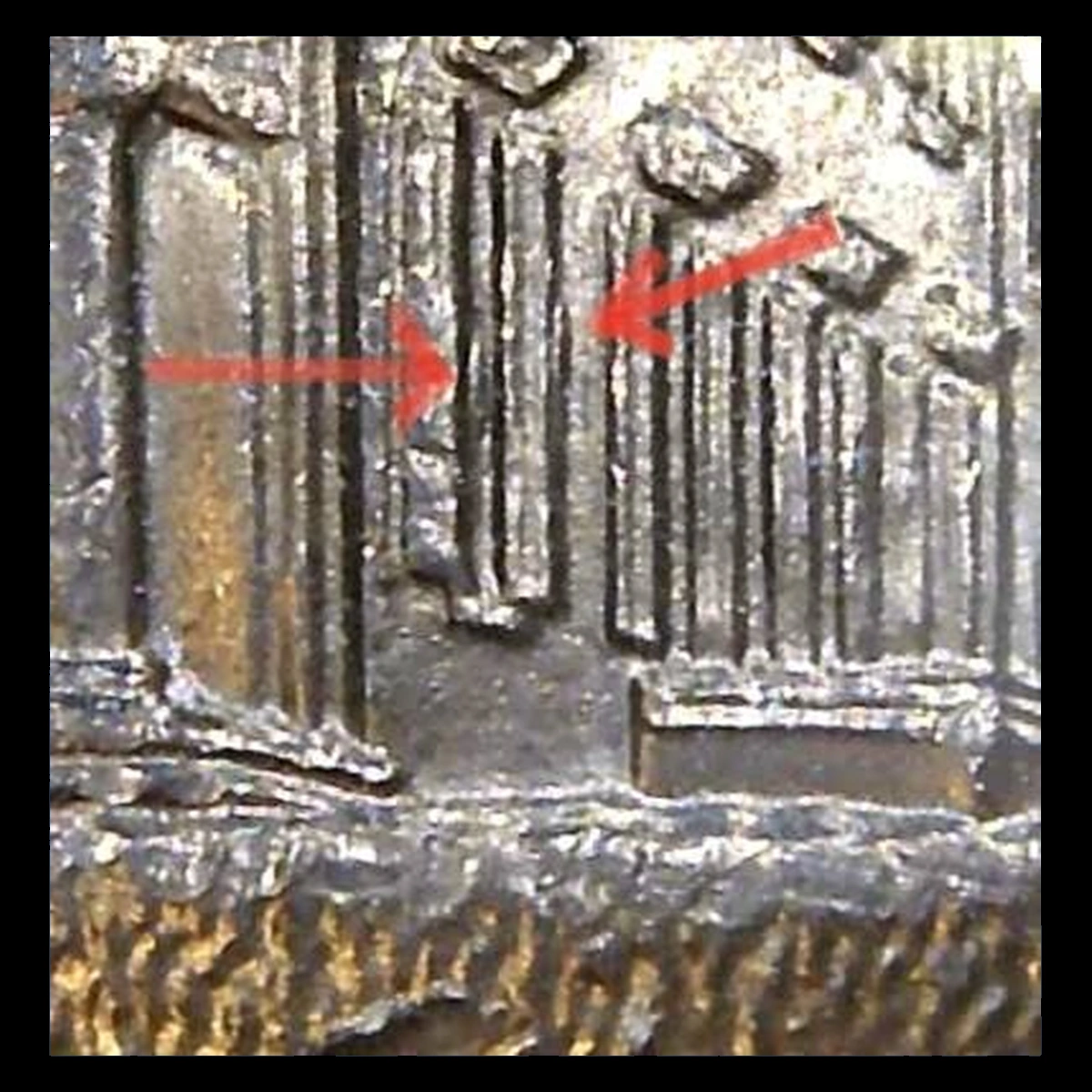
Small design details are worth a second look on these quarters. Reported examples include extra bars in the Philadelphia Frederick Douglass house windows and doubling around Philadelphia Ozark window stones or trees.
A doubled die carries a doubled part of the design before it strikes the coin. Other 2017 reports involve front lettering, so the important area depends on the particular coin.
How to Identify
Keep the design, mint, and doubled area together when matching a photograph. A Douglass window example cannot identify an Ozark coin.
For the Ozark design, the supplied doubled-die listings are a useful comparison. Clear extra design contours deserve closer study, while thin, flat shelves may come from movement during striking.
The reported George Rogers Clark lip doubling is disputed and should not be accepted from the lip shape alone. It needs a match to a supported die example.
What It’s Worth
$10–$300 covers the reported doubled-die group. Strong, matched examples belong above faint or poorly supported doubling.
4. 2017 Quarter Sunken Repeated Letters: Ejection Impact Doubling Error
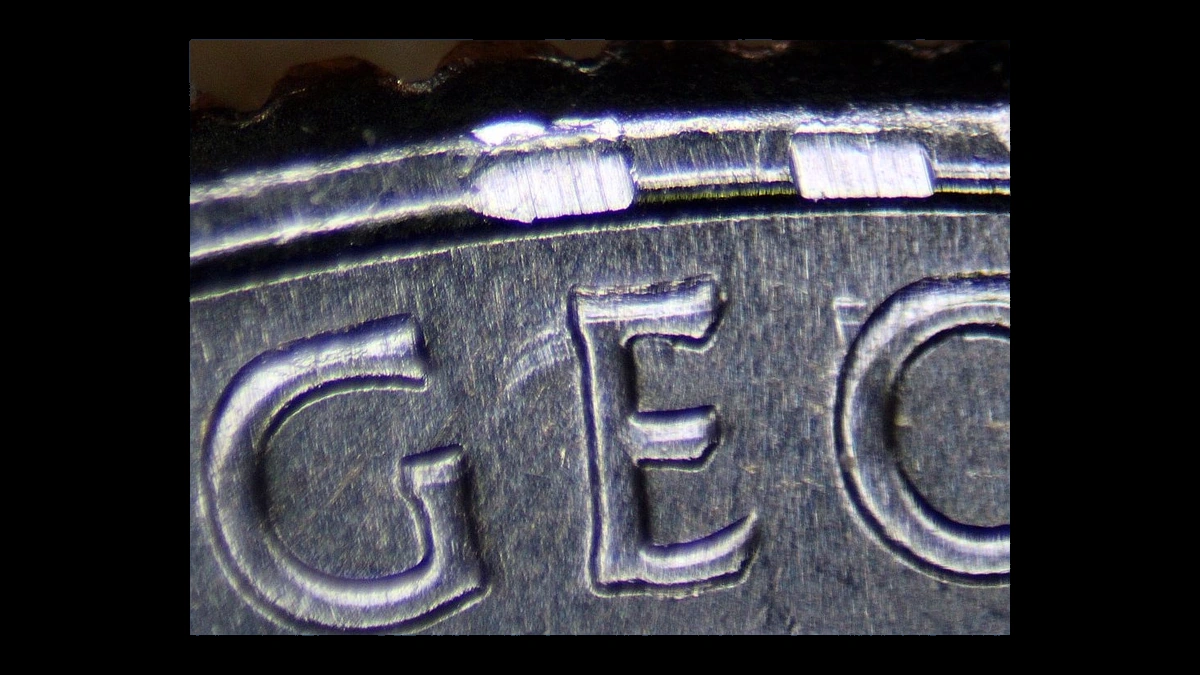
Some Philadelphia quarters struck the retreating die while leaving the press. This contact can leave another impression in the lettering, a problem called ejection impact doubling.
The documented Douglass example has an extra S toward the center from DOUGLASS. A separate George Rogers Clark example shows smeared letters near the rim.
How to Identify
Turn the coin under a light and check whether the repeated mark is recessed. Its depth helps separate this contact mark from a normal raised doubled-die detail.
Compare the affected lettering with the corresponding example in Error-Ref’s explanation. An isolated exit impact does not mean the whole coin received two complete strikes.
What It’s Worth
$10–$100 is the working range for this group. A readable repeated letter and a clear match to the documented mechanism make the coin easier to sell.
5. 2017 Quarter Missing Detail or Fabric Texture: Struck Through Material Error
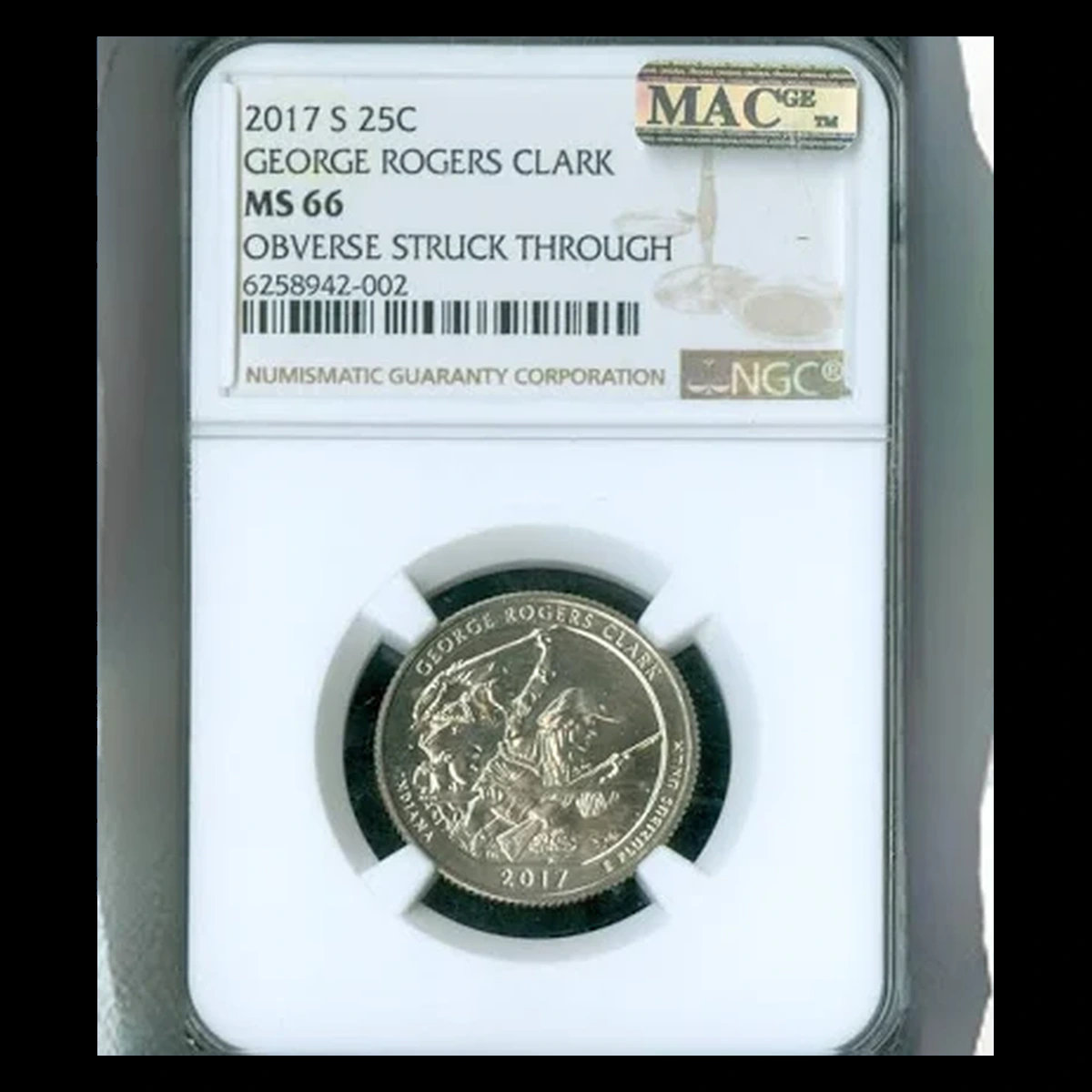
The George Rogers Clark reverse can show a cloth-like texture near the river-crossing scene. Material caught between a die and a blank blocks the normal design and may leave its own pattern.
Other reports include a blocked Washington front on a Philadelphia Douglass quarter and marks on Ozark and Ellis Island coins. These do not all identify the same material.
How to Identify
For a cloth claim, look for an organized weave instead of scattered scratches. Grease more often leaves a weak or missing patch without a woven pattern.
The nearby design should help show where the obstruction acted. On an Ozark coin, do not use a front-side mark as proof of a separate missing-mill feature on the back.
Leave any embedded material in place. Pulling it out removes part of the evidence and can damage the coin.
What It’s Worth
$10–$750 covers the usual range here. Small grease effects may bring $10–$150, while clearer cloth or other material impressions can fit $50–$750.
A cloth-struck 1776–1976 quarter graded NGC MS66 sold for $881.25 in January 2017. That is an older-coin comparison, not a recorded sale of the 2017 Clark error.
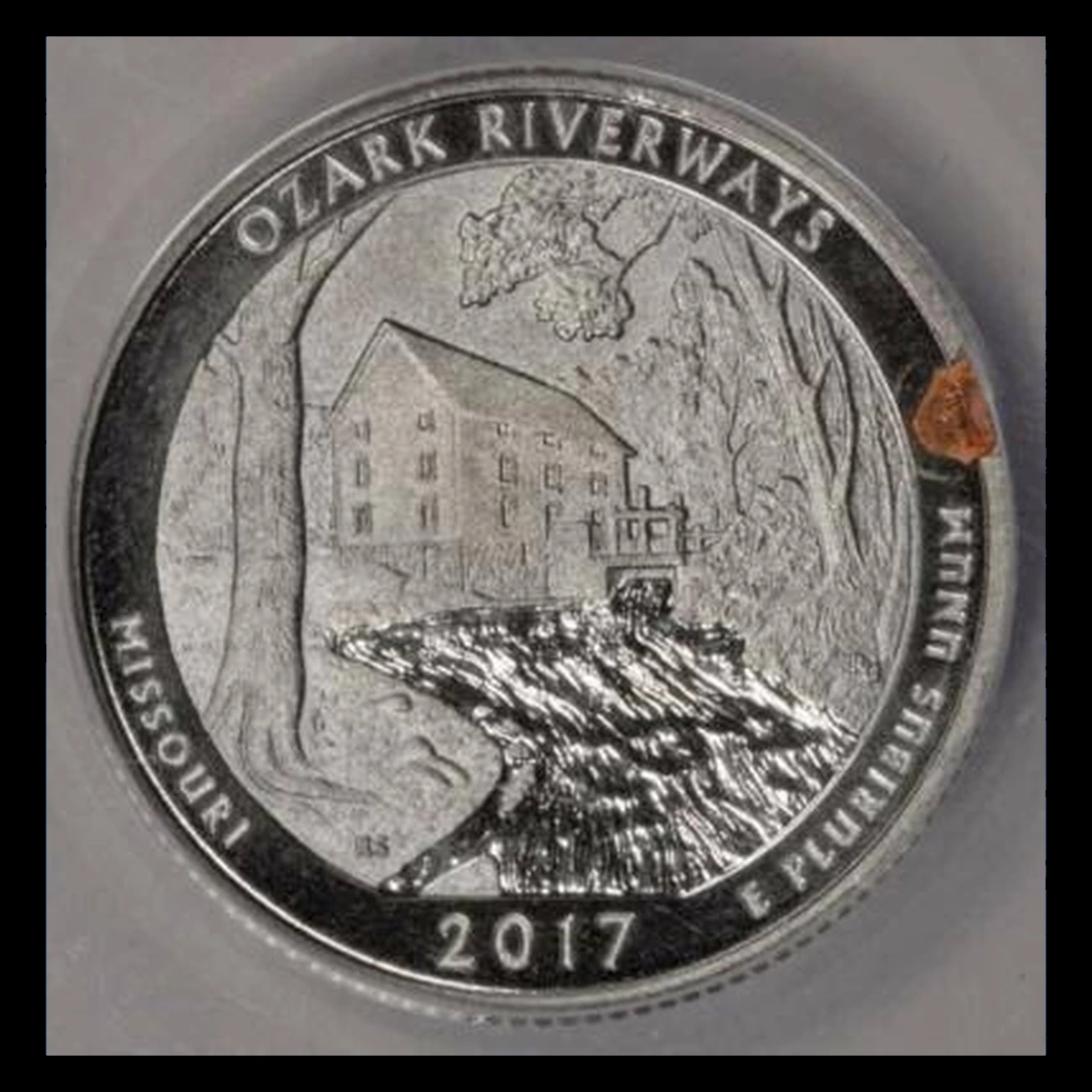
6. 2017 Quarter A Flaw on a Collector-Set Coin: Ozark Defective Blank Error
A 2017-S Ozark quarter graded ANACS EU69 has a reported blank defect near the right reverse rim. EU describes the enhanced uncirculated collector finish, which has deliberate contrast between parts of the design.
The attribution identifies a defective blank without establishing one exact cause. It should not be rewritten as a specific crack or missing layer without that evidence.
How to Identify
Confirm the S mintmark and enhanced uncirculated finish before comparing the rim area. A normal Proof or a circulation coin has a different appearance.
Look at the documented flaw beside an undamaged coin of the same finish. Keep the attributed example in its holder so the defect and grade remain tied to that coin.
What It’s Worth
$100–$1,500 is an estimated collecting range for this unusual example. EU69 indicates very high preservation, which can matter greatly on a collector-set error.
The supplied record has no auction price for this specimen. The range is a guide, rather than a reported sale result.
7. 2017 Quarter An Unusual Overall Color: Improper Annealing Error
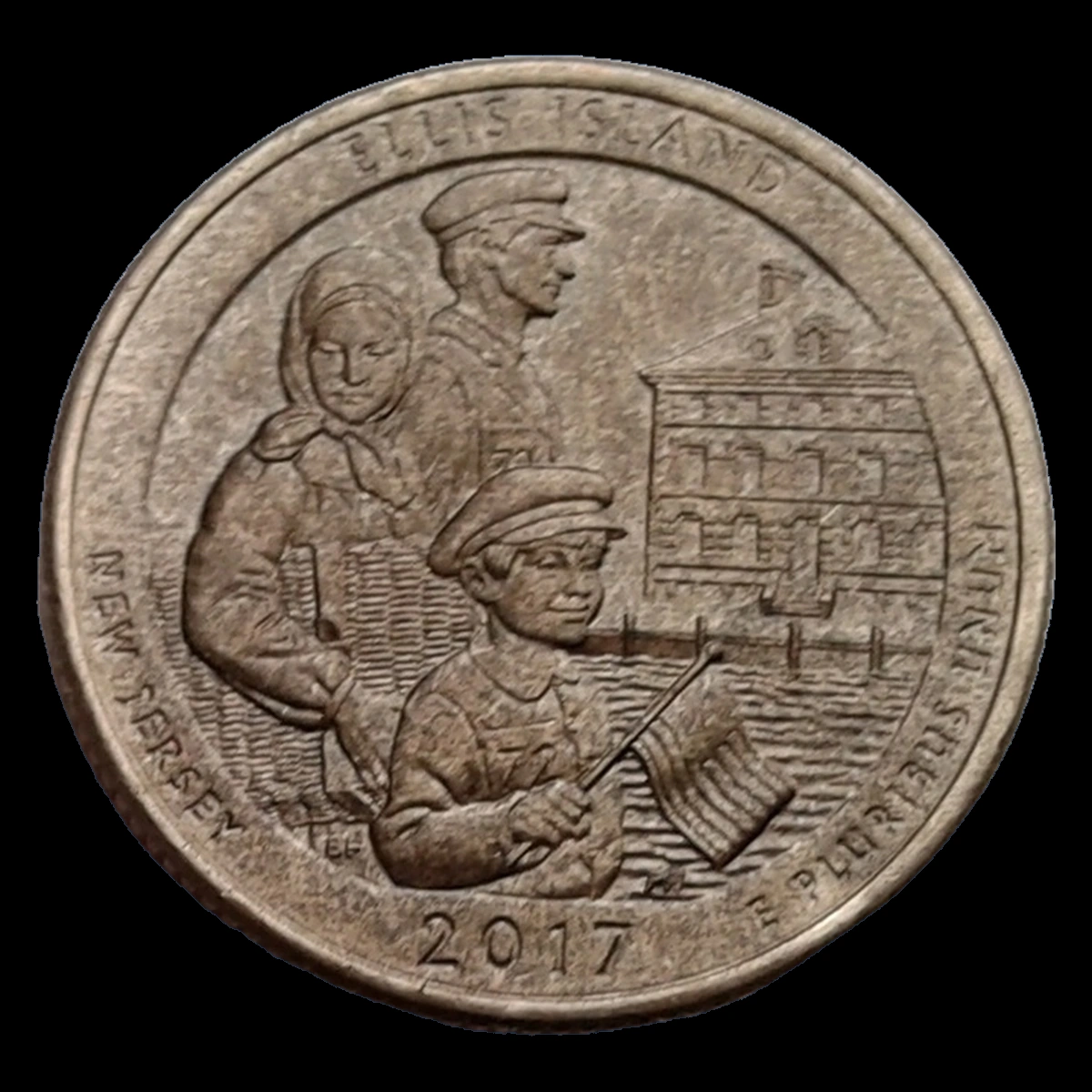
A Denver Frederick Douglass quarter is reported with improper annealing. Annealing is the heating step used to soften blanks before they are struck.
A problem at that stage can affect the surface color. Later chemicals or heat can change a coin’s color too.
How to Identify
Inspect the colored surface under neutral light and check the edge. Intact outer layers help separate this claim from an actual missing-clad-layer error.
Color by itself cannot prove a mint heating problem. Avoid cleaning the surface, which can remove useful signs of its history.
What It’s Worth
$25–$300 is the estimated range for an authenticated example. A 2009-P Native American dollar with an annealing error brought $61 in November 2011.
That sale supports the broader error class, but it involved another denomination. The 2017 quarter’s appearance and attribution still determine its place in the range.
8. 2017 Quarter A Copper-Colored Patch: Missing Clad Layer Error
A Philadelphia Effigy Mounds quarter is reported with part of its front outer layer missing. The copper core beneath the silver-colored surface can become visible where that layer is absent.
An Ozark report also belongs to this category, but its supplied description does not specify the mint or affected face. Those details should not be borrowed from the Effigy Mounds coin.
How to Identify
Examine the boundary between normal surface and exposed core. A stain changes color without necessarily removing metal, while harsh stripping can leave damage.
A normal clad quarter weighs about 5.67 grams, though partial layer loss can reduce that by different amounts. The 6.25-gram 2017-S silver Proof is a different normal product, not evidence of this error.
What It’s Worth
$50–$700 is the working range for confirmed layer loss. A larger, clearly original missing patch can bring more than a small loss near the edge.
For comparison, a 1988-D quarter missing its front layer sold for $156 in November 2020. That NGC MS62 coin weighed 4.8 grams; neither its weight nor grade belongs to the 2017 example.
9. 2017 Quarter A Curved Piece Missing: Clipped Planchet Error
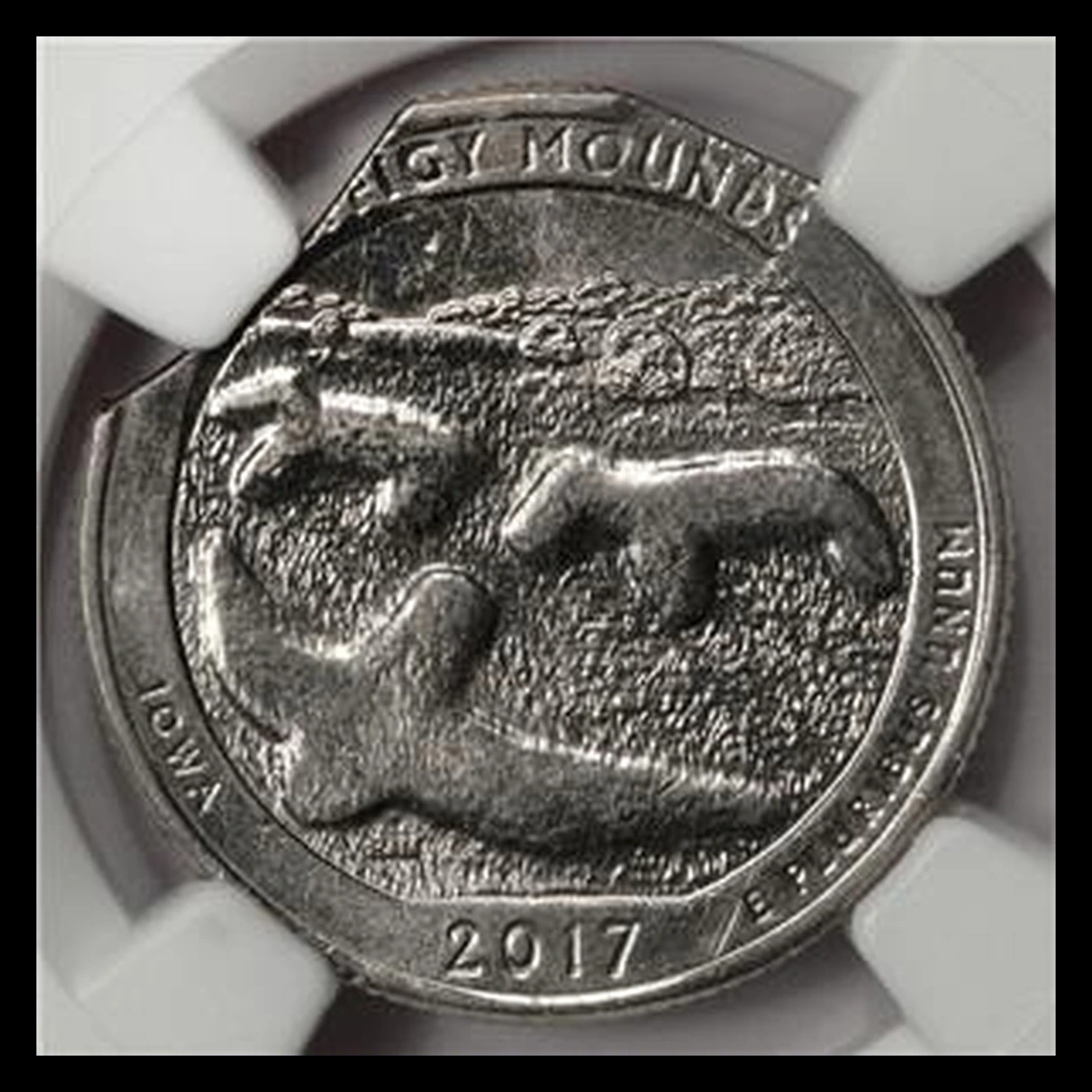
The Effigy Mounds records include a Denver single curved clip graded ANACS MS64 and a separate double curved clip graded NGC AU58. These gaps came from incomplete blanks, called planchets.
The Denver example weighs 5.38 grams. That measurement applies to the single-clip coin only.
How to Identify
Follow each curve to its two ends and examine how the rim meets the missing area. Original metal flow and naturally rounded transitions support a mint-made clip.
Fresh cutting marks or a sharply worked edge suggest later damage. The rim opposite a clip may be weak, but that feature is not required on every genuine example.
What It’s Worth
$25–$400 covers smaller clips through more striking multiple gaps. A readable date, attractive surfaces, and the size of the missing section affect demand.
A 1980-P corner-clip quarter graded NGC MS65 brought $204 in June 2023. It is a different date and clip shape, so it serves as a general comparison.
10. 2017 Quarter A Step around the Edge: Partial Collar Error
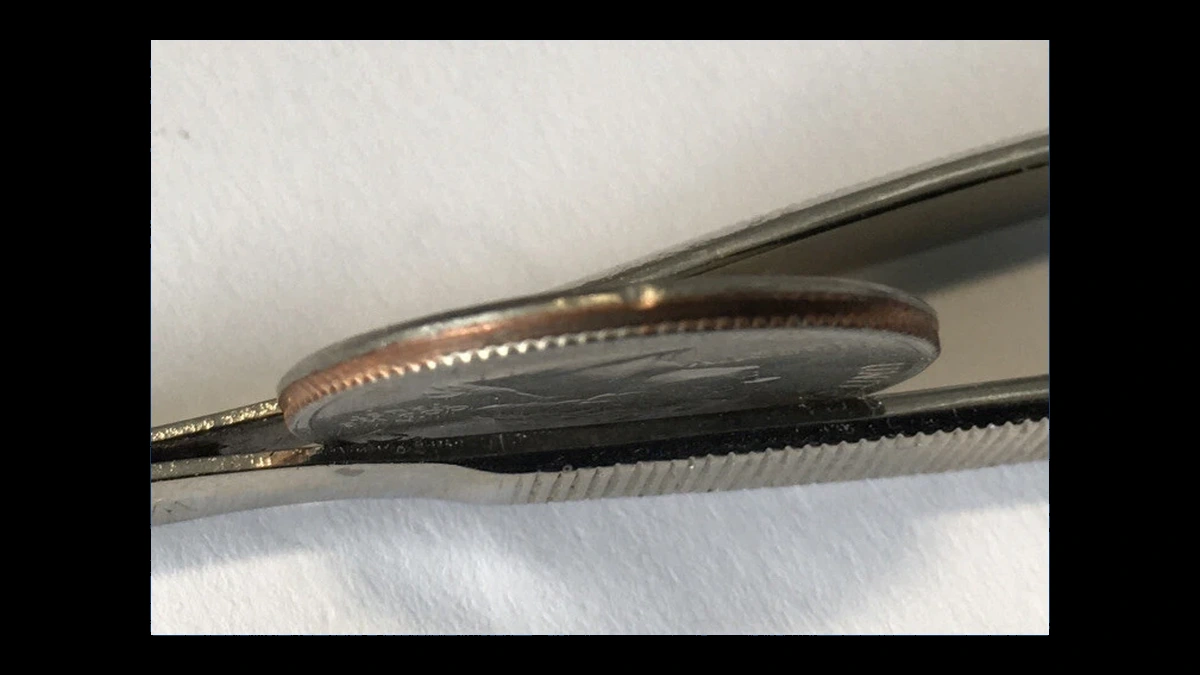
A collar is the ring that controls a quarter’s edge during striking. When the blank is only partly inside that ring, the unsupported metal can spread and leave a step.
The supplied 2017 partial-collar examples are George Rogers Clark and Ellis Island quarters. Their edge structure matters more than how wide they appear from above.
How to Identify
View the edge from the side, rotating the coin slowly. Look for a change between the area held by the collar and the area that expanded outside it.
A folded or battered rim can also look uneven. Check for a struck step with an orderly transition instead of crushed metal and impact marks.
What It’s Worth
$25–$300 is an estimated range for these partial-collar quarters. A bold step and a clean edge photograph make the error easier for a buyer to judge.
11. 2017 Quarter Both Designs Complete on a Wide Coin: Broadstrike Error
A broadstrike happens when the blank is struck without the collar holding its edge. The metal spreads outward while the main design can remain complete.
The Effigy Mounds broadstrike in the supplied list is a possibility awaiting confirmation. An unusually wide coin alone does not establish it.
How to Identify
Compare the outline with a normal quarter, about 24.26 millimeters across. Check that both faces retain their full designs and that the extra metal forms a natural struck margin.
A flattened coin may also become wider, but its design and surfaces often show damage. If only Washington is shifted while the back is centered, consider the next category instead.
What It’s Worth
$50–$350 is a guide for a genuine 2017 broadstrike if confirmed. It is not an established sale range for a verified Effigy Mounds specimen.
A 1984-P broadstrike graded PCGS MS65 sold for $169 in December 2025. That older quarter provides a useful example of the broader market.
12. 2017 Quarter Washington Shifted but the Back Centered: Misaligned Die Error
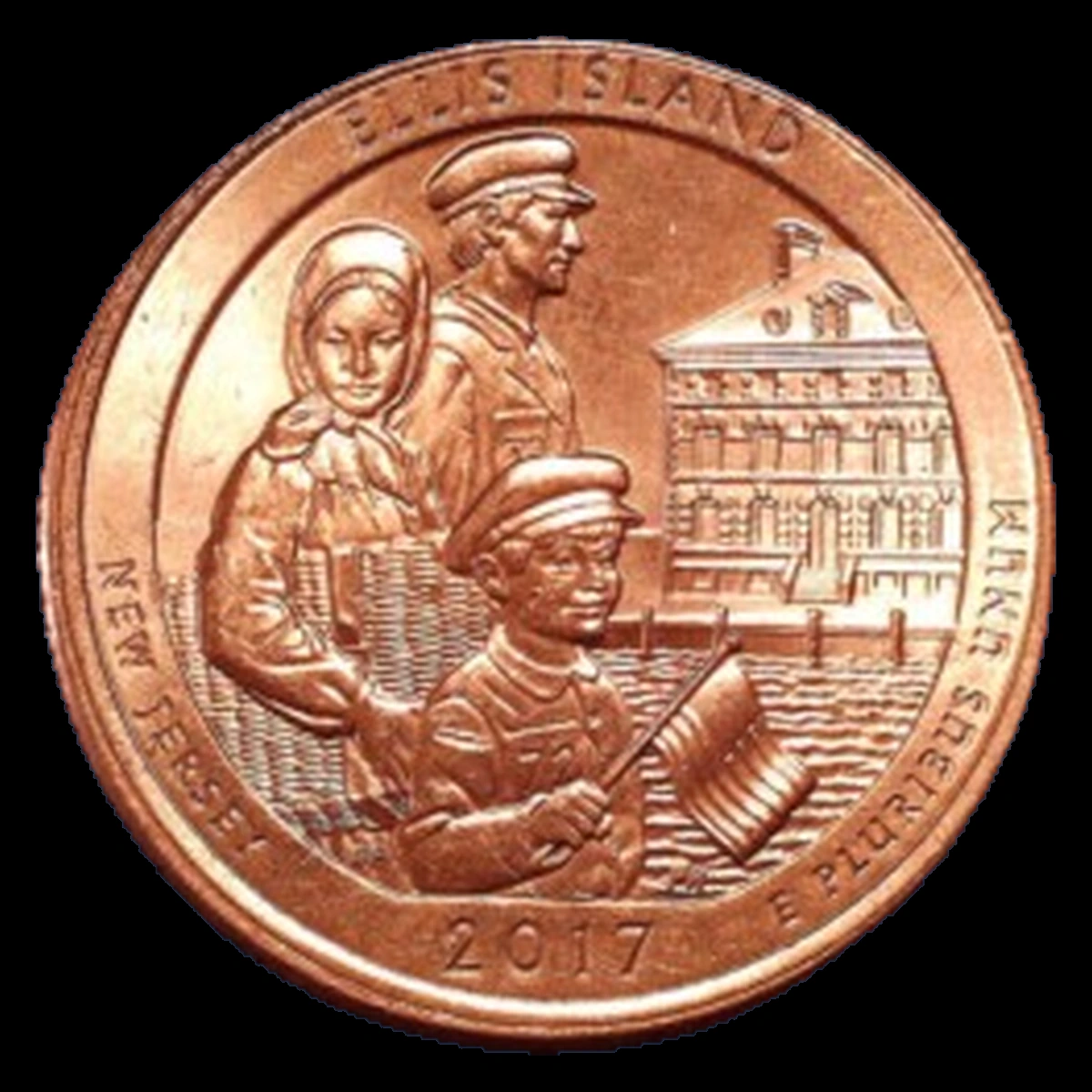
The Ellis Island misaligned-die report concerns a front that sits off-center while the back remains centered. One die was out of position relative to the coin.
How to Identify
Compare the rim space around Washington with the rim space around the family scene. A strong difference between the two faces supports die misalignment.
See whether the design and lettering are still present. Do not label the coin an off-center strike simply because one rim looks wider.
What It’s Worth
$5–$75 is a practical range for a noticeable misalignment. A barely uneven rim usually carries less interest than a clear shift visible without magnification.
13. 2017 Quarter Both Faces Shifted with a Blank Crescent: Off-Center Strike Error
A reported Denver Ellis Island quarter was struck about 10% off-center. The blank was not correctly positioned between the dies, leaving part of it outside the design.
How to Identify
Look for a plain original crescent together with a shifted design on both faces. Check the 2017 date, D mintmark, and Ellis Island scene when enough of the design remains.
A ground-down edge does not create the same undisturbed blank area. The smaller 10% displacement also should not be illustrated with a much more dramatic coin and called the exact example.
What It’s Worth
$30–$1,000 covers modest through major off-center examples of this date group. A 10% shift generally belongs toward the lower end, while a much larger shift with a readable date can attract more interest.
A 1988-P quarter struck 30% off-center sold for $109 in January 2022 at ANACS MS63. Its percentage and sale price are comparison details, not measurements or a sale record for the Ellis Island coin.
Conclusion
Start by naming the park design, then locate the feature on the front, back, or edge. That simple step keeps a Douglass window variety separate from an Ellis Island strike error.
Photograph both faces and any unusual edge before handling the coin further. A clear raised line, woven impression, missing layer, or blank crescent provides a much better starting point than an unusual color or nickname alone.