Rare 1828 Quarter Errors (List & Pictures)
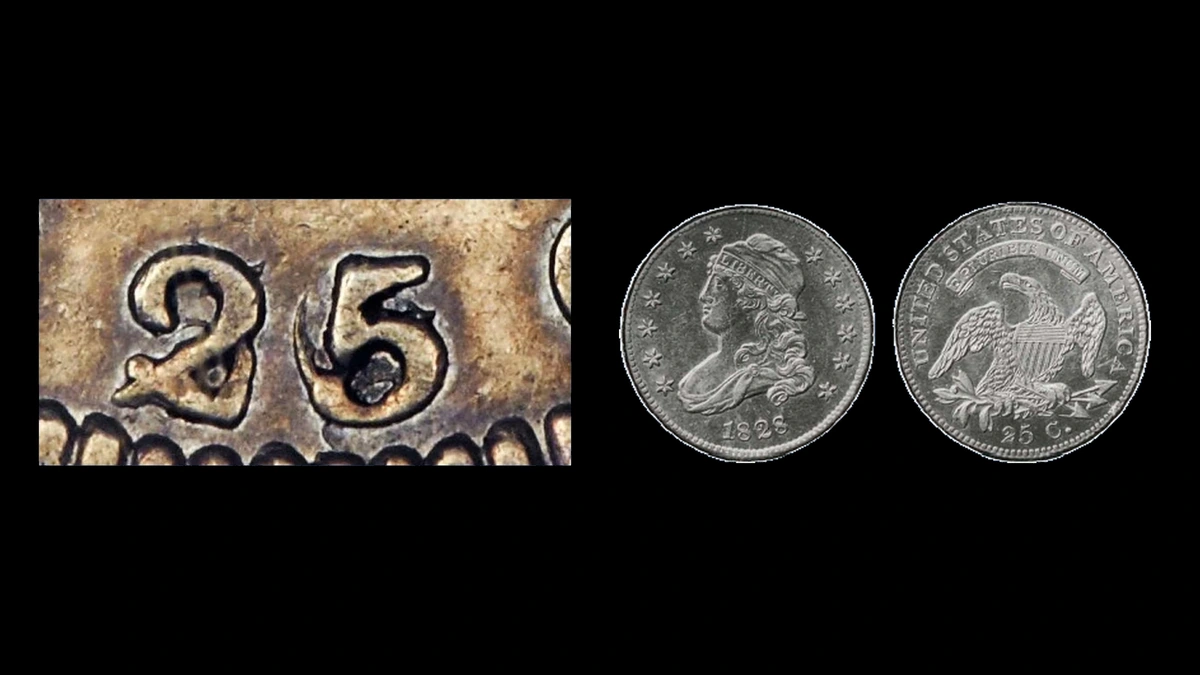
Traces of 50 beneath an 1828 quarter’s value do not turn it into a half dollar. They record a correction made while preparing the die.
That famous 25/50 variety leads the prices for 1828 quarter errors: an exceptional example brought $352,500 in November 2013. Estimated whole-coin ranges across the features below span $150–$360,000.
Read the denomination first, then compare the reverse lines, front stars, and any missing edge section.
1. 1828 Quarter Older Numbers beneath 25 C: The 25/50 Denomination Error
The Browning-3 variety has remnants of 50 underneath the corrected 25. The person preparing the die first entered a half-dollar value, then changed it to a quarter-dollar value.
The same reverse die had already made quarters dated 1822 before returning to use in 1828. Coins from it copied the overlapping numbers.
The piece remains a quarter struck on quarter-sized stock. It is not a half dollar that was reduced and struck again.
How to Identify
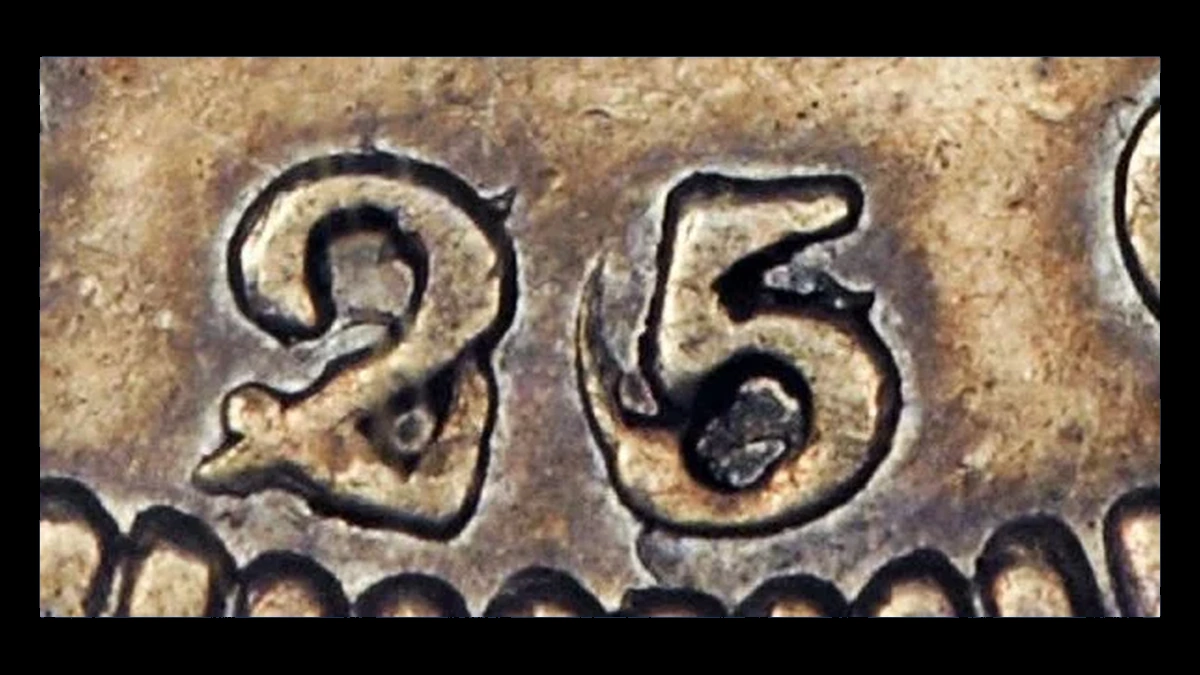
Enlarge the area beneath the eagle and follow the older strokes under both digits of 25. Compare their positions with a clear 25/50 reference coin.
The remnants should form parts of the earlier numbers rather than random scratches around the value. Move the light to check the actual raised shapes.
Keep the complete 1828 date in the photo set. A close-up of the reverse correction alone cannot distinguish this year from the earlier 1822 use of the die.
What It’s Worth
$1,000–$360,000 is the estimated whole-coin span from worn identifiable pieces to an exceptional top-grade example. The broad range reflects enormous differences in preservation.
The Newman coin graded NGC MS67★ sold for $352,500 in November 2013. That grade indicates outstanding preservation without circulation wear.
A clear correction on a worn coin does not reproduce the record specimen’s quality. Compare surfaces and remaining detail as well as the visible 25/50.
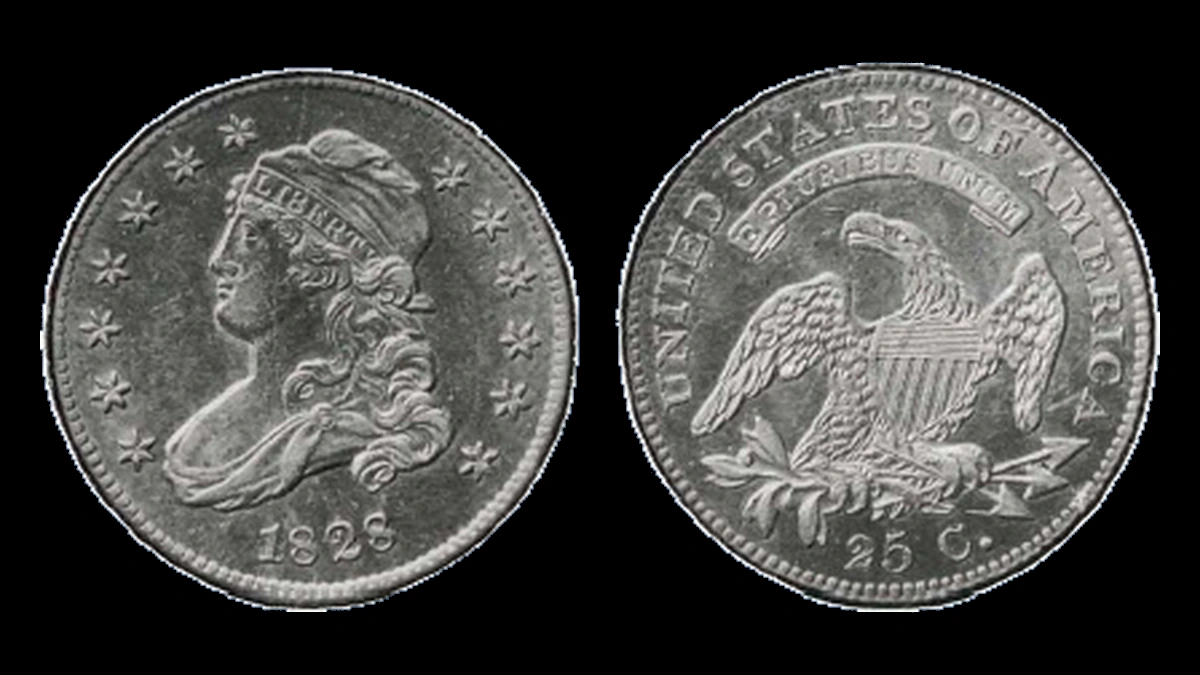
2. 1828 Quarter Lines by the Ribbon or Small Lumps: Die Cracks and Chips Error
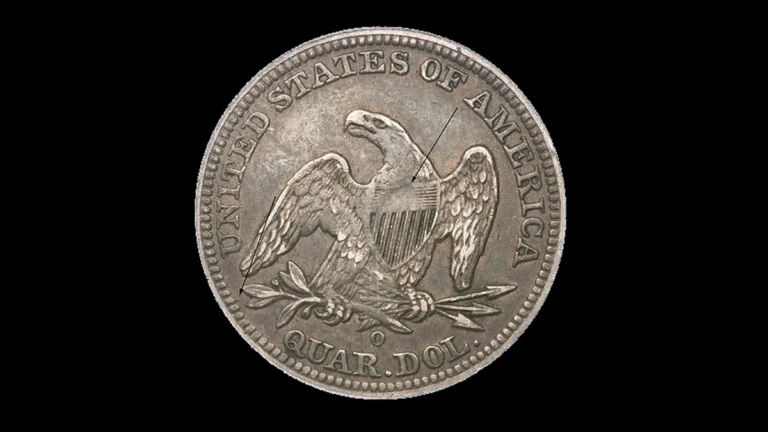
On Browning-1, raised lines run from ED in UNITED toward the eagle’s ribbon and from the ribbon toward AME. Silver filled cracks in the stamping tool and formed the ridges.
Later examples add a lower-left crack through U and two leaf tips. Browning-2 instead has an arrowhead spur and a lump between the S in STATES and the ribbon’s S.
Those small lumps reflect recesses in the die. They do not establish a large rim-connected break.
How to Identify
Choose the comparison that fits the mark: thin ribbon-area lines for Browning-1, or the specific spur and lump for Browning-2. Do not combine both sets into one required pattern.
The later Browning-1 lower-left line passes through U and the leaf tips without touching the wing. Earlier stages need not show every later crack.
Use low light to see whether the feature stands above the silver. A sunken groove or edge dent has a different cause even when it lies near the same lettering.
What It’s Worth
$150–$5,000 is the estimate for recognizable examples from worn through attractive, lightly worn condition. The underlying early quarter and its die variety account for much of that value.
Clear raised marks make identification easier, and Browning-2’s features can help establish a scarcer variety. Cleaning and edge damage still reduce the usefulness of higher-priced comparisons.
3. 1828 Quarter Tiny Extra Edges on Two Stars: Repunched Stars Error
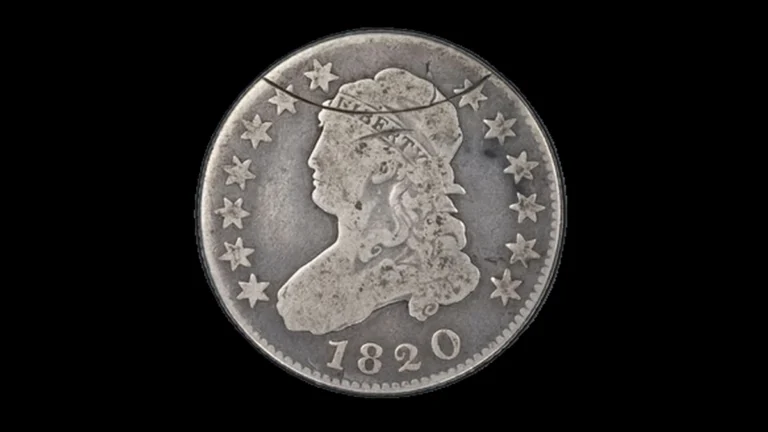
Stars ten and eleven, to Liberty’s right, show slight repunching on the front die described for Browning-1. A repeated star punch left a little of an earlier position visible.
The same front die was paired with several reverses. Its stars do not identify the complete front-and-back variety by themselves.
How to Identify
Count from the lower-left star around Liberty before examining stars ten and eleven. This keeps the close-up on the correct pair.
Compare both under the same side lighting and look for a small raised edge attached to the star design. A shifting shadow or general thickness around every star is not the same evidence.
Wear may soften or hide the small remnants. Check the reverse separately before naming the full die pairing or claiming the valuable 25/50 variety.
What It’s Worth
$150–$5,000 is a practical whole-coin estimate for worn through attractive, lightly worn pieces with recognizable star details. Condition contributes heavily to the range.
The tiny star feature alone does not command the record denomination-error price. That comparison requires the matching 25/50 reverse and its own condition assessment.
4. 1828 Quarter A Gap near Four O’Clock: Clipped Planchet Error
A historical Browning-2 listing describes a Mint clip at four o’clock on a Very Fine coin. Very Fine means moderate wear with useful remaining detail.
The brief record does not give the gap’s exact shape or size. A genuine clip means metal was missing from the blank before the design was struck.
How to Identify
Inspect the gap from both faces and from the edge. Nearby design and rim formation should fit an incomplete blank rather than a finished coin with a later notch.
Saw marks, a narrow cut, or pushed metal around the opening suggest damage. A weak opposite rim can support a clip, but its absence alone does not settle the question.
For a loose example, use the normal 6.74-gram weight and roughly 27.5-millimeter diameter as references. Measure across intact metal and allow for ordinary wear.
What It’s Worth
$500–$10,000 is the estimated whole-coin range for a confirmed circulated example. The upper end needs an especially clear, desirable clip with strong remaining detail.
The historical listing establishes an example, not a recent sale price. Without a stated size, it also cannot support a precise premium for the amount missing.
Conclusion
The denomination correction is the most striking story here, but small stars and raised reverse marks can also identify important die features. Match the front and back together before assigning a complete variety.
A clip needs a different check at the missing metal’s boundary. Keep historical descriptions separate from actual sale results, and remember that the highest quoted price belongs to an unusually well-preserved 25/50 quarter.