Rare 1886 Dollar Errors (List & Pictures)
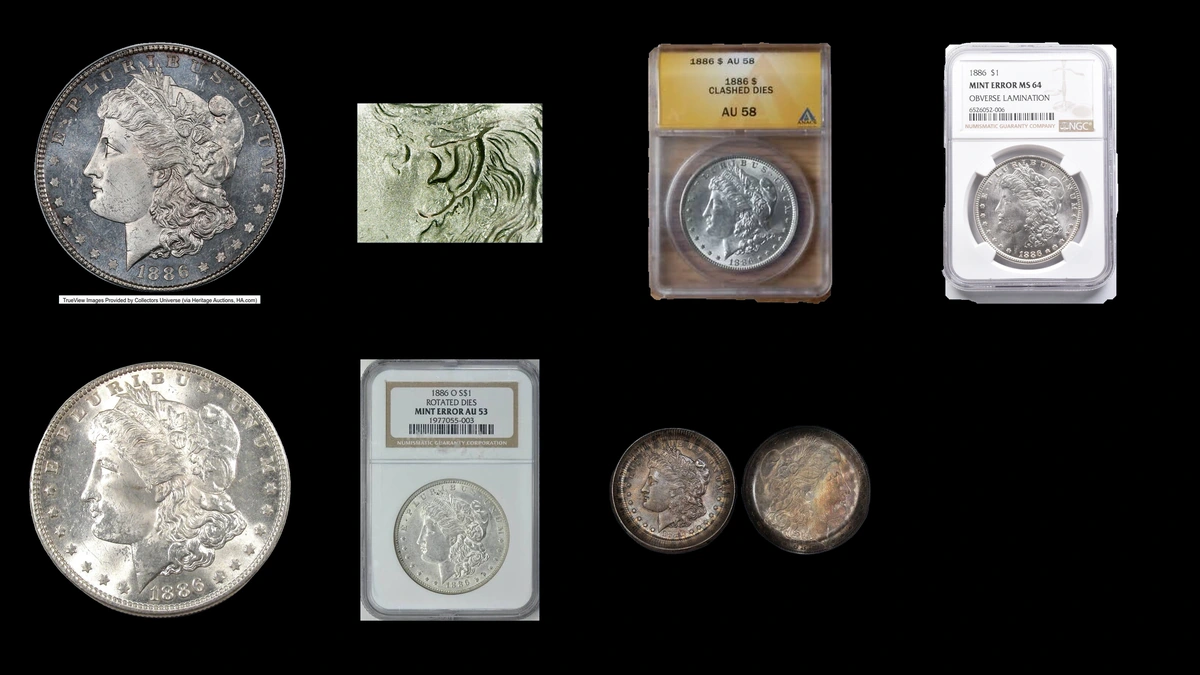
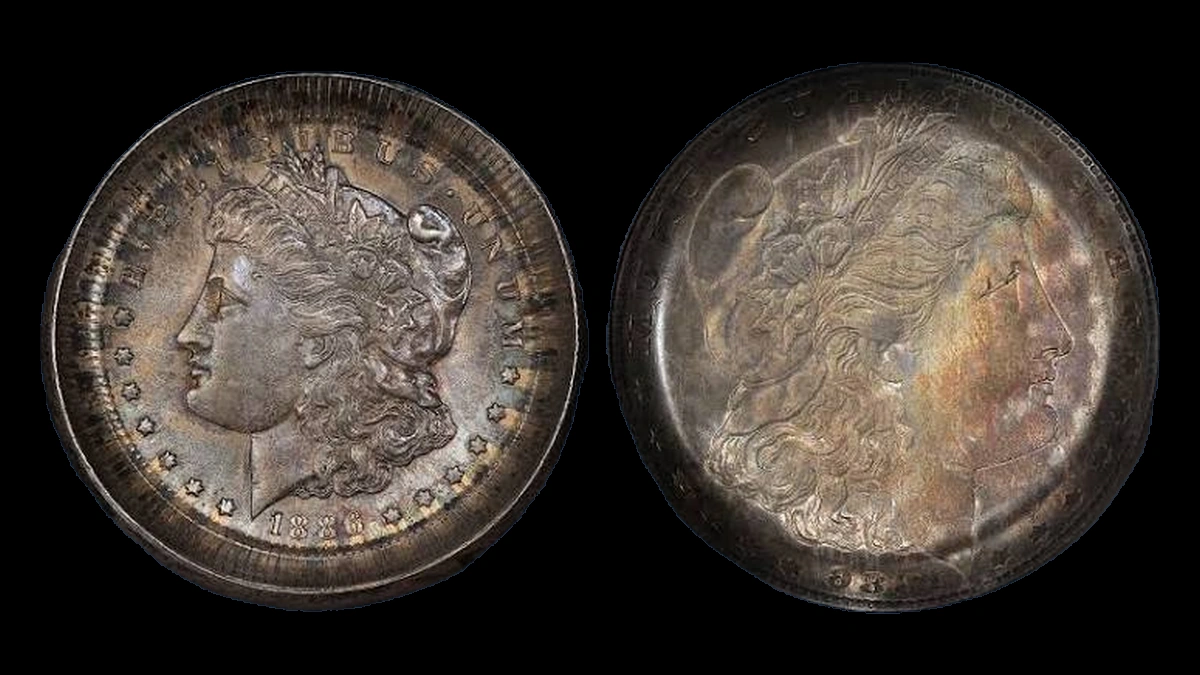
A shallow bowl-shaped dollar is the dramatic extreme among 1886 Morgan dollar errors. The Amon Carter die cap sold for $160,312 in January 2022.
Most discoveries are much smaller, such as a bar inside 6 or an extra mintmark stroke. Estimated whole-coin values span $85–$250,000; inspect the fine details first, then compare surface, edge, and shape changes.
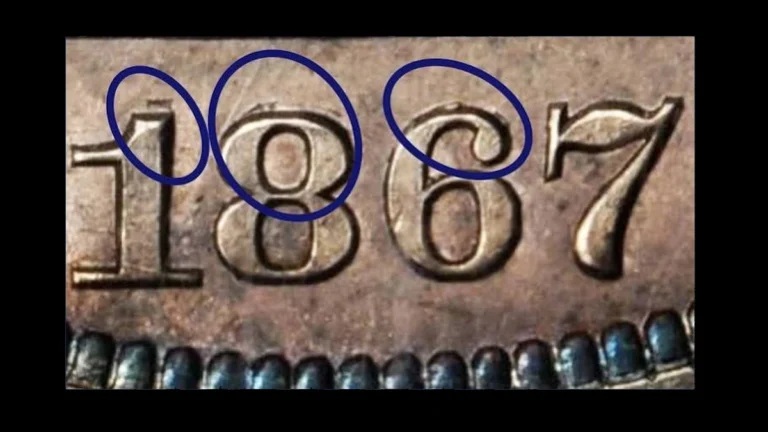
1. 1886 Dollar A Raised Bar within 6: Die Line Error
The Philadelphia Line in 6 variety has extra raised metal inside the final digit’s loop. A mark in the die filled with silver during striking.
More than one die pairing carries this feature. The bar alone does not identify every other detail of the variety.
How to Identify
Enlarge the opening inside 6 while keeping the full numeral visible. Check that the line is raised within the loop rather than a cut continuing through the date.
Move the light across its junction with the digit. Then compare the rest of the coin with the same identified die pairing.
What It’s Worth
$90–$1,000 is the estimate for matched examples from worn through attractive unworn grades. Especially high-grade coins need their own comparisons.
The supplied guide suggests a modest premium on ordinary examples. Original surfaces and a readable date can matter more than a slightly stronger bar.
2. 1886 Dollar Extra Numeral Strokes or an 8 beneath the Neck: Date-Punch Varieties Error
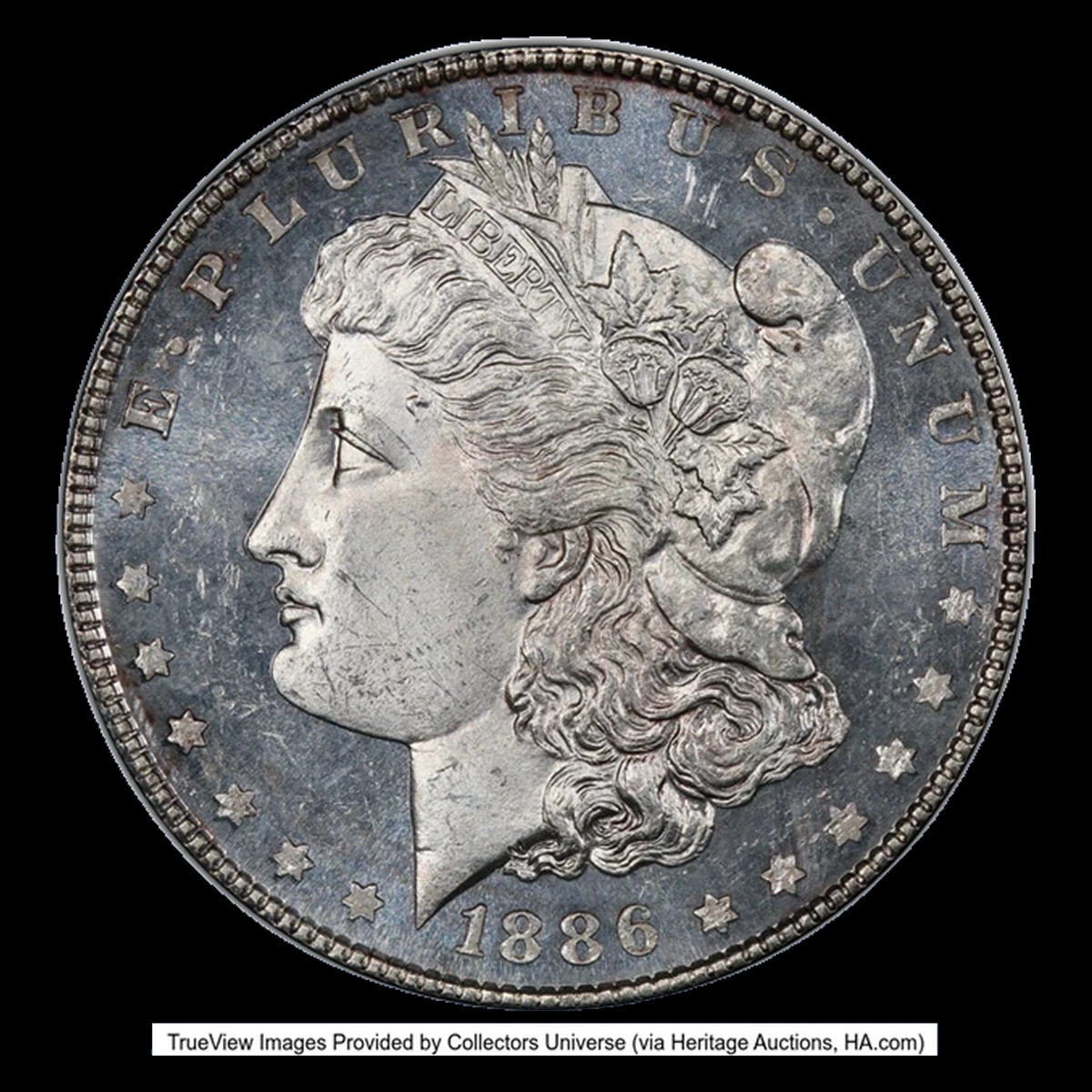
Philadelphia reports include repeated 1-and-6 detail, a separate 1-and-first-8 pattern, and a misplaced part of 8 below the designer’s M at Liberty’s neck base. The M is on the front, not in reverse UNUM.
A New Orleans example has repetition at the lower 1 together with clash marks. These are different patterns within the broad date-punching group.
How to Identify
For the misplaced 8, look directly below the small designer’s M and retain the portrait and proper date in view. Ordinary repunching instead needs a close-up of the affected numerals themselves.
Match each reported stroke to its own reference. Clash or portrait details can support a complete variety but cannot replace the required date remnant.
What It’s Worth
$100–$6,000 is the estimate for identified date-punching varieties. A guide gives roughly $400–$4,000 for Philadelphia VAM-20, but other patterns do not automatically inherit that range.
Mint, grade, and the exact variety matter. Several features on a single dollar should not be priced as several complete coins.
3. 1886 Dollar Repeated Arrows, Ear, or Motto Edges: Doubled Die Error
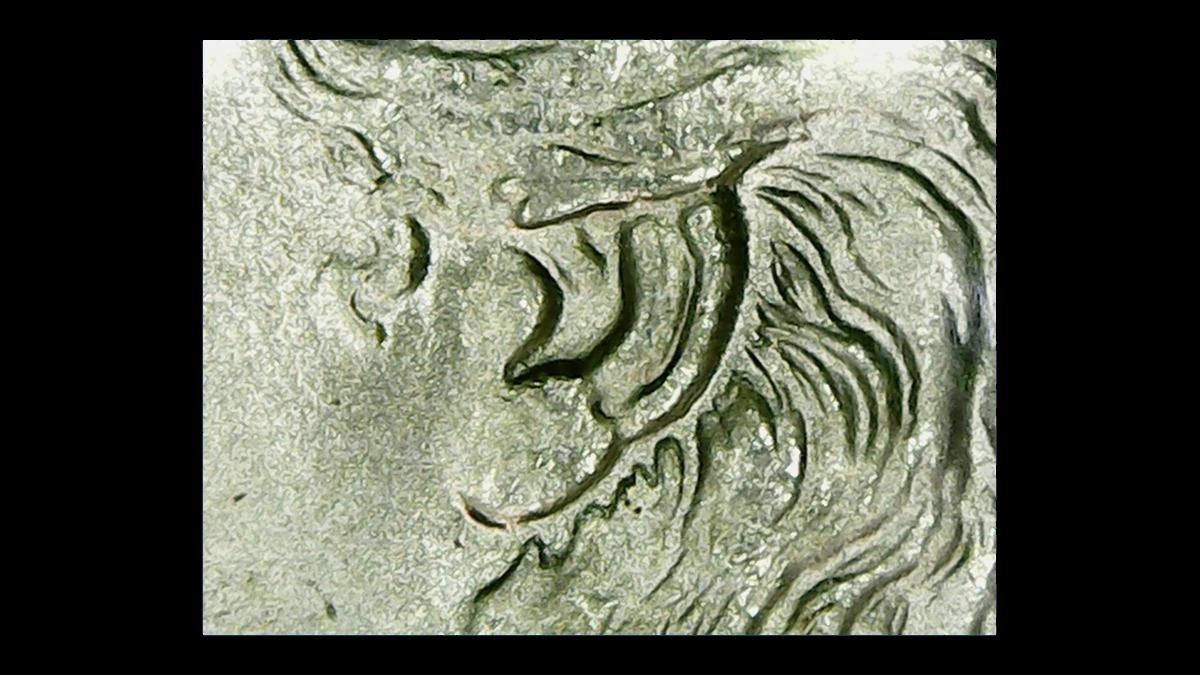
A die can carry overlapping design detail before it strikes the dollar. Reported Philadelphia patterns include doubled arrows, a slight eyelid-and-ear combination, and a separate reverse with lower TRU edges and wing-tip doubling.
The front example also has repunched date detail. That combination belongs to one variety rather than every dollar with doubled arrows.
How to Identify
Choose the relevant face and compare the correct landmarks. Wexler’s illustrated listings distinguish the eyelid and lower-ear pattern from the motto-and-wing example.
Follow matching raised contours rather than flat strike shelves or glare. A thick letter in another word does not replace the specified TRU comparison.
What It’s Worth
$100–$4,000 covers matched varieties in ordinary collector conditions. One year guide places attractive unworn doubled-arrow examples around $100–$250, with stronger condition comparisons reaching higher.
Those guide figures are not guaranteed offers. Minor eyelid separation can have different demand from an easily recognized arrow pattern.
4. 1886 Dollar Another S or O Outline: Repunched Mintmark Error
A mintmark punched into the die more than once could retain an earlier letter position. The San Francisco report describes extra strokes at the upper and lower ends of S.
New Orleans has a separate O-over-O report without a specified direction here. Philadelphia’s normal lack of a mintmark is not part of this error group.
How to Identify
Identify the letter beneath the wreath before enlarging it. For S, trace the extra end strokes; for O, use a documented O pattern rather than borrowing the S direction.
The extra shape should follow another letter, not a random lump. Leave dirt in place while recording the original surface instead of scraping for a hoped-for outline.
What It’s Worth
$100–$5,000 is the estimate for identified S/S and O/O dollars. The mint’s ordinary collector value and the coin’s preservation are part of that total.
Wear can hide the small remnants. Exceptional New Orleans condition can also explain a price beyond this general range without the mintmark being its main cause.
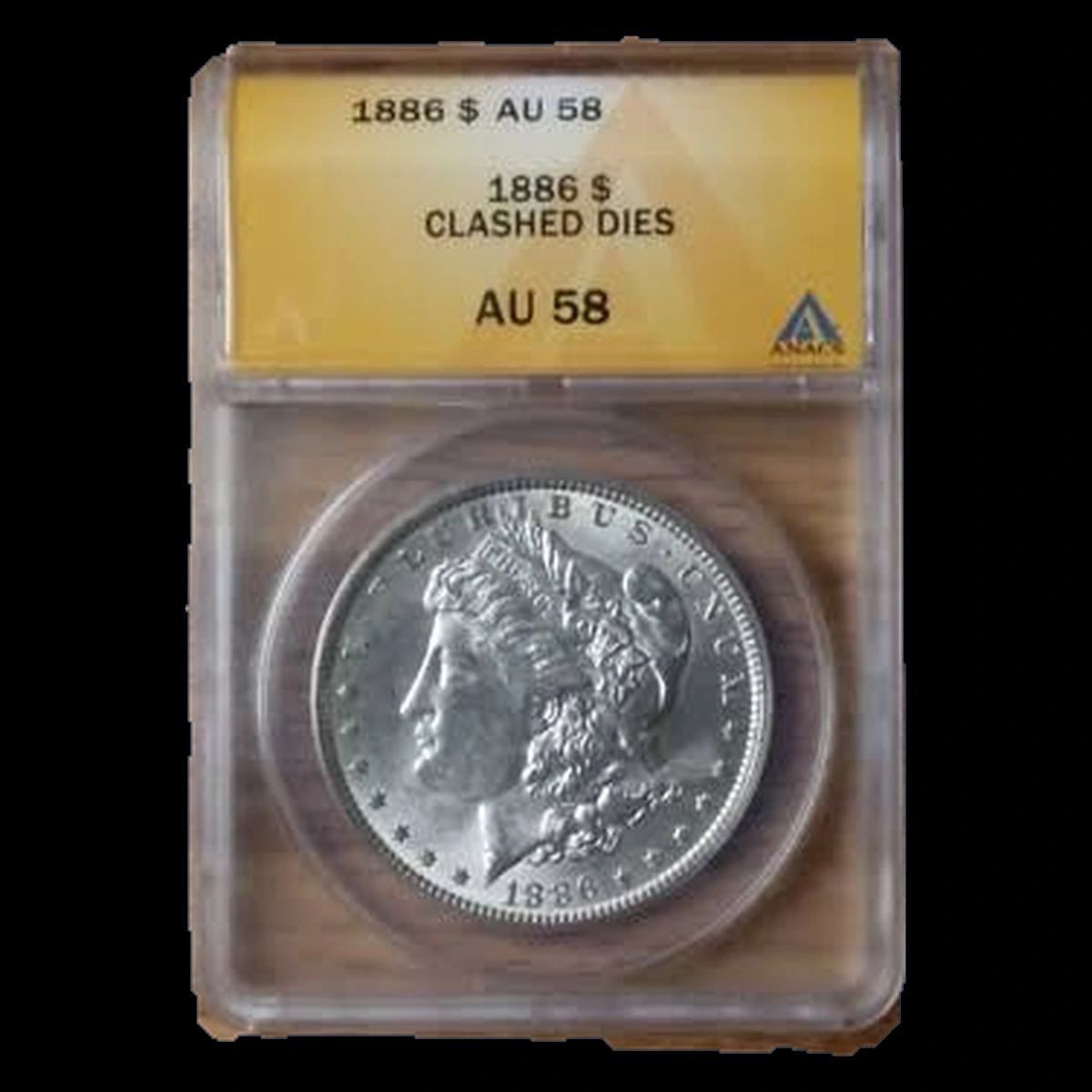
5. 1886 Dollar Transferred V, n, or E Shapes: Die Clash Error
Clashing dies can leave pieces of the opposite design on later coins. Philadelphia reports include sideways V-shaped traces near the upper-right wreath and a separate sunken n beside Liberty’s neck.
The New Orleans Clashed E sits below and left of the eagle’s tail. These different patterns should not be merged into one specimen.
How to Identify
Match the fragment’s exact shape and surroundings, including the mint. The neck n is described as sunken, so a raised scratch edge is not automatically a match.
For the O-mint E, retain a whole-reverse photograph alongside the close-up. Scattered lines in the correct general area are weaker evidence than a recognizable letter.
What It’s Worth
$85–$2,500 covers identified clash varieties. An ungraded Philadelphia example was offered around $96, while a guide estimates roughly $85–$900 for New Orleans Clashed E coins.
Those are an asking price and guide figures, not equivalent sales. Several traces on one dollar still receive one whole-coin value.
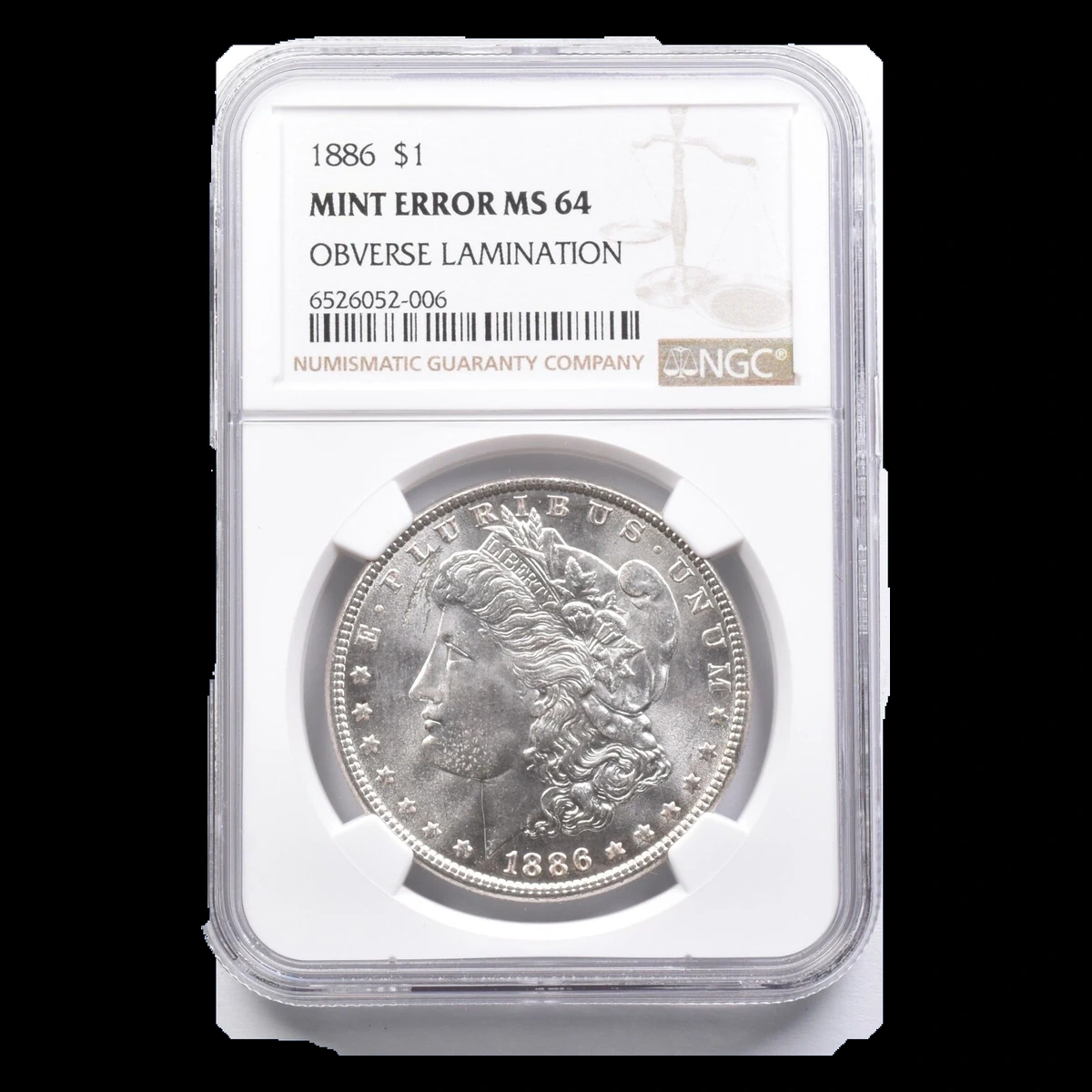
6. 1886 Dollar A Reverse Layer Peeling Away: Lamination Error
A reported Philadelphia dollar graded NGC MS62 has a reverse lamination. A thin layer separated along a weakness in the original silver-copper alloy.
This concerns a local peel rather than a complete dollar split into two discs. Morgan dollars do not have a modern copper-colored outer coating to lose.
How to Identify
Look along the thin boundary and any design carried on the lifting layer. Keep attached metal untouched and include the entire reverse in photographs.
A scrape may leave parallel cuts or pushed metal, while a flat discolored patch may only be a stain. The physical separation is the useful clue.
What It’s Worth
$100–$1,200 is the estimate for comparable genuine peeling errors. The reported NGC MS62 was listed at $189, an asking price rather than a confirmed sale.
An intact visible flap may attract interest, but a missing layer can also reduce eye appeal. Cleaning and later scraping still affect the complete coin.
7. 1886 Dollar Wire Embedded on Both Faces: Retained Struck-Through Error
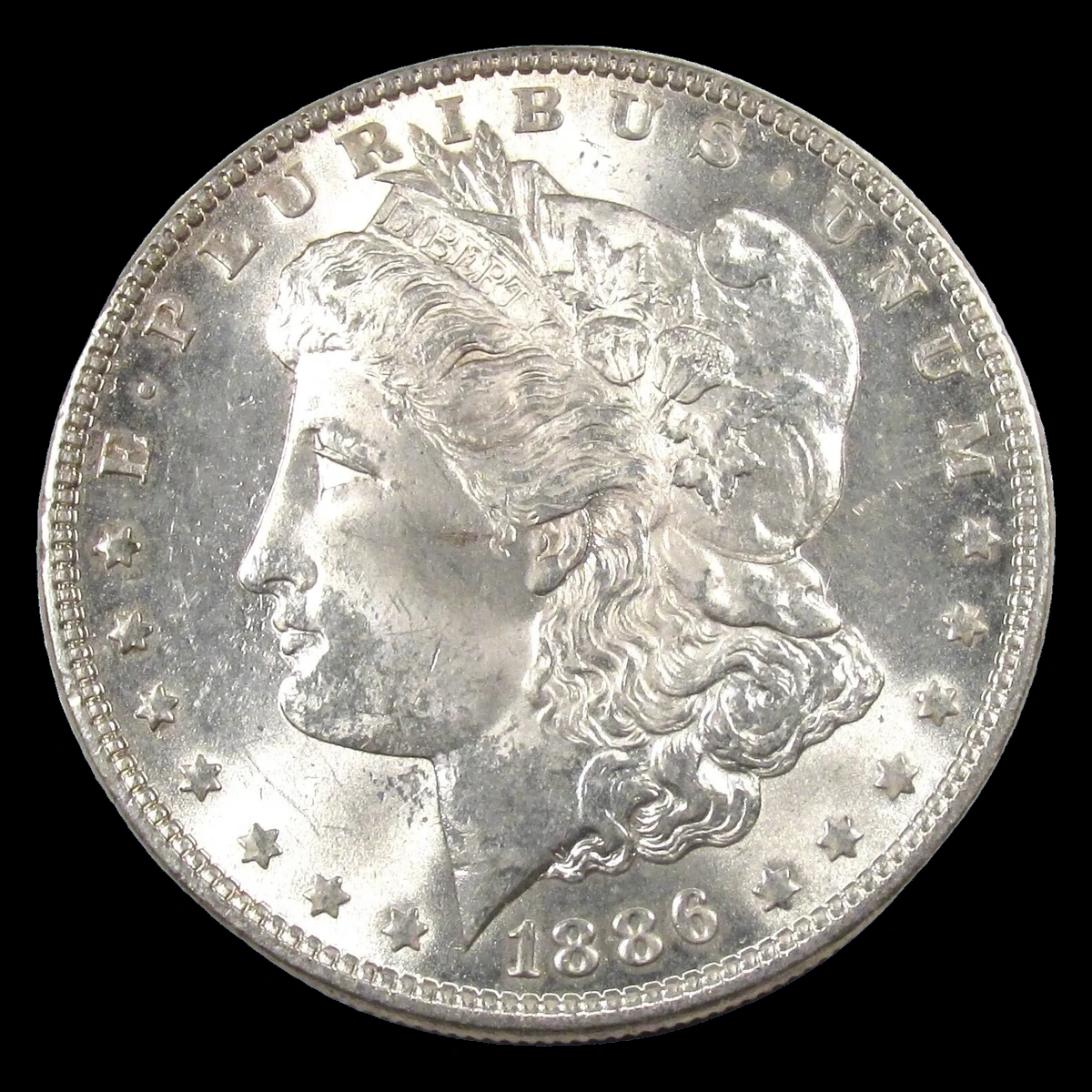
A year source reports a Philadelphia PCGS MS63 dollar retaining wire on both sides. Pressure caught the material against the silver while the coin received its design.
The actual wire paths must come from the specimen’s photographs. A scratch or loose strand lying on a dollar does not establish the same event.
How to Identify
Examine how surrounding detail meets and is interrupted by the wire. Inspect each face separately, since evidence on one side does not supply the other side’s path.
Do not tug at the strand or try to clean beneath it. Adhesive, solder, or disturbed metal may indicate later attachment and needs examination.
What It’s Worth
$500–$6,000 is the estimate for authenticated retained-wire dollars of comparable type. The two-sided example carried a historical $1,296 asking price.
No completed transaction is established by that offer. Survival of the wire, its visibility, and the dollar’s surfaces guide the comparison.
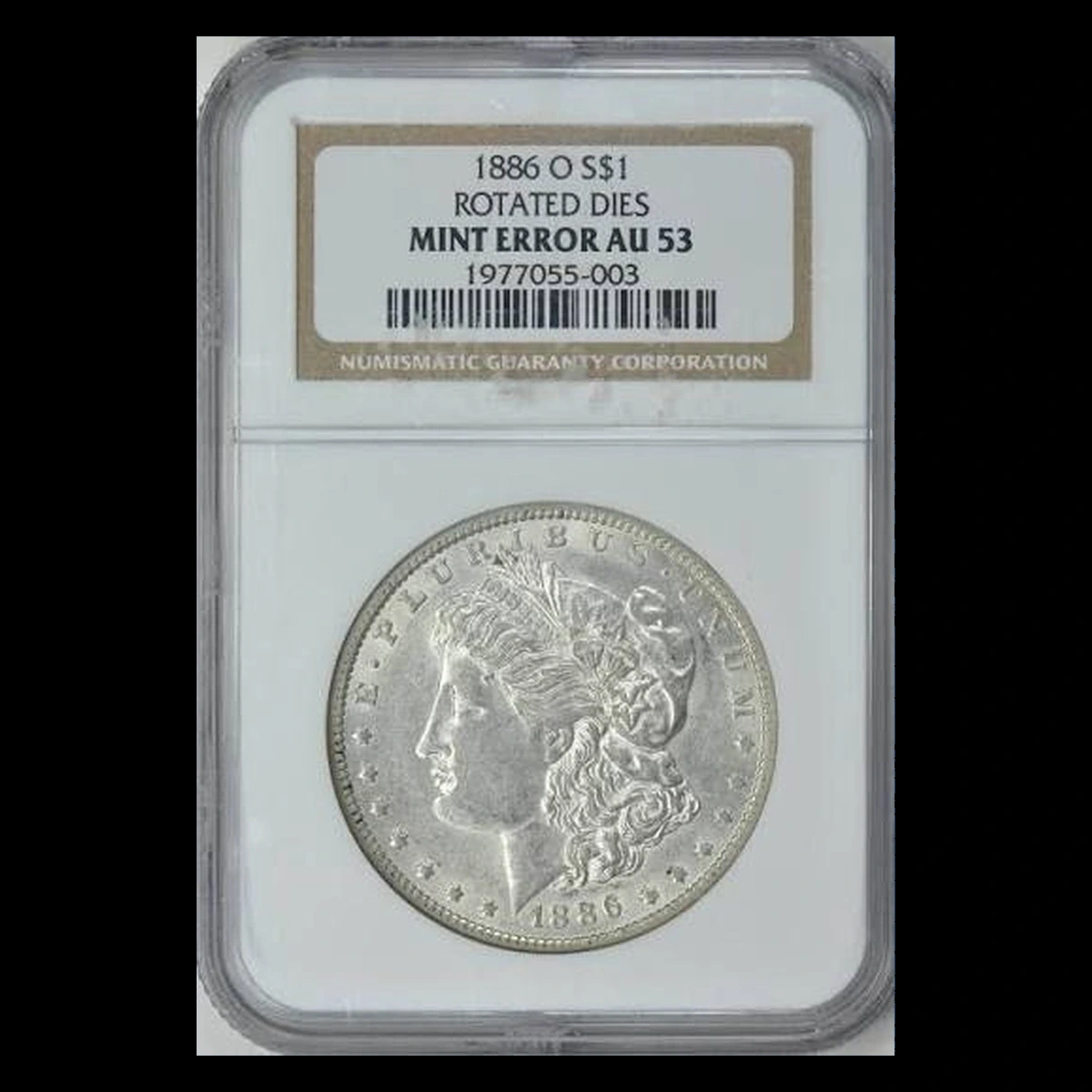
8. 1886 Dollar A Repeatable Tilt of the Eagle: Rotated Dies Error
An 1886-O NGC VF35 is reported with a rotated reverse. The exact angle is not supplied and should not be replaced with an angle from another coin.
The round outline may look normal. The feature concerns the relationship between the two faces.
How to Identify
Set Liberty upright and flip the coin or holder top to bottom without a sideways spin. Repeat the motion to see whether the eagle keeps the same tilt.
A continuous video preserves that relationship better than independently rotated photographs. Confirm the O and measure only the angle demonstrated by the actual coin.
What It’s Worth
$200–$2,000 is the estimate for authenticated rotations in comparable circulated through ordinary unworn condition. The reported NGC VF35 was offered at $348.50.
That figure is an asking price, not a sale. The amount of turn, remaining detail, and surfaces matter together.
9. 1886 Dollar Two Levels on the Edge: Partial Collar Error
If only part of the blank enters the collar, contained metal receives normal grooves while unsupported metal can expand. The collar is the ring that controls the edge during striking.
The year references do not establish one mint or clock position. Those details must be recorded from the specimen.
How to Identify
Follow the edge around the dollar and look for a ledge between its levels. Photograph where the grooves stop and the expanded metal begins.
Missing grooves alone can result from filing or compression. Compare the edge with both faces and leave certified coins inside their holders.
What It’s Worth
$100–$3,000 is the broader estimate for confirmed examples. A year guide’s $100–$300 range concerns modest appearances and is not a recorded auction result.
A prominent original step can display better than a slight irregularity. Mint and condition remain part of the whole-dollar value.
10. 1886 Dollar Bare Metal beside an Incomplete Picture: Off-Center Strike Error
A blank positioned partly outside the striking area receives only part of the design. Metal remains present as an unstruck crescent, unlike a clip that removes part of the blank itself.
The 1886 guide reports the category without identifying a specific mint or photographed example. Each candidate needs its own readable date and mint evidence.
How to Identify
Check both faces for design ending against the same physical blank area. A centered opposite face may instead point to one misaligned die.
Record every readable date digit and the mint area. Weight near the normal 26.73 grams can support a loose-coin inspection, but the actual strike boundary matters more.
What It’s Worth
$250–$12,000 allows for confirmed modest through more dramatic examples. The year guide estimates $250–$300 for modest appearances.
A different-year 1890-O struck 7% off center sold for $2,880 in March 2024. That comparison does not establish an 1886 candidate’s identity or sale price.
11. 1886 Dollar A Shallow Bowl with a Backward Portrait: Die Cap Error
The Amon Carter dollar stayed attached to a die as repeated contact spread and curled its metal. Its reverse carries an enlarged Liberty with backward lettering and date.
The bowl shape and mirror image belong to the same PCGS MS64 coin. A different dollar struck beneath a stuck cap is not automatically the cap itself.
How to Identify
Begin with the reversed rear lettering and enlarged portrait, then compare the curled edge with the stretched design. A normal dollar bent into a cup cannot explain the full combination.
Match both faces and side views to the documented specimen. Keep it protected rather than flattening the shape or pressing another coin against it.
What It’s Worth
$100,000–$250,000 is an estimate for a comparable major authenticated cap of this quality. The Amon Carter coin realized $160,312 in January 2022 at GreatCollections, as reported by PCGS.
This is a rare-object comparison involving history, preservation, and complete form. It does not price a bent ordinary dollar or a weakly struck coin from beneath a cap.
Conclusion
Small date and mintmark varieties need precise matching outlines, while retained wire and peeling layers need untouched boundaries. Edge and shape errors require views beyond the flat portrait.
The cap’s $160,312 sale belongs to one exceptional coin. Keep ordinary guide estimates, dealer offers, and other-year comparisons attached to their proper examples when judging less dramatic 1886 dollars.