Rare 1801 Half Dollar Errors (List & Pictures)
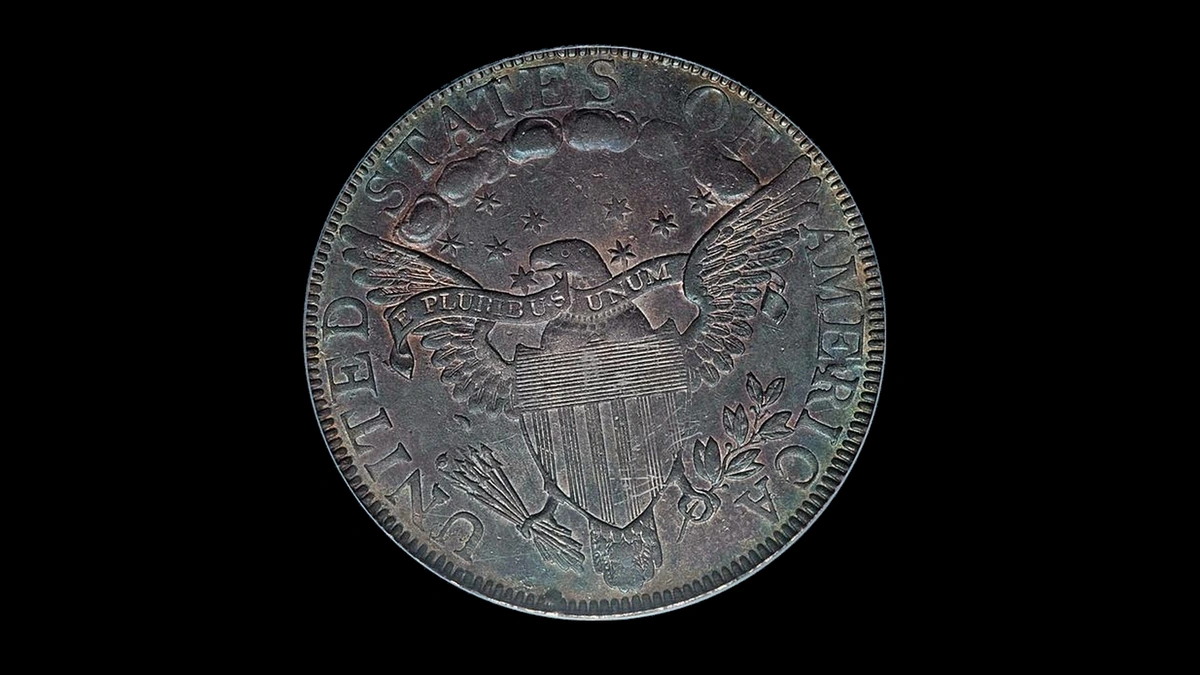
An old scratch and a faint mint-made outline can share the same surface. Sorting them out is the main challenge when examining the 1801 half dollar errors in this guide.
The estimated $6,000–$8,050 range concerns sharply detailed but scratched examples, anchored by a $8,050 sale in July 2008. Begin by matching faint central shapes to the other face, then assess the stronger cuts separately.
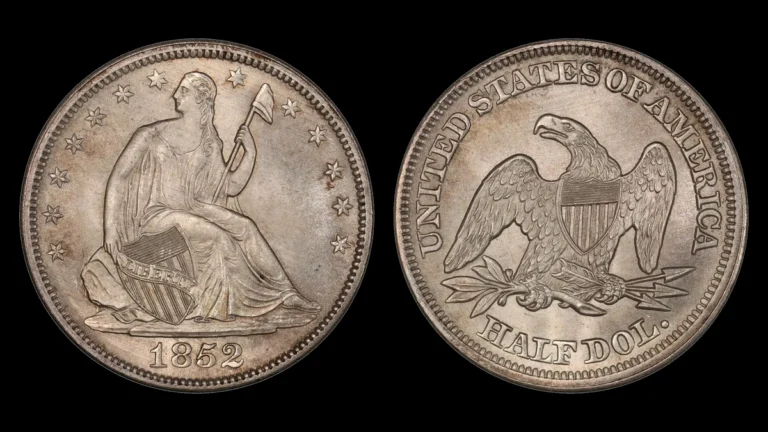
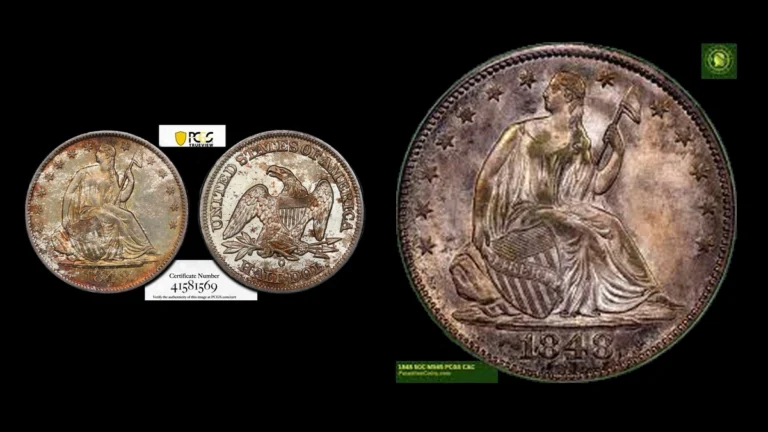
1801 Half Dollar Pieces of the Opposite Design: Clashed Dies Error
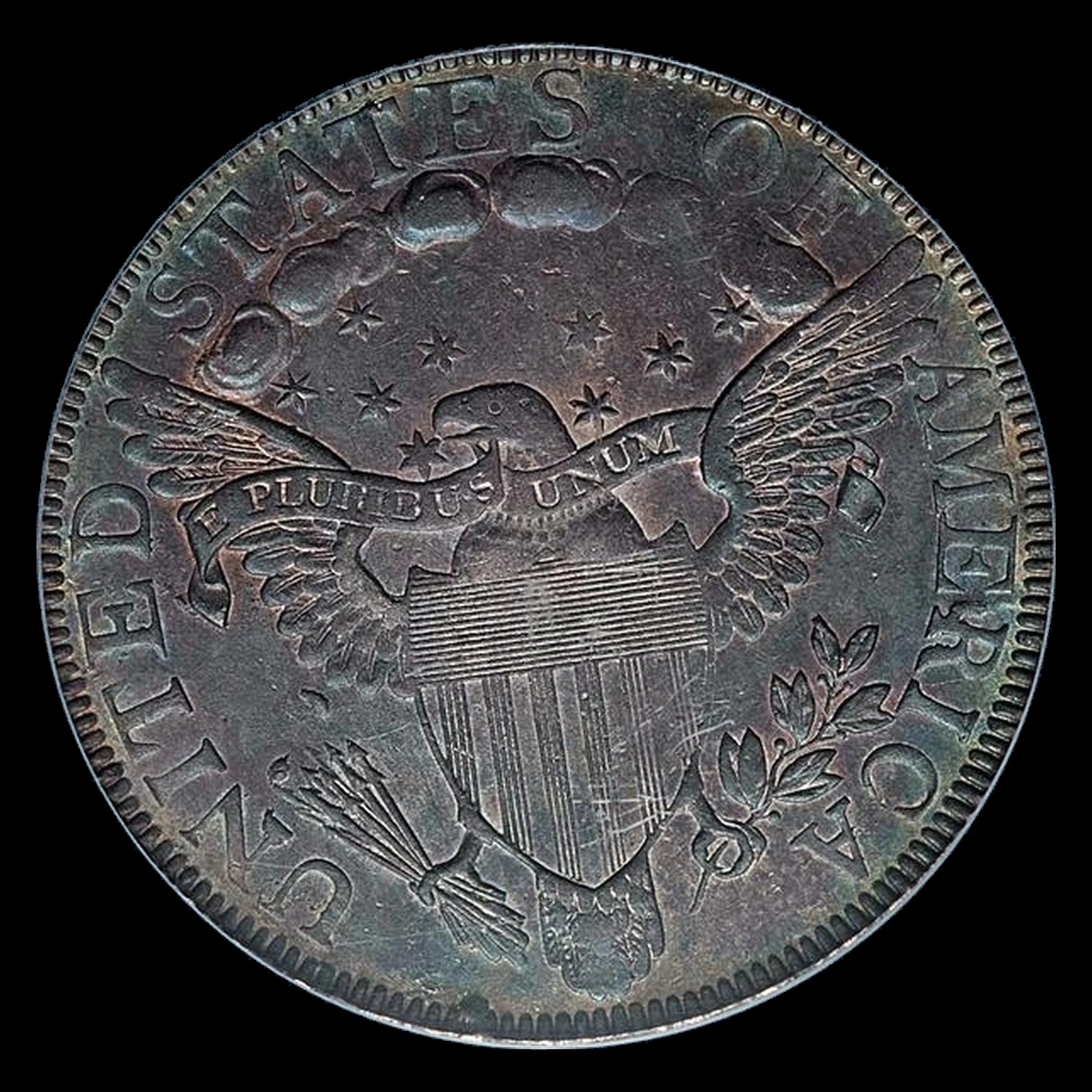
The documented O-102 provides two distinct things to study: minor clash traces on both faces and extensive scratching, especially on the front. Its central outlines are the useful starting point for the mint-made feature.
O-102 identifies the pair of steel dies used to stamp the front and back. Those tools could collide in an empty press and retain pieces of each other’s design.
Once marked, a die could put an unwanted fragment beside the normal design on its next coins. This explains why a clash trace can resemble the opposite face even when the affected coin received only one strike.
How to Identify
A useful clash mark has a recognizable relationship to the other face. Under a 10× magnifier, compare the suspicious outline with parts of Liberty and the eagle instead of simply counting unusual lines.
Shift the lamp around the coin to separate shallow detail from glare. One lighting angle may reveal a trace that is almost invisible from another.
Study photographs of the documented O-102 with both complete faces in view. A similar central line does not establish the die pairing unless the surrounding design also agrees.
Now inspect the stronger scratches as a separate issue. Cuts into the silver, particularly with rough or displaced edges, indicate later damage rather than a transferred outline from the other die.
The auctioned coin had numerous scratches, especially across the front. Their presence does not disprove its clash marks, but its clash marks do not make the scratches collectible mint errors.
This early half dollar also differs physically from later silver halves. Its unworn standard is about 13.48 grams and 32.5 mm in diameter, with lettering around the edge rather than grooves.
What It’s Worth
Estimated range: $6,000–$8,050 for an example with comparable remaining detail and scratching. The estimate should not be extended to all grades of 1801 half dollar.
The Heritage O-102 lot realized $8,050 on July 30, 2008. NCS assigned AU Details, indicating much surviving detail but a condition problem that prevented a normal numeric grade.
That historical result values the complete early half dollar. The catalog supplies no separate dollar premium for the small clashes, so the price cannot be divided into a base coin value and a proven clash bonus.
Conclusion
An extra outline and a scratch may sit close together while having entirely different origins. For this 1801 variety, a shape matching the opposite face supports a die clash; a cut in the silver points to later damage.
The $6,000–$8,050 estimate concerns the scarce, sharply detailed but scratched coin described here. Its overall preservation remains essential to any comparison with the 2008 auction result.