Rare 1807 Dime Errors (List & Pictures)
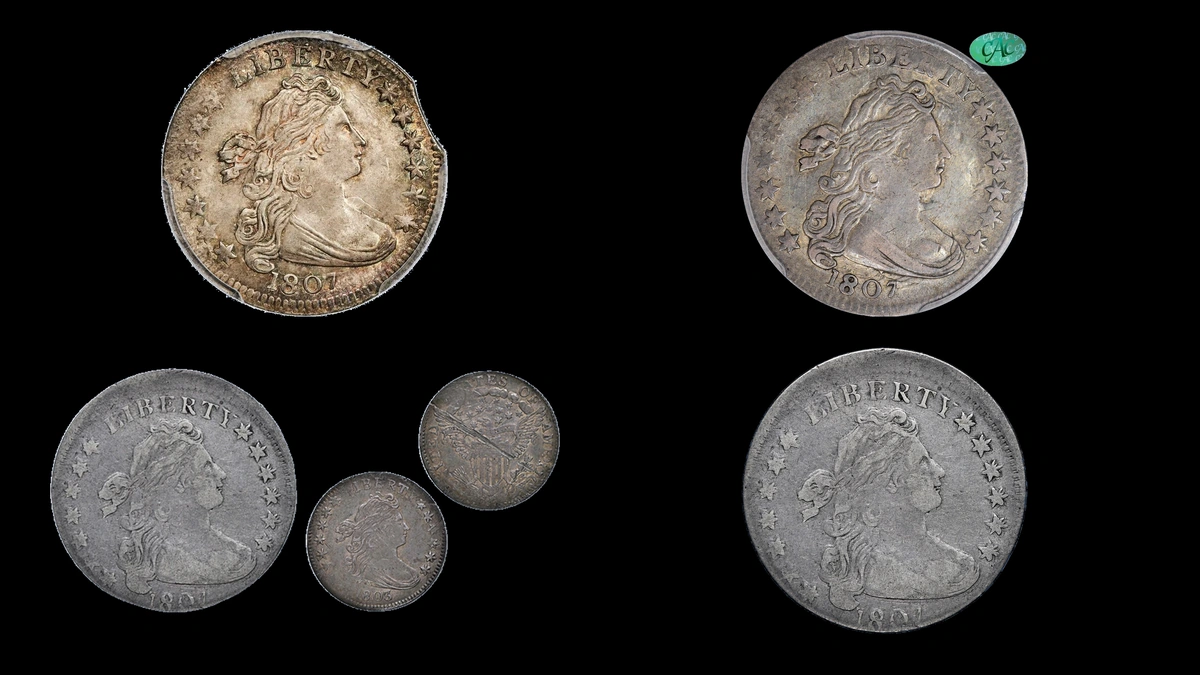
One small clip on an exceptionally preserved 1807 dime appeared in two very different auction results: $69,000 in 2008 and $25,300 in 2009. Both prices belonged to the same MS66 coin, not to the missing metal alone.
Estimated whole-coin values for the documented and reported 1807 dime errors below span $250–$75,000. Early dimes naturally vary in shape, so begin with the actual metal and design before treating unusual width as an error.
| Feature | Useful distinction |
|---|---|
| Curved gap or peeling layer | Missing blank metal versus separation within the alloy |
| Eagle-like outlines near the date | Die clash rather than another strike |
| Broad surface changes | Worn tool, uneven strike, or later bending |
| Blank margin and missing design | Off-center placement |
| Several repeated design elements | Second strike versus flat striking shelves |
| Unusual width, weight, or color | Normal early variation, alteration, or a verified blank error |
1. 1807 Dime A Curved Gap Sits beside the Stars: Clipped Blank Error
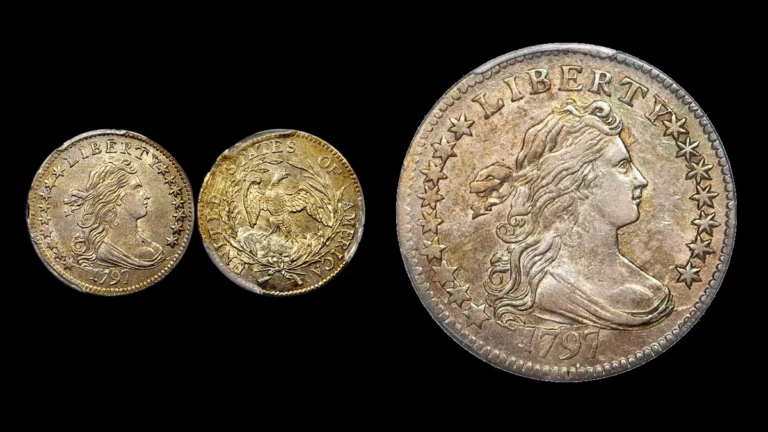
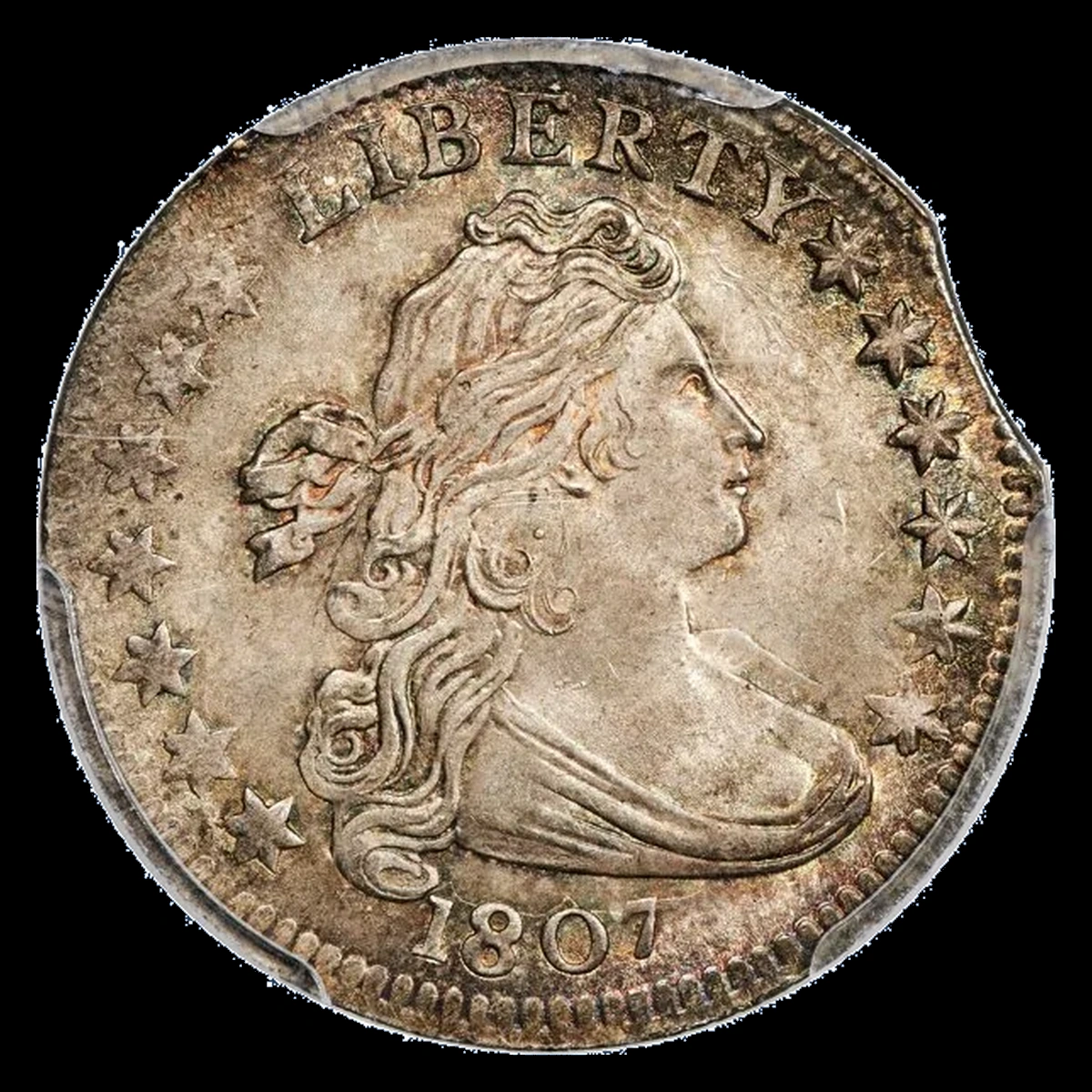
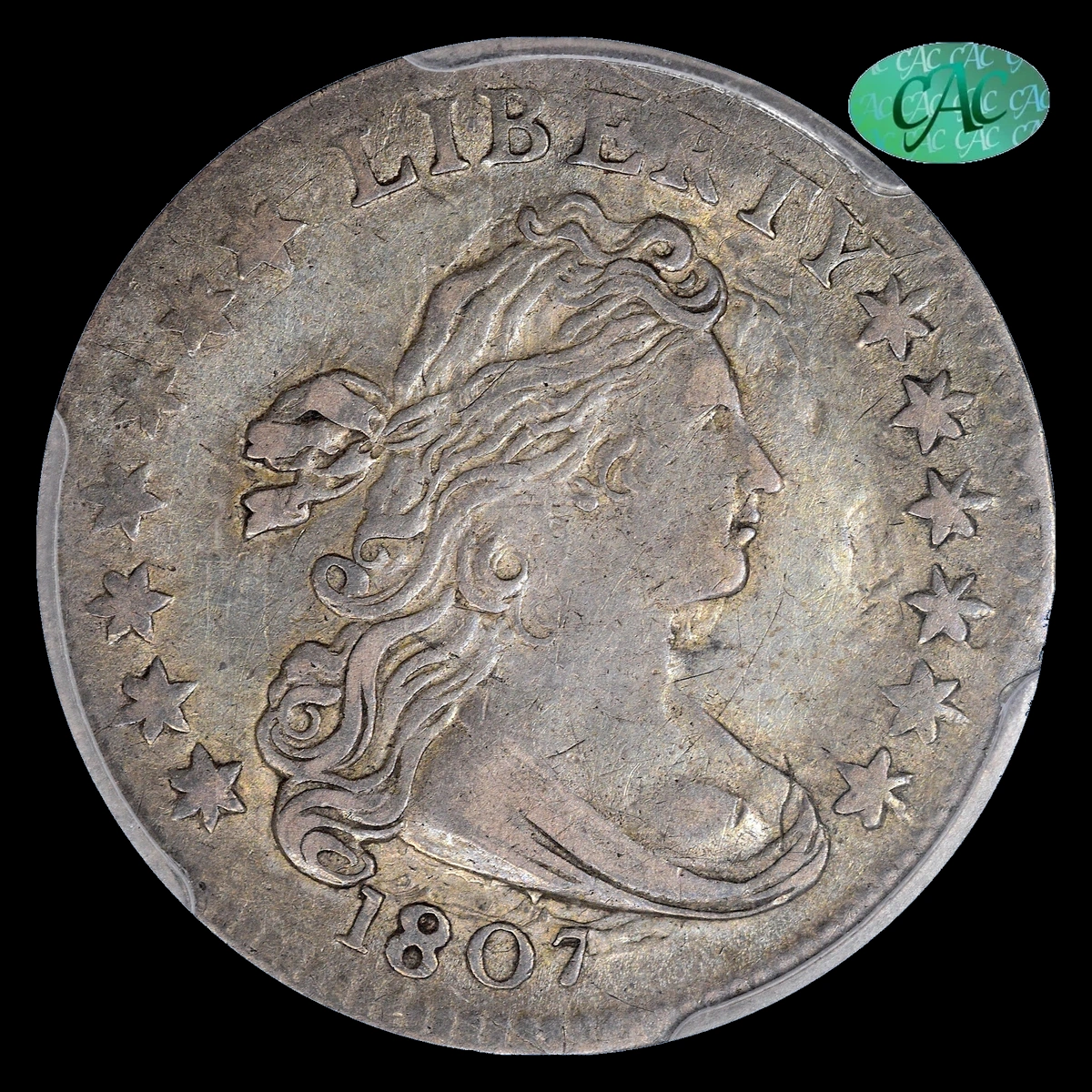
The documented MS66 dime has a curved clip near two o’clock, outside stars nine and ten. The blank was incomplete before the design was struck.
Heritage noted weaker detail on the left side of both faces because pressure spread unevenly around the missing metal. The coin also has clashes and die wear, which are separate features of the tools that struck it.
How to Identify
Examine where the normal rim meets each end of the curve. The struck metal should show that the gap existed before the design formed.
Fresh cuts or filing through finished detail suggest later damage. Weak stars elsewhere are supporting context, not proof of a clip by themselves.
An ordinary 1807 dime began at about 2.70 grams, with roughly 89.24% silver and a grooved edge. Its listed diameter is about 19.8 millimeters, allowing for the natural outline variation of early striking.
What It’s Worth
$750–$5,000 is the estimate for genuine circulated clips. Comparable MS66-quality coins have a separate estimated range of $25,000–$75,000.
PCGS records $69,000 for the clipped MS66 in July 2008, while Heritage sold it for $25,300 on April 30, 2009. MS66 means exceptionally well preserved with no circulation wear.
The large difference shows that even one remarkable coin can bring changing results. A worn dime does not inherit those prices merely because a similar small piece is missing.
2. 1807 Dime A Thin Layer Lifts from the Surface: Lamination or Split Blank Error
A weak layer inside the alloy can open into a flap or leave a shallow hollow when metal separates. This is different from an extra design feature left by the stamping tool.
The year guide discusses lamination as a possible 1807 error without identifying a confirmed example. An actual candidate needs a natural layered boundary, rather than only a rough-looking patch.
How to Identify
Use low-angle light at the flap’s attachment to see whether a thin layer continues into the original metal. Leave the flap in place and photograph it from the side.
Deep cuts, parallel scrape marks, and scattered corrosion pits suggest other causes. Local peeling also does not establish that the entire blank split into two discs.
Consider weight together with wear and missing metal. A light early dime may have been worn or filed rather than made from a defective blank.
What It’s Worth
$250–$2,500 is a conditional whole-coin estimate for a verified original lamination on a circulated 1807 dime. It is not a sale range for an established set of 1807 examples.
The underlying early dime contributes much of the value. A small natural flap may interest collectors, while extensive loss across Liberty’s face can make the coin less appealing.
3. 1807 Dime Reverse Shapes Appear around the Date: Die Clash Error
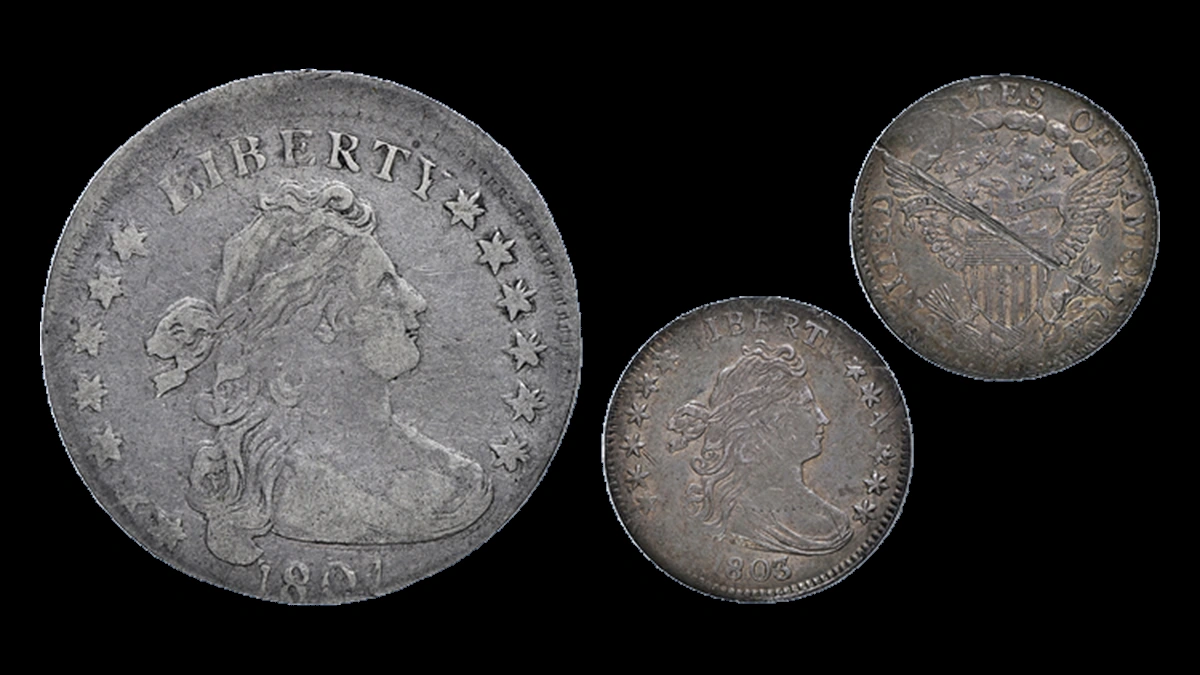
Marks around the date can be traces of the eagle-side design. The dies, or stamping tools, once met without a blank between them and picked up parts of each other’s picture.
Later coins copied those marks. The affected coin did not need to receive a second strike for a clash to appear.
How to Identify
Place equally sized photographs of both faces beside the suspected date-area traces. Look for several shapes that agree with the opposing design.
A dealer’s XF40 example provides one comparison, while the clipped MS66 has heavy clashing. Their actual marks can differ as the dies wear.
A scratch in the right general area is not enough. Recognizable opposite-design outlines are the useful evidence.
What It’s Worth
$350–$3,000 is the estimate for circulated examples with recognizable clashes. Wear, remaining detail, and original surfaces explain much of the spread.
The clipped MS66’s $25,300 sale in 2009 also included heavy clash marks. That is a combined-feature, high-grade result rather than a separate price for faint lines around the date.
4. 1807 Dime Broad Areas of the Surface Change Shape: Die Bulges Error
A heavily used die can change shape and leave broad uneven areas on the coins it strikes. Heritage describes front-side die bulges on the clipped MS66 from a late stage of die use.
The short description does not locate one small bulge shared by every example. Uneven pressure from that coin’s clip also weakened some detail, so not every soft star came from die failure.
How to Identify
Turn the coin slowly beneath a low lamp to reveal broad changes in height. Compare both the uneven area and nearby details with another coin from the same worn die.
A repeated surface change on multiple coins is stronger evidence than weak lettering alone. Circulation wear and a poor strike can also soften details.
Check the edge and opposite face for signs of a later bend. A bent finished coin needs a different explanation from a surface shape copied from the die.
What It’s Worth
$350–$3,500 is the estimate for worn coins whose surface changes match a known worn die. The early dime’s preservation remains a major part of its price.
The MS66 auction confirms that bulges can appear on a highly preserved coin. Its $25,300 result does not turn a bulge on a worn example into a five-figure feature.
5. 1807 Dime A Blank Strip Borders an Incomplete Design: Off-Center Strike Error
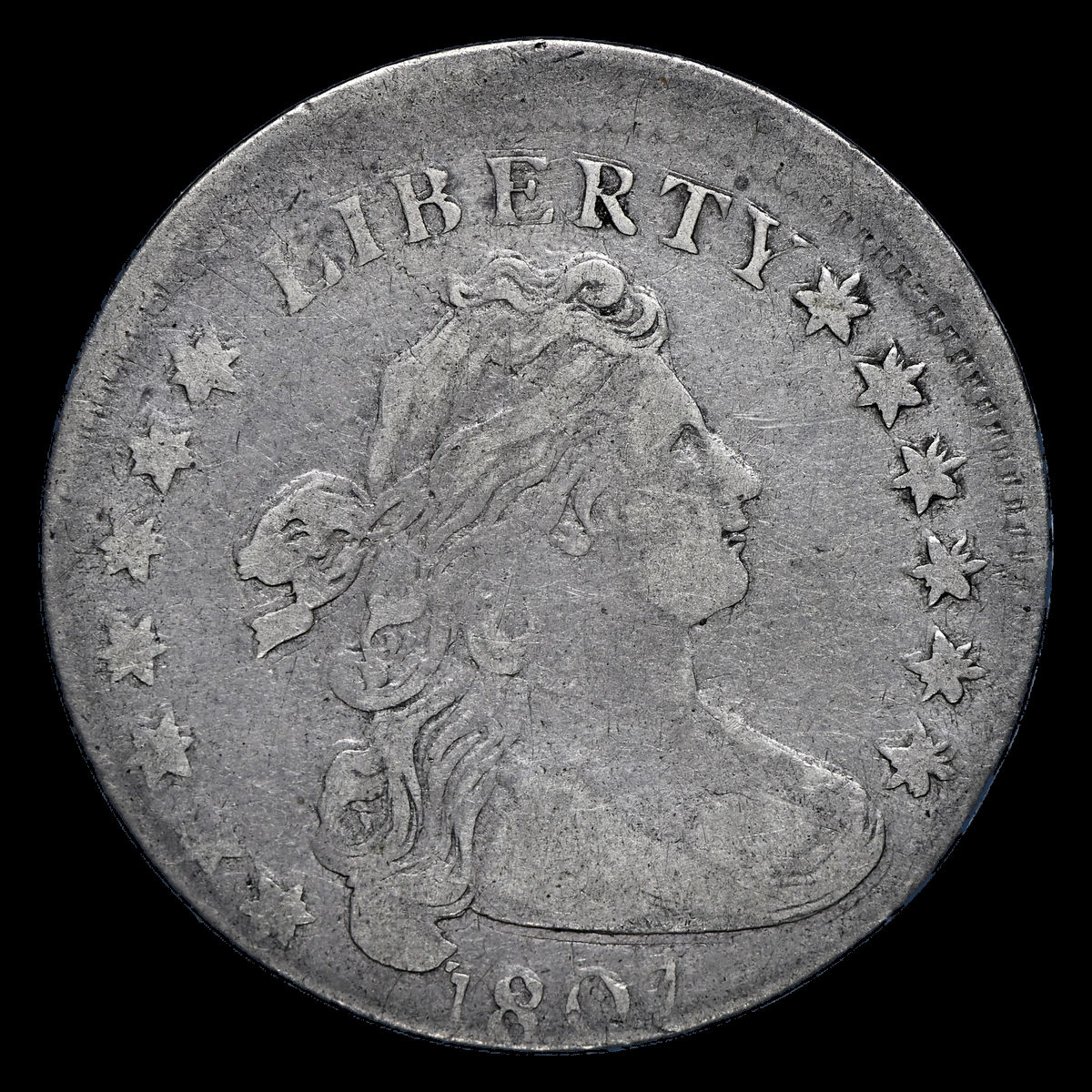
An 1807 JR-1 dime from the McCloskey collection was reported as 10% off-center. NGC graded it Very Fine Details and noted cleaning, meaning it retains circulated detail but has altered surfaces.
The blank was not fully beneath the dies when struck. The supplied report gives no clock direction, so that detail must come from the actual coin.
How to Identify
Keep the entire outline in the photograph and locate where the design runs beyond the metal. Original bare metal should remain beside the struck area.
Compare both faces for related design loss. A shift limited to one side may concern one misaligned die instead.
Inspect the border for cutting or grinding, and keep doubled-looking details separate from the placement error. A distorted early outline does not have to match a perfect circle.
What It’s Worth
$1,500–$5,000 is the estimate for comparable genuine circulated examples. Coin World reports a $3,000 Heritage result for the 10% off-center coin in January 2022.
That sale includes its other visible features and cleaned condition. It is not a fixed premium for a 10% shift, and a readable date and clear blank area remain important.
6. 1807 Dime More than One Set of Design Edges Appears: Double Strike or Striking Doubling Error
NGC’s McCloskey gallery describes its 1807 dime as double struck and 10% off-center. Coin World describes strong machine doubling on both sides of the reported off-center example.
Those terms name different causes. A double strike means another blow impressed the design, while machine doubling can leave flattened extra edges during one blow.
How to Identify
Trace several parts of the portrait, date, stars, or eagle to see whether they form another arrangement. A coherent second placement is more useful than one doubled-looking letter.
Low, flat shelves beside otherwise normal details can result from movement during a single strike. They do not by themselves demonstrate that the dies struck again.
Keep the different descriptions attached to their sources until the actual design evidence settles the cause. The reported off-centering can be assessed separately.
What It’s Worth
$2,500–$8,000 is the conditional estimate for a comparable circulated 1807 dime with a genuine second strike. The related $3,000 January 2022 result values one coin with its combined features.
A double-struck 1803 dime with damaged AU detail brought $3,600 in the same reported sale. That is a different-year comparison, while machine doubling alone does not qualify for the double-strike estimate.
7. 1807 Dime The Coin Is Unusually Wide: Broadstrike Check Error
A later dime can become broadstruck when a close-fitting collar fails to restrain its metal. The 1807 issue was made without that later collar system, so the same shortcut does not apply.
Genuine early dimes can vary in outline and diameter. The guide raises abnormal expansion as a possibility without naming a confirmed 1807 broadstrike.
How to Identify
Measure the coin in several directions and compare its full border with several ordinary 1807 examples. One measurement above the listed 19.8 millimeters does not establish an error.
Examine the design for flattened letters or edge work from later pressing. Normal early variation must be separated from abnormal spread during the original strike.
The absence of modern collar evidence proves nothing on this early issue. The entire shape, surface, and surviving design need to support an unusual original strike.
What It’s Worth
$750–$6,000 is a conditional estimate for a circulated example proved to have abnormal expansion beyond ordinary early variation. No documented 1807 broadstrike sale is supplied.
A slightly wide but otherwise normal dime should be valued by its condition and surfaces. Width alone does not justify the error range.
8. 1807 Dime Weight or Metal Does Not Fit: Wrong Blank or Alloy Error
A dime struck on a blank intended for something else may differ in weight, metal, or how much design fits. Color alone is weak evidence because toning, plating, and cleaning can change its appearance.
The year guide discusses this category without an authenticated 1807 example. A candidate would need measurements and metal analysis consistent with a genuinely different original blank.
How to Identify
Record the weight and several widths, then inspect the grooved edge for filing, coatings, or seams. Allow for ordinary wear and the natural shape variation of this early issue.
The standard alloy is approximately 89.24% silver and 10.76% copper. Professional testing that does not damage the surface is more useful than scratching it to judge the color.
A proposed wrong blank should explain the measurements, composition, and surviving design together. A merely discolored or underweight ordinary coin does not meet that test.
What It’s Worth
$5,000–$25,000 is a conditional estimate for a verified circulated 1807 wrong-blank discovery. It is not an existing 1807 auction record.
The actual metal, remaining design, condition, and proof of mint origin would determine a useful comparison. Without a verified different blank, use the ordinary coin’s value.
Conclusion
An early dime can have a clip, clash marks, and die wear together, with much of its price still coming from preservation. The exceptional MS66 results should not be transferred to a worn coin with one similar feature.
Give unusual width or metal a more complete check, and distinguish a second strike from flat extra edges. Clear physical evidence is what connects a reported category to the right price range.