Rare 1878 Trade Dollar Errors (List & Pictures)
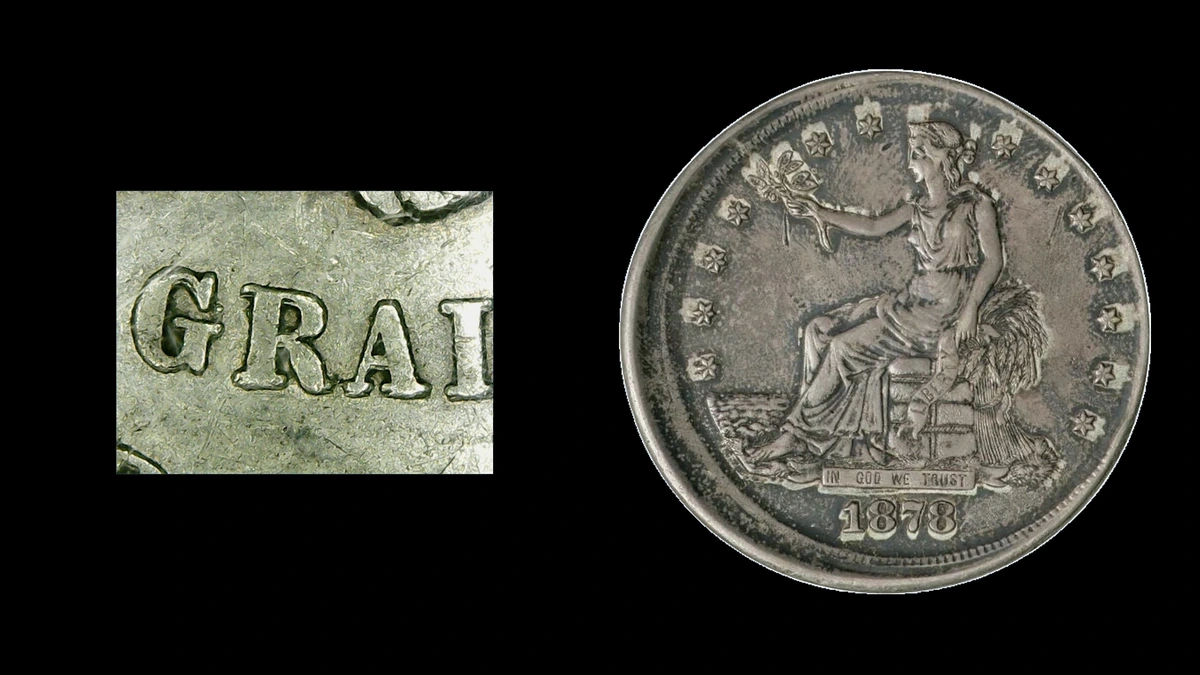
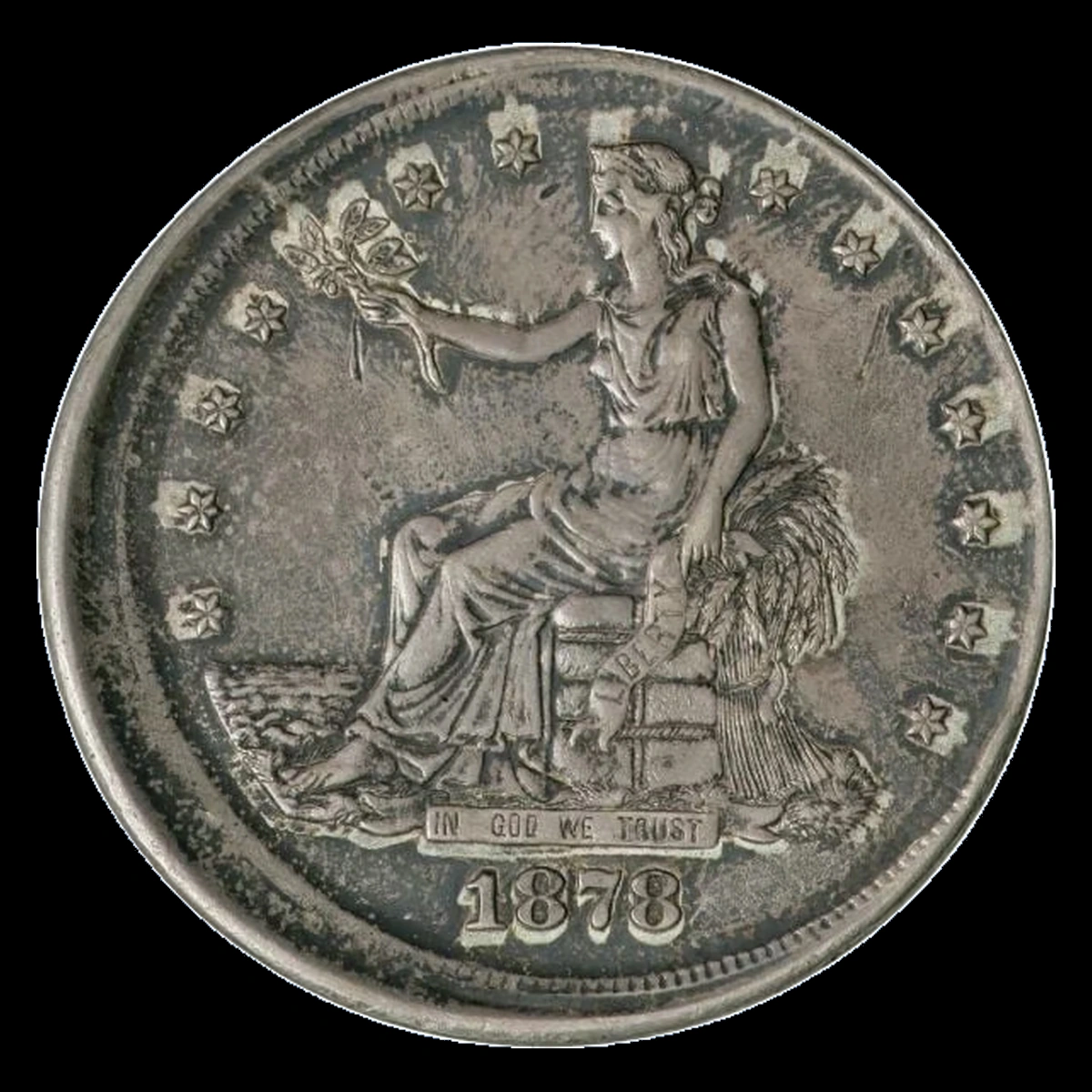
A dollar can look off center yet keep every part of its design. Mike Byers reported a $17,250 January 2006 auction result for an expanded 1878-S example with that combination.
These four groups of 1878 Trade dollar errors are all reported on San Francisco coins, with estimated whole-coin values of $200–$30,000. Begin with reverse details, then inspect the edge and the completeness of the design.
1. 1878 Dollar Repeated 420 and Arrow Outlines: Doubled Reverse Error
The recognized FS-801 variety has strong extra contours on 420 and the arrows, with weaker repetition in some lettering and the motto. The reverse die carried the doubled image before striking the coin.
Other reported patterns involve 900 FINE and arrow feathers. Their details should not be added to FS-801 as if every doubled reverse were identical.
How to Identify
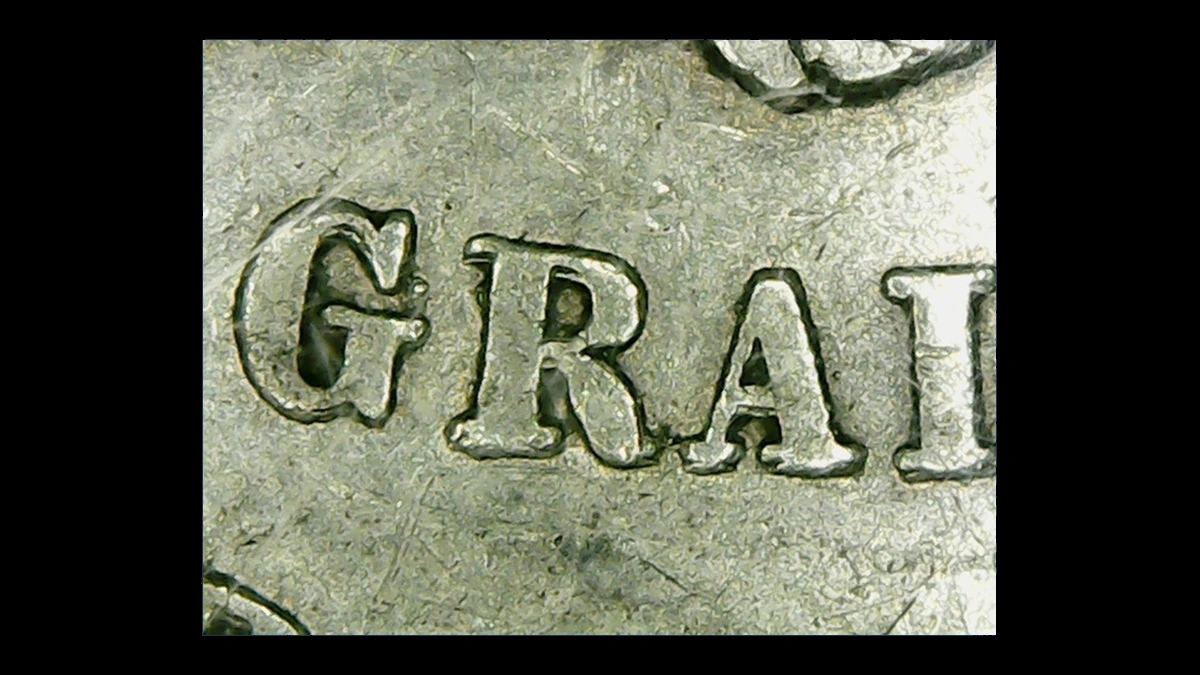
Confirm the S and Trade dollar design before comparing 420, arrowheads, and shafts with FS-801. A Morgan dollar from the same year is a different issue.
Use the motto as supporting evidence and look for matching separated contours. Flat shelves from strike movement do not reproduce the same pattern.
What It’s Worth
$300–$6,000 is the estimate for confirmed doubled reverses from worn through attractive unworn condition. PCGS records $2,760 for an MS63 FS-801 sold on August 18, 2019.
That result belongs to an unworn coin with noticeable marks. A worn or cleaned example needs a closer condition comparison.
2. 1878 Dollar Faint Fragments of the Opposite Design: Die Clash Error
Some doubled-reverse dollars also show clash traces. These formed after the dies hit each other without a blank, leaving unwanted shapes that later coins copied.
The clash and doubled design have different causes even when they share one coin. Neither a scratch nor a later merchant stamp establishes die contact.
How to Identify
Compare the extra fragment with a recognizable part of the opposite face. Keep both complete designs visible so its position remains clear.
Match a confirmed clashed example under soft angled light. Doubled arrows and 420 alone prove no clash, because those are separate features already in the die.
What It’s Worth
$200–$5,000 is the estimate for worn through attractive unworn coins with identifiable traces. Much of the value may come from the dollar and its recognized doubled-die variety.
The $2,760 MS63 result gives same-year variety context, not a measured clash-only premium. Cleaning and distracting marks remain relevant to the total.
3. 1878 Dollar A Step beside the Edge Grooves: Partial Collar Error
A blank seated only partly inside the collar can develop normal grooves beside expanded unsupported metal. The collar is the ring that limits width and forms the edge during striking.
Sullivan Numismatics offered an 1878-S example described as PCGS Very Fine Details, Cleaned. Its wear and cleaning are separate from the original edge error.
How to Identify
Use views around the edge to trace the transition where grooves meet a step or ledge. A smooth patch alone could be wear or filing.
Inspect for crushed metal and parallel tool marks from later alteration. A normal Trade dollar is about 38.1 millimeters wide and 27.2 grams, but measurements support rather than replace the edge evidence.
What It’s Worth
$500–$5,000 is the estimate for confirmed partial collars. Cleaned circulated examples generally need lower-condition comparisons than attractive coins with a clear original step.
The much larger broadstrike result below concerns a more dramatic coin. Its price should not be transferred directly to a partial collar.
4. 1878 Dollar Uneven Expansion with the Entire Design: Uncentered Broadstrike Error
A recorded worn 1878-S has its complete design displaced toward three o’clock within an enlarged outline. Without normal collar restraint, the metal spread outward during striking.
The same specimen has a raised crack from the olive branch through the border into the expanded area. That crack does not identify another separate broadstrike.
How to Identify
Follow all the outer words, stars, and date to confirm that the intended design stays on the metal. A true off-center strike loses part of that design beyond the blank.
Check the expanded edge and relief for natural striking rather than later hammering. On the recorded coin, trace the olive-branch crack into the enlarged border as a supporting match.
What It’s Worth
$10,000–$30,000 is the estimate for a confirmed uncentered broadstrike. In a January 2006 discussion, Mike Byers reported $17,250 including the buyer’s fee for the Stack’s specimen.
It was described as Choice Extremely Fine, with wear but strong remaining detail. A slight alignment difference on a normal-sized dollar does not justify the same comparison.
Conclusion
Reverse doubling needs repeated contours, while a clash needs transferred shapes from the opposite design. Edge errors require side views and a check of whether the complete design survives.
The reported $17,250 broadstrike and documented $2,760 doubled-reverse result concern different types of coins. Match the mechanism, mint, and condition before using either as a guide.