Rare 1890 Dime Errors (List & Pictures)
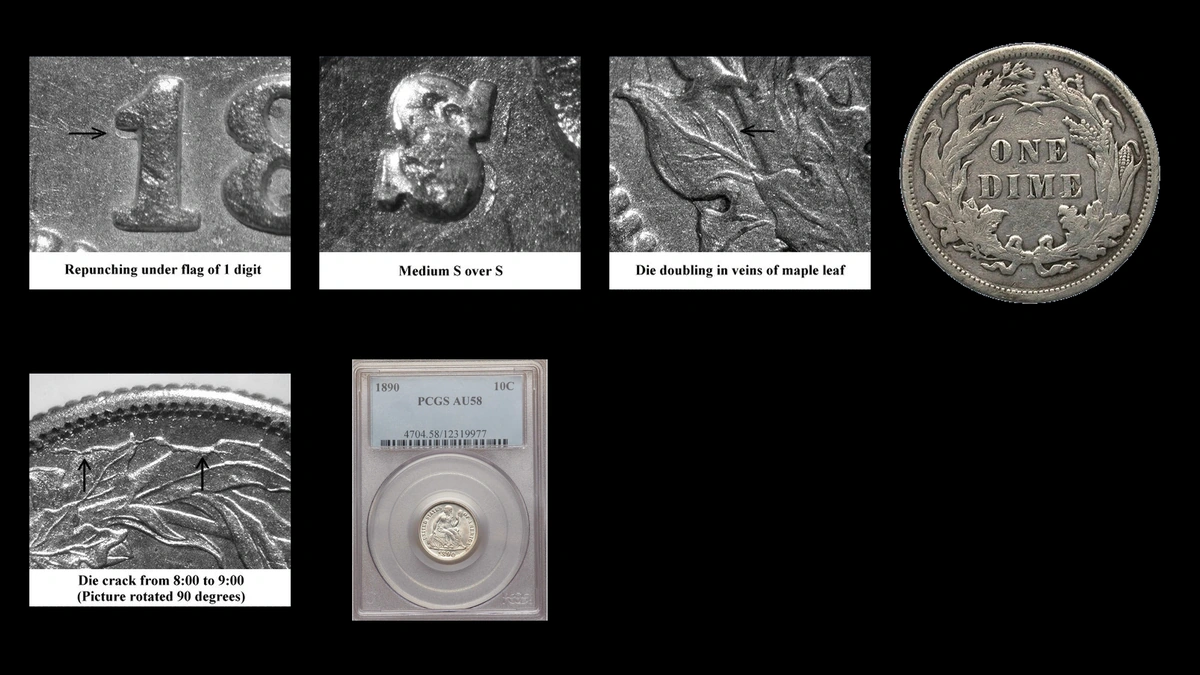
Some 1890 date digits hide well above the normal date, while a second strike can leave a much larger extra image. These 1890 dime errors have estimated whole-coin values of $20–$12,000.
Published Heritage auction highlights report $9,300 for a double-struck coin that also has misplaced digits. Follow the date and mint details first, then the surface and complete outline.
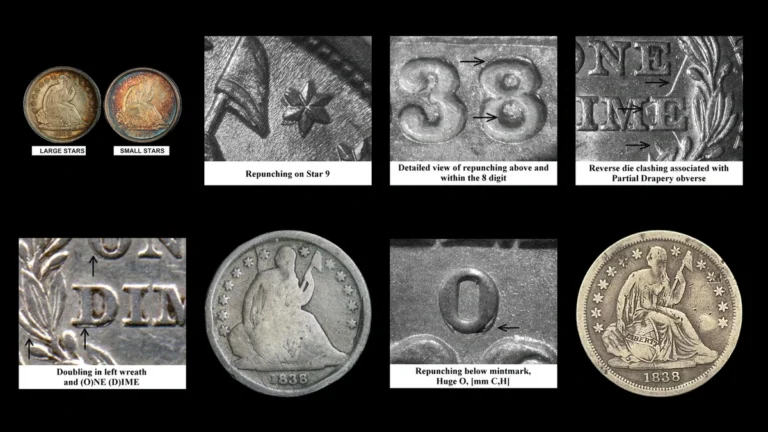
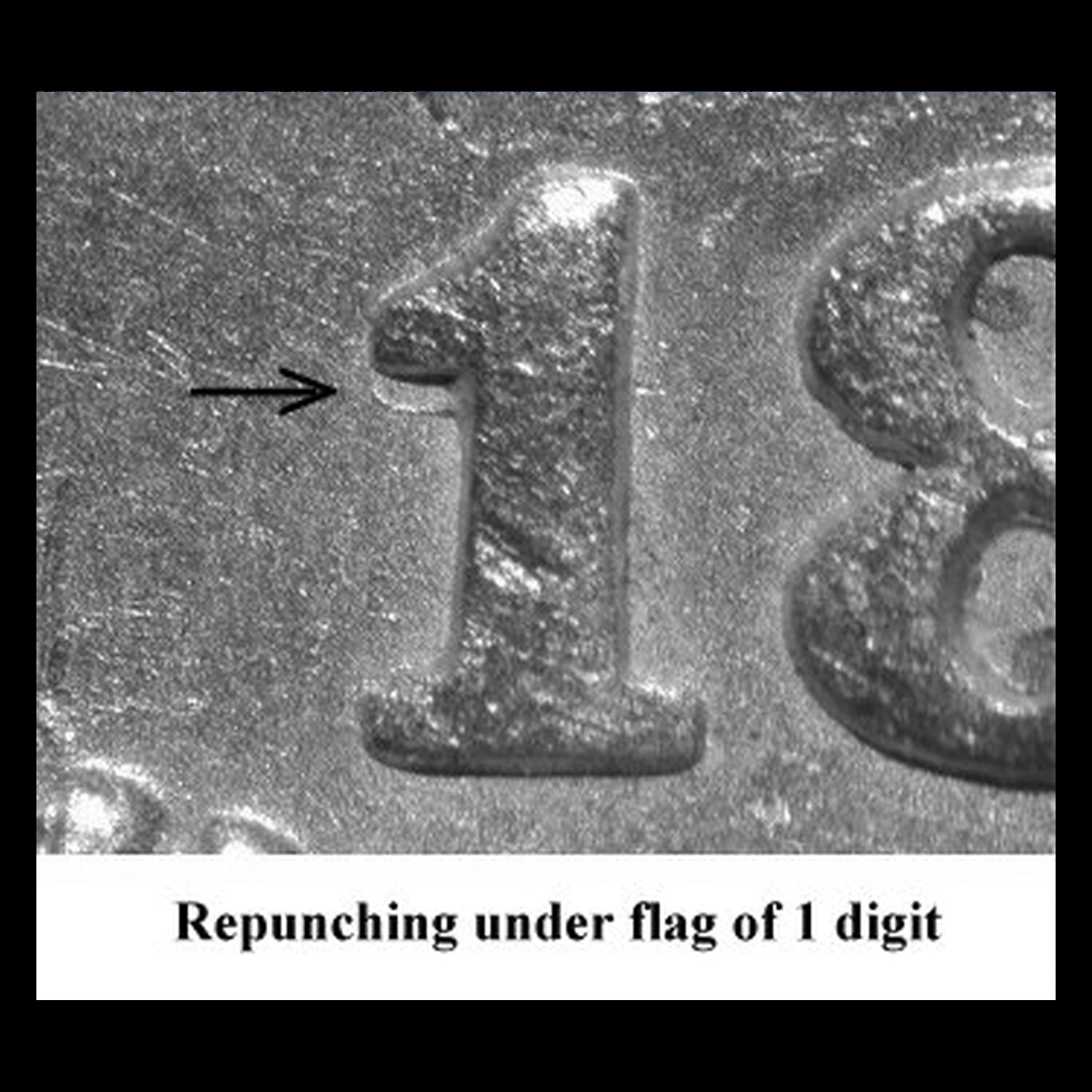
1. 1890 Dime Numbers beside or above the Date: Repunched and Misplaced Digits Error
An earlier outline of 1 can remain beside the regular Philadelphia date. Other date-punch traces occur farther away, including Liberty’s lower clothing, the shield area, and the LIBERTY scroll.
Some examples have an 8 among the small border teeth. These marks began when a date punch contacted the stamping tool in different positions.
How to Identify
Check the main date for the repeated 1, then widen the view above it. A tight date-only photograph can miss the misplaced digits.
Philadelphia references place separate traces near LIBERTY’s Y, the hanging ornament, and the border teeth. Do not expect every location on one coin.
San Francisco has its own reported misplaced-date variety. Confirm the S and use its matching photograph rather than borrowing Philadelphia positions.
What It’s Worth
$30–$1,500 is the estimated range for identified date-punch varieties in ordinary grades. Recognizable raised digit shapes and original surfaces support stronger interest.
The $9,300 double-strike report includes a dramatic striking error as well as misplaced digits. It is not a date-punch-only price.
2. 1890 Dime Extra S Curves below the Wreath: Repunched Mintmark Error
The S was punched separately into the tool. Repeating it in a changed position could leave overlapping letter fragments.
The 1890-S gallery records one rightward pattern and another with an earlier S lower down. They require separate comparisons.
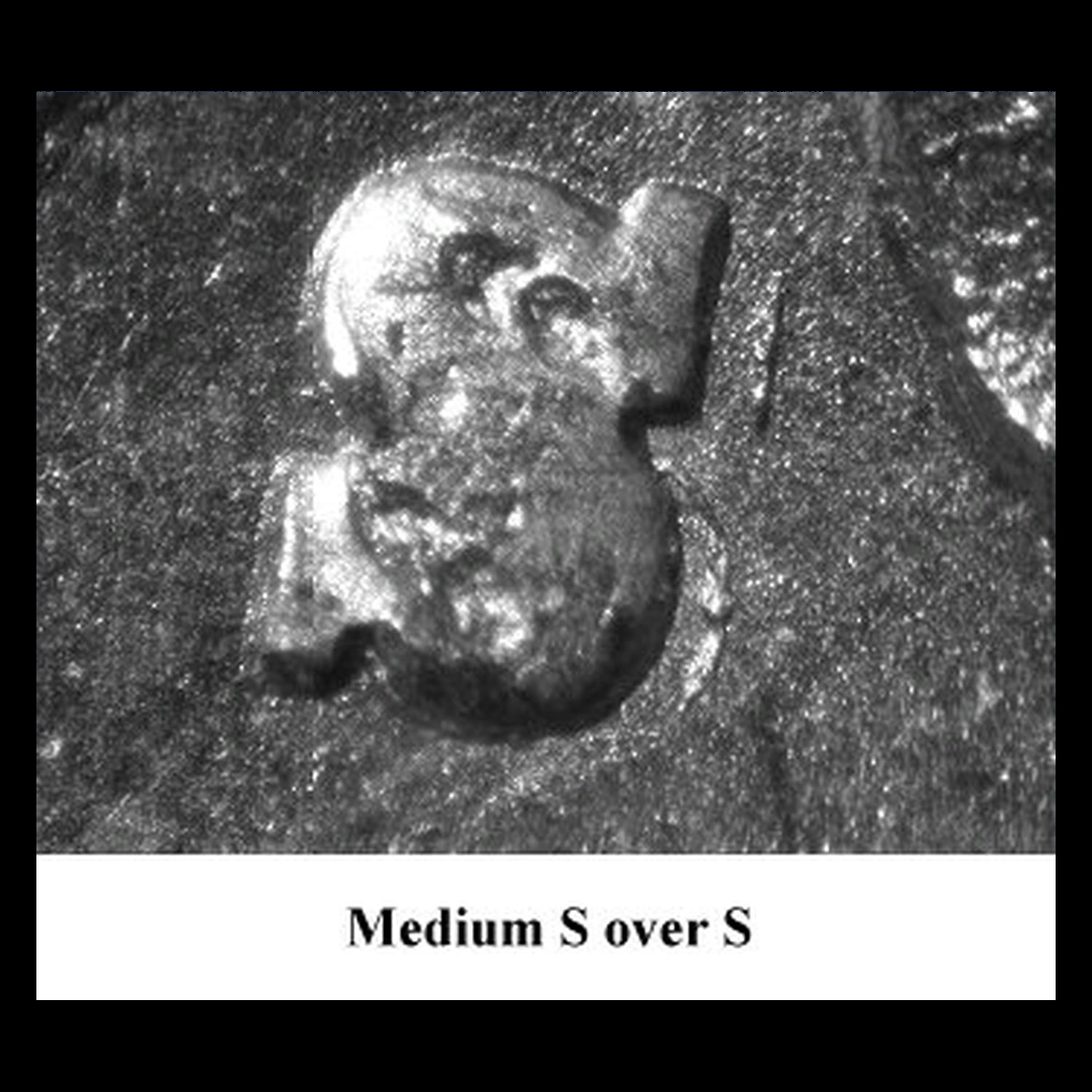
How to Identify
Keep the back upright and trace the S’s upper and lower curves. Compare the extra fragments with the correct rightward or lower pattern.
The added metal should fit another recognizable S. A flat shelf or pushed-up contact mark may imitate an extra edge under one light angle.
What It’s Worth
$30–$500 is the estimated range from worn through modestly unworn identified examples. The San Francisco coin’s normal value is included.
Clear overlapping curves are more useful to a buyer than an unexplained bump beside the letter.
3. 1890 Dime A Repeated Leaf Edge or Front Detail: Doubled Die Error
The Philadelphia back variety has doubling on the left maple leaf in the wreath. A separate San Francisco variety affects the front.
A doubled tool transfers its repeated detail during a normal strike. These two mint-and-face patterns are not interchangeable.
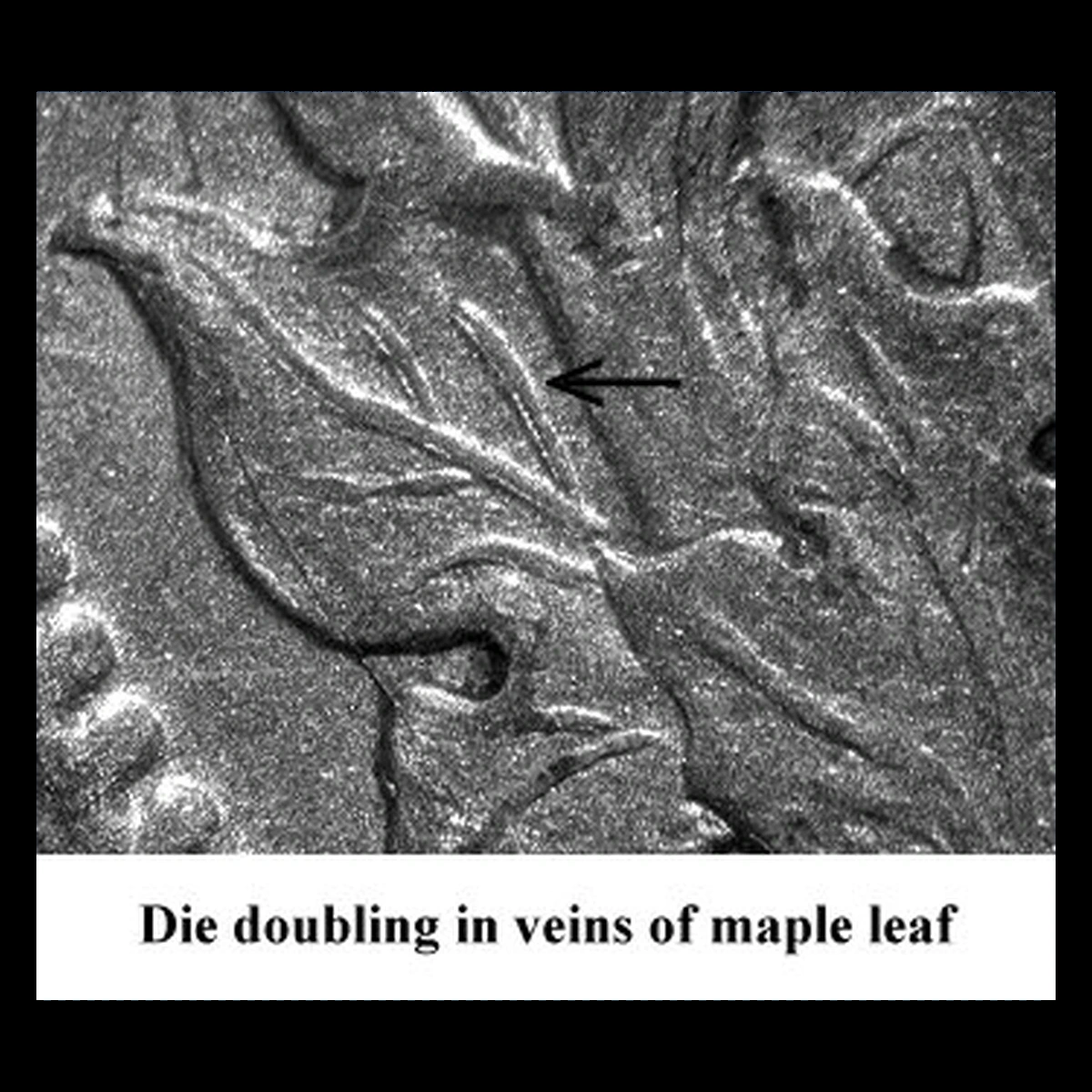
How to Identify
For Philadelphia, compare the left maple leaf with a normal example at the same size. Follow the extra edge around corners rather than judging one bright line.
For an S-mint coin, use an identified front-doubling reference and keep a back photograph confirming S. The Philadelphia leaf test cannot identify that variety.
What It’s Worth
$30–$1,500 is the estimated range for identified doubled designs. The exact pattern, separation, and remaining surface detail affect value.
A normal leaf vein or date-punch remnant needs a different explanation from wider design doubling.
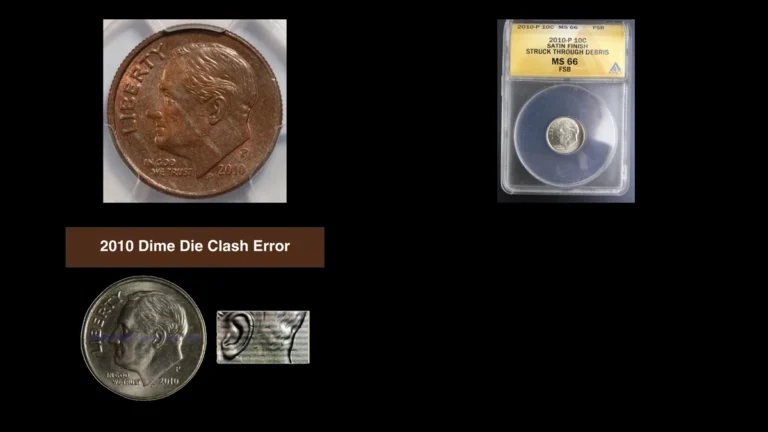
4. 1890 Dime An Unexpected Outline near DIME: Die Clash Error
A Philadelphia gallery example has clash detail near the E of DIME. Other tool pairs show lighter traces in different patterns.
The tools can meet without a blank between them and pick up parts of the opposing design. Later coins receive those extra shapes.
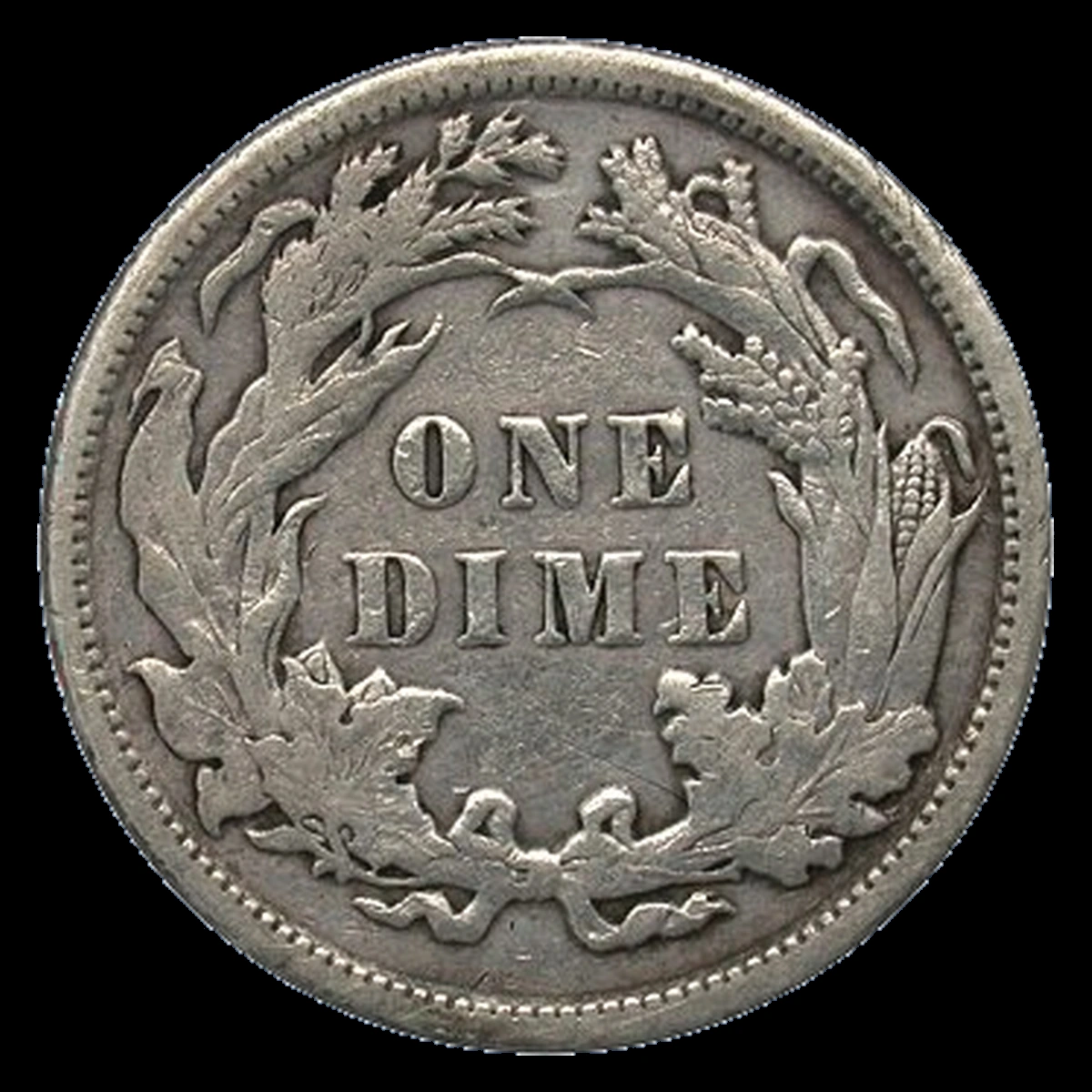
How to Identify
Separate the E’s normal edges from the unexpected outline. Compare the front design at the same scale to see whether part of it fits the mark.
A scratch in the right general area is not enough. Match the actual transferred shape to a reference from the same tool pair.
What It’s Worth
$30–$600 is the estimated range for recognizable clashes in circulated through modestly unworn condition. Clear shapes are easier to explain than isolated faint lines.
Better lighting can make one photograph look stronger, so compare the feature as well as the image quality.
5. 1890 Dime A Raised Line or Rim Section: Die Cracks and Breaks Error
Silver entering a crack in the tool leaves a raised ridge. A larger missing edge section can leave a rim-connected break called a cud.
Philadelphia examples include a back cud around 1–2:30 o’clock and partly separated sections near 11 or 7–9 o’clock. San Francisco has different crack patterns.
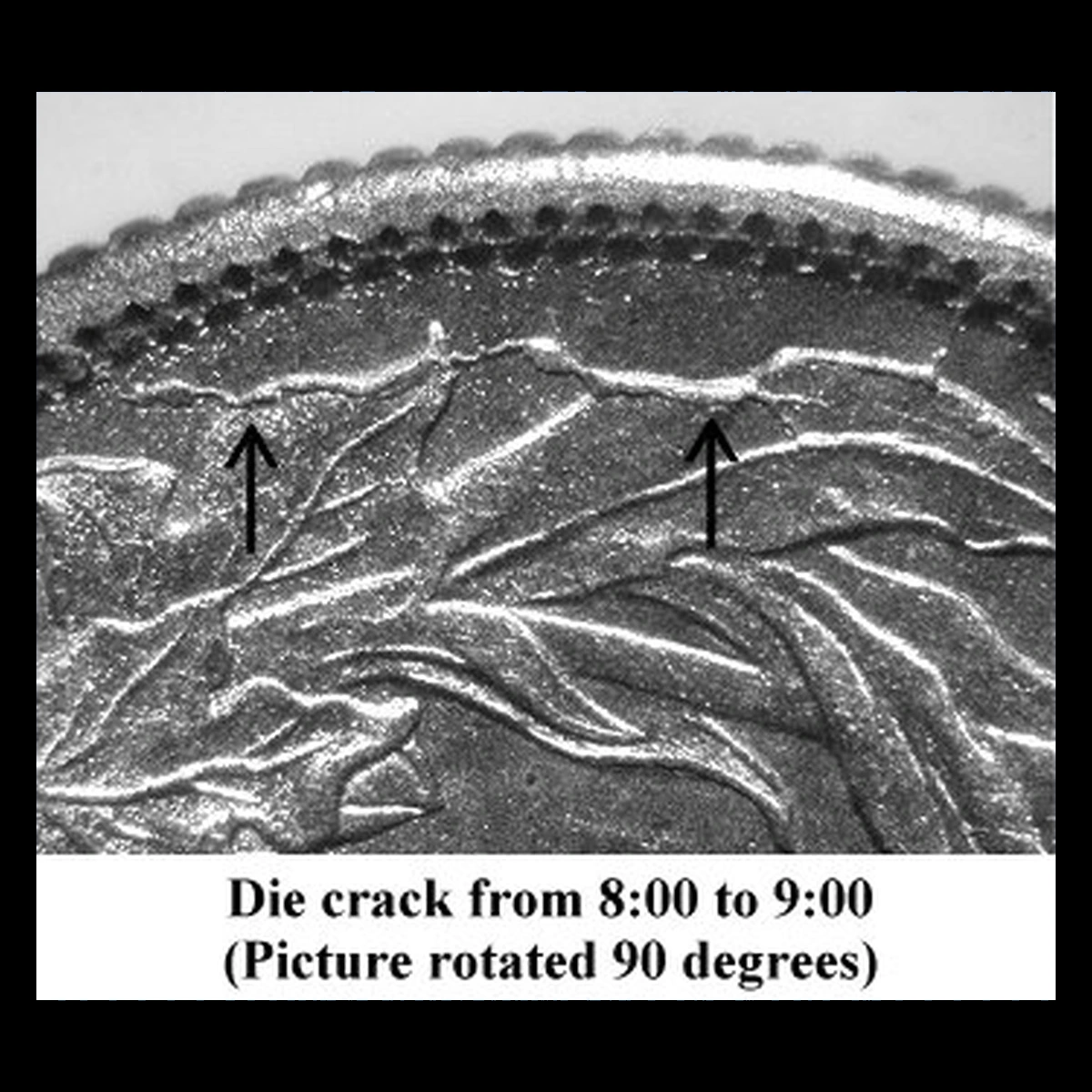
How to Identify
Determine whether the feature is a narrow raised line or a broader area reaching the rim. A partly separated tool section can retain detail that a fully missing section would not stamp.
Keep the separate Philadelphia positions with their matching specimens. A reworked crack beneath the bow belongs to a Proof-tool comparison.
Proofs are specially made collector coins. Bright surfaces or one shared line alone cannot establish that finish.
What It’s Worth
$25–$1,500 is the estimated range for ordinary coins with cracks through clear rim breaks. A documented Proof with the matching feature has a whole-coin estimate of $500–$3,000.
The Proof’s original finish contributes to that value; a small line alone does not explain the difference.
6. 1890 Dime A Flap or Peeling Boundary: Reported Lamination Error
A weak area within the silver alloy can open into a thin sheet or missing patch. This is called lamination.
The year-guide report does not supply a securely identified 1890 specimen. These dimes also lack the bonded outer layers used on modern clad coins.
How to Identify
Leave a loose flap in place and use side light to follow its attachment. A natural sheet boundary gives more evidence than scattered roughness.
Inspect nearby design for scraping, parallel grooves, or chemical pits. Those can explain metal loss after striking.
What It’s Worth
$20–$300 is the estimated range for confirmed surface laminations in ordinary circulated condition. Mint, wear, and the extent of original peeling affect the whole-coin comparison.
The report alone does not authenticate a rough patch on another dime.
7. 1890 Dime An Interruption at the Chin or Neck: Reported Strike-Through Error
A collector’s registry description places affected areas in front of Liberty’s chin and around the neck. Material blocking the strike is the proposed explanation.
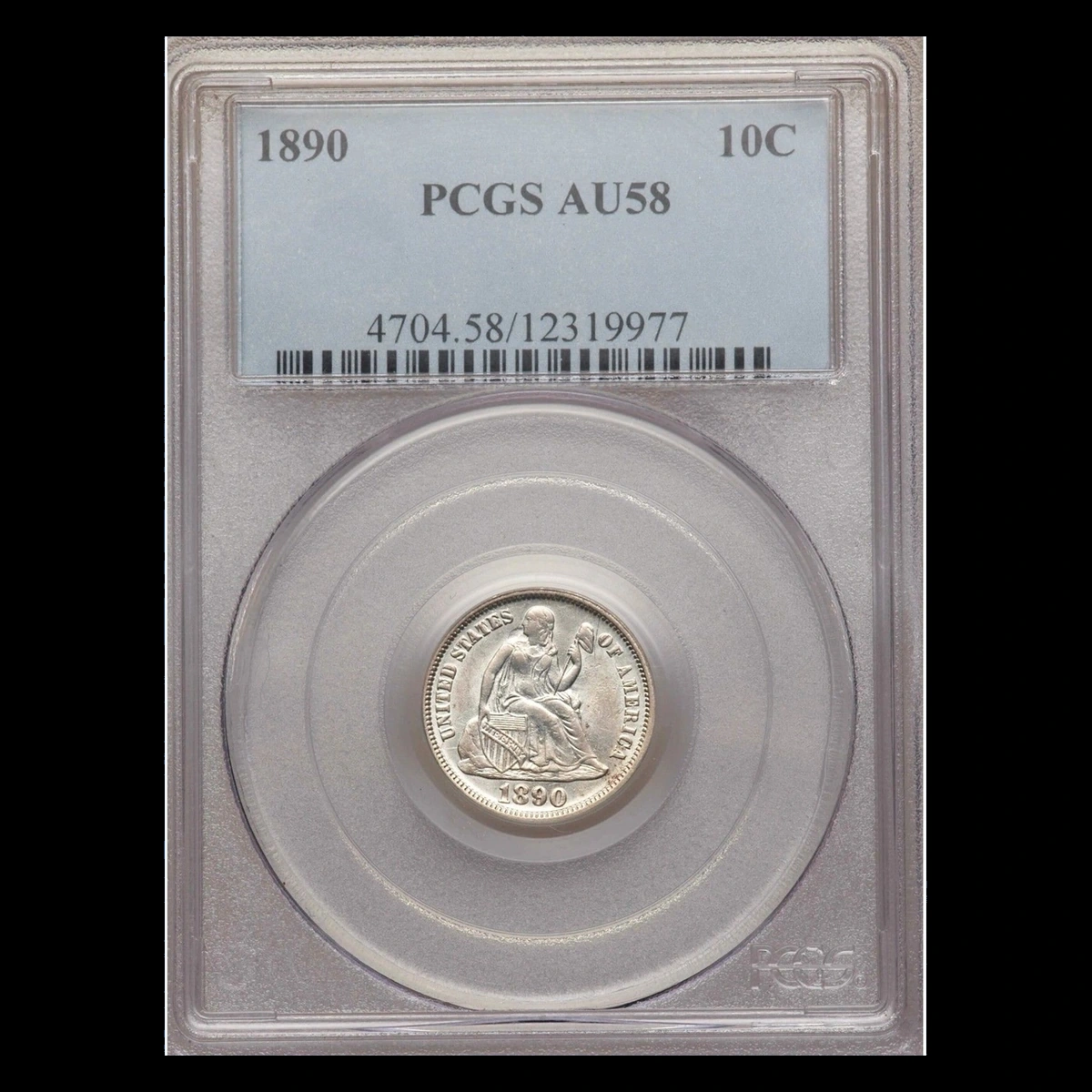
The coin has a PCGS AU58 grade, indicating slight wear. That grade alone does not certify the owner’s strike-through claim.
How to Identify
Compare the chin and neck separately with a normal coin. Follow where ordinary detail gives way to the affected surface.
Scratches, pushed-up metal, or polish lines can reveal later removal of detail. The shape by itself does not name the material that may have blocked the strike.
What It’s Worth
$100–$1,000 is the conditional estimate for an authenticated comparable front strike-through. Size, clarity, and surrounding preservation matter.
The registry account supplies a reported location and grade, not a disclosed sale of a certified error.
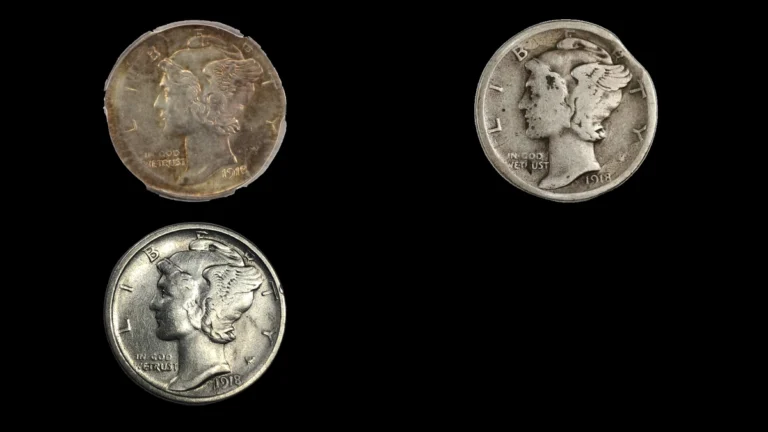
8. 1890 Dime A Straight Gap and a Turned Edge: Clip Combination Error
The cataloged NGC AU55 coin has a straight clip at 10 o’clock and a “curled clip” at 4 o’clock. Both features belong to one lightly worn dime.
Curled describes metal turning at the edge. It should not silently be changed to curved, which describes a rounded gap.
How to Identify
With Liberty upright, examine each location separately. At the straight gap, check how the struck rim meets the exposed edge and look for saw or file marks.
The curled area needs a side view showing its actual turned metal. An ordinary curved-clip photograph cannot establish that second feature.
What It’s Worth
$75–$1,000 is the estimated range for a comparable genuine combination. Both original edge features and readable identity should remain clear.
The AU55 lot was marked not sold in November 2002. It provides an example, not a realized auction price.
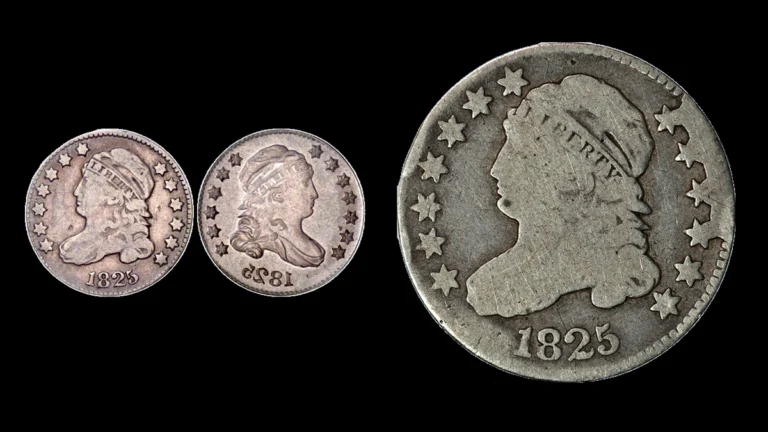
9. 1890 Dime A Complete Design inside a Wider Outline: Broadstrike Error
A collar normally controls how far the blank spreads. Without proper restraint, the metal can expand around the intended design.
The documented 1890 broadstrike was graded NGC AU55. Its widest direction must be read from the actual coin.
How to Identify
Compare several widths with a normal dime’s roughly 17.9 millimeters. Then check that the full design remains on both faces.
Natural spread beside preserved letters differs from hammering a finished coin flat. Missing design beyond an edge calls for an off-center comparison instead.
What It’s Worth
$150–$1,500 is the estimated range for comparable genuine broadstrikes. The AU55 specimen sold for $396 on August 15, 2020.
Visible expansion and clean original surfaces make the effect easier to display.
10. 1890 Dime One Displaced Picture: Off-Center Strike Error
The documented PCGS MS63 example was struck 20% off center toward 11 o’clock. Another older listing describes a separate XF40 coin shifted 15% toward 10 o’clock.
The blank’s misplaced position left some design beyond the metal and a plain crescent opposite it.
How to Identify
Read the surviving year and compare the struck boundary on both faces. A centered back behind a shifted front suggests a tool-alignment problem instead.
Check the unused metal for grinding or erased lettering. Keep the MS63 20% specimen distinct from the worn XF40 15% example.
What It’s Worth
$500–$8,000 is the estimated range for genuine dated examples. The 20% PCGS MS63 coin sold for $6,325 in August 2004.
Its unworn condition and original surfaces contribute to the result, not merely its direction of displacement.
11. 1890 Dime A Second Image Far out of Position: Double Strike Error
One recorded PCGS MS62 example has its second strike 75% off center, with the original date still visible. Another published description gives an MS63 coin with an 80% second strike and misplaced digits.
The date-punch feature began on the tool. The widely shifted second image came from the coin moving between blows.
How to Identify
Locate the first date, then trace connected pieces of the second lettering or seated figure. Random cuts cannot establish a second coherent design.
Inspect both faces, allowing for later pressure flattening earlier detail. Match each label to its own 75% or 80% description.
Check misplaced digits separately from the strike sequence. They describe a different stage of manufacture.
What It’s Worth
$1,500–$12,000 is the estimated range for comparably identified double strikes. Published Heritage auction highlights report $9,300 for the MS63 misplaced-date coin with an 80% second strike.
That amount already covers the coin’s combined features. It does not need another maximum misplaced-date value added.
Conclusion
Look beyond the four main digits for small date-punch traces, but keep them separate from overlapping images caused by another strike. The mint and affected face also matter when comparing repeated letters or leaf edges.
For larger defects, show the complete outline and edge. A curled edge, a clipped gap, and an expanded border each need their own physical explanation before a price comparison is useful.