Rare 1892 Quarter Errors (List & Pictures)
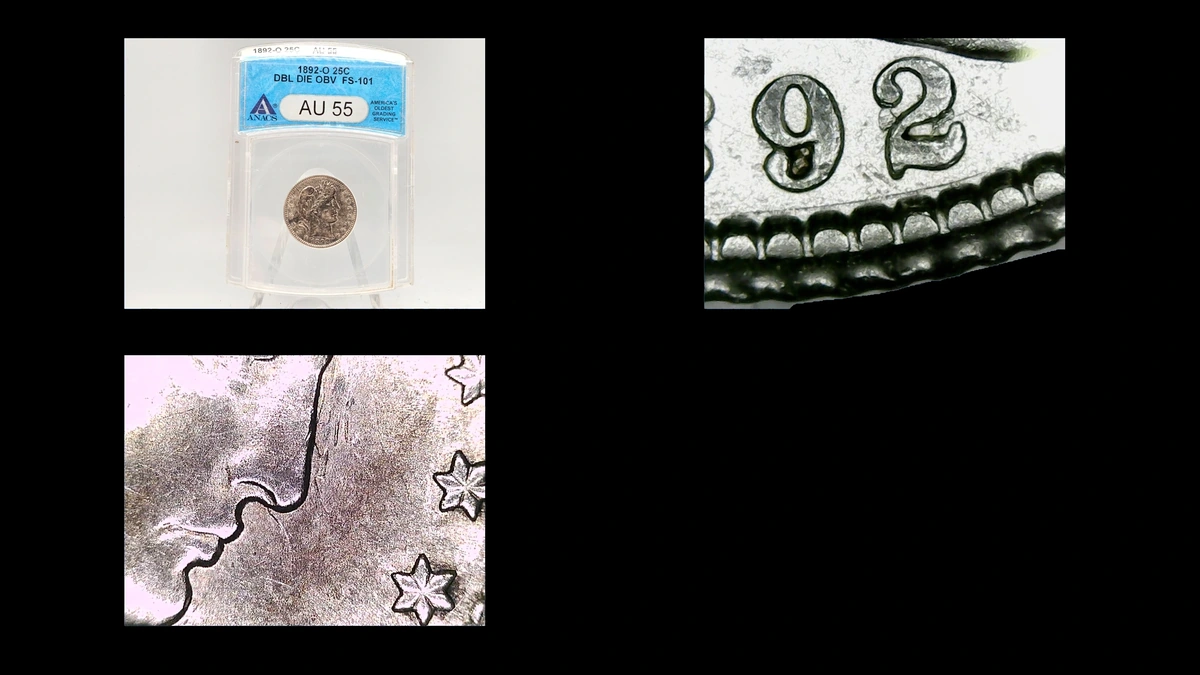
Several close outlines in TRUST and extra strokes in the date can belong to one 1892 quarter. A Philadelphia coin combining those features sold for $528 in March 2024, one price for the complete specimen.
This guide to 1892 quarter errors covers estimated whole-coin values of $25–$3,500. Check the mint before comparing fine details, then move from repeated designs to transferred marks, raised cracks, and the expanded outline of a broadstrike.
1. 1892 Quarter Several Close Letter Outlines: Doubled and Tripled Dies Error
Philadelphia examples can show fourfold detail in the motto, stars, and outer ribbon. New Orleans varieties include close tripling on the front, sometimes paired with repeated reverse lettering.
These repeated images were built into the die before coins were struck. The term doubled die still covers the group even when more than two impressions survive; it does not mean the finished quarter received four blows.
How to Identify
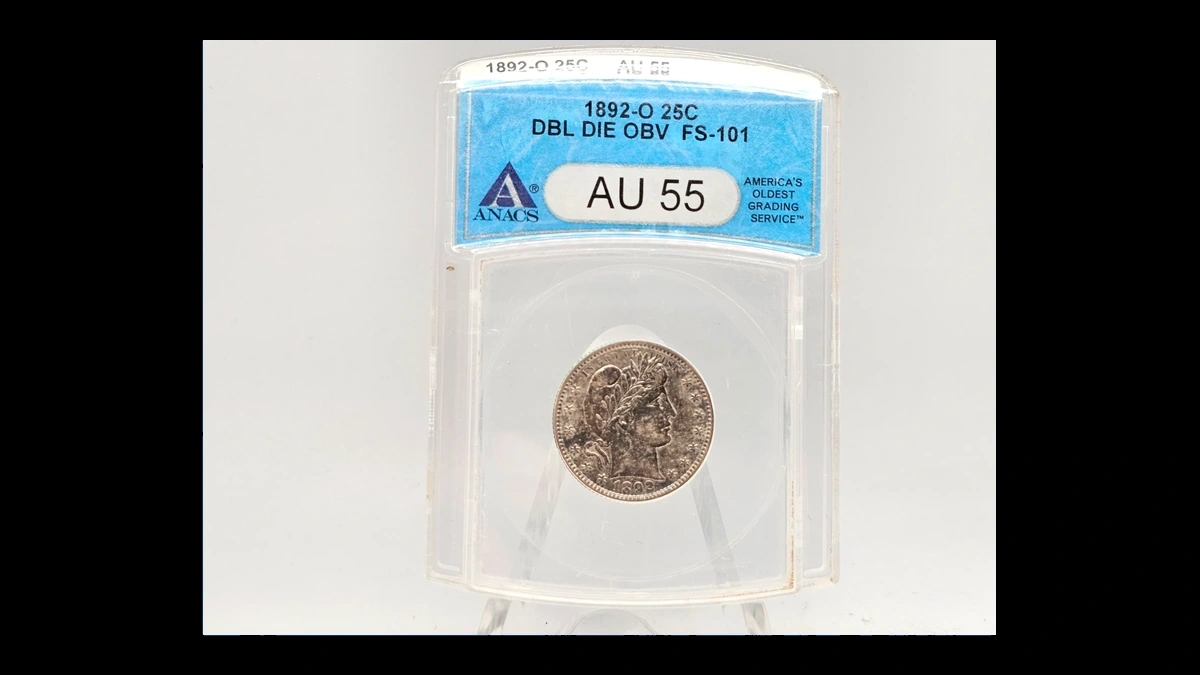
Check below the eagle for an O identifying New Orleans; Philadelphia has no mint letter there. For the Philadelphia fourfold example, enlarge the upper S in TRUST and compare adjacent motto letters, stars, and ribbon.
On New Orleans candidates, match the correct pair’s front and reverse patterns separately, including the country name and QUARTER DOLLAR where relevant. A single flat shelf beside a letter can arise from strike movement instead of duplication in the die.
What It’s Worth
$50–$2,000 is estimated across identified varieties in circulated to ordinary unworn condition. The Philadelphia PCGS MS63 combination realized $528 on March 4, 2024.
That coin combined fourfold design detail with a repunched date. Its result should not be transferred automatically to New Orleans varieties or divided into separate sales.
2. 1892 Quarter Extra Digit Strokes: Repunched and Reported Misplaced Dates Error
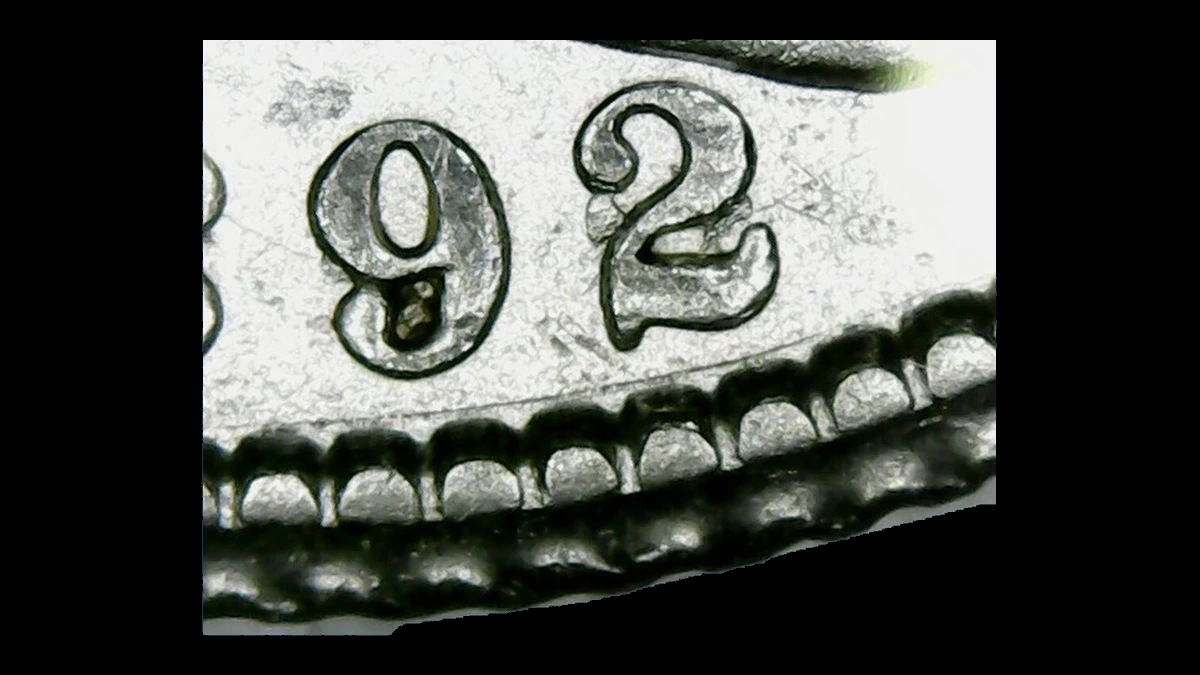
One confirmed Philadelphia repunched-date pattern has additional strokes above 1, 8, and 9, with no repunching on 2. Another has repeated 1 and 8 strokes running opposite the repeated stroke beside 2.
Both record repeated date-punch impressions in the die. A misplaced date or overdate makes a different claim: a fragment away from the intended position, or an underlying digit from another year.
How to Identify
Keep all four digits in view and choose one complete reference pattern. Do not combine the above-189 arrangement with the different directions of the other example.
Look for raised remnants shaped like portions of the original numeral. A misplaced-date claim requires a recognizable distant digit fragment, and an overdate requires evidence of a different underlying year.
Neither of those latter claims has a matching example established in the supplied information. Extra strokes repeating the same digits should remain described as repunching rather than an invented earlier date.
What It’s Worth
$40–$1,500 is an estimate for identified Philadelphia date-punch varieties across circulated to ordinary unworn grades. The $528 March 2024 combination is the same coin discussed above, not another price to add.
An unconfirmed misplaced date or overdate does not inherit this range merely from a name in a listing. Its own feature needs authentication.
3. 1892 Quarter An O below WE and a Trace through the Date: Die Clash Error
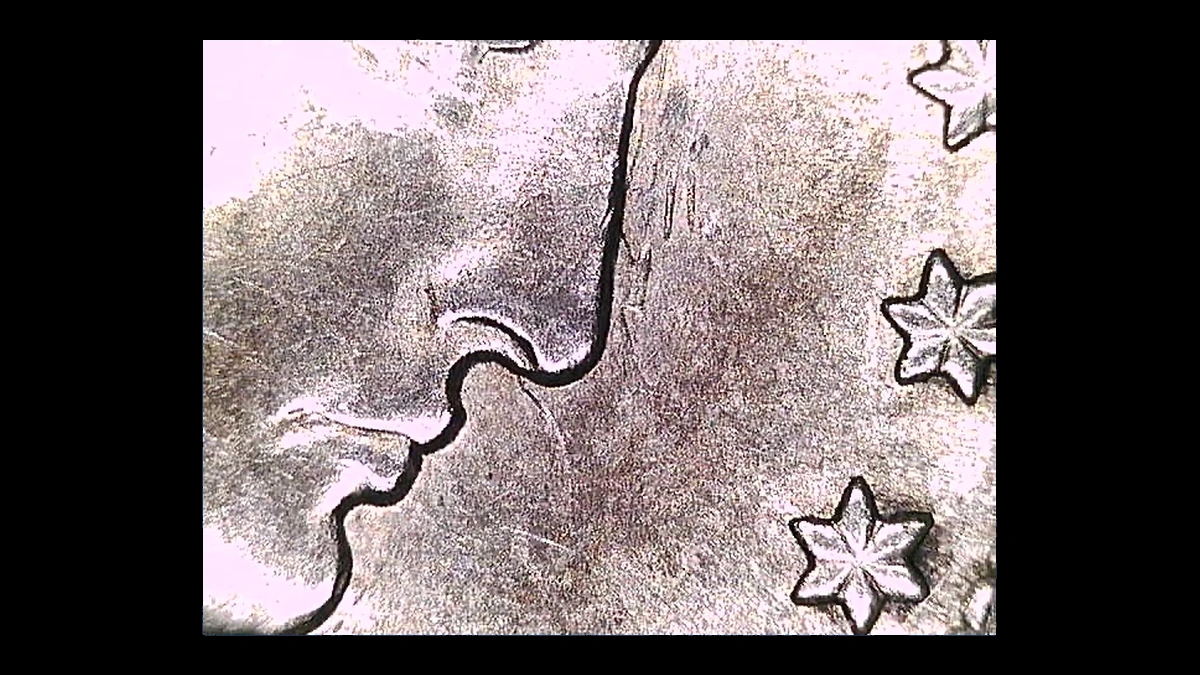
The recorded New Orleans die pair transferred an O-like trace to the space beneath the E in WE. It came from the reverse mintmark when the dies contacted one another without a blank between them.
The same pair has another clash mark through 92 in the date. The transferred front O is not a separately punched mintmark; the actual O remains below the eagle.
How to Identify
Locate the front E in WE and compare the trace immediately below it with the reverse O, allowing for the mirrored transfer. Then inspect the entire recorded line through 92 as a second check.
A ring-shaped dent or random date scratch does not establish the combination. Include both front marks and the normal reverse mintmark in clear photographs rather than relying on one tightly cropped shape.
What It’s Worth
$50–$750 is estimated for worn to lightly worn examples with the described clash marks. The ordinary 1892-O coin value, surfaces, and visibility of the transfer all contribute to the total.
This die pair also has cracks and doubled detail. Those accompanying features support identification without creating separate maximum values to add together.
4. 1892 Quarter Thin Ridges Link Reverse Letters: Die Cracks Error
Recorded 1892-O cracks connect the upper ED in UNITED, TE in STATES, and RICA in AMERICA. Metal entered openings in the die during striking, leaving raised links on the coin.
The damage was in the tool, so the quarter itself need not be split. Each short line is part of the documented die condition rather than another separately priced error.
How to Identify
Move through the three letter groups in order and follow how each ridge meets the intended lettering. Side lighting helps distinguish a raised path from a scratch groove with metal pushed along its sides.
Compare the specific routes with the matching New Orleans example. A full reverse photograph preserves their relationship and can reveal whether an isolated mark belongs to an unrelated scratch.
What It’s Worth
$25–$500 is an estimate for circulated 1892-O quarters with visible cracks. Thin common lines may add little to the underlying coin value, especially when wear or damage makes them difficult to see.
5. 1892 Quarter A Wider Outline around the Design: Broadstrike Error
An 1892-O pictured in a 1978 catalog was described as struck outside the collar and graded XF. The collar is the ring that normally restrains the edge; without it, silver can spread outward during striking.
A broadstrike can retain the full design inside an enlarged border. It should not be identified from ordinary rim wear or a small uneven margin alone.
How to Identify
Compare the full outline with a normal Barber quarter at the same scale and check whether the intended lettering remains on the metal. Missing design opposite an unstruck crescent suggests an off-center strike instead.
A normal quarter is about 24.3 millimeters across and weighs 6.25 grams; broadstriking redistributes that metal rather than adding more. On a loose candidate, measurements should accompany examination of the edge and nearby detail.
Look for naturally struck letters within the spread metal. Later hammering can enlarge a coin too, but it may crush existing details and leave impact marks.
What It’s Worth
$350–$3,500 is a working estimate for authenticated examples. The 1978 catalog offered its worn XF 1892-O at $175, a historical asking price rather than a confirmed auction realization.
Conclusion
An accurate 1892 quarter description keeps the mint and complete pattern together. Philadelphia’s repunched dates and multiple outlines need different references from New Orleans’ transferred O and connected reverse letters.
Value compound varieties as whole coins, including wear and original surfaces. The $528 result is one combination sale, while the broadstrike’s $175 figure is an old asking price, and neither establishes an unconfirmed overdate or misplaced-date claim.