Rare 2014 Quarter Errors (List & Pictures)
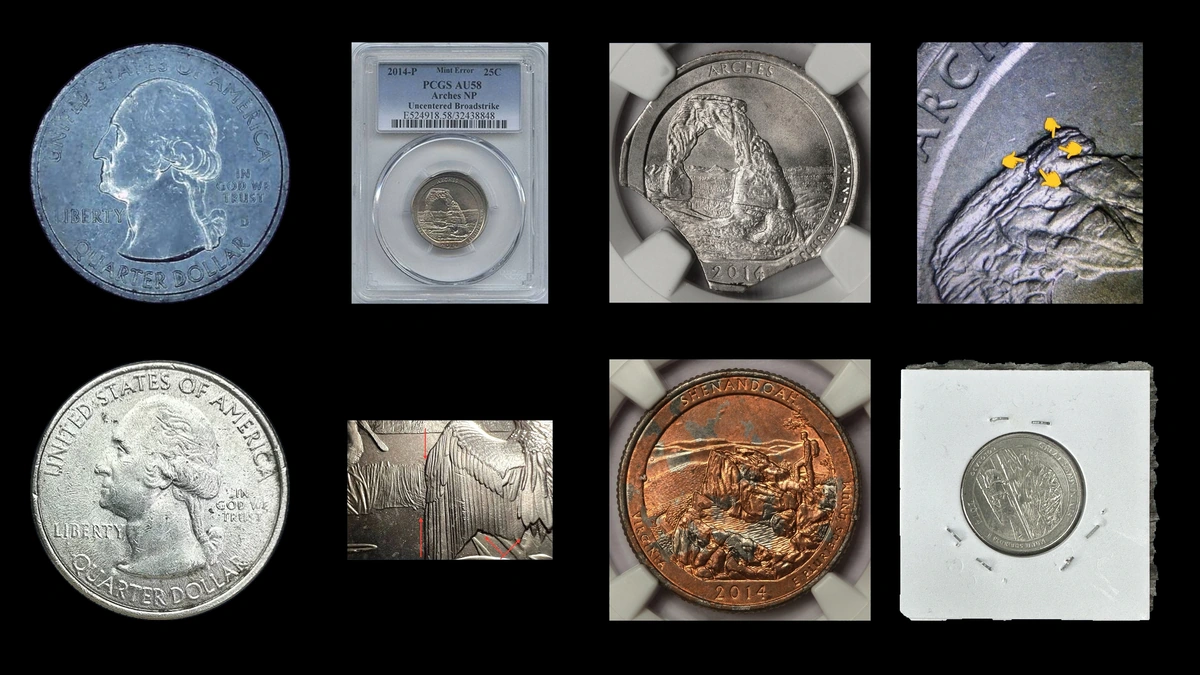
The park name matters when examining 2014 quarter errors: an Arches rock-shaped lump and a weak Great Smoky Mountains mintmark need different explanations. Estimated error values for ordinary clad examples range from $2–$800.
A different-year 1986-P nickel struck through material sold for $204, offering only a broad comparison. Identify the park, inspect the outline, and then examine the affected design or metal.
| Observation | Possible category | Estimated value |
|---|---|---|
| Only one design shifted | Misaligned die | $2–$75 |
| Step on the edge | Partial collar | $25–$350 |
| Extra raised rock or letter lump | Die chip or break | $2–$200 |
| Both faces copper-colored and unusually light | Reported loss of both clad layers | $200–$800 if confirmed |
A standard clad quarter weighs 5.67 grams and measures 24.26 millimeters across its grooved edge. The 2014 90% silver collector version weighs 6.25 grams and has a different construction from the clad coins discussed below.
1. 2014 Quarter One Design Has Unequal Borders: Misaligned Die Error
Reports from Shenandoah, Arches, and a Denver Great Sand Dunes coin concern a design shifted on one face. The other face can stay normally centered when just one stamping tool is out of position.
This differs from the entire blank entering the press off center. A tilted camera can also exaggerate rim spacing.
How to Identify
Photograph each face straight on and compare its design center with the coin’s outline. One displaced face beside one centered face supports the proposed mechanism.
Inspect the narrow rim for dents or squeezing. If both designs moved together, investigate a displaced blank instead.
What It’s Worth
Small verified shifts suggest $2–$50, with clearer attractive examples around $50–$75.
A slightly uneven border may attract little interest even when original. No specific same-year auction result is supplied for these reports.
2. 2014 Quarter A Grooved Band Meets a Wider Band: Partial Collar Error
The collar ring normally contains the quarter and forms its edge grooves. Partial collar contact allows some of the blank’s thickness to spread beyond the ring.
Shenandoah and Great Sand Dunes reports describe this stepped edge. The step may vary around the circumference without making the entire coin oval.
How to Identify
Rotate the edge under magnification to locate the transition from constrained grooved metal to wider free expansion. A circular line on a face is not the required edge evidence.
Check for filing across the grooves or impact-flattened sections. Original collar steps should be distinguished from later reshaping.
What It’s Worth
Genuine partial-collar clad quarters suggest $25–$350. A distinct step and clean readable design support a stronger comparison.
A 1990-P nickel with partial collar contact sold for $99 in June 2025. That different denomination does not establish a price for either 2014 park issue.
3. 2014 Quarter A Wide Outline Retains All the Design: Broadstrike Error
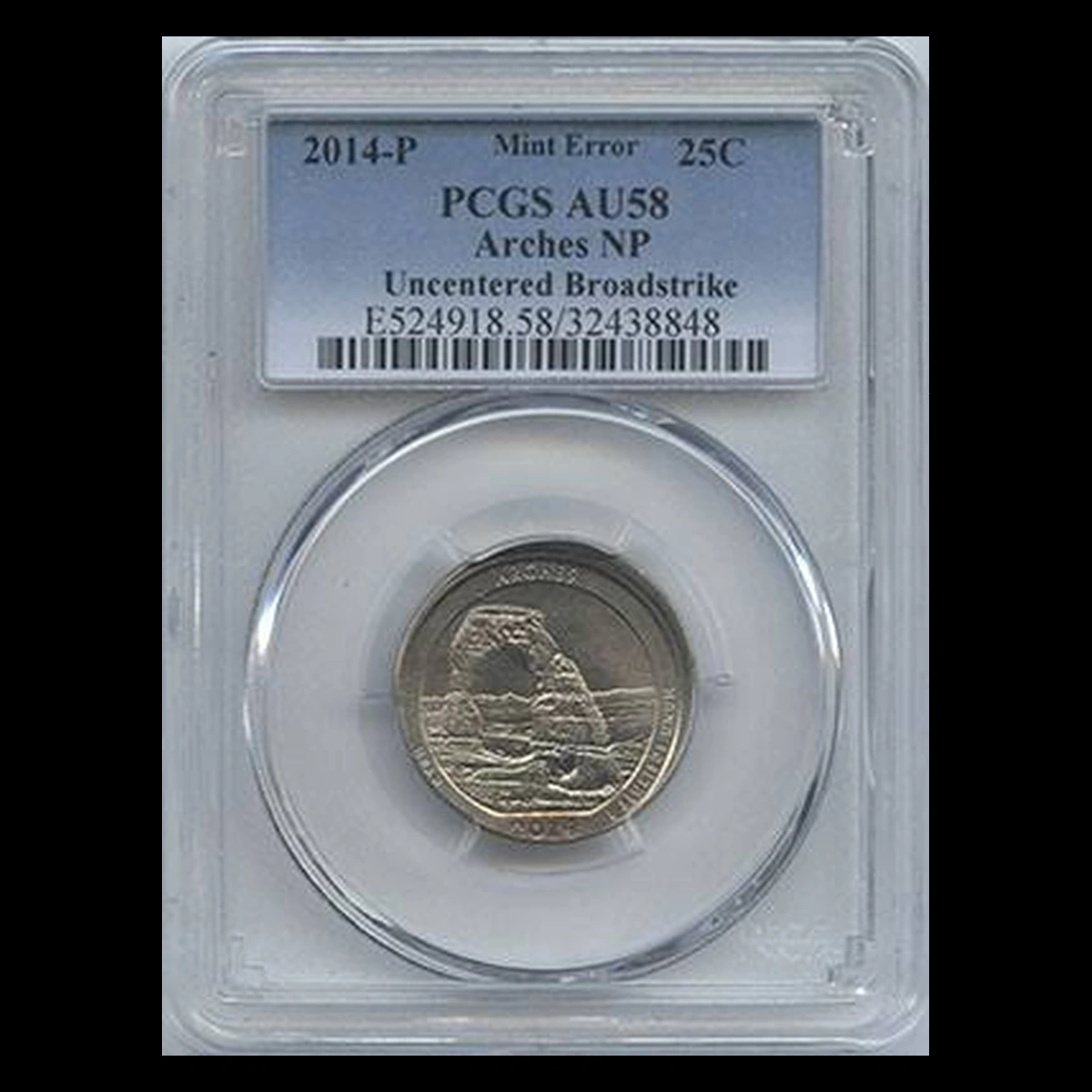
The Arches collector record describes an uncentered broadstrike. Metal spread outside the collar, leaving the design complete but unevenly positioned inside a wider outline.
A separate Great Smoky Mountains expanded-strike report is described as MS60. Its dimensions should not be borrowed from the Arches coin.
How to Identify
Compare several diameters and inspect the complete design on both faces. Natural expansion can be uneven and need not remove metal.
Look for preserved struck detail within the wider border. Later hammering can enlarge a quarter while flattening letters and leaving impact marks.
What It’s Worth
Authentic broadstrikes suggest approximately $40–$500. Clear spreading and attractive complete design offer better comparisons than minor unevenness.
A 1988-P dime with overlapping strikes and expansion brought $80.50 in May 2005. Its smaller size and additional strike make it an imperfect comparison.
4. 2014 Quarter Design Ends Beside Untouched Metal: Off-Center Strike Error
Arches and Great Smoky Mountains have off-center reports. The latter is described as MS64, but its shift percentage is not established in the supplied information.
A misplaced blank receives part of the design and leaves another area unstruck. Unlike broadstriking, part of the intended design is lost beyond the blank.
How to Identify
Locate the park name and reverse date, then compare matching displacement on both faces. One face alone cannot establish the position of the whole blank.
Inspect the blank crescent and its boundary for grinding or later flattening. Keep mintmark, direction, and percentage unspecified unless the actual specimen supplies them.
What It’s Worth
Genuine off-center clad examples suggest $75–$600. A visible date, strong shift, and clean surfaces make a more useful comparison.
A 1999-P Georgia quarter graded MS66 and struck 40% off center sold for $192 in December 2024. Those specifics belong to that coin, not the 2014 reports.
5. 2014 Quarter A Straight or Curved Piece Is Missing: Clipped Planchet Error
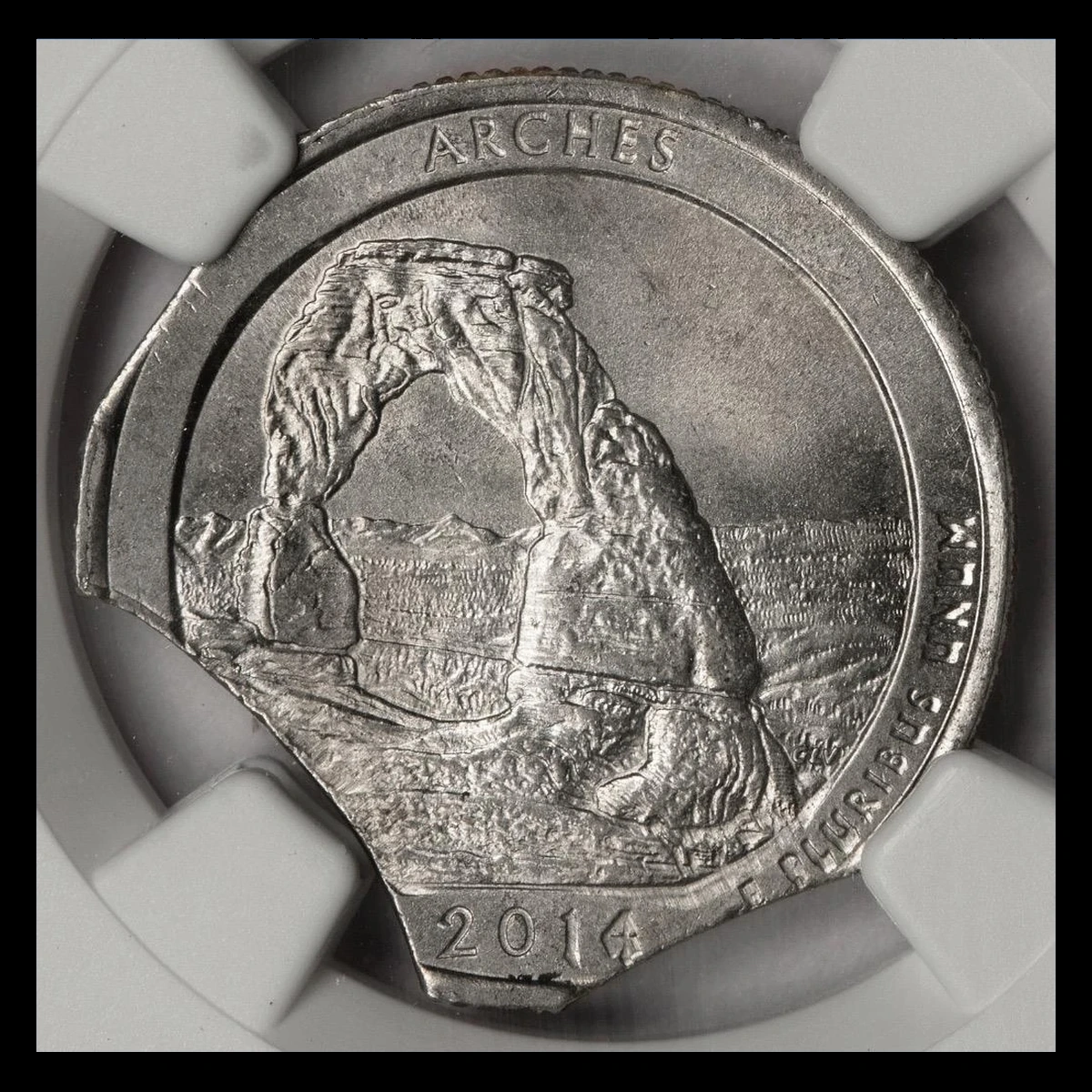
A Shenandoah report describes an AU58 straight clip removing about 15% of the blank. Another 2014-P clip report does not identify its park.
The missing metal existed before striking because the blank-cutting punch crossed a strip edge or previous opening. A later cut through a finished quarter is a different event.
How to Identify
Read the actual scene and park lettering instead of assigning every 2014-P clip to Arches. Inspect both ends of the shortage and how the design approaches them.
Possible opposite-rim weakness supports an original clip, while saw marks or filing suggest damage. Reduced weight confirms missing metal but cannot establish its timing.
What It’s Worth
Genuine clipped clad quarters suggest $25–$450, depending on size, natural boundaries, and preservation.
A 1999-D Pennsylvania coin with overlapping curved clips sold for $74 in December 2024. That shape differs from the reported straight Shenandoah clip.
6. 2014 Quarter Raised Rocks, Lines, or Letter Lumps: Die Chips and Breaks Error
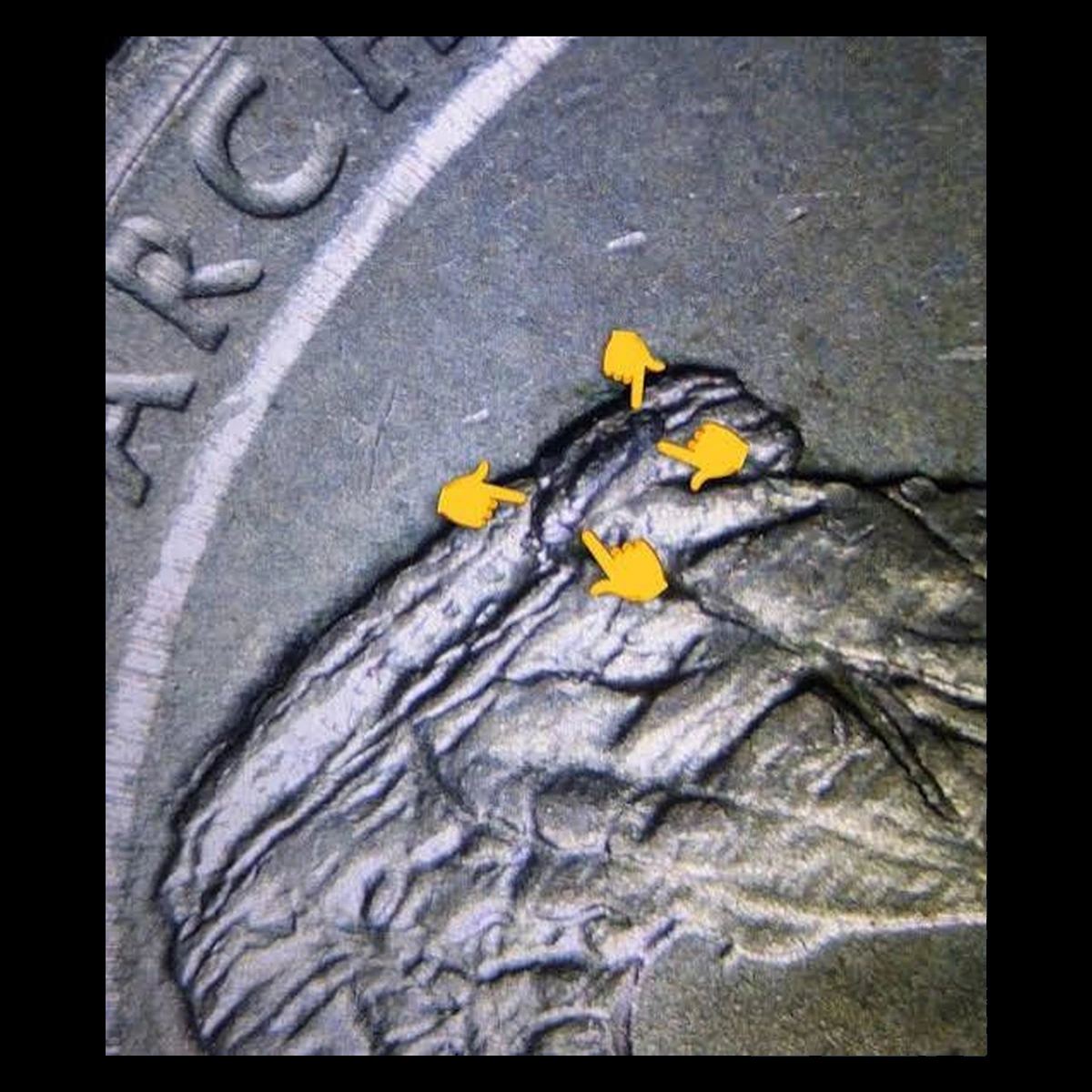
Arches reports include an Extra Rock near the base and a separate mark near the top. Shenandoah reports describe extra metal in both U letters of UNUM.
Great Sand Dunes has a reported front rim break, while Everglades has a reverse break report. The Everglades birds are an anhinga and a roseate spoonbill.
Metal fills cracks or missing portions of a die and reproduces them as raised features. A larger break meeting the rim is a cud; an interior lump is not automatically one.
How to Identify
Match the park and exact location before comparing a shape. Use side lighting to distinguish a raised original feature from a scratch with metal pushed up beside it.
For a claimed cud, trace the patch to the rim and inspect the edge for impact damage. Several reported positions need not occur on one die or coin.
What It’s Worth
Small cracks and chips suggest $2–$35; stronger breaks, particularly clear cuds, may fall around $35–$200.
A 1970-D nickel with two cuds sold for $63 in October 2022. Its result is a different-year and different-denomination comparison rather than a price for every named extra rock.
7. 2014 Quarter Weak Local Detail or a Faint Mintmark: Struck Through Material Error
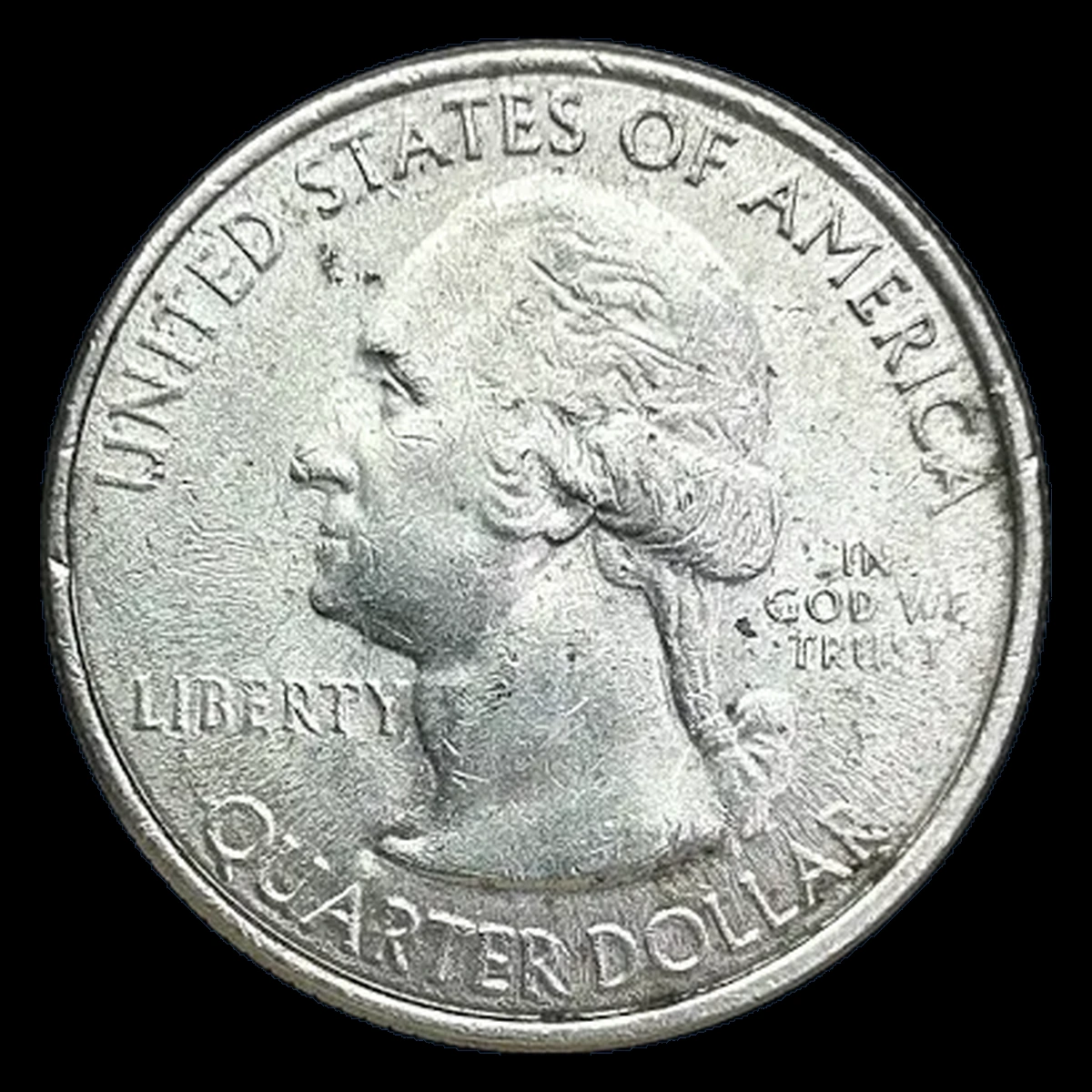
Blocked-strike reports involve Arches, Shenandoah, Great Sand Dunes, and Great Smoky Mountains. Material in a die recess or between die and blank can prevent normal detail from forming.
The Great Smoky Mountains report concerns a weak or absent P. That appearance does not establish a separate rare No P die variety.
How to Identify
Compare the weak patch with sharper neighboring detail and check for scraping. Broad circulation wear can weaken many exposed features without a local obstruction.
For the weak P, inspect the front mintmark area and nearby design. Identify the visible striking problem before naming its material or assigning a missing-mintmark variety.
What It’s Worth
Small genuine blockages suggest $5–$50, with larger clear affected areas around $50–$300.
A 1986-P nickel struck through material sold for $204 in June 2023. That comparison does not identify the object responsible for any 2014 quarter’s weak detail.
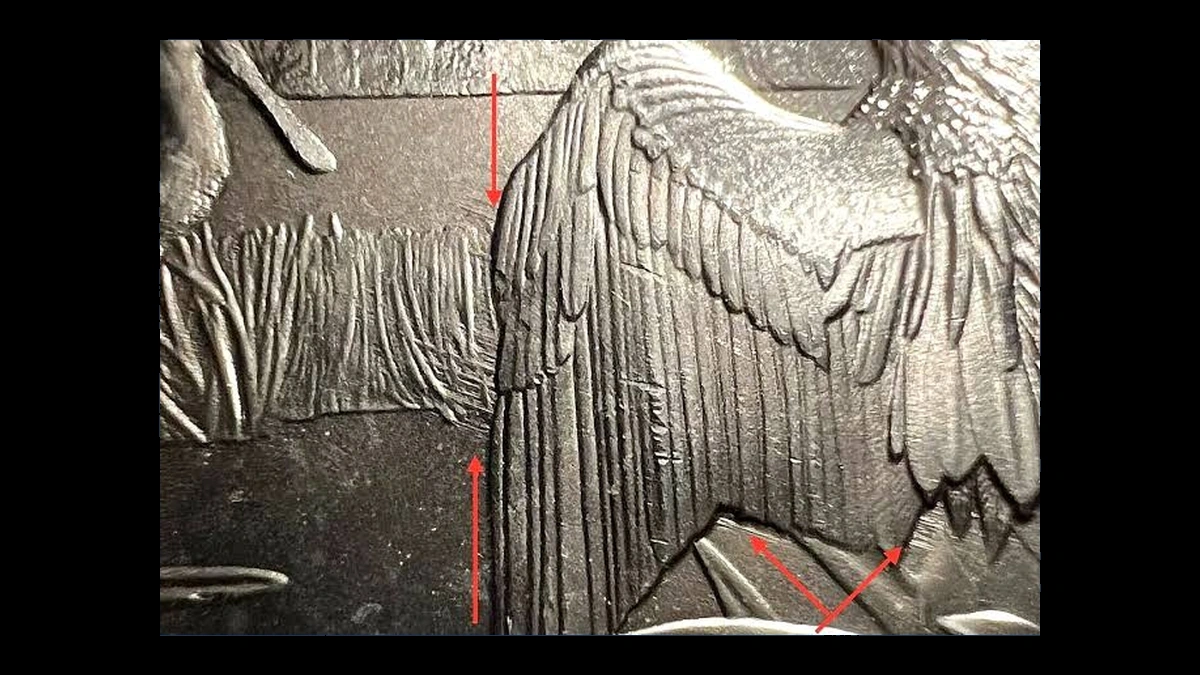
8. 2014 Quarter Lines Attributed to a Feeding Mechanism: Feeder Marks Error
A Philadelphia Everglades seller report attributes surface lines to the part that feeds blanks into the press. The exact line position is not established here.
A feeder can scratch a die, which then copies raised lines onto later coins. Direct contact with a coin could instead create a scrape, so the label covers different proposed events.
How to Identify
Establish whether the feature is raised, recessed, or a cut bordered by displaced metal. A repeated raised pattern on other coins can support transferred die damage.
An isolated groove needs more evidence to connect it to the feeder. Include the surrounding design in photographs rather than accepting a seller’s cause from the line alone.
What It’s Worth
A small demonstrably mint-made feeder-related feature suggests $2–$40. Ordinary later scratches do not receive that premium.
The supplied seller report provides no confirmed transaction. The feature’s original formation must be supported before a rarity or value claim follows.
9. 2014 Quarter A Thin Flap or Shallow Separation: Lamination Error
An Arches lamination report concerns localized separation in the metal. It supplies neither a precise face location nor the quantity of metal lost.
A shallow flaw in a clad coin differs from an entire outer layer disappearing. A gouge or scrape can also leave a rough patch without any original lamination.
How to Identify
Follow a natural separation boundary under magnification and leave attached metal untouched. The way the boundary interrupts struck design helps explain the defect.
Inspect the edge and affected surface for cutting or a deep scoop with piled-up metal. Small retained flakes may produce little weight change.
What It’s Worth
A genuine localized Arches lamination suggests $15–$250. Larger clear flaws with an original attached flap can make stronger comparisons.
The report gives no specific sale result. Forcing a flap open damages the evidence rather than improving the error.
10. 2014 Quarter Unusual Dark Color: Improper Annealing Error
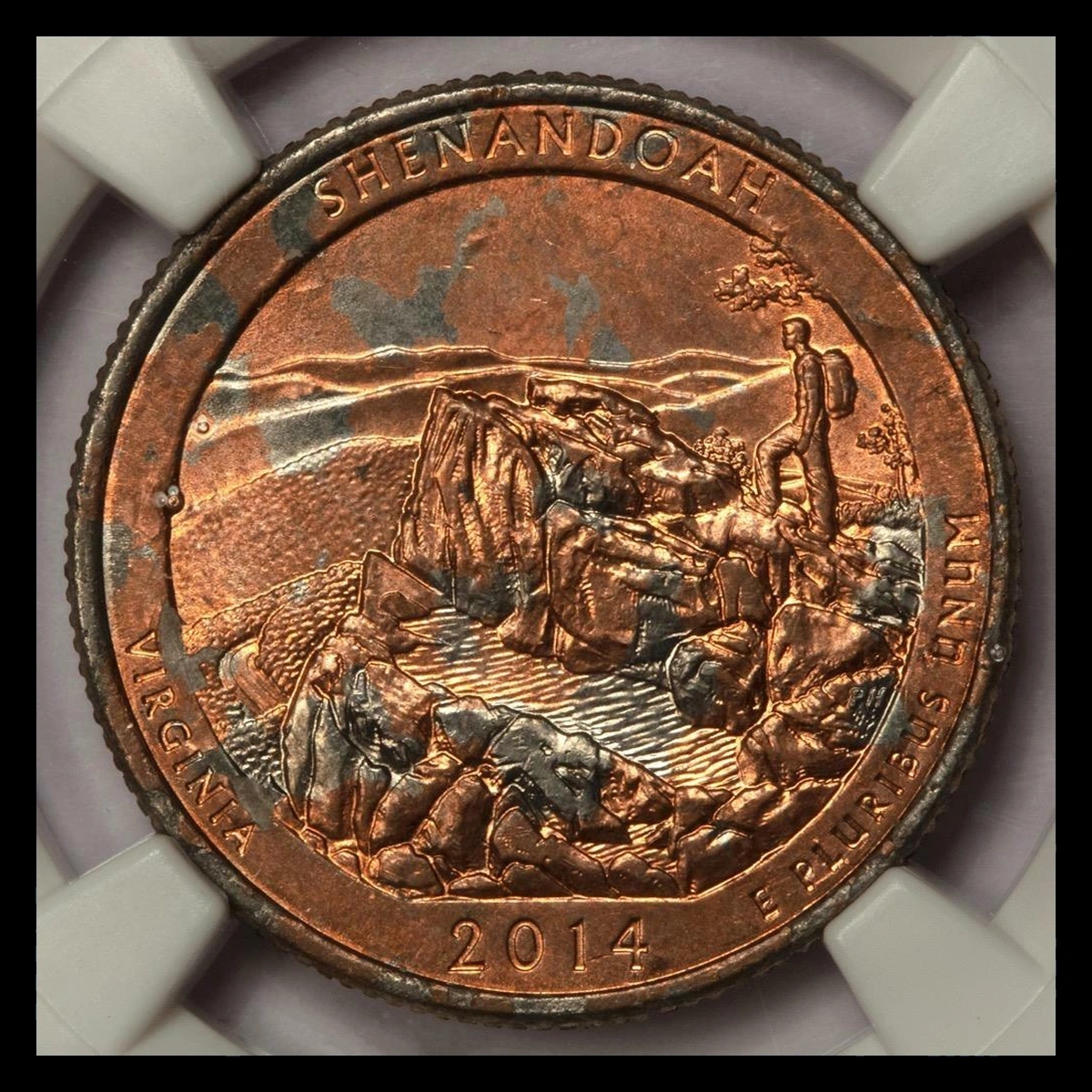
A Shenandoah coin described as MS64 has been offered under the nickname Black Beauty. Annealing is the heating step used to prepare blanks, and abnormal conditions can affect their surfaces.
The dark nickname does not establish that cause. Chemicals, stains, and heating after minting can produce dark coins too.
How to Identify
Inspect both faces and the edge for residue, coating boundaries, burn patterns, or disturbed metal. Compare texture with an authenticated annealing-error surface rather than another dark coin.
Confirm the correct clad or silver issue before interpreting weight. Dark color alone does not mean an outer layer is missing, and an unworn grade does not authenticate the color’s origin.
What It’s Worth
A genuine mint heating-related surface error on a clad quarter suggests $20–$150.
A 2005-P dime with an annealing error sold for $74 in April 2015. The Shenandoah candidate still needs its own diagnosis before that different-coin comparison is useful.
11. 2014 Quarter Copper on Both Faces: Reported Loss of Both Clad Layers Error
A reported 2014 MS60 quarter lacks both outer layers, exposing the copper center on each face. Its park identity and actual weight are not supplied.
This construction differs from the year’s silver collector quarters. Later stripping, plating, or discoloration must also be distinguished from an original missing-layer strike.
How to Identify
Record the actual weight, because losing both layers should substantially reduce it from the clad standard. Do not copy a measurement from another missing-layer coin.
Inspect the designs on both exposed faces and the edge for natural striking rather than chemical or abrasive removal. Copper color without corresponding original metal loss is insufficient.
What It’s Worth
A confirmed ordinary clad quarter missing both layers has a conditional estimated range of $200–$800.
A 1999-D Connecticut quarter missing only its reverse layer sold for $149 in December 2024. That one-sided error does not establish this 2014 report’s weight or price.
12. 2014 Quarter A Repeated Design Shape: Doubled Die Error
Arches has a reverse-doubling report, Everglades has front and reverse claims, and a Great Sand Dunes seller points to a person’s shoulder. These reports do not supply one shared pattern or a complete set of variety numbers.
A doubled die already carries the repeated detail when it strikes coins. The date on these quarters is on the reverse, so it cannot be a diagnostic for a claimed front-side variety.
How to Identify
Select the correct park and face, then trace the repeated shape beside a real design element. Compare with an identified example of that specific pattern.
A flat shelf created during striking is not the same as tool doubling. Slight thickness, a seller’s DDO label, or an unrelated ridge does not complete the attribution.
What It’s Worth
Established doubled-die clad examples have an estimated range of $15–$400. Distinct matching detail and attractive preservation support stronger comparisons.
No firm auction result is supplied for these individual claims. Their patterns and demand must be assessed separately.
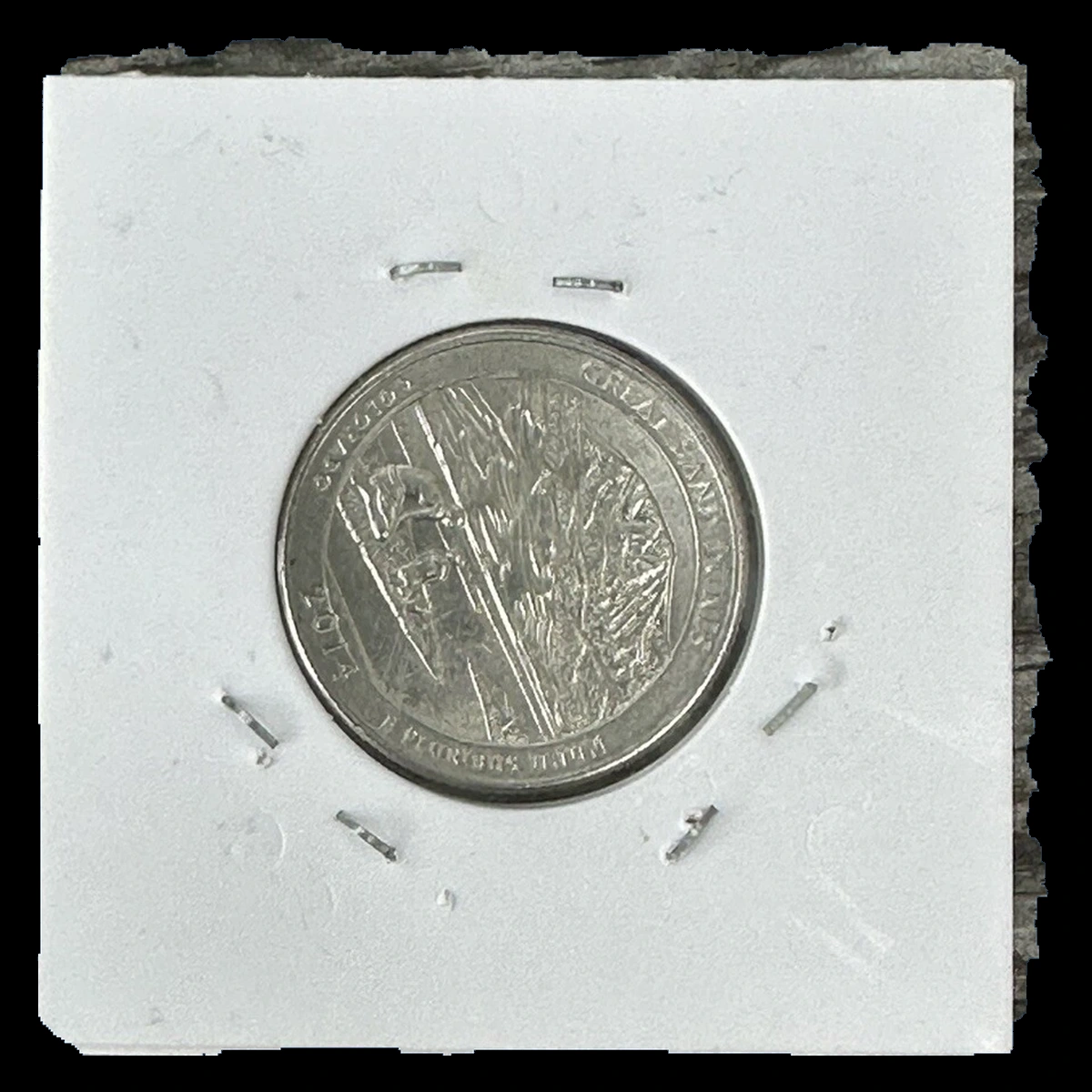
13. 2014 Quarter The Reverse Finishes at an Angle: Rotated Dies Error
Two designs can each be centered but misaligned in angle. This occurs when one die is turned relative to the other.
The 2014 reports supply no specific measured angle. A casual sideways twist during handling can make normal alignment look wrong.
How to Identify
Record Washington upright, then flip the quarter top to bottom without turning it sideways. Repeat with an ordinary quarter held the same way to compare the park’s expected orientation.
A stable abnormal angle through repeated flips supports rotation. Separate images rotated to different positions cannot establish it.
What It’s Worth
A genuine measurable rotation suggests $10–$100 for ordinary clad examples.
A 2015-D nickel rotated 90 degrees counterclockwise sold for $79 in October 2021. Its precise angle and sale must not be assigned to an unmeasured 2014 quarter.
14. 2014 Quarter Two Displaced Impressions: Possible Double Strike Error
A Great Smoky Mountains picture caption reports a double strike without a firmly established specimen in the supplied record. The coin would need two genuine design impressions from separate blows.
This differs from small contours repeated in a doubled die. A coin must move or turn between impressions for a displaced second strike to appear.
How to Identify
Trace recognizable parts of both impressions and inspect where the later one overlaps the first. Compare corresponding changes on the other face to reconstruct one consistent event.
Confirm the park and 2014 date while excluding squeezing or surface damage. Two bright edges beside one letter are insufficient.
What It’s Worth
A confirmed double-struck clad Great Smoky Mountains quarter has a conditional estimate of $100–$700.
A 2001-P dime with a second strike 75% off center sold for $114 in October 2021. That comparison supplies neither a percentage nor a certification for the 2014 caption claim.
Conclusion
Start every 2014 quarter comparison with the actual park design and metal issue. A seller’s label cannot supply an absent park name, an unmeasured angle, or a cause for dark color.
Photograph both faces and the edge so the visible evidence can distinguish die marks, incomplete blanks, interrupted strikes, and layer loss. The estimated ranges assume genuine mint-made features, while unresolved caption claims remain conditional.